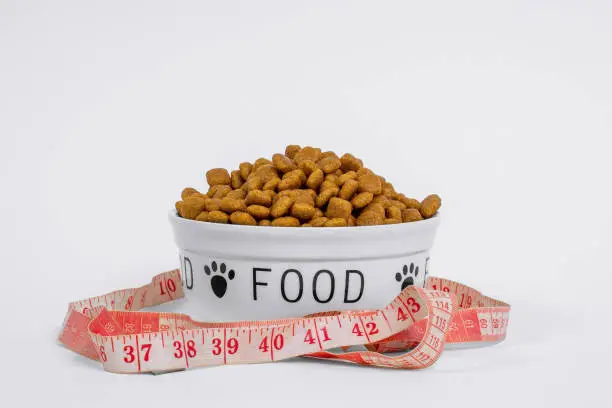
Helping a dog lose weight is not about feeding the “smallest possible portion.” It is about choosing the right weight loss dog food, measuring it carefully, limiting hidden calories, and supporting your dog’s body while they gradually return to a healthier condition.
The best dog foods for weight loss are usually lower in calories, rich in quality protein, moderate to low in fat, and designed to help dogs feel full without overloading them with unnecessary calories. Many successful formulas also include fiber-rich ingredients, controlled carbohydrates, and nutrients that support lean muscle, digestion, and joint health.
Before changing your dog’s diet, it is important to remember this: weight gain is not always just about food. Overfeeding, low activity, breed tendency, age, neutering, medications, joint pain, hypothyroidism, Cushing’s disease, and other medical issues can all play a role. Cornell’s veterinary guidance recommends consulting a veterinarian before switching to a weight-loss diet, especially if your dog has a medical condition or needs a structured plan.
Why Dog Weight Loss Matters
A few extra pounds may not sound serious, but for dogs, excess weight can put major stress on the body. A small dog gaining two or three pounds can be similar to a human gaining much more, depending on body size.
When a dog is overweight, everyday movement becomes harder. Climbing stairs, jumping into the car, walking around the block, or even getting up from the floor can become uncomfortable. Extra weight can also affect:
- Mobility and joint comfort
- Energy levels
- Breathing and stamina
- Heat tolerance
- Quality of life
- Long-term health
Obesity can also make existing problems worse. A senior dog with arthritis may struggle more if extra weight is pressing on sore joints. A dog with diabetes, pancreatitis history, or heart concerns may need a very specific nutrition plan. That is why the goal is not simply to make your dog “look slimmer.” The real goal is to help your dog move better, feel better, and live more comfortably.
A good weight-loss plan should be steady, safe, and realistic. The American Animal Hospital Association’s weight management guidance describes successful programs as individualized plans that help pets lose weight at a consistent, healthy rate while avoiding malnutrition.
What This Guide Covers
This guide is designed to help you understand how to choose the best dog food for weight loss based on your dog’s size, age, activity level, appetite, and health needs.
In this article, you will learn:
- What makes a dog food suitable for weight loss
- How to compare dry, wet, fresh, prescription, and non-prescription diets
- Which ingredients support healthy weight management
- How to read calorie content and guaranteed analysis
- How much to feed an overweight dog
- What treats are best during weight loss
- Common mistakes that slow progress
- When prescription weight-loss dog food may be worth it
This is not a replacement for veterinary advice. Instead, think of it as a practical, owner-friendly guide to help you have a better conversation with your vet and make more informed food choices.
For broader nutrition standards, the WSAVA Global Nutrition Guidelines are a helpful resource because they focus on individualized feeding plans and proper nutrition assessment.
Important Vet Disclaimer
Before starting a weight-loss diet, speak with your veterinarian. This is especially important if your dog is:
- A puppy
- A senior dog
- Very overweight or obese
- Pregnant or nursing
- Diabetic
- Prone to pancreatitis
- Diagnosed with kidney, liver, heart, or thyroid disease
- Taking long-term medication
- Losing or gaining weight suddenly
Your vet can help determine your dog’s ideal body weight, daily calorie target, body condition score, and whether your dog needs a standard weight-management formula or a therapeutic veterinary diet.
Also, never crash-diet your dog. Feeding far too little can reduce essential nutrients, increase hunger, and make the plan harder to maintain. Weight loss should be gradual and monitored.
What Makes a Dog Food Good for Weight Loss?
Not every food labeled “light,” “healthy weight,” or “weight control” is automatically the best choice. A strong weight loss dog food should help reduce calories while still giving your dog enough protein, vitamins, minerals, fiber, and satisfaction.
Here are the main things to look for.
1. Lower Calories Per Cup
Calories matter more than marketing words.
Many regular adult dog foods are calorie-dense, meaning a small scoop can contain more calories than your dog needs. If you simply reduce the amount of a regular food too much, your dog may feel hungry and may not get enough nutrients.
A true low calorie dog food is usually designed to offer more volume with fewer calories. Cornell’s canine obesity resource notes that many dogs do better with diets formulated for weight loss because they tend to have lower calories per cup, higher fiber, and lower fat. Cornell also states that a diet intended for weight loss may be around 300 calories per cup, though your dog’s needs can vary.
Why this matters:
A dog may feel more satisfied eating a properly portioned low-calorie formula than eating a tiny amount of high-calorie kibble.
2. High-Quality Protein
Protein is important during weight loss because it helps support lean muscle. The goal is not for your dog to lose muscle. The goal is to reduce excess body fat while keeping the body strong.
Look for foods with named animal proteins such as:
A good high protein low fat dog food can be helpful for many overweight dogs, especially when paired with controlled calories. However, more protein is not always better for every dog. Dogs with certain kidney, liver, or medical conditions may need a different balance, so always check with your vet.
3. Moderate to Low Fat
Fat is calorie-dense. That does not mean fat is bad, but it does mean high-fat foods can make weight loss harder.
Many best diet dog food formulas use moderate or reduced fat levels to help lower total calories. This can be especially important for dogs that gain weight easily or dogs with a history of pancreatitis, though dogs with pancreatitis risk need a vet-directed diet.
Healthy fats still matter. Dogs need essential fatty acids for skin, coat, brain, and immune health. The key is controlled fat, not zero fat.
4. Higher Fiber for Fullness
Fiber is one of the most useful features in many best weight management dog food formulas. It can help dogs feel fuller without adding many calories.
Common fiber sources include:
- Pumpkin
- Beet pulp
- Pea fiber
- Cellulose
- Sweet potato
- Carrots
- Green beans
- Oat fiber
Cornell’s veterinary guidance explains that higher fiber and lower calories per cup can help dogs consume a greater volume of food, feel satisfied, and stay within their daily calorie limits.
This is especially helpful for dogs that beg, scavenge, or act hungry shortly after meals.
5. Complete and Balanced Nutrition
A weight-loss food should still be complete and balanced. This means it provides the nutrients your dog needs for their life stage.
When checking a label, look for an AAFCO nutritional adequacy statement. AAFCO explains that pet food labels use standardized nutritional adequacy statements to identify complete and balanced foods.
This matters because cutting portions too aggressively can accidentally reduce vitamins, minerals, amino acids, and fatty acids. A properly formulated weight-management diet helps reduce calories while preserving nutrient balance.
6. Controlled Carbohydrates
Carbohydrates are not automatically bad for dogs. Many dogs do well with digestible carbohydrates from whole grains, legumes, vegetables, or other plant sources.
Good carbohydrate sources may include:
- Brown rice
- Barley
- Oatmeal
- Sorghum
- Sweet potatoes
- Peas
- Lentils
- Pumpkin
What matters is the overall formula: calories, protein, fat, fiber, digestibility, and your dog’s health status.
For many dogs, grain-inclusive weight-loss dog food is a good option. Whole grains can provide fiber, energy, and nutrients. Grain-free food is not automatically healthier or better for weight loss. Choose grain-free only when it makes sense for your dog, not because of marketing.
7. Added L-Carnitine
Some weight-management formulas include L-carnitine, a nutrient involved in fat metabolism. It is commonly found in many veterinary and healthy-weight formulas.
L-carnitine is not a magic weight-loss ingredient, but it can be part of a well-designed formula that supports body composition when calories are controlled.
8. Proper Vitamin and Mineral Balance
One common mistake is feeding much less of a regular food and assuming that will solve the problem. While calorie reduction is necessary, cutting food too much can reduce important nutrients.
A better approach is usually to choose a food designed for weight control, then feed the right measured amount. That way your dog can receive proper nutrition while still creating a calorie deficit.
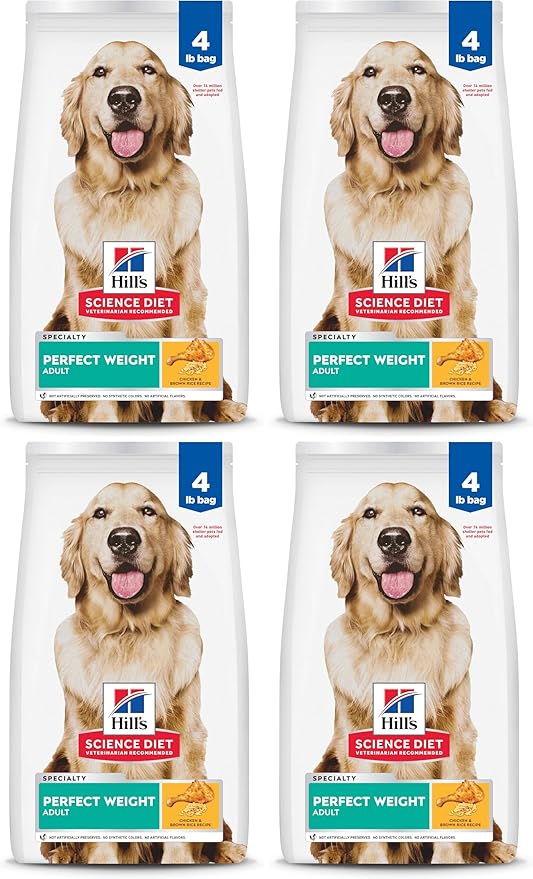
Weight Dry Dog Food, Chicken & Brown Rice
Hill’s Science Diet Adult Perfect Weight Dry Dog Food, Chicken & Brown Rice, 4 lb. Bag (Pack of 4)
Best Dog Foods for Weight Loss: Main Categories
There is no single perfect food for every overweight dog. The best option depends on your dog’s size, health, taste preferences, budget, and whether your vet recommends a prescription diet.
Below are the main categories to consider.
Best Overall Dog Food for Weight Loss
The best overall choice for most dogs is usually a food that combines:
- Lower calories per cup
- Quality animal protein
- Moderate to low fat
- Higher fiber
- Complete and balanced nutrition
- Good digestibility
- Strong brand quality control
For many owners, a high-quality dry weight-management formula is the easiest starting point because it is convenient, measurable, widely available, and usually more affordable than fresh or prescription diets.
Best Vet-Recommended Weight-Loss Dog Food
Vet-recommended diets are often made by brands that invest in feeding trials, veterinary nutrition research, quality control, and therapeutic formulas.
These diets may be especially useful when a dog has:
- Significant obesity
- Arthritis or mobility problems
- Diabetes
- Pancreatitis risk
- Food allergies
- Repeated failed weight-loss attempts
- A need for close calorie control
For general nutrition selection, the WSAVA guide to selecting pet foods offers useful questions pet owners can ask about formulation, quality control, and nutrition expertise.
Best Prescription Dog Food for Weight Loss
Prescription weight-loss diets are designed for dogs that need more structured support. These foods may focus on satiety, metabolic support, or specific health conditions.
A prescription diet may be helpful if your dog:
- Has severe obesity
- Is always hungry on regular diet food
- Has joint disease made worse by weight
- Needs a low-fat therapeutic formula
- Has diabetes or another condition requiring vet supervision
- Has not lost weight despite careful feeding
The downside is that prescription diets usually cost more and require veterinary approval. Still, for some dogs, they can be very effective because they are formulated for supervised medical weight management.
Best Non-Prescription Weight-Management Dog Food
Non-prescription weight-management foods are easier to buy and may work well for mildly overweight dogs. These include foods labeled:
- Healthy Weight
- Weight Management
- Light
- Reduced Fat
- Low Calorie
- Fit & Trim
However, labels can be confusing. Always check the actual calories per cup, protein, fat, and fiber instead of relying only on the front of the bag.
Best Dry Dog Food for Weight Loss
Dry food is one of the most popular choices for weight loss because it is practical and easy to measure.
Benefits of dry weight-loss dog food
| Benefit | Why It Helps |
|---|---|
| Easy to measure | Helps with portion control |
| Affordable | Usually costs less than wet or fresh food |
| Stores well | Convenient for daily feeding |
| Works with puzzle feeders | Slows eating and adds enrichment |
| Calorie info is clear | Usually listed as kcal/cup |
Dry food is a strong option for owners who want consistency. Just make sure to use a real measuring cup or, even better, a kitchen gram scale.
Best Wet Dog Food for Weight Loss
Wet food can be useful because it contains more moisture. This can make meals feel larger and more satisfying.
Wet food may be helpful for dogs that:
- Refuse dry kibble
- Need more hydration
- Have dental discomfort
- Feel hungry on small portions
- Prefer softer textures
The main drawback is cost. Wet food can also be harder to store after opening, and calorie tracking may require measuring cans or trays carefully.
Best Fresh Dog Food for Weight Loss
Fresh dog food can work well when portions are customized. Some fresh-food services calculate meal portions based on your dog’s current weight, target weight, age, and activity level.
Potential benefits
- Pre-portioned meals
- High palatability
- Simple ingredient lists
- Moisture-rich texture
- Good for picky eaters
The biggest downside is price. Fresh food can be expensive, especially for large dogs. It also needs proper storage and careful transition.
Best High-Protein Dog Food for Weight Loss
High-protein weight-loss food can help support muscle while your dog loses fat. This can be helpful for active dogs, adult dogs, and some senior dogs that need muscle maintenance.
Look for a formula where protein comes from named sources and the food is still calorie-controlled.
Best for:
Adult dogs, active overweight dogs, dogs needing lean muscle support.
Use caution with:
Dogs with kidney disease, liver disease, or other medical conditions requiring protein adjustment.
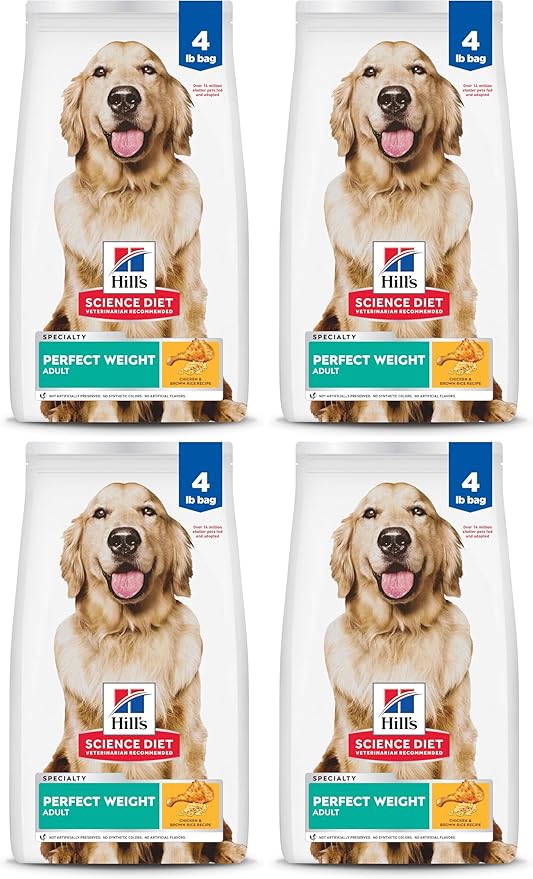
Perfect Weight Small & Mini Dry Dog Food, Chicken
Hill’s Science Diet Adult Perfect Weight Small & Mini Dry Dog Food, Chicken, 4 lb. Bag (Pack of 4)
Best Low-Fat Dog Food for Weight Loss
Low-fat dog food may be useful for dogs that need calorie control or dogs with certain fat-sensitive conditions. However, very low-fat diets should be chosen with veterinary guidance.
Best for:
Dogs that gain weight easily, less active dogs, some dogs with pancreatitis history.
Use caution with:
Dogs that need higher energy intake, working dogs, pregnant dogs, or puppies.
Best High-Fiber Dog Food for Weight Loss
High-fiber dog food can be especially useful for dogs that beg constantly or seem unsatisfied after meals.
Fiber helps add bulk and can support satiety. This does not mean every dog needs the highest-fiber food available. Too much fiber may cause gas, large stools, or digestive upset in some dogs.
Best for:
Food-motivated dogs, indoor dogs, dogs that beg, dogs needing meal volume.
Quick Comparison: Weight-Loss Dog Food Types
| Food Type | Best For | Main Advantage | Possible Downside |
|---|---|---|---|
| Dry weight-loss food | Most households | Affordable, measurable, convenient | Less moisture |
| Wet weight-loss food | Picky or hungry dogs | More moisture and meal volume | More expensive |
| Fresh weight-loss food | Owners wanting custom portions | Palatable and often pre-portioned | Cost and storage |
| Prescription diet | Dogs needing vet-supervised loss | Specialized nutrition | Requires vet approval |
| High-protein formula | Muscle support | Helps preserve lean mass | Not ideal for every condition |
| High-fiber formula | Dogs that beg | Supports fullness | May affect stool volume |
| Low-fat formula | Dogs needing fat control | Lower calorie density | Needs proper nutrient balance |
Best Dog Foods for Weight Loss by Dog Type
Every dog is different. A small indoor Pomeranian does not need the same calorie plan as an overweight Labrador. A senior dog with arthritis may need a different formula than a young adult dog that simply gets too many treats.
That is why the best dog foods for weight loss should be chosen based on your dog’s real lifestyle, not just the words on the bag.
Best Grain-Inclusive Weight-Loss Dog Food
A grain-inclusive weight-loss dog food can be a great option for many dogs. Whole grains are not “bad” by default. In fact, ingredients like brown rice, barley, oatmeal, and sorghum can provide energy, fiber, and useful nutrients.
Good grain-inclusive formulas often include:
- Chicken and brown rice
- Turkey and barley
- Salmon and oatmeal
- Lamb and rice
- Whitefish and sorghum
The key is balance. A good formula should not be overloaded with calories or low-quality fillers. It should contain a named protein source, controlled fat, moderate carbohydrates, and enough fiber to support fullness.
Best for: Adult dogs, senior dogs, dogs with no grain sensitivity, and owners looking for affordable weight-management options.
Best Grain-Free Dog Food for Weight Loss
Grain-free dog food is not automatically better for weight loss. Some grain-free diets are still high in calories and fat, so they may not help an overweight dog slim down.
A grain-free formula may be useful if your dog has a confirmed grain sensitivity, but true grain allergies are not as common as many owners think. In many cases, dogs are more likely to react to specific proteins than grains.
When choosing grain-free dog food for overweight dogs, check for:
- Calories per cup
- Protein source
- Fat percentage
- Fiber level
- AAFCO nutritional adequacy statement
- Main carbohydrate sources
Common grain-free carbohydrate sources include peas, lentils, chickpeas, sweet potatoes, and potatoes. These ingredients can be part of a balanced diet, but the formula still needs to be appropriate for weight control.
Best for: Dogs with confirmed grain sensitivity or dogs that do better digestively on grain-free food, under veterinary guidance.
Best Dog Food for Small Dogs to Lose Weight
Small dogs can gain weight quickly because their calorie needs are lower. A few extra treats, bites of table food, or spoonfuls of peanut butter can make a big difference.
The best dog food for small dogs weight loss should have:
- Small kibble size
- Controlled calories
- High-quality protein
- Good digestibility
- Enough fiber for fullness
- Clear feeding instructions
Toy and small breeds also tend to get overfed because their portions look tiny. Owners may feel guilty serving such a small amount, but small dogs simply do not need large meals.
Small Dog Weight-Loss Tip
Use a kitchen scale instead of guessing. For a small dog, even a few extra grams of food per day can slow progress.
Best for: Chihuahuas, Yorkies, Pomeranians, Dachshunds, Shih Tzus, Maltese, and other small breeds that need strict portion control.
Best Dog Food for Large Dogs to Lose Weight
Large dogs often need weight-loss food that supports both calorie control and joint comfort. Extra body weight can place more pressure on hips, knees, elbows, and the spine.
The best dog food for large dogs weight loss should include:
- Moderate calories
- Quality protein for lean muscle
- Controlled fat
- Joint-support nutrients
- Balanced calcium and phosphorus
- Digestible fiber
Some large-breed weight-management foods include glucosamine, chondroitin, EPA, and DHA. These nutrients do not replace veterinary care, but they may support joint health as part of a complete plan.
Best for: Labradors, Golden Retrievers, German Shepherds, Rottweilers, Great Danes, Mastiffs, and other large or giant breeds carrying extra weight.
Best Dog Food for Senior Dogs to Lose Weight
Senior dogs often become less active, which can make weight gain easier. At the same time, older dogs still need enough protein to help maintain muscle.
The best dog food for senior dogs to lose weight should focus on:
- Lean muscle support
- Moderate calories
- Digestibility
- Joint support
- Controlled fat
- Fiber for satiety
- Balanced minerals
Some senior dogs lose muscle as they age, so feeding too little can be risky. The goal is not to make a senior dog thin. The goal is to help them reach a healthy body condition while keeping strength and comfort.
Best for: Older dogs that are less active, gaining weight after neutering, or struggling with mobility.
Best Dog Food for Overweight Puppies
Puppies should not be placed on adult weight-loss food unless a veterinarian specifically recommends it. Puppies need carefully balanced nutrients for growth, bones, muscles, organs, and immune development.
If a puppy is overweight, the issue may be:
- Too much food
- Too many treats
- High-calorie training rewards
- Free-feeding
- Lack of activity
- Incorrect puppy formula
- Misunderstood breed growth rate
Large-breed puppies need especially careful nutrition because growing too quickly can increase stress on developing bones and joints.
Best approach: Ask your vet to check your puppy’s body condition score and growth curve before changing food.
Best Dog Food for Neutered or Spayed Dogs
Many dogs need fewer calories after being spayed or neutered. Their appetite may stay the same, but their energy needs can decrease. This can lead to gradual weight gain if portions are not adjusted.
A good food for neutered or spayed dogs should offer:
- Controlled calories
- High-quality protein
- Moderate fat
- Good fiber
- Measured feeding guidance
This is one reason dogs often gain weight after surgery. It is not because they are lazy or because the surgery itself “makes them fat.” It usually happens because their calorie needs shift, but feeding habits stay the same.
Best for: Adult dogs that started gaining weight after being spayed or neutered.
Best Dog Food for Less Active Dogs
Some dogs are naturally less active. Others become less active due to age, apartment living, weather, joint discomfort, or owner schedule.
The best weight management dog food for a less active dog should be lower in calories but satisfying enough to prevent constant begging.
Look for:
- Low calorie dog food
- High fiber dog food for weight loss
- Moderate protein
- Reduced fat
- Digestible carbohydrates
- Clear kcal per cup information
Less active dogs also benefit from enrichment. Puzzle feeders, slow feeders, scent games, and short walks can help burn energy without overdoing it.
Best for: Indoor dogs, apartment dogs, older dogs, couch-loving breeds, and dogs recovering from reduced activity.
Best Dog Food for Dogs With Health Concerns
Weight loss becomes more complicated when a dog has a health issue. In these cases, do not choose a food based only on online reviews or marketing claims. Ask your vet which nutrient profile is safest.
Best Dog Food for Dogs With Sensitive Stomachs and Weight Issues
Some overweight dogs also have digestive problems such as loose stool, gas, vomiting, or food intolerance. For these dogs, a weight-loss diet needs to be gentle and digestible.
Helpful features may include:
- Limited-ingredient formulas
- Single animal protein
- Moderate fiber
- Prebiotics
- Probiotics
- Easily digestible carbohydrates
- No sudden food changes
A high-fiber formula may help some dogs, but too much fiber can upset others. Transition slowly and monitor stool quality.
Best for: Dogs that need weight control but also have sensitive digestion.
Best Dog Food for Dogs With Allergies and Weight Issues
Food allergies and weight gain can overlap, but they need different solutions. A dog with itching, ear infections, skin redness, vomiting, or chronic digestive problems may need a veterinary diagnosis before changing diets.
Your vet may suggest:
- Novel protein diet
- Hydrolyzed protein diet
- Limited-ingredient diet
- Elimination diet trial
- Prescription allergy-support food
For dogs with confirmed allergies, weight-loss food should avoid the trigger ingredient while still controlling calories.
Best for: Dogs with diagnosed food allergies or suspected food reactions needing veterinary evaluation.
Best Dog Food for Dogs With Arthritis
Extra weight can make arthritis more painful because the joints are already under stress. For arthritic dogs, weight loss may improve comfort and mobility.
A good formula may include:
- Controlled calories
- Lean protein
- Omega-3 fatty acids
- Glucosamine
- Chondroitin
- EPA and DHA
- Moderate fiber
Food alone will not cure arthritis, but it can support a larger plan that may include weight loss, gentle exercise, medications, supplements, physical therapy, or pain control.
Best for: Senior dogs, large-breed dogs, and any overweight dog with stiffness or joint discomfort.
Best Dog Food for Dogs With Diabetes
Dogs with diabetes need careful feeding consistency. The timing, calories, carbohydrates, fiber, and insulin plan may all matter.
Do not choose a random diet food for a diabetic dog. Your vet may recommend a specific formula that supports glucose management and weight control.
Important factors may include:
- Consistent meal timing
- Consistent calorie intake
- Controlled carbohydrates
- Appropriate fiber
- Veterinary monitoring
Best for: Diabetic dogs under veterinary care.
Best Dog Food for Dogs With Pancreatitis History
Dogs with a history of pancreatitis may need a low-fat diet. This is not the same as choosing any food labeled “weight management.” Some healthy-weight foods may still be too high in fat for dogs prone to pancreatitis.
Ask your vet for a specific fat target and food recommendation.
Look for:
- Low-fat formula
- High digestibility
- Controlled calories
- No fatty toppers
- No table scraps
- Measured meals
Best for: Dogs with previous pancreatitis or fat-sensitive digestion, under veterinary supervision.
Product Review Section Template
When reviewing the best dog foods for weight loss, use a consistent format. This helps readers compare products quickly and improves article structure for SEO.
Below is a simple review template you can use for every product in your final article.
Product Name
Best For
Example: Best dry dog food for weight loss, best prescription dog food for weight loss, or best wet dog food for weight loss.
Key Features
Include details such as:
- Calories per cup or can
- Protein percentage
- Fat percentage
- Fiber percentage
- Main protein source
- Formula type
- Life stage
- Prescription required or not
Pros
- Good satiety
- Quality protein
- Easy to measure
- Vet-backed formulation
- Widely available
- Helpful for picky eaters
- Supports lean muscle
Cons
- Higher price
- Prescription may be required
- Not ideal for every medical condition
- Some dogs may dislike the taste
- May cause stool changes during transition
Why It Helps With Weight Loss
Explain how the food supports a calorie deficit. Mention whether it uses lower calories, higher fiber, higher protein, controlled fat, moisture, or customized portions.
Ideal Dog Profile
Explain which dog is the best fit. For example:
- Small adult dog that gains weight easily
- Senior dog with reduced activity
- Large dog needing joint support
- Dog that begs between meals
- Dog needing vet-supervised weight loss
- Picky eater that prefers wet food
Best Dog Foods for Weight Loss Compared
The table below is a general comparison format you can use when reviewing actual products. Always verify the latest label information before publishing because formulas and calorie counts can change.
| Category | Type | Typical Calorie Goal | Protein Focus | Fat Level | Fiber Focus | Best For | Prescription Required |
|---|---|---|---|---|---|---|---|
| Best Overall | Dry or wet | Low to moderate | High-quality animal protein | Moderate to low | Moderate to high | Most overweight adult dogs | Usually no |
| Vet-Recommended | Dry or wet | Controlled | Research-backed formula | Controlled | Often higher | Dogs needing professional guidance | Sometimes |
| Prescription Weight Loss | Dry or wet | Carefully controlled | Supports lean mass | Controlled | Often high satiety | Obese dogs or medical cases | Yes |
| Dry Weight-Loss Food | Kibble | Easy to measure | Varies by formula | Varies | Varies | Budget and convenience | Usually no |
| Wet Weight-Loss Food | Canned/tray | Portion-based | Often moderate to high | Controlled | Moisture helps fullness | Picky or hungry dogs | Sometimes |
| Fresh Weight-Loss Food | Fresh cooked | Customized | Often high-quality protein | Varies | Depends on recipe | Owners wanting pre-portioned meals | Usually no |
| High-Protein Formula | Dry/wet/fresh | Controlled | Strong muscle support | Moderate | Varies | Active overweight dogs | Usually no |
| High-Fiber Formula | Dry/wet | Controlled | Moderate to high | Controlled | Strong satiety support | Dogs that beg | Sometimes |
| Low-Fat Formula | Dry/wet | Controlled | Moderate | Low | Varies | Dogs needing fat control | Sometimes |
Dry vs Wet vs Fresh Weight-Loss Dog Food
Choosing between dry, wet, and fresh food depends on budget, preference, storage, and your dog’s appetite.
| Food Type | Cost | Moisture | Satiety | Convenience | Calorie Control | Palatability |
|---|---|---|---|---|---|---|
| Dry food | Usually lowest | Low | Moderate | Very easy | Easy with measuring | Good |
| Wet food | Moderate to high | High | Often good | Moderate | Easy if portioned | Very good |
| Fresh food | Usually highest | High | Often good | Requires storage | Good if pre-portioned | Excellent |
| Homemade food | Varies | Varies | Varies | Time-consuming | Difficult without expert help | Varies |
Dry food is usually the simplest for daily feeding. Wet food may help dogs who feel hungry because the meal has more moisture and volume. Fresh food can be useful for picky dogs, but it needs careful portion control. Homemade food should only be used with help from a veterinary nutritionist because it is easy to create nutrient gaps.
Prescription vs Non-Prescription Weight-Loss Dog Food
Both prescription and non-prescription foods can work, but they serve different needs.
| Feature | Prescription Weight-Loss Food | Non-Prescription Weight-Management Food |
|---|---|---|
| Best for | Obese dogs, medical cases, failed diet attempts | Mild to moderate weight gain |
| Vet supervision | Strongly involved | Recommended but not always required |
| Satiety support | Often more advanced | Varies by formula |
| Cost | Usually higher | Usually lower |
| Availability | Requires vet approval | Easier to buy |
| Medical targeting | Can support specific health issues | More general |
| Best use | Structured weight-loss plans | Everyday calorie control |
If your dog only needs to lose a small amount of weight, a non-prescription healthy weight dog food may work well. If your dog is obese, constantly hungry, or has a health issue, a prescription diet may be safer and more effective.
High-Protein vs High-Fiber Weight-Loss Dog Food
Both protein and fiber can help during weight loss, but they support different goals.
High-Protein Weight-Loss Food
A high protein low fat dog food may help preserve lean muscle while your dog loses fat. This is useful for adult dogs and some senior dogs that need body condition improvement without muscle loss.
Best for:
- Active overweight dogs
- Dogs needing lean muscle support
- Dogs that do well on animal-protein-rich diets
- Dogs without protein-restricted medical conditions
High-Fiber Weight-Loss Food
A high fiber dog food for weight loss may help dogs feel fuller. It can be especially useful for dogs that beg, steal food, or seem unsatisfied after meals.
Best for:
- Food-obsessed dogs
- Dogs that beg after meals
- Less active dogs
- Dogs needing more meal volume
- Dogs that tolerate fiber well
Which One Is Better?
Many of the best dog foods for weight loss use both: enough protein to support muscle and enough fiber to support fullness. The best choice depends on your dog’s appetite, stool quality, health status, and vet recommendation.
How to Choose the Best Weight-Loss Dog Food
Choosing a food becomes easier when you know what to look for. Here are the most important label and lifestyle factors.
Check the Calorie Content
The first thing to check is the calorie content. Look for:
- kcal per cup
- kcal per can
- kcal per tray
- kcal per kilogram
- kcal per serving
A food can look healthy but still be calorie-dense. For weight loss, the goal is to feed enough volume for satisfaction while keeping total daily calories within your dog’s target.
Do not rely only on the feeding chart. Bag charts often estimate maintenance calories, not weight-loss calories.
Read the Guaranteed Analysis
The guaranteed analysis tells you the minimum or maximum percentages of key nutrients.
Look at:
- Crude protein
- Crude fat
- Crude fiber
- Moisture
For weight loss, many dogs do well with higher protein, controlled fat, and moderate to higher fiber. But remember that wet food has more moisture, so comparing wet and dry food by label percentages alone can be misleading.
Look for AAFCO Nutritional Adequacy
Choose food that is labeled complete and balanced for your dog’s life stage.
Common statements may indicate the food is suitable for:
- Adult maintenance
- Growth
- All life stages
- Gestation/lactation
For most overweight adult dogs, an adult maintenance weight-management food is usually more appropriate than an all-life-stages formula, which may be more calorie-dense.
Consider Your Dog’s Age
Age changes nutrition needs.
| Dog Age | Weight-Loss Consideration |
|---|---|
| Puppy | Needs growth nutrition; avoid adult diet food unless vet-directed |
| Adult | Usually easiest stage for structured calorie control |
| Senior | Needs muscle support, joint care, and digestibility |
Senior dogs should not be underfed. They may need fewer calories, but they still need enough protein and nutrients.
Consider Breed Size
Breed size affects calorie needs, kibble size, joint support, and feeding behavior.
Small dogs need precise portions. Large dogs may need joint-support nutrients. Giant breeds may need extra care because added weight places significant stress on the body.
Consider Activity Level
A working farm dog and a couch-loving apartment dog should not eat the same number of calories.
Activity level matters because it affects calorie needs. Dogs that are less active usually need lower-calorie food or smaller portions. Dogs that are active but overweight may need a formula that supports muscle while reducing fat.
Consider Medical Conditions
Medical issues can change the best diet choice. Ask your vet before choosing food if your dog has:
- Diabetes
- Pancreatitis
- Arthritis
- Kidney disease
- Liver disease
- Heart disease
- Hypothyroidism
- Cushing’s disease
- Food allergies
- Chronic digestive problems
Some conditions require specific protein, fat, fiber, sodium, phosphorus, or carbohydrate levels.
Choose a Food Your Dog Will Actually Eat
The best formula on paper is useless if your dog refuses it.
If your dog is picky, consider:
- Mixing dry and wet food within the calorie target
- Choosing a different protein flavor
- Warming wet food slightly
- Adding low-calorie vegetables approved by your vet
- Trying a gradual transition
- Using puzzle feeders to make meals more engaging
Do not add cheese, bacon, gravy, oil, or fatty toppers to “make diet food better.” These extras can ruin the calorie plan.
Avoid Extreme Diets
Extreme calorie cutting can backfire. Your dog may become miserable, constantly hungry, weak, or nutritionally deprived.
Healthy dog weight loss should be:
- Gradual
- Measured
- Vet-guided
- Nutritionally complete
- Adjusted over time
The goal is not the fastest weight loss. The goal is safe and lasting progress.
Ask Your Vet About a Target Weight
A proper weight-loss plan should be based on ideal body weight, not current body weight.
For example, a dog that weighs 40 pounds but should weigh 30 pounds should not be fed like a healthy 40-pound dog. Your vet can estimate the ideal weight and help set the daily calorie target.
Ingredients to Look For in Weight-Loss Dog Food
Ingredients do not tell the whole story, but they can give useful clues. A good dog food for overweight dogs should combine quality ingredients with proper calorie control.
Lean Animal Proteins
Protein helps support muscle while your dog loses fat. Look for named protein sources such as:
- Chicken
- Turkey
- Whitefish
- Salmon
- Lamb
- Beef
- Egg
Named animal proteins are generally easier to understand than vague terms. The food should still be appropriate for your dog’s health condition.
Whole Grains
Whole grains can be useful in weight-management food. They may provide digestible energy, fiber, and nutrients.
Helpful grain ingredients may include:
- Brown rice
- Oatmeal
- Barley
- Sorghum
- Quinoa
Grain-inclusive food can be a good option for many dogs, especially when the formula is lower in calories and balanced.
Fiber-Rich Ingredients
Fiber can help with fullness and digestive regularity.
Common fiber ingredients include:
- Pumpkin
- Beet pulp
- Pea fiber
- Cellulose
- Sweet potato
- Carrots
- Green beans
- Oat fiber
Not every dog tolerates every fiber source the same way, so watch stool quality when switching foods.
Healthy Fats in Controlled Amounts
Dogs need fat, but overweight dogs need controlled fat. Look for healthy fat sources such as:
- Fish oil
- Chicken fat in controlled amounts
- Flaxseed
- Salmon oil
- Omega-3 fatty acids
Omega-3s may support skin, coat, and joint comfort. The overall fat level should still fit your dog’s weight-loss needs.
Probiotics and Prebiotics
Some weight-management foods contain probiotics or prebiotic fibers to support digestion.
Helpful terms may include:
- Dried fermentation products
- Inulin
- Chicory root
- Fructooligosaccharides
- Prebiotic fiber
These ingredients may be useful for dogs with sensitive stomachs, although not every dog needs them.
Joint-Support Ingredients
Overweight dogs often need joint support, especially seniors and large breeds.
Common joint-support nutrients include:
- Glucosamine
- Chondroitin sulfate
- EPA
- DHA
- Omega-3 fatty acids
These ingredients are not a replacement for pain control or veterinary treatment, but they may be helpful as part of a broader plan.
L-Carnitine
L-carnitine is often added to healthy weight dog food formulas. It is involved in fat metabolism and may support body composition when combined with calorie control and exercise.
It should be viewed as a supportive nutrient, not a miracle ingredient.
Ingredients to Avoid or Limit
Weight loss is often slowed by hidden calories. Some ingredients and feeding habits can make a diet fail even when the main food is appropriate.
Excessive Fat
High-fat foods can be very calorie-dense. Avoid using fatty extras such as:
- Bacon grease
- Butter
- Cream
- Fatty meat scraps
- Oil-heavy toppers
- Cheese-heavy mixers
Even small amounts can add a surprising number of calories.
Too Many Treat-Like Additions
Many owners carefully measure kibble but forget about toppers and snacks.
Limit:
- Cheese
- Peanut butter
- Biscuits
- Dental chews
- Training treats
- Table scraps
- Gravy
- Sausage or deli meat
These can quickly turn a weight-loss plan into a maintenance or weight-gain plan.
Artificial Colors and Unnecessary Fillers
Artificial colors are mostly for humans, not dogs. They do not make food better for weight loss.
The bigger concern is choosing a food that provides useful nutrition rather than empty calories. A weight-loss formula should be built around nutrient quality, calorie control, protein, fiber, and digestibility.
Sugary Ingredients
Avoid foods and treats with unnecessary sweeteners or sugary ingredients. Dogs do not need sugar for weight loss, and sweet treats can increase calories without improving nutrition.
Unbalanced Homemade Diets
Homemade food can sound healthy, but it is easy to get wrong. Many homemade diets lack proper calcium, vitamins, minerals, fatty acids, or amino acid balance.
If you want to feed homemade food for weight loss, work with a board-certified veterinary nutritionist.
Free-Feeding
Free-feeding means leaving food out all day. It makes calorie tracking difficult and often leads to overeating.
For weight loss, scheduled meals are usually better.
Try:
- Two measured meals per day
- Three smaller meals for hungry dogs
- Puzzle feeders
- Slow-feeder bowls
- A written feeding chart for the household
How Much Should You Feed an Overweight Dog?
This is one of the most important questions. Unfortunately, there is no single answer that works for every dog.
The right amount depends on:
- Current weight
- Ideal weight
- Age
- Breed
- Activity level
- Neuter status
- Health conditions
- Food calorie density
- Treat intake
Start With Your Vet’s Recommended Calorie Target
Bag feeding charts can be helpful, but they are often based on general estimates. Some dogs need less than the chart suggests, especially if they are older, neutered, inactive, or already overweight.
Your vet can help calculate a daily calorie target for weight loss.
Use Ideal Weight, Not Current Weight
This is a key point.
A dog that weighs 40 pounds but should weigh 30 pounds should not be fed like a healthy 40-pound dog. Feeding based only on current weight may maintain the extra weight instead of reducing it.
A vet can help decide your dog’s ideal weight and safe calorie range.
Measure Food Accurately
Eyeballing food is one of the fastest ways to accidentally overfeed.
Best options:
- Use a kitchen gram scale
- Use a proper measuring cup
- Keep the scoop level, not heaping
- Measure treats too
- Track all toppers and chews
A gram scale is especially helpful for small dogs because tiny differences can matter.
Divide Meals Into 2–3 Feedings
Some dogs do better with smaller, more frequent meals. Dividing food can help reduce begging and keep hunger more manageable.
For example:
| Feeding Schedule | Best For |
|---|---|
| 2 meals daily | Most adult dogs |
| 3 meals daily | Hungry dogs or small breeds |
| Meal + puzzle feeder | Fast eaters or bored dogs |
| Meal + training kibble | Dogs in training plans |
Use part of the daily food allowance for training instead of adding extra treats.
Adjust Every 2–4 Weeks
Weight-loss plans need monitoring. If your dog is not losing weight after a few weeks, the calorie target may need adjustment.
Track:
- Body weight
- Waistline
- Rib coverage
- Energy
- Stool quality
- Hunger level
- Treat intake
- Exercise routine
Do not keep reducing food without guidance. If your dog is eating very little and not losing weight, your vet should check for medical causes.
Track Treat Calories
Treats should usually make up only a small portion of daily calories. Even healthy treats can add up.
For weight loss, use:
- Small pieces of carrot
- Green beans
- Cucumber slices
- Tiny training treats
- Kibble from the daily allowance
- Low-calorie commercial treats
Avoid large biscuits, fatty chews, and frequent table scraps.
Dog Weight-Loss Feeding Plan
Here is a simple step-by-step plan to make weight loss more organized.
Step 1: Weigh Your Dog
Start with an accurate weight. Use a veterinary scale if possible.
For small dogs, you can sometimes weigh yourself, then weigh yourself holding the dog, and subtract the difference. For large dogs, a vet clinic scale is more accurate.
Step 2: Identify Body Condition Score
A body condition score helps estimate how much fat your dog is carrying.
A healthy dog usually has:
- Ribs you can feel with light pressure
- A visible waist when viewed from above
- An abdominal tuck when viewed from the side
If you cannot feel the ribs easily, or your dog has no waistline, they may be overweight.
Step 3: Set a Target Weight
Work with your vet to estimate a realistic goal. Some dogs need to lose only a few pounds. Others need a longer supervised plan.
Step 4: Choose the Right Food
Select a food based on:
- Calories per cup or can
- Protein level
- Fat level
- Fiber level
- Life stage
- Breed size
- Medical needs
- Taste preference
- Budget
Step 5: Measure Every Meal
No guessing. No overflowing scoops. No “just a little extra.”
Consistency is what makes weight loss work.
Step 6: Replace High-Calorie Treats
Swap high-calorie treats for lighter options.
Better choices include:
- Carrot pieces
- Green beans
- Cucumber
- Plain pumpkin
- Tiny pieces of apple without seeds
- Kibble from the daily food amount
Step 7: Add Gentle Exercise
Food does most of the calorie-control work, but exercise helps your dog build stamina, preserve muscle, and feel better.
Good options include:
- Short walks
- Gentle fetch
- Swimming
- Scent games
- Slow hill walks
- Puzzle toys
- Indoor hide-and-seek
Step 8: Monitor Progress
Track progress every week or two. Do not judge only by the number on the scale. Also watch:
- Energy level
- Mobility
- Waistline
- Hunger
- Stool quality
- Coat condition
- Overall mood
A good plan should help your dog feel better, not miserable.
Safe Weight Loss Rate for Dogs
Dog weight loss should be steady, not extreme. A dog that loses weight too quickly may lose muscle, feel weak, become overly hungry, or miss important nutrients.
The goal is not to make your dog skinny. The goal is to help your dog reach a healthy body condition while staying strong, comfortable, and well-nourished.
How Fast Should a Dog Lose Weight?
Most dogs should lose weight gradually. Your vet can give you a specific target, but many weight-loss plans aim for slow weekly progress rather than dramatic drops.
A safe plan usually includes:
- Measured meals
- Controlled calories
- Limited treats
- Regular weigh-ins
- Gentle exercise
- Adjustments every few weeks
Some dogs lose weight faster at first, then slow down. Others take time to show progress. That does not mean the plan is failing. Weight loss in dogs often requires patience, especially for senior dogs, neutered dogs, and dogs with low activity levels.
Signs Your Dog Is Losing Weight Too Fast
Call your vet if your dog shows any of these signs during a diet:
- Low energy
- Weakness
- Vomiting
- Diarrhea
- Refusing food
- Excessive hunger or distress
- Rapid weight loss
- Dull coat
- Behavior changes
- Loss of muscle
A weight-loss plan should make your dog healthier, not miserable.
When to Call the Vet
You should contact your veterinarian if:
- Your dog is not losing weight after several weeks of accurate feeding
- Your dog gains weight despite eating less
- Your dog seems constantly hungry or anxious
- Your dog has sudden weight changes
- Your dog has vomiting, diarrhea, or appetite changes
- Your dog has diabetes, pancreatitis, arthritis, thyroid disease, kidney disease, or heart disease
- You are unsure how many calories your dog should eat
Sometimes, stubborn weight gain is not just about food. Medical issues such as hypothyroidism, Cushing’s disease, arthritis-related inactivity, or medication side effects may need to be checked.
Best Treats for Dogs on a Weight-Loss Diet
Treats do not have to disappear during weight loss, but they do need to be controlled. Many dogs gain weight because their meals are measured, but their treats are not.
A few biscuits, a dental chew, table scraps, peanut butter, and bites of cheese can easily add hundreds of extra calories over a week.
Low-Calorie Dog Treats
Look for treats that are:
- Small
- Low-calorie
- Easy to break apart
- Simple in ingredients
- Not fatty or sugary
Training treats should be tiny. Your dog cares more about getting a reward than receiving a large piece.
Healthy Human Foods as Treats
Some low-calorie human foods can work well as occasional treats. Always introduce them slowly and avoid anything toxic to dogs.
Good options may include:
| Treat | Why It Can Help |
|---|---|
| Carrot pieces | Crunchy, low-calorie, easy to portion |
| Green beans | High-volume, low-calorie snack |
| Cucumber slices | Hydrating and light |
| Plain pumpkin | Fiber-rich, useful in small amounts |
| Apple slices without seeds | Sweet but should be portioned |
| Zucchini pieces | Mild and low-calorie |
| Blueberries | Small, flavorful rewards |
Avoid grapes, raisins, onions, garlic, chocolate, xylitol, alcohol, and fatty table scraps.
Treats to Avoid or Limit
Some treats look small but are calorie-dense. Limit or avoid:
- Cheese
- Bacon
- Sausage
- Peanut butter in large amounts
- Large biscuits
- Fatty dental chews
- Table scraps
- Gravy
- Fried foods
- Processed meats
- Sugary snacks
Even “natural” treats can slow weight loss if they are high in calories.
Use Kibble as Treats
One of the easiest tricks is to use part of your dog’s daily kibble allowance as treats.
For example, if your dog gets one cup of food per day, remove a small handful from that amount and use it for training, puzzles, or rewards. This keeps your dog’s total daily calories consistent.
Puzzle Feeders and Slow Feeders
Dogs that eat too fast may feel hungry shortly after meals. Puzzle feeders and slow-feeder bowls can help meals last longer.
They can also provide mental stimulation, which is helpful for dogs that beg out of boredom rather than true hunger.
Helpful feeding tools include:
- Slow-feeder bowls
- Puzzle toys
- Snuffle mats
- Treat balls filled with measured kibble
- Frozen low-calorie lick mats
- Scatter feeding in a safe area
Exercise Tips to Support Dog Weight Loss
Food control is the foundation of weight loss, but exercise supports muscle, mood, stamina, and mobility.
The key is to start at your dog’s current ability level. An overweight dog should not suddenly begin intense exercise.
Start Slowly
If your dog is senior, obese, arthritic, or inactive, begin with short and gentle activity.
Start with:
- 5–10 minute walks
- Slow sniff walks
- Short indoor play sessions
- Gentle movement games
- Low-impact exercise
Increase activity gradually as your dog becomes more comfortable.
Daily Walks
Walking is one of the simplest ways to support weight loss. It burns calories, improves mood, supports digestion, and gives your dog mental enrichment.
A good plan may include:
- One short walk in the morning
- One short walk in the evening
- Longer walks once stamina improves
- Sniff breaks for mental stimulation
- Rest days when needed
For very overweight dogs, even a few minutes of movement several times a day can be a meaningful start.
Swimming
Swimming can be excellent for dogs with joint discomfort because it is low-impact. It allows movement without as much pressure on the joints.
Swimming may be useful for:
- Senior dogs
- Large-breed dogs
- Arthritic dogs
- Dogs recovering from low activity
- Dogs that overheat easily on long walks
Always supervise your dog around water and use a dog life jacket when needed.
Indoor Games
Bad weather, busy schedules, or limited outdoor space do not have to stop progress.
Indoor activities include:
- Hide-and-seek
- Find the kibble
- Gentle tug
- Scent games
- Puzzle toys
- Short hallway fetch
- Basic obedience practice
- Step-on/step-off platform games, if safe
Mental exercise does not replace physical movement, but it can reduce boredom-related begging.
Avoid Overexertion
Watch for signs your dog is doing too much:
- Heavy panting
- Limping
- Refusing to continue
- Lagging behind
- Stiffness after rest
- Coughing
- Weakness
- Heat stress
Overweight dogs may tire faster. Keep exercise positive and comfortable.
Common Mistakes Dog Owners Make
Many weight-loss plans fail because of small daily habits, not because the main food is wrong.
Here are the most common mistakes to avoid.
Feeding Based Only on the Bag Chart
Bag charts are general estimates. They may not reflect your dog’s ideal weight, activity level, neuter status, or medical needs.
For overweight dogs, feeding based on current weight can maintain the problem. A dog that should weigh 30 pounds should not be fed like a healthy 40-pound dog.
Guessing Portions
A “scoop” is not always a cup. A heaping cup is not the same as a level cup. Different family members may also scoop differently.
For best results:
- Use a kitchen gram scale
- Keep portions consistent
- Measure every meal
- Track toppers and treats
- Recheck the calorie target regularly
Giving Too Many Treats
Treat calories add up quickly. A dog can eat the correct amount of weight-loss food and still gain weight if treats are excessive.
This is especially common in small dogs. One biscuit for a tiny dog can be a large portion of their daily calories.
Multiple Family Members Feeding the Dog
Weight loss becomes difficult when everyone sneaks “just one treat.”
Use a simple household system:
| Problem | Simple Fix |
|---|---|
| Everyone gives treats | Create a daily treat jar |
| Dog begs from different people | Assign one feeder |
| Meals are duplicated | Use a feeding checklist |
| Treats are untracked | Use kibble from daily allowance |
| Table scraps happen often | Set a no-scraps rule |
Consistency matters more than perfection.
Switching Foods Too Fast
Changing food suddenly can cause vomiting, diarrhea, gas, or refusal to eat.
Most dogs do better with a gradual transition over several days. Dogs with sensitive stomachs may need even longer.
Choosing “Light” Food Without Checking Calories
Not all “light” foods are equally low in calories. Some may still be too calorie-dense for your dog’s needs.
Always check:
- kcal per cup
- protein
- fat
- fiber
- life stage
- feeding amount
- calories from treats
Reducing Food Too Much
Feeding less is part of weight loss, but reducing too much can cause problems. Your dog may not get enough protein, vitamins, minerals, or essential fatty acids.
A properly formulated low calorie dog food or healthy weight dog food is often better than feeding a tiny amount of regular kibble.
Ignoring Medical Causes of Weight Gain
If your dog is eating carefully measured portions and still not losing weight, do not keep cutting calories without help.
Possible hidden causes include:
- Hypothyroidism
- Cushing’s disease
- Arthritis limiting activity
- Medications
- Age-related metabolism changes
- Fluid retention
- Untracked food from other sources
A vet exam can help rule out medical issues.
Prescription Weight-Loss Dog Food: Is It Worth It?
Prescription weight-loss dog food can be useful for dogs that need more than a standard store-bought formula.
These diets are not necessary for every overweight dog, but they can be valuable when weight loss is difficult, hunger is intense, or medical conditions are involved.
What Prescription Weight-Loss Diets Do
Prescription diets may be designed to support:
- Satiety
- Controlled calories
- Lean muscle
- Metabolic health
- Digestive balance
- Low-fat needs
- Joint support
- Specific medical conditions
Some formulas are built to help dogs feel fuller. Others are designed for dogs with fat sensitivity, diabetes, or mobility problems.
When a Vet May Recommend One
Your vet may suggest a prescription diet if your dog:
- Is obese rather than mildly overweight
- Has failed previous weight-loss attempts
- Begs constantly on regular diet food
- Has arthritis or mobility issues
- Has diabetes
- Has pancreatitis history
- Needs a therapeutic low-fat diet
- Needs close calorie control
- Has multiple health concerns
Pros of Prescription Diets
Prescription diets can be helpful because they often provide:
- Veterinary supervision
- Specialized formulas
- Clear calorie control
- Higher satiety support
- Medical-condition targeting
- Nutrient density despite fewer calories
For some dogs, this structure makes weight loss easier and safer.
Cons of Prescription Diets
Prescription diets also have downsides:
- Higher cost
- Vet approval required
- Limited flavor options
- Not always loved by picky dogs
- May not be needed for mild weight gain
If your dog only needs to lose a small amount of weight and has no medical issues, a non-prescription best weight management dog food may be enough.
Prescription vs Store-Bought Weight Management Food
| Feature | Prescription Diet | Store-Bought Weight Management Food |
|---|---|---|
| Best for | Obesity, medical cases, failed diets | Mild to moderate weight gain |
| Vet involvement | Required | Recommended |
| Cost | Higher | Lower to moderate |
| Satiety support | Often stronger | Varies |
| Availability | Vet or approved retailers | Widely available |
| Medical targeting | Yes | Usually general |
| Flexibility | More limited | More options |
Dry, Wet, Fresh, or Homemade: Which Is Best?
There is no single best format for every dog. The right choice depends on your dog’s appetite, health, budget, and lifestyle.
Dry Dog Food for Weight Loss
Dry food is usually the most practical option.
Best for:
- Budget-conscious owners
- Dogs that eat kibble well
- Easy measuring
- Puzzle feeders
- Multi-dog households
Main benefit: Easy portion control.
Main downside: Lower moisture than wet or fresh food.
Wet Dog Food for Weight Loss
Wet food can help dogs feel like they are eating more because it contains more water.
Best for:
- Picky dogs
- Dogs needing more moisture
- Dogs with dental discomfort
- Dogs that feel hungry on kibble alone
Main benefit: Palatability and moisture.
Main downside: Higher cost and storage needs.
Fresh Dog Food for Weight Loss
Fresh food can be effective when portions are correctly calculated. Some fresh-food plans are customized to your dog’s target weight.
Best for:
- Picky eaters
- Owners wanting pre-portioned meals
- Dogs that prefer softer food
- Dogs that do better with moisture-rich meals
Main benefit: High palatability and portion customization.
Main downside: Cost and refrigeration.
Homemade Dog Food for Weight Loss
Homemade food sounds simple, but it is one of the easiest ways to create nutritional imbalances.
A homemade weight-loss diet should be formulated by a board-certified veterinary nutritionist, especially if your dog has health issues.
Main benefit: Ingredient control.
Main downside: High risk of nutrient imbalance if not professionally formulated.
Raw Diets for Weight Loss
Raw diets are not automatically better for weight loss. They can be calorie-dense and may carry food safety risks if not handled properly.
If you are considering raw feeding, discuss it with your vet first, especially if there are children, seniors, pregnant people, or immunocompromised individuals in the home.
Special Considerations by Dog Type
Different dogs need different weight-loss strategies. Here is a quick guide.
Weight Loss Food for Small Breeds
Small dogs need precise calorie control. Tiny extras matter.
Focus on:
- Small kibble
- Measured portions
- Low-calorie treats
- No table scraps
- Regular weigh-ins
Weight Loss Food for Large Breeds
Large dogs benefit from calorie control plus joint support.
Focus on:
- Lean protein
- Controlled calories
- Omega-3 fatty acids
- Glucosamine and chondroitin
- Gradual exercise
Weight Loss Food for Senior Dogs
Senior dogs need weight control without muscle loss.
Focus on:
- Quality protein
- Digestibility
- Joint support
- Moderate fiber
- Vet monitoring
Weight Loss Food for Dogs With Arthritis
Weight loss can reduce stress on joints.
Focus on:
- Controlled calories
- Omega-3s
- Lean body condition
- Low-impact exercise
- Pain management if needed
Weight Loss Food for Dogs With Diabetes
Diabetic dogs need consistency.
Focus on:
- Vet-directed diet
- Consistent meal timing
- Controlled calories
- Consistent carbohydrates
- Monitoring response
Weight Loss Food for Dogs With Pancreatitis History
Dogs with pancreatitis history often need low-fat food.
Focus on:
- Vet-approved low-fat diet
- No fatty treats
- No table scraps
- Measured meals
- Slow transitions
Weight Loss Food for Dogs With Food Allergies
Food allergies require accurate diagnosis.
Focus on:
- Novel protein or hydrolyzed diet if recommended
- Avoiding trigger ingredients
- Controlled calories
- Vet-supervised elimination trials
How to Transition to a Weight-Loss Dog Food
Switching too quickly can upset your dog’s stomach. A gradual transition helps your dog adjust to the new formula.
Why Gradual Transition Matters
A slow transition can reduce:
- Vomiting
- Diarrhea
- Gas
- Refusal to eat
- Stool changes
- Digestive discomfort
Some dogs can switch within a week. Sensitive dogs may need 10–14 days.
7-Day Transition Schedule
| Day | Old Food | New Weight-Loss Food |
|---|---|---|
| Day 1–2 | 75% | 25% |
| Day 3–4 | 50% | 50% |
| Day 5–6 | 25% | 75% |
| Day 7 | 0% | 100% |
Keep calories in mind during the transition. Mixing foods can accidentally increase calories if portions are not adjusted.
When to Slow the Transition
Slow down if your dog has:
- Loose stool
- Vomiting
- Gas
- Refusal to eat
- Sensitive stomach
- History of digestive disease
In those cases, hold at the current ratio for a few more days before increasing the new food.
How to Tell If the Food Is Working
A good weight-loss food should produce gradual progress without making your dog uncomfortable.
Weight Is Slowly Decreasing
Weigh your dog regularly. Weekly or biweekly weigh-ins work well for many dogs.
Use the same scale when possible, because different scales may show slightly different numbers.
Waistline Becomes More Visible
You should gradually notice more shape when viewing your dog from above.
A healthier dog usually has:
- A visible waist behind the ribs
- Ribs you can feel with light pressure
- Less fat around the base of the tail
- Better abdominal tuck from the side
Dog Has More Energy
As weight comes down, many dogs become more playful. You may notice your dog wants to walk farther, move more easily, or engage more with toys.
Better Mobility
Weight loss can be especially noticeable in dogs with stiffness or arthritis. Your dog may:
- Rise more easily
- Walk longer
- Climb stairs better
- Jump less awkwardly
- Seem less tired after activity
Hunger Is Manageable
Some begging is normal, especially if your dog is used to extra treats. But your dog should not seem constantly distressed.
If hunger is intense, talk to your vet. A higher-fiber, higher-satiety formula or feeding schedule change may help.
When Dog Food Alone Is Not Enough
Sometimes, switching food is only one part of the solution.
Medical Evaluation
If the diet is accurate but weight loss is not happening, your vet may recommend tests to check for underlying problems.
Medical causes can include hormonal disease, pain-related inactivity, or medication effects.
Exercise Plan
A food change works better when paired with movement. Exercise does not need to be intense. It needs to be consistent and appropriate.
Good options include:
- Short walks
- Swimming
- Gentle play
- Scent games
- Puzzle feeding
- Indoor movement
Behavior and Begging Management
Many dogs beg because begging has worked before.
Try this instead:
- Ignore begging
- Reward calm behavior
- Use low-calorie enrichment
- Feed meals in puzzle toys
- Keep dogs away during human meals
- Avoid giving food from the table
Household Feeding Rules
Everyone in the house must follow the same plan.
Create a simple rule: If it is not measured, it does not go in the bowl.
SEO FAQ: Best Dog Foods for Weight Loss
What is the best dog food for weight loss?
The best dog food for weight loss is usually lower in calories, high in quality protein, moderate to low in fat, and rich enough in fiber to help your dog feel full. It should also be complete and balanced for your dog’s life stage.
What dog food do vets recommend for overweight dogs?
Vets often recommend foods that are calorie-controlled, nutrient-dense, and appropriate for the dog’s health status. For mild weight gain, a non-prescription healthy weight dog food may work. For obesity or medical conditions, a prescription weight-loss diet may be recommended.
Is wet or dry food better for dog weight loss?
Both can work. Dry dog food for weight loss is convenient, affordable, and easy to measure. Wet dog food for weight loss contains more moisture, which may help some dogs feel fuller. The better choice depends on your dog’s appetite, budget, and calorie target.
How many calories should my dog eat to lose weight?
It depends on your dog’s ideal weight, age, breed, activity level, neuter status, and health. Ask your vet for a calorie target. Do not rely only on the feeding chart on the bag, because those charts often estimate maintenance needs.
What ingredients help dogs lose weight?
Helpful ingredients may include lean animal proteins, fiber sources like pumpkin or beet pulp, whole grains such as brown rice or oatmeal, controlled healthy fats, probiotics, prebiotics, joint-support nutrients, and L-carnitine.
Is high-protein dog food good for weight loss?
A high protein low fat dog food can help many dogs maintain lean muscle while losing fat. However, dogs with kidney disease, liver disease, or other medical issues may need a different nutrient balance.
Is grain-free dog food better for overweight dogs?
Not necessarily. Grain-free dog food is not automatically lower in calories or better for weight loss. Many dogs do well on grain-inclusive formulas with whole grains. Choose grain-free only when it fits your dog’s needs.
Can senior dogs eat weight-management food?
Yes, many senior dogs can eat weight-management food, but the formula should support muscle, digestion, and joint comfort. Senior dogs should not be underfed because they may already be at risk of muscle loss.
How fast should my dog lose weight?
Dog weight loss should be gradual. Your vet can set a safe weekly or monthly goal based on your dog’s body condition and health. Rapid weight loss is not ideal and may signal that the plan is too aggressive.
Can I just feed my dog less regular food?
Sometimes small portion adjustments help, but feeding much less of a regular food can reduce important nutrients and leave your dog hungry. A proper low calorie dog food may provide better nutrition and fullness.
Are prescription weight-loss dog foods worth it?
They can be worth it for obese dogs, dogs with medical issues, dogs that are always hungry, or dogs that have failed regular diet attempts. For mild weight gain, a non-prescription formula may be enough.
What treats can I give my dog while dieting?
Good options include small pieces of carrot, green beans, cucumber, plain pumpkin, apple slices without seeds, or kibble taken from the daily food allowance. Avoid high-fat treats and table scraps.
How do I know if my dog is overweight?
Your dog may be overweight if you cannot easily feel the ribs, there is no visible waist from above, or there is no abdominal tuck from the side. A vet can confirm this with a body condition score.
Why is my dog gaining weight even though I feed less?
Possible reasons include hidden treat calories, inaccurate measuring, free-feeding, low activity, multiple people feeding the dog, medical conditions, or feeding based on current weight instead of ideal weight.
Should I avoid fat in dog food for weight loss?
You should not eliminate fat completely. Dogs need essential fatty acids. The goal is controlled fat, not zero fat. Dogs with pancreatitis history may need a specific low-fat diet from a vet.
Is fresh dog food good for overweight dogs?
Fresh food can be good for weight loss if portions are accurately calculated and the recipe is complete and balanced. It is especially useful for picky dogs, but it can be expensive.
Can puppies eat weight-loss dog food?
Puppies should not eat adult weight-loss food unless a vet recommends it. Growing dogs need specific nutrition. If a puppy is overweight, your vet should evaluate feeding amount, treats, growth rate, and formula choice.
What is the best low-calorie dog food?
The best low-calorie dog food is one that meets your dog’s nutritional needs while providing fewer calories per cup or can. Look for complete and balanced nutrition, quality protein, controlled fat, and helpful fiber.
How much exercise does an overweight dog need?
Start with gentle daily movement, such as short walks or indoor games. Increase gradually as your dog’s stamina improves. Dogs with arthritis, obesity, or heart issues should follow a vet-approved exercise plan.
When should I talk to a vet about my dog’s weight?
Talk to a vet before starting a weight-loss plan, especially if your dog is very overweight, has medical issues, is a puppy or senior, or is gaining weight despite controlled feeding.
Final Recommendation
The best dog foods for weight loss are not about chasing the trendiest brand or buying the first bag labeled “light.” The right food should help your dog eat fewer calories while still getting complete nutrition.
A strong weight-loss formula usually includes:
- Lower calories per cup or can
- High-quality protein
- Moderate to low fat
- Fiber for fullness
- Controlled carbohydrates
- Complete and balanced nutrition
- Clear feeding instructions
- Good digestibility
For some dogs, the best choice will be a dry healthy weight dog food. For others, it may be wet food, fresh food, a high-fiber formula, a low-fat formula, or a prescription veterinary diet.
The most important part is consistency. Measure every meal, limit treats, avoid table scraps, add gentle exercise, and track progress over time.
Conclusion
Helping your dog lose weight is one of the kindest things you can do for their health. Excess weight can affect comfort, movement, energy, and long-term wellbeing, but the right plan can make a real difference.
Start with your vet. Set a target weight. Choose a complete and balanced dog food for overweight dogs. Measure portions carefully. Keep treats under control. Add activity at your dog’s pace. Then monitor progress with patience.