Few groups of dogs are as fascinating, versatile, and historically significant as hound dog breeds. Known for their exceptional hunting abilities, keen senses, and loyal personalities, hounds have been helping humans track and hunt game for thousands of years.
Today, these remarkable dogs are valued not only for their working skills but also for their affectionate nature and suitability as family companions. Whether you’re considering adopting a Beagle, admiring the speed of a Greyhound, or curious about the incredible scent-tracking ability of a Bloodhound, understanding hound breeds can help you choose the right dog for your lifestyle.
In this comprehensive guide, we’ll explore the different types of hounds, their unique characteristics, popular breeds, care requirements, and much more.
What Are Hound Dog Breeds?
Hound dogs are a diverse group of breeds originally developed to assist hunters in locating, tracking, and pursuing prey. Unlike many other dog groups that rely heavily on human direction, hounds are known for their ability to work independently while following scents or visually tracking moving targets.
The hound group includes some of the world’s most recognizable breeds, including:
- Beagle
- Bloodhound
- Basset Hound
- Greyhound
- Dachshund
- Whippet
- Rhodesian Ridgeback
- Afghan Hound
- Irish Wolfhound
These dogs possess specialized abilities that have been refined through centuries of selective breeding.
Key Characteristics of Hound Dogs
Most hounds share several common traits:
| Characteristic | Description |
|---|---|
| Strong Hunting Instinct | Bred to track and pursue game |
| Excellent Senses | Exceptional smell or eyesight |
| Independence | Often capable of working alone |
| Endurance | Built for long-distance tracking |
| Intelligence | Skilled problem-solvers |
| Loyalty | Form strong bonds with families |
Although each breed differs in temperament and appearance, these qualities are commonly found throughout the hound group..
History and Origin of Hounds
The story of hound dogs stretches back thousands of years. Archaeological evidence suggests that hound-like dogs existed in ancient civilizations long before modern breeds were developed.
Ancient Origins of Hounds
Some of the earliest depictions of hound-type dogs have been discovered in:
- Ancient Egypt
- Mesopotamia
- Greece
- Rome
Egyptian artwork dating back over 4,000 years shows dogs resembling modern Salukis and Greyhounds. These dogs were prized for their speed and hunting abilities.
Ancient hunters relied on hounds to track animals across vast landscapes where human senses were limited.
Hounds in Europe
As civilizations evolved, European hunters developed specialized hounds for different tasks.
Examples include:
- Scent-tracking hounds for deer hunting
- Foxhounds for fox hunting
- Coonhounds for tracking raccoons
- Deerhounds for pursuing large game
Over centuries, breeders refined these dogs to excel in specific environments and hunting conditions.
Development of Modern Hound Breeds
The 19th and 20th centuries saw the rise of kennel clubs and breed standards. During this period, many hound breeds became standardized and recognized worldwide.
Modern hounds now serve many roles, including:
- Family companions
- Search and rescue dogs
- Detection dogs
- Therapy animals
- Competitive sports participants
While many still retain strong hunting instincts, most are now beloved household pets.
Why Hounds Are Popular Among Dog Owners
Hound breeds remain highly sought after for several reasons.
Friendly Personalities
Many hounds are gentle, social, and affectionate with their families.
Popular family-friendly hounds include:
- Beagle
- Whippet
- Basset Hound
- American Foxhound
Adaptability
Some hounds thrive in apartments, while others excel on large rural properties.
For example:
- Whippets often adapt well to apartment living.
- Rhodesian Ridgebacks prefer more space and activity.
Unique Appearance
Hounds come in an impressive variety of shapes and sizes.
From the long ears of a Basset Hound to the elegant build of a Saluki, there’s a hound breed to match nearly every preference.
Strong Bond With Owners
Despite their independent streak, hounds often develop deep connections with their human families.
How Hounds Differ from Other Dog Groups
Understanding what makes hounds unique can help potential owners decide whether they’re the right fit.
Compared to Sporting Dogs
Sporting breeds are often bred to work closely alongside hunters.
Hounds, however, frequently work independently and rely on instinct rather than constant direction.
Compared to Herding Dogs
Herding breeds typically have high trainability and strong obedience.
Hounds are intelligent but can be more stubborn due to their independent nature.
Compared to Working Dogs
Working breeds often perform guarding or protection roles.
Most hounds were bred specifically for tracking and pursuing prey rather than guarding property.
Understanding Hound Dog Breeds
What Is a Hound Dog?
A hound dog is any breed belonging to the hound group, characterized by its hunting abilities and sensory specialization.
Historically, these dogs were developed to:
- Locate game
- Track scents
- Chase prey
- Assist hunters
Unlike many dog groups, hounds often excel at making decisions independently.
Definition of Hound Dogs
The term “hound” refers to dogs bred specifically for hunting through either:
- Scent tracking
- Visual pursuit
This distinction forms the basis of the two major hound categories.
The Purpose of Hound Breeds
Throughout history, hounds have been used to hunt:
- Rabbits
- Deer
- Foxes
- Wild boar
- Wolves
- Raccoons
- Hares
Their specialized skills made them indispensable hunting partners.
Hunting Instincts and Natural Abilities
Even hounds raised solely as pets often display natural hunting behaviors such as:
- Following scent trails
- Chasing moving objects
- Exploring new environments
- Tracking wildlife
These instincts remain deeply embedded in the breed group.
Classification of Hound Dogs
Hound breeds are generally divided into two primary categories.
Sighthounds vs. Scent Hounds
Scent Hounds
Scent hounds use their extraordinary sense of smell to locate and follow prey.
Characteristics include:
- Powerful noses
- Exceptional tracking ability
- Persistence
- Endurance
Common scent hounds include:
- Beagle
- Bloodhound
- Basset Hound
- Coonhound
- Foxhound
Sighthounds
Sighthounds rely primarily on vision and speed.
Characteristics include:
- Lean bodies
- Long legs
- Incredible acceleration
- Sharp eyesight
Popular sighthounds include:
- Greyhound
- Whippet
- Saluki
- Afghan Hound
- Irish Wolfhound
Major Kennel Club Classifications
Most kennel organizations recognize hounds as a distinct breed group.
Examples Include:
| Organization | Classification |
| American Kennel Club (AKC) | Hound Group |
| United Kennel Club (UKC) | Scenthound & Sighthound Categories |
| The Kennel Club (UK) | Hound Group |
| Fédération Cynologique Internationale (FCI) | Hounds and Related Breeds |
These organizations help preserve breed standards and promote responsible breeding practices.
Working Roles of Different Hounds
Modern hounds perform a wide range of jobs beyond hunting.
Search and Rescue
Bloodhounds are famous for locating missing persons through scent tracking.
Detection Work
Many scent hounds assist law enforcement agencies by detecting:
- Drugs
- Explosives
- Missing persons
Competitive Sports
Sighthounds excel in:
- Lure coursing
- Racing
- Agility competitions
Family Companions
Many hounds now spend their lives as loving pets rather than working dogs.
Their loyal and affectionate nature makes them excellent additions to active households.
Types of Hound Dog Breeds
Understanding the differences between scent hounds and sighthounds is essential when selecting the right breed.
Scent Hounds
What Makes a Scent Hound Unique?
Scent hounds possess some of the most powerful noses in the animal kingdom.
For example:
- Bloodhounds have approximately 300 million scent receptors.
- Humans have around 5 million.
This extraordinary ability allows scent hounds to follow trails that are days old.
Tracking and Detection Abilities
Scent hounds can track:
- Missing persons
- Escaped animals
- Criminal suspects
- Wildlife
Their determination often continues long after other dogs lose the trail.
Advantages of Owning a Scent Hound
Benefits include:
- Friendly personalities
- Strong family bonds
- Moderate grooming needs
- Excellent tracking games and activities
- Adaptability to family life
However, owners should be prepared for occasional stubbornness and strong scent-driven behavior.
Sighthounds
How Sighthounds Hunt by Sight
Unlike scent hounds, sighthounds locate prey visually.
Once they spot movement, they use explosive speed to pursue their target.
This method requires:
- Excellent eyesight
- Rapid acceleration
- Agility
- Endurance
Speed and Athleticism
Sighthounds are among the fastest dog breeds in the world.
The Greyhound, for example, can reach speeds of up to 45 miles per hour, making it one of the fastest land mammals on Earth.
Their athletic build typically includes:
- Deep chests
- Long legs
- Flexible spines
- Lean muscle mass
These physical traits allow them to accelerate rapidly and maintain impressive speeds.
Temperament of Sighthounds
Despite their athletic reputation, many sighthounds are surprisingly calm indoors.
Common personality traits include:
- Gentle nature
- Quiet demeanor
- Loyalty
- Affection toward family
- Moderate exercise requirements once mature
Many owners are surprised to discover that Greyhounds and Whippets often spend much of the day relaxing on the couch.
Popular Hound Dog Breeds
The hound group contains some of the most beloved dog breeds in the world. Each breed offers unique characteristics that appeal to different types of owners.
Beagle
The Beagle is one of the most popular hound dog breeds thanks to its friendly personality and manageable size.
History and Origin
Beagles originated in England and were developed to hunt rabbits and hares using their exceptional sense of smell.
Temperament
Beagles are known for being:
- Friendly
- Curious
- Social
- Energetic
- Great with children
Exercise Needs
Beagles require daily exercise, including:
- Walks
- Interactive games
- Scent-tracking activities
Grooming Requirements
Their short coat requires minimal maintenance.
Pros and Cons
| Pros | Cons |
|---|---|
| Family-friendly | Can be stubborn |
| Good with children | May howl frequently |
| Low grooming needs | Strong prey drive |
| Intelligent | Prone to wandering |
Basset Hound
Recognizable by its long ears and droopy expression, the Basset Hound is a favorite among dog lovers.
Personality Traits
Basset Hounds are:
- Relaxed
- Affectionate
- Loyal
- Patient
Training Challenges
Although intelligent, they can be independent thinkers and may require consistent training.
Health Considerations
Potential concerns include:
- Obesity
- Ear infections
- Joint problems
- Back issues
Bloodhound
Few breeds can rival the Bloodhound’s legendary tracking ability.
Exceptional Sense of Smell
Bloodhounds possess one of the strongest scenting abilities of any dog breed.
Their scent evidence has even been used in criminal investigations.
Family Compatibility
Despite their working background, Bloodhounds are often:
- Gentle
- Patient
- Friendly
- Good with children
Care Requirements
Owners should prepare for:
- Heavy drooling
- Regular ear cleaning
- Frequent exercise
- Mental stimulation
Dachshund
Originally bred to hunt badgers, Dachshunds are small dogs with huge personalities.
Different Coat Types
Dachshunds come in three coat varieties:
- Smooth-haired
- Long-haired
- Wire-haired
Miniature vs Standard Dachshunds
| Type | Weight |
| Miniature | Under 11 lbs |
| Standard | 16–32 lbs |
Common Health Issues
Their long backs make them susceptible to:
- Intervertebral disc disease (IVDD)
- Obesity-related complications
- Joint issues
Greyhound
Known worldwide for racing, Greyhounds make surprisingly wonderful pets.
Racing History
Greyhounds have been used in coursing and racing for centuries.
Temperament as a Family Pet
Contrary to popular belief, Greyhounds are often:
- Calm
- Gentle
- Quiet
- Affectionate
Exercise and Care
A few daily walks and occasional sprints are usually sufficient.
Afghan Hound
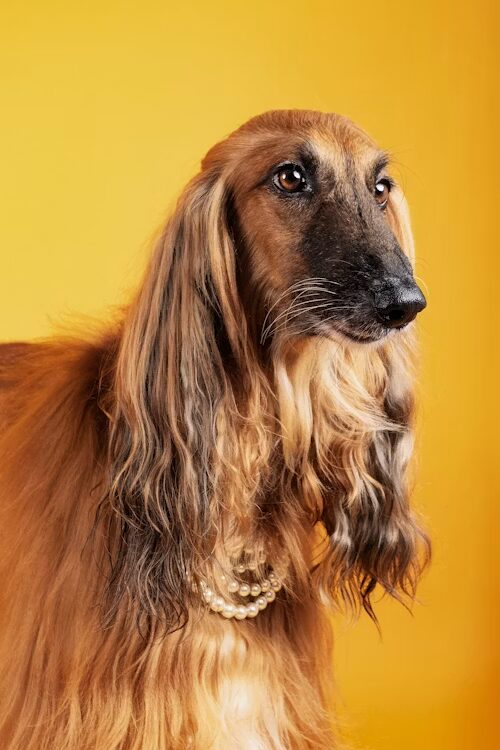
The Afghan Hound is famous for its luxurious coat and elegant appearance.
Appearance and Coat Care
Their long, silky coat requires:
- Frequent brushing
- Regular bathing
- Professional grooming
Personality and Intelligence
Afghans are often described as:
- Independent
- Dignified
- Sensitive
- Loyal
Training Tips
Positive reinforcement works best, as harsh methods can damage trust.
Rhodesian Ridgeback
Originally developed in Africa, the Rhodesian Ridgeback is a powerful and athletic breed.
History as a Hunting Dog
These dogs were used to track and corner lions, earning them the nickname “African Lion Hound.”
Protective Nature
They tend to be:
- Loyal
- Courageous
- Protective
- Confident
Ideal Living Conditions
They thrive in homes with:
- Active owners
- Large yards
- Consistent training
Whippet
Often described as a smaller Greyhound, the Whippet combines speed with a gentle personality.
Speed and Agility
Whippets are incredibly fast and excel in:
- Racing
- Agility
- Lure coursing
Family-Friendly Traits
They are known for being:
- Quiet
- Affectionate
- Adaptable
- Great with children
Health and Lifespan
Whippets generally enjoy good health and often live 12–15 years.
Irish Wolfhound
The Irish Wolfhound is one of the tallest dog breeds in existence.
Giant Size Characteristics
Males often exceed 32 inches in height at the shoulder.
Exercise Requirements
Despite their size, they do not require excessive exercise.
Health Concerns
Potential issues include:
- Heart disease
- Bone cancer
- Joint problems
Norwegian Elkhound
A hardy hunting breed with ancient roots.
Hunting Background
Developed in Scandinavia for hunting large game such as elk and moose.
Temperament and Trainability
They are:
- Loyal
- Alert
- Intelligent
- Independent
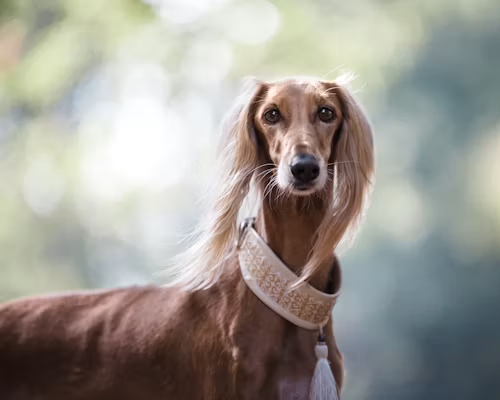
Saluki
One of the oldest known dog breeds.
Ancient Heritage
Salukis were prized by ancient Middle Eastern civilizations for their hunting abilities.
Exercise Needs
They require regular opportunities to run and stretch their legs.
Grooming and Care
Their smooth coat is relatively easy to maintain.
Black and Tan Coonhound
This breed is highly respected for its tracking abilities.
Hunting Skills
Originally bred to track raccoons and large game.
Family Life
They are generally:
- Friendly
- Loyal
- Good with children
Training Considerations
Early socialization is highly recommended.
Redbone Coonhound
Recognized by its striking red coat and energetic nature.
Temperament
Redbone Coonhounds are:
- Friendly
- Energetic
- Intelligent
- Social
Exercise Requirements
They require daily physical activity and mental stimulation.
Treeing Walker Coonhound
A favorite among hunters.
Personality Traits
Known for being:
- Energetic
- Friendly
- Determined
- Intelligent
Hunting Abilities
Excellent at locating and “treeing” game animals.
Bluetick Coonhound
A striking breed with a distinctive mottled coat.
Characteristics
Blueticks are:
- Athletic
- Determined
- Loyal
- Intelligent
Training and Socialization
Early training helps manage their strong prey drive.
English Foxhound
History
Developed specifically for fox hunting in England.
Exercise Needs
Requires significant daily exercise and outdoor activity.
American Foxhound
Personality
American Foxhounds are:
- Gentle
- Friendly
- Independent
Family Compatibility
They generally get along well with children and other dogs.
Petit Basset Griffon Vendéen (PBGV)
A lively and charming French hound.
Appearance
Distinctive features include:
- Rough coat
- Bushy eyebrows
- Compact size
Temperament
PBGVs are:
- Cheerful
- Outgoing
- Energetic
Otterhound
One of the rarest dog breeds in the world.
Rare Breed Overview
Originally developed to hunt otters in England.
Care and Maintenance
Requires:
- Regular grooming
- Frequent exercise
- Social interaction
Harrier
Often described as a larger Beagle.
History and Characteristics
Harriers were developed for hunting hares and possess:
- Strong scenting ability
- High energy
- Friendly temperament
Complete List of Hound Dog Breeds
Small Hound Dog Breeds
These breeds are ideal for owners seeking a more compact companion.
| Breed | Size Category |
| Beagle | Small |
| Dachshund | Small |
| Basenji | Small |
| Whippet | Small-Medium |
| Petit Basset Griffon Vendéen | Small |
Benefits of Small Hounds
- Easier to manage
- Lower food costs
- Suitable for smaller homes
- Portable and travel-friendly
Medium Hound Dog Breeds
Medium-sized hounds offer a balance of athleticism and manageability.
| Breed | Typical Weight |
| Harrier | 45–65 lbs |
| Pharaoh Hound | 45–55 lbs |
| Norwegian Elkhound | 48–55 lbs |
| Treeing Walker Coonhound | 50–70 lbs |
These dogs typically thrive in active households.
Large Hound Dog Breeds
Large hounds are powerful, athletic, and often excel in outdoor environments.
| Breed | Typical Weight |
| Bloodhound | 80–110 lbs |
| Greyhound | 60–70 lbs |
| Rhodesian Ridgeback | 70–85 lbs |
| Black and Tan Coonhound | 65–100 lbs |
Large hounds often require more space and exercise than smaller breeds.
Giant Hound Dog Breeds
Giant hounds are among the most impressive dogs in the canine world.
| Breed | Height |
| Irish Wolfhound | 32+ inches |
| Scottish Deerhound | 30–32 inches |
While their size is remarkable, many giant hounds are gentle and affectionate companions.
Hound Dog Temperament and Personality
One reason hounds remain so popular is their diverse and appealing personalities.
Are Hound Dogs Good Family Pets?
Many hounds make excellent family dogs due to their:
- Gentle nature
- Loyalty
- Sociability
- Adaptability
Popular family-friendly choices include:
- Beagle
- Whippet
- Basset Hound
- American Foxhound
Are Hound Dogs Good With Children?
Most hounds are patient and tolerant with respectful children.
However, supervision is always important, especially around puppies and giant breeds.
Hounds and Other Pets
Many hound breeds can live peacefully with other pets when properly socialized from an early age. However, because they were originally bred to hunt, some hounds have a strong prey drive.
Smaller animals such as rabbits, hamsters, and birds may trigger their hunting instincts. Early introductions and supervised interactions are essential.
Intelligence Levels of Hound Breeds
Hounds are highly intelligent dogs, but their intelligence often differs from breeds developed for obedience work.
They excel at:
- Problem-solving
- Independent decision-making
- Tracking and scent work
- Environmental awareness
This independence sometimes causes owners to mistake them for being stubborn.
Independence and Stubbornness
Many hounds were bred to work far away from hunters and make decisions without constant guidance. As a result, they can appear selective when responding to commands.
Consistency, patience, and positive reinforcement are key to successful training.
Affectionate Nature of Hounds
Despite their independent streak, most hounds are loving companions who enjoy spending time with their families.
Common affectionate traits include:
- Cuddling
- Following owners around the house
- Gentle interactions with children
- Strong loyalty
Training Hound Dog Breeds
Are Hound Dogs Easy to Train?
Training difficulty varies by breed.
Some hounds, such as Beagles and Bloodhounds, are eager learners when motivated by food or rewards. Others, such as Afghan Hounds, may be more independent.
Common Training Challenges
Hound owners often encounter:
- Selective hearing
- Strong prey drive
- Distractibility
- Wandering tendencies
- Excessive barking or howling
Positive Reinforcement Techniques
Reward-based training typically produces the best results.
Effective rewards include:
- Treats
- Praise
- Toys
- Play sessions
Avoid harsh punishment, as it can damage trust and reduce training effectiveness.
Recall Training for Hounds
Reliable recall is especially important because many hounds will instinctively follow scents or moving animals.
Helpful recall tips:
- Start training in secure areas.
- Use high-value rewards.
- Practice frequently.
- Gradually increase distractions.
Leash Training Tips
Many hounds enjoy following scents during walks, which can lead to pulling.
To improve leash manners:
- Use consistent commands.
- Reward loose-leash walking.
- Provide plenty of exercise beforehand.
Socialization Importance
Proper socialization helps prevent fearfulness and behavioral issues.
Expose puppies to:
- Different people
- New environments
- Other animals
- Various sounds and experiences
Crate Training Hound Puppies
Crate training provides:
- Safety
- Structure
- Easier house training
- Reduced anxiety
When introduced properly, most hound puppies adapt well to crate training.
Exercise Requirements for Hound Dogs
How Much Exercise Do Hounds Need?
Exercise needs vary significantly among breeds.
| Breed Type | Daily Exercise |
|---|---|
| Small Hounds | 30–60 minutes |
| Medium Hounds | 60–90 minutes |
| Large Hounds | 60–120 minutes |
| Giant Hounds | 45–90 minutes |
Best Activities for Hound Breeds
Hounds typically enjoy:
- Long walks
- Hiking
- Tracking games
- Scent work
- Fetch
- Lure coursing
Running and Hiking With Hounds
Active breeds such as Rhodesian Ridgebacks, Whippets, and Foxhounds make excellent companions for outdoor adventures.
Mental Stimulation Games
Mental exercise is just as important as physical activity.
Popular enrichment activities include:
- Puzzle toys
- Hide-and-seek
- Scent trails
- Food-dispensing toys
Preventing Boredom and Destructive Behaviors
Insufficient exercise can lead to:
- Digging
- Chewing
- Excessive barking
- Escape attempts
Providing adequate stimulation helps prevent these issues.
Grooming and Maintenance
Coat Types in Hound Breeds
Hounds come in a variety of coat types:
- Short coats
- Smooth coats
- Wire coats
- Long silky coats
Brushing Requirements
| Coat Type | Grooming Frequency |
| Short Coat | Weekly |
| Wire Coat | 2–3 Times Weekly |
| Long Coat | Daily or Every Other Day |
Bathing Frequency
Most hounds only need bathing every few months unless they become particularly dirty.
Ear Cleaning Tips
Many hounds have long, floppy ears that can trap moisture.
Regular ear cleaning helps prevent:
- Ear infections
- Odor
- Irritation
Nail Care
Trim nails regularly to prevent:
- Discomfort
- Joint stress
- Walking difficulties
Dental Hygiene
Good oral care includes:
- Daily brushing
- Dental chews
- Professional cleanings
Health Issues in Hound Dog Breeds
Like all dogs, hounds can be susceptible to certain health conditions.
Common Health Problems in Hounds
Hip Dysplasia
More common in larger breeds, hip dysplasia can affect mobility and comfort.
Ear Infections
Long-eared breeds such as Basset Hounds and Bloodhounds are particularly vulnerable.
Bloat
Deep-chested breeds such as Greyhounds and Irish Wolfhounds face increased risk.
Obesity
Weight gain can worsen joint and back issues.
Eye Disorders
Some hound breeds may develop inherited eye conditions.
Preventive Healthcare Tips
To maintain good health:
- Feed a balanced diet
- Maintain healthy weight
- Provide regular exercise
- Schedule veterinary checkups
Veterinary Checkups
Annual wellness exams allow veterinarians to detect problems early.
Vaccinations and Parasite Control
Essential preventive care includes:
- Core vaccinations
- Flea prevention
- Tick control
- Heartworm prevention
Nutrition for Hound Dogs
Best Diet for Hound Breeds
A high-quality diet should contain:
- Animal-based protein
- Healthy fats
- Vitamins and minerals
- Appropriate calorie levels
Puppy Feeding Guide
Growing puppies require:
- Frequent meals
- Higher calorie intake
- Nutrient-dense foods
Adult Hound Nutrition
Adult dogs benefit from diets tailored to their:
- Age
- Activity level
- Size
- Health status
Senior Hound Diet Requirements
Older dogs often require:
- Joint-support supplements
- Reduced calories
- Easily digestible ingredients
Recommended Protein Levels
Most healthy hounds thrive on moderate-to-high protein diets.
Foods to Avoid
Avoid feeding:
- Chocolate
- Grapes
- Raisins
- Onions
- Garlic
- Xylitol-containing products
Choosing the Right Hound Dog Breed
Factors to Consider Before Getting a Hound
Before selecting a breed, evaluate:
- Living space
- Activity level
- Grooming commitment
- Experience with dogs
- Family situation
Best Hounds for Families
Top family-friendly options include:
- Beagle
- Whippet
- Basset Hound
- American Foxhound
Best Hounds for Apartments
Good apartment-compatible hounds include:
- Whippet
- Greyhound
- Dachshund
Best Hounds for Active Owners
Highly active owners may enjoy:
- Rhodesian Ridgeback
- Treeing Walker Coonhound
- Redbone Coonhound
- American Foxhound
Best Hounds for First-Time Dog Owners
Recommended beginner-friendly breeds:
- Beagle
- Whippet
- Basset Hound
Best Hounds for Hunting Enthusiasts
Popular hunting companions include:
- Bloodhound
- Black and Tan Coonhound
- Bluetick Coonhound
- Treeing Walker Coonhound
Hound Dog Breed Comparisons
Beagle vs Basset Hound
| Feature | Beagle | Basset Hound |
| Energy Level | High | Moderate |
| Trainability | Moderate | Moderate |
| Grooming | Easy | Easy |
| Size | Small | Medium |
Bloodhound vs Coonhound
Bloodhounds excel in scent tracking, while Coonhounds are more versatile hunters.
Greyhound vs Whippet
Both are fast and gentle, but Whippets are smaller and often easier to manage in smaller homes.
Irish Wolfhound vs Scottish Deerhound
These giant breeds share similar histories but differ slightly in size and coat texture.
American Foxhound vs English Foxhound
American Foxhounds are generally leaner and faster, while English Foxhounds are stockier and more traditional in appearance.
Hound Dog Breed Lifespan
Average Lifespan of Popular Hound Breeds
| Breed | Lifespan |
| Beagle | 12–15 Years |
| Dachshund | 12–16 Years |
| Whippet | 12–15 Years |
| Bloodhound | 10–12 Years |
| Greyhound | 10–14 Years |
| Irish Wolfhound | 6–8 Years |
Factors Affecting Longevity
Important factors include:
- Genetics
- Nutrition
- Exercise
- Veterinary care
- Weight management
How to Help Your Hound Live Longer
Provide:
- Balanced nutrition
- Preventive healthcare
- Daily exercise
- Mental stimulation
- Regular veterinary visits
Hound Puppies
What to Expect From a Hound Puppy
Hound puppies are often:
- Curious
- Playful
- Intelligent
- Energetic
Puppy Training Basics
Focus on:
- House training
- Socialization
- Basic obedience
- Leash manners
Socialization Checklist
Introduce puppies to:
- Adults
- Children
- Other dogs
- Different environments
- Common household noises
Puppy Care Essentials
Essential supplies include:
- Crate
- Food and water bowls
- Quality puppy food
- Toys
- Collar and leash
Adoption vs Buying a Hound Dog
Benefits of Adopting a Hound
Advantages include:
- Saving a life
- Lower adoption costs
- Adult temperament visibility
- Support for rescue organizations
Finding Reputable Breeders
Look for breeders who:
- Perform health testing
- Allow facility visits
- Provide health records
- Prioritize breed welfare
Questions to Ask Before Buying
- Have the parents been health tested?
- Can I meet the puppy’s parents?
- What socialization has been completed?
- What health guarantees are offered?
Red Flags to Watch For
Avoid breeders who:
- Refuse visits
- Offer multiple litters constantly
- Lack health documentation
- Prioritize profit over welfare
Fun Facts About Hound Dog Breeds
Fastest Hound Breeds
- Greyhound
- Saluki
- Whippet
Oldest Hound Breeds
- Saluki
- Afghan Hound
- Basenji
Rare Hound Breeds
- Otterhound
- Harrier
- Petit Basset Griffon Vendéen
Hounds in Movies and Popular Culture
Many famous fictional dogs have been inspired by hound breeds due to their distinctive appearance and personalities.
Record-Breaking Hounds
Bloodhounds hold world-renowned reputations for tracking ability, while Greyhounds dominate speed records among dog breeds.
Frequently Asked Questions (FAQ)
What Is the Most Popular Hound Dog Breed?
The Beagle is widely considered the most popular hound breed worldwide.
Which Hound Dog Is Best for Families?
Beagles, Whippets, and Basset Hounds are excellent family choices.
Are Hound Dogs Aggressive?
Most hounds are friendly and non-aggressive when properly socialized.
Do Hound Dogs Bark a Lot?
Some scent hounds are known for barking, baying, and howling.
Are Hounds Good Apartment Dogs?
Certain breeds such as Greyhounds, Whippets, and Dachshunds adapt well to apartment living.
Which Hound Breed Has the Best Sense of Smell?
The Bloodhound is widely regarded as having the strongest scent-tracking ability.
What Is the Fastest Hound Dog Breed?
The Greyhound is generally recognized as the fastest dog breed in the world.
Are Hounds Easy to Train?
They are intelligent but can be independent, requiring patience and consistency.
Do Hound Dogs Shed?
Most hounds shed moderately, though grooming requirements vary by breed.
How Long Do Hound Dogs Live?
Most hound breeds live between 10 and 15 years, depending on size, genetics, and care.
Conclusion
Key Takeaways About Hound Dog Breeds
Hound dog breeds are among the most diverse and fascinating dogs in the canine world. From the scent-tracking expertise of the Bloodhound to the incredible speed of the Greyhound, hounds offer a unique blend of intelligence, athleticism, and loyalty.
Choosing the Best Hound for Your Lifestyle
The ideal hound depends on your:
- Living environment
- Activity level
- Family situation
- Grooming preferences
- Experience with dogs
Whether you’re seeking a playful Beagle, a gentle Whippet, or a majestic Irish Wolfhound, there’s a hound breed suited to nearly every type of owner.