
Affenpinscher puppies are small, bold, and full of personality. Despite their tiny size, they carry a surprisingly confident attitude that often makes people describe them as “big dogs in small bodies.” If you’ve ever seen one, you’ll immediately understand why they are nicknamed the “Monkey Dog” puppies.
These puppies are becoming increasingly popular among apartment dwellers and small-dog lovers because they combine charm, intelligence, and low-shedding coats in one compact package. However, they are not just cute companions—they require proper training, socialization, and care from an early age.
What Makes Affenpinscher Puppies So Unique?
Affenpinscher puppies stand out because of their combination of traits rarely seen together in toy breeds:
- Fearless personality despite small size
- Expressive “monkey-like” face
- Dense, wiry coat
- Strong loyalty to owners
- Highly alert and intelligent behavior
Even as puppies, they often act like much larger dogs, showing confidence and curiosity in everything around them.
Why They Are Called the “Monkey Dog” Puppies
The nickname “Monkey Dog” comes from their facial structure and expressions. Affenpinscher puppies have:
- Short muzzle
- Round, deep-set eyes
- Prominent eyebrows
- Beard-like facial hair
This combination creates a humorous, almost human-like expression that resembles a small monkey.
Growing Popularity of Affenpinscher Puppies Worldwide
Although once rare, affenpinscher puppies are gaining popularity globally due to:
- Suitability for apartment living
- Low-shedding coat
- Unique appearance
- Loyal companionship
They are especially loved in urban environments where small but confident dogs are preferred.
What New Owners Should Expect
Before bringing one home, it’s important to understand:
- They are not lap dogs all the time—they are active and alert
- They can be stubborn during training
- They require consistent socialization
- Grooming is necessary despite low shedding
Overview of This Complete Guide
This guide covers:
- Puppy behavior and personality
- Health and nutrition
- Training methods
- Cost and breeder selection
- Living requirements
- FAQs and expert tips
What Is an Affenpinscher Puppy?
Breed Overview of Affenpinscher Puppies
An Affenpinscher puppy is a small toy-breed dog originally bred in Germany for hunting rats and vermin. Despite their size, they are extremely brave and energetic.
Key traits:
- Small but sturdy build
- High intelligence
- Strong prey drive
- Loyal to family
Origin of the Affenpinscher Breed
The breed dates back to the 17th century in Germany, where they were used in kitchens, stables, and homes to control pests. Over time, they evolved into companion dogs rather than working dogs.
Why They Are Called “Monkey Face” Puppies
Their facial expression resembles a monkey due to:
- Short nose structure
- Wild eyebrow hair
- Bearded muzzle
- Mischievous look
This unique appearance is one of the main reasons they stand out among toy breeds.
Affenpinscher Puppy Personality Traits
Affenpinscher puppies are known for:
- Boldness
- Curiosity
- Playfulness
- Independence
- Loyalty
They often behave like “tiny guardians,” alerting owners to anything unusual.
Affenpinscher Puppy Appearance and Physical Characteristics
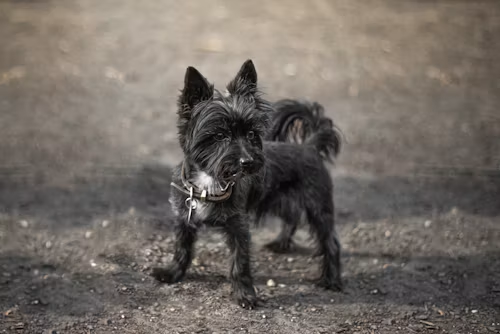
Size, Weight, and Growth Stages
Affenpinscher puppies grow into very small adults.
| Stage | Weight Range | Description |
|---|---|---|
| Newborn | 100–200g | Fully dependent |
| 2–3 months | 1–2 kg | Rapid growth phase |
| 4–6 months | 2–3.5 kg | Active and playful |
| Adult | 3–6 kg | Fully developed |
They usually reach full size by 10–12 months.
Coat Type and Texture
Their coat is:
- Rough and wiry
- Medium-length
- Slightly shaggy appearance
- Low-shedding but not hypoallergenic
Regular grooming is required to maintain coat health.
Common Puppy Colors
Affenpinscher puppies may come in:
- Black (most common)
- Dark gray
- Silver-gray
- Black and tan
- Red variations
Facial Features and Expression
Even as puppies, they show:
- Prominent eyebrows
- Beard-like fur
- Deep-set eyes
- Rounded skull
This gives them a highly expressive and almost human-like face.
Male vs Female Puppy Differences
| Feature | Male | Female |
| Size | Slightly larger | Slightly smaller |
| Temperament | More playful | More independent |
| Behavior | Clown-like energy | Calm intelligence |
Affenpinscher Puppy Temperament and Behavior
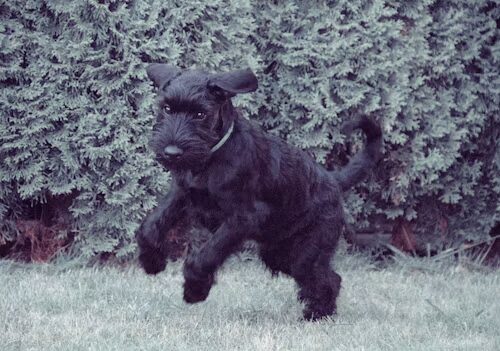
Are Affenpinscher Puppies Friendly?
Yes, but they are selective. They bond strongly with their family but may be cautious around strangers.
Energy Level and Playfulness
Affenpinscher puppies are:
- Highly energetic
- Curious explorers
- Always ready to play
- Quick learners
They require daily playtime to stay balanced.
Intelligence and Learning Ability
They are intelligent but independent thinkers. This means:
- They learn quickly
- They may ignore commands if bored
- Training must be consistent
Stubbornness and Independence
One of their most known traits is stubbornness. They often:
- Test boundaries
- Prefer doing things their way
- Require patient training
Behavior Around Children
They can do well with children if:
- Socialized early
- Treated gently
- Not handled roughly
Interaction With Other Pets
They may:
- Get along with other dogs
- Chase small animals due to prey drive
- Need supervision with cats initially
Socialization Needs
Early socialization is critical. Puppies should be exposed to:
- Different people
- Sounds and environments
- Other animals
Affenpinscher Puppy Development Stages

Newborn to 8 Weeks
- Fully dependent on mother
- Eyes open at ~2 weeks
- Early bonding begins
2–4 Months Stage
- Highly playful
- Rapid learning stage
- Begin socialization training
4–6 Months Stage
- Teething phase
- Increased independence
- Basic training becomes essential
6–12 Months Stage
- Teenage behavior appears
- Testing boundaries
- Requires consistent discipline
Emotional and Behavioral Development Timeline
- 0–3 months: bonding phase
- 3–6 months: social learning
- 6–12 months: behavior shaping
Affenpinscher Puppy Care Guide
Daily Care Requirements
- Feeding 2–4 times daily (age dependent)
- Short exercise sessions
- Play and mental stimulation
- Regular grooming checks
Grooming Needs for Puppies
Even though they are low-shedding, grooming includes:
- Brushing 2–3 times weekly
- Coat trimming occasionally
- Ear cleaning
Bathing Schedule
- Every 3–4 weeks
- Use mild puppy shampoo
- Avoid over-bathing
Nail, Ear, and Dental Care
- Nail trimming every 2–3 weeks
- Weekly ear cleaning
- Daily tooth brushing recommended
Coat Brushing Routine
Use:
- Slicker brush
- Metal comb
Brushing prevents matting and keeps coat healthy.
Hygiene Maintenance Tips
- Keep face clean after meals
- Check eyes regularly
- Clean paws after outdoor walks
Affenpinscher Puppy Feeding and Nutrition
Proper nutrition is one of the most important parts of raising healthy affenpinscher puppies. Their small bodies need balanced, nutrient-rich food to support growth, energy, and immune development.
Best Food for Affenpinscher Puppies
A high-quality diet for affenpinscher puppy care should include:
- Real animal protein (chicken, lamb, fish)
- Healthy fats for brain development
- Easily digestible carbohydrates
- Vitamins and minerals for growth
Recommended food types:
- Premium dry kibble for small breeds
- Wet food (in moderation)
- Vet-approved puppy formulas
Feeding Schedule by Age
| Age | Meals Per Day | Notes |
|---|---|---|
| 8–12 weeks | 4 meals | Small portions |
| 3–6 months | 3 meals | Increasing portions |
| 6–12 months | 2 meals | Transition to adult diet |
Portion Control Guidelines
Overfeeding is a common issue in toy breeds. To avoid obesity:
- Measure every meal
- Avoid constant treats
- Adjust food based on activity level
Wet Food vs Dry Food
| Type | Benefits | Drawbacks |
| Dry Food | Dental health, convenience | Less moisture |
| Wet Food | High palatability, hydration | Can be expensive |
A mix of both is often ideal.
Foods to Avoid
Never feed affenpinscher puppies:
- Chocolate
- Grapes or raisins
- Onions and garlic
- Alcohol
- Xylitol (toxic sweetener)
- Fatty or fried foods
Nutritional Requirements for Growth
Affenpinscher puppies need:
- High protein for muscle development
- Calcium for bone strength
- DHA for brain development
- Antioxidants for immunity
Affenpinscher Puppy Training Guide
Training is essential because Affenpinschers are intelligent but independent thinkers.
When to Start Training
Begin training at:
- 8–10 weeks of age
Early training improves:
- Behavior
- Social skills
- Obedience
Housebreaking and Potty Training
Potty training requires consistency:
- Take puppy outside every 2–3 hours
- Reward immediately after success
- Use a designated potty area
- Avoid punishment for accidents
Crate Training Tips
Crate training helps with:
- Security
- Potty training
- Travel safety
Tips:
- Introduce crate gradually
- Make it comfortable
- Never use as punishment
Basic Obedience Commands
Start with:
- Sit
- Stay
- Come
- Down
- Leave it
Use positive reinforcement like treats and praise.
Leash Training
Affenpinscher puppies can be stubborn on leash. Train by:
- Using a lightweight harness
- Short daily walks
- Rewarding calm walking behavior
Socialization Training
Expose your puppy early to:
- People of different ages
- Other dogs
- Noisy environments
- New surfaces and places
Proper socialization prevents fearfulness later.
Common Training Challenges
Owners may face:
- Stubborn behavior
- Short attention span
- Barking tendencies
Solutions:
- Keep sessions short
- Stay consistent
- Use rewards-based training
Affenpinscher Puppy Exercise Needs
Even though they are small, they are energetic dogs.
Daily Exercise Requirements
Affenpinscher puppies need:
- 30–60 minutes of daily activity
- Short play sessions
- Mental stimulation
Indoor Play Ideas
Perfect for apartment living:
- Fetch with soft toys
- Tug-of-war
- Hide and seek
- Puzzle toys
Outdoor Activities
- Short walks
- Safe park visits
- Controlled play with other dogs
Avoid overexertion in extreme weather.
Mental Stimulation Exercises
Mental exercise is just as important as physical activity:
- Food puzzles
- Training games
- Scent games
- Learning new commands
Toys Suitable for Puppies
Best toys include:
- Soft chew toys
- Rubber balls
- Puzzle feeders
- Rope toys
Avoid small detachable parts.
Affenpinscher Puppy Health and Common Problems
Health care is essential for long-term well-being.
Common Health Issues in Puppies
Patellar Luxation
A condition where the kneecap slips out of place. Common in toy breeds.
Eye Conditions
Includes:
- Cataracts
- Dry eye
- Retinal issues
Dental Problems
Small breeds often suffer from:
- Tooth crowding
- Plaque buildup
Allergies
Symptoms include:
- Itching
- Skin irritation
- Ear infections
Respiratory Issues
Less common but may include breathing difficulties in poorly bred dogs.
Vaccination Schedule for Puppies
Typical schedule:
- 6–8 weeks: First vaccines
- 10–12 weeks: Booster shots
- 14–16 weeks: Final puppy vaccines
- 1 year: Adult booster
Deworming and Parasite Prevention
- Every 2–3 weeks during early months
- Monthly flea/tick prevention afterward
Vet Checkups in the First Year
Regular visits help monitor:
- Growth
- Vaccination progress
- Overall health
Signs of a Healthy Puppy
A healthy affenpinscher puppy shows:
- Bright eyes
- Active behavior
- Good appetite
- Clean coat
- Normal stool
Emergency Warning Signs
Seek veterinary help if you notice:
- Persistent vomiting
- Lethargy
- Loss of appetite
- Difficulty breathing
- Severe diarrhea
Affenpinscher Puppy Cost and Price Factors
Understanding cost helps avoid scams and unrealistic expectations.
Average Puppy Price Range
| Source | Price Range |
| Reputable breeder | $1,500 – $4,000+ |
| Show-quality lines | $3,000 – $6,000+ |
| Adoption/rescue | $100 – $600 |
Factors That Affect Price
- Breeder reputation
- Pedigree quality
- Health testing
- Location
- Demand for puppies
Breeder Reputation and Pricing
High-quality affenpinscher breeders often charge more because they invest in:
- Health testing
- Proper socialization
- Ethical breeding practices
Location-Based Price Differences
Prices may vary depending on:
- Country
- City demand
- Import availability
Adoption Cost vs Buying From Breeder
| Option | Cost | Benefits |
| Breeder | Higher | Predictable traits |
| Adoption | Lower | Saves a life |
Hidden Costs of Ownership
Beyond purchase price, expect:
- Food expenses
- Vet visits
- Grooming tools
- Training classes
- Emergency care
Where to Buy Affenpinscher Puppies
Reputable Affenpinscher Breeders
Always choose breeders who:
- Provide health certificates
- Show puppy parents
- Offer contracts
Online Puppy Listings (Risks & Safety)
Be careful when searching online:
- Avoid unverified sellers
- Never pay without proof
- Watch for fake listings
Local Dog Shows and Breeders
Dog shows are one of the best places to:
- Meet ethical breeders
- See breed standards
- Learn about upcoming litters
Affenpinscher Rescue Organizations
Rescues occasionally have Affenpinschers available through:
- Breed rescue groups
- General shelters
Avoiding Puppy Mills
Warning signs include:
- Mass production
- Dirty conditions
- No health records
- No breeder screening
How to Choose a Healthy Affenpinscher Puppy
Choosing the right affenpinscher puppy is one of the most important decisions you will make. A healthy start determines behavior, lifespan, and overall quality of life.
Physical Health Checklist
When evaluating a puppy, check for:
- Clear, bright eyes (no discharge)
- Clean ears with no odor
- Soft, shiny coat
- Healthy weight (not too thin or overweight)
- No limping or stiffness
- Active and alert behavior
A healthy affenpinscher puppy should look curious and energetic, not lethargic.
Behavioral Signs of a Healthy Puppy
Good temperament signs include:
- Playful but not aggressive
- Curious about surroundings
- Comfortable with human interaction
- Not overly fearful or withdrawn
Questions to Ask the Breeder
Before buying from any affenpinscher breeder, ask:
- What health tests were done on the parents?
- Can I see vaccination records?
- How is the puppy socialized?
- What food is the puppy currently eating?
- Do you offer a health guarantee?
Checking Vaccination Records
Always ensure the puppy has:
- Initial vaccinations completed
- Deworming schedule started
- Vet health certificate
Meeting Puppy Parents
If possible, meet at least one parent dog.
This helps you evaluate:
- Adult temperament
- Size expectations
- Behavioral traits
- Overall health
Red Flags to Avoid
Avoid puppies from breeders who:
- Refuse visits or video calls
- Cannot provide medical records
- Always have puppies available
- Offer unusually low prices
- Do not ask questions about buyers
Preparing Your Home for an Affenpinscher Puppy
Bringing home a puppy requires preparation to ensure safety and comfort.
Puppy-Proofing the House
Remove or secure:
- Electrical wires
- Toxic plants
- Small objects (choking hazards)
- Cleaning chemicals
- Sharp furniture edges
Essential Supplies Checklist
Before your puppy arrives, prepare:
- Crate or bed
- Puppy food
- Food and water bowls
- Collar and leash
- Chew toys
- Grooming brush
- Puppy pads
Setting Up Sleeping Area
Your puppy needs a safe, comfortable space:
- Quiet location
- Soft bedding
- Warm and draft-free environment
- Crate for security (optional but recommended)
First Day at Home Tips
The first day is crucial for adjustment:
- Keep environment calm
- Avoid overwhelming the puppy
- Introduce family members slowly
- Stick to feeding schedule
Introducing Puppy to Family Members
Introduce gently:
- One person at a time
- Calm voices only
- No rough handling
- Supervised interactions with children
Living With an Affenpinscher Puppy
Apartment Living Suitability
Affenpinscher puppies are excellent for apartments because:
- Small size
- Moderate exercise needs
- Indoor adaptability
However, they still require daily stimulation.
Small Home Adaptability
They adapt well to small spaces if:
- They receive daily walks
- They have toys for mental stimulation
- They are not left alone too long
Travel With Puppies
Affenpinscher puppies are travel-friendly due to their size.
Tips:
- Use a secure carrier
- Bring familiar toys
- Keep travel time short at first
- Provide water breaks
Weather and Climate Considerations
These puppies are sensitive to extreme weather.
Hot Weather:
- Avoid midday walks
- Provide shade and water
Cold Weather:
- Use dog sweaters
- Limit outdoor exposure
Alone Time and Separation Anxiety
Affenpinscher puppies may develop separation anxiety if left alone too long.
Signs include:
- Barking
- Destructive chewing
- Restlessness
Solutions:
- Gradually increase alone time
- Provide toys
- Use crate training
Affenpinscher Puppies vs Other Breeds
Affenpinscher vs Yorkshire Terrier Puppies
| Feature | Affenpinscher | Yorkshire Terrier |
|---|---|---|
| Temperament | Independent | Affectionate |
| Grooming | Moderate | High |
| Energy | Moderate | High |
Affenpinscher vs Pomeranian Puppies
- Affenpinscher: calmer, more independent
- Pomeranian: more vocal and attention-seeking
Affenpinscher vs Shih Tzu Puppies
- Affenpinscher: more alert and active
- Shih Tzu: more relaxed and calm
Affenpinscher vs Brussels Griffon Puppies
Both are similar, but:
- Affenpinscher is more stubborn
- Brussels Griffon is more emotionally sensitive
Which Breed Is Best for You?
Choose an Affenpinscher if you want:
- A confident small dog
- Low shedding coat
- Independent personality
- Apartment-friendly companion
Buying vs Adopting Affenpinscher Puppies
Benefits of Buying From Breeders
- Predictable temperament
- Known health background
- Early training opportunities
- Purebred documentation
Benefits of Adoption
- Lower cost
- Saving a life
- Adult dogs may already be trained
Rescue Availability
Affenpinschers are rare in shelters, but you may find them through:
- Breed-specific rescues
- Small dog rescue groups
Cost Comparison
| Option | Cost |
| Breeder | $1,500–$4,000+ |
| Adoption | $100–$600 |
Ethical Considerations
Always prioritize:
- Responsible breeding
- Avoiding puppy mills
- Supporting animal welfare
Fun Facts About Affenpinscher Puppies
Why They Look Like Little Monkeys
Their monkey-like look comes from:
- Short muzzle
- Bushy eyebrows
- Beard-like facial hair
Famous Affenpinschers
Some Affenpinschers have appeared in:
- Dog shows
- Media appearances
- Breed competitions
Rare Traits of the Breed
- Fearless personality despite size
- Strong watchdog instincts
- High intelligence in a small frame
Historical Background of Puppies
Originally bred in Germany, they were used to:
- Hunt rats in kitchens
- Protect food storage areas
Frequently Asked Questions (FAQs)
How Much Do Affenpinscher Puppies Cost?
Typically $1,500 to $4,000+ depending on breeder quality.
Are Affenpinscher Puppies Easy to Train?
They are intelligent but can be stubborn, requiring patience and consistency.
Do They Shed a Lot?
No, they are low-shedding, but still need grooming.
Are They Good With Kids?
Yes, if properly socialized early.
How Long Do They Live?
Average lifespan is 12–15 years.
Are They Hypoallergenic?
Not fully, but they may be better tolerated by allergy sufferers.
Do They Bark a Lot?
They are alert barkers but can be trained to control barking.
Are They Good Apartment Dogs?
Yes, they adapt very well to apartment living.
How Big Do They Get?
Usually 3–6 kg (6–13 lbs) as adults.
When Do They Calm Down?
Most calm down around 1.5 to 2 years of age.
Conclusion
Affenpinscher puppies are small dogs with huge personalities. They bring joy, energy, and entertainment to any home but also require proper training and care.
- They are intelligent but stubborn
- They need early socialization
- Grooming is essential
- They are best for attentive owners