The Akita Japanese dog, also known as the Akita Inu, is one of the most iconic and respected dog breeds in the world. Revered in Japan for centuries, this majestic breed symbolizes loyalty, courage, dignity, and good fortune. With its fox-like face, thick double coat, curled tail, and calm personality, the Japanese Akita has become a favorite among experienced dog owners seeking a devoted companion.
Unlike many breeds that eagerly greet everyone they meet, the Japanese Akita is known for its quiet confidence and deep bond with its family. It is naturally reserved around strangers but incredibly affectionate and protective toward the people it trusts. This unique balance of independence and loyalty makes the breed truly one of a kind.
Many people also confuse the Japanese Akita with the American Akita. Although they share common ancestry, the two breeds differ significantly in appearance, size, colors, and even breed standards. Understanding these differences is important if you’re considering adding an Akita to your family.
Whether you’re researching the breed for the first time or planning to welcome an Akita Inu into your home, this guide covers everything you need to know—from its fascinating history and temperament to grooming, training, health, and ownership responsibilities.
Japanese Akita Dog at a Glance
| Feature | Details |
|---|---|
| Origin | Japan |
| Japanese Name | Akita Inu |
| Breed Group | Working |
| Height | 23–27.5 inches |
| Weight | 55–100 pounds |
| Lifespan | 10–14 years |
| Coat Type | Thick Double Coat |
| Coat Colors | Red Fawn, White, Brindle, Sesame |
| Temperament | Loyal, Calm, Courageous, Independent |
| Energy Level | Moderate |
| Intelligence | High |
| Trainability | Moderate |
| Shedding | Heavy (Seasonal) |
| Grooming Needs | Moderate to High |
| Family Friendly | Yes, with proper socialization |
| Good With Children | Yes |
| Good With Dogs | Can be selective |
| Apartment Friendly | Possible with daily exercise |
| Barking Level | Low |
What Is a Japanese Akita Dog?
The Japanese Akita, officially known as the Akita Inu, is a large, powerful working breed that originated in northern Japan. Bred for hunting large game and later admired as a symbol of loyalty and nobility, the Akita Inu remains one of Japan’s most cherished native dog breeds.
Unlike many companion breeds that crave constant attention, Japanese Akitas are naturally composed, observant, and independent. They tend to form exceptionally strong bonds with their owners while remaining polite but reserved around unfamiliar people.
Their calm demeanor, intelligence, and unwavering loyalty have made them popular companions around the globe.
Meaning of “Akita Inu”
The name Akita Inu is simple yet meaningful.
- Akita refers to Akita Prefecture, the mountainous region in northern Japan where the breed originated.
- Inu simply means dog in Japanese.
Therefore, “Akita Inu” literally translates to “Dog from Akita.”
In Japan, people commonly use the term Akita Inu, while in many other countries the breed is simply called the Japanese Akita.
History of the Japanese Akita
The Akita’s history dates back several hundred years, making it one of Japan’s oldest native dog breeds.
Originally developed in rugged mountain regions, these dogs were valued for their:
- Strength
- Courage
- Intelligence
- Hunting ability
- Endurance
Local hunters relied on Akitas to pursue dangerous game through forests and snowy mountains.
Throughout history, the breed also became closely associated with Japanese nobility. Owning an Akita was once considered a privilege reserved for influential families and members of the imperial court.
Over generations, careful breeding preserved the Akita’s dignified appearance and loyal temperament.
Origin in Akita Prefecture
The breed originated in Akita Prefecture, located on Japan’s northern island of Honshu.
This region experiences:
- Heavy snowfall
- Cold winters
- Mountainous terrain
- Dense forests
These challenging conditions helped shape the Akita into a hardy, athletic, and resilient working dog.
Its thick double coat, muscular body, and remarkable endurance allowed it to thrive where many other breeds struggled.
Ancient Japanese Hunting Dogs
The ancestors of today’s Japanese Akita were powerful hunting dogs known for tracking and holding large animals.
Historically, they hunted:
- Wild boar
- Deer
- Bears
Rather than relying solely on speed, Akitas used intelligence, strength, and teamwork with hunters.
Their bravery became legendary throughout Japan.
Development of the Modern Breed
Over time, breeders shifted their focus from producing hunting dogs to preserving the Akita as a national treasure.
Selective breeding emphasized:
- Traditional appearance
- Balanced temperament
- Loyalty
- Athletic build
- Health
Following World War II, dedicated Japanese breeders worked hard to restore the breed while preserving its original characteristics.
Today, kennel clubs recognize the Japanese Akita Inu as distinct from the American Akita, each with separate breed standards.
Why the Breed Is So Special
The Japanese Akita stands apart from many other large breeds because it combines elegance with quiet strength.
Owners admire the breed for its:
- Exceptional loyalty
- Calm indoor behavior
- Natural cleanliness
- Quiet personality
- Intelligence
- Protective instincts
Unlike breeds that constantly seek interaction, Akitas often show affection through quiet companionship and unwavering devotion.
If you’re interested in learning more about responsible puppy socialization, positive reinforcement training, or large-breed dog nutrition, exploring trusted canine care resources before bringing home an Akita can help set you and your dog up for long-term success.
Japanese Akita vs American Akita
Although they share common ancestry, the Japanese Akita and American Akita have become distinct breeds with noticeable differences in appearance, size, and accepted breed standards.
Understanding these differences can help prospective owners choose the dog that best fits their lifestyle.
Main Differences
| Feature | Japanese Akita | American Akita |
|---|---|---|
| Origin | Japan | Developed in the United States |
| Appearance | Elegant and refined | Larger and more powerful |
| Head | Fox-like | Bear-like |
| Accepted Colors | Limited traditional colors | Nearly all colors accepted |
| Weight | Lighter | Heavier |
| Breed Standard | Strict Japanese standard | Separate American standard |
The Japanese Akita focuses on refinement and balance, while the American Akita emphasizes size and substance.
Size Comparison
Japanese Akitas are generally smaller than their American counterparts.
Male Japanese Akita
- Height: 25–27.5 inches
- Weight: 70–100 pounds
Female Japanese Akita
- Height: 23–25 inches
- Weight: 55–75 pounds
Their leaner frame gives them a more agile and athletic appearance.
Weight Comparison
Compared with American Akitas, Japanese Akitas carry less body mass while maintaining excellent muscle tone.
| Breed | Average Weight |
|---|---|
| Japanese Akita Male | 70–100 lbs |
| Japanese Akita Female | 55–75 lbs |
| American Akita Male | 100–130 lbs |
| American Akita Female | 70–100 lbs |
The lighter build contributes to the Japanese Akita’s elegant movement.
Head Shape
One of the easiest ways to distinguish the two breeds is by examining the head.
Japanese Akita
- Fox-like appearance
- Narrower muzzle
- Refined facial structure
- Balanced proportions
American Akita
- Broad skull
- Larger muzzle
- Bear-like face
- Heavy bone structure
The Japanese Akita’s refined head reflects centuries of selective breeding focused on preserving traditional Japanese aesthetics.
Facial Features
The Japanese Akita has a distinctive expression that conveys alertness and dignity.
Key facial characteristics include:
- Dark almond-shaped eyes
- Small upright ears
- Black nose
- Tight lips
- Calm expression
Together, these features create the breed’s unmistakable fox-like appearance.
Coat Colors
Japanese Akitas are accepted in only a few traditional coat colors.
These include:
- Red Fawn
- White
- Brindle
- Sesame
Unlike American Akitas, colors such as black masks and pinto patterns are generally not accepted under Japanese breed standards.
Personality Differences
Both breeds are loyal and protective, but subtle differences exist.
Japanese Akita
- More reserved
- Elegant demeanor
- Calm indoors
- Slightly less imposing
American Akita
- More physically dominant
- Larger guarding presence
- Broader confidence
- Often more outgoing with family
Regardless of variety, both breeds require experienced ownership and early socialization.
Breed Standards
Japanese breed organizations emphasize preserving the Akita’s original appearance.
Breed standards focus on:
- Symmetry
- Moderate proportions
- Traditional colors
- Fox-like expression
- Urajiro markings
American breed standards permit greater variation in size, colors, and markings.
Which Akita Is Better?
Neither breed is objectively better—it simply depends on what you’re looking for.
A Japanese Akita may be the right choice if you prefer:
- Traditional Japanese heritage
- Elegant appearance
- Slightly smaller size
- Refined facial features
An American Akita may suit you better if you want:
- Larger guardian
- More robust physique
- Wider variety of coat colors
- Greater physical presence
Both breeds thrive with experienced owners who can provide consistent training, regular exercise, and early socialization.
Physical Appearance
The Japanese Akita is admired worldwide for its graceful yet powerful appearance. Every feature—from its triangular ears to its curled tail—reflects the breed’s working heritage and careful preservation in Japan.
Unlike many large breeds that appear bulky, the Japanese Akita combines athleticism with elegance.
Overall Build
The Japanese Akita has a well-balanced body that appears both muscular and refined.
Characteristics include:
- Strong frame
- Deep chest
- Straight back
- Powerful legs
- Moderate bone structure
- Excellent balance
The breed should never appear overly heavy or exaggerated.
Height
Adult Japanese Akitas typically measure:
| Gender | Height |
|---|---|
| Male | 25–27.5 inches |
| Female | 23–25 inches |
Their height contributes to a proud and confident stance.
Weight
Healthy adult weights generally fall within the following ranges:
| Gender | Average Weight |
|---|---|
| Male | 70–100 lbs (32–45 kg) |
| Female | 55–75 lbs (25–34 kg) |
Maintaining a lean body condition is important for supporting healthy joints and mobility.
Body Structure
The Japanese Akita’s body is built for endurance and stability.
Notable features include:
- Broad chest
- Muscular shoulders
- Strong hindquarters
- Level topline
- Balanced proportions
- Firm, athletic stance
This structure allows the breed to move with efficiency and confidence across a variety of terrains.
Head
The Japanese Akita’s head is one of its defining characteristics. It is broad without appearing bulky, giving the breed an alert, noble, and intelligent expression.
Key features include:
- Broad but balanced skull
- Moderate stop
- Strong muzzle
- Tight lips
- Black nose (except some white Akitas, where a lighter nose may be acceptable)
Unlike the American Akita, the Japanese Akita’s head is more refined and elegant.
Fox-like Face
The Japanese Akita is often described as having a fox-like face, which clearly distinguishes it from the American Akita’s broader, bear-like appearance.
Its facial expression is created by:
- Small triangular eyes
- Upright ears
- Refined muzzle
- Balanced facial proportions
This elegant look is one of the breed’s most admired characteristics.
Eyes
Japanese Akitas have:
- Small eyes
- Dark brown color
- Almond shape
- Slightly triangular appearance
Their eyes project intelligence, calmness, and confidence rather than excitement or nervousness.
Ears
The ears are:
- Small
- Thick
- Upright
- Slightly tilted forward
- Triangular
Well-positioned ears contribute to the breed’s alert and dignified appearance.
Tail
The Akita’s curled tail is another signature feature.
It is:
- Thick
- Full of fur
- Curled tightly over the back
- Carried proudly
The tail not only enhances the breed’s appearance but also helped protect the dog from harsh winter conditions by covering its face while resting.
Double Coat
Japanese Akitas have a thick double coat that protects them from cold temperatures.
Outer Coat
- Straight
- Coarse
- Weather-resistant
Undercoat
- Dense
- Soft
- Thick
- Excellent insulation
This coat allows the breed to thrive in snowy climates.
Coat Texture
The coat feels:
- Dense
- Plush
- Slightly coarse externally
- Soft underneath
Unlike curly or silky coats, the Akita’s fur naturally repels dirt and moisture.
Japanese Akita Coat Colors
Unlike the American Akita, the Japanese Akita follows strict breed standards regarding coat colors.
Only a few traditional colors are officially recognized.
Red Fawn
The red fawn coat is the most common.
It ranges from:
- Golden red
- Rich orange-red
- Warm reddish-brown
Every red Akita should display white urajiro markings beneath the chin, chest, belly, legs, and cheeks.
White
White Japanese Akitas possess:
- Pure white coat
- Dark eyes
- Black nose (preferred)
- No facial mask
Their clean appearance highlights the breed’s elegant body structure.
Brindle
Brindle Akitas feature dark striping across a lighter base coat.
Common variations include:
- Black brindle
- Red brindle
- Silver brindle
Each dog has a unique stripe pattern.
Sesame
Sesame is one of the rarest Akita coat colors.
True sesame consists of:
- Red base coat
- Evenly distributed black-tipped hairs
- White urajiro markings
Because the pattern is uncommon, true sesame Akitas are highly admired.
Urajiro Markings Explained
One of the defining features of the Japanese Akita is urajiro.
These are white markings located on:
- Cheeks
- Muzzle
- Neck
- Chest
- Belly
- Inside legs
- Underside of tail
Without proper urajiro markings, many Akitas do not meet official Japanese breed standards.
Why Some Colors Are Not Accepted
Japanese kennel clubs preserve the traditional appearance of the breed.
As a result, colors such as:
- Pinto
- Black mask
- Solid black
- Multi-colored coats
are generally not accepted under Japanese breed standards, although they may appear in American Akitas.
Japanese Akita Temperament
The Japanese Akita is admired for its composed personality and unwavering loyalty. Rather than being overly energetic or attention-seeking, this breed prefers quiet confidence and close relationships with its family.
Understanding its temperament is essential before bringing one home.
Loyal Personality
Few breeds rival the Akita’s devotion.
Once an Akita forms a bond with its family, that relationship is often lifelong.
They commonly:
- Stay close to their owners
- Watch over family members
- Follow household routines
- Form especially strong attachments to one person
This extraordinary loyalty is one reason the breed has become famous around the world.
Calm Nature
Despite their impressive size, Japanese Akitas are remarkably calm indoors.
After daily exercise, many enjoy:
- Resting quietly
- Watching family activities
- Sleeping near their owners
- Relaxing without constant stimulation
They are generally not hyperactive or destructive when their physical and mental needs are met.
Protective Instincts
Japanese Akitas are naturally protective of:
- Family
- Home
- Property
Rather than barking excessively, they usually observe quietly before deciding whether intervention is necessary.
This calm confidence makes them excellent watchdogs.
Intelligence
Akitas are highly intelligent and capable of learning advanced commands.
However, they are independent thinkers.
Training succeeds best when it is:
- Reward-based
- Consistent
- Patient
- Respectful
Harsh corrections often reduce motivation rather than improve behavior.
Confidence
A healthy Akita should display:
- Calm body language
- Self-assurance
- Stable temperament
- Quiet confidence
Fearfulness or excessive nervousness is not typical of a well-bred, well-socialized Akita.
Independence
Unlike breeds that constantly seek approval, Akitas are comfortable making decisions independently.
This independence:
- Reflects their hunting heritage
- Can appear stubborn
- Requires confident leadership
- Makes consistent training especially important
Reserved Around Strangers
Akitas are polite but naturally cautious around unfamiliar people.
Instead of rushing to greet visitors, they usually:
- Observe quietly
- Maintain distance
- Assess the situation
- Warm up gradually
This reserved behavior should not be confused with aggression.
Quiet Behavior
Japanese Akitas are among the quieter large breeds.
They generally bark only when:
- Alerting owners
- Sensing unusual activity
- Feeling threatened
For owners seeking a calm household companion, this is a major advantage.
Why Japanese Akitas Are Famous for Loyalty
The Japanese Akita has earned worldwide recognition as the ultimate symbol of loyalty.
Its devotion extends beyond simple companionship and has become deeply rooted in Japanese culture.
The Story of Hachikō
No discussion of Akitas is complete without Hachikō.
Hachikō faithfully accompanied his owner to the train station each morning and returned every evening to greet him.
After his owner unexpectedly passed away, Hachikō continued waiting at the same station every day for nearly ten years.
His unwavering loyalty touched millions of people and remains one of the most inspiring stories of canine devotion ever recorded.
Loyalty in Japanese Culture
In Japan, the Akita symbolizes:
- Loyalty
- Faithfulness
- Courage
- Prosperity
- Good health
These qualities have made the breed an important cultural icon.
Symbolism in Japan
The Japanese Akita is more than just a pet.
It represents:
- Family devotion
- Honor
- Protection
- Good fortune
For this reason, the breed is often featured in artwork, literature, and traditional celebrations.
Gifts of Akita Statues
Small Akita figurines are traditionally presented to celebrate:
- Births
- Weddings
- Recoveries from illness
- New beginnings
These statues symbolize wishes for happiness, strength, and long life.
Are Japanese Akitas Good Family Dogs?
When properly trained and socialized, Japanese Akitas can become wonderful family companions.
However, they are best suited to owners who understand the breed’s independent personality.
Families with Children
Akitas raised alongside respectful children often become:
- Protective
- Gentle
- Calm
- Loyal
Young children should always be supervised around any large dog, regardless of breed.
Teaching children how to interact respectfully helps build a positive relationship.
Singles
Single owners often appreciate the Akita’s:
- Loyalty
- Quiet companionship
- Protective instincts
- Moderate indoor energy
The breed forms particularly close bonds with individual owners.
Seniors
Active seniors who can manage a large dog may enjoy:
- Calm companionship
- Low barking
- Predictable routines
- Affection without excessive neediness
However, owners should consider the breed’s strength and grooming needs.
Multi-Pet Homes
Akitas may successfully live with other pets if introduced properly from an early age.
Success depends on:
- Early socialization
- Individual temperament
- Careful introductions
- Ongoing supervision
First-Time Dog Owners
Japanese Akitas are generally not recommended for inexperienced owners.
Reasons include:
- Independent personality
- Protective instincts
- Large size
- Need for structured training
- Dog-selective tendencies
Experienced owners typically achieve the best results.
Are Japanese Akitas Aggressive?
Akitas are sometimes misunderstood because of their protective nature.
In reality, responsible breeding, proper training, and early socialization greatly influence behavior.
A well-adjusted Akita should be calm, confident, and stable—not unnecessarily aggressive.
Natural Protective Instincts
Japanese Akitas naturally protect their:
- Family
- Home
- Territory
These instincts developed over centuries of hunting and guarding work.
Dog Aggression
Some Akitas may be selective with unfamiliar dogs, especially those of the same sex.
Owners should:
- Socialize early
- Use controlled introductions
- Supervise interactions
- Practice obedience consistently
Stranger Caution
Akitas are naturally reserved rather than overly friendly.
They often:
- Observe first
- Remain calm
- Avoid unnecessary interaction
This cautious approach is part of the breed’s traditional temperament.
Importance of Early Socialization
One of the best investments an owner can make is early socialization.
Expose puppies to:
- Friendly people
- Vaccinated dogs
- Different environments
- Car rides
- Veterinary visits
- Grooming sessions
- Household sounds
Positive experiences during puppyhood help produce a confident adult.
Safe Training Methods
The most effective training methods include:
- Positive reinforcement
- Clear rules
- Patience
- Consistency
- Short sessions
Avoid punishment-based methods, as they often damage trust and create unnecessary stress.
Japanese Akita Puppies
Bringing home a Japanese Akita puppy is an exciting experience, but the first year plays a crucial role in shaping the dog’s future temperament, health, and behavior.
Choosing a Healthy Puppy
Select a puppy that is:
- Bright and alert
- Curious
- Clean
- Friendly without excessive fear
- Properly vaccinated
- Raised in a healthy environment
Responsible breeders should willingly provide health records and answer questions about the puppy’s parents.
Growth Stages
8–12 Weeks
- Adjusting to a new home
- House training begins
- Early socialization
- Learning its name
3–6 Months
- Rapid growth
- Teething
- Basic obedience
- Leash introduction
6–12 Months
- Adolescence
- Increased confidence
- Continued socialization
- Developing adult behavior
12–24 Months
- Muscle development
- Emotional maturity
- More consistent behavior
Vaccination Schedule
A veterinarian may adjust the schedule based on your location and your puppy’s health, but a typical vaccination plan looks like this:
| Age | Recommended Vaccinations |
|---|---|
| 6–8 Weeks | DHPP (Distemper, Hepatitis, Parvovirus, Parainfluenza) |
| 10–12 Weeks | Booster vaccinations |
| 14–16 Weeks | Final puppy boosters + Rabies (where required) |
| 12 Months | Annual booster |
Along with vaccinations, regular deworming, flea and tick prevention, and routine health checkups are essential during the first year.
Socialization Tips
The first few months of a Japanese Akita’s life have a lasting impact on its personality.
Introduce your puppy to:
- Children
- Adults of different ages
- Friendly vaccinated dogs
- Cats (if they will live together)
- Busy streets
- Parks
- Grooming salons
- Car rides
- Household appliances
- Different floor surfaces
Always reward calm, confident behavior with praise and treats.
House Training
Japanese Akitas are naturally clean and generally learn house training quickly.
For the best results:
- Follow a consistent schedule.
- Take the puppy outside after meals and naps.
- Reward successful potty breaks immediately.
- Supervise indoors.
- Avoid punishment for accidents.
Most puppies become reliable with patience and consistency.
Crate Training
A crate provides a safe and comfortable place for your puppy to rest.
Benefits include:
- Faster house training
- Easier travel
- Reduced anxiety
- Prevention of destructive chewing
- A secure sleeping space
The crate should always be introduced positively and never used as punishment.
Japanese Akita Size and Growth Chart
Japanese Akitas mature slowly compared to many breeds, reaching full physical and mental maturity around 2–3 years of age.
Male Growth Chart
| Age | Average Weight |
|---|---|
| 2 Months | 15–20 lbs |
| 4 Months | 30–45 lbs |
| 6 Months | 45–65 lbs |
| 9 Months | 60–80 lbs |
| 12 Months | 70–90 lbs |
| Adult | 70–100 lbs |
Female Growth Chart
| Age | Average Weight |
|---|---|
| 2 Months | 12–18 lbs |
| 4 Months | 25–40 lbs |
| 6 Months | 40–55 lbs |
| 9 Months | 50–65 lbs |
| 12 Months | 55–70 lbs |
| Adult | 55–75 lbs |
Height by Age
Japanese Akitas generally reach:
- Around 50% of adult height by 4 months
- Around 75% by 6 months
- Nearly full height by 10–12 months
Muscle development continues after height growth slows.
Weight by Age
Healthy growth should be gradual rather than rapid. Overfeeding can place unnecessary stress on developing joints, increasing the risk of orthopedic problems.
Consult your veterinarian if you notice unusually fast or slow growth.
When Do Japanese Akitas Stop Growing?
Most Japanese Akitas reach:
- Adult height: 10–12 months
- Adult weight: 18–24 months
- Mental maturity: 2–3 years
Patience is important during adolescence, as this is when consistent training and socialization have the greatest long-term impact.
Exercise Requirements
Although Japanese Akitas are calm indoors, they still require regular exercise to maintain physical and mental health.
Daily Exercise Needs
Most healthy adults benefit from 60–90 minutes of daily activity.
Exercise may include:
- Walks
- Playtime
- Training sessions
- Hiking
- Interactive games
Puppies should receive shorter, age-appropriate exercise to protect their growing joints.
Walking
Two daily walks help maintain fitness while providing valuable mental stimulation.
Practice:
- Loose-leash walking
- Obedience commands
- Calm behavior around distractions
Hiking
Japanese Akitas enjoy exploring nature and often make excellent hiking companions.
When hiking:
- Carry drinking water.
- Avoid extreme heat.
- Check paws after rough terrain.
- Keep your dog on a leash where required.
Running
While adult Akitas can enjoy moderate running, avoid strenuous running with puppies until their joints have fully developed.
Mental Stimulation
Mental enrichment is just as important as physical exercise.
Excellent activities include:
- Puzzle toys
- Scent games
- Obedience practice
- Food-dispensing toys
- Hide-and-seek
- Learning new commands
Indoor Activities
During bad weather, try:
- Tug games
- Nose work
- Interactive toys
- Basic obedience practice
- Treat-finding games
These activities prevent boredom and strengthen your bond.
Training a Japanese Akita
Training requires patience, consistency, and mutual respect. The breed responds best to confident leadership rather than force.
Are Japanese Akitas Easy to Train?
Japanese Akitas are intelligent but independent.
They learn commands quickly, yet they may question whether a task is worth doing.
Owners who remain calm, consistent, and patient generally achieve excellent results.
Positive Reinforcement
Reward good behavior using:
- Treats
- Praise
- Toys
- Play
Positive reinforcement builds trust and encourages reliable obedience.
Obedience Training
Essential commands include:
- Sit
- Stay
- Come
- Down
- Heel
- Leave it
- Wait
Early obedience training improves both safety and communication.
Recall Training
Reliable recall should begin early.
Practice:
- In secure areas
- With high-value treats
- Around gradually increasing distractions
Never punish your dog for returning, even if the response was delayed.
Leash Training
Given the breed’s strength, leash manners are essential.
Teach your Akita to:
- Walk without pulling
- Focus on the handler
- Ignore distractions
- Stop on command
Crate Training
A properly introduced crate helps with:
- House training
- Safe travel
- Rest
- Preventing destructive behavior
The crate should always be associated with positive experiences.
Common Training Mistakes
Avoid:
- Inconsistent rules
- Delayed socialization
- Harsh punishment
- Skipping daily training
- Insufficient exercise
- Ignoring unwanted behaviors
Consistency is one of the biggest keys to success.
Grooming Guide
Although Japanese Akitas are naturally clean, their thick double coat requires regular maintenance.
Brushing
Brush your Akita:
- Two to three times weekly
- Daily during seasonal shedding
Use:
- Slicker brush
- Undercoat rake
- Metal comb
Bathing
Most Japanese Akitas only require bathing every 6–12 weeks, unless they become unusually dirty.
Use a dog-specific shampoo and dry the undercoat thoroughly.
Nail Care
Trim nails approximately every 3–4 weeks or whenever they begin touching hard floors.
Ear Cleaning
Inspect ears weekly for:
- Wax buildup
- Odor
- Redness
- Dirt
Clean only with veterinarian-approved ear cleaner.
Dental Hygiene
Brush teeth several times per week to reduce plaque and help prevent periodontal disease.
Seasonal Coat Blow
Japanese Akitas “blow” their undercoat once or twice each year, releasing large amounts of fur over several weeks.
Daily brushing during this period makes grooming much easier.
Do Japanese Akitas Shed?
Yes. Japanese Akitas are considered heavy seasonal shedders.
How Much Do They Shed?
Expect hair on:
- Furniture
- Clothing
- Floors
- Carpets
- Car interiors
Routine brushing helps manage loose fur.
Seasonal Shedding
The heaviest shedding usually occurs during:
- Spring
- Fall
Climate may influence the exact timing.
Managing Heavy Fur
Helpful tips include:
- Daily brushing
- Quality nutrition
- Proper hydration
- Professional grooming when needed
- Frequent vacuuming
Best Grooming Tools
Recommended tools:
- Undercoat rake
- Slicker brush
- Pin brush
- Metal comb
- Deshedding tool (used carefully)
Feeding and Nutrition
Proper nutrition supports healthy growth, muscle development, coat quality, and overall wellness.
Best Dog Food
Choose a premium food formulated for large-breed dogs that provides:
- High-quality protein
- Healthy fats
- Balanced minerals
- Essential vitamins
Puppy Diet
Growing puppies need carefully balanced nutrition to support bone development without encouraging excessive growth.
Adult Nutrition
Healthy adults benefit from:
- Two measured meals daily
- Portion control
- Fresh water at all times
Senior Diet
Older dogs often benefit from diets containing:
- Joint-support ingredients
- Moderate calorie levels
- Omega-3 fatty acids
- Easily digestible proteins
Feeding Schedule
| Age | Meals Per Day |
|---|---|
| 8–12 Weeks | 4 |
| 3–6 Months | 3 |
| 6–12 Months | 2–3 |
| Adults | 2 |
Foods to Avoid
Never feed:
- Chocolate
- Grapes
- Raisins
- Onions
- Garlic
- Xylitol
- Alcohol
- Cooked bones
Healthy Treats
Healthy treats include:
- Carrots
- Blueberries
- Apple slices (without seeds)
- Plain cooked chicken
- Commercial training treats
Treats should make up no more than 10% of daily calories.
Common Health Problems
Like all purebred dogs, Japanese Akitas can be prone to certain inherited conditions.
Hip Dysplasia
A developmental joint disorder that can cause pain and reduced mobility.
Elbow Dysplasia
An abnormal elbow joint that may eventually lead to arthritis.
Progressive Retinal Atrophy
An inherited eye disease that gradually leads to vision loss.
Hypothyroidism
Common symptoms include:
- Weight gain
- Hair loss
- Fatigue
- Skin problems
Autoimmune Disorders
Japanese Akitas are predisposed to several autoimmune conditions, making regular veterinary care especially important.
Sebaceous Adenitis
A skin disease affecting oil glands that can result in:
- Hair loss
- Dry skin
- Flaking
Bloat (GDV)
A life-threatening emergency that requires immediate veterinary treatment.
Reduce risk by:
- Feeding smaller meals
- Avoiding vigorous exercise after eating
- Discussing preventive options with your veterinarian
Cancer Risks
Like many large breeds, older Japanese Akitas have an increased risk of certain cancers. Regular health examinations improve early detection.
Japanese Akita Lifespan
Average Life Expectancy
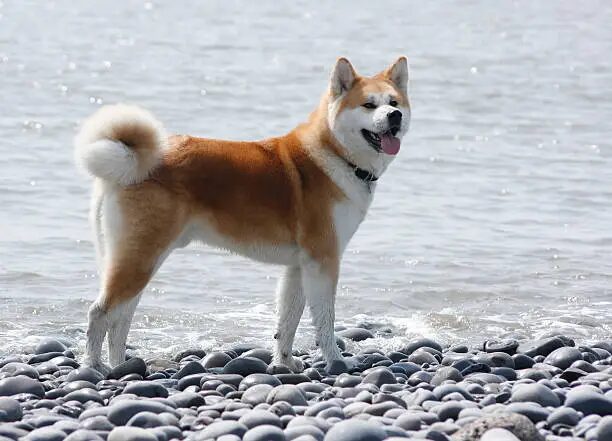
Most Japanese Akitas live 10–14 years with appropriate care.
Factors Affecting Lifespan
Longevity depends on:
- Genetics
- Nutrition
- Exercise
- Weight management
- Veterinary care
- Dental hygiene
How to Help Your Akita Live Longer
- Maintain a healthy body weight.
- Feed a balanced diet.
- Exercise daily.
- Schedule regular veterinary visits.
- Brush teeth frequently.
- Keep vaccinations and parasite prevention current.
Living Requirements
Apartment Living
Japanese Akitas can adapt to apartment life if they receive enough daily exercise and mental stimulation.
Homes with Yards
A secure fenced yard provides additional space to explore but should never replace daily walks and interaction.
Cold Weather
Their thick double coat makes Japanese Akitas especially comfortable in colder climates.
Hot Weather
During hot weather:
- Walk during cooler hours.
- Provide shade.
- Offer fresh water.
- Avoid strenuous midday activity.
Traveling with a Japanese Akita
Travel safely by:
- Using a secure crate or harness
- Taking regular breaks
- Carrying water
- Keeping identification updated
Are Japanese Akitas Good with Other Pets?
Cats
Many Japanese Akitas coexist peacefully with cats when raised together from puppyhood.
Other Dogs
Some individuals may be selective with unfamiliar dogs, making careful introductions important.
Small Animals
Their hunting heritage means they may have a strong prey drive toward smaller pets.
Introducing New Pets
Successful introductions involve:
- Neutral locations
- Gradual meetings
- Positive reinforcement
- Careful supervision
Cost of Owning a Japanese Akita
Puppy Price
A well-bred Japanese Akita puppy typically costs $1,500–$4,000+, depending on pedigree, breeder reputation, and location.
Adoption Costs
Adoption generally ranges from $200–$700, depending on the rescue organization.
Food Expenses
Large-breed dogs require quality nutrition, making food one of the most significant ongoing expenses.
Veterinary Costs
Budget for:
- Wellness exams
- Vaccinations
- Preventive medications
- Dental care
- Emergency treatment
Grooming Costs
While many owners groom at home, professional grooming during heavy shedding seasons can be beneficial.
Pet Insurance
Pet insurance can help offset unexpected medical expenses throughout your dog’s lifetime.
Lifetime Ownership Cost
Over a lifetime, ownership costs can reach tens of thousands of dollars when food, healthcare, grooming, training, and supplies are considered.
Japanese Akita Breeders vs Adoption
Finding a Reputable Breeder
Choose breeders who:
- Perform health testing
- Raise puppies in clean environments
- Encourage questions
- Provide health records
- Prioritize temperament
Warning Signs of Puppy Mills
Avoid sellers who:
- Always have puppies available
- Refuse visits
- Offer unusually low prices
- Cannot provide health documentation
Health Certifications
Ask about testing for:
- Hip dysplasia
- Eye conditions
- Thyroid health
- Other inherited disorders
Benefits of Adoption
Adoption provides:
- Lower upfront cost
- A second chance for a deserving dog
- Support from rescue organizations
- Known adult temperament in many cases
Questions to Ask Before Buying
- Have the parents been health tested?
- What vaccinations has the puppy received?
- How has the puppy been socialized?
- Is there a health guarantee?
- What food is the puppy currently eating?
Pros and Cons of Owning a Japanese Akita
| Pros | Cons |
|---|---|
| Extremely loyal | Heavy seasonal shedding |
| Quiet indoors | Strong prey drive |
| Highly intelligent | Independent personality |
| Excellent guardian | Can be dog-selective |
| Beautiful appearance | Requires experienced ownership |
| Naturally clean | Needs consistent training |
Who Should Own a Japanese Akita?
Ideal Lifestyle
The breed is best suited to active owners who enjoy daily walks, training, and spending quality time with their dog.
Best Home Environment
Japanese Akitas thrive in homes where:
- They receive regular exercise.
- Family members are involved in training.
- Clear routines are maintained.
- Owners appreciate an independent companion.
Owners Who Should Avoid This Breed
The breed may not be suitable for:
- First-time dog owners
- People seeking an extremely social dog
- Owners with very little time for exercise or training
Experience Level Needed
Japanese Akitas are generally best matched with owners who have previous experience handling confident, intelligent, large-breed dogs.
Fun Facts About Japanese Akitas
Hachikō’s Legacy
Hachikō remains one of history’s most famous dogs, representing extraordinary loyalty and devotion.
National Treasure of Japan
The Japanese Akita has been officially recognized as a national natural monument and cultural treasure in Japan.
Akita Statues as Good Luck Charms
Small Akita statues are often given to symbolize:
- Good health
- Happiness
- Protection
- Prosperity
Akitas in Movies and Pop Culture
The breed has appeared in numerous books, documentaries, television programs, and films, helping introduce its remarkable story to audiences worldwide.
Famous Japanese Akitas
Beyond Hachikō, the breed has become an international ambassador for Japanese culture and canine loyalty.
Frequently Asked Questions (People Also Ask)
What is a Japanese Akita?
A Japanese Akita, or Akita Inu, is a large working breed originating from Akita Prefecture in Japan, known for its loyalty and dignified temperament.
Is a Japanese Akita different from an American Akita?
Yes. Japanese Akitas are generally lighter, have a fox-like face, and follow stricter breed standards than American Akitas.
Are Japanese Akitas good family dogs?
Yes, with proper training, early socialization, and experienced ownership.
Are Japanese Akitas aggressive?
They are naturally protective but should not be aggressive when responsibly bred, trained, and socialized.
Do Japanese Akitas bark a lot?
No. They are generally quiet and bark only when necessary.
Are Japanese Akitas loyal?
They are considered one of the most loyal dog breeds in the world.
Can Japanese Akitas live in apartments?
Yes, provided they receive sufficient daily exercise and mental stimulation.
How much exercise does a Japanese Akita need?
Approximately 60–90 minutes per day.
Do Japanese Akitas shed a lot?
Yes. They shed moderately year-round and heavily during seasonal coat changes.
Are Japanese Akitas easy to train?
They are intelligent but independent, making patient and consistent training essential.
Can Japanese Akitas live with cats?
Many can, especially if raised together from puppyhood.
What is the lifespan of a Japanese Akita?
Typically 10–14 years.
How much does a Japanese Akita puppy cost?
Generally $1,500–$4,000 or more, depending on breeder and pedigree.
Why is Hachikō famous?
Because he waited faithfully for his owner every day for nearly ten years after his owner’s death.
Are Japanese Akitas good guard dogs?
Yes. Their natural alertness and protective instincts make them excellent watchdogs.
Are Japanese Akitas good for first-time owners?
Usually not. They are better suited to experienced dog owners.
How big do Japanese Akitas get?
Adult males usually weigh 70–100 pounds, while females generally weigh 55–75 pounds.
What colors do Japanese Akitas come in?
Red fawn, white, brindle, and sesame, all with appropriate breed-standard markings.
Why are Japanese Akitas considered a national treasure?
Because of their historical importance, cultural symbolism, and long-standing heritage in Japan.
What does “Akita Inu” mean?
It translates to “Dog from Akita.”
Japanese Akita Care Checklist
Daily Care
- Fresh water
- Two balanced meals
- Daily exercise
- Mental stimulation
- Quality family time
Weekly Grooming
- Brush coat
- Clean ears
- Brush teeth
- Check nails
Monthly Health Checks
- Monitor weight
- Inspect skin and coat
- Check paws
- Review parasite prevention
Annual Veterinary Care
- Wellness examination
- Vaccinations as recommended
- Dental assessment
- Preventive health screening
Exercise Checklist
- Daily walks
- Play sessions
- Training practice
- Mental enrichment
- Outdoor exploration
Training Goals
- Reliable obedience
- Good leash manners
- Strong recall
- Calm behavior around people and other animals
- Lifelong learning
Final Verdict: Is the Japanese Akita the Right Dog for You?
The Japanese Akita is a truly remarkable breed that embodies loyalty, dignity, intelligence, and quiet strength. Its elegant appearance, calm indoor temperament, and unwavering devotion have made it one of Japan’s most treasured canine companions.
However, this breed also demands commitment. Japanese Akitas thrive with experienced owners who can provide structured training, early socialization, consistent leadership, and regular exercise. Their independent personality, protective instincts, and seasonal shedding mean they are not the ideal fit for every household.
If you’re looking for a confident, loyal companion that forms deep lifelong bonds with its family, the Japanese Akita may be an exceptional choice. With proper care, training, and understanding, this noble breed rewards its owners with years of faithful companionship, making it one of the most respected and admired dogs in the world.