The Akita dog is one of the world’s most recognizable and respected dog breeds. Known for its unwavering loyalty, quiet confidence, and majestic appearance, the Akita has captured the hearts of dog lovers for centuries. Originally bred in Japan as a powerful hunting and guarding companion, this intelligent breed has evolved into a devoted family protector while still retaining its independent spirit.
Whether you’ve seen the legendary story of Hachikō, admired the breed’s bear-like face, or are simply searching for your next canine companion, learning about the Akita is essential before bringing one home. While these dogs are affectionate with their families, they are not the right choice for everyone. Their size, protective instincts, and strong personality require responsible ownership and consistent training.
In this comprehensive guide, you’ll discover everything you need to know about the Akita—from its fascinating history and physical characteristics to its temperament, exercise needs, grooming requirements, and whether this remarkable breed fits your lifestyle.
Akita Dog at a Glance
| Feature | Details |
|---|---|
| Origin | Japan |
| Breed Group | Working |
| Height | 24–28 inches |
| Weight | 70–130 pounds |
| Lifespan | 10–14 years |
| Coat Type | Thick double coat |
| Coat Colors | White, Red, Brindle, Sesame, Pinto, Black |
| Temperament | Loyal, courageous, independent, dignified |
| Energy Level | Moderate to High |
| Trainability | Moderate (best with experienced owners) |
| Shedding | Heavy (especially seasonally) |
| Grooming Needs | Moderate to High |
| Good With Kids? | Yes, with proper socialization |
| Good With Dogs? | Often selective |
| Apartment Friendly? | Possible with sufficient exercise |
| Barking Level | Low |
What Is an Akita Dog?
The Akita is a large, muscular working dog famous for its loyalty, bravery, and calm demeanor. It belongs to the working group and was originally developed in northern Japan, where it served as a hunting companion capable of tracking large game like wild boar, deer, and even bears.
Today, Akitas are valued as loyal family companions and excellent watchdogs. Unlike many breeds that constantly seek attention, Akitas tend to be reserved, observant, and deeply bonded to the people they trust.
Although they are affectionate with their families, they are naturally cautious around strangers and can be protective of their home. This unique combination of intelligence, confidence, and devotion makes them stand out among working breeds.
History of the Akita
The Akita’s history stretches back several hundred years to Japan’s mountainous Akita Prefecture, where these dogs were selectively bred for strength, endurance, and courage.
Originally, local hunters—known as Matagi—used Akitas to pursue dangerous game in harsh mountain environments. Their thick coats protected them from freezing temperatures, while their muscular build allowed them to tackle powerful animals.
During Japan’s feudal era, Akitas became symbols of prestige. Wealthy families and members of the nobility often owned these impressive dogs, considering them a sign of honor and prosperity.
Over time, careful breeding helped shape the modern Akita into the loyal guardian recognized around the world today.
Origin in Japan
The breed originated in Akita Prefecture, located in northern Japan. The region’s snowy winters and rugged terrain played a major role in developing the Akita’s physical characteristics.
Their:
- Thick insulating coat
- Strong legs
- Powerful chest
- Excellent stamina
allowed them to thrive in difficult environments.
Because of their historical importance, the Akita is now recognized as one of Japan’s most treasured native dog breeds.
Why They Were Originally Bred
Akitas were bred primarily for:
- Hunting bears
- Hunting wild boar
- Tracking deer
- Guarding noble families
- Protecting homes
- Companion work
Unlike scent hounds that follow trails over long distances, Akitas relied heavily on intelligence, strength, and close cooperation with hunters.
Their fearless nature made them ideal for confronting dangerous animals, while their calm temperament allowed them to remain composed under pressure.
Akita’s Role in Japanese Culture
Few dog breeds hold as much cultural significance as the Akita.
In Japan, the breed symbolizes:
- Loyalty
- Courage
- Good fortune
- Long life
- Protection
Small Akita figurines are often given as gifts to celebrate births or wish someone a speedy recovery.
The breed’s reputation for faithfulness reached international fame through the story of Hachikō, an Akita who continued waiting for his owner at a train station every day—even for years after his owner’s passing.
That remarkable display of devotion transformed the Akita into an international symbol of unconditional loyalty.
Akitas Around the World
Following World War II, Akitas gained popularity outside Japan.
American service members stationed overseas introduced the breed to the United States, where breeders gradually developed what is now known as the American Akita.
Today, Akitas can be found in homes across:
- North America
- Europe
- Australia
- South America
- Asia
While admired worldwide, responsible ownership remains especially important due to the breed’s size, intelligence, and protective instincts.
If you’re considering one, it’s worth researching breed-specific rescue organizations as well as reputable breeders. You can also learn more about positive reinforcement dog training, large breed nutrition, and responsible puppy socialization from trusted canine education resources before bringing an Akita home.
American Akita vs Japanese Akita
Although they share common ancestry, today’s Akitas fall into two distinct varieties:
- Japanese Akita Inu
- American Akita
Both are wonderful dogs, but they differ in appearance, size, and sometimes temperament.
Main Differences
| Feature | Japanese Akita | American Akita |
|---|---|---|
| Build | Leaner | Larger and heavier |
| Head | Fox-like | Broad bear-like head |
| Colors | Limited traditional colors | Wider variety of colors |
| Bone Structure | Elegant | Powerful |
| Recognition | Traditional Japanese breed | Separate standard in many kennel clubs |
The Japanese Akita emphasizes elegance and refinement, whereas the American Akita showcases strength and substance.
Size Comparison
Generally speaking:
Male Japanese Akita
- Height: 25–27.5 inches
- Weight: 70–100 pounds
Female Japanese Akita
- Height: 23–25 inches
- Weight: 55–75 pounds
Male American Akita
- Height: 26–28 inches
- Weight: 100–130 pounds
Female American Akita
- Height: 24–26 inches
- Weight: 70–100 pounds
American Akitas are noticeably larger, heavier, and more muscular.
Coat Differences
Both varieties have thick double coats, but their color standards differ.
Japanese Akita Colors
- Red
- White
- Brindle
- Sesame
Japanese Akitas also display urajiro, a distinctive white marking pattern required by breed standards.
American Akita Colors
American Akitas are accepted in almost every color, including:
- Black
- Pinto
- White
- Brown
- Brindle
- Silver
- Red
- Masked patterns
Their broader color range gives owners more variety when selecting a puppy.
Personality Differences
Both types are loyal and protective, but subtle differences exist.
Japanese Akita
- More reserved
- Slightly quieter
- Elegant demeanor
- Less physically imposing
American Akita
- More confident
- Larger guarding presence
- Extremely protective
- Often more outgoing with family members
Both require consistent leadership and early socialization.
Which One Makes the Better Pet?
There is no universal winner—it depends on your lifestyle.
Choose a Japanese Akita if you appreciate:
- Traditional appearance
- Smaller size
- Calm personality
- Elegant build
Choose an American Akita if you want:
- Larger guardian
- Strong protective instincts
- Broader color selection
- Powerful physical presence
In either case, prospective owners should be prepared for a highly intelligent dog that thrives with experienced handling, structured training, and plenty of socialization.
Physical Appearance
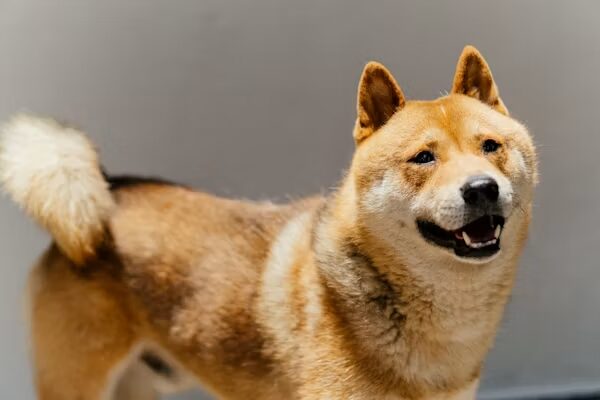
The Akita’s commanding presence is one of the first things people notice. This breed combines strength, balance, and elegance, creating an unmistakable silhouette that reflects its working heritage. From its broad head to its tightly curled tail, every feature serves both form and function.
Size
Akitas are considered large to giant dogs, with males typically being more substantial than females. Their powerful frame allows them to excel as guardians while remaining agile enough for outdoor activities.
Unlike overly bulky breeds, a healthy Akita should appear well-proportioned and athletic rather than overweight.
Weight
Adult weight varies depending on sex and whether the dog is a Japanese or American Akita.
| Gender | Average Weight |
|---|---|
| Male | 100–130 lbs (45–59 kg) |
| Female | 70–100 lbs (32–45 kg) |
Maintaining an ideal weight is essential for reducing stress on joints and supporting long-term health.
Height
Typical adult height at the shoulder is:
| Gender | Height |
|---|---|
| Male | 26–28 inches (66–71 cm) |
| Female | 24–26 inches (61–66 cm) |
Akitas generally reach most of their height within the first year, though they continue filling out until they are around two years old.
Body Structure
The Akita has a powerful, balanced, and muscular body built for endurance rather than speed. Every part of its physique reflects its history as a hunter capable of tracking and confronting large game in harsh environments.
Some defining body features include:
- Broad, deep chest
- Strong shoulders
- Straight, sturdy legs
- Well-developed muscles
- Slightly longer body than height (especially in females)
- Level topline
- Thick neck with minimal loose skin
Despite their impressive size, Akitas move with remarkable grace. Their gait is smooth, purposeful, and efficient, showcasing both strength and confidence.
Head Shape
The Akita’s head is one of its most recognizable features.
It is:
- Large
- Broad
- Bear-like (especially American Akitas)
- Balanced with the body
- Flat between the ears
When viewed from the front, the head forms a blunt triangle. Combined with their alert expression, Akitas appear intelligent and composed rather than intimidating.
Eyes
Akitas have relatively small, dark brown eyes that contribute to their calm, thoughtful expression.
Eye characteristics include:
- Deep-set
- Slightly triangular shape
- Dark pigmentation
- Alert but relaxed appearance
Unlike breeds with round eyes, the Akita’s almond-shaped eyes give them a dignified and focused look.
Tail
Few dog breeds have a tail as distinctive as the Akita.
Their tail is:
- Thick
- Plush
- Carried high
- Curled tightly over the back
The curled tail not only adds to the breed’s iconic appearance but also helped provide warmth during cold Japanese winters by covering the nose while sleeping.
Ears
Akita ears are:
- Small
- Thick
- Upright
- Slightly rounded at the tips
- Tilted slightly forward
The ears remain erect even when relaxed, giving the breed an attentive appearance.
Double Coat
Akitas possess a dense double coat designed for extreme weather conditions.
The coat consists of:
Outer Coat
- Straight
- Coarse
- Water-resistant
- Protective
Undercoat
- Soft
- Thick
- Dense
- Insulating
This combination allows Akitas to stay comfortable in snowy climates while protecting them from rain and wind.
Coat Colors
Akitas come in several beautiful colors depending on whether they are Japanese or American Akitas.
White
White Akitas have an elegant appearance with a completely white coat and dark facial features.
Characteristics:
- No facial mask
- Bright white fur
- Dark eyes
- Black nose (preferred)
Red
Red is among the most recognizable Akita colors.
The coat ranges from:
- Light reddish tan
- Rich mahogany
- Deep golden red
Japanese Akitas often display white markings called urajiro on the face, chest, belly, and legs.
Brindle
Brindle Akitas feature dark stripes over a lighter background.
Patterns include:
- Black brindle
- Red brindle
- Silver brindle
Each brindle Akita has a unique pattern, making every dog look slightly different.
Sesame
Sesame coats are relatively uncommon.
These dogs have:
- Red base coat
- Black-tipped hairs
- White markings underneath
The subtle shading creates a striking and sophisticated appearance.
Pinto
Pinto Akitas display large white areas combined with darker patches across the body.
This pattern is especially common in American Akitas.
Black
Solid black Akitas are less common but highly admired.
Some may also have:
- Black mask
- White chest
- White feet
- White tail tip
Akita Temperament
The Akita’s personality is unlike that of many other dog breeds. They are not overly excitable or constantly seeking attention. Instead, they are calm, observant, and incredibly devoted to the people they trust.
Understanding their temperament is essential before bringing one home.
Loyal Nature
Loyalty is the defining trait of an Akita.
Once they bond with their family, they become deeply devoted companions.
Akitas often:
- Follow their owners around the house
- Watch over family members
- Stay close without being clingy
- Form particularly strong bonds with one person
Their loyalty is legendary, which is why the story of Hachikō continues to inspire people around the world.
Protective Instincts
Akitas are naturally protective.
Unlike dogs that bark excessively, Akitas usually observe quietly before reacting.
They make outstanding watchdogs because they:
- Notice unfamiliar sounds
- Stay calm during stressful situations
- Guard their territory
- Protect family members if necessary
Early socialization helps them distinguish between normal visitors and genuine threats.
Independent Personality
One characteristic that surprises many first-time owners is the Akita’s independence.
They are:
- Confident
- Self-assured
- Not overly needy
- Comfortable spending quiet time alone
This independence can sometimes be mistaken for stubbornness, but it simply reflects the breed’s history of making decisions while hunting.
Intelligence
Akitas are highly intelligent dogs capable of learning complex commands.
However, they often ask themselves:
“Why should I do this?”
Instead of blindly obeying every command, they respond best when training is:
- Consistent
- Reward-based
- Calm
- Purposeful
Harsh corrections rarely produce good results.
Confidence
Confidence is another hallmark of the breed.
A well-socialized Akita should never appear nervous or timid.
Instead, they typically display:
- Calm body language
- Steady eye contact
- Quiet confidence
- Controlled reactions
This confidence makes them excellent guardians without unnecessary aggression.
Calm Indoors
Despite their large size, Akitas are surprisingly relaxed indoors.
After receiving sufficient exercise, they often enjoy:
- Sleeping near family members
- Quiet observation
- Resting beside windows
- Relaxing on cool floors
Many owners describe them as “low drama” dogs inside the home.
Reserved Around Strangers
Akitas are rarely overly friendly with unfamiliar people.
Instead, they tend to:
- Observe first
- Remain quiet
- Keep a respectful distance
- Warm up gradually
This reserved nature should not be mistaken for fearfulness. Properly socialized Akitas simply prefer to evaluate new people before engaging with them.
Are Akitas Good Family Dogs?
The answer depends largely on the family’s experience, lifestyle, and willingness to invest time in training.
Akitas can be outstanding family companions, but they are generally best suited to owners who understand the breed’s unique personality.
Living with Children
Akitas often develop strong bonds with children in their own household.
When raised together, they can be:
- Gentle
- Patient
- Protective
- Calm
However, because of their size and strength, interactions between young children and any large dog should always be supervised.
Children should also learn to:
- Respect the dog’s space
- Avoid disturbing it while eating
- Never climb or pull on the dog
- Recognize signs that the dog wants to be left alone
Mutual respect creates the safest relationship.
Living with Seniors
Akitas may suit active seniors who are physically capable of handling a large, powerful dog.
Benefits include:
- Quiet companionship
- Low barking
- Strong loyalty
- Moderate indoor energy
Challenges include:
- Heavy grooming
- Strength on walks
- Veterinary costs
- Need for regular exercise
Living with Singles
Many single owners appreciate the Akita’s protective nature.
The breed offers:
- Excellent companionship
- Natural home security
- Strong emotional bond
- Quiet indoor behavior
As long as daily exercise and social interaction are provided, Akitas often thrive in single-person households.
First-Time Owners
Generally, Akitas are not recommended for first-time dog owners.
Reasons include:
- Strong-willed personality
- Protective instincts
- Need for early socialization
- Large physical size
- Advanced training requirements
Experienced owners are usually better equipped to establish clear boundaries and consistent routines.
Families with Multiple Pets
This is one area where careful planning is essential.
Akitas may not always get along with unfamiliar animals, particularly dogs of the same sex.
Success depends on factors such as:
- Early socialization
- Individual temperament
- Proper introductions
- Ongoing supervision
If raised together from a young age, many Akitas coexist peacefully with other household pets.
Are Akitas Aggressive?
Akitas are often misunderstood because of their guarding instincts. While they are naturally protective and can be territorial, a well-bred and properly trained Akita should not be unnecessarily aggressive.
Behavior is influenced by:
- Genetics
- Socialization
- Training
- Environment
- Owner responsibility
Understanding Protective Behavior
Protective behavior is different from aggression.
A protective Akita may:
- Stand between you and a stranger
- Watch unfamiliar visitors closely
- Alert you to unusual activity
- Remain calm rather than bark excessively
These behaviors are part of the breed’s natural guardian instincts.
Dog Aggression
Akitas can be selective with other dogs, particularly unfamiliar ones.
Potential contributing factors include:
- Territorial instincts
- Same-sex competition
- Lack of early socialization
Proper introductions, obedience training, and responsible management help reduce the risk of conflicts.
Human Aggression
Well-socialized Akitas are generally respectful toward people. They may be aloof with strangers, but unprovoked aggression toward humans is not considered a desirable breed trait.
Owners should expose puppies to a variety of people, environments, and experiences from an early age to build confidence and appropriate social behavior.
Early Socialization
Socialization is one of the most important parts of raising an Akita.
A puppy should gradually experience:
- Different people
- Friendly, vaccinated dogs
- New environments
- Everyday sounds
- Car rides
- Grooming sessions
- Veterinary visits
Positive experiences during the first year help shape a stable, well-adjusted adult dog.
Managing Territorial Instincts
Akitas naturally take their role as protectors seriously, but clear leadership and consistent routines can keep these instincts balanced.
Helpful strategies include:
- Teaching reliable obedience commands
- Rewarding calm behavior around visitors
- Using controlled introductions for guests and other pets
- Avoiding punishment-based training methods
- Providing regular physical and mental exercise
With proper guidance, most Akitas learn when to be watchful and when to relax.
Akita Puppy Guide
Bringing home an Akita puppy is exciting, but the first year is also the most important for shaping the dog’s future behavior, confidence, and health. Early training, socialization, and routine care lay the foundation for a well-mannered adult companion.
What to Expect
An Akita puppy is curious, intelligent, and surprisingly independent from an early age. While they enjoy affection from their family, they are not usually as attention-seeking as some other breeds.
During the first few months, expect your puppy to:
- Explore everything with confidence
- Learn household routines quickly
- Test boundaries occasionally
- Sleep for long periods between bursts of energy
- Form strong attachments to family members
Patience and consistency are key during this stage.
Development Stages
Akita puppies grow rapidly, both physically and mentally.
8–12 Weeks
- Learning basic routines
- Beginning house training
- Socialization starts
- First obedience lessons
3–6 Months
- Increased confidence
- Teething phase
- Rapid growth
- Introduction to leash walking
6–12 Months
- Adolescence begins
- Testing boundaries
- Continued obedience training
- Developing protective instincts
12–24 Months
- Physical maturity continues
- Mental maturity improves
- More reliable behavior with consistent training
Growth Timeline
Akitas are slow-maturing dogs. While they reach much of their adult height during the first year, they continue developing muscle, bone density, and emotional maturity until they are around 2–3 years old.
General Growth Timeline
| Age | Development Stage |
|---|---|
| 2 Months | Ready to join a new home |
| 4 Months | Rapid growth and teething |
| 6 Months | Learning boundaries and basic obedience |
| 9 Months | Nearly adult height |
| 12 Months | Strong adolescent stage |
| 18 Months | Filling out with muscle |
| 24 Months | Near full maturity |
| 30–36 Months | Complete mental and physical maturity |
Because Akitas grow quickly, avoid excessive running or jumping during puppyhood to help protect developing joints.
Socialization Checklist
Early socialization builds confidence and helps prevent fear-based behaviors later in life.
Expose your Akita puppy to:
- Men, women, and children of different ages
- Friendly, vaccinated dogs
- Cats (if they will live together)
- Busy streets and parks
- Car rides
- Veterinary clinics
- Grooming appointments
- Different flooring surfaces
- Household appliances
- Visitors entering your home
Always make these experiences positive by using praise, treats, and patience.
Puppy Vaccinations
Vaccination schedules may vary by region and your veterinarian’s recommendations, but a typical plan includes:
| Age | Common Vaccines |
|---|---|
| 6–8 Weeks | DHPP (Distemper, Hepatitis, Parvovirus, Parainfluenza) |
| 10–12 Weeks | Booster vaccines |
| 14–16 Weeks | Final puppy boosters + Rabies (where required) |
| 12 Months | Annual booster |
Regular parasite prevention and veterinary checkups are equally important.
House Training
Akitas are generally clean dogs and often learn house training faster than many breeds.
Successful house training involves:
- Taking the puppy outside after meals
- Offering bathroom breaks after naps
- Rewarding successful elimination outdoors
- Following a consistent schedule
- Using a crate appropriately
- Avoiding punishment for accidents
Consistency and positive reinforcement usually lead to reliable house manners within a few months.
Akita Size and Growth Chart
Every dog develops at its own pace, but the following averages provide a useful guideline.
Male Growth Chart
| Age | Average Weight |
|---|---|
| 2 Months | 18–25 lbs |
| 4 Months | 35–50 lbs |
| 6 Months | 55–75 lbs |
| 9 Months | 70–95 lbs |
| 12 Months | 85–110 lbs |
| Adult | 100–130 lbs |
Female Growth Chart
| Age | Average Weight |
|---|---|
| 2 Months | 15–20 lbs |
| 4 Months | 30–45 lbs |
| 6 Months | 45–65 lbs |
| 9 Months | 60–80 lbs |
| 12 Months | 70–90 lbs |
| Adult | 70–100 lbs |
Weight by Age
Healthy growth should be steady rather than rapid. Overfeeding can increase the risk of joint problems in large breeds.
Speak with your veterinarian if your puppy is gaining weight too quickly or appears underweight.
Height by Age
Most Akitas reach:
- Around 50% of adult height by 4 months
- Around 75% by 6 months
- Nearly full height by 10–12 months
Muscle development continues well after height growth slows.
When Do Akitas Stop Growing?
Most Akitas reach:
- Adult height: 10–12 months
- Adult weight: 18–24 months
- Mental maturity: 2–3 years
Patience is important during adolescence, as their personality continues to develop.
Akita Exercise Needs
Although Akitas are not hyperactive, they still require daily physical and mental stimulation to stay healthy and well-behaved.
Without enough activity, they may become bored or develop undesirable habits.
Daily Exercise
Most healthy adult Akitas benefit from 60–90 minutes of exercise each day, depending on age, health, and individual energy level.
This can include:
- Walks
- Play sessions
- Training
- Hiking
- Interactive games
Puppies should have shorter, age-appropriate sessions to protect growing joints.
Mental Stimulation
Akitas are intelligent dogs that enjoy problem-solving.
Great enrichment activities include:
- Puzzle feeders
- Scent games
- Obedience practice
- Hide-and-seek
- Food-dispensing toys
- Learning new commands
Mental exercise can be just as tiring as physical activity.
Walking
Daily walks help maintain physical fitness while exposing your Akita to new sights and sounds.
For adult dogs:
- Two walks per day are ideal.
- Use a sturdy leash and well-fitted collar or harness.
- Practice loose-leash walking from an early age.
Hiking
Many Akitas enjoy hiking thanks to their endurance and sturdy build.
When hiking:
- Carry fresh water.
- Avoid extreme heat.
- Keep your dog on a leash where required.
- Check paws after rough trails.
Outdoor Activities
Akitas often enjoy:
- Backyard play
- Fetch (some individuals)
- Snow play
- Nature walks
- Tracking games
Because of their prey drive, secure fencing is recommended.
Indoor Games
Bad weather doesn’t mean exercise has to stop.
Try:
- Tug games
- Puzzle toys
- Obedience drills
- Nose work
- Hide treats around the house
Short sessions throughout the day keep them mentally engaged.
Training an Akita
Training an Akita is rewarding but requires patience, consistency, and respect. They respond best to confident leadership rather than force.
Are Akitas Easy to Train?
Akitas are highly intelligent, but they are also independent thinkers.
They learn commands quickly, yet they may choose whether to comply if training lacks consistency or motivation.
Experienced owners often find them easier to train than beginners.
Best Training Methods
The most effective approach includes:
- Positive reinforcement
- Short training sessions
- Clear expectations
- Consistent rules
- Patience
Training should begin as soon as your puppy arrives home.
Positive Reinforcement
Reward desired behaviors with:
- Treats
- Praise
- Toys
- Playtime
Avoid harsh punishment, as it can damage trust and reduce motivation.
Obedience Training
Every Akita should learn basic commands such as:
- Sit
- Stay
- Come
- Down
- Leave it
- Heel
- Wait
Reliable obedience improves safety and strengthens the bond between dog and owner.
Recall Training
Because Akitas can be independent, recall training should start early.
Practice in secure areas using:
- High-value treats
- Enthusiastic praise
- Gradual increases in distraction
Never punish your dog for returning, even if it took longer than expected.
Crate Training
A crate can become a safe, comfortable space when introduced properly.
Benefits include:
- Easier house training
- Safe travel
- Reduced anxiety during rest
- Prevention of destructive behavior when unsupervised
The crate should never be used as punishment.
Leash Training
Given their size and strength, Akitas should learn polite leash manners from puppyhood.
Teach them to:
- Walk without pulling
- Stop when asked
- Ignore distractions
- Focus on the handler
Consistent practice makes walks safer and more enjoyable.
Common Training Mistakes
Avoid these common errors:
- Inconsistent rules
- Delaying socialization
- Relying on punishment
- Skipping daily training
- Not providing enough exercise
- Allowing unwanted behaviors to become habits
Consistency is more effective than intensity.
Grooming Guide
Akitas are naturally clean dogs, but their thick double coat requires regular care.
Coat Brushing
Brush your Akita:
- 2–3 times per week normally
- Daily during seasonal shedding
A slicker brush, undercoat rake, and metal comb are useful tools.
Bathing
Most Akitas only need a bath every 6–12 weeks, unless they become particularly dirty.
Use a dog-specific shampoo and dry the dense undercoat thoroughly.
Nail Trimming
Trim nails every 3–4 weeks or whenever they begin clicking on hard floors.
Ear Cleaning
Inspect ears weekly for:
- Wax buildup
- Redness
- Odor
- Debris
Clean gently using a veterinarian-approved ear cleaner.
Dental Care
Brush your Akita’s teeth several times a week—or daily if possible—to help prevent dental disease.
Dental chews and professional cleanings may also be recommended.
Seasonal Shedding
Akitas “blow” their undercoat once or twice each year, releasing large amounts of fur over several weeks.
Expect significantly heavier shedding during these periods.
Managing Heavy Shedding
Helpful tips include:
- Daily brushing
- High-quality diet
- Routine grooming
- Frequent vacuuming
- Undercoat rake during shedding season
Do Akitas Shed?
Yes. Akitas are considered heavy shedders.
Shedding Seasons
Most shedding occurs:
- Spring
- Fall
Climate can influence timing.
How Much Hair to Expect
Expect hair on:
- Furniture
- Clothing
- Floors
- Carpets
- Car seats
Regular grooming greatly reduces loose hair around the home.
Tips to Reduce Shedding
- Brush frequently
- Feed a balanced diet
- Maintain hydration
- Bathe during coat-blowing season
- Schedule professional grooming if needed
Akita Diet and Nutrition
A balanced diet supports healthy growth, muscle development, skin health, and overall well-being.
Best Food
Choose a high-quality food formulated for large breeds with:
- High-quality animal protein
- Healthy fats
- Balanced calcium and phosphorus
- Essential vitamins and minerals
Feeding Schedule
General guideline:
| Age | Meals per Day |
|---|---|
| 8–12 Weeks | 4 |
| 3–6 Months | 3 |
| 6–12 Months | 2–3 |
| Adults | 2 |
Puppy Nutrition
Growing puppies require carefully balanced nutrition to support healthy bones and joints without promoting overly rapid growth.
Adult Diet
Healthy adults benefit from portion-controlled meals and a consistent feeding schedule.
Avoid free-feeding, as it may contribute to obesity.
Senior Diet
Older Akitas may benefit from diets that include:
- Joint-support ingredients
- Moderate calories
- Easily digestible protein
- Omega-3 fatty acids
Foods to Avoid
Never feed:
- Chocolate
- Grapes and raisins
- Onions
- Garlic
- Xylitol
- Alcohol
- Cooked bones
- Macadamia nuts
If you suspect your dog has eaten a toxic food, contact your veterinarian immediately.
Healthy Treats
Good treat options include:
- Carrot sticks
- Apple slices (without seeds)
- Blueberries
- Commercial training treats
- Cooked lean chicken (plain)
Treats should make up no more than 10% of daily calorie intake.
Common Health Problems
Like all breeds, Akitas can be prone to certain inherited and age-related conditions.
Hip Dysplasia
A developmental joint disorder that can cause pain, stiffness, and reduced mobility.
Elbow Dysplasia
An abnormal development of the elbow joint that may lead to lameness and arthritis.
Progressive Retinal Atrophy
A hereditary eye disease that gradually causes vision loss.
Hypothyroidism
An underactive thyroid gland that may lead to:
- Weight gain
- Hair loss
- Lethargy
- Skin issues
Autoimmune Disorders
Akitas are more susceptible than many breeds to certain autoimmune diseases, making routine veterinary care especially important.
Gastric Dilatation-Volvulus (Bloat)
Bloat is a life-threatening emergency that can occur in deep-chested breeds.
Reduce risk by:
- Feeding smaller meals
- Avoiding vigorous exercise immediately before or after eating
- Discussing preventive options with your veterinarian
Sebaceous Adenitis
A skin condition that affects oil glands and may cause:
- Hair loss
- Dry skin
- Scaling
Cancer Risks
Older Akitas, like many large breeds, may develop various forms of cancer. Regular health examinations improve the chances of early detection.
Lifespan Expectations
With proper care, most Akitas live 10–14 years.
Akita Lifespan
Average Life Expectancy
Most healthy Akitas enjoy a lifespan of 10–14 years, although genetics, nutrition, exercise, and preventive healthcare all influence longevity.
Factors Affecting Lifespan
Important factors include:
- Responsible breeding
- Healthy body weight
- Regular veterinary care
- Quality nutrition
- Dental health
- Daily exercise
- Mental enrichment
Tips to Help Your Akita Live Longer
- Maintain a healthy weight.
- Keep vaccinations and parasite prevention up to date.
- Schedule regular veterinary checkups.
- Provide daily physical and mental exercise.
- Feed a balanced, high-quality diet.
- Brush teeth regularly.
- Watch for changes in mobility, appetite, or behavior.
Living Requirements
Apartment Living
Akitas can adapt to apartment life if they receive sufficient daily exercise, but larger homes with secure outdoor space are generally a better fit.
House with Yard
A fenced yard gives an Akita room to explore and play, but it should complement—not replace—daily walks and interaction with the family.
Hot Weather
Because of their thick double coat, Akitas tolerate cold weather much better than heat.
In warm climates:
- Walk during cooler hours.
- Provide shade and fresh water.
- Avoid strenuous midday exercise.
Cold Weather
Akitas thrive in cooler temperatures and often enjoy snow. Even so, they should not be left outdoors for extended periods without proper shelter.
Traveling with an Akita
Travel is easier when introduced gradually.
Remember to:
- Use a secure crate or seat-belt harness.
- Bring water and food.
- Take regular breaks on long trips.
- Ensure identification tags and microchip details are current.
Are Akitas Good with Other Pets?
Cats
Akitas raised with cats from puppyhood often learn to live peacefully with them, although supervision is still recommended.
Small Animals
Because of their hunting background, Akitas may have a strong prey drive toward smaller pets such as rabbits or rodents.
Other Dogs
Some Akitas are selective around unfamiliar dogs, particularly those of the same sex. Careful introductions and responsible management are important.
Introducing New Pets
Introduce animals slowly in neutral settings, reward calm behavior, and never force interactions.
Cost of Owning an Akita
Puppy Price
Depending on pedigree, location, and breeder reputation, an Akita puppy often costs $1,000–$3,500 or more.
Adoption Cost
Adopting from a rescue organization is usually less expensive, often ranging from $200–$700, while giving a deserving dog a second chance.
Monthly Expenses
Owners should budget for:
- Food
- Preventive medications
- Toys
- Training
- Grooming supplies
- Pet insurance (if chosen)
Grooming Costs
Professional grooming costs vary, but heavy seasonal shedding may require additional appointments.
Veterinary Costs
Routine expenses include:
- Vaccinations
- Wellness exams
- Dental care
- Parasite prevention
- Emergency care when needed
Insurance
Pet insurance can help reduce unexpected veterinary expenses, especially for large breeds prone to orthopedic conditions.
Akita Breeders vs Adoption
Choosing a Responsible Breeder
Look for breeders who:
- Perform health testing
- Raise puppies in a clean environment
- Encourage questions
- Allow you to meet the puppies and, when possible, the parents
- Provide health records
Red Flags
Avoid breeders who:
- Sell puppies without health documentation
- Refuse to answer questions
- Always have multiple litters available
- Offer unusually low prices
- Will not let you see where puppies are raised
Adoption Benefits
Adoption offers several advantages:
- Lower initial cost
- Giving a dog a second chance
- Adult temperament may already be known
- Rescue organizations often provide behavioral support
Questions to Ask Before Buying
- Have the parents been health tested?
- What socialization has the puppy received?
- What food is the puppy eating?
- Has the puppy been vaccinated and dewormed?
- Is there a health guarantee?
Pros and Cons of Owning an Akita
| Pros | Cons |
|---|---|
| Extremely loyal | Heavy shedding |
| Excellent guardian | Strong-willed personality |
| Intelligent | Needs experienced handling |
| Quiet indoors | Can be selective with other dogs |
| Naturally clean | Higher ownership costs |
Who Should Get an Akita?
Ideal Owners
An Akita is an excellent match for people who:
- Have experience with large breeds
- Enjoy structured training
- Want a loyal, protective companion
- Can provide daily exercise
- Appreciate a calm indoor dog
Who Should Avoid This Breed
The breed may not be ideal for:
- First-time dog owners
- Families wanting a highly social dog
- People with very limited time for training
- Households unable to manage a large, powerful dog
Lifestyle Match
Akitas thrive in homes where they are treated as part of the family, receive consistent guidance, and have opportunities for both physical activity and mental engagement.
Fun Facts About Akitas
- Hachikō, one of the world’s most famous dogs, was an Akita known for his extraordinary loyalty.
- The Akita is considered a national treasure of Japan.
- Small Akita figurines are traditionally given as symbols of health, happiness, and protection.
- Akitas have appeared in books, documentaries, films, and television, helping introduce the breed to dog lovers around the world.
- Helen Keller is credited with bringing one of the first Akitas to the United States after visiting Japan.
Frequently Asked Questions (People Also Ask)
Is an Akita a good family dog?
Yes, when properly trained and socialized. They are loyal and protective but generally do best with experienced owners.
Are Akitas aggressive?
Not inherently. They are protective and independent, but responsible breeding, early socialization, and consistent training play a major role in shaping behavior.
Do Akitas bark a lot?
No. Akitas are generally quiet dogs and tend to bark only when they believe there is a reason.
Are Akitas dangerous?
A well-trained and well-socialized Akita is not considered dangerous. Like any large breed, they require responsible ownership.
Can Akitas be left alone?
Yes, for reasonable periods, provided they receive enough exercise, mental stimulation, and companionship throughout the day.
Do Akitas like cuddling?
Many Akitas enjoy affection from their trusted family members, although they are usually less demonstrative than some companion breeds.
How much exercise does an Akita need?
Around 60–90 minutes of daily exercise, adjusted for age and health.
Can Akitas live with cats?
They can, particularly if raised together from a young age with careful supervision.
Do Akitas shed all year?
Yes, lightly throughout the year, with much heavier shedding during seasonal coat changes.
Are Akitas easy to train?
They are intelligent but independent, making them best suited to patient, consistent owners.
Are Akitas good guard dogs?
Yes. Their natural alertness and protective instincts make them excellent guardians.
What is the difference between an Akita and a Shiba Inu?
Akitas are significantly larger, more powerful, and generally more reserved, while Shiba Inus are smaller, more energetic, and often more playful.
How long do Akitas live?
Most live between 10 and 14 years.
How much does an Akita puppy cost?
Typically $1,000–$3,500+, depending on breeder, pedigree, and location.
Are Akitas good for first-time dog owners?
Usually not. Their strength and independent nature make them better suited to experienced owners.
Can Akitas live in apartments?
Yes, if they receive sufficient daily exercise and mental stimulation.
Do Akitas tolerate hot weather?
They prefer cooler climates and should be protected from excessive heat.
How big do Akitas get?
Adult males generally weigh 100–130 pounds, while females usually weigh 70–100 pounds.
What health problems do Akitas commonly have?
Common concerns include hip dysplasia, elbow dysplasia, hypothyroidism, autoimmune diseases, bloat, and certain eye conditions.
Why are Akitas so loyal?
Their long history as devoted companions and guardians has helped shape the breed’s famously loyal temperament.
Akita Care Checklist
Daily Care Routine
- Fresh water
- Two balanced meals
- Exercise and play
- Brief training session
- Affection and companionship
Weekly Grooming Tasks
- Brush the coat
- Check ears
- Trim nails if needed
- Brush teeth several times
Monthly Health Checks
- Monitor weight
- Inspect skin and coat
- Check for lumps or injuries
- Review parasite prevention
Annual Veterinary Care
- Wellness examination
- Vaccinations as recommended
- Dental assessment
- Bloodwork when appropriate
- Preventive health screening
Training Milestones
- Puppy socialization
- Basic obedience
- Reliable leash manners
- Recall training
- Ongoing mental enrichment throughout adulthood
Final Verdict: Is the Akita the Right Dog for You?
The Akita is a remarkable breed that combines strength, intelligence, dignity, and unwavering loyalty. Its calm nature indoors, protective instincts, and deep devotion to family make it an exceptional companion for the right owner.
However, this breed also comes with significant responsibilities. Akitas require consistent training, early socialization, regular grooming, and owners who understand their independent personality. They are not the ideal choice for everyone, particularly first-time dog owners or households unable to provide the structure and commitment they need.
If you have the time, experience, and dedication to meet their physical and emotional needs, an Akita can become one of the most loyal and rewarding companions you’ll ever have. Their courage, quiet confidence, and lifelong devotion have earned them a respected place among the world’s most admired dog breeds—and for many owners, sharing life with an Akita is an unforgettable experience.