Finding the best dog food for Siberian Huskies is not as simple as picking a popular brand off the shelf. Huskies are a completely different type of dog when it comes to energy use, metabolism, and dietary needs.
Originally bred to pull sleds across freezing Arctic landscapes, the Siberian Husky is built for endurance, efficiency, and survival on limited food intake. That means their diet must do more than just “fill the bowl”—it must fuel performance, support their thick double coat, and maintain long-term health.
A properly balanced diet can help your Husky:
- Maintain strong stamina and energy levels
- Support healthy joints and muscles
- Keep their thick coat soft and shiny
- Prevent weight fluctuations (both gain and loss)
- Improve digestion and immune strength
Why Choosing the Right Food for Siberian Huskies Matters
Unlike many breeds, Huskies are not food-driven dogs. Some even naturally eat less than expected for their size, which often confuses new owners.
But this doesn’t mean they need less nutrition—it means they need more efficient nutrition per bite.
Poor-quality food can quickly lead to:
- Low energy levels
- Dry or shedding coat
- Digestive issues
- Weight imbalance
- Poor recovery after exercise
On the other hand, a well-designed diet helps Huskies perform like the endurance athletes they are.
Understanding the Unique Nature of Huskies (Working Breed Background)
Siberian Husky was originally bred by the Chukchi people of Siberia for long-distance sled pulling in extreme cold conditions.
This working background explains everything about their diet today.
Key traits include:
- Extremely high endurance capacity
- Ability to work long hours with minimal fatigue
- Efficient fat metabolism
- Natural resistance to cold climates
Even as household pets, these instincts remain strong.
How Diet Affects Energy, Endurance, Coat, and Longevity
A Husky’s diet directly impacts four major areas:
1. Energy & Endurance
Huskies rely more on fat metabolism than carbohydrate burning, meaning their food must include healthy fats for sustained energy.
2. Coat Health
Their double coat requires omega-rich nutrition to stay thick, clean, and insulated.
3. Muscle Strength
Protein is essential for maintaining lean muscle without excess bulk.
4. Lifespan
A balanced diet can reduce risks of joint issues, thyroid imbalance, and obesity—helping Huskies live longer, healthier lives.
What This Guide Will Help You Achieve
By the end of this guide, you will understand:
- What Huskies should eat at every life stage
- How to choose high-quality dog food ingredients
- Foods that improve coat, energy, and digestion
- How to manage weight in a naturally lean breed
- Best feeding strategies for active and pet Huskies
Understanding Siberian Husky Nutritional Needs
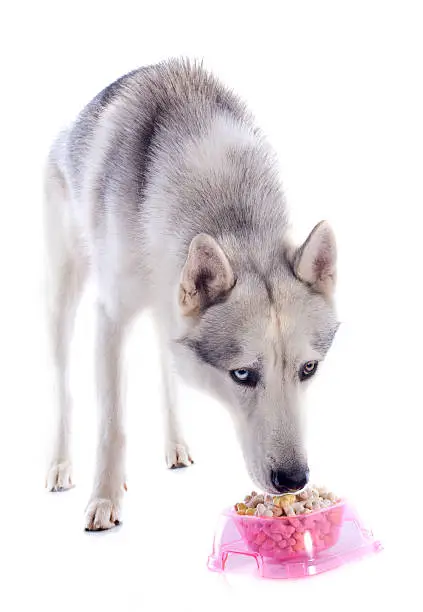
Siberian Husky Breed Overview
Huskies are medium-sized working dogs known for their strength, endurance, and striking appearance.
They are not typical “lazy companion dogs”—their bodies are built for movement, pulling, and cold-weather survival.
History of Siberian Huskies as Sled Dogs
Historically, Huskies were used for:
- Transporting goods across snow-covered terrain
- Long-distance sled racing
- Survival in Arctic conditions
Their diet traditionally consisted of high-fat, protein-rich meals with minimal fillers—something that still applies today.
High-Energy Working Breed Characteristics
Even as pets, Huskies tend to:
- Run long distances
- Require regular exercise
- Burn calories efficiently
- Stay lean naturally
This is why they often require higher-quality calories instead of just higher quantity food.
Average Size, Weight, and Lifespan
- Weight: 35–70 lbs
- Height: 20–24 inches
- Lifespan: 12–15 years
A proper diet is one of the biggest factors influencing whether they reach the upper end of this lifespan.
Why Huskies Have Unique Dietary Requirements
Huskies are biologically different from many other breeds.
High Endurance Metabolism
They are designed for long-duration energy use, not short bursts of power.
Efficient Calorie Burning System
Unlike most dogs, Huskies can maintain energy levels on fewer calories—but only if those calories are nutrient-dense.
Cold-Weather Adaptation and Energy Storage
Their bodies naturally store fat efficiently, which is why:
- Too much fat → obesity risk
- Too little fat → energy deficiency
Balance is key.
What Nutrients Do Siberian Huskies Need?
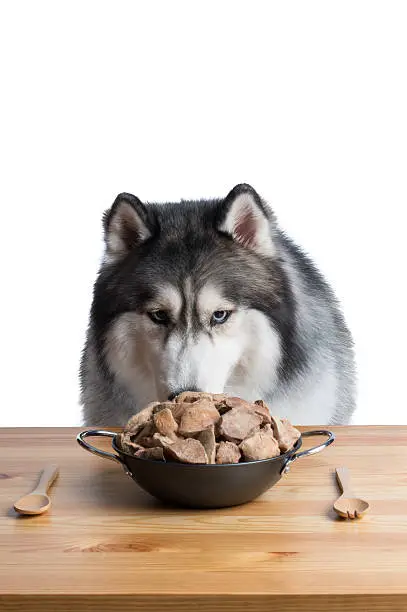
High-Quality Protein
Protein is essential for:
- Muscle repair
- Strength maintenance
- Immune function
Best Animal Protein Sources
- Chicken
- Salmon
- Lamb
- Beef
- Turkey
Look for named meat sources, not vague terms like “meat meal.”
Healthy Fats and Energy Sources
Fat is not just important—it is critical for Huskies.
Omega-3 and Omega-6 Fatty Acids
These support:
- Skin hydration
- Coat shine
- Joint lubrication
- Anti-inflammatory response
Fat as Primary Energy Source
Unlike many breeds, Huskies use fat for long-term energy rather than quick glucose bursts.
Carbohydrates and Fiber
Carbs should be moderate and high-quality, not filler-heavy.
Slow-Release Energy Sources
- Sweet potatoes
- Brown rice
- Oats
- Peas
Digestive Health Support
Fiber helps regulate:
- Stool quality
- Gut bacteria balance
- Overall digestion
Vitamins and Minerals
These support overall body function:
- Calcium → bones
- Phosphorus → energy metabolism
- Zinc → skin health
- Magnesium → muscle function
Antioxidants
Antioxidants help Huskies recover after exercise.
Benefits Include
- Faster muscle recovery
- Stronger immune system
- Reduced inflammation
Daily Calorie Requirements for Siberian Huskies
Understanding calorie needs prevents both obesity and underfeeding, two common Husky problems.
How Many Calories Does a Husky Need?
Active Huskies vs Sedentary Huskies
- Active sled or working dogs: 1,200–1,800+ calories/day
- Pet Huskies: 900–1,400 calories/day
Husky Puppies
Puppies need more calories per pound for growth and development.
Adult Huskies
Adults require balanced calories for:
- Maintenance
- Activity
- Weight control
Senior Huskies
Older Huskies need:
- Lower calories
- Joint support
- Easy digestion
Factors Affecting Calorie Intake
Activity Level
Running Huskies need significantly more fuel.
Age
Puppies vs seniors have very different requirements.
Weight
Overweight dogs need controlled portions.
Climate Conditions
Cold climates increase energy needs.
Health Status
Illness or recovery can change diet needs.
How to Choose the Best Dog Food for Siberian Huskies
Selecting the best dog food for Siberian Huskies requires more than just looking at the brand name. You need to understand ingredient quality, nutrient balance, and how the food supports a high-energy working breed.
Huskies are efficient eaters, so every bite should deliver maximum nutrition, not empty calories.
Key Ingredients to Look For
Real Meat as First Ingredient
The first ingredient should always be a named animal protein.
Good examples:
- Chicken
- Salmon
- Lamb
- Beef
- Turkey
Avoid vague terms like “meat meal” or “animal derivatives.”
Importance of Named Protein Sources
Named proteins help ensure:
- Better muscle maintenance
- Higher digestibility
- Improved energy levels
High Fat Content for Energy
Huskies rely heavily on fat for endurance energy.
Healthy Fat Sources
- Chicken fat
- Fish oil
- Flaxseed
- Salmon oil
These support:
- Long-distance stamina
- Coat shine
- Brain health
Glucosamine and Chondroitin
These nutrients are especially important for active Huskies.
Benefits:
- Joint protection
- Reduced inflammation
- Mobility support in aging dogs
Probiotics and Digestive Support
A healthy gut is essential for nutrient absorption.
Look for:
- Lactobacillus strains
- Prebiotic fiber
- Digestive enzymes
Fruits and Vegetables
Natural plant ingredients provide:
- Vitamins
- Antioxidants
- Fiber
Examples:
- Blueberries
- Carrots
- Spinach
- Pumpkin
Ingredients to Avoid
Poor-quality ingredients can negatively impact Husky health.
Artificial Preservatives
- BHA
- BHT
- Ethoxyquin
Fillers
- Excess corn
- Soy
- Wheat
By-Products
Low-quality protein sources with limited nutritional value.
Artificial Colors & Flavors
No nutritional benefit—only cosmetic appeal.
Excess Sugar
Leads to weight gain and energy crashes.
Dry Food vs Wet Food for Huskies
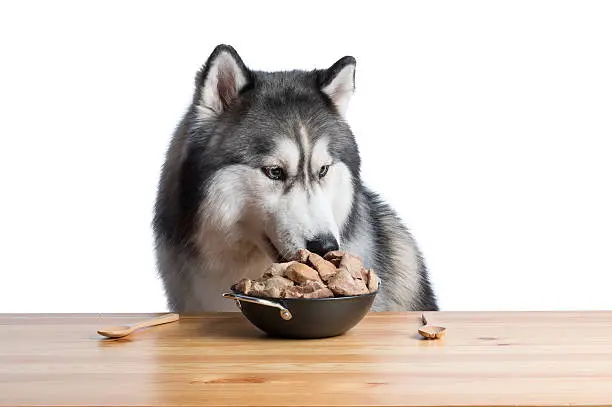
Benefits of Dry Food
- Energy-dense nutrition
- Convenient storage
- Helps maintain dental health
- More affordable long-term
Benefits of Wet Food
- High moisture content
- Better for hydration
- Easier for picky eaters
- Softer texture for seniors
Mixed Feeding Approach
Many Husky owners combine both:
- Dry food for structure and calories
- Wet food for hydration and taste
Which Is Better for Siberian Huskies?
There is no universal answer.
- Active Huskies → Dry food often works best
- Picky eaters → Wet food helps
- Balanced lifestyle → Mixed feeding is ideal
Grain-Free vs Grain-Inclusive Diets for Huskies
Pros of Grain-Free Diets
- Higher protein focus
- Suitable for some food sensitivities
- Often more meat-heavy
Pros of Grain-Inclusive Diets
- Steady energy release
- Better digestion for many dogs
- More balanced nutrient profile
FDA Concerns About Grain-Free Diets
The FDA has investigated potential links between some grain-free diets and Dilated Cardiomyopathy (DCM) in dogs.
Which Option Is Best for Huskies?
For most Huskies:
- High-quality grain-inclusive diets are safer and more balanced
Grain-free should only be used when medically necessary.
Best Dog Food for Siberian Huskies Overall
Choosing the “best” food depends on budget, activity level, and health condition.
Top-Rated Dog Foods for Huskies
Best Overall Dog Food for Huskies
Balanced formulas with protein, fat, and digestible carbs.
Best High-Protein Dog Food
Ideal for active or working Huskies:
- High meat content
- Moderate carbs
- Added joint support
Best Budget-Friendly Option
Affordable but balanced nutrition for everyday pets.
Best Premium / Grain-Free Option
High-meat formulas for performance-focused diets.
Best Vet-Recommended Formula
Clinically tested diets designed for long-term health support.
Best Performance Dog Food for Active Huskies
Designed for:
- Sled dogs
- Hiking dogs
- Highly active Huskies
Best Dog Food for Husky Puppies
Puppies grow quickly and need carefully balanced nutrition.
Nutritional Needs of Husky Puppies
Growth and Muscle Development
Supports strong bones and lean muscle.
DHA for Brain Development
Improves:
- Learning ability
- Memory
- Vision
Controlled Calcium Levels
Prevents bone development issues in large-growing breeds.
Best Puppy Foods for Huskies
- High-protein puppy kibble
- Large-breed puppy formulas
- DHA-enriched wet foods
Feeding Schedule for Husky Puppies
8–12 Weeks
- 3–4 meals per day
- Softened kibble recommended
3–6 Months
- 3 meals per day
- Gradual portion increase
6–12 Months
- 2–3 meals per day
- Transition to adult food begins
Best Dog Food for Adult Huskies
Adult Huskies require balance—not excess.
Adult Husky Nutritional Needs
- Energy balance
- Muscle maintenance
- Weight control
- Digestive stability
Best Adult Dog Foods
High-Protein Kibble
Supports lean muscle and stamina.
Raw-Inspired Diets
Closer to natural ancestral feeding.
Freeze-Dried Raw Options
Convenient raw nutrition alternative.
Fresh Dog Food Diets
Minimally processed and highly digestible.
Maintaining Healthy Weight in Huskies
Huskies are tricky:
- Some overeat
- Some self-regulate and under-eat
Key tips:
- Monitor body condition, not just weight
- Adjust food based on activity
- Avoid overfeeding high-fat foods
Best Dog Food for Senior Huskies
As Huskies age, their metabolism slows down.
Age-Related Changes in Huskies
- Lower activity
- Joint stiffness
- Slower digestion
- Reduced muscle mass
Senior Nutritional Needs
- Joint-support nutrients
- Lower calorie intake
- Easily digestible protein
- Cognitive support nutrients
Best Senior Dog Foods for Huskies
Look for:
- Glucosamine-rich formulas
- Low-fat senior diets
- Antioxidant-enriched recipes
Best Dog Food for Huskies With Allergies
Siberian Huskies are generally hardy dogs, but food allergies are still fairly common—especially when diets are low-quality or overly processed.
A proper diet can significantly reduce itching, digestive issues, and skin flare-ups.
Common Food Allergies in Huskies
Some ingredients are more likely to trigger reactions:
- Chicken (most common protein trigger)
- Beef
- Dairy products
- Wheat or gluten (in sensitive dogs)
- Soy
Symptoms of Allergies
Itchy Skin
Constant scratching, biting, or rubbing.
Hot Spots
Red, irritated skin patches that worsen quickly.
Ear Infections
Frequent infections, odor, or wax buildup.
Digestive Issues
- Vomiting
- Loose stool
- Gas or bloating
Best Hypoallergenic Dog Foods
| Type | Benefit |
|---|---|
| Limited Ingredient Diets | Fewer triggers, simple formulas |
| Novel Protein Diets | Uses proteins like duck or venison |
| Hydrolyzed Protein Diets | Broken-down proteins for severe allergies |
Popular options include veterinary-prescribed diets and limited-ingredient formulas designed for sensitive dogs.
Best Dog Food for Huskies With Sensitive Stomachs
Huskies often have efficient but sensitive digestion, meaning low-quality food can cause discomfort quickly.
Common Digestive Issues
- Gas
- Loose stools
- Vomiting
- Irregular bowel movements
Best Digestive Ingredients
Pumpkin
- Regulates digestion
- Supports stool consistency
Rice
- Easy-to-digest carbohydrate source
Oatmeal
- Gentle on the stomach
Probiotics
- Balance gut bacteria
- Improve nutrient absorption
Best Sensitive Stomach Dog Foods
- Salmon-based formulas
- Limited ingredient diets
- Probiotic-rich kibble
These are designed to reduce stress on the digestive system while maintaining energy levels.
Best Dog Food for Husky Coat and Skin Health
A Siberian Husky’s coat is one of its most defining features—but it also requires proper nutritional support.
Why Huskies Need Coat-Support Nutrition
Their double coat protects them from extreme weather, so it must remain:
- Thick
- Hydrated
- Non-brittle
- Clean and healthy
Key Nutrients for Coat Health
Omega-3 Fatty Acids
- Reduce inflammation
- Improve shine and softness
Zinc
- Supports skin repair
Vitamin E
- Protects skin cells
Biotin
- Strengthens fur and reduces shedding
Best Coat Health Dog Foods
- Fish-based protein formulas
- Skin & coat support blends
- Omega-enriched kibble
Best Weight Management Dog Food for Huskies
Even though Huskies are naturally lean, they can still gain weight in modern home environments due to reduced activity.
Why Huskies Gain Weight Easily in Domestic Settings
- Less daily exercise than working sled dogs
- High-calorie treats
- Overfeeding due to appetite confusion
- Low-quality calorie sources
Signs of Overweight Huskies
- No visible waistline
- Difficulty running or breathing
- Fat deposits around ribs or hips
- Low stamina
Low-Calorie Dog Food Options
- Weight control formulas
- High-fiber diets
- Lean protein-based kibble
Exercise Requirements for Huskies
Diet alone is not enough. Huskies need:
- Daily running or long walks
- Mental stimulation
- Off-leash exercise when safe
Fresh, Raw, and Homemade Diets for Huskies
Some owners prefer natural feeding approaches for better ingredient control.
Fresh Dog Food Options
Fresh diets use human-grade ingredients with minimal processing.
Benefits:
- High digestibility
- Improved coat quality
- Better taste
Raw Diet Benefits and Risks
Benefits
- High protein content
- Closer to ancestral diet
- Strong coat and energy levels
Risks
- Bacterial contamination
- Nutritional imbalance if not properly formulated
- Storage and safety concerns
Homemade Dog Food for Huskies
Advantages
- Full control over ingredients
- Custom allergy management
Challenges
- Difficult to balance nutrients
- Time-consuming
- Requires veterinary guidance
Veterinary Guidance Importance
Before switching to raw or homemade diets, always consult a vet to avoid deficiencies or long-term health issues.
Feeding Guide for Siberian Huskies
How Much Should a Husky Eat?
Food intake depends on:
- Age
- Weight
- Activity level
- Metabolism
Feeding Chart by Weight and Activity Level
| Weight | Puppy | Adult | Senior |
|---|---|---|---|
| 35–45 lbs | 1.5–2.5 cups/day | 1.5–2 cups/day | 1–1.5 cups/day |
| 45–55 lbs | 2–3 cups/day | 2–2.5 cups/day | 1.5–2 cups/day |
| 55–70 lbs | 2.5–3.5 cups/day | 2.5–3 cups/day | 1.5–2.5 cups/day |
(Adjust based on food calorie density and activity level.)
Feeding Frequency
Puppies
- 3–4 meals per day
Adults
- 2 meals per day
Seniors
- 2 smaller meals per day
Transitioning to New Dog Food (7-Day Plan)
To avoid digestive upset:
- Days 1–2: 25% new food
- Days 3–4: 50% new food
- Days 5–6: 75% new food
- Day 7: 100% new food
Common Health Issues in Huskies and Diet Solutions
Diet plays a major role in preventing or managing health issues.
- Hip Dysplasia: joint-support diets with glucosamine
- Eye Conditions (PRA, cataracts): antioxidant-rich foods
- Obesity: calorie-controlled diets
- Skin Allergies: limited ingredient foods
- Digestive Issues: probiotic-rich diets
- Thyroid Imbalance: vet-guided nutrition plans
Frequently Asked Questions (FAQ)
What is the best dog food for Siberian Huskies?
High-protein, moderate-fat diets with quality ingredients are best.
Do Huskies need high-protein food?
Yes, protein supports muscle maintenance and energy balance.
Can Huskies eat grain-free food?
Yes, but grain-inclusive diets are often safer for most dogs.
How much should a Husky eat per day?
Typically 1.5–3 cups depending on size and activity.
What foods are bad for Huskies?
Chocolate, onions, garlic, grapes, and artificial additives.
Is raw food good for Huskies?
It can be, but only if properly balanced and vet-approved.
What helps Huskies maintain coat health?
Omega fatty acids, fish oil, and high-quality protein.
Expert Tips for Feeding Siberian Huskies
- Huskies may self-regulate food intake—don’t panic if they skip meals
- Focus on quality calories, not quantity
- Monitor body condition instead of just weight
- Adjust food intake based on activity level
- Always provide fresh water, especially for active Huskies
Conclusion
- Huskies require high-energy, balanced nutrition
- Protein and fats matter more than heavy carbohydrates
- Activity level directly affects feeding needs
- Coat, joints, and digestion depend on diet quality
Final Recommendations
To keep your Husky healthy and active:
- Choose high-quality, performance-based dog food
- Adjust portions based on lifestyle and climate
- Prioritize protein, fat, and digestibility
- Consult a veterinarian for personalized feeding plans