Choosing the best dog food for Shih Tzus is not just about picking a popular brand—it’s about understanding what your dog truly needs to live a long, healthy, and comfortable life.
Shih Tzus are small, affectionate companion dogs, but behind their cute appearance lies a sensitive digestive system, a luxurious coat that needs constant care, and a tendency toward weight gain and dental issues. Because of this, their diet plays a huge role in their overall well-being.
A properly balanced diet can help your Shih Tzu:
- Maintain a shiny, healthy coat
- Avoid skin allergies and itching
- Support strong teeth and gums
- Keep a healthy body weight
- Improve digestion and energy levels
- Extend lifespan and overall quality of life
In this guide, we’ll break everything down step-by-step so you can confidently choose the best dog food for Shih Tzus puppies, adults, and seniors.
Why Choosing the Right Food for Shih Tzus Matters
Food is the foundation of your dog’s health. For Shih Tzus, the wrong diet can quickly lead to:
- Tear staining issues
- Skin allergies and constant scratching
- Obesity due to small size and low activity
- Digestive problems like gas or loose stool
- Dental disease from soft or sugary foods
On the other hand, the right nutrition helps your Shih Tzu thrive naturally without unnecessary vet visits or health complications.
Understanding the Unique Nutritional Needs of Shih Tzus
Shih Tzus are a small breed with big nutritional demands. Their metabolism is fast, but their stomach is tiny, which means every bite must be nutrient-dense.
They require:
- High-quality animal protein for muscle maintenance
- Healthy fats for coat and skin health
- Digestible carbohydrates for energy
- Fiber for gut health
- Essential vitamins and minerals for immunity
Unlike larger breeds, Shih Tzus cannot handle low-quality fillers or overly processed ingredients well.
How Diet Impacts a Shih Tzu’s Health, Coat, Weight, and Lifespan
A Shih Tzu’s diet affects nearly every aspect of its health:
1. Coat Health
A Shih Tzu’s long double coat depends heavily on omega fatty acids. Poor diet = dull, brittle fur.
2. Weight Management
Shih Tzus gain weight easily. Even small calorie excess can lead to obesity.
3. Digestion
Sensitive stomachs mean low-quality food often leads to vomiting or diarrhea.
4. Lifespan
A balanced diet can significantly increase lifespan, sometimes up to 15+ years.
What You’ll Learn in This Guide
This complete guide will help you understand:
- Best foods for every life stage (puppy, adult, senior)
- Ingredient quality and food labels
- Foods that improve coat and skin health
- Diet solutions for allergies, tear stains, and obesity
- Feeding schedules and portion control
- Vet-approved nutrition strategies
Understanding Shih Tzu Nutritional Requirements
Shih Tzu Breed Overview
Shih Tzu is an ancient companion breed originally developed in China. They were bred specifically for companionship, not work, which explains their calm personality and preference for indoor living.
History and Characteristics of the Shih Tzu
Shih Tzus were once royal lap dogs in Chinese palaces. Their name translates to “lion dog,” and they were highly valued for their charming appearance and affectionate nature.
Key traits include:
- Friendly and affectionate personality
- Long, flowing coat
- Compact body structure
- Strong attachment to owners
Average Size, Weight, and Lifespan
- Weight: 8–16 lbs (3.5–7 kg)
- Height: 9–10.5 inches
- Lifespan: 10–16 years
Despite their small size, they require carefully balanced nutrition to avoid common health problems.
Common Health Concerns Affected by Diet
Shih Tzus are prone to several diet-related issues:
- Obesity
- Allergies
- Dental disease
- Eye problems
- Joint issues (luxating patella)
- Digestive sensitivity
A proper diet can help reduce the severity of many of these conditions.
What Nutrients Do Shih Tzus Need?
High-Quality Protein
Protein is the most important nutrient in a Shih Tzu’s diet.
Benefits of Animal-Based Proteins
- Builds lean muscle
- Supports immune system
- Improves coat quality
- Aids tissue repair
Best Protein Sources for Shih Tzus
- Chicken
- Turkey
- Salmon
- Lamb
- Duck
Look for food where meat is the first ingredient.
Healthy Fats and Omega Fatty Acids
Fats are not bad—in fact, they are essential.
Skin and Coat Health
Omega-3 and omega-6 fatty acids help maintain a silky coat and reduce itching.
Brain and Eye Development
Especially important for puppies.
Joint Support
Reduces inflammation in older dogs.
Carbohydrates and Fiber
Carbs provide energy, while fiber supports digestion.
Healthy Energy Sources
- Sweet potatoes
- Brown rice
- Oats
- Pumpkin
Digestive Health Benefits
Fiber helps reduce constipation and supports gut bacteria balance.
Vitamins and Minerals
Small breeds like Shih Tzus need balanced micronutrients for long-term health.
Important ones include:
- Calcium for bones
- Zinc for skin health
- Vitamin E for immunity
- Vitamin A for vision
Antioxidants for Immune Health
Antioxidants help fight disease and support aging dogs.
Natural Sources
- Blueberries
- Spinach
- Carrots
- Apples (seedless)
Daily Calorie Requirements for Shih Tzus
Understanding calorie needs helps prevent obesity—a common problem in this breed.
How Many Calories Does a Shih Tzu Need?
Shih Tzu Puppies
- 200–400 calories/day
Adult Shih Tzus
- 300–500 calories/day
Senior Shih Tzus
- 250–400 calories/day
Factors That Affect Calorie Intake
Age
Puppies need more calories for growth.
Activity Level
Active dogs require more energy.
Weight
Overweight dogs need calorie-controlled diets.
Metabolism
Some dogs naturally burn energy faster.
Health Conditions
Medical issues may change dietary needs.
How to Choose the Best Dog Food for Shih Tzus
Key Ingredients to Look For
Real Meat as the First Ingredient
Always check ingredient labels. The first item should be a named protein.
Omega-3 and Omega-6 Fatty Acids
Essential for coat and skin health.
Glucosamine and Chondroitin
Helps support joints, especially in older dogs.
Probiotics and Digestive Enzymes
Support gut health and improve digestion.
Fruits and Vegetables
Provide vitamins, antioxidants, and fiber.
Ingredients to Avoid
Artificial Preservatives
Avoid BHA, BHT, and ethoxyquin.
Artificial Colors and Flavors
Offer no nutritional value.
Meat By-Products
Lower quality protein sources.
Excessive Fillers
Corn, soy, and wheat in large amounts may cause allergies.
Added Sugars
Can lead to weight gain and dental problems.
Dry Food vs Wet Food for Shih Tzus
Benefits of Dry Dog Food
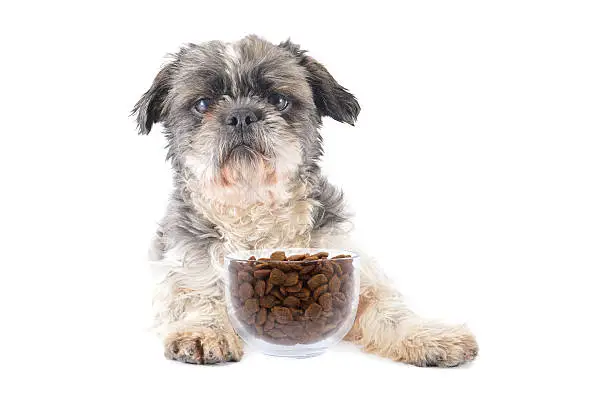
- Helps clean teeth
- Easy to store
- More affordable
- Longer shelf life
Benefits of Wet Dog Food
- Higher moisture content
- Easier to chew
- Better for picky eaters
- Stronger aroma and taste
Mixed Feeding Approach
Many owners combine both for balanced nutrition.
Which Is Better for Shih Tzus?
There is no single answer. Most Shih Tzus do best on a balanced mix of dry and wet food, depending on age and dental health.
Grain-Free vs Grain-Inclusive Dog Food
Pros and Cons of Grain-Free Diets
Some dogs benefit from grain-free diets, but not all.
Benefits of Grain-Inclusive Diets
Whole grains provide fiber, vitamins, and energy.
FDA Investigation into Grain-Free Foods
Some studies suggest potential links between grain-free diets and heart issues in dogs.
Which Option Is Best for Shih Tzus?
For most Shih Tzus, a high-quality grain-inclusive diet is safe and beneficial unless allergies are diagnosed.
Best Dog Food for Shih Tzus Overall
Choosing the right food becomes much easier when you break it down by life stage and health needs. Not every Shih Tzu thrives on the same diet, so the “best” food is the one that matches your dog’s age, size, and sensitivity level.
Top-Rated Dog Foods for Shih Tzus
Below are some commonly recommended, vet-trusted formulas used by many small-breed dog owners.
Best Overall Dog Food for Shih Tzus
Royal Canin Shih Tzu Adult Formula
Why it stands out:
- Breed-specific nutrition designed for Shih Tzus
- Supports skin and coat health
- Specialized kibble shape for brachycephalic mouths
- Highly digestible proteins
Best Premium Dog Food for Shih Tzus
Orijen Small Breed Formula
- High-protein, meat-rich recipe
- Includes fresh and raw animal ingredients
- Supports muscle development and energy
- Ideal for active Shih Tzus
Best Budget-Friendly Dog Food for Shih Tzus
Purina ONE SmartBlend Small Breed
- Affordable but nutritionally balanced
- Real chicken as first ingredient
- Includes antioxidants and omega fatty acids
- Good digestibility for everyday feeding
Best Vet-Recommended Dog Food for Shih Tzus
Hill’s Science Diet Small Paws
- Backed by veterinary research
- Gentle on sensitive stomachs
- Balanced minerals for organ health
- Widely used in clinics
Best Small-Breed Formula for Shih Tzus
Blue Buffalo Life Protection Small Breed
- Small kibble size for tiny jaws
- DHA for brain development
- Antioxidant-rich formula
- Supports immunity and energy
Best Dog Food for Shih Tzu Puppies
Puppyhood is the most important stage for nutrition. Poor diet during this period can lead to lifelong health problems.
Nutritional Needs of Shih Tzu Puppies
Shih Tzu puppies require:
- High protein for rapid growth
- DHA for brain and eye development
- Balanced calcium and phosphorus
- Easily digestible ingredients
- Small kibble size
Growth and Development Requirements
During growth, puppies need:
- Strong bone development
- Muscle building nutrients
- Immune system support
- Stable energy levels
DHA for Brain Development
DHA (Omega-3 fatty acid) is essential for:
- Memory development
- Learning ability
- Vision health
Fish oil is one of the best natural sources.
Protein Requirements
Puppies generally need 22–30% protein in their diet.
Best sources:
Calcium and Phosphorus Balance
Proper bone development depends on correct mineral ratios.
Too much calcium can harm skeletal growth in small breeds.
Best Puppy Foods for Shih Tzus
Best Dry Puppy Food
Royal Canin Shih Tzu Puppy
- Designed specifically for the breed
- Supports immune system development
- Easy-to-chew kibble
Best Wet Puppy Food
Hill’s Science Diet Puppy Wet Food
- Soft texture for young puppies
- High digestibility
- Balanced nutrients for growth
Best Small-Breed Puppy Food
Wellness Complete Health Small Breed Puppy
- High protein content
- Includes DHA and antioxidants
- Supports strong immune system
Best Food for Sensitive Puppy Stomachs
Purina Pro Plan Puppy Sensitive Skin & Stomach
- Salmon-based formula
- Gentle on digestion
- Helps reduce allergies
Shih Tzu Puppy Feeding Schedule
8–12 Weeks
- 4 meals per day
- Small portions
- Soft or moistened kibble recommended
3–6 Months
- 3 meals per day
- Gradual increase in kibble size
- Monitor weight closely
6–12 Months
- 2–3 meals per day
- Transition toward adult food
When to Switch to Adult Food
Most Shih Tzus switch at 10–12 months, depending on growth rate.
Best Dog Food for Adult Shih Tzus
Adult Shih Tzus require balanced nutrition to maintain energy, prevent obesity, and support long-term health.
Nutritional Needs of Adult Shih Tzus
Adult diets should include:
- Moderate calories
- High-quality protein
- Omega fatty acids
- Digestive support
- Weight control nutrients
Top Adult Dog Food Recommendations
Best Dry Food
Wellness CORE Small Breed Adult
- High protein content
- Grain-free option
- Supports lean muscle mass
Best Wet Food
Merrick Lil’ Plates Small Breed Wet Food
- Real deboned meat
- High moisture content
- Great for picky eaters
Best Fresh Dog Food
Fresh diets are becoming popular among Shih Tzu owners.
Benefits:
- Minimally processed ingredients
- Higher palatability
- Easier digestion
Best Freeze-Dried Dog Food
Stella & Chewy’s Freeze-Dried Raw
- Raw nutrition benefits
- High protein density
- Easy storage
Best Limited Ingredient Food
Natural Balance L.I.D. Diet
- Ideal for allergies
- Simple formulas
- Reduces food sensitivity reactions
Maintaining a Healthy Weight
Shih Tzus gain weight easily due to:
- Small body size
- Low exercise needs
- Overfeeding habits
Weight Control Tips
- Measure food daily
- Avoid table scraps
- Use healthy treats
- Encourage daily walks
A healthy Shih Tzu should have a visible waistline and easy-to-feel ribs.
Best Dog Food for Senior Shih Tzus
As Shih Tzus age, their metabolism slows down and their nutritional needs change significantly.
Age-Related Changes in Senior Shih Tzus
Older Shih Tzus often experience:
- Reduced energy
- Joint stiffness
- Slower digestion
- Dental problems
- Weight gain
Nutritional Needs of Older Dogs
Senior diets should focus on:
Joint Support
- Glucosamine
- Chondroitin
- Omega-3 fatty acids
Lower-Calorie Diets
Helps prevent obesity as activity decreases.
Digestive Health Support
- Fiber-rich ingredients
- Probiotics
- Easily digestible proteins
Brain Health Support
- Antioxidants
- DHA
- Vitamin E
Dental Health Considerations
- Smaller kibble size
- Crunchy texture
- Dental-friendly formulas
Best Senior Dog Foods for Shih Tzus
| Brand | Benefit |
|---|---|
| Hill’s Science Diet Senior Small Paws | Balanced aging support |
| Royal Canin Aging 12+ | Dental + immune support |
| Blue Buffalo Life Protection Senior | Joint health |
| Purina Pro Plan Bright Mind | Cognitive support |
Feeding Tips for Senior Shih Tzus
- Feed smaller, more frequent meals
- Monitor weight monthly
- Encourage gentle exercise
- Increase hydration intake
- Schedule regular vet checkups
Best Dog Food for Shih Tzus With Allergies
Shih Tzus are one of the small breeds most likely to develop food sensitivities. This is often seen through skin issues, digestive upset, or chronic ear infections.
A carefully selected diet can make a huge difference in reducing symptoms and improving comfort.
Common Food Allergies in Shih Tzus
The most common triggers include:
- Chicken
- Beef
- Dairy
- Wheat
- Soy
- Corn
Not every Shih Tzu reacts the same way, but these ingredients are often the first to eliminate during testing.
Signs of Food Allergies
Itchy Skin
Constant scratching, licking, or biting skin areas.
Hot Spots
Red, inflamed skin patches that worsen over time.
Ear Infections
Frequent ear odor, redness, or discharge.
Digestive Issues
- Vomiting
- Diarrhea
- Gas
Excessive Paw Licking
A very common allergy symptom in Shih Tzus.
Best Hypoallergenic Dog Foods for Shih Tzus
| Dog Food | Key Benefit |
|---|---|
| Hill’s Prescription Diet z/d | Hydrolyzed protein for allergies |
| Royal Canin Hydrolyzed Protein | Clinically tested formula |
| Natural Balance L.I.D. | Limited ingredient diet |
| Purina Pro Plan Sensitive Skin & Stomach | Salmon-based digestion support |
Limited Ingredient Diets
Limited ingredient diets (LID) reduce the number of components in food.
Benefits:
- Easier to identify allergens
- Fewer digestive triggers
- Gentle on sensitive stomachs
Hydrolyzed Protein Diets
These diets break protein into tiny molecules that the immune system doesn’t recognize as allergens.
They are often prescribed by veterinarians for severe allergy cases.
Novel Protein Diets Explained
Novel proteins are ingredients your dog has never eaten before.
Examples include:
These proteins reduce the risk of allergic reactions.
Best Dog Food for Shih Tzus With Sensitive Stomachs
A sensitive stomach is very common in Shih Tzus due to their small digestive system.
Common Digestive Problems in Shih Tzus
- Loose stool
- Vomiting
- Gas and bloating
- Food intolerance
- Irregular digestion
Ingredients That Support Digestion
Pumpkin
- High fiber
- Helps regulate stool consistency
Sweet Potatoes
- Easy to digest carbohydrates
- Gentle energy source
Brown Rice
- Simple grain with steady energy release
Oatmeal
- Soothing for the stomach
Probiotics
- Improve gut bacteria balance
- Support immunity
Best Foods for Sensitive Stomachs
- Purina Pro Plan Sensitive Skin & Stomach
- Hill’s Science Diet Sensitive Stomach & Skin
- Wellness Simple Limited Ingredient Diet
- Blue Buffalo Basics
How to Transition Foods Safely
A slow transition prevents digestive upset:
- Day 1–2: 25% new food
- Day 3–4: 50% new food
- Day 5–6: 75% new food
- Day 7+: 100% new food
Best Dog Food for Shih Tzus With Skin and Coat Problems
A Shih Tzu’s coat is one of its most beautiful features—but also one of the most sensitive.

Why Coat Health Is Important
The Shih Tzu coat requires:
- Proper hydration
- Balanced fats
- Regular grooming
- Nutritional support
Poor diet quickly leads to dull, dry fur.
Common Skin Issues in Shih Tzus
- Dry skin
- Excess shedding
- Allergic reactions
- Dandruff
- Itching
Nutrients That Support Healthy Skin and Fur
Fish Oil
Reduces inflammation and improves coat shine.
Omega Fatty Acids
Support skin hydration and elasticity.
Vitamin E
Helps repair damaged skin.
Zinc
Supports healing and fur growth.
Biotin
Improves coat strength and texture.
Best Foods for Skin and Coat Health
- Royal Canin Shih Tzu Formula
- Hill’s Science Diet Skin & Coat
- Purina Pro Plan Salmon Formula
- Blue Buffalo Skin & Coat Care
- Wellness CORE Skin Support
Best Weight Management Dog Food for Shih Tzus
Shih Tzus are extremely prone to obesity, even with small feeding mistakes.
Why Shih Tzus Are Prone to Weight Gain
- Small body size
- Low exercise levels
- Overfeeding habits
- High-calorie treats
Signs Your Shih Tzu Is Overweight
- No visible waist
- Difficulty walking or breathing
- Lethargy
- Difficulty feeling ribs
Health Risks of Obesity
- Diabetes
- Joint problems
- Heart strain
- Shortened lifespan
Best Low-Calorie Dog Foods for Shih Tzus
| Dog Food | Benefit |
|---|---|
| Hill’s Perfect Weight | Weight control formula |
| Purina Pro Plan Weight Management | Lean muscle support |
| Blue Buffalo Healthy Weight | Reduced calories |
| Royal Canin Weight Care Small Breed | Satiety support |
Exercise and Portion Control Tips
- Daily 20–30 minute walks
- Use measuring cups for food
- Avoid frequent treats
- Provide mental stimulation toys
Best Dog Food for Shih Tzus With Tear Stains
Tear stains are common in Shih Tzus due to their facial structure.
What Causes Tear Stains?
- Excess tear production
- Blocked tear ducts
- Allergies
- Poor diet
- Food sensitivities
Can Diet Affect Tear Staining?
Yes. Diet can influence inflammation and tear quality.
Ingredients That May Help Reduce Tear Stains
- Omega fatty acids
- High-quality proteins
- Limited ingredients
- No artificial dyes
Recommended Foods for Tear-Stain-Prone Shih Tzus
- Royal Canin Shih Tzu Formula
- Hill’s Sensitive Skin & Stomach
- Blue Buffalo Basics Limited Ingredient Diet
- Purina Pro Plan Sensitive Formula
Best Dog Food for Shih Tzus With Dental Problems
Dental disease is extremely common in small breeds.
Common Dental Issues
- Plaque buildup
- Gum disease
- Tooth loss
- Bad breath
Foods That Promote Oral Health
- Crunchy kibble
- Dental-specific formulas
- High-quality dry food
Best Dry Foods for Dental Support
- Hill’s Dental Care Small Breed
- Royal Canin Dental Care
- Purina Pro Plan Dental Health
Dental Chews and Treats
- Vet-approved dental sticks
- Natural chew toys
- Enzyme-based dental treats
Oral Care Tips
- Brush teeth 2–3 times per week
- Schedule vet cleanings
- Avoid sugary treats
Fresh, Raw, and Homemade Diets for Shih Tzus
Some owners prefer alternative feeding styles for better control over ingredients.
Fresh Dog Food Options
Fresh food diets use human-grade ingredients.
Benefits:
- Highly palatable
- Minimal processing
- Easy digestion
Raw Feeding for Shih Tzus
Benefits
- High protein content
- Natural nutrients
- Improved coat condition
Risks
- Bacterial contamination
- Nutritional imbalance
- Safety concerns
Homemade Dog Food for Shih Tzus
Advantages
- Full ingredient control
- Custom allergy management
Challenges
- Hard to balance nutrients
- Time-consuming
- Requires veterinary guidance
Essential Supplements
- Calcium
- Fish oil
- Multivitamins
- Probiotics
Veterinary Guidance Before Switching Diets
Always consult a vet before switching to raw or homemade diets.
Feeding Guide for Shih Tzus
How Much Should a Shih Tzu Eat?
It depends on:
- Weight
- Age
- Activity level
- Food calories
Shih Tzu Feeding Chart by Weight and Age
| Weight | Puppy | Adult | Senior |
|---|---|---|---|
| 8–10 lbs | ½–1 cup | ⅓–¾ cup | ¼–½ cup |
| 10–12 lbs | ¾–1¼ cup | ½–1 cup | ⅓–¾ cup |
| 12–16 lbs | 1–1½ cup | ¾–1¼ cup | ½–1 cup |
How Often Should Shih Tzus Eat?
Puppies
- 3–4 meals per day
Adults
- 2 meals per day
Seniors
- 2–3 smaller meals per day
Transitioning to a New Dog Food
7-Day Transition Plan
- Day 1–2: 25% new food
- Day 3–4: 50%
- Day 5–6: 75%
- Day 7: 100%
Common Health Issues in Shih Tzus and Diet Solutions
- Obesity: weight-control food + portion control
- Dental disease: dry kibble + dental care
- Skin allergies: limited ingredient diets
- Digestive issues: probiotic-rich foods
- Luxating patella: joint-support nutrients
- Kidney issues: vet-prescribed diets
Frequently Asked Questions (FAQ)
What Is the Best Dog Food Brand for Shih Tzus?
Royal Canin, Hill’s Science Diet, and Purina Pro Plan are commonly recommended.
What Is the Best Food for a Shih Tzu Puppy?
High-protein puppy formulas with DHA support are ideal.
Can Shih Tzus Eat Grain-Free Food?
Yes, but only if needed for allergies.
How Much Food Should a Shih Tzu Eat Daily?
Typically ¼–1¼ cups depending on size and activity.
Is Wet Food Better Than Dry Food for Shih Tzus?
Both are good; combining them often works best.
What Foods Are Toxic to Shih Tzus?
Chocolate, grapes, onions, garlic, and xylitol.
Expert Tips for Keeping Your Shih Tzu Healthy Through Diet
- Always provide fresh water
- Control portion sizes carefully
- Avoid human junk food
- Choose life-stage appropriate food
- Monitor weight monthly
- Use high-quality treats only
Conclusion
Choosing the best dog food for Shih Tzus is about understanding your dog’s unique needs rather than following trends.
- High-quality protein is essential
- Skin and coat health depend on omega fatty acids
- Small breeds need portion-controlled diets
- Sensitive stomachs require gentle ingredients
- Life-stage nutrition improves long-term health
Final Recommendation
The healthiest Shih Tzus are those fed consistently with balanced, high-quality nutrition matched to their age, size, and health condition.
With the right diet, your Shih Tzu can enjoy a longer, happier, and more energetic life—while keeping that signature silky coat shining beautifully.