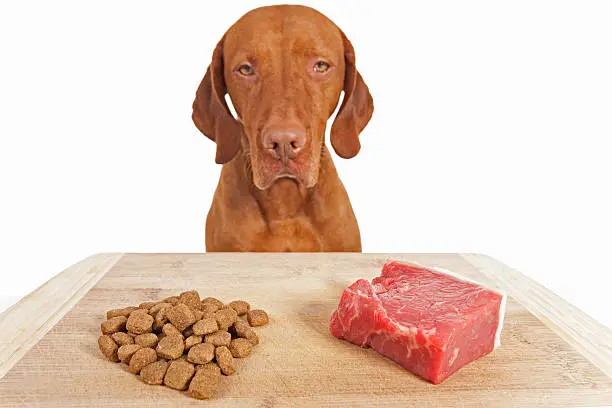
Why Turkey + Venison Dog Food Is Gaining So Much Attention
If you have spent any time reading dog food labels lately, you have probably noticed one combination showing up again and again: turkey and venison. What was once considered a niche or “premium” pairing has quickly become a popular choice among dog owners who want high-protein, flavorful, and more varied diets for their pets.
So why is this blend trending?
First, protein quality matters more than ever. Many modern dog owners are moving away from generic meat blends and toward clearly named animal proteins. Turkey and venison both fit that demand. Turkey is lean, familiar, and widely tolerated, while venison brings a richer taste and the appeal of a less common protein source.
Second, dogs can get bored with the same food day after day. The combination of turkey and venison offers variety without chaos. It is different enough to feel exciting to picky eaters, yet not so exotic that it overwhelms sensitive stomachs.
This type of food is especially popular for:
- Active dogs that need sustained energy and muscle support
- Picky eaters that turn their nose up at basic chicken formulas
- Rotation feeders who like to switch proteins responsibly
- Dogs with mild sensitivities who do better when common proteins are limited
In this guide, you will learn:
- What turkey venison dog food actually means on a label
- How turkey and venison compare nutritionally
- The real benefits and limitations of this protein combo
- How to tell if it is a good fit for your dog
This is Part 1 of 3. Here, we will focus on the foundation: what this food is, how the proteins differ, and why so many dogs thrive on it.
What Is Turkey Venison Dog Food?
At its core, turkey venison dog food simply means a formula that uses turkey, venison, or both as its primary animal protein sources. However, the details matter, and not all products are built the same way.
What “Turkey & Venison” Usually Means on Dog Food Labels
When you see turkey and venison listed on the front of a bag, it usually indicates one of the following:
- Turkey as the main protein, with venison included for flavor or variety
- A blend of turkey and venison meals, which are concentrated protein sources
- Turkey as the base protein, with venison used as a secondary or novel protein
The ingredient list will tell the real story. Ingredients are listed by weight before cooking, so whole meats appear heavier than meals even though meals are more protein-dense.
Common Formats You’ll See
Turkey venison dog food comes in several formats, each with its own advantages.
Dry kibble
- Most common and affordable
- Easy to store and measure
- Often higher in carbohydrates
Wet or canned food
- Higher moisture content
- More appealing for picky eaters
- Shorter shelf life once opened
Freeze-dried, air-dried, or dehydrated
- Minimal processing
- Higher meat content
- Usually more expensive
Limited ingredient vs regular formulas
- Limited ingredient diets focus on fewer components
- Regular formulas include fruits, vegetables, and functional additives
Choosing the right format depends on your dog’s preferences, digestion, and your budget.
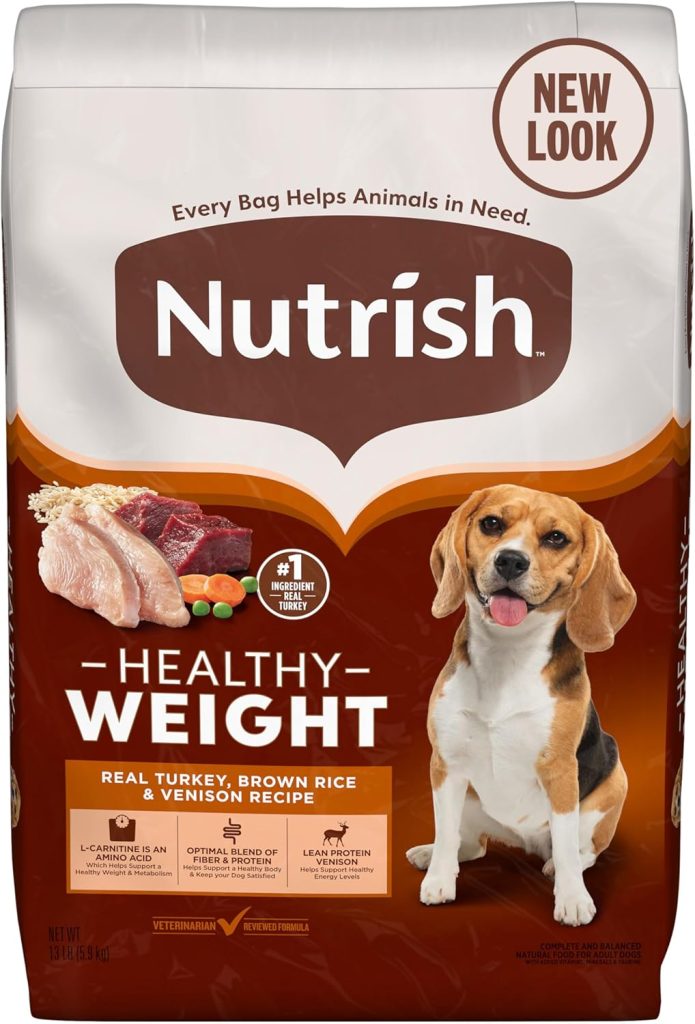
Turkey, Brown Rice Venison Recipe Dry Dog Food
Nutrish Healthy Weight Real Turkey, Brown Rice & Venison Recipe Dry Dog Food, 13 lb. Bag, Packaging May Vary (Rachael Ray)
Turkey vs Venison for Dogs: Nutrition and Practical Differences
Although turkey and venison are both high-quality animal proteins, they serve slightly different roles in dog nutrition. Understanding these differences helps explain why brands often combine them.
Turkey: Lean, Familiar, and Widely Tolerated
Turkey is one of the most commonly used proteins in dog food, and for good reason.
Key characteristics of turkey
- Lean source of animal protein
- Provides essential amino acids for muscle maintenance
- Generally easy to digest
- Familiar flavor for most dogs
Turkey-based formulas are often marketed as high-protein without being overly rich. For many dogs, turkey sits comfortably between chicken and red meats in terms of digestibility.
Venison: The “Novel Protein” Appeal
Venison, or deer meat, is less common in everyday dog food. That rarity gives it a unique role.
Why venison stands out
- Often considered a novel protein
- Rich, gamey flavor many dogs love
- Typically leaner than beef
- Used in sensitivity-focused diets
For dogs that have eaten chicken or beef for years, venison can feel like something new. This is why it is frequently included in formulas designed for dogs with food sensitivities or boredom-related refusal.
Why Brands Combine Turkey and Venison
Combining turkey and venison is not just a marketing trick. It serves several practical purposes.
- Improved palatability: Venison adds richness to turkey’s mild flavor
- Balanced amino acid profile: Two proteins can complement each other
- Broader appeal: Works for both sensitive and active dogs
- Differentiation: Helps brands stand out in a crowded market
The result is a formula that feels premium but remains accessible.
Key Benefits of Turkey Venison Dog Food
When formulated correctly, turkey venison dog food offers several meaningful benefits that go beyond basic nutrition.
Lean Muscle Support and High-Protein Nutrition
Both turkey and venison are naturally protein-rich. Protein supports:
- Muscle development
- Tissue repair
- Enzyme and hormone production
Dogs that are highly active or in their prime adult years often do well on these formulas because they provide clean energy without excessive fat.
Skin and Coat Support
Many turkey venison formulas include added fats and oils to support skin health.
Look for ingredients such as:
- Fish oil
- Chicken fat
- Flaxseed
These ingredients contribute omega fatty acids, which can help:
- Reduce dryness
- Improve coat shine
- Support overall skin health
A Strong Option for Picky Eaters
The combination of a mild protein (turkey) with a richer one (venison) creates a flavor profile that many dogs find irresistible. This makes it a common recommendation for dogs that:
- Walk away from their bowl
- Eat inconsistently
- Need encouragement without relying on toppers
Great for Variety and Rotation Feeding
Feeding the same protein forever is not always ideal. Turkey venison dog food fits well into a rotation feeding strategy, where proteins are changed periodically to:
- Reduce boredom
- Potentially lower sensitivity risks
- Expose dogs to varied nutrients
Rotation works best when changes are gradual and formulas are nutritionally balanced.
Allergies, Choosing the Right Formula, and Brand Comparisons
If you have made it this far, you already understand what turkey venison dog food is and why so many dog owners are curious about it. Now comes the part that actually matters in daily life: does it work for sensitive dogs, and how do you choose the right one without getting fooled by marketing?
This section focuses on practical decisions. Not theory. Not buzzwords. Just the things that genuinely help you decide whether this food belongs in your dog’s bowl.
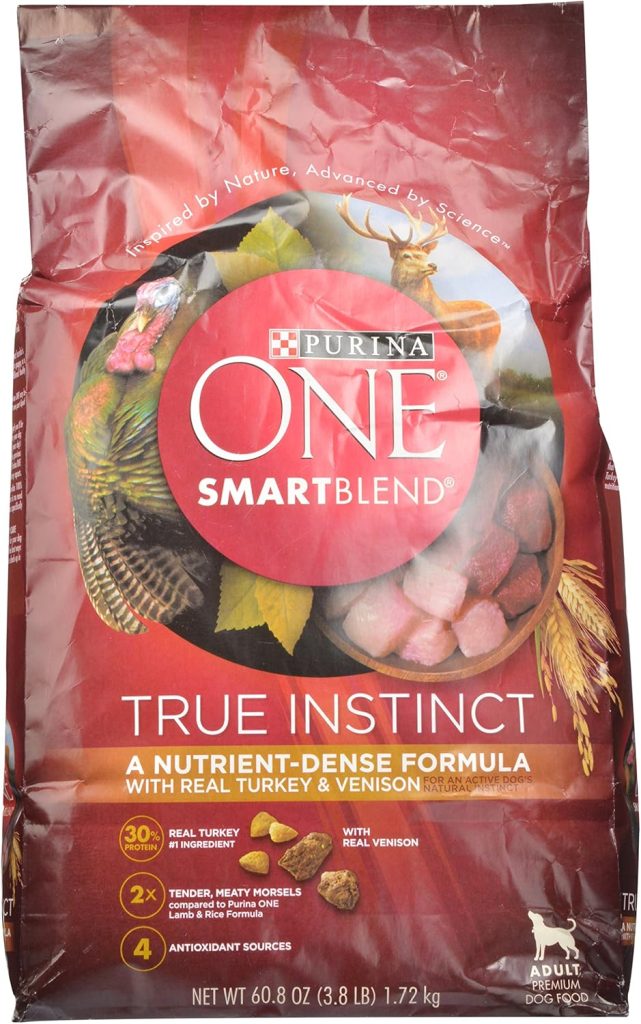
Real Turkey & Venison
Purina ONE High Protein Natural Dry Dog Food; Smart Blend True Instinct With Real Turkey & Venison – (4) 3.8 lb. Bags
Is Turkey Venison Dog Food Good for Allergies or Sensitive Stomachs?
This is one of the most common reasons people start searching for turkey and venison formulas in the first place. But before jumping to conclusions, it helps to clear up one important misunderstanding.
Food Allergy vs Food Intolerance (They Are Not the Same)
These two terms are often used interchangeably, but they describe different problems.
Food allergies
- Involve the immune system
- Can cause itching, ear infections, and skin inflammation
- Are usually triggered by specific proteins
Food intolerances
- Affect digestion, not immunity
- Common signs include loose stool, gas, or vomiting
- Often related to fat levels, additives, or sudden food changes
Many dogs labeled as “allergic” are actually dealing with intolerances, which means switching proteins may help, but it is not guaranteed.
Why Venison Is Often Called a “Novel Protein”
Venison is considered a novel protein because most dogs have not eaten it regularly throughout their lives. For dogs that have been exposed to chicken, beef, or lamb for years, venison can feel new to their system.
That is why some sensitive dogs respond well to venison-based diets, especially when paired with a familiar protein like turkey. The combination gives variety without pushing digestion too far outside the comfort zone.
You can read more about how novel proteins are used in dog diets from trusted veterinary nutrition sources like the American Kennel Club’s dog nutrition guides.
Signs Turkey Venison Dog Food May Not Be a Good Fit
Even high-quality food can be wrong for an individual dog. Watch for:
- Persistent diarrhea beyond the first two weeks
- Excessive scratching or licking
- Red or inflamed ears
- Vomiting or visible discomfort after meals
If these symptoms continue, it is time to stop experimenting and speak with a veterinarian. No food is worth risking your dog’s health.
How to Choose the Best Turkey Venison Dog Food (Buyer Checklist)
Standing in front of a wall of dog food bags can feel overwhelming. This is where a simple checklist saves you time and money.
Start With AAFCO “Complete and Balanced”
This is non-negotiable.
Look for a statement that says the food is complete and balanced according to AAFCO standards for your dog’s life stage. Without this, the food may be missing essential nutrients.
Understanding the Guaranteed Analysis (GA)
The Guaranteed Analysis tells you what is actually in the food. Focus on these four numbers.
| Nutrient | What to Look For | Why It Matters |
|---|---|---|
| Protein | 24–32% (dry food) | Supports muscle and energy |
| Fat | 12–18% | Fuels activity and coat health |
| Fiber | 3–6% | Aids digestion |
| Moisture | Lower in kibble, higher in wet | Affects hydration |
High protein sounds great, but too much fat can cause digestive upset in some dogs. Balance matters more than extremes.
Decoding the Ingredient List Without Overthinking It
This is where marketing gets loud, and logic often disappears.
“Real turkey as the first ingredient”
- Sounds impressive
- Includes water weight
- Does not automatically mean higher protein
Meat meals vs fresh meat
- Meals are concentrated protein sources
- Fresh meat looks better on labels but shrinks after cooking
- Both can be good when sourced properly
Fillers vs functional ingredients
- Ingredients like rice, oats, or peas are not evil
- What matters is whether they serve a purpose
- Blanket “no fillers” claims are often oversimplified
For a grounded explanation of ingredient myths, this guide on dog food ingredient marketing is worth reading.
With Grain or Grain-Free: Which One Should You Choose?
Grain-free is not automatically better.
Choose with grain if:
- Your dog tolerates grains well
- You want more established nutritional data
Choose grain-free if:
- Your dog has confirmed grain sensitivity
- The formula uses quality carbohydrate alternatives
If you are unsure, start with a grain-inclusive formula unless your vet suggests otherwise.
Extras That Can Actually Help
Some additions are useful, not just decorative.
- Prebiotics and probiotics to support gut health
- Glucosamine and chondroitin for joint support in larger or aging dogs
Just remember: extras should support nutrition, not replace it.
Best Turkey Venison Dog Food Brands (Mini Reviews)
Rather than listing dozens of products, let’s look at how popular options position themselves and who they tend to work best for.
Purina ONE True Instinct Turkey & Venison
Best for: Active adult dogs and owners on a mid-range budget
Pros
- High protein focus
- Widely available
- Backed by feeding trials
Cons
- Not ideal for dogs with severe sensitivities
- Contains grains
This formula often appeals to owners upgrading from basic kibble without jumping to boutique pricing. You can see the full product details on Purina’s official site.
Nutrish Turkey, Brown Rice & Venison Recipe
Best for: Weight-conscious dogs and portion control
Pros
- Moderate calories
- Includes brown rice for digestibility
- Often marketed for weight management
Cons
- Lower protein than performance formulas
- Flavor may be mild for some picky eaters
This is a good middle-ground option for dogs that need structure more than intensity.
Real Meat Turkey & Venison
Best for: Owners seeking minimally processed nutrition
Pros
- Simple ingredient approach
- Often air-dried or dehydrated
- High meat content
Cons
- Higher price
- Requires careful portion control
This type of food works well for dogs that thrive on richer nutrition but need owners who measure carefully.
Sensitive-Stomach or EU Grain-Free Options
Some European formulas use turkey and venison with limited ingredients and alternative carbs. These are often chosen for dogs with mild sensitivities rather than true allergies.
Quick Buying Shortcuts
- Budget option: Mid-range kibble with clear GA and AAFCO approval
- Premium option: Air-dried or freeze-dried formulas with measured feeding
- Small breeds: Smaller kibble size, higher calorie density
- Large breeds: Moderate fat, joint-support additives
Feeding, Common Issues, Myths, FAQs, and Final Verdict
By now, you know what turkey venison dog food is, how it compares nutritionally, and how to choose a decent formula without falling for flashy labels. What remains is the real-life side of feeding. This is where most dog owners either get it right or accidentally cause problems that have nothing to do with the food itself.
This final section focuses on how to feed it properly, what to do when things don’t go smoothly, and how to separate fact from fiction.
Turkey Venison Dog Food for Different Life Stages
Not all dogs need the same nutrition, even when eating the same protein combination. Age and lifestyle matter more than many people realize.
Puppies
Puppies grow fast, and that growth needs structure.
When choosing turkey venison dog food for a puppy:
- Make sure the label clearly states it is formulated for growth or all life stages
- Look for DHA for brain and eye development
- Avoid adult-only formulas, even if the protein looks great
Puppies eating adult food long-term may miss critical minerals, especially calcium and phosphorus balance.
Adult Dogs
Most turkey venison formulas are designed with adult dogs in mind.
These work especially well for:
- Moderately to highly active dogs
- Dogs that need strong muscle maintenance
- Dogs bored with single-protein diets
Adult dogs tolerate protein variety better, making turkey and venison a comfortable pairing.
Senior Dogs
Older dogs still need protein, but they often need it more carefully balanced.
For seniors:
- Moderate fat levels matter more than extreme protein
- Joint-support ingredients are a plus
- Digestibility should be prioritized over novelty
Some seniors do better with slightly softer kibble or mixed wet and dry meals.
Feeding Guide: Portions, Transition, and Daily Schedule
Even the best food can cause trouble if fed incorrectly.
How Much Should You Feed?
Portion size depends on:
- Your dog’s weight
- Activity level
- Calorie density of the food
Always start with the feeding chart on the bag, then adjust based on:
- Body condition (visible waist, ribs felt but not seen)
- Energy levels
- Stool consistency
If your dog is gaining weight, reduce portions slightly before changing food.
How to Transition Safely (This Part Is Critical)
Many “food allergies” are actually transition mistakes.
A safe transition usually takes 7 to 10 days:
| Day | Old Food | New Food |
|---|---|---|
| 1–2 | 75% | 25% |
| 3–4 | 60% | 40% |
| 5–6 | 50% | 50% |
| 7–8 | 25% | 75% |
| 9–10 | 0% | 100% |
Rushing this process is the fastest way to cause diarrhea.
Mixing Wet and Dry Food
Mixing formats is fine, but keep calories in mind.
- Wet food increases hydration
- Dry food helps with convenience and dental wear
- Adjust portions so total calories stay consistent
Treats and Toppers: What to Avoid
If you are feeding turkey venison for sensitivity reasons:
- Avoid chicken-based treats
- Skip heavily processed toppers
- Keep treats under 10% of daily calories
Sometimes the problem isn’t the food. It’s the snacks.
Common Problems and Simple Fixes
Even with careful planning, issues can happen. Most are fixable.
Diarrhea After Switching Foods
First steps:
- Slow the transition
- Reduce portion size temporarily
- Remove treats
If diarrhea lasts longer than two weeks, consult a vet. Persistent symptoms are not normal.
Itching Doesn’t Improve
Skin issues take time.
- Food-related itching may take 4 to 8 weeks to improve
- Environmental allergies are common
- Fleas and seasonal triggers are often overlooked
Food is not always the culprit.
Dog Refuses to Eat
Before blaming the food:
- Check portion size
- Serve meals at consistent times
- Avoid free-feeding
Healthy dogs do not starve themselves. Consistency usually solves this.
Homemade Turkey and Venison Dog Food (If You’re Considering It)
Making dog food at home sounds appealing, but it comes with real risks.
Why DIY Is Tricky
Most homemade diets fail due to:
- Calcium and phosphorus imbalance
- Missing trace minerals
- Inconsistent nutrient delivery
Protein alone is not enough.
Safer Alternatives
If you like the idea of homemade but want safety:
- Choose commercial complete and balanced formulas
- Use fresh toppers sparingly
- Avoid improvising full meals without veterinary guidance
For a balanced perspective on commercial vs homemade diets, this overview from the AKC nutrition resource center is helpful.
Turkey Venison Dog Food Myths (Quick Reality Check)
Myth: More protein is always better
Reality: Excess protein is unnecessary for sedentary dogs and can stress digestion.
Myth: Grain-free is healthier
Reality: Many dogs digest grains perfectly well. Grain-free is only needed for specific cases.
Myth: Fancy ingredient lists mean better food
Reality: Nutrient balance matters more than ingredient aesthetics.
FAQs About Turkey Venison Dog Food
Is turkey and venison dog food good for allergies?
It can help some dogs, especially those sensitive to common proteins, but it is not a cure-all.
Is venison considered a novel protein?
Yes, for many dogs that have not eaten it before.
Is turkey venison dog food always grain-free?
No. Some formulas include grains, others do not. Always check the label.
What protein percentage counts as “high protein”?
In dry kibble, anything above 26% is generally considered high-protein.
Can puppies eat turkey venison dog food?
Only if the formula is approved for growth or all life stages.
How long does it take to see improvement with sensitivities?
Skin issues may take up to 8 weeks. Digestive changes often appear sooner.
Can I rotate turkey venison with chicken or fish formulas?
Yes, as long as transitions are gradual and formulas are balanced.
Conclusion: Is Turkey Venison Dog Food Right for Your Dog?
Turkey venison dog food works best for:
- Dogs needing protein variety
- Active adults and rotation feeders
- Picky eaters bored with standard flavors
It may not be ideal for:
- Dogs with severe medical allergies
- Owners unwilling to transition slowly
- Dogs needing prescription diets