1. Is Chicken the Problem?
Chicken Free Dog Food. Let’s be honest, seeing your dog constantly scratch, lick their paws, or deal with an upset stomach is heartbreaking. You’ve tried everything: special shampoos, more walks, maybe even a trip to the vet for allergy shots. But what if the culprit is hiding in their food bowl? For a surprising number of dogs, chicken—a common ingredient in countless kibbles and canned Chicken Free Dog Food—is public enemy number one.
Studies suggest that among dogs with confirmed Chicken Free Dog Food allergies, chicken is a leading trigger. It’s not just a minor intolerance; for these pups, their immune system sees chicken protein as a threat, launching a full-scale attack that shows up on their skin and in their gut. If you’re nodding along, knowing this struggle all too well, you’re in the right place. This guide is your roadmap to understanding chicken allergies in dogs and navigating the world of Chicken Free Dog Food to bring your best friend some much-needed relief.

2. Why Would a Dog Need to Avoid Chicken?
It might seem strange. Chicken is a lean, common protein, so why would it cause such a problem? The reasons dogs thrive on a chicken-free diet are more varied than you might think.
First and foremost is the classic chicken allergy. This is a true immune system response. When a allergic dog eats chicken, their body overreacts, releasing histamines that cause intense itching, red skin, ear infections, and digestive woes like vomiting or diarrhea. It’s miserable for them and frustrating for you.
It’s crucial to distinguish this from a Chicken Free Dog Food intolerance. Think of an intolerance like lactose intolerance in people—it causes stomach upset and discomfort but doesn’t involve the immune system. While less severe, an intolerance still means chicken isn’t agreeing with your dog and should be avoided.
Beyond allergies, some owners choose to rotate proteins as a preventative measure. By not feeding chicken every single day for years, you might reduce the risk of your dog developing an allergy to it in the first place. It’s a strategy of dietary variety for long-term health.
Finally, certain breeds are just more prone to allergies. If you share your home with a Bulldog, Retriever, or Terrier, you might be more familiar with this issue. Likewise, a puppy’s developing system or a senior dog’s sensitive stomach might simply handle novel proteins better than common chicken.
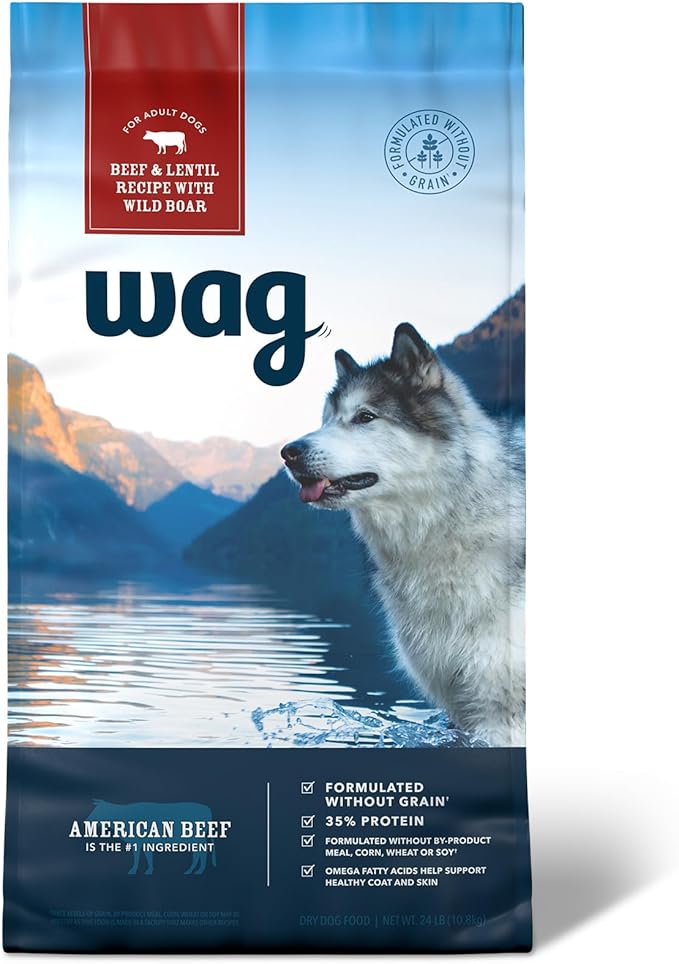
Wag Dry Dog Food
Amazon Brand – Wag Dry Dog Food Grain-Free Chicken & Lentil Recipe, High Protein (24 lb bag)
3. Is It an Allergy? Recognizing the Signs
Figuring out if your dog is allergic to chicken can feel like detective work because the symptoms often mimic other issues. The clues are there; you just need to know what to look for.
The most common signs are physical and often centered on the skin. Is your dog:
- Scratching relentlessly, to the point of creating hot spots or losing hair?
- Suffering from chronic ear infections, often with a dark, waxy discharge?
- Licking or chewing their paws until they’re stained and sore?
- Dealing with recurring skin infections?
But it’s not always on the surface. Gastrointestinal signs are also huge red flags. Keep an eye out for frequent vomiting, diarrhea, or excessive gas after meals.
Sometimes, the pain and discomfort of constant itching can even lead to behavioral changes. A normally happy dog might become lethargic, withdrawn, or even snappish because they simply don’t feel good. It’s not them being “bad”—it’s them trying to tell you something’s wrong.
A key question to ask is: do these symptoms happen year-round? If yes, you’re likely dealing with a Chicken Free Dog Food allergy rather than an environmental one (like pollen), which tends to be seasonal.
4. Getting a Diagnosis: Don’t Guess, Test!
You can’t solve a mystery without good evidence. While your vet is your ultimate partner in this, the journey to a diagnosis often starts at home.
The gold standard for diagnosing a Chicken Free Dog Food allergy is an elimination diet trial. This isn’t just switching to a new bag of Chicken Free Dog Food from the store. It’s a strict 8–12 week process where you feed your dog a diet with a single, novel protein source (something they’ve never had, like kangaroo, venison, or duck) and a single carbohydrate (like sweet potato or quinoa).
Here’s the critical part: nothing else passes their lips. No treats, no flavored medications, no table scraps. It has to be completely pure. If the symptoms clear up, you’ve found your culprit. You can then “challenge” your dog by reintroducing chicken to see if the symptoms return, confirming the allergy.
You might hear about blood or saliva tests for allergies. While they exist, most veterinarians will tell you they are notoriously unreliable for Chicken Free Dog Food allergies. They can produce false results, leaving you more confused. An elimination diet, while time-consuming, is the most accurate method.
This is why working with your vet is non-negotiable. They can help you choose the right diet, rule out other issues like parasites or yeast infections, and ensure your dog stays healthy throughout the process. Keep a symptom journal during the trial—notes on their itching, ear health, and stool quality are invaluable data.
5. The Silver Lining: Benefits of Going Chicken-Free
Once you identify a chicken allergy and make the switch, the transformation can feel miraculous. The benefits extend far beyond just stopping the itch.
The most immediate and rewarding change is symptom relief. Watching your dog finally stop scratching, their skin heal, and their digestive system settle is worth every ounce of effort. It’s a return to a normal, comfortable life for them.
Many of these alternative diets are packed with high-quality, novel proteins and easily digestible carbs that are kinder on the stomach. This often leads to improved nutrient absorption, smaller and firmer stools, and less gas.
Many chicken-free recipes leverage proteins like salmon or whitefish, which are naturally rich in Omega-3 fatty acids. These are superstar nutrients for reducing inflammation throughout the body, leading to a healthier, shinier coat and calmer skin.
By moving away from the most common protein, you’re also expanding your dog’s dietary world. Introducing a variety of proteins can help prevent them from developing new sensitivities down the road. The best part? High-quality Chicken Free Dog Food is formulated to be nutritionally complete for all life stages, from bouncy puppies to dignified seniors.
6. Navigating the Aisles: Types of Chicken Free Dog Food
Walk into any pet store, and the options are overwhelming. Here’s a breakdown of what you’re actually looking at.
Grain-Free vs. Grain-Inclusive: This is a big one. It’s a common misconception that grains are a frequent allergen. For most dogs, they aren’t. Grain-free formulas use alternatives like potatoes and legumes. However, if your vet suspects a grain allergy on top of a chicken allergy, a grain-free option might be best. Otherwise, a grain-inclusive diet with oats or brown rice is a perfectly healthy choice.
Limited Ingredient Diets (LIDs) are a godsend for allergy sufferers. They are specifically designed with a minimal number of components—often just one protein and one carbohydrate source. This simplicity makes it incredibly easy to identify what your dog is and isn’t reacting to.
The heart of a chicken-free diet is the novel protein. These are proteins your dog’s system hasn’t been exposed to, so it’s unlikely to have built up an allergy. Great options include:
- Lamb: A rich, flavorful protein that’s often very palatable.
- Fish: Salmon and whitefish are excellent for their skin-supporting omega-3s.
- Beef: A good option, though some dogs can be sensitive to it as well.
- Exotic Proteins: For severe allergies, venison, kangaroo, or even alligator can be the answer.
For dogs with extreme, complex allergies, vets often prescribe hydrolyzed protein diets. Through a process called hydrolysis, the protein molecules are broken down so small that the immune system no longer recognizes them as an allergen, effectively making them “hypoallergenic.”
Finally, the raw and freeze-dried movement offers biologically appropriate options that are minimally processed and free from many common allergens, though they require more careful handling and storage.
7. Top Picks: Chicken-Free Brands You Can Trust
Now for the practical part: what should you actually buy? Here’s a look at some standout brands that have earned the trust of pet owners and veterinarians alike.
| Brand | What Makes It Great | Ideal For |
|---|---|---|
| Taste of the Wild | Uses unique proteins like bison and venison. Grain-free formulas with probiotics for gut health. | Owners looking for a affordable, high-quality kibble with a variety of novel proteins. |
| Wellness Simple | A stellar Limited Ingredient line. Uses just a single protein and a easily digestible carb like potato or oatmeal. | Dogs with multiple sensitivities or those in the middle of an elimination diet. |
| Canidae Pure | Another fantastic LID option with limited ingredients but a wide variety of protein choices like salmon, lamb, and boar. | Families with multiple dogs, as it offers formulas for all life stages. |
| The Farmer’s Dog | This is a fresh, subscription service. They prepare human-grade meals (like turkey or beef) and portion them for your dog. | Pet parents who want the ultimate in quality and convenience and don’t mind a higher price point. |
| Purina Pro Plan Sensitive Skin & Stomach | A salmon and rice formula that’s a vet favorite. It’s not exotic but is a great chicken-free option backed by extensive research. | Dogs who need a gentle, well-researched diet without venturing into exotic proteins. |
The rise of fresh Chicken Free Dog Food delivery services like The Farmer’s Dog and Ollie has been a game-changer for dogs with allergies. While more expensive, they offer gently cooked, human-grade meals that are customized to your dog’s specific needs, often with dramatic results.
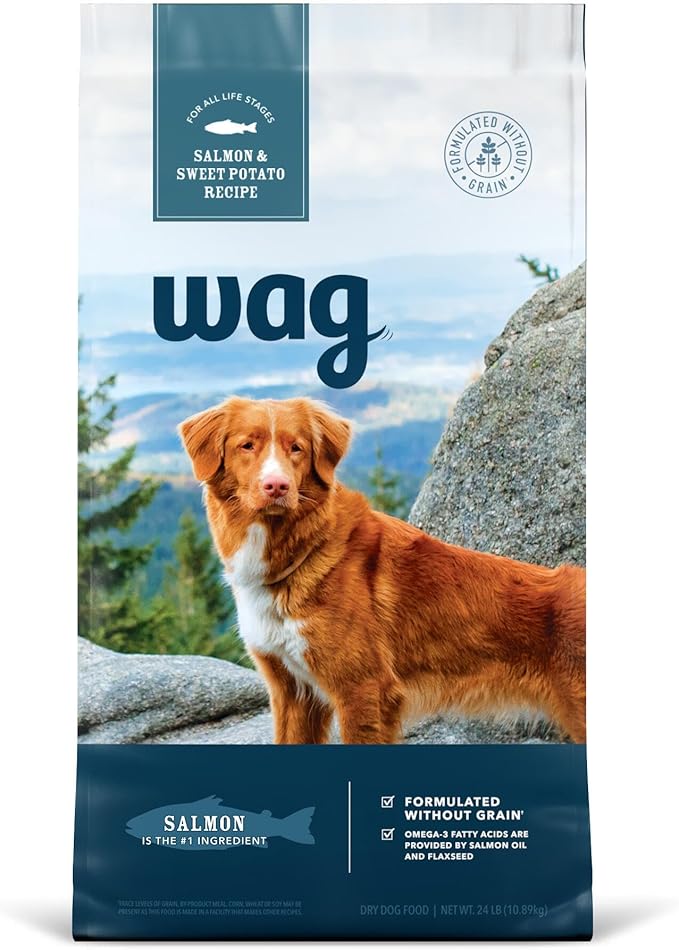
Chicken Free Dog Food
Amazon Brand – Wag Dry Dog Food Salmon & Sweet Potato, Grain Free 24 lb Bag
8. Making the Switch: How to Transition to a Chicken-Free Diet
So, you’ve picked out the perfect bag of salmon and sweet potato kibble. You’re excited to see your dog feel better. But hold on—if you simply swap the old food for the new one overnight, you might be in for a messy surprise. A sudden change in diet is a classic recipe for digestive upset, which can look confusingly like the allergy symptoms you’re trying to solve.
The key to a successful transition is to take it slow and steady. Plan for this process to take about 7 to 10 days. Start by mixing a small amount of the new Chicken Free Dog Food in with their current food. Think of it as a 25/75 blend (new/old). Keep an eye on their stool; if everything seems fine after a couple of days, increase the ratio to a 50/50 mix.
A few days later, move to 75% new Chicken Free Dog Food and only 25% of the old stuff. If your dog is handling it like a champ, you can then make the full switch to 100% new food. This gradual method gives your dog’s gut microbiome—the community of beneficial bacteria that aids digestion—time to adjust to the new ingredients.
What if your dog is a picky eater and turns their nose up at the new healthy stuff? This is a common hurdle. Try warming the Chicken Free Dog Food slightly to enhance its aroma, or add a tablespoon of a dog-friendly topper like plain pumpkin puree, plain yogurt (if they tolerate dairy), or a low-sodium bone broth. The goal is to make the new Chicken Free Dog Food more enticing without complicating the elimination process.
Once they’re fully transitioned, stick with the new diet exclusively for at least 8-12 weeks before judging its effectiveness. Healing takes time.
9. Playing Detective: Ingredients to Watch Out For
Here’s where you need to become a expert label reader. Avoiding plain “chicken” is the easy part. The real challenge is spotting the hidden chicken derivatives that manufacturers use in all sorts of products.
Chicken can lurk in your dog’s Chicken Free Dog Food under many aliases. Be on high alert for ingredients like:
- Chicken Free Dog Food
- Chicken by-product meal
- Chicken fat (a very common fat source)
- Chicken broth or chicken stock
- Poultry by-products
If you see these on the ingredient list, put the bag back on the shelf. This is non-negotiable for a dog with a true allergy.
Another often-overlooked risk is cross-contamination. Even if the formula itself is chicken-free, the Chicken Free Dog Food might be made in a facility that also processes chicken-based products. Tiny particles can get into other batches. For dogs with severe allergies, this trace amount can be enough to cause a reaction. Many high-quality brands will state on their packaging if their product is made in a dedicated allergy-friendly facility—this is a huge plus.
While you’re scrutinizing the label, also keep an eye out for unnecessary fillers and artificial junk like corn syrup, artificial colors, and vague “meat” by-products. These don’t necessarily cause allergies, but they can irritate sensitive systems and offer zero nutritional value. A clean label with recognizable ingredients is always your best bet.
10. The DIY Route: Homemade Chicken Free Dog Food
Some owners, frustrated by hidden ingredients and processing, decide to take matters into their own kitchens. Making your dog’s Chicken Free Dog Food at home gives you total control over every single ingredient that goes into their bowl.
The biggest benefit is complete transparency. You know exactly what the protein source is (say, lean ground beef or lamb), what carbs are included (like quinoa or brown rice), and what vegetables are added (think green beans or carrots). It can be a lifesaver for dogs with multiple, severe allergies.
But—and this is a very big but—consulting with a veterinary nutritionist is absolutely critical. It’s shockingly easy to create a homemade diet that is dangerously deficient in essential nutrients like calcium, certain vitamins, or trace minerals. What looks healthy to you might be incomplete for your dog.
If you’re going to try it, here’s a simple, balanced recipe to discuss with your vet or nutritionist. This is for illustrative purposes only to get you started.
Sample Recipe: Simple Beef & Sweet Potato Dinner
- 1 lb lean ground beef (or another novel protein like lamb)
- 1 cup chopped carrots
- 1 cup chopped green beans
- 2 cups cooked sweet potato, mashed
- 2 tablespoons of olive oil or salmon oil
- A balanced vitamin-mineral supplement (as prescribed by your vet)
- In a large skillet, thoroughly cook the ground beef until no longer pink. Drain off any excess fat.
- While the beef is cooking, lightly steam the carrots and green beans until tender but not mushy.
- In a large bowl, combine the cooked beef, steamed vegetables, mashed sweet potato, and oil.
- Let the mixture cool completely before serving.
- Most importantly: Thoroughly mix in the vet-recommended supplement to ensure the meal is nutritionally complete.
A word of caution: Homemade diets require careful planning and should only be a long-term solution under professional guidance. It’s a big commitment, but for the right owner and dog, it can be the ultimate solution to managing allergies.
11. Your Questions, Answered: Chicken Free Dog Food FAQs
Q: Can my dog really thrive long-term without chicken in their diet?
A: Absolutely, 100% yes. Dogs don’t have a biological requirement for chicken. They have a requirement for high-quality protein. As long as their chicken-free diet is nutritionally complete and balanced—which all the reputable brands are—they will get everything they need to live a long, healthy, and active life from other protein sources like fish, lamb, or beef.
Q: Are chicken-free foods always more expensive?
A: They can be, but it’s not a hard rule. Novel proteins like venison or kangaroo are often more costly than mass-produced chicken, which will drive the price up. However, many great chicken-free options use more common alternatives like salmon or beef and are priced competitively. Furthermore, consider the potential savings on vet bills for allergy treatments, medicated shampoos, and ear infections that you’ll avoid by solving the root cause.
Q: What if my finicky dog refuses to eat the new food?
A: Patience is key. Remember the transition tips: go slow and use enticing, low-risk toppers like a bit of warm water, low-sodium broth, or pumpkin puree. Sometimes, persistence for a few days is all it takes as their taste adjusts. If one novel protein (e.g., fish) is rejected, another (e.g., lamb) might be an instant hit.
Q: Is grain-free the same as chicken-free? And is it better?
A: This is a crucial distinction. No, they are not the same. A food can be chicken-free but still contain grains like barley or oats. Conversely, a grain-free food might use chicken as its main protein. The choice between grain-free and grain-inclusive should be based on your dog’s specific needs, not trends. Most veterinarians now recommend avoiding grain-free diets unless a specific grain allergy has been diagnosed by your vet, due to potential links to heart disease (DCM).
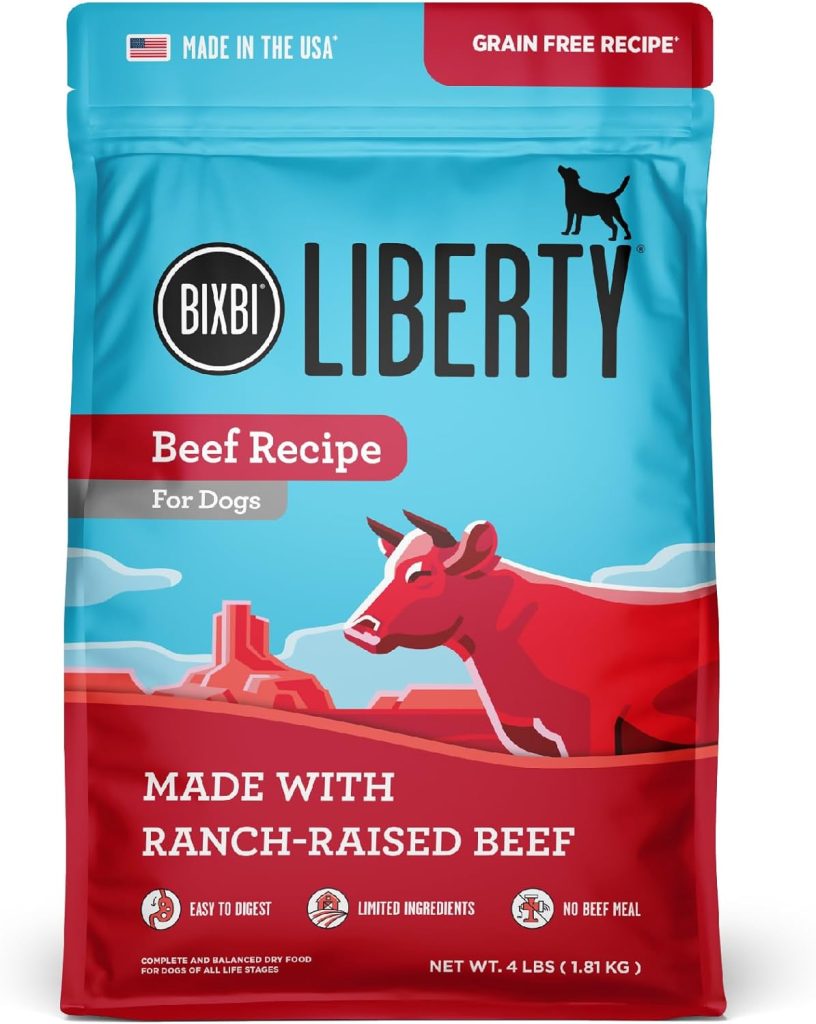
Chicken Free Dog Food
BIXBI Liberty Grain Free Dry Dog Food, Beef, 4 lbs – Fresh Meat, No Meat Meal, No Fillers – Gently Steamed & Cooked – No Soy, Corn, Rice or Wheat for…
12. Conclusion: A Happier, Healthier Life for Your Best Friend
Navigating the world of Chicken Free Dog Food can feel overwhelming at first. From the initial worry of seeing your dog uncomfortable to the detective work of an elimination diet, it’s a journey. But what’s on the other side is worth every bit of effort: a comfortable, vibrant, and happy dog.
The path to finding the right Chicken Free Dog Food is a powerful reminder that there is no one-size-fits-all solution in pet nutrition. What works for the Labrador next door might be all wrong for your sensitive Bulldog. This journey is about listening to your dog’s unique needs and responding with care. You are their biggest advocate.
While this guide provides a solid foundation, your veterinarian is your most valuable partner. Their expertise is irreplaceable, especially when it comes to getting an accurate diagnosis and ensuring any new diet—especially a homemade one—is perfectly balanced for your dog’s health, age, and breed.
Taking the proactive step to identify a Chicken Free Dog Food allergy is one of the most impactful things you can do for your pet’s quality of life. By eliminating the source of their discomfort, you’re not just stopping the itch; you’re giving them back their joy. You’re replacing restless nights with peaceful sleep and swapping irritated skin for a coat you love to pet.
We’d love to hear about your experiences. What Chicken Free Dog Food worked for your dog? Share your success stories and tips with other pet owners in the comments below. Your story could be the one that helps another frustrated owner find a solution.