1. Complete Guide for Your Furry Friend
Choosing the best food for your dog is one of the most important decisions a pet parent can make. Lamb dog food has become a popular choice among many dog owners for its nutritional benefits and digestibility. In this article, we’ll explore lamb dog food in-depth: what it is, its nutritional value, the health benefits for your dog, and how to choose the best lamb-based food for your pup. Whether you’re considering lamb dog food because your dog has food sensitivities or because you’re simply looking for a high-quality protein, this guide will help you make an informed decision.
If you’re exploring lamb dog food, you’re likely seeking a healthy, flavorful option for your dog. But what makes lamb a good choice for your pet? Lamb is a rich source of high-quality protein, and many owners choose lamb-based food for its ability to provide essential amino acids and nutrients. It’s also known for being easier to digest, which makes it an excellent choice for dogs with sensitive stomachs or food allergies.
In this article, we’ll delve into:
- What lamb dog food is and its different forms
- Nutritional benefits, including protein and healthy fats
- Why lamb can be a great option for dogs with sensitivities
- How to choose the best lamb dog food based on your pet’s needs
2. What Is Lamb Dog Food?
Definition and Explanation of Lamb as a Protein in Dog Food
Lamb dog food refers to any dog food where lamb is the primary source of protein. As a meat protein, lamb offers a rich amino acid profile that supports muscle development, growth, and energy levels. It’s often recommended for dogs that need a high-quality protein source or those with food sensitivities.
Lamb is also a more novel protein compared to commonly used meats like chicken or beef, making it a suitable choice for dogs that may have developed allergies or intolerances to those more traditional protein sources.
Lamb Meat vs. Lamb Meal: What’s the Difference?
When shopping for lamb dog food, you’ll likely encounter both lamb meat and lamb meal in the ingredient list. Understanding the difference between these two can help you make a more informed choice.
- Lamb Meat: This refers to fresh lamb that’s been cooked to remove moisture. It’s a good source of protein but may be more perishable than dried meal.
- Lamb Meal: Lamb meal is a dried version of lamb, where the moisture has been removed, leaving behind a concentrated protein source. It’s often preferred in dog food because it provides a higher concentration of protein and is more shelf-stable.
Both forms offer nutritional benefits, but lamb meal typically provides a more consistent and concentrated protein source, which can be beneficial in balanced dog food formulations.
Common Forms of Lamb Dog Food
Lamb dog food comes in several forms, making it easy to find a product that suits your dog’s needs and preferences. Some of the most popular forms include:
- Dry kibble: A convenient, easy-to-store form of lamb dog food that’s often available in both regular and grain-free options. It’s great for dogs with no dietary sensitivities.
- Wet or lamb stew: This form is highly palatable and can be an excellent choice for dogs that need more hydration or are picky eaters. Wet food is often served in cans or pouches.
- Grain-free lamb dog food: Ideal for dogs with grain sensitivities or allergies, these formulas typically feature lamb as the primary protein source, along with vegetables and other non-grain ingredients.
- Limited ingredient diets: These are great for dogs with food allergies or sensitivities. These diets typically contain lamb as the only animal protein and are formulated to reduce the risk of food reactions.
- Raw or freeze-dried lamb products: Some dog owners prefer to feed their pets raw or minimally processed food. These products often include raw lamb and may be freeze-dried to preserve nutrients.
3. Nutritional Value of Lamb Dog Food
Lamb is not just tasty; it’s also packed with essential nutrients that support your dog’s overall health.
Protein Content and Amino Acids
Protein is the cornerstone of a healthy dog diet, and lamb is a high-quality protein that provides a rich source of essential amino acids. Amino acids are the building blocks of muscle, skin, and coat. Lamb contains a mix of amino acids that promote lean muscle mass, repair tissues, and support the immune system.
Healthy Fats: Omega‑3 and Omega‑6 Fatty Acids
Another key benefit of lamb dog food is its content of omega‑3 and omega‑6 fatty acids. These healthy fats are essential for:
- Maintaining a shiny coat and healthy skin
- Supporting brain function and reducing inflammation
- Promoting joint health and overall well-being
Lamb provides a good balance of omega‑6 fatty acids, which are necessary for overall health, and omega‑3 fatty acids, which have anti-inflammatory properties.
Vitamins and Minerals in Lamb Dog Food
Lamb is not only an excellent source of protein and fats but also contains important vitamins and minerals, including:
- B-vitamins: Vital for energy production and maintaining healthy skin.
- Iron: Necessary for red blood cell formation and oxygen transport.
- Zinc and Selenium: Important for immune function and cell repair.
These vitamins and minerals ensure that lamb-based diets provide complete and balanced nutrition for your dog.
4. Health Benefits of Feeding Lamb Dog Food
Boosts Lean Muscle and Energy Levels
Because lamb is a rich source of protein, it helps dogs build and maintain lean muscle. High-quality protein like lamb also supports dogs’ energy levels, making it ideal for active dogs or working breeds that need sustained energy throughout the day.
Digestive Health Support
Lamb is considered a gentle protein on the digestive system. For dogs with sensitive stomachs, lamb-based food can reduce the chances of gastrointestinal upset, making it easier for them to digest food compared to more common proteins like beef or chicken. Lamb is often found in limited ingredient diets, which eliminate potential irritants and allergens.
Immune System Support with Antioxidants
Lamb contains various nutrients, including antioxidants, which help strengthen the immune system and fight off free radicals that can cause damage to cells. Antioxidants like vitamin E and zinc are particularly important for maintaining long-term health and supporting the body’s natural defenses.
Skin and Coat Enhancements
The omega fatty acids found in lamb are great for improving your dog’s skin health and giving them a glossy, soft coat. These healthy fats also reduce the chances of dry, flaky skin and promote overall dermatological health.
Better Option for Dogs with Sensitivities or Allergies
One of the biggest advantages of lamb dog food is that it’s often used in formulas designed for dogs with food allergies or sensitivities. Many dogs develop sensitivities to common proteins like chicken or beef, and lamb can be a good alternative since it’s less likely to cause an allergic reaction. Lamb-based diets are commonly used in hypoallergenic dog foods, and they offer a healthy, digestible option for sensitive dogs.
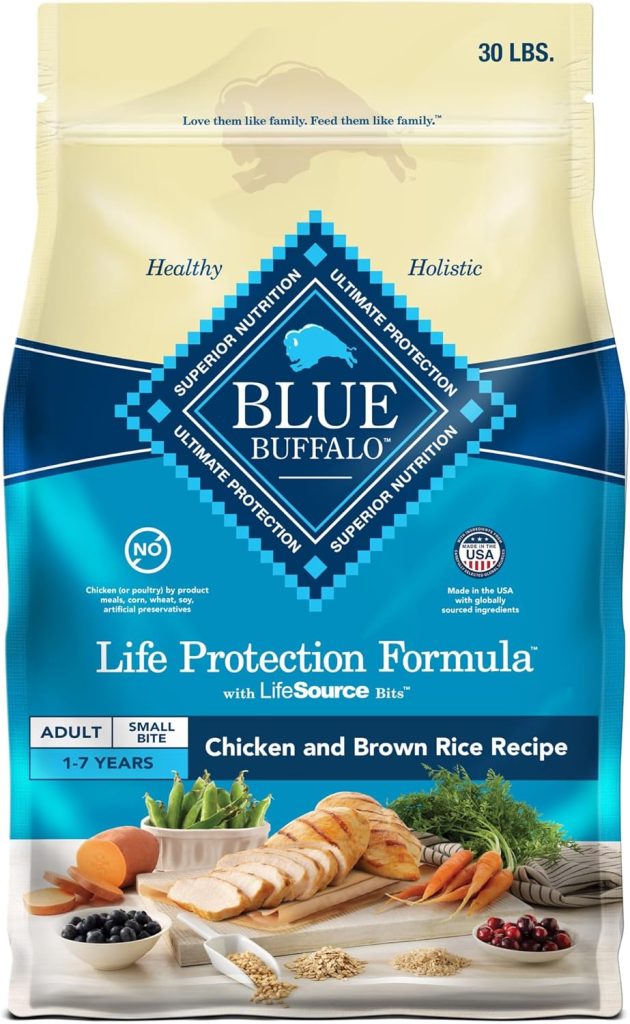
Dry Dog Food
Blue Buffalo Life Protection Formula Adult Small Bite Dry Dog Food, Helps Build and Maintain Strong Muscles, Made with Natural Ingredients, Chicken &..
5. Types of Lamb Dog Food
When it comes to feeding your dog lamb-based food, there are a variety of options available. The form you choose largely depends on your dog’s preferences and any specific dietary needs they may have. Let’s break down the most common types of lamb dog food:
Dry Kibble with Lamb
Dry kibble is a convenient and widely available option. It’s easy to store, has a long shelf life, and is great for dogs that enjoy crunching their food. Most lamb dog food kibble is formulated to be nutritionally complete, offering protein, vitamins, and minerals your dog needs.
Why it’s great:
- Easy to measure and store
- Good for dogs who need a long-lasting snack or dental benefits
- Suitable for active dogs who require consistent energy
However, if your dog has a sensitive stomach or prefers wet food, this might not be the best option. Dry kibble, though nutritious, can sometimes be hard to digest for certain dogs.
Wet/Lamb Stew or Pâté Options
If your dog is more of a wet food lover, you’ll be pleased to know that there are plenty of lamb stew and pâté options out there. These are often available in cans or pouches and provide a more palatable choice for picky eaters.
Why it’s great:
- More moisture content, which is great for hydration
- Often preferred by dogs with dental issues, as it’s easier to chew and swallow
- Tends to be more flavorful, especially for dogs with lower appetite
However, wet food is generally more perishable and may come with a higher price tag compared to dry kibble.
Limited Ingredient Lamb Dog Food for Sensitive Pups
For dogs with food sensitivities or allergies, limited ingredient lamb dog food could be the answer. These foods typically contain lamb as the single animal protein and minimal additives or grains, helping reduce the chance of an allergic reaction. It’s often formulated with simple ingredients to provide the essential nutrients your dog needs without triggering digestive issues.
Why it’s great:
- Helps manage food allergies and sensitivities
- Simpler, cleaner formula
- Often contains fewer fillers and artificial additives
If your dog has a sensitive stomach or food intolerances, limited ingredient diets like these are well worth considering.
Raw or Freeze-Dried Lamb Products
For pet owners who believe in the raw food diet philosophy, there are options that include raw lamb or freeze-dried lamb products. These often feature high-quality, minimally processed lamb that’s closer to its natural state. Raw food diets have gained popularity for their potential benefits, including increased energy levels, better digestion, and shinier coats.
Why it’s great:
- Closely mimics your dog’s ancestral diet
- Retains more nutrients due to minimal processing
- Suitable for dogs with dietary needs that require less processing
However, raw diets may not be for everyone, and they do require careful handling to prevent bacterial contamination.
Lamb Treats and Toppers
Aside from full meals, lamb-based treats and meal toppers are a great way to add variety to your dog’s diet. These can be especially helpful for training, rewarding good behavior, or adding an extra boost of flavor to their meals.
Why it’s great:
- Easy way to incorporate lamb protein into your dog’s daily diet
- Great for training purposes or as an occasional treat
- Toppers can improve palatability if your dog is a picky eater
Lamb treats and toppers can be a good addition to your dog’s regular food, but they should not replace a balanced meal.
6. Comparing Lamb to Other Protein Sources
Choosing the right protein for your dog involves more than just considering the flavor or cost. It’s important to understand how lamb stacks up against other protein sources like chicken and beef. Let’s take a closer look at how lamb compares:
Lamb vs. Chicken
Chicken is a staple protein in many dog foods, but it may not be the best option for dogs with sensitivities to more common proteins. Lamb, on the other hand, is considered a novel protein in comparison, which makes it a safer option for dogs that have outgrown sensitivities to chicken or beef. Here’s how they compare:
| Feature | Lamb | Chicken |
|---|---|---|
| Protein Quality | High-quality, lean protein | Great source of protein, but common allergen |
| Digestibility | Easier on sensitive stomachs | Can be difficult for some dogs to digest |
| Cost | More expensive | More affordable, widely available |
Why choose lamb over chicken?
- If your dog has a chicken allergy, lamb could be a great alternative.
- For dogs with digestive issues, lamb may be easier on their stomachs due to its gentler properties.
Lamb vs. Beef
Beef is another popular protein source, but like chicken, it’s often found in many dog food brands, making it a common allergen. Lamb tends to be more digestible, especially for dogs that have difficulty processing beef. Lamb also provides a lower fat content compared to beef, which is an important factor for overweight or senior dogs.
| Feature | Lamb | Beef |
|---|---|---|
| Protein Quality | Lean, rich in essential amino acids | High protein, but can be higher in fat |
| Fat Content | Lower in fat | Higher fat, may not be suitable for all dogs |
| Flavor | Mild and rich in flavor | Strong flavor, sometimes off-putting to picky dogs |
Why choose lamb over beef?
- Lamb offers a leaner option compared to beef, making it a good choice for dogs needing to manage weight.
- Lamb is easier to digest and tends to be less likely to cause an allergic reaction compared to beef.
Pros and Cons of Lamb in Rotational Diets
Feeding your dog lamb as part of a rotational diet can be a great way to keep meals interesting and prevent food fatigue. Here’s a breakdown of the pros and cons:
Pros:
- Rotating proteins like lamb can provide variety and improve acceptance of food.
- It helps reduce the risk of protein sensitivity that can arise from feeding the same protein every day.
Cons:
- Lamb can be more expensive than more common proteins, which might make rotation difficult for some owners.
- If you’re rotating lamb with other proteins, you’ll need to be careful to maintain a balanced diet.
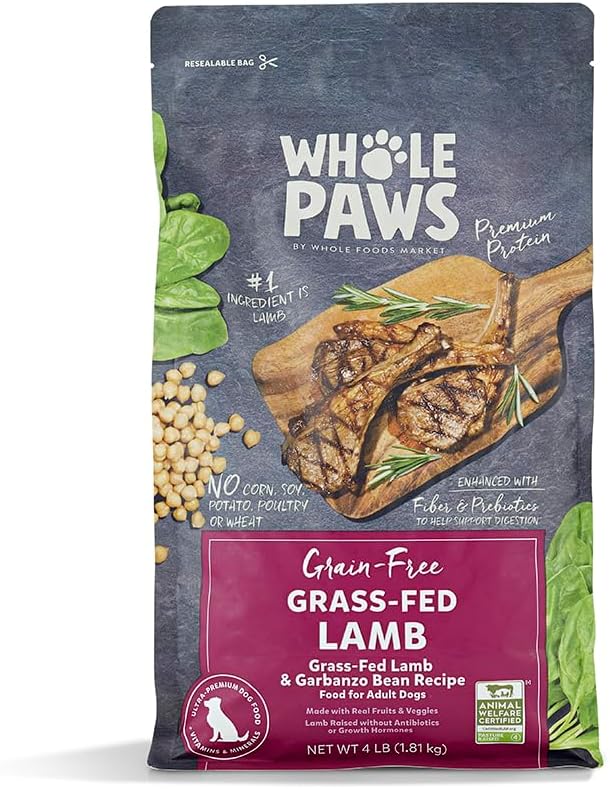
Grain-Free Adult Dog Food
Whole Paws by Whole Foods Market, Grain-Free Adult Dog Food, Grass-Fed Lamb & Garbanzo Bean Recipe, 4 Pound
7. How to Read Lamb Dog Food Labels
Understanding what’s in your dog’s food starts with knowing how to read the label. When it comes to lamb dog food, there are a few things to look for to ensure you’re choosing the best option for your pet.
Importance of Lamb as the First Ingredient
When checking the ingredients list, lamb should be listed first. This ensures that lamb is the primary source of protein in the food, not a byproduct or secondary ingredient. Be wary of foods that list meat byproducts, as they might contain lower-quality cuts of meat.
Understanding Lamb Meal vs. Fresh Meat
As we mentioned earlier, lamb meal is more concentrated than fresh lamb meat. If you see lamb meal as one of the top ingredients, it means that the food has a higher percentage of protein derived from lamb, which is often a good thing. However, some pet owners prefer fresh lamb for the taste and texture.
Identifying Fillers and Additives
Good-quality lamb dog food should contain few fillers like corn, wheat, or soy. These ingredients are often used to bulk up the food but don’t provide much in terms of nutritional value. Instead, look for foods that include healthy sources of fiber, like sweet potatoes, pumpkin, or peas.
8. Best Lamb Dog Food for Different Needs
When shopping for lamb dog food, it’s important to consider your dog’s specific life stage, health requirements, and preferences. Just like people, dogs have different nutritional needs based on their age, activity level, and sensitivities. Below, we’ll break down the best lamb dog food options based on your dog’s unique needs.
Best Lamb Dog Food for Puppies
Puppies need food that supports their rapid growth and energy levels, and lamb-based formulas can provide the right balance of nutrients. Puppy-specific lamb dog foods are often higher in calories, protein, and fat, ensuring your pup grows up strong and healthy. Look for options that include omega fatty acids, DHA (for brain development), and other essential vitamins.
Why it’s great:
- Supports healthy growth and development
- Rich in nutrients and energy
- Easy to digest for young dogs
Best Lamb Dog Food for Adults
As your dog transitions into adulthood, their diet will need to adjust to maintain a healthy weight, muscle tone, and overall well-being. Adult lamb dog food often contains a moderate amount of fat and protein, making it perfect for maintaining lean muscle without overloading your dog with extra calories. Lamb is an excellent protein source, and many brands offer grain-free and limited ingredient options to cater to various sensitivities.
Why it’s great:
- Balanced protein for muscle maintenance
- Lower fat content for weight management
- Promotes energy without excess weight gain
Best Lamb Dog Food for Seniors
Senior dogs have unique nutritional needs. As they age, they may require fewer calories but more joint support, digestive aid, and immune-boosting ingredients. Lamb dog foods designed for seniors often feature higher-quality fats (like omega‑3s) to support their joints, as well as fiber-rich ingredients to help digestion. These foods are also generally lower in calories to keep weight in check.
Why it’s great:
- Gentle on older dogs’ digestive systems
- Supports joint health and mobility
- Suitable for less active dogs
Best Grain-Free Lamb Dog Food
If your dog has sensitivity to grains or allergies, a grain-free lamb diet can be a great option. Many dogs with food sensitivities find lamb easier to digest compared to common proteins like chicken or beef. Plus, grain-free formulas often focus on higher-quality, more digestible carbs like sweet potatoes, peas, or pumpkin, which provide fiber and vitamins.
Why it’s great:
- Ideal for dogs with grain allergies or sensitivities
- Focuses on high-quality, digestible carbs
- Helps maintain healthy skin and coat
Best Limited Ingredient Lamb Dog Food
For dogs with food allergies or sensitivities, limited ingredient lamb dog food can be a life-saver. These formulas typically include lamb as the only animal protein, with a small number of additional ingredients to reduce the chance of an allergic reaction. Limited ingredient diets are often simpler and easier for sensitive dogs to process, making them an excellent choice for pups with stomach issues or allergies.
Why it’s great:
- Fewer ingredients reduce the risk of allergies or intolerances
- Easy to digest for dogs with sensitive stomachs
- Helps pinpoint any potential food issues
9. Feeding Guidelines & Portion Sizes
Feeding your dog the right amount of food is essential for maintaining a healthy weight and overall well-being. However, how much lamb dog food should you feed your dog? Portion sizes vary based on your dog’s age, size, and activity level. Here are some general guidelines to help you determine the right amount:
How Much Lamb Dog Food to Feed
Every dog is different, and feeding guidelines will vary by brand, but most manufacturers provide recommendations based on your dog’s weight. As a general rule of thumb:
- Small dogs (up to 20 lbs): 1/4 to 1 cup per day
- Medium dogs (21-50 lbs): 1 to 2 cups per day
- Large dogs (51-100 lbs): 2 to 3 cups per day
- Extra-large dogs (over 100 lbs): 3+ cups per day
Adjusting for Age, Activity, and Weight
- Puppies and highly active dogs will need more food to fuel their energy needs, so their portion sizes may be larger.
- Senior dogs or less active dogs may need smaller portions to avoid weight gain.
- Overweight dogs may benefit from smaller meals or a lower-calorie formula to help manage their weight.
It’s always important to follow the specific feeding guidelines provided by the manufacturer, but these are good starting points.
Transitioning from One Diet to Another
If you’re transitioning your dog to lamb dog food from another type of food, make sure to do so gradually. Switching too quickly can lead to digestive upset. Here’s how to transition your dog to lamb-based food:
- Start by mixing about 25% of the new lamb food with 75% of your dog’s current food for the first 3-4 days.
- Gradually increase the lamb food portion while decreasing the old food over the next 7-10 days.
- By the end of the transition period, your dog should be fully switched to lamb-based food.
10. Pros and Cons of Lamb Dog Food
Just like any food choice, lamb dog food comes with its own set of pros and cons. While lamb is a nutritious, digestible protein source, it might not be the best option for every dog. Here’s a look at the main advantages and potential downsides of feeding lamb to your dog.
Pros of Lamb Dog Food
- Nutrient-rich protein source: Lamb provides high-quality protein that’s easily digestible and packed with essential amino acids.
- Good for sensitive stomachs: Lamb is a gentler protein that’s often easier to digest, making it a good choice for dogs with food sensitivities or digestive issues.
- Less common allergen: Since lamb is less frequently used in dog foods compared to chicken or beef, it can be a great choice for dogs with allergies to more common proteins.
- Rich in healthy fats: Lamb provides omega‑3 and omega‑6 fatty acids that promote healthy skin, coat, and joints.
Cons of Lamb Dog Food
- Can be more expensive: Lamb-based dog food tends to be pricier than food made with chicken or beef, which could be a factor to consider for some dog owners.
- Not suitable for all dogs: Some dogs may still develop allergies or sensitivities to lamb, especially if they’re already allergic to other meats.
- Higher fat content: Depending on the cut of lamb used, the fat content can sometimes be higher than other animal proteins, which might not be ideal for overweight dogs or those with pancreatitis.
11. Common Questions About Lamb Dog Food
Here are some common questions dog owners often have about lamb dog food, along with helpful answers.
Is Lamb Dog Food Good for Puppies?
Yes! Lamb dog food is an excellent choice for puppies. It provides the necessary protein and fats they need for healthy growth, and lamb is easy on their developing digestive system.
Can Lamb Dog Food Help with Allergies?
Absolutely. Lamb is considered a novel protein, meaning that many dogs who have food sensitivities to more common proteins like chicken or beef may tolerate lamb better. It’s commonly used in hypoallergenic dog food formulas for this reason.
Can All Dogs Eat Lamb?
While lamb is a great choice for many dogs, not all dogs will do well with it. Some dogs may still have allergic reactions or intolerances to lamb, though this is rare. If you’re unsure, it’s always best to consult with your veterinarian before switching your dog to lamb-based food.
12. Choosing the Best Lamb Dog Food for Your Dog
With so many options out there, selecting the best lamb dog food for your pet can be tricky. Here are a few things to consider when choosing:
- Life stage: Puppies, adults, and seniors all have different nutritional needs, so be sure to choose food designed for your dog’s age.
- Health considerations: If your dog has allergies or sensitivities, a limited ingredient diet or grain-free option may be best.
- Consult with your vet: If you’re unsure about the right diet for your dog, your vet can provide guidance on whether lamb-based food is the best choice.
13. Conclusion
Lamb dog food can be a wonderful choice for your pet, especially if they have food sensitivities or need a high-quality protein source. With its rich nutritional profile, easy digestibility, and ability to support healthy skin, coat, and joints, lamb is a versatile option for dogs of all ages. By choosing the right lamb dog food for your dog’s unique needs, you’re providing them with a nutritious and tasty meal that will help them live a happy, healthy life.