
1. Which Is Better for Your Pet?
When it comes to feeding your dog, protein is the cornerstone of a healthy diet. As a pet owner, you’re likely aware that chicken and lamb are two of the most popular protein sources in dog food. However, choosing between these two can be challenging, especially since they both offer distinct benefits and drawbacks.
In this article, we’ll dive into the differences between chicken vs lamb dog food to help you determine which protein is the best choice for your dog. From digestibility to nutritional content, we’ll cover everything you need to know to make an informed decision based on your dog’s unique needs.
Why Dog Owners Compare Chicken and Lamb Dog Food
When selecting dog food, chicken and lamb are often the go-to protein choices for many pet parents. But what makes these proteins stand out, and why should dog owners consider them when choosing a food brand? While both are excellent sources of protein, there are several factors—like digestibility, fat content, and specific health benefits—that may sway your decision.
In this article, we’ll compare chicken and lamb dog food across several dimensions:
- Nutritional benefits of each protein
- Health advantages for different types of dogs
- Digestibility and energy levels
- Cost considerations and availability
We’ll also provide some insights into when you should consider chicken or lamb dog food, depending on your dog’s specific needs. Whether your dog is active, sensitive to certain ingredients, or simply a picky eater, we’ll guide you to the best option.
2. Understanding Protein Sources in Dog Food
The Role of Protein in a Dog’s Diet
Protein is crucial for maintaining your dog’s muscle mass, supporting their immune system, and promoting healthy growth and repair. It also provides energy, which is essential for active dogs. In a balanced diet, protein should come from high-quality sources, ensuring that your dog gets the right amino acids and essential nutrients.
Importance of Choosing the Right Protein Source
The right protein source is especially important for dogs with specific dietary needs. For example, some dogs might be sensitive to certain proteins or struggle to digest them properly. Lamb and chicken are popular choices for dog food because they are considered high-quality proteins that are generally easy to digest. However, each protein has unique qualities that might make it more suitable for particular dogs.
Overview of Common Protein Options
While chicken and lamb are two common protein choices, other popular proteins in dog food include:
- Beef: A rich source of protein but sometimes a common allergen.
- Turkey: Lean and high in nutrients.
- Fish: Rich in omega-3 fatty acids and great for skin and coat health.
Each protein has its pros and cons, which we’ll break down below when comparing chicken and lamb.
3. Nutritional Comparison: Chicken vs Lamb
Now, let’s get into the nutritional differences between chicken and lamb dog food. While both are protein-packed options, they vary in calories, fat content, and micronutrients.
Calorie Content Differences
- Chicken tends to be leaner and lower in calories compared to lamb, making it ideal for weight management diets.
- Lamb, on the other hand, is usually higher in fat and therefore provides more calories per serving, which can be beneficial for active or working dogs that need sustained energy.
Protein Levels and Amino Acid Profiles
- Both chicken and lamb provide a high level of protein, but lamb is generally a more energy-dense protein.
- Lamb is a novel protein for many dogs, making it a good choice for those with sensitivities to more common proteins like chicken.
- The amino acid profiles of both proteins are rich in essential nutrients for your dog’s muscle repair, growth, and immune function.
Fat Content and Types of Fat
- Chicken typically has lower fat content, which can be beneficial for weight control or dogs with certain health issues (e.g., pancreatitis).
- Lamb has higher fat content, making it a better option for high-energy dogs or those needing extra calories to maintain weight.
Vitamins and Minerals Comparison
Both chicken and lamb are rich in essential vitamins and minerals like iron, B-vitamins, and zinc. Here’s a breakdown of key nutrients in each:
| Nutrient | Chicken | Lamb |
|---|---|---|
| Iron | Moderate | Higher |
| B-Vitamins | Rich in B3, B6 | Rich in B12, niacin |
| Zinc | Present | Higher |
| Omega Fatty Acids | Moderate | Higher |
Both proteins provide vital omega-3 and omega-6 fatty acids, though lamb is higher in these fats, which can support joint health, skin and coat quality, and cognitive function.
4. Digestibility & Energy
How Chicken Is Generally Leaner and Easier to Digest
- Chicken is often considered a leaner protein, making it easier for dogs to digest, particularly for those with sensitive stomachs or digestive issues.
- Because it’s lower in fat, chicken-based dog foods are often a go-to for dogs prone to obesity or those in need of weight management diets.
Lamb as a More Energy-Dense Protein Source
- Lamb, with its higher fat content, provides a more energy-dense meal. This makes it a great option for active dogs or working dogs that need sustained energy throughout the day.
- However, the higher fat content may not be ideal for dogs with weight concerns or those that don’t require as many calories.
Activity Level Considerations
- Active dogs, like working breeds or highly energetic pets, may benefit more from lamb-based dog food because of the higher energy content.
- Low-activity dogs or those on a weight management diet may fare better with chicken dog food, due to its lower fat and calorie content.
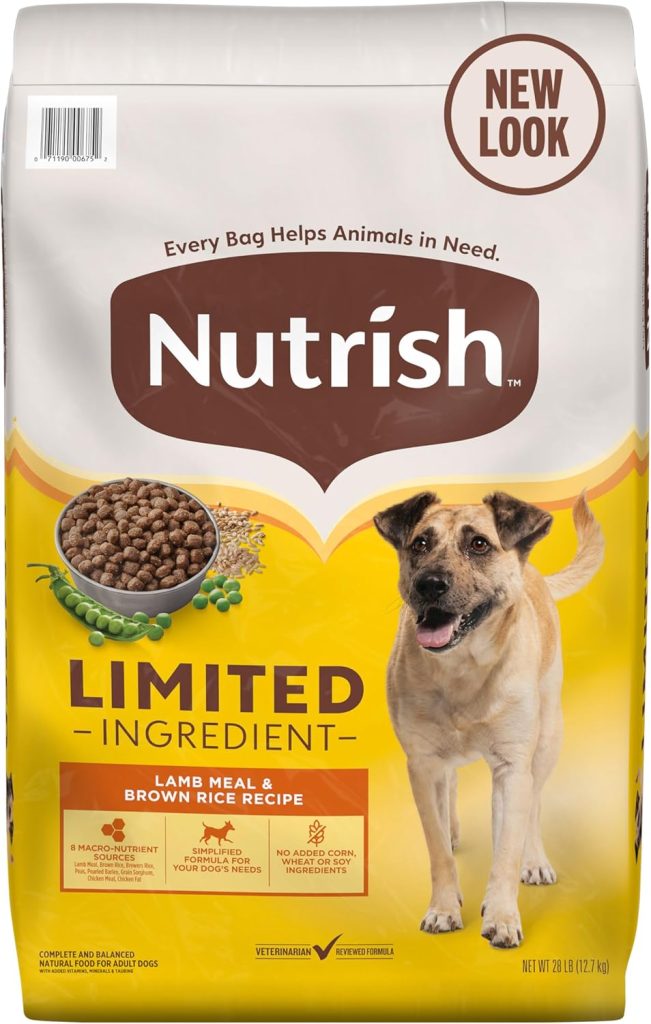
Lamb Meal & Brown Rice Recipe Dry Dog Food
Nutrish Limited Ingredient Lamb Meal & Brown Rice Recipe Dry Dog Food, 28 lb. Bag, Packaging May Vary (Rachael Ray)
5. Health Benefits of Chicken Dog Food
Supports Lean Muscle and Weight Control
- Chicken-based dog food is excellent for maintaining lean muscle and controlling weight due to its lower fat content. It’s a great option for dogs that need to stay lean or for those on a calorie-restricted diet.
Rich in Essential Amino Acids and Nutrients
- Chicken is packed with essential amino acids, which are the building blocks of protein and help in muscle growth and repair. It’s also a good source of B-vitamins, which support energy metabolism and the nervous system.
Common and Widely Available Protein
- One of the reasons chicken is so popular in dog food is its availability and affordability. It’s a readily available, high-quality protein that can be used in a wide variety of dog food formulas, making it easy for dog owners to find.
Great for General Maintenance Diets
- For dogs with no special dietary needs, chicken dog food offers a balanced, straightforward option. It’s suitable for everyday meals and helps maintain overall health.
6. Health Benefits of Lamb Dog Food
Often Used in Hypoallergenic or Sensitive-Stomach Diets
- Lamb is considered a novel protein and is less likely to cause allergic reactions in dogs compared to chicken or beef. Many dogs with food sensitivities or allergies to more common proteins do well on lamb-based food.
Higher Fat Provides Sustained Energy
- As mentioned earlier, lamb has a higher fat content than chicken, making it a good source of sustained energy. This makes lamb-based dog food ideal for high-energy dogs or those who need extra calories to maintain weight.
Rich in Certain Micronutrients (e.g., Iron, Zinc)
- Lamb is a great source of iron and zinc, both of which are crucial for maintaining strong immunity, promoting healthy skin, and supporting overall bodily functions.
May Help Picky Eaters
- Some dogs simply prefer the taste of lamb over chicken. If you have a picky eater, lamb-based dog food might be more appealing to your dog’s taste buds, making mealtime more enjoyable.
7. Allergies and Food Sensitivities
Chicken Is a Common Allergen for Some Dogs
For many dogs, chicken is a common allergen. This is especially true for dogs that have been eating chicken-based food for a long time. Over time, a dog’s immune system may begin to react to the proteins in chicken, causing symptoms like itchy skin, digestive issues, and ear infections. If you’ve noticed your dog scratching a lot, or if they have gas or diarrhea after meals, it may be time to consider an alternative protein.
Lamb Often Chosen as a Novel Protein Alternative
When dogs develop allergies to chicken or beef, lamb is often recommended as a novel protein. This means it’s a protein that your dog has likely never encountered in their food, which reduces the likelihood of an allergic reaction. Lamb-based dog food is especially popular for dogs who have developed sensitivities to common proteins.
It’s important to note that not all dogs will have an issue with chicken, but for those who do, lamb dog food can be a great alternative. It provides high-quality protein without the risk of triggering food sensitivities, and its unique nutrient profile makes it a great option for sensitive dogs.
Misconceptions About Hypoallergenic Diets
Many people believe that hypoallergenic diets are the answer to all food-related problems, but it’s essential to remember that a food being labeled “hypoallergenic” doesn’t necessarily mean it will work for every dog. It’s crucial to look at the ingredients and ensure that the food doesn’t include hidden allergens, such as corn, soy, or wheat. Also, just because your dog has a chicken allergy doesn’t automatically mean lamb will work – each dog is different, so always monitor their reaction when switching to a new food.
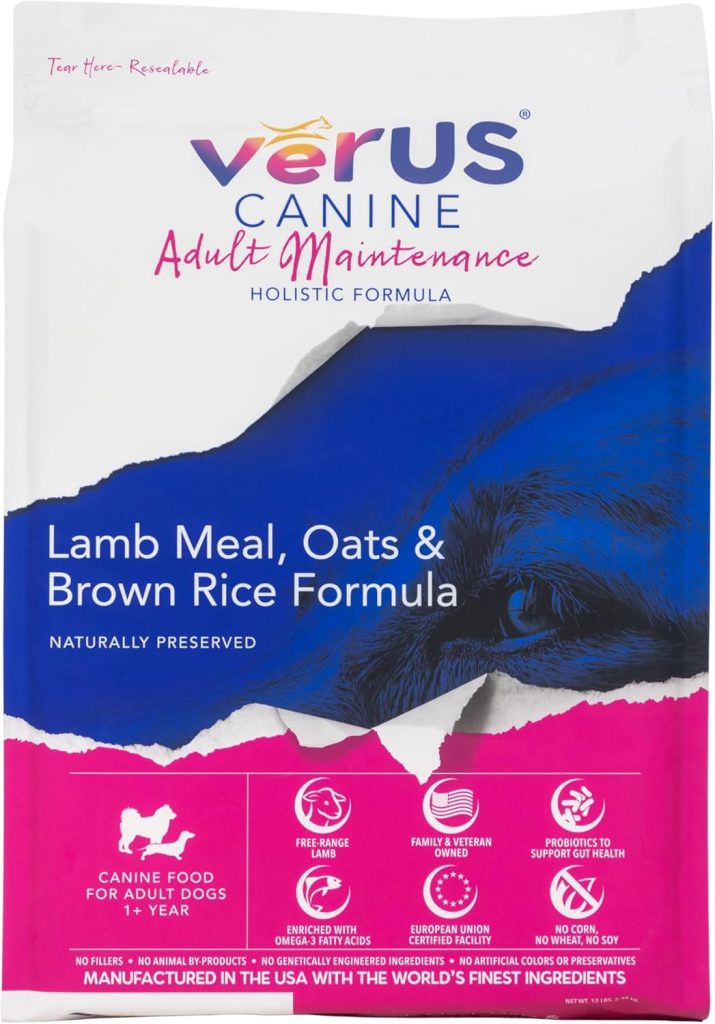
VeRUS Pet Foods Dry Dog Food Lamb
VeRUS Pet Foods Dry Dog Food Lamb, Adult Maintenance Formula 35lb Bag
8. Cost & Availability Considerations
Chicken-Based Dog Foods Are Typically More Affordable
When it comes to the cost of dog food, chicken-based formulas are often less expensive than lamb-based ones. Chicken is a widely available and cost-effective protein source, making it more affordable for manufacturers to produce. This translates to lower costs for the consumer, making chicken dog food a popular choice for families looking for budget-friendly options.
If cost is a concern and you’re on a tight budget, chicken-based dog food might be your best bet. However, the savings might come at the expense of quality or digestive ease for some dogs, especially those with sensitivities.
Lamb Formulas May Be Pricier
On the other hand, lamb-based dog foods can be more expensive. This is primarily due to the fact that lamb is a less common protein compared to chicken, and it tends to be pricier for manufacturers to source. Additionally, lamb is often used in premium or specialty dog foods designed for dogs with specific dietary needs, such as sensitive stomachs or food allergies, which can also raise the price.
While lamb is typically more expensive, some dog owners find that it’s worth the extra cost, especially if they have a dog with sensitive digestion or one that requires a novel protein to avoid allergies.
Availability in Mainstream vs. Specialty Brands
Chicken-based dog foods are available in almost every pet store, and they can be found in mainstream brands, as well as premium dog food lines. You’ll likely have no trouble finding chicken-based options for your dog, whether you’re shopping at a local store or online.
However, lamb-based dog foods are less widely available. You may find them more frequently in specialty brands that cater to allergy-friendly or premium diets. Lamb-based foods are often marketed as high-end, which is why they are available mostly through specialty pet food brands.
9. Which Protein Is Better for Your Dog?
Factors to Consider: Age, Activity Level, Allergies, Weight Goals
Choosing the best protein for your dog ultimately depends on several factors:
- Age: Puppies, adults, and senior dogs all have different nutritional needs. For example, a growing puppy may require a higher-fat diet, which lamb can provide, while an older dog may need a leaner protein, like chicken, to help manage weight.
- Activity level: Active dogs that burn more calories may benefit from the higher fat content in lamb, which can provide them with more sustained energy. On the other hand, less active dogs may do better with chicken-based food due to its lower fat content.
- Food allergies or sensitivities: If your dog has digestive sensitivities, or is allergic to more common proteins, lamb could be the better option. Lamb is less likely to trigger an allergic reaction in dogs that can’t tolerate chicken.
- Weight goals: Chicken is generally better suited for weight management due to its lower fat content, while lamb might be more appropriate for dogs who need extra calories or energy.
Not One “Best for All” — Depends on Individual Needs
There’s no definitive answer to whether chicken or lamb is the best protein for every dog. The right choice depends on your dog’s unique needs. Some dogs thrive on chicken-based diets, while others benefit more from lamb. For many dogs with food allergies, lamb may be a better option, but for healthy adult dogs without allergies, chicken is often the go-to.
Nutritional Goals and Life Stages
When choosing between chicken and lamb, you should also consider your dog’s life stage:
- Puppies: Both chicken and lamb can be suitable for puppies, but consider your puppy’s digestive health. If your puppy is sensitive to chicken, lamb could be a better option.
- Adult Dogs: For healthy adult dogs, either protein can be appropriate. Consider factors like activity level, weight, and allergies to decide between chicken and lamb.
- Senior Dogs: Senior dogs may require leaner options, so chicken could be the better choice. However, if your senior dog needs more energy, lamb’s higher fat content might be a good fit.
10. When to Choose Chicken Dog Food
Lean Protein Needs
If your dog needs lean protein to maintain a healthy weight or manage muscle mass, chicken dog food is an excellent choice. It’s generally lower in fat than lamb, making it ideal for dogs on weight management diets.
Weight Management Goals
For dogs that need to shed some pounds or maintain their ideal weight, chicken’s lower fat content can help keep calories in check. It’s an excellent choice for overweight dogs or those that aren’t particularly active.
No Known Allergies
If your dog has no known allergies or sensitivities to chicken, it’s a safe, affordable, and readily available protein source. It’s especially useful for dogs that have no issues digesting it and don’t experience allergic reactions.
11. When to Choose Lamb Dog Food
Food Sensitivities or Allergies
Lamb is a novel protein that many dogs with food allergies find easier to tolerate. If your dog has sensitivities to common proteins like chicken or beef, lamb-based food can provide a safe alternative. It’s especially helpful for dogs suffering from skin irritation or digestive issues due to chicken.
Need for Higher Energy Diet
If your dog is highly active or a working breed, lamb may be a better option due to its higher fat content, which provides more calories and sustained energy. Active dogs need a protein source that will fuel their energy needs without causing weight gain.
Preference or Palatability Issues
Some dogs simply prefer the taste of lamb over chicken. If you’ve tried chicken-based dog food, and your dog refuses to eat or is a picky eater, switching to lamb might make mealtime a bit easier.
12. Combining Proteins or Rotational Feeding
Potential Benefits of Rotating Protein Sources
For dogs with no specific allergies or sensitivities, rotating proteins like chicken, lamb, and other sources can offer several benefits:
- Variety: Dogs may enjoy the change in flavor and texture.
- Prevents food fatigue: Feeding the same protein over time can lead to a lack of interest in food. Rotating proteins can keep meals exciting.
- Supports digestive health: A rotational diet can help prevent your dog from developing sensitivities to one particular protein.
How This Can Support Digestive Health and Prevent Sensitivities
By rotating between proteins, you’re giving your dog’s digestive system a chance to adjust to different types of proteins, reducing the chances of developing sensitivities. This approach can also help promote a balanced diet and ensure your dog gets a range of nutrients from different sources.
13. Frequently Asked Questions
When it comes to choosing between chicken vs lamb dog food, many dog owners have a few key questions. Let’s address some of the most common queries to help you make the best decision for your dog.
Is Chicken Easier for Dogs to Digest Than Lamb?
Yes, generally speaking, chicken tends to be easier to digest for most dogs compared to lamb. Chicken is a lean protein that many dogs find gentle on their stomachs, especially those without food sensitivities. Lamb, while a great alternative for dogs with allergies, has a higher fat content and may take slightly longer to digest. However, some dogs may still find lamb more digestible than other proteins like beef or pork, especially if they have issues with common allergens.
If your dog has a sensitive stomach or digestive issues, chicken is likely a safer first choice. But, if they’re prone to developing sensitivities or allergies over time, you might want to consider rotating with lamb or other proteins.
Can Lamb Really Reduce Allergy Symptoms?
For dogs with food allergies, lamb can be an excellent alternative to more common proteins like chicken and beef. Lamb is a novel protein, meaning it’s less likely to have been introduced in your dog’s previous diet, reducing the likelihood of an allergic reaction. Many owners opt for lamb-based food when their dogs develop sensitivities to chicken or beef, as it tends to be gentler on their systems.
However, it’s important to note that while lamb is less common, it’s not guaranteed to be hypoallergenic for all dogs. Each dog’s immune system is different, and while lamb might help reduce symptoms for some, it may still cause issues for others. Always monitor your dog closely when switching to a new protein source.
Should All Dogs Avoid Grains If Fed Lamb or Chicken?
Not necessarily. Grain-free dog food options, like those made with lamb, can be a great choice for dogs with grain sensitivities, but not all dogs need to avoid grains. Grains like rice, oats, and millet are often digestible for many dogs and can provide beneficial fiber for digestion.
The choice between grain-free and grain-inclusive food largely depends on your dog’s health status. If your dog suffers from grain allergies, a grain-free lamb food might be beneficial. But if they don’t have any grain sensitivities, a chicken-based formula that includes grains may be just as healthy and more affordable.
How Do I Transition Between Chicken and Lamb Dog Food?
Switching from one protein source to another, such as from chicken to lamb, should be done gradually to avoid upsetting your dog’s stomach. Here’s a simple guide to transitioning your dog’s food:
- Days 1-3: Mix 25% lamb food with 75% chicken food.
- Days 4-6: Mix 50% lamb with 50% chicken food.
- Days 7-10: Increase to 75% lamb food with 25% chicken food.
- Day 11 onwards: Feed your dog 100% lamb food.
This gradual transition helps your dog’s digestive system adjust to the new protein, reducing the chances of gas, diarrhea, or other stomach issues. Always keep an eye on your dog’s stool and behavior during this transition, and consult your vet if anything unusual arises.
14. Conclusion
Choosing the right protein source for your dog is crucial for their overall health and well-being. Both chicken and lamb offer distinct benefits, but the right choice largely depends on your dog’s unique health needs.
Recap of Chicken vs Lamb Dog Food Differences
- Chicken is leaner, more easily digestible, and often a great option for dogs with no food sensitivities. It’s affordable, widely available, and perfect for weight management.
- Lamb is richer in fat, providing sustained energy and making it an excellent choice for active dogs or those needing a higher-calorie diet. It’s also a fantastic alternative for dogs with food allergies or sensitivities, especially when compared to chicken.
Final Guidance on Choosing Based on Your Dog’s Health Needs
When choosing between chicken and lamb, you’ll need to consider your dog’s activity level, age, and any food sensitivities they may have. For active, high-energy dogs, lamb might provide the extra fat and calories they need. For dogs that need a leaner diet or have chicken as their primary protein, switching to lamb can provide a useful alternative without causing upset.
Lastly, always consult with your veterinarian if you’re unsure about which protein is best for your dog. They can help you make a decision based on your dog’s health history and dietary needs, ensuring a safe and effective food transition.