
1. Everything You Need to Know for Your Furry Friend
When it comes to feeding our dogs, choosing the right type of food is essential for their health and happiness. One option that has been gaining popularity is wet lamb dog food. But what makes wet lamb dog food stand out, and why should you consider it for your pet? In this article, we’ll dive into the ins and outs of wet lamb dog food—why it’s a great choice for many dogs, how it compares to dry kibble, and the best practices for feeding it to your furry friend.
What Is Wet Lamb Dog Food?
Wet lamb dog food is a specific type of dog food that uses lamb as the main protein source, offering a moisture-rich alternative to traditional dry kibble. It comes in several different forms, such as paté, stew, or gravy, making it a versatile and often more palatable option for dogs. For dogs with food sensitivities or digestive issues, lamb can be a great alternative to more common proteins like chicken or beef. Wet food generally has a higher moisture content, which helps keep your dog hydrated and can be gentler on their digestive system.
Why Do Pet Owners Choose Wet Food Over Dry?
There are several reasons pet owners might opt for wet food instead of dry kibble:
- Hydration: Wet food is rich in moisture, which helps dogs stay hydrated, especially if they don’t drink enough water.
- Taste and Palatability: Many dogs find wet food more flavorful, making it a great choice for picky eaters or dogs with reduced appetites.
- Easier to Chew: Wet food is easier to chew, especially for senior dogs or those with dental issues. It can be gentler on their teeth and gums.
- Helps With Appetite: If your dog has trouble eating or is undergoing medical treatment that affects their appetite, wet food may stimulate eating due to its smell and texture.
2. What Is Wet Lamb Dog Food?
Defining Wet Dog Food
Wet dog food refers to any dog food that contains high levels of moisture (usually around 75-78%) compared to dry kibble, which typically contains around 10% moisture. Wet food can come in cans, pouches, or trays, and it typically has a softer texture than dry food.
What Does “Lamb” Mean in Wet Dog Food?
When we talk about lamb in wet dog food, we’re referring to the protein source used in the formula. Lamb is a great option because it’s easier to digest for many dogs, especially those with food sensitivities. It also provides high-quality protein that supports muscle development, energy levels, and overall health.
Unlike more common proteins like chicken or beef, lamb is considered a novel protein, making it ideal for dogs that have developed sensitivities to those proteins. By choosing lamb, you’re offering your dog a unique source of protein, which is less likely to cause allergic reactions.
Common Formats of Wet Lamb Dog Food
Wet lamb dog food is available in several formats, each catering to different dog preferences and needs. The most common forms include:
- Paté: A smooth, spreadable form that’s easy for dogs to eat.
- Gravy: Shredded lamb mixed with a savory gravy, making it extra flavorful.
- Stew: Lamb chunks cooked in a broth, offering a more hearty texture.
- Chunks in Gravy: A combination of lamb pieces and gravy for added moisture and taste.
Each type offers a different texture and can be mixed with dry kibble or served on its own. Many dogs enjoy wet food because it is tender, making it easier to chew and digest, especially for seniors or dogs with dental problems.
3. Benefits of Lamb as a Protein Source
High-Quality Protein for Muscle Maintenance
Lamb is an excellent source of high-quality protein, which is essential for maintaining lean muscle mass. It provides your dog with the amino acids they need to build and repair tissues. Protein is also crucial for your dog’s immune system and overall vitality. Compared to some other meats, lamb has a higher-fat content, which can be particularly beneficial for active dogs or those that need extra calories for energy.
Rich in Amino Acids, Healthy Fats, Vitamins, and Minerals
Lamb provides a wide range of nutrients that are important for your dog’s health:
- Amino acids: Essential for muscle growth, energy, and tissue repair.
- Healthy fats (Omega-3 & Omega-6): These fatty acids promote healthy skin, coat, and cognitive function, while also supporting joint health.
- Vitamins: Lamb is rich in B-vitamins, which are crucial for energy production and maintaining a healthy nervous system.
- Minerals: Zinc, iron, and selenium are essential for immune function, healthy bones, and cell repair.
Lamb-based dog foods often provide a balanced nutrient profile, making them a great choice for supporting overall well-being.
Tasty and Appealing to Most Dogs
One of the most significant advantages of lamb as a protein source is its taste. Lamb is known for its rich flavor, which makes it highly appealing to dogs, especially picky eaters or dogs with decreased appetites. Wet lamb food can be a delicious treat for dogs who are otherwise uninterested in their meals.
Good Alternative for Dogs with Chicken/Beef Sensitivities
If your dog has allergies or sensitivities to more common proteins like chicken or beef, lamb can be an excellent alternative. It’s a novel protein, meaning it’s often the first time your dog is introduced to it, reducing the chances of an allergic reaction. Many owners with dogs suffering from chronic skin issues or digestive problems choose lamb because of its hypoallergenic properties. If your dog struggles with food allergies, lamb-based dog food can provide a gentler option that’s still rich in protein.
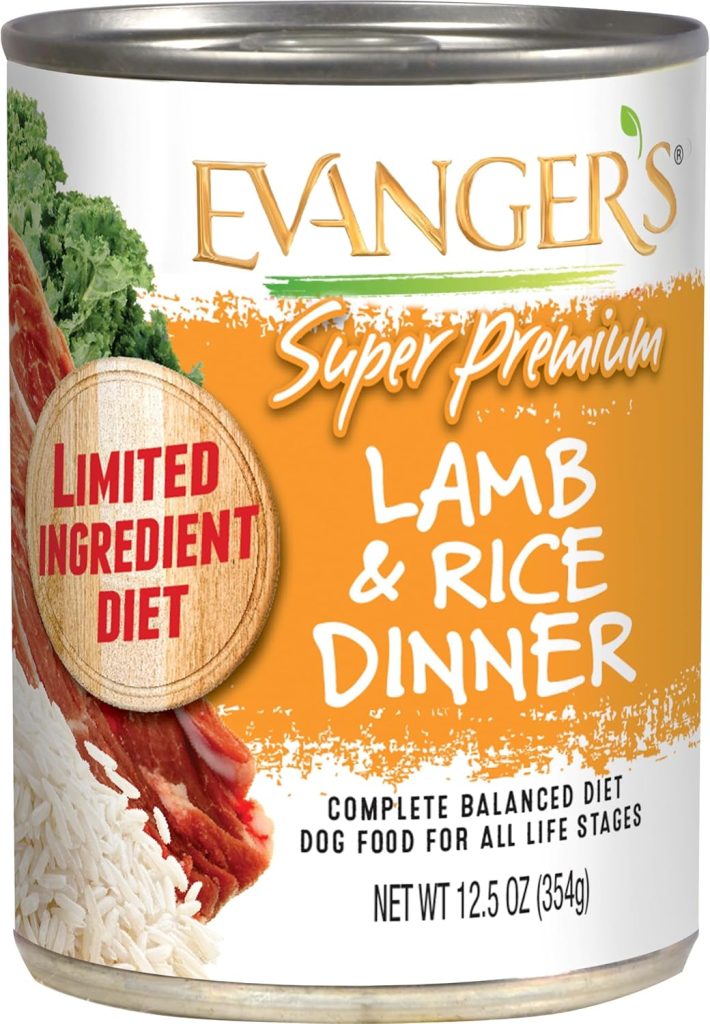
Super Lamb & Rice Dinner
Evanger’s Super Lamb & Rice Dinner – 12 Count, 12.5 oz Each – Limited Ingredient Diet, Grain & Gluten Free, Fortified with Spinach & Kale –…
4. Why Choose Wet Food for Lamb Diets
Higher Moisture Content Supports Hydration
One of the main benefits of wet lamb dog food is its high moisture content, which typically ranges from 75-78% water. This higher moisture content helps keep your dog hydrated, especially if they don’t drink enough water throughout the day. Proper hydration is essential for digestion, joint health, and overall well-being.
For dogs that are prone to urinary tract issues, wet food can be especially helpful in maintaining urinary tract health by ensuring they drink more water.
Easier to Chew and Digest
Wet food is easier for dogs to chew, especially for seniors or dogs with dental issues. For older dogs, chewing hard kibble can be uncomfortable, and wet food provides a more tender option. It’s also easier to digest, which can be helpful for dogs with sensitive stomachs or those recovering from illness or surgery. The soft texture of wet food reduces the risk of gastrointestinal discomfort that can sometimes occur with dry kibble.
Often More Palatable Than Dry Food
Many dogs find wet food more appealing than dry kibble, and this is especially true for picky eaters. The rich aroma and texture of wet lamb food often stimulate dogs’ appetites, encouraging them to eat, even when they’ve been reluctant to do so. If your dog is particularly choosy or refuses dry food, wet lamb dog food might be the solution.
Can Boost Appetite in Picky Eaters
If you have a picky eater, feeding them wet lamb dog food can help tempt them into finishing their meal. The rich flavor of lamb combined with the moist texture of wet food can make mealtime more enjoyable for even the most finicky dogs.
5. Nutritional Comparison: Wet vs Dry Lamb Dog Food
Now that we’ve explored the general benefits of wet lamb dog food, let’s take a closer look at how wet lamb compares to dry lamb dog food in terms of nutrition, calories, and digestibility.
Moisture Content Differences
The most obvious difference between wet and dry lamb dog food is the moisture content. Wet food is made up of about 75-78% water, while dry food contains only about 10% moisture. This means that wet food provides more hydration, which can be particularly important for dogs that struggle to drink enough water.
Impact on Calorie Density and Hydration
Because of its high moisture content, wet lamb food is generally lower in calories per cup compared to dry food. While dry food is more calorie-dense, the additional moisture in wet food can help maintain hydration levels, making it a better choice for dogs who need more water intake.
Digestibility and Nutrient Bioavailability
Wet food tends to be easier to digest because it’s softer and easier on the stomach, especially for dogs with sensitive digestion. The higher moisture content also helps improve the bioavailability of nutrients, meaning that dogs can absorb the nutrients in the food more efficiently.
| Nutrient | Wet Lamb Dog Food | Dry Lamb Dog Food |
|---|---|---|
| Moisture | 75-78% | 10-12% |
| Calories (per cup) | Lower | Higher |
| Protein | Similar | Similar |
| Fat | Lower | Higher |
6. Top Ingredients to Look For
When choosing wet lamb dog food, it’s essential to focus on the ingredients. High-quality ingredients ensure your dog gets the right balance of nutrients, so let’s dive into what makes wet lamb food a great option for your pup.
Real Lamb as the First Ingredient
The first thing to look for in any lamb-based dog food is real lamb as the primary ingredient. High-quality lamb is an excellent source of protein, essential for maintaining muscle and promoting overall health. Be sure to check that lamb and lamb meal are listed at the top of the ingredient list, as this indicates that lamb is the primary protein source.
Lamb meal is a concentrated form of lamb that has been dehydrated to remove moisture. It’s packed with protein, which helps in muscle repair and growth. While fresh lamb is great, lamb meal ensures that your dog gets a highly concentrated dose of nutrition.
Inclusion of Lamb Broth or Lamb Liver for Flavor
Some brands go the extra mile by adding lamb broth or lamb liver to their formulas. These ingredients not only enhance the flavor but also boost the nutritional value of the food. Lamb liver is an excellent source of vitamin A, iron, and zinc, and it helps support immune function and energy levels.
Whole Veggies and Fruits for Fiber and Antioxidants
High-quality wet lamb food often includes a variety of whole vegetables and fruits. These ingredients add fiber, which aids in digestion and helps keep your dog’s bowels healthy. Fruits and vegetables are also rich in antioxidants, which help protect against free radical damage and support immune system health.
Look for ingredients like sweet potatoes, pumpkin, peas, and carrots, which are commonly found in well-formulated lamb-based wet dog foods. These ingredients not only add essential nutrients but also provide a natural, tasty flavor that most dogs love.
Avoid Fillers Like Corn, Soy, and Wheat
When selecting wet lamb food, steer clear of brands that use fillers such as corn, soy, and wheat. These ingredients don’t contribute much in terms of nutrition and can sometimes trigger allergic reactions in sensitive dogs. A good lamb-based food will focus on whole ingredients that are easy to digest and nutritionally beneficial.

Chicken Dinner Adult Wet Dog Food
Grain Free Small Breed Lamb & Chicken Dinner Adult Wet Dog Food – Fish Oil Omega 3 Fatty Acids – High Protein No Corn Wheat Soy – Real Vegetables..
7. Types of Wet Lamb Dog Food
There are various types of wet lamb dog food to choose from, each designed to cater to different dietary needs and preferences. Let’s take a look at the most common varieties.
Grain-Free Lamb Wet Food
If your dog has a grain allergy or is sensitive to grains like corn or wheat, grain-free lamb wet food is a great option. These formulas typically feature lamb as the main protein source, with vegetables and fruits added for fiber and essential nutrients. The grain-free approach helps reduce the chances of allergic reactions while providing high-quality nutrition for your dog.
Grain-free wet food is also a great choice for dogs who have trouble digesting grains, as it’s often easier on their stomachs. It also tends to be more hydrating, which is beneficial for dogs that don’t drink enough water on their own.
Grain-Inclusive Lamb Wet Food with Veggies and Whole Grains
For dogs that can tolerate grains, grain-inclusive lamb wet food might be a better fit. This type of food includes grains like oats, barley, and rice, which provide a steady source of energy and fiber. Whole grains can support digestive health and are an excellent addition to a well-balanced diet.
Grain-inclusive formulas are ideal for dogs that need more calories or those who require extra fiber for optimal digestion. These foods typically also include a mix of vegetables and fruits for added nutrients.
Prescription or Therapeutic Lamb Wet Foods
Some dogs have specific health needs that require prescription or therapeutic diets. For dogs with health conditions such as kidney disease, diabetes, or sensitive stomachs, prescription lamb-based wet food is often recommended. These formulas are designed to provide the necessary nutrients while accommodating specific health conditions.
For example, renal diets might have reduced phosphorus to protect kidney function, while sensitive stomach formulas may include added probiotics to aid digestion. Always consult your vet if your dog has a health condition that requires a specialized diet.
Lamb Wet Food as a Meal Topper vs Complete Meal
Many pet owners choose to use wet lamb food as a meal topper to enhance the flavor of dry kibble, especially if their dog is a picky eater. Lamb’s rich flavor makes it a great way to encourage your dog to eat and get the necessary nutrients.
Alternatively, wet lamb food can be fed as a complete meal. These formulas are often nutritionally balanced and contain everything your dog needs for a full diet. If you decide to feed wet food as a complete meal, make sure it’s complete and balanced to ensure your dog gets all the nutrients they need.
8. How to Feed Wet Lamb Dog Food
When switching to or introducing wet lamb dog food, it’s important to consider your dog’s weight, activity level, and age to determine the right amount. Here’s how to properly feed your dog:
Portioning Based on Weight, Activity, and Life Stage
Each dog is unique, so the amount of food they require will vary depending on their size, age, and activity level. For example:
- Small dogs (up to 15 lbs) might need 1/4 to 1/2 can per meal.
- Medium-sized dogs (16-40 lbs) may require 1/2 to 1 can per meal.
- Large dogs (41-70 lbs) typically need 1 to 1.5 cans per meal.
- Extra-large dogs (over 70 lbs) may need 2+ cans per meal.
These guidelines are just a starting point. Always check the feeding recommendations on the specific product you’re using and adjust portions based on your dog’s individual needs.
Combining Wet Lamb Food with Dry Kibble
Some dogs enjoy a combination of both wet and dry food. You can mix wet lamb food with dry kibble to add variety and enhance the flavor of the meal. When doing this, you may need to adjust the portions of both foods to prevent overfeeding.
If you decide to mix wet and dry food, consider transitioning gradually so your dog’s digestive system can adjust to the change. You may want to start by adding a small amount of wet food to the dry kibble and gradually increase it over time.
Tips for Gradual Transition to Avoid Stomach Upset
When switching from one food to another, it’s essential to transition gradually to avoid digestive upset. Here’s a simple guideline to help you transition your dog to wet lamb dog food:
- Days 1-3: Mix 25% wet food with 75% old food.
- Days 4-6: Mix 50% wet food with 50% old food.
- Days 7-9: Mix 75% wet food with 25% old food.
- Day 10 onwards: Your dog can be fully transitioned to the new food.
This gradual process helps your dog’s digestive system adapt to the new food without causing gas, diarrhea, or other discomfort.
9. Best Practices for Storage and Feeding
Once you’ve opened a can of wet lamb dog food, proper storage is key to maintaining its freshness and preventing waste. Here are some tips for storing and serving wet dog food:
Open Can Storage Tips
- Store any unused wet food in an airtight container or cover the can with a lid to prevent contamination.
- Place the food in the refrigerator as soon as possible to maintain freshness. Wet food should typically be consumed within 2-3 days after opening.
Refrigeration Guidance
- Wet food must be refrigerated once opened, as it can spoil quickly at room temperature. Always check the expiration date before serving.
- To prevent waste, serve the amount of wet food your dog will consume at one time, and keep the rest sealed and chilled.
Keeping Fresh Water Available
Since wet food contains high moisture, it’s still important to provide fresh water for your dog. Keep their water bowl filled at all times to ensure they stay hydrated, especially if they’re eating wet food as their primary diet.
10. Pros and Cons of Wet Lamb Dog Food
As with any type of dog food, wet lamb dog food comes with its own set of advantages and disadvantages. Let’s take a look at both the pros and cons to help you make the best decision for your dog.
Pros of Wet Lamb Dog Food
Highly Palatable and Hydrating
One of the primary benefits of wet lamb food is how much dogs enjoy it. Many dogs, especially picky eaters, find the rich flavor and soft texture of wet food irresistible. Lamb itself is a flavorful, aromatic meat, and when it’s combined with the natural moisture of wet food, it’s a winning combination for even the most finicky pups.
Moreover, wet food’s high moisture content (typically 75-78%) helps keep your dog hydrated. This is especially helpful if your dog isn’t drinking enough water on their own. Wet food helps support overall health by contributing to hydration, which is essential for healthy kidney function, digestion, and even skin health.
Gentle on Digestion
Dogs with sensitive stomachs or digestive issues often benefit from the softness and high moisture of wet food. The tender texture of wet lamb food is easier for dogs to chew and digest, which can reduce the risk of gastrointestinal upset. For dogs prone to gas, diarrhea, or vomiting, wet lamb food may be a gentler option than dry kibble.
Ideal for Picky Eaters and Seniors
If your dog is a picky eater, you may have already noticed that wet food is much more appealing. The aroma and texture of wet lamb food can tempt even the most disinterested eaters to clean their bowls. Similarly, older dogs with dental issues or those who have trouble chewing dry kibble will find wet lamb food much easier to handle.
Cons of Wet Lamb Dog Food
Usually More Expensive Than Dry Food
While wet lamb food offers numerous benefits, it often comes at a higher price than dry kibble. This can add up quickly, especially if you have a larger dog or multiple pets. If budget is a concern, the cost of wet food might make you hesitate, especially when compared to the more affordable option of dry kibble.
Shorter Shelf Life After Opening
Once opened, wet dog food has a much shorter shelf life than dry food. Unlike dry kibble, which can be stored for extended periods without refrigeration, wet food needs to be refrigerated and consumed within 2-3 days after opening. This can be inconvenient if you don’t have time to feed your dog the entire can at once.
Can Be Less Convenient for Travel
If you’re traveling with your dog, wet food can be less convenient than dry food. Dry kibble is easy to pack, doesn’t require refrigeration, and doesn’t need to be served immediately after opening. Wet food, on the other hand, requires refrigeration and may need to be served in smaller portions, which could be more cumbersome for on-the-go feeding.
11. Who Wet Lamb Dog Food Is Best For
Dogs with Sensitive Digestion
If your dog has a sensitive stomach or suffers from digestive issues, wet lamb food may be the perfect choice. The moisture content and softer texture make it easier for dogs to digest. Wet food can also help prevent stomach upset, which is often caused by the hard, dry kibble that can be difficult for some dogs to handle.
Picky Eaters
For dogs who are picky eaters, wet lamb food offers a rich, flavorful option that’s hard to resist. The taste of lamb, combined with the moist texture of wet food, can be a game changer for dogs who refuse to eat dry kibble or have little interest in mealtime.
Older Dogs or Those with Dental Issues
Older dogs or dogs with dental problems can benefit from the softness and moisture of wet lamb food. It’s much easier for dogs with teeth problems or missing teeth to eat wet food, as they don’t have to chew hard kibble. The high moisture content also helps with hydration, which is important for senior dogs that might be more prone to dehydration.
Dogs Who Need More Moisture in Their Diet
If your dog doesn’t drink enough water, feeding them wet food is a good way to increase their hydration. The added moisture can help maintain a healthy urinary system, promote better digestion, and support overall well-being.
12. Common Myths About Wet Dog Food
There are plenty of misconceptions when it comes to wet dog food. Let’s take a look at some of the most common myths and set the record straight.
Myth: Wet Food Lacks Nutrition
Some pet owners believe that wet food is less nutritious than dry food. However, this is simply not true. Wet lamb dog food can be just as nutritious as dry food, provided it is made with high-quality ingredients. It typically contains real lamb, whole vegetables, and a balanced mix of vitamins and minerals to support your dog’s health.
Myth: All Wet Food Is High in Fat
Another myth is that all wet food is too high in fat. While it’s true that some wet foods can have higher fat content, especially if they are designed for high-energy dogs, many brands, including those with lamb as a protein source, offer options that are well-balanced and appropriate for all life stages. It’s important to read the nutrition label to find food that meets your dog’s specific needs.
Myth: Only Aged Dogs Benefit from Wet Food
Many believe that wet food is only beneficial for older dogs, but that’s not the case. While it is easier for senior dogs to eat, wet lamb food can be great for dogs of all ages. Whether you have a puppy, adult, or senior dog, wet lamb food can offer a palatable, hydrating, and easy-to-digest meal option.
13. Frequently Asked Questions
Is Wet Lamb Dog Food Good for All Life Stages?
Yes, wet lamb dog food can be suitable for dogs at any life stage, from puppies to seniors. However, it’s important to choose a formula that’s specifically designed for your dog’s age and health needs. Puppy formulas may have different nutritional requirements compared to senior dog food.
Can Wet Lamb Dog Food Help Picky Eaters?
Absolutely! Many dogs that are picky about food find wet lamb dog food much more appealing due to its rich flavor and moist texture. If your dog struggles with eating dry kibble, wet lamb food might be the perfect solution to encourage them to eat.
How Much Wet Lamb Food Should I Feed My Dog?
The amount of wet lamb food you should feed your dog depends on their weight, age, and activity level. A general guideline is to feed about 1/4 to 1 can per meal for small dogs, and 1 to 2 cans per meal for larger dogs. Always refer to the feeding recommendations on the label and consult your vet for specific portion sizes.
Can I Mix Wet Lamb Food with Dry Kibble?
Yes! Many pet owners mix wet lamb food with dry kibble to provide variety and enhance the flavor of the meal. When mixing, adjust the portion sizes of both wet and dry food to ensure your dog is getting a balanced diet.
14. Conclusion
In conclusion, wet lamb dog food offers many benefits, from hydration to digestibility, and it can be an excellent option for dogs with specific health needs, like picky eaters, sensitive stomachs, and senior dogs. While it may be more expensive than dry food, the added moisture and taste can make it worth the investment for your dog’s overall well-being.
Whether you choose wet lamb food as a complete meal or as a tasty topper for dry kibble, it can provide your dog with the nutrients they need to stay healthy, hydrated, and happy. Always consult your veterinarian to find the best food for your dog’s specific needs and lifestyle.