
Welcoming a new puppy into your home is exciting, but choosing the right food can quickly become overwhelming. Walk through any pet store aisle and you’ll find dozens of canned foods, fresh meals, grain-free recipes, and premium puppy formulas all claiming to be the best. The truth is, puppies have very different nutritional needs than adult dogs, and selecting the right wet puppy food can play a major role in their growth, digestion, brain development, and overall health.
In this guide, we’ll break down everything you need to know about choosing the best wet puppy food, including ingredients to look for, foods to avoid, feeding tips, and the top types of wet puppy diets available today.
Whether you have a tiny Chihuahua, a growing German Shepherd, or a playful Labrador Retriever, this article will help you make a smarter and healthier feeding decision.
What Is Wet Puppy Food?
Wet puppy food is a moisture-rich dog food specially formulated for growing puppies. Unlike dry kibble, wet food usually comes in cans, trays, pouches, or fresh refrigerated packaging and contains significantly higher water content.
Most wet puppy foods contain:
- Real meat or fish
- Animal protein
- Healthy fats
- Vitamins and minerals
- Moisture for hydration
Because it’s softer and easier to chew, wet food is especially popular for:
- Young puppies transitioning from milk
- Small breeds
- Puppies with dental problems
- Picky eaters
- Underweight puppies
Many veterinarians also recommend combining wet and dry puppy food for balanced nutrition and variety.
Why Choosing the Right Wet Puppy Food Matters
Puppies grow incredibly fast during their first year of life. During this stage, their bodies need proper nutrition to support:
- Bone development
- Brain growth
- Muscle formation
- Immune system strength
- Healthy skin and coat
- Digestive health
Poor-quality puppy food may lead to:
- Weak growth
- Digestive upset
- Nutritional deficiencies
- Obesity
- Joint problems later in life
That’s why choosing a high-quality wet puppy food is more than just a convenience—it’s an investment in your puppy’s long-term health.
For breed-specific nutrition guidance, many pet owners also explore resources like American Kennel Club puppy nutrition guide.
Wet Puppy Food vs Dry Puppy Food
One of the most common questions new dog owners ask is whether wet food is better than dry food.
The answer depends on your puppy’s needs, breed, age, and preferences.
Quick Comparison Table
| Feature | Wet Puppy Food | Dry Puppy Food |
|---|---|---|
| Moisture Content | High | Low |
| Texture | Soft | Crunchy |
| Taste | More flavorful | Less aromatic |
| Hydration Support | Excellent | Moderate |
| Shelf Life | Shorter after opening | Longer |
| Cost | Usually higher | Usually lower |
| Digestibility | Easier for many puppies | Moderate |
| Dental Cleaning | Limited | Better for tartar control |
Which Is Better?
Wet puppy food is often better for:
- Young puppies
- Sensitive stomachs
- Picky eaters
- Puppies recovering from illness
- Dogs needing extra hydration
Dry kibble may be more convenient for:
- Budget-conscious owners
- Large breed feeding
- Dental health support
Many veterinarians recommend using a mixed feeding approach, combining both wet and dry foods for balanced nutrition and texture variety.

Benefits of Wet Food for Puppies
Wet puppy food offers several important benefits that support healthy development.
Easier to Chew and Digest
Young puppies often struggle with hard kibble, especially during weaning. Wet food has a softer texture that’s gentler on developing teeth and gums.
This makes eating easier and less stressful.
Better Hydration Support
Because wet food contains up to 75–80% moisture, it naturally helps puppies stay hydrated.
Hydration is especially important for:
- Active puppies
- Hot climates
- Puppies with digestive issues
- Dogs that don’t drink enough water
More Appealing for Picky Eaters
Wet food has a stronger aroma and richer flavor than dry kibble. Many puppies simply find it tastier.
If your puppy refuses food regularly, switching to a premium wet puppy formula may help improve appetite.
Ideal for Weaning Puppies
Most breeders and veterinarians introduce wet food during the weaning process because it’s easier for puppies to consume.
Soft textures reduce stress while helping puppies transition from milk to solid food.
Helps Underweight Puppies Gain Weight
Wet foods are often calorie-dense and highly palatable, encouraging puppies to eat more consistently.
This can be especially useful for:
- Rescue puppies
- Sick puppies
- Underweight breeds
- Highly active puppies
Supports Healthy Digestion
High-quality wet puppy food typically contains digestible proteins and moisture that support smoother digestion.
Some formulas also include:
- Probiotics
- Prebiotics
- Pumpkin
- Brown rice
- Sweet potatoes
These ingredients can help reduce stomach upset.
Good for Puppies With Dental Problems
Soft wet food can help puppies experiencing:
- Teething discomfort
- Missing teeth
- Jaw sensitivity
- Oral injuries
What Makes the Best Wet Puppy Food?
Not all wet puppy foods are created equal.
Some contain premium ingredients and balanced nutrition, while others rely heavily on fillers and artificial additives.
Here’s what separates excellent puppy food from poor-quality options.
Key Nutrients Puppies Need
Growing puppies require precise nutrition for proper development.
High-Quality Animal Protein
Protein is the foundation of healthy puppy growth.
Look for foods containing:
- Chicken
- Turkey
- Beef
- Salmon
- Lamb
- Duck
Protein supports:
- Muscle growth
- Tissue repair
- Energy production
Best Protein Sources
| Excellent Protein Sources | Lower-Quality Protein Sources |
|---|---|
| Deboned chicken | Meat meal blends |
| Salmon | Generic poultry |
| Turkey | Animal digest |
| Lamb | Meat by-products |
Healthy Fats and Omega Fatty Acids
Healthy fats provide concentrated energy and support:
- Skin health
- Brain development
- Coat shine
- Immune function
Omega-3 and omega-6 fatty acids are especially important for puppies.
Look for ingredients like:
- Fish oil
- Salmon oil
- Flaxseed
- Chicken fat
DHA for Brain Development
DHA (Docosahexaenoic Acid) is a critical omega-3 fatty acid that supports:
- Brain development
- Learning ability
- Vision health
- Cognitive function
Many premium puppy foods include DHA from fish oil.
According to VCA Animal Hospitals puppy nutrition advice, DHA is particularly important during the first year of life.
Calcium and Phosphorus for Bone Growth
Puppies need carefully balanced calcium and phosphorus levels for healthy bones and joints.
This is especially important for large breed puppies like:
- German Shepherds
- Labradors
- Golden Retrievers
- Great Danes
Too much calcium can actually harm developing joints.
Vitamins and Minerals for Immune Support
Essential nutrients support immune system development and overall health.
Important vitamins include:
- Vitamin A
- Vitamin D
- Vitamin E
- Zinc
- Iron
- Selenium
These nutrients help puppies stay active and healthy during rapid growth.
Ingredients to Look For
Reading ingredient labels can feel confusing at first, but knowing what to prioritize makes shopping much easier.
Real Meat as the First Ingredient
The best wet puppy foods usually list a named meat first.
Examples include:
- Chicken
- Turkey
- Beef
- Salmon
- Lamb
Avoid foods where fillers like corn appear before meat.
Named Protein Sources
Specific proteins are better than vague labels.
Better Choices
- Chicken
- Beef liver
- Salmon meal
Less Desirable Choices
- Meat by-products
- Poultry meal
- Animal digest
Transparency matters when evaluating dog food quality.
Whole-Food Ingredients
Nutritious wet puppy foods often include healthy carbohydrates and vegetables such as:
- Sweet potatoes
- Brown rice
- Pumpkin
- Carrots
- Peas
- Blueberries
These ingredients provide fiber, antioxidants, and vitamins.
Natural Preservatives
High-quality brands use natural preservatives like:
- Mixed tocopherols
- Rosemary extract
- Vitamin E
Avoid foods with excessive chemical preservatives whenever possible.
Grain-Inclusive vs Grain-Free Ingredients
Both grain-inclusive and grain-free diets can work well depending on your puppy’s needs.
Healthy grains may include:
- Oatmeal
- Brown rice
- Barley
Grain-free foods often replace grains with:
- Lentils
- Peas
- Chickpeas
- Potatoes
For many puppies, grains are perfectly healthy unless allergies are present.
Ingredients to Avoid
Some wet puppy foods contain ingredients that offer little nutritional value.
Artificial Colors and Flavors
Artificial dyes serve no nutritional purpose and may trigger sensitivities in some puppies.
Avoid:
- Red 40
- Yellow dyes
- Artificial smoke flavoring

Meat By-Products
Not all by-products are dangerous, but vague, low-quality by-products may indicate inferior ingredients.
Look for transparency instead.
Excess Fillers
Cheap fillers may reduce nutritional quality.
Common fillers include:
- Corn syrup
- Soy fillers
- Excess wheat gluten
Too Much Sodium
Excess salt may not be ideal for growing puppies.
Premium puppy foods typically use moderate sodium levels.
Harmful Preservatives
Avoid foods containing:
- BHA
- BHT
- Ethoxyquin
Many pet owners now prefer naturally preserved formulas.
AAFCO Standards Explained
When shopping for puppy food, you’ll often see references to AAFCO.
AAFCO stands for the Association of American Feed Control Officials.
While AAFCO doesn’t directly approve foods, it establishes nutritional standards.
What “Complete and Balanced” Means
A food labeled “complete and balanced” contains all essential nutrients required for puppy growth.
This means the food meets nutritional standards for:
- Protein
- Fat
- Vitamins
- Minerals
- Growth support
Why AAFCO Approval Matters for Puppies
AAFCO-compliant puppy food provides reassurance that your puppy receives balanced nutrition during crucial growth stages.
Always look for statements such as:
“Formulated to meet the nutritional levels established by AAFCO Dog Food Nutrient Profiles for growth.”
This indicates the food is designed specifically for puppies.
Types of Wet Puppy Food
Wet puppy food comes in several different styles and formulas.
Understanding these options can help you choose the best fit for your puppy’s needs.
Canned Puppy Food
Traditional canned puppy food remains one of the most popular choices.
Benefits include:
- Affordable pricing
- Long shelf life
- Wide availability
- Good moisture content
Fresh Wet Puppy Food
Fresh puppy food uses minimally processed ingredients and often requires refrigeration.
These meals may contain:
- Fresh meat
- Vegetables
- Whole ingredients
Fresh food brands have become increasingly popular among health-conscious dog owners.
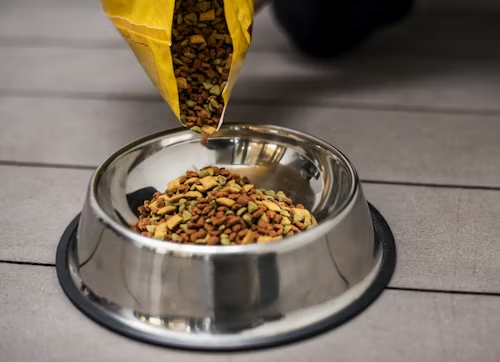
Freeze-Dried Wet Puppy Food
Freeze-dried foods combine convenience with premium nutrition.
They typically require water before serving.
Benefits include:
- High protein levels
- Minimal processing
- Strong flavor appeal
Stews and Gravy Recipes
Some puppies prefer chunkier textures with gravy or broth.
These formulas can encourage picky eaters to eat more consistently.
Pâté Style Puppy Food
Pâté foods offer a smooth, soft texture ideal for:
- Small puppies
- Weaning
- Sensitive mouths
- Dental issues
Human-Grade Wet Puppy Food
Human-grade puppy food is made using ingredients considered safe enough for human consumption. These recipes are often prepared in USDA-inspected facilities and focus heavily on ingredient quality.
Many dog owners choose human-grade wet food because it typically contains:
- Real meat
- Fresh vegetables
- Minimal fillers
- Fewer artificial additives
Although these foods are usually more expensive, they can be an excellent choice for puppies with sensitive digestion or food allergies.
Limited Ingredient Wet Puppy Food
Limited ingredient diets contain fewer components, making them ideal for puppies with:
- Food sensitivities
- Allergies
- Digestive problems
- Skin irritation
These formulas often feature:
- One protein source
- Simple carbohydrates
- Minimal additives
Common limited ingredient proteins include:
- Duck
- Salmon
- Turkey
- Lamb
Best Wet Puppy Food by Category
Every puppy has unique nutritional needs. Some require high-calorie meals for growth, while others need sensitive stomach formulas or breed-specific nutrition.
Below are some of the top categories puppy owners frequently search for.
Best Overall Wet Puppy Food
The best overall wet puppy food should provide:
- Balanced nutrition
- High-quality protein
- DHA for brain development
- Digestibility
- Excellent taste
Popular options often include:
- Purina Pro Plan Puppy
- Royal Canin Puppy
- Hill’s Science Diet Puppy
These brands consistently receive strong reviews from veterinarians and dog owners alike.
Best Affordable Wet Puppy Food
Affordable puppy food doesn’t always mean poor quality.
Good budget-friendly options typically include:
- Named protein sources
- Balanced nutrients
- AAFCO approval
- Moderate ingredient quality
Many families choose affordable canned foods for multi-dog households or large breed puppies with higher food consumption.
Best Premium Wet Puppy Food
Premium puppy foods often include:
- Human-grade ingredients
- Fresh meats
- Advanced supplements
- Organic vegetables
These diets may support:
- Better digestion
- Improved coat condition
- Healthier stools
- Enhanced palatability
Best Wet Puppy Food for Large Breed Puppies
Large breed puppies require carefully balanced nutrition to support controlled growth and joint health.
Key nutrients include:
- Controlled calcium levels
- High-quality protein
- Glucosamine
- Chondroitin
Large breeds prone to joint issues include:
- German Shepherds
- Labradors
- Golden Retrievers
- Great Danes
Overfeeding large breed puppies can increase the risk of skeletal problems later in life.
Best Wet Puppy Food for Small Breed Puppies
Small breed puppies burn calories quickly and often require calorie-dense food with smaller portions.
The best wet food for toy and small breeds usually offers:
- Small bite-sized textures
- High protein
- Extra calories
- Easy digestion
Breeds that benefit from small-breed formulas include:
- Chihuahuas
- Pomeranians
- Yorkshire Terriers
- Maltese
Best Wet Puppy Food for Sensitive Stomachs
Puppies with digestive sensitivities may experience:
- Loose stools
- Gas
- Vomiting
- Bloating
Sensitive stomach formulas often contain:
- Easily digestible proteins
- Pumpkin
- Rice
- Probiotics
- Limited ingredients
Chicken and rice formulas are commonly recommended for digestive support.
Best Wet Puppy Food for Allergies
Food allergies in puppies may cause:
- Itchy skin
- Ear infections
- Paw licking
- Digestive upset
Common allergens include:
- Beef
- Dairy
- Chicken
- Wheat
- Soy
Limited ingredient diets and novel proteins can help reduce allergy symptoms.
Best Grain-Free Wet Puppy Food
Grain-free wet puppy foods avoid grains like:
- Corn
- Wheat
- Rice
- Barley
Instead, they use alternative carbohydrates such as:
- Sweet potatoes
- Peas
- Lentils
Some owners prefer grain-free diets for allergy management, although grains are not harmful for most puppies.
Best Wet Puppy Food With Grains
Healthy grains can provide:
- Fiber
- Energy
- Digestive support
- Nutrients
Grain-inclusive formulas may contain:
- Brown rice
- Oatmeal
- Barley
Many veterinarians still recommend grain-inclusive diets unless a puppy has a confirmed allergy.
Best Wet Puppy Food for Picky Eaters
Some puppies lose interest in food quickly or refuse kibble entirely.
Wet food with strong aroma and texture variety can help stimulate appetite.
Popular choices for picky eaters include:
- Stew recipes
- Gravy-based formulas
- Fresh food diets
- High-meat recipes
Warming wet food slightly may also improve palatability.
Best Wet Puppy Food for Weight Gain
Underweight puppies may need:
- Higher calorie intake
- Increased protein
- Healthy fats
Look for formulas rich in:
- Chicken fat
- Salmon oil
- Beef
- Lamb
Puppies recovering from illness or rescue situations often benefit from calorie-dense wet food.
Best Wet Puppy Food for Active Puppies
Highly active puppies burn calories quickly and require nutrient-rich diets.
Working breeds and energetic puppies need:
- Protein-rich meals
- Fat for energy
- Joint support nutrients
Examples include:
- Border Collies
- Huskies
- Belgian Malinois
- Labrador Retrievers
Best Wet Puppy Food for Toy Breeds
Toy breeds have unique nutritional demands because of their fast metabolism and tiny stomachs.
The best formulas for toy breeds usually feature:
- Soft textures
- Calorie density
- Small portions
- Digestible ingredients
Frequent feeding is often recommended for toy breed puppies.
Best Organic Wet Puppy Food
Organic wet puppy food focuses on:
- Certified organic ingredients
- Fewer pesticides
- Natural farming methods
These formulas may appeal to owners seeking cleaner ingredient sourcing.
Best Natural Wet Puppy Food
Natural puppy food avoids:
- Artificial preservatives
- Artificial colors
- Synthetic flavoring
Instead, natural formulas rely heavily on whole ingredients and minimally processed nutrients.
Best Vet-Recommended Wet Puppy Food
Veterinarians commonly recommend brands with:
- Scientific feeding trials
- Balanced nutrition
- Strong safety standards
- Consistent quality control
Some of the most commonly recommended brands include:
- Purina Pro Plan
- Hill’s Science Diet
- Royal Canin
These companies invest heavily in nutritional research.
Best Wet Puppy Food for Skin and Coat Health
Puppies with dry skin or dull coats may benefit from foods rich in:
- Omega-3 fatty acids
- Fish oil
- Salmon
- Vitamin E
Healthy nutrition often improves coat shine and reduces skin irritation.
Best Wet Puppy Food for Brain Development
DHA-rich formulas support:
- Learning
- Memory
- Cognitive development
Fish-based ingredients are particularly helpful during early puppy growth stages.
Best Wet Puppy Food for French Bulldogs
French Bulldog puppies often experience:
- Sensitive digestion
- Skin allergies
- Gas issues
The best formulas usually feature:
- Easy digestion
- Moderate fat
- High-quality protein
- Limited fillers
Best Wet Puppy Food for German Shepherd Puppies
German Shepherd puppies grow rapidly and require:
- Joint support
- Controlled calcium
- High protein
- Digestive support
Large breed puppy formulas are usually the safest choice.
Best Wet Puppy Food for Labrador Puppies
Labrador puppies are known for healthy appetites, so portion control matters.
The ideal wet food should:
- Support joint health
- Prevent obesity
- Provide balanced calories
Labs thrive on protein-rich diets with moderate fat levels.
Best Wet Puppy Food for Golden Retrievers
Golden Retriever puppies benefit from:
- DHA
- Joint support
- Skin-supportive nutrients
Because Goldens can develop skin sensitivities, omega fatty acids are especially valuable.
Best Wet Puppy Food for Pitbull Puppies
Pitbull puppies require muscular development support through:
- High-quality protein
- Healthy fats
- Amino acids
Many owners prefer beef- or chicken-based formulas for muscle growth.
Best Wet Puppy Food Brands
Choosing a trusted brand can make feeding decisions easier.
Below are some of the most recognized wet puppy food brands available today.
Purina Pro Plan Puppy Wet Food Review
Purina Pro Plan official puppy nutrition guide
Purina Pro Plan is widely recommended because of its:
- Research-backed formulas
- Digestive support
- DHA inclusion
- Wide variety of recipes
Many veterinarians trust Purina because of extensive feeding trials and nutritional testing.
Pros
- Scientifically formulated
- Easily available
- Good digestive support
Cons
- Some recipes contain grains and by-products
Royal Canin Puppy Wet Food Review
Royal Canin is known for breed-specific puppy nutrition.
Their formulas often target:
- Breed size
- Digestive health
- Coat support
- Growth stages
Pros
- Breed-specific formulas
- Excellent digestibility
- Veterinary reputation
Cons
- Premium pricing
Hill’s Science Diet Puppy Wet Food Review
Hill’s Science Diet focuses heavily on clinically balanced nutrition.
Their puppy foods often include:
- DHA
- Antioxidants
- Controlled minerals
- Digestible proteins
Pros
- Trusted by veterinarians
- Balanced nutrition
- Good for sensitive digestion
Cons
- Higher cost than some competitors
Blue Buffalo Puppy Wet Food Review
Blue Buffalo emphasizes natural ingredients and meat-first recipes.
Many formulas contain:
- Deboned chicken
- Brown rice
- Fruits and vegetables
Pros
- Natural ingredients
- No artificial preservatives
- Strong protein content
Cons
- Some puppies may experience digestive sensitivity
Wellness CORE Puppy Wet Food Review
Wellness CORE is popular among owners seeking protein-rich nutrition.
Features include:
- Grain-free options
- High meat content
- Omega fatty acids
Many active puppies do well on Wellness CORE formulas.
The Farmer’s Dog Fresh Puppy Food Review
Fresh food services like The Farmer’s Dog provide customized meal plans using minimally processed ingredients.
Benefits include:
- Personalized portions
- Fresh ingredients
- Human-grade quality
However, these diets can become expensive for large breed puppies.
Merrick Wet Puppy Food Review
Merrick formulas typically contain:
- Real deboned meat
- Healthy fats
- Grain-free options
Their recipes are often well-liked by picky eaters.
Instinct Wet Puppy Food Review
Instinct focuses on raw-inspired nutrition and protein-rich recipes.
Many formulas contain:
- High animal protein
- Limited ingredients
- Grain-free options
These diets are often favored by owners seeking more natural feeding approaches.
Nutro Puppy Wet Food Review
Nutro puppy food emphasizes:
- Non-GMO ingredients
- Real meat
- Clean ingredient lists
The brand avoids many artificial additives commonly found in cheaper foods.
Pedigree Puppy Wet Food Review
Pedigree remains one of the most affordable puppy food brands.
While not considered ultra-premium, it provides:
- Accessible pricing
- Basic balanced nutrition
- Wide availability
Budget-conscious owners often choose Pedigree for everyday feeding.
How to Choose the Best Wet Puppy Food
Choosing the right wet puppy food can feel complicated because every puppy has different needs. Breed size, age, activity level, and health conditions all influence what type of food works best.
Instead of choosing food based only on advertising or packaging, focus on nutritional quality and your puppy’s individual requirements.
Choose Food Based on Puppy Breed Size
Different breeds grow at different rates, which means nutrition requirements vary significantly.
Small Breed Puppies
Small breeds have:
- Faster metabolism
- Smaller stomachs
- Higher calorie requirements per pound
They benefit from:
- Calorie-dense wet food
- Small, soft textures
- Frequent meals
Examples include:
- Chihuahua
- Pomeranian
- Shih Tzu
- Yorkshire Terrier
Medium Breed Puppies
Medium breeds typically require balanced formulas with moderate calorie levels.
Popular medium breeds include:
- Cocker Spaniels
- Border Collies
- Bulldogs
These puppies usually thrive on standard puppy formulas with balanced protein and fat.
Large Breed Puppies
Large breed puppies require controlled growth to avoid joint stress and skeletal problems.
Important nutrients include:
- Controlled calcium
- Balanced phosphorus
- Joint-support nutrients
- Moderate calorie intake
Large breed puppy formulas are specifically designed to support safer growth patterns.
Consider Your Puppy’s Age
A puppy’s nutritional needs change rapidly during the first year.
6–8 Weeks
At this age, puppies are transitioning from milk to solid food.
Wet food is ideal because it is:
- Soft
- Easy to digest
- Highly palatable
Many breeders begin with pâté or softened puppy food during weaning.
2–6 Months
This is a major growth phase.
Puppies need:
- High-quality protein
- DHA
- Calories for development
- Consistent feeding schedules
Most puppies eat 3–4 meals daily during this stage.
6–12 Months
Growth begins slowing, but puppies still require nutrient-rich food.
Large breeds may remain on puppy food longer than small breeds because they mature more slowly.
Match Food to Health Conditions
Some puppies require specialized nutrition to manage health concerns.
Sensitive Stomach
Look for:
- Limited ingredient diets
- Easily digestible proteins
- Pumpkin or rice
- Probiotics
Food Allergies
Common signs include:
- Itchy skin
- Ear infections
- Digestive upset
Novel proteins such as duck or salmon may help reduce allergic reactions.
Skin Issues
Puppies with dry skin or excessive shedding often benefit from:
- Fish oil
- Omega-3 fatty acids
- Vitamin E
Digestive Problems
Digestive support formulas may contain:
- Fiber
- Probiotics
- Prebiotics
- Easily digestible carbohydrates
Understand Puppy Feeding Labels
Dog food labels contain valuable information that many owners overlook.
Pay attention to:
- Ingredient order
- Guaranteed analysis
- Feeding recommendations
- AAFCO statement
Ingredients are listed by weight, so the first few ingredients matter most.
Reading Guaranteed Analysis Correctly
Guaranteed analysis tells you the minimum or maximum nutrient percentages in food.
Typical categories include:
- Protein
- Fat
- Fiber
- Moisture
Example Guaranteed Analysis Table
| Nutrient | Ideal Puppy Range |
|---|---|
| Protein | 22–32% |
| Fat | 10–25% |
| Fiber | 3–5% |
| Moisture | 70–80% |
Higher-quality wet puppy foods usually provide balanced protein and fat levels.
How Much Protein Does a Puppy Need?
Puppies require more protein than adult dogs because they are rapidly building muscle and tissue.
Most healthy puppies thrive on diets containing:
- 22–32% protein
- High-quality animal sources
- Balanced amino acids
Active and working breeds may benefit from higher protein formulas.
Understanding Calories in Wet Puppy Food
Calories matter more than many owners realize.
Too many calories can lead to:
- Obesity
- Joint stress
- Rapid growth problems
Too few calories may cause:
- Poor growth
- Weakness
- Weight loss
Always follow feeding guidelines while adjusting based on your puppy’s body condition.
Feeding Guide for Wet Puppy Food
Proper feeding habits are just as important as choosing quality food.
How Much Wet Food Should a Puppy Eat?
The amount depends on:
- Age
- Weight
- Breed size
- Activity level
Most wet puppy foods provide feeding charts on the label.
Wet Puppy Food Feeding Chart by Weight
| Puppy Weight | Daily Wet Food Amount |
|---|---|
| 2–5 lbs | ½–1 can |
| 6–10 lbs | 1–1½ cans |
| 11–20 lbs | 1½–3 cans |
| 21–40 lbs | 3–5 cans |
Amounts vary by calorie density and brand.
Feeding Frequency by Age
| Puppy Age | Meals Per Day |
|---|---|
| 6–12 weeks | 4 meals |
| 3–6 months | 3 meals |
| 6–12 months | 2 meals |
Consistent feeding schedules help regulate digestion and energy levels.
Transitioning From Milk to Wet Food
Weaning usually begins around 3–4 weeks.
A gradual transition works best:
- Mix wet food with puppy milk replacer
- Slowly reduce liquid
- Increase food texture gradually
This process reduces digestive upset.
Transitioning From Dry Food to Wet Food
Sudden diet changes may cause diarrhea.
Transition slowly over 7–10 days:
| Day | Old Food | New Food |
|---|---|---|
| 1–2 | 75% | 25% |
| 3–4 | 50% | 50% |
| 5–6 | 25% | 75% |
| 7+ | 0% | 100% |
Combining Wet and Dry Puppy Food
Mixed feeding is increasingly popular because it combines:
- Wet food palatability
- Dry food convenience
- Texture variety
- Dental benefits
Many veterinarians support combination feeding when calorie intake is properly managed.
Free Feeding vs Scheduled Feeding
Free Feeding
Food remains available all day.
Pros
- Convenient
- Useful for some toy breeds
Cons
- Difficult portion control
- Higher obesity risk
Scheduled Feeding
Meals are served at specific times.
Pros
- Better digestion monitoring
- Easier potty training
- Controlled calorie intake
Most veterinarians recommend scheduled feeding.
Wet Puppy Food for Special Needs
Some puppies require extra nutritional support during recovery or health challenges.
Best Wet Puppy Food for Sensitive Stomach and Diarrhea
Look for:
- Bland proteins
- Rice-based recipes
- Pumpkin
- Probiotics
Chicken and rice diets are commonly recommended.
Best Wet Puppy Food for Constipation
Fiber-rich ingredients can help regulate digestion.
Helpful ingredients include:
- Pumpkin
- Sweet potatoes
- Brown rice
Adequate hydration also plays an important role.
Best Wet Puppy Food for Allergic Puppies
Limited ingredient formulas often work best for allergy-prone puppies.
Novel proteins include:
- Venison
- Duck
- Salmon
Best Wet Puppy Food for Underweight Puppies
High-calorie diets with healthy fats may support healthy weight gain.
Look for:
- Protein-rich recipes
- Fish oil
- Chicken fat
Best Wet Puppy Food for Puppies With Worm Recovery
Puppies recovering from parasites often need:
- Easy digestion
- Hydration support
- Nutrient-dense meals
Wet food is usually easier on recovering digestive systems.
Best Wet Puppy Food After Vaccination
Some puppies experience mild appetite loss after vaccines.
Soft, flavorful wet food can encourage eating and hydration during recovery.
Wet Puppy Food for Rescue Puppies
Rescue puppies may arrive:
- Malnourished
- Underweight
- Stressed
Gentle wet food formulas help support recovery while encouraging appetite.
Homemade Wet Puppy Food
Some owners prefer preparing puppy food at home.
While homemade diets can work, balance is critical.
Is Homemade Wet Puppy Food Safe?
Homemade food can be safe when properly balanced with veterinary guidance.
However, poorly balanced diets may cause:
- Calcium deficiencies
- Growth problems
- Nutritional imbalances
Consulting a veterinary nutritionist is strongly recommended.
Vet-Approved Homemade Puppy Food Recipes
Basic homemade puppy meals often include:
- Lean chicken
- Rice
- Sweet potatoes
- Carrots
Avoid seasoning and excessive salt.
Ingredients Safe for Puppies
Safe ingredients include:
- Chicken
- Turkey
- Salmon
- Pumpkin
- Rice
- Green beans
- Sweet potatoes
Foods Puppies Should Never Eat
Certain foods are toxic to dogs.
Avoid:
- Chocolate
- Grapes
- Raisins
- Onions
- Garlic
- Xylitol
- Alcohol
- Macadamia nuts
Homemade vs Commercial Wet Puppy Food
| Homemade Food | Commercial Food |
|---|---|
| Ingredient control | Balanced nutrition |
| Fresh preparation | Convenient |
| Time-consuming | Easier storage |
| Risk of imbalance | AAFCO standards |
Commercial puppy foods are generally safer for long-term balanced nutrition unless homemade diets are professionally formulated.
Grain-Free vs Grain-Inclusive Wet Puppy Food
This remains one of the most debated topics in pet nutrition.
Pros and Cons of Grain-Free Diets
Potential Benefits
- Helpful for some allergies
- Alternative carbohydrate sources
- Popular with sensitive stomach owners
Potential Drawbacks
- More expensive
- Not necessary for most puppies
- Possible nutritional concerns
Are Grains Bad for Puppies?
No, healthy grains are not harmful for most puppies.
Ingredients like:
- Brown rice
- Oats
- Barley
can provide useful nutrients and digestible energy.
FDA Concerns About Grain-Free Dog Food
The FDA has investigated possible links between certain grain-free diets and canine heart disease.
While research is ongoing, many veterinarians recommend caution with heavily legume-based diets.
Common Wet Puppy Food Buying Mistakes
Avoiding common mistakes can save money and protect your puppy’s health.
Choosing Adult Dog Food for Puppies
Puppies require higher nutrients than adult dogs.
Ignoring Breed Size Requirements
Large breed puppies need specialized nutrition.
Overfeeding Wet Food
Too many calories can cause obesity.
Switching Foods Too Quickly
Sudden transitions often trigger diarrhea.
Buying Based on Marketing Alone
Fancy packaging doesn’t guarantee quality.
Not Checking Ingredient Quality
Always review ingredient labels carefully.
Storage and Safety Tips
Proper food handling helps prevent spoilage and illness.
How to Store Opened Wet Puppy Food
After opening:
- Refrigerate immediately
- Use airtight lids
- Consume within 2–3 days
Refrigeration Guidelines
Keep wet food refrigerated at safe temperatures below 40°F (4°C).
Never leave wet puppy food out for extended periods.
How Long Wet Puppy Food Lasts
| Food Type | Shelf Life |
|---|---|
| Unopened canned food | 1–2 years |
| Opened refrigerated food | 2–3 days |
| Fresh refrigerated meals | Follow package instructions |
Signs Wet Puppy Food Has Gone Bad
Watch for:
- Sour smell
- Mold
- Discoloration
- Swollen cans
- Texture changes
Discard spoiled food immediately.
Safe Serving Temperatures
Many puppies prefer food served slightly warm rather than cold from the refrigerator.
Avoid serving extremely hot food.
Wet Puppy Food FAQs
Is Wet Puppy Food Better Than Dry Food?
Neither is universally better. Wet food offers hydration and palatability, while dry food offers convenience and dental support.
Can Puppies Eat Wet Food Every Day?
Yes, as long as the food is complete and balanced for puppies.
At What Age Can Puppies Eat Wet Food?
Most puppies begin eating softened wet food around 3–4 weeks old.
Can Wet Food Cause Diarrhea in Puppies?
Sudden diet changes or rich formulas may trigger digestive upset.
How Long Should Puppies Eat Puppy Food?
Most puppies stay on puppy food until:
- 12 months (small breeds)
- 18–24 months (large breeds)
Should I Add Water to Wet Puppy Food?
Usually unnecessary, though some owners add warm water for extra hydration.
Can Puppies Eat Adult Wet Dog Food?
Adult food lacks proper puppy nutrition and should not replace puppy formulas long term.
Is Grain-Free Wet Puppy Food Safe?
It can be safe for some puppies, but grain-free diets are not necessary for most dogs.
Can Wet Food Help a Puppy Gain Weight?
Yes, calorie-dense wet food may support healthy weight gain.
What Wet Puppy Food Do Vets Recommend?
Veterinarians commonly recommend:
- Purina Pro Plan
- Royal Canin
- Hill’s Science Diet
because of their nutritional research and feeding trials.
Expert Tips for Choosing the Best Wet Puppy Food
Advice From Veterinarians
Veterinarians often recommend:
- Choosing AAFCO-approved food
- Prioritizing protein quality
- Avoiding unnecessary fillers
- Monitoring weight regularly
Tips From Experienced Dog Owners
Experienced owners often suggest:
- Rotating flavors carefully
- Mixing wet and dry food
- Monitoring stool quality
- Buying smaller cans first for testing
Community discussions frequently praise brands like Royal Canin, Purina Pro Plan, and Wellness CORE for supporting healthy growth and digestion in puppies.
Signs Your Puppy Loves Their Food
Healthy signs include:
- Excitement at mealtime
- Consistent appetite
- Healthy stools
- Good energy levels
- Shiny coat
Signs a Food Is Not Working
Watch for:
- Vomiting
- Diarrhea
- Excess itching
- Dull coat
- Poor growth
- Refusing meals
Consult your veterinarian if symptoms continue.
Conclusion
Choosing the best wet puppy food can make a major difference in your puppy’s growth, energy, digestion, and long-term health. The right food provides balanced nutrition, healthy protein, proper hydration, and essential nutrients that support healthy development during the most important stages of life.
Whether you choose canned puppy food, fresh meals, grain-inclusive recipes, or limited ingredient formulas, focus on:
- Ingredient quality
- AAFCO compliance
- Breed-specific needs
- Digestibility
- Balanced nutrition
Remember that every puppy is unique. A food that works perfectly for one breed may not be ideal for another.
Pay attention to your puppy’s:
- Energy levels
- Weight
- Stool quality
- Skin condition
- Appetite
These signs often tell you whether the food is truly working.
Most importantly, work closely with your veterinarian when selecting food, especially if your puppy has allergies, digestive issues, or special growth concerns.