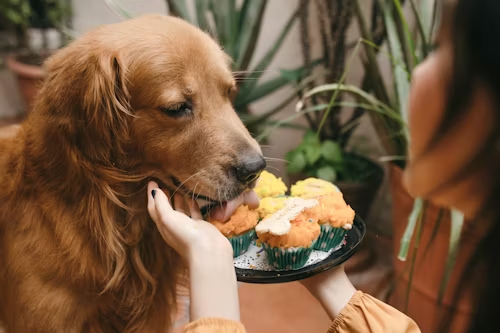
Treats are one of the best ways to reward, train, and bond with your dog. But many commercial dog treats are packed with unnecessary calories, artificial preservatives, fillers, and unhealthy ingredients that can contribute to weight gain and health problems over time. That’s why more pet owners are now turning to low calorie dog treats homemade recipes as a healthier alternative.
Homemade treats allow you to control exactly what goes into your dog’s snacks. You can use fresh vegetables, lean proteins, and natural ingredients to create tasty rewards without adding excessive fat or sugar. Whether your dog needs to lose weight, maintain a healthy lifestyle, or simply enjoy cleaner ingredients, homemade low-calorie treats are a smart option.
In this guide, you’ll learn everything about making healthy dog treats at home, including:
- The best low-calorie ingredients
- Benefits of homemade treats
- Foods to avoid
- Weight management tips
- Easy recipes your dog will love
If you’ve ever searched for healthy homemade dog treats, DIY dog treats for weight loss, or low fat dog treats recipes, this article covers it all in simple, practical language.
What Are Homemade Low Calorie Dog Treats?
Homemade low-calorie dog treats are snacks made with nutritious, low-fat ingredients designed to give dogs a healthy reward without excessive calories.
Unlike many store-bought treats, homemade versions often contain:
- Fresh vegetables
- Lean meats
- Whole grains
- Natural fruits
- Limited fats and sugars
These treats are especially useful for:
| Dog Type | Why Low-Calorie Treats Help |
|---|---|
| Overweight dogs | Supports weight loss |
| Senior dogs | Easier digestion and fewer calories |
| Indoor dogs | Lower activity means lower calorie needs |
| Small breeds | Prevents overfeeding |
| Training dogs | Allows frequent rewards without weight gain |
The goal is simple: reward your dog while supporting long-term health.
Why Dog Owners Are Switching to Homemade Treats
More pet parents are reading ingredient labels carefully and realizing that many commercial dog treats contain:
- Artificial preservatives
- Added sugars
- Excess sodium
- Low-quality fillers
- Unhealthy fats
Homemade treats solve many of these concerns.
Main Reasons People Prefer Homemade Dog Treats
1. Better Ingredient Quality
When making treats at home, you choose fresh ingredients yourself.
For example:
- Fresh pumpkin instead of artificial flavoring
- Real chicken instead of meat by-products
- Oats instead of processed fillers
2. Easier Weight Control
Many commercial treats are surprisingly high in calories. Small homemade treats make portion control much easier.
3. Allergy-Friendly Options
Dogs with food sensitivities often react badly to artificial additives or common fillers like corn and soy.
Homemade recipes let owners avoid problem ingredients.
4. Budget-Friendly
Premium healthy dog treats can become expensive. Homemade recipes usually cost much less over time.
5. Peace of Mind
Pet owners simply feel better knowing exactly what their dog is eating.
Benefits of Low-Calorie Treats for Dogs
Dogs love treats, but too many calories can quickly lead to obesity. Even a few extra snacks every day can make a noticeable difference over time.
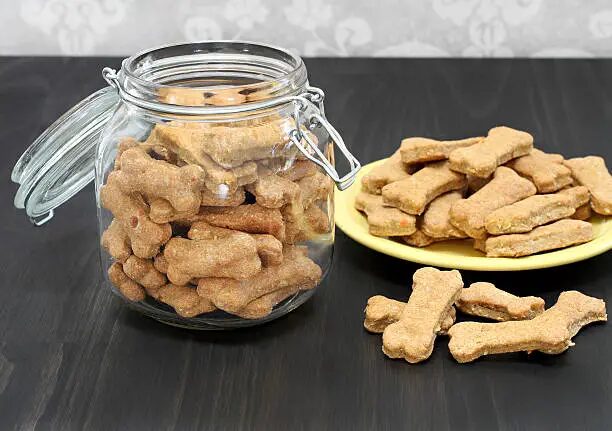
Key Benefits of Low-Calorie Dog Treats
Helps Prevent Obesity
Obesity is one of the most common health problems in dogs today.
Low-calorie treats help reduce unnecessary calorie intake while still rewarding your pet.
Supports Joint Health
Extra weight puts stress on joints, especially in older dogs and large breeds.
Keeping treats light can help maintain mobility.
Better Energy Levels
Dogs at a healthy weight are often more energetic and playful.
Improved Digestion
Natural homemade ingredients are often easier for dogs to digest compared to heavily processed snacks.
Better Training Results
Small low-calorie treats allow frequent rewards during training sessions without overfeeding.
How Homemade Treats Help With Weight Management
Weight management in dogs works similarly to humans: too many calories and not enough activity lead to weight gain.
Treats are often the hidden problem.
A single large commercial biscuit may contain as many calories as an entire mini meal for a small dog.
Homemade low-calorie treats help by:
- Using fewer fats
- Reducing sugar
- Controlling portion sizes
- Adding fiber-rich vegetables
- Using lean proteins
Simple Weight Management Tips
| Tip | Why It Helps |
|---|---|
| Use mini treats | Prevents excess calories |
| Choose vegetables | Adds fiber with fewer calories |
| Avoid fatty meats | Reduces unnecessary fat |
| Track daily treats | Prevents overfeeding |
| Exercise regularly | Supports healthy metabolism |
Dogs don’t need large treats to feel rewarded. Often, tiny bite-sized pieces work just as well.
Common Mistakes Dog Owners Make With Treats
Even caring dog owners sometimes unintentionally overfeed treats.
Here are the biggest mistakes to avoid.
Giving Oversized Treats
Large treats can add hundreds of extra calories weekly.
Instead:
- Break treats into smaller pieces
- Use mini training rewards
- Choose lower-calorie ingredients
Ignoring Hidden Calories
Peanut butter, cheese, bacon, and processed meats may seem harmless but are calorie-dense.
Moderation matters.
Too Many Treats During Training
Training sessions can involve dozens of rewards.
Switch to:
- Tiny low-calorie bites
- Vegetable treats
- Freeze-dried lean meats
Feeding Human Junk Food
Chips, cookies, and sugary snacks are unhealthy for dogs and can cause digestive issues.
Stick to dog-safe ingredients only.
Not Measuring Portions
Many owners simply guess portion sizes.
Using measuring cups or preparing pre-portioned treat batches can help.
Understanding Low-Calorie Dog Treats
Not all “healthy” treats are truly low calorie.
Some marketing labels can be misleading.
What Counts as a Low-Calorie Dog Treat?
Generally, low-calorie dog treats contain:
- Minimal fat
- Limited sugar
- High fiber
- Lean protein
- Small serving sizes
Most veterinarians recommend that treats make up no more than 10% of a dog’s daily calorie intake.
How Many Treat Calories Dogs Should Eat Daily?
This depends on:
- Breed
- Size
- Age
- Activity level
- Health condition
General Guideline
| Dog Size | Approximate Daily Treat Calories |
|---|---|
| Small dogs | 20–40 calories |
| Medium dogs | 40–60 calories |
| Large dogs | 60–90 calories |
Always adjust based on your dog’s overall diet.
Signs Your Dog May Need Low-Calorie Treats
Some signs are easy to spot.
Watch for:
- Weight gain
- Low energy
- Difficulty moving
- Heavy panting
- Trouble feeling ribs
- Frequent begging
If your dog is becoming overweight, switching to homemade low-calorie treats can help significantly.
Are Homemade Dog Treats Healthier Than Store-Bought?
In many cases, yes.
Homemade treats often contain:
- Fewer additives
- Fresher ingredients
- Better quality protein
- Less sodium
- Less sugar
However, balance is important. Dogs still need proper nutrition, so treats should complement a healthy diet rather than replace meals.
Best Situations to Use Low-Calorie Treats
Low-calorie treats are useful in many situations.
Training Sessions
Training often requires repeated rewards.
Small homemade treats allow frequent reinforcement without excessive calories.
Best training treat ideas:
- Tiny chicken bites
- Frozen yogurt dots
- Oat mini biscuits
- Tuna training cubes
Senior Dogs
Older dogs usually burn fewer calories and may struggle with weight gain.
Soft homemade treats are easier to chew and digest.
Good options include:
- Pumpkin bites
- Soft oatmeal treats
- Yogurt-based snacks
Overweight Dogs
Dogs trying to lose weight still deserve rewards.
Low-calorie treats help maintain motivation while supporting healthy weight loss.
Indoor Dogs
Indoor dogs are often less active than working or outdoor dogs.
Lower-calorie snacks help avoid gradual weight gain.
Small Breeds
Tiny dogs need very small portions.
Homemade mini treats make portion control much easier than oversized store-bought biscuits.
Benefits of Homemade Low Calorie Dog Treats
Making your own dog treats may sound time-consuming at first, but many recipes are surprisingly easy.
The benefits are worth it.
Full Control Over Ingredients
You choose:
- Protein sources
- Carbohydrates
- Flavorings
- Portion sizes
This level of control is especially helpful for dogs with allergies or health concerns.
No Artificial Preservatives or Fillers
Many packaged treats use preservatives to extend shelf life.
Homemade treats are fresher and cleaner.
Better for Dogs With Allergies or Sensitive Stomachs
Dogs with food sensitivities often react to:
- Corn
- Soy
- Artificial dyes
- Dairy
- Wheat
Homemade recipes allow customized ingredient choices.
Cost-Effective Compared to Premium Treat Brands
Healthy commercial dog treats can become expensive quickly.
Simple homemade recipes using oats, pumpkin, carrots, or eggs are often far more affordable.
Easier Portion Control
Homemade treats can be:
- Smaller
- Thinner
- Lower in fat
- Individually portioned
This helps prevent accidental overfeeding.
Fresh Ingredients Mean Better Nutrition
Fresh vegetables and lean proteins provide nutrients without unnecessary additives.
That means better support for:
- Skin health
- Digestion
- Energy levels
- Weight management
Best Ingredients for Homemade Low-Calorie Dog Treats
The ingredients you choose make all the difference.
Here are some of the healthiest options.
Lean Proteins for Healthy Dog Treats
Protein helps dogs maintain muscle while staying full longer.
Chicken Breast
A lean, affordable protein source perfect for training treats.

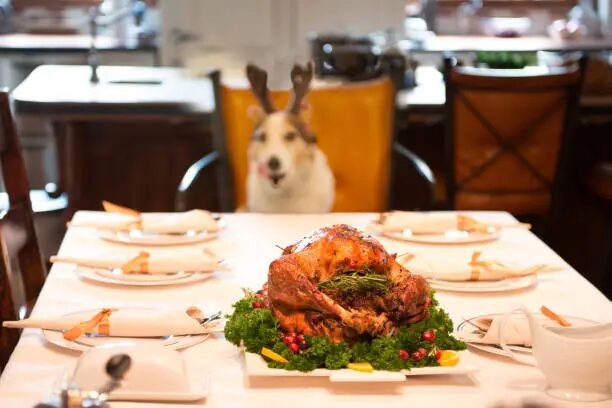
Turkey
Low in fat and highly digestible.
Tuna
Excellent for high-value rewards during training.
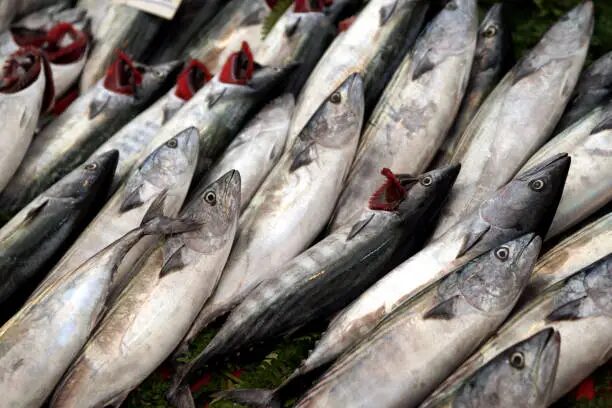
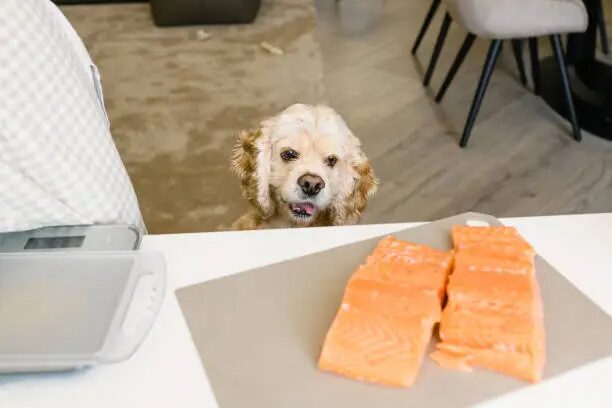
Salmon
Rich in omega-3 fatty acids that support skin and coat health.
Eggs
Packed with protein and nutrients while remaining relatively low calorie.
Low-Calorie Fruits Dogs Can Eat
Fruits add natural sweetness and vitamins.
| Fruit | Benefits |
|---|---|
| Apples | Fiber and vitamin C |
| Blueberries | Antioxidants |
| Strawberries | Vitamin-rich and low calorie |
| Watermelon | Hydrating snack |
| Bananas | Potassium in moderation |
Always remove seeds and avoid overfeeding fruit due to natural sugars.
Best Vegetables for Dog Treat Recipes
Vegetables are one of the best additions to homemade low calorie dog treats because they provide fiber, vitamins, and hydration without adding too many calories.
Many dogs naturally enjoy crunchy vegetables, making them excellent alternatives to processed snacks.
Carrots
Carrots are one of the most popular low-calorie treats for dogs.
Benefits of carrots for dogs:
- Low in calories
- Great crunchy texture
- Rich in beta-carotene
- Supports dental health
You can serve carrots:
- Raw
- Steamed
- Frozen
- Baked into treats
Pumpkin
Pumpkin is a favorite ingredient in many healthy homemade dog treats.
Why pumpkin works well:
- High in fiber
- Helps digestion
- Naturally low in calories
- Adds moisture to baked treats
Always use:
- Plain canned pumpkin
- Fresh pumpkin puree
Avoid pumpkin pie filling because it contains added sugar and spices.
Green Beans
Green beans are often recommended by veterinarians for overweight dogs.
Benefits:
- Very low calorie
- High fiber
- Filling snack option
- Great for weight control
They can be:
- Steamed
- Frozen
- Chopped into training treats
Sweet Potatoes
Sweet potatoes contain more calories than some vegetables but still work well in moderation.
Benefits:
- Rich in vitamins
- Naturally sweet
- Good fiber source
They are commonly used for:
- Homemade dog chews
- Soft training treats
- Baked biscuits
Cucumbers
Cucumbers are excellent for dogs needing extremely low-calorie snacks.
Why dogs love cucumbers:
- High water content
- Crunchy texture
- Refreshing during summer
- Very low in calories
Zucchini
Zucchini blends easily into homemade dog recipes.
Benefits:
- Easy to digest
- Low-fat ingredient
- Good moisture source
- Mild flavor dogs tolerate well
Healthy Low-Calorie Carbs
Dogs can benefit from healthy carbohydrates in moderation.
The key is choosing whole-food options instead of processed fillers.
Oats
Oats are one of the best ingredients for homemade dog biscuits.
Benefits:
- Rich in fiber
- Gentle on digestion
- Affordable
- Naturally filling
Oats are especially useful for dogs sensitive to corn or soy.
Oat Flour
Oat flour is a healthier alternative to refined white flour.
It helps create:
- Softer treats
- Gluten-friendly recipes
- Better texture
Brown Rice
Brown rice provides energy while remaining relatively easy to digest.
It works especially well in:
- Chicken treats
- Soft dog bites
- Senior dog recipes
Whole Wheat Flour
Whole wheat flour can be used in moderation for healthy dog biscuits.
However, dogs with grain sensitivities may do better with oat flour or grain-free options.
Safe Flavor Boosters for Dogs
Healthy treats should still taste delicious to dogs.
Fortunately, several dog-safe ingredients naturally improve flavor.
Parsley
Parsley can help freshen breath naturally.
Use small amounts only.
Cinnamon
Cinnamon adds aroma and flavor to baked dog treats.
Small amounts are generally safe for dogs.
Unsweetened Applesauce
Applesauce helps:
- Add moisture
- Improve texture
- Reduce the need for oils
Always choose unsweetened varieties.
Peanut Butter Powder
Traditional peanut butter can be high in fat and calories.
Peanut butter powder gives flavor with fewer calories.
Always verify it contains no xylitol, which is toxic to dogs.
You can find more dog-safe ingredient information through the FDA pet food safety tips.
Ingredients to Avoid in Homemade Dog Treats
While many foods are safe for dogs, some ingredients are dangerous and should never be used.
Knowing what to avoid is just as important as knowing what to include.
Toxic Foods for Dogs
Chocolate
Chocolate contains compounds that are toxic to dogs and can cause:
- Vomiting
- Seizures
- Heart problems
- Death in severe cases
Dark chocolate is especially dangerous.
Grapes and Raisins
Even small amounts can cause kidney failure in dogs.
Never use them in homemade recipes.
Onions
Onions damage dogs’ red blood cells and may cause anemia.
This includes:
- Raw onions
- Powdered onions
- Cooked onions
Garlic
Garlic can also be toxic in larger amounts.
Many pet owners mistakenly think garlic is healthy for dogs, but excessive intake is dangerous.
Xylitol
Xylitol is an artificial sweetener found in:
- Sugar-free peanut butter
- Gum
- Candy
- Diet products
Even tiny amounts can be life-threatening to dogs.
Always read labels carefully.
High-Calorie Ingredients That Cause Weight Gain
Even safe foods can become unhealthy when calories add up.
Use these ingredients sparingly:
| Ingredient | Why Limit It |
|---|---|
| Cheese | High fat |
| Bacon | Excess sodium and fat |
| Peanut butter | Calorie dense |
| Coconut oil | High fat |
| Fatty beef | Excess calories |
Hidden Sugars and Artificial Sweeteners
Dogs do not need added sugar in treats.
Avoid:
- Syrups
- White sugar
- Brown sugar
- Artificial sweeteners
Natural sweetness from fruits is usually enough.
Unsafe Seasonings and Spices
Some seasonings can upset digestion or become toxic.
Avoid:
- Excess salt
- Chili powder
- Nutmeg
- Onion powder
- Garlic powder
Simple ingredients are safest.
Essential Tools for Making Homemade Dog Treats
You don’t need a professional kitchen to make healthy dog treats.
A few basic tools can make the process easier and more enjoyable.
Best Baking Tools for Dog Treat Recipes
Mixing Bowls
Useful for combining ingredients quickly.
Measuring Cups
Accurate measurements help maintain consistent calories and texture.
Baking Sheets
Flat trays work well for biscuits and baked treats.
Parchment Paper
Prevents sticking and simplifies cleanup.
Silicone Molds vs Cookie Cutters
Both options work well depending on the type of treats you make.
| Tool | Best For |
|---|---|
| Silicone molds | Soft treats and frozen snacks |
| Cookie cutters | Crunchy baked biscuits |
Mini shapes are ideal for training rewards.
Food Processors and Blenders
Blenders help create smooth mixtures using:
- Pumpkin
- Fruit
- Vegetables
- Lean meats
Food processors are especially useful for:
- Homemade puree treats
- Frozen recipes
- Senior dog snacks
Air Fryer vs Oven for Dog Treats
Both methods work well.
Air Fryer Benefits
- Faster cooking
- Crispier texture
- Less energy use
Oven Benefits
- Larger batches
- More even baking
- Better for biscuits
Storage Containers for Homemade Treats
Fresh homemade treats spoil faster because they contain no preservatives.
Good storage matters.
Best options:
- Airtight containers
- Glass jars
- Freezer-safe bags
- Meal prep containers
Easy Homemade Low-Calorie Dog Treat Recipes
Now comes the fun part — making delicious homemade treats your dog will actually get excited about.
3-Ingredient Pumpkin Dog Treats
Ingredients
- 1 cup pumpkin puree
- 2 cups oat flour
- 1 egg
Instructions
- Mix ingredients into dough
- Roll flat
- Cut shapes
- Bake at 350°F for 20 minutes
These treats are:
- Low-fat
- Fiber-rich
- Great for digestion
Carrot and Oatmeal Dog Biscuits
Ingredients
- 1 grated carrot
- 1 cup oats
- 1 egg
Why Dogs Love Them
- Crunchy texture
- Natural sweetness
- Low-calorie ingredients
Frozen Yogurt Dog Treats
Perfect for hot weather.
Ingredients
- Plain Greek yogurt
- Blueberries
- Small banana slices
Freeze in silicone molds for easy summer snacks.
Apple Cinnamon Dog Treats
Ingredients
- Unsweetened applesauce
- Oat flour
- Dash of cinnamon
These treats smell amazing and contain natural sweetness without added sugar.
Peanut Butter Powder Training Treats
Using peanut butter powder instead of regular peanut butter lowers calories significantly.
Benefits
- Strong flavor
- Small serving sizes
- Great for training sessions
Tuna Dog Treats for Training
Tuna is a high-value reward for dogs.
Simple Recipe
- Tuna in water
- Oat flour
- Egg
Bake into tiny cubes perfect for obedience training.
Sweet Potato Dog Chews
Thin slices of sweet potato can become chewy homemade snacks.
Instructions
- Slice thinly
- Bake slowly at low heat
- Dry until chewy
A healthier alternative to processed chews.
Green Bean Crunch Treats
Some dogs enjoy frozen green beans as simple crunchy rewards.
This is one of the easiest zero-prep low-calorie dog treats available.
Banana Oat Dog Cookies
Ingredients
- Mashed banana
- Oats
- Egg
Soft texture makes them suitable for senior dogs.
Chicken and Rice Mini Bites
These tiny bites work wonderfully for training.
Ingredients:
- Cooked chicken breast
- Brown rice
- Egg
Small portions help reduce calorie intake.
No-Bake Low-Calorie Dog Treat Recipes
No-bake treats are quick, simple, and ideal during warm weather.
Frozen Banana Dog Treats
Slice bananas and freeze them for instant healthy snacks.
Yogurt and Blueberry Bites
Mix plain yogurt with blueberries and freeze in molds.
These treats are:
- Refreshing
- Easy to make
- Low in calories
Pumpkin Ice Cubes for Dogs
Blend pumpkin with water and freeze.
Excellent for:
- Hydration
- Summer cooling
- Light snacking
DIY Summer Dog Treats
Summer-friendly treats often include:
- Watermelon
- Cucumber
- Yogurt
- Frozen berries
Hydrating ingredients help dogs stay cool.
Quick Refrigerated Training Treats
Soft refrigerated treats work well for puppies and senior dogs.
Common ingredients include:
- Pumpkin
- Oats
- Yogurt
- Lean meat puree
Homemade Low-Calorie Training Treats
Training treats should be:
- Small
- Easy to chew
- High value
- Low calorie
Dogs respond better to frequent rewards than large portions.
Best Tiny Treats for Dog Training
Ideal training treats include:
- Mini chicken cubes
- Tiny tuna bites
- Small oat biscuits
- Frozen yogurt dots
Tiny rewards prevent overfeeding during long sessions.
High-Value Low-Calorie Rewards
Dogs are often more motivated by smell than size.
Good high-value rewards include:
- Salmon
- Tuna
- Chicken breast
- Turkey bits
Soft Treats vs Crunchy Treats
Different dogs prefer different textures, and both soft and crunchy treats have advantages.
| Treat Type | Best For | Benefits |
|---|---|---|
| Soft treats | Puppies, senior dogs | Easier to chew |
| Crunchy treats | Adult dogs | May support dental health |
| Frozen treats | Summer snacks | Cooling and hydrating |
| Mini treats | Training | Better portion control |
Some dogs love crunchy biscuits, while others prefer soft pumpkin bites or frozen yogurt snacks.
Treats for Puppies During Training
Puppies learn quickly when rewards are involved, but they also need careful nutrition.
Best Puppy Training Treats
Choose:
- Tiny soft treats
- Lean protein bites
- Low-fat yogurt treats
- Small oat-based snacks
Avoid oversized or hard treats that may upset digestion or create choking risks.
Treat Size Tips for Weight Control
Portion size matters more than many dog owners realize.
Even healthy treats can contribute to weight gain if fed excessively.
Smart Portion Tips
- Break larger treats into pieces
- Use pea-sized rewards for training
- Limit treat calories to 10% of daily intake
- Use vegetables for filler snacks
A dog usually cares more about receiving a reward than the actual size of the treat.
Special Diet Homemade Dog Treats
Some dogs require special diets because of allergies, health conditions, or digestive sensitivities.
Homemade treats make it easier to customize ingredients safely.
Grain-Free Low-Calorie Dog Treats
Grain-free recipes are useful for dogs sensitive to wheat or corn.
Common Grain-Free Ingredients
- Coconut flour
- Chickpea flour
- Pumpkin
- Eggs
- Sweet potato
Always check with your veterinarian before switching to long-term grain-free diets.
Gluten-Free Homemade Dog Treats
Dogs with gluten sensitivities may benefit from:
- Oat flour
- Brown rice flour
- Coconut flour
These alternatives can still create soft, tasty treats without wheat.
Low-Fat Dog Treat Recipes
Low-fat recipes are ideal for:
- Overweight dogs
- Senior dogs
- Dogs with pancreatitis concerns
Best low-fat ingredients:
- Pumpkin
- Green beans
- Chicken breast
- Turkey
- Oats
Diabetic-Friendly Dog Treat Ideas
Dogs with diabetes need stable blood sugar levels.
Better treat choices include:
- Green beans
- Cucumber slices
- Pumpkin in moderation
- Lean meats
Homemade Treats for Senior Dogs
Older dogs often benefit from:
- Softer textures
- Easier digestion
- Lower calories
- Joint-supportive ingredients
Good senior-friendly options:
- Soft pumpkin treats
- Yogurt bites
- Salmon treats
- Oatmeal snacks
Hypoallergenic Dog Treat Recipes
Dogs with allergies may react to:
- Chicken
- Wheat
- Dairy
- Soy
Homemade recipes allow you to remove common triggers.
Popular hypoallergenic ingredients:
- Turkey
- Oats
- Pumpkin
- Salmon
- Sweet potato
Breed-Specific Low-Calorie Treat Ideas
Different dog breeds have different calorie requirements and activity levels.
Homemade Treats for Small Dogs
Small breeds need tiny treats with controlled calories.
Ideal choices:
- Mini oat biscuits
- Tiny chicken cubes
- Frozen blueberry bites
Small dogs can gain weight quickly, so portion size matters greatly.
Best Treats for Large Breed Dogs
Large dogs often need:
- Filling treats
- Lean protein
- Joint-friendly ingredients
Great options:
- Sweet potato chews
- Salmon treats
- Pumpkin biscuits
Low-Calorie Treats for Active Dogs
Active dogs burn more calories and may need slightly more protein.
Good recipes include:
- Chicken bites
- Tuna treats
- Brown rice protein snacks
Treats for Indoor Dogs
Indoor dogs typically need fewer calories because they are less active.
Best choices:
- Green beans
- Carrot sticks
- Frozen cucumber treats
Homemade Treats for Senior Small Breeds
Senior small dogs benefit from:
- Soft textures
- Easy digestion
- Lower fat content
Mini soft pumpkin treats work especially well.
Weight Management and Dog Treats
Weight control is one of the biggest reasons owners switch to homemade treats.
How Treats Affect Dog Weight
Many owners underestimate how quickly treat calories add up.
For example:
- A few large treats daily can equal an extra meal every week
- Small dogs are especially vulnerable to weight gain
Excess weight may lead to:
- Joint problems
- Diabetes
- Heart strain
- Reduced lifespan
Portion Control Tips for Homemade Treats
Smart Strategies
| Tip | Benefit |
|---|---|
| Use mini treats | Fewer calories |
| Freeze extra batches | Prevents overfeeding |
| Pre-measure portions | Easier calorie tracking |
| Use vegetables often | Adds fiber and fullness |
Best Treat Schedule for Dogs
Consistency helps prevent overeating.
Recommended routine:
- Training treats during sessions only
- One or two healthy snacks daily
- Avoid constant free-treating
Dogs thrive on routine and moderation.
Combining Exercise With Healthy Treats
Healthy treats work best when combined with regular exercise.
Good activities include:
- Daily walks
- Fetch
- Tug games
- Obstacle courses
- Swimming
Even moderate exercise helps maintain a healthy weight.
Vet-Recommended Treat Feeding Guidelines
Most veterinarians suggest:
- Treats should not exceed 10% of daily calories
- Lean proteins are preferred
- Avoid high-fat processed snacks
When in doubt, ask your veterinarian for specific calorie recommendations.
Baking Tips for Perfect Homemade Dog Treats
Homemade dog treats become easier with practice.
A few small adjustments can greatly improve texture and flavor.
How to Make Crunchy Dog Biscuits
For crispier biscuits:
- Roll dough thinner
- Bake longer at lower temperatures
- Let treats cool fully
Crunchy treats also store longer.
How to Make Soft Chewy Dog Treats
For softer treats:
- Add pumpkin or applesauce
- Use oat flour
- Reduce baking time slightly
Soft treats work well for puppies and older dogs.
Common Baking Mistakes to Avoid
Overbaking
Treats may become too hard and difficult to chew.
Too Much Flour
Excess flour creates dry, crumbly biscuits.
Oversized Treats
Large treats increase calorie intake quickly.
Using Unsafe Ingredients
Always double-check ingredient safety before baking.
Best Flour Alternatives for Dog Treats
Healthy flour alternatives include:
| Flour Type | Benefits |
|---|---|
| Oat flour | Easy digestion |
| Coconut flour | Grain-free option |
| Brown rice flour | Gluten-free |
| Chickpea flour | Protein-rich |
How to Reduce Calories Without Losing Flavor
Dogs rely heavily on smell rather than portion size.
You can lower calories by:
- Using stronger natural aromas
- Adding parsley or cinnamon
- Using lean proteins
- Increasing vegetables
Flavorful ingredients keep treats exciting without excessive fat.
Storing Homemade Dog Treats
Fresh homemade treats spoil faster because they contain no preservatives.
Proper storage is essential.
How Long Homemade Dog Treats Last
| Storage Method | Average Shelf Life |
|---|---|
| Room temperature | 3–5 days |
| Refrigerator | 1–2 weeks |
| Freezer | 2–3 months |
Refrigerating vs Freezing Dog Treats
Refrigerating
Best for:
- Soft treats
- Yogurt snacks
- Fresh meat treats
Freezing
Best for:
- Batch preparation
- Summer snacks
- Long-term storage
Best Airtight Containers for Storage
Good storage options include:
- Glass jars
- BPA-free containers
- Freezer-safe bags
- Silicone food containers
Signs Homemade Treats Have Gone Bad
Discard treats if you notice:
- Mold
- Sour smell
- Discoloration
- Excess moisture
Freshness matters because homemade treats lack preservatives.
Meal Prep Tips for Dog Owners
Batch-preparing treats saves time and money.
Easy meal prep ideas:
- Freeze dough portions
- Pre-slice vegetables
- Store training treats in small bags
- Prepare weekly batches
Homemade vs Store-Bought Low-Calorie Dog Treats
Both options can work, but homemade treats offer several advantages.
Ingredient Comparison
| Homemade Treats | Store-Bought Treats |
|---|---|
| Fresh ingredients | Processed ingredients |
| No preservatives | Often contains additives |
| Customizable | Limited control |
Cost Comparison
Homemade treats are often cheaper long term, especially when using:
- Oats
- Pumpkin
- Eggs
- Vegetables
Premium packaged treats can become expensive quickly.
Nutrition Comparison
Homemade recipes typically provide:
- Fresher nutrients
- Better moisture balance
- Fewer fillers
However, store-bought treats may offer convenience and longer shelf life.
Which Option Is Better for Weight Loss?
Homemade treats are usually easier for weight management because you control:
- Calories
- Fat
- Portion size
- Ingredient quality
Pros and Cons of Homemade Dog Treats
| Pros | Cons |
|---|---|
| Healthier ingredients | Shorter shelf life |
| Better calorie control | Requires preparation time |
| Custom recipes | Storage needed |
| Allergy-friendly | Some trial and error |
Vet and Nutrition Expert Advice
Veterinarians generally support homemade treats when made safely and fed in moderation.
What Veterinarians Say About Homemade Dog Treats
Many vets recommend:
- Lean proteins
- Vegetable-based snacks
- Limited processed ingredients
Healthy homemade treats can support weight management and digestion.
Recommended Daily Calorie Intake for Dogs
Daily calorie needs vary based on:
- Breed
- Size
- Activity
- Age
Always consider treats as part of the total calorie intake.
How to Read Dog Nutrition Labels
When buying ingredients or packaged treats, look for:
- Short ingredient lists
- Real meat proteins
- Limited fillers
- No artificial sweeteners
Avoid products with unnecessary additives.
When to Consult a Vet Before Changing Treats
Consult your veterinarian if your dog has:
- Diabetes
- Kidney disease
- Allergies
- Digestive disorders
- Obesity concerns
Special conditions may require customized nutrition plans.
Frequently Asked Questions
Are Homemade Dog Treats Really Lower in Calories?
They can be, especially when made with vegetables, lean proteins, and controlled portions.
Can Dogs Eat Homemade Treats Every Day?
Yes, in moderation and as part of a balanced diet.
What Is the Lowest-Calorie Treat for Dogs?
Some of the lowest-calorie options include:
- Green beans
- Cucumber slices
- Frozen carrots
Are Carrots Good Low-Calorie Dog Treats?
Yes. Carrots are crunchy, nutritious, and naturally low in calories.
Can Overweight Dogs Have Treats?
Absolutely. The key is choosing low-calorie options and controlling portions.
How Do I Make Crunchy Homemade Dog Treats?
Bake treats longer at lower temperatures and allow them to cool completely.
Can Puppies Eat Low-Calorie Homemade Treats?
Yes, as long as the ingredients are safe and portions remain small.
How Many Homemade Treats Can I Give My Dog Daily?
Most vets recommend treats make up no more than 10% of daily calories.
Conclusion
Homemade low-calorie dog treats are one of the easiest ways to support your dog’s health while still giving them the rewards they love. By using fresh vegetables, lean proteins, healthy grains, and natural ingredients, you can create snacks that are nutritious, affordable, and tailored to your dog’s specific needs.
Whether you’re training a puppy, helping an overweight dog lose weight, or simply trying to avoid processed ingredients, homemade treats offer better control over calories and nutrition.