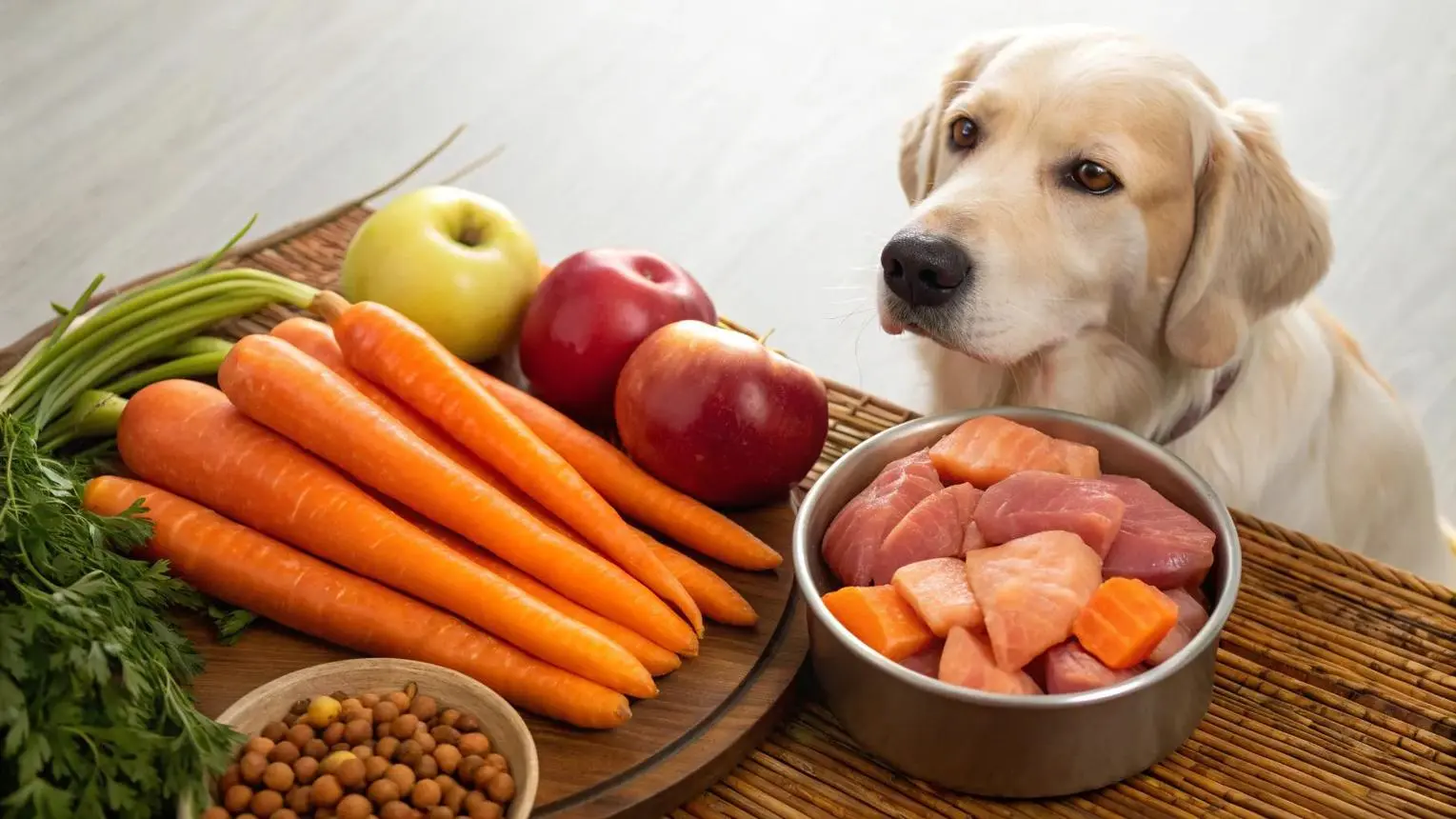
Dogs have a way of looking at us during mealtime that instantly melts our hearts. Whether it’s a pleading stare during dinner or an eager tail wag when you open the fridge, most dog owners have asked themselves the same question at some point: “Can my dog eat this?” Unfortunately, feeding the wrong foods can lead to digestive problems, obesity, allergies, or even life-threatening poisoning. Many loving pet owners unknowingly give their dogs foods that seem harmless but are actually toxic. With conflicting advice online and endless opinions from friends and family, figuring out the safest and healthiest foods for your dog can feel overwhelming. But here’s the good news: understanding what dogs can eat doesn’t have to be complicated — and knowing the right foods can dramatically improve your dog’s health, energy, and lifespan.
If you’re looking for the quick answer, here it is: dogs thrive on a balanced diet made up of high-quality proteins, healthy fats, digestible carbohydrates, vitamins, minerals, and plenty of water. Many human foods are perfectly safe for dogs in moderation, including carrots, apples, rice, eggs, and plain chicken. However, foods like chocolate, grapes, onions, and xylitol can be extremely dangerous. The key is knowing the difference between safe foods for dogs and toxic foods for dogs. In this guide, you’ll learn exactly what your dog can and cannot eat, how to avoid common feeding mistakes, and how to build a healthier diet your furry friend will love.
1.Why Knowing What Dogs Can Eat Matters
Feeding your dog isn’t just about filling a bowl. Nutrition directly impacts your dog’s:
- Energy levels
- Immune system
- Weight
- Skin and coat health
- Digestion
- Overall lifespan
A poor diet can lead to obesity, diabetes, joint issues, and digestive disorders. On the other hand, a balanced diet helps your dog stay active, happy, and healthy for years to come.
Modern pet owners are increasingly turning toward natural foods and healthier feeding habits. But while some human foods dogs can eat are beneficial, others are surprisingly dangerous.
For example:
| Safe Foods for Dogs | Dangerous Foods for Dogs |
|---|---|
| Apples | Grapes |
| Carrots | Chocolate |
| Plain chicken | Onions |
| Rice | Xylitol |
| Pumpkin | Alcohol |
Understanding this difference is one of the most important responsibilities of being a dog owner.

The Importance of a Balanced Canine Diet
Dogs need more than just meat scraps or leftover table food. Their bodies require a carefully balanced combination of nutrients.
Essential components of a healthy canine diet include:
- Protein for muscle development
- Healthy fats for skin and coat health
- Carbohydrates for energy
- Fiber for digestion
- Vitamins and minerals for immunity
- Water for overall body function
Many commercial dog foods are formulated to meet these nutritional needs, but adding healthy whole foods can provide additional benefits.
Pros and Cons of Feeding Human Foods to Dogs
| Pros | Cons |
|---|---|
| Adds nutritional variety | Risk of toxic ingredients |
| Can improve digestion | Easy to overfeed |
| Encourages healthier eating | Some foods upset stomachs |
| Useful for training rewards | Nutritional imbalance if excessive |
The goal isn’t to replace dog food entirely with human food, but to complement your dog’s diet safely and responsibly.
For more guidance on canine nutrition basics, the offers excellent veterinarian-backed information.
Common Mistakes Dog Owners Make With Human Food
Even caring dog owners make feeding mistakes without realizing it.
Common errors include:
1. Feeding Too Many Treats
Treats should make up no more than 10% of your dog’s daily calories.
2. Giving Dogs Seasoned Foods
Foods containing garlic, onions, excessive salt, or spices can harm dogs.
3. Assuming All Natural Foods Are Safe
Some fruits and vegetables are healthy, while others are toxic.
4. Overfeeding Table Scraps
This can contribute to obesity and digestive issues.
5. Ignoring Portion Sizes
Even healthy foods can become unhealthy in large amounts.
2. Understanding Your Dog’s Nutritional Needs
Before diving into specific foods, it’s important to understand what your dog actually needs nutritionally.
2.1 Essential Nutrients Dogs Need
Proteins
Protein is the foundation of your dog’s diet. It helps build and repair muscles, supports the immune system, and provides energy.
Best protein sources for dogs:
- Chicken
- Turkey
- Beef
- Eggs
- Salmon
- Lamb
Pros and Cons of High-Protein Diets
| Pros | Cons |
|---|---|
| Supports muscle growth | Too much may affect kidneys in some dogs |
| Boosts energy | Poor-quality protein can upset digestion |
| Promotes healthy skin and coat | Overfeeding causes weight gain |
Lean proteins are generally the best choice for most dogs.
Healthy Fats
Healthy fats are essential for:
- Brain development
- Healthy skin
- A shiny coat
- Hormone production
Good fat sources include:
- Fish oil
- Salmon
- Flaxseed
- Chicken fat
Omega-3 fatty acids are particularly beneficial for dogs with joint issues or dry skin.
You can learn more about healthy fats in dogs from .
Carbohydrates
Contrary to popular belief, dogs can digest carbohydrates quite well.
Healthy carbs provide:
- Energy
- Fiber
- Nutrients
Safe carbohydrate sources include:
Pros and Cons of Carbohydrates for Dogs
| Pros | Cons |
|---|---|
| Provide energy | Excess carbs may cause weight gain |
| Improve digestion | Low-quality fillers offer little nutrition |
| Help dogs feel full | Some dogs develop sensitivities |
Vitamins and Minerals
Dogs require vitamins and minerals for:
- Bone strength
- Organ function
- Immunity
- Vision
- Nervous system support
Important nutrients include:
- Calcium
- Iron
- Zinc
- Vitamin A
- Vitamin D
- Vitamin E
A properly balanced diet usually provides enough vitamins without supplements unless recommended by a vet.
Water Intake
Water is often overlooked, but it’s the most essential nutrient of all.
Dogs should always have access to fresh, clean water. Dehydration can quickly become dangerous.
Signs of dehydration:
- Dry gums
- Excessive panting
- Lethargy
- Sunken eyes
2.2 How Diet Affects Dog Health
The foods your dog eats influence almost every aspect of their well-being.
Energy Levels
Dogs fed nutrient-rich diets tend to:
- Be more active
- Recover faster
- Maintain healthy weight levels
Poor-quality diets often lead to sluggishness and fatigue.
Coat and Skin Health
A shiny coat is usually a sign of good nutrition.
Healthy fats and proteins help:
- Reduce shedding
- Prevent dry skin
- Improve coat texture
Dogs lacking proper nutrients may develop:
- Dull fur
- Itching
- Skin infections
Digestion
A balanced diet improves digestion and stool quality.
Healthy digestion signs:
- Regular bowel movements
- Firm stools
- Less gas
- Better nutrient absorption
Fiber-rich foods like pumpkin and sweet potatoes can help support digestive health.
Weight Management
Obesity is one of the most common health problems in dogs today.
According to veterinary experts, overweight dogs face higher risks of:
- Diabetes
- Joint pain
- Heart disease
- Reduced lifespan
Tips for maintaining healthy weight:
- Measure portions carefully
- Limit treats
- Encourage exercise
- Avoid excessive table scraps
Lifespan and Immunity
Good nutrition supports:
- Strong immunity
- Faster healing
- Healthy aging
Dogs that eat balanced diets often experience fewer chronic illnesses later in life.
For additional reading, check out .

2.3 Foods Dogs Should Eat in Moderation
Even safe foods can become unhealthy when overfed.
Portion Control
Dogs have different calorie needs based on:
- Age
- Breed
- Activity level
- Weight
- Health conditions
A Chihuahua and a Labrador obviously shouldn’t eat the same amount of food.
General rule:
Treats and extras should not exceed 10% of daily calories.
Calorie Awareness
Some human foods are surprisingly high in calories.
Foods to limit:
- Cheese
- Peanut butter
- Bread
- Fatty meats
Overfeeding calorie-dense foods can lead to obesity very quickly.
Treat Limitations
Treats are useful for training and bonding, but too many can create problems.
Risks of excessive treats:
- Weight gain
- Nutritional imbalance
- Picky eating habits
- Digestive upset
Healthier treat options:
- Baby carrots
- Apple slices
- Blueberries
- Frozen banana pieces
3. What Human Foods Can Dogs Eat Safely?
One of the biggest questions dog owners ask is: “Which human foods are actually safe for dogs?”
The good news is that many healthy foods from your kitchen can be nutritious additions to your dog’s diet.
3.1 Fruits Dogs Can Eat
Fruits provide:
However, fruits should always be fed in moderation because of natural sugar content.
Apples
Apples are one of the best healthy snacks for dogs.
Benefits:
- Rich in fiber
- Contains Vitamin C
- Helps clean teeth naturally
Important:
Always remove seeds and the core.
Bananas
Bananas are packed with potassium and easy to digest.
Pros and Cons of Bananas for Dogs
| Pros | Cons |
|---|---|
| Great source of potassium | High in sugar |
| Easy on the stomach | Too much can cause constipation |
| Good training treat | High calorie for small dogs |
Blueberries
Blueberries are often considered a superfood for dogs.
They contain:
- Antioxidants
- Fiber
- Vitamin K
These tiny berries make excellent low-calorie treats.
Strawberries
Strawberries are safe in small amounts and contain:
- Vitamin C
- Fiber
- Antioxidants
Avoid canned strawberries or sugary syrups.
Watermelon
Watermelon is hydrating and refreshing during hot weather.
Important:
Remove:
- Seeds
- Rind
Too much watermelon may cause diarrhea.
Mango
Mangoes provide:
- Vitamins A, B6, C, and E
- Fiber
Always remove the pit before feeding.
Pineapple
Fresh pineapple is safe in moderation.
Its natural enzymes may support digestion, but excessive amounts can upset the stomach.
Fruits Dogs Should Avoid
| Unsafe Fruits | Reason |
|---|---|
| Grapes | Kidney failure risk |
| Raisins | Highly toxic |
| Cherries | Cyanide risk in pits |
| Avocado | Contains persin |
3.2 Vegetables Dogs Can Eat
Vegetables are excellent sources of:
- Fiber
- Vitamins
- Minerals
- Hydration
- Low-calorie nutrition
Many dogs enjoy crunchy vegetables as healthy snacks for dogs, especially when used as treats during training.

Carrots
Carrots are one of the best low-calorie treats for dogs.
Benefits of carrots:
- Rich in beta-carotene
- Supports eye health
- Helps clean teeth naturally
- Low in calories
Best serving methods:
- Raw carrot sticks
- Steamed carrots
- Frozen carrot treats
Cucumbers
Cucumbers are incredibly hydrating and ideal for overweight dogs.
Pros and Cons of Cucumbers for Dogs
| Pros | Cons |
|---|---|
| Very low calorie | Too much may cause stomach upset |
| Hydrating | Some dogs dislike texture |
| Great summer snack | Limited nutritional density |
Sweet Potatoes
Sweet potatoes are packed with:
- Fiber
- Vitamin A
- Potassium
They are commonly used in many vet-approved dog foods because they’re easy to digest.
Important:
Always serve cooked sweet potatoes — never raw.
Green Beans
Green beans are excellent for weight management.
Many veterinarians recommend the “green bean trick” for overweight dogs because green beans:
- Help dogs feel full
- Are low in calories
- Provide fiber
Pumpkin
Pumpkin is one of the best foods for digestive support.
Pumpkin can help with:
- Constipation
- Mild diarrhea
- Digestive regularity
Plain canned pumpkin works well, but avoid pumpkin pie filling with added sugar and spices.
Broccoli
Broccoli is safe in small amounts.
Benefits:
- Rich in antioxidants
- Contains Vitamin C
- Supports immunity
Risks:
Too much broccoli may cause gas or stomach irritation.
Peas
Peas contain:
- Plant protein
- Fiber
- Vitamins
Dogs generally tolerate peas well, but moderation is still important.
Vegetables Dogs Should Avoid
| Unsafe Vegetables | Why They’re Dangerous |
|---|---|
| Onions | Damage red blood cells |
| Garlic | Toxic in large amounts |
| Wild mushrooms | Can be poisonous |
| Raw potatoes | Contain solanine |
For additional safety information, the is an excellent resource.
3.3 Protein Sources Safe for Dogs
Protein is essential for:
- Muscle development
- Energy
- Organ function
- Immune health
Dogs are naturally omnivorous with strong carnivorous tendencies, meaning quality protein is critical.

Chicken
Chicken is one of the most common proteins used in dog food.
Benefits:
- Lean protein source
- Easy to digest
- Widely available
- Great for sensitive stomachs
Important:
Serve plain cooked chicken without:
- Bones
- Garlic
- Onion seasoning
- Excess oil
Turkey
Turkey is another excellent lean protein.
Pros and Cons of Turkey for Dogs
| Pros | Cons |
|---|---|
| High-quality protein | Seasoned turkey can be harmful |
| Lower fat than beef | Skin is too fatty |
| Easy to digest | Bones can splinter |
Plain turkey breast is safest.
Beef
Beef provides:
- Iron
- Zinc
- Protein
- B vitamins
However, fatty beef cuts may contribute to:
- Weight gain
- Pancreatitis
- Digestive upset
Lean beef is the healthiest option.
Salmon
Salmon contains beneficial omega-3 fatty acids that support:
- Brain function
- Joint health
- Skin and coat quality
Important:
Always cook salmon thoroughly to avoid parasites.
Eggs
Eggs are highly nutritious and easy to digest.
They contain:
- Protein
- Healthy fats
- Amino acids
- Vitamins
Cooked eggs are safest for dogs.
Plain Cooked Fish
Many fish varieties are healthy for dogs, including:
- Cod
- Whitefish
- Sardines
Avoid fish with high mercury levels like:
- Swordfish
- Large tuna varieties
3.4 Dairy Products Dogs Can Eat
Some dogs tolerate dairy very well, while others are lactose intolerant.
Plain Yogurt
Plain unsweetened yogurt can provide:
- Probiotics
- Calcium
- Protein
Benefits:
- Supports digestion
- May improve gut health
Risks:
Some dogs develop diarrhea from dairy.
Cheese
Cheese is popular as a training treat.
Best cheese options:
- Mozzarella
- Cottage cheese
- Mild cheddar
Pros and Cons of Cheese for Dogs
| Pros | Cons |
|---|---|
| Great training reward | High in fat |
| Contains calcium | May cause digestive upset |
| Dogs love the taste | High calorie |
Cottage Cheese
Cottage cheese is lower in fat than many other cheeses and easier to digest.
It’s often used for:
- Bland diets
- Recovery meals
- Senior dogs
Risks of Lactose Intolerance
Signs your dog may be lactose intolerant include:
- Gas
- Diarrhea
- Vomiting
- Bloating
If symptoms appear, stop feeding dairy immediately.
3.5 Grains and Carbohydrates for Dogs
Despite internet myths, grains are not automatically bad for dogs.
Healthy carbohydrates can:
- Provide energy
- Improve digestion
- Support fullness

Rice
Rice is commonly recommended for dogs with upset stomachs.
Best option:
- Plain white rice
- No seasoning or butter
Rice helps:
- Ease digestion
- Firm stools
- Provide quick energy
Oatmeal
Oatmeal is a great alternative carbohydrate for dogs sensitive to wheat.
Benefits:
- High fiber
- Rich in nutrients
- Supports digestion
Important:
Use plain oatmeal without sugar or flavoring.
Bread
Plain bread is generally safe in small amounts.
However:
- It offers little nutritional value
- Excess bread contributes to weight gain
Avoid breads containing:
- Raisins
- Garlic
- Xylitol
Pasta
Plain cooked pasta is safe occasionally.
Downsides:
- High in calories
- Low nutritional value
- Can contribute to obesity
Quinoa
Quinoa is a nutritious grain alternative rich in:
- Protein
- Fiber
- Amino acids
It’s increasingly found in premium dog foods.
4. Foods Dogs Should Never Eat
Some foods are not just unhealthy — they’re dangerous.
Even small amounts of certain foods can trigger:
- Organ failure
- Neurological problems
- Severe poisoning
- Death
Every dog owner should know these toxic foods for dogs.

4.1 Toxic Foods for Dogs
Chocolate
Chocolate contains:
- Theobromine
- Caffeine
Dogs cannot process these substances effectively.
Symptoms of chocolate poisoning:
- Vomiting
- Rapid heartbeat
- Tremors
- Seizures
Dark chocolate is especially dangerous.
Grapes and Raisins
Even tiny amounts can cause:
- Kidney failure
- Severe illness
The exact toxic mechanism remains unclear, making all grapes unsafe.
Onions and Garlic
These foods damage red blood cells and may cause anemia.
Dangerous forms include:
- Raw
- Cooked
- Powdered
- Dehydrated
Xylitol
Xylitol is an artificial sweetener commonly found in:
- Sugar-free gum
- Candy
- Peanut butter
- Toothpaste
It can cause:
- Rapid insulin release
- Liver failure
- Seizures
Always read ingredient labels carefully.
Alcohol
Alcohol affects dogs much faster than humans.
Even small amounts can cause:
- Breathing problems
- Dangerous drops in blood sugar
- Coma
Caffeine
Caffeine overstimulates a dog’s nervous system.
Sources include:
- Coffee
- Energy drinks
- Tea
- Soda
Macadamia Nuts
Macadamia nuts may trigger:
- Weakness
- Tremors
- Vomiting
- Fever
Avocado
Avocados contain persin, which may cause stomach upset in dogs.
The pit is also a choking hazard.
4.2 Dangerous Bones and Raw Foods
Cooked Bones
Cooked bones can:
- Splinter
- Choke dogs
- Damage intestines
Never feed cooked poultry bones.
Raw Meat Risks
Raw diets remain controversial.
Potential risks:
- Salmonella
- E. coli
- Parasites
Potential benefits:
- Less processed
- High protein
- Natural feeding approach
Raw Eggs Concerns
Raw eggs may carry:
- Salmonella
- Biotin deficiency risks
Cooked eggs are much safer.
4.3 Signs of Food Poisoning in Dogs
Watch for these symptoms if your dog eats something suspicious:
| Symptom | Possible Severity |
|---|---|
| Vomiting | Mild to severe |
| Diarrhea | Common poisoning sign |
| Tremors | Neurological emergency |
| Seizures | Life-threatening |
| Lethargy | Serious concern |
4.4 What To Do If Your Dog Eats Toxic Food
Immediate Steps
- Stay calm
- Remove remaining food
- Identify what was eaten
- Contact your veterinarian immediately
Never induce vomiting unless instructed by a professional.
The is a valuable emergency resource for pet owners.
5. Can Dogs Eat Common Household Foods?
Many household foods are safe for dogs in moderation, but preparation and portion size matter greatly.

5.1 Can Dogs Eat Peanut Butter?
Yes — dogs can eat peanut butter as long as it does not contain xylitol.
Peanut butter is one of the most popular dog treats because:
- Dogs love the taste
- It contains healthy fats and protein
- It works well for training and enrichment toys
Benefits of Peanut Butter for Dogs
- Provides protein
- Contains healthy fats
- Can reduce boredom when used in puzzle toys
Risks of Peanut Butter
| Pros | Cons |
|---|---|
| Great training reward | High in calories |
| Dogs enjoy it | Some brands contain xylitol |
| Rich in protein | Excess may cause weight gain |
Best Practice
Choose:
- Unsalted peanut butter
- Unsweetened varieties
- Natural peanut butter with minimal ingredients
5.2 Can Dogs Eat Bread?
Plain bread is generally safe in small quantities.
However, bread offers:
- Minimal nutritional value
- High carbohydrate content
- Extra calories
Avoid breads containing:
- Raisins
- Garlic
- Chocolate
- Artificial sweeteners
Dogs with wheat allergies may also react poorly to bread products.
5.3 Can Dogs Eat Cheese?
Most dogs can safely eat cheese in moderation.
Cheese is commonly used:
- During training
- To hide medication
- As an occasional treat
Safer cheese choices:
- Mozzarella
- Cottage cheese
- Mild cheddar
Signs your dog may not tolerate cheese:
- Gas
- Diarrhea
- Vomiting
5.4 Can Dogs Eat Eggs?
Absolutely. Eggs are among the healthiest foods for dogs when cooked properly.
Eggs provide:
- High-quality protein
- Healthy fats
- Vitamins
- Amino acids
Best ways to serve eggs:
- Boiled
- Scrambled without butter
- Plain cooked eggs
Avoid:
- Excess oil
- Salt
- Raw eggs
5.5 Can Dogs Eat Rice?
Rice is one of the safest foods for dogs with digestive issues.
Veterinarians often recommend:
- White rice
- Plain boiled chicken
for upset stomachs.
Benefits of Rice
- Easy to digest
- Gentle on the stomach
- Provides quick energy
Brown rice contains more nutrients but may be harder to digest for sensitive dogs.
5.6 Can Dogs Eat Tuna?
Dogs can eat tuna occasionally, but moderation is important.
Concerns with Tuna
- Mercury content
- Sodium in canned tuna
- Potential digestive upset
Safer fish options:
- Salmon
- Sardines
- Whitefish
If feeding tuna:
- Choose tuna packed in water
- Avoid added salt or seasoning
5.7 Can Dogs Eat Popcorn?
Plain air-popped popcorn is generally safe.
Unsafe popcorn varieties:
- Buttered popcorn
- Salted popcorn
- Caramel popcorn
Pros and Cons of Popcorn for Dogs
| Pros | Cons |
|---|---|
| Low calorie when plain | Kernels may become choking hazards |
| Contains fiber | Butter and salt are unhealthy |
| Fun occasional snack | Limited nutritional value |
5.8 Can Dogs Eat Yogurt?
Plain yogurt may support digestive health because it contains probiotics.
Benefits:
- Supports gut bacteria
- Provides calcium
- Contains protein
Avoid:
- Flavored yogurt
- Artificial sweeteners
- High-sugar products
Some dogs are lactose intolerant, so introduce yogurt slowly.
5.9 Can Dogs Eat Honey?
Honey is safe in very small amounts.
Potential benefits:
- Natural antioxidants
- May soothe sore throats
- Can provide quick energy
However, honey is still sugar-heavy and should only be an occasional treat.
5.10 Can Dogs Eat Ice Cream?
Ice cream is not recommended for dogs.
Problems with ice cream:
- High sugar content
- Dairy intolerance
- Artificial flavorings
- Chocolate toxicity risks
Better alternative:
Frozen banana slices or dog-safe frozen yogurt treats.
For more veterinarian-backed feeding recommendations, visit .
6. Best Healthy Snacks for Dogs
Healthy snacks can:
- Improve training
- Encourage bonding
- Support nutrition
- Reduce boredom
The key is choosing snacks that are both safe and low in unnecessary calories.

6.1 Homemade Dog Treat Ideas
Homemade dog treats give you complete control over ingredients.
Simple Homemade Dog Treat Recipes
| Treat | Main Ingredients |
|---|---|
| Frozen banana bites | Banana + yogurt |
| Pumpkin treats | Pumpkin + oats |
| Peanut butter biscuits | Peanut butter + oat flour |
| Chicken bites | Plain cooked chicken |
Benefits of Homemade Dog Food Recipes
- No artificial additives
- Easier allergy management
- Fresher ingredients
Downsides
- Time-consuming
- Requires proper nutritional balance
6.2 Low-Calorie Snacks for Overweight Dogs
Weight management is crucial for long-term health.
Best low-calorie snacks:
- Carrots
- Green beans
- Cucumbers
- Blueberries
- Apple slices
Pros and Cons of Low-Calorie Treats
| Pros | Cons |
|---|---|
| Support weight loss | Some dogs dislike vegetables |
| Improve satiety | Lower excitement than fatty treats |
| Rich in fiber | Need preparation |
6.3 Natural Chews and Dental Treats
Chewing helps:
- Reduce boredom
- Improve dental health
- Relieve stress
Safer chew options:
- Dental chews
- Carrot sticks
- Bully sticks (in moderation)
- Vet-approved chew toys
Avoid:
- Cooked bones
- Extremely hard chews that may damage teeth
6.4 Frozen Treats for Summer
Frozen snacks help dogs stay cool during hot weather.
Easy frozen dog treats:
- Frozen watermelon cubes
- Yogurt and blueberry pops
- Frozen carrots
- Banana slices
These are especially helpful for:
- Teething puppies
- Hot climates
- Active dogs
7. Foods for Dogs With Special Dietary Needs
Not all dogs have the same nutritional requirements.
Age, health conditions, allergies, and activity levels all affect dietary needs.

7.1 Best Foods for Puppies
Puppies require:
- Higher protein
- More calories
- Increased calcium and nutrients
Best foods for puppies:
- Puppy-formulated dog food
- Lean proteins
- DHA-rich foods for brain development
Puppy feeding guide tips:
- Feed smaller meals multiple times daily
- Avoid excessive treats
- Monitor growth carefully
7.2 Best Foods for Senior Dogs
Older dogs often need:
- Lower calories
- Joint-support nutrients
- Easier-to-digest foods
Helpful ingredients:
- Glucosamine
- Omega-3 fatty acids
- Lean protein
- Fiber
Senior dogs may also benefit from softer foods due to dental issues.
7.3 Foods for Dogs With Allergies
Food allergies in dogs commonly involve:
- Chicken
- Beef
- Dairy
- Wheat
Symptoms include:
- Itching
- Ear infections
- Digestive upset
- Skin irritation
Common hypoallergenic options:
- Salmon
- Duck
- Sweet potatoes
- Limited-ingredient diets
7.4 Sensitive Stomach Diets
Dogs with sensitive stomachs do best with:
- Bland foods
- Easily digestible proteins
- Low-fat diets
Common veterinarian-recommended foods:
- Boiled chicken
- White rice
- Pumpkin
- Oatmeal
Avoid sudden diet changes whenever possible.
7.5 Grain-Free Diets: Pros and Cons
Grain-free diets became popular in recent years, but they are not necessary for most dogs.
Pros and Cons of Grain-Free Diets
| Pros | Cons |
|---|---|
| Helpful for specific allergies | Often unnecessarily expensive |
| May improve digestion in sensitive dogs | Possible heart disease concerns |
| Alternative carbohydrate sources | Not superior for all dogs |
Always discuss grain-free diets with your veterinarian before switching.
For more information, the provides important updates.
8. Can Dogs Eat Raw Food?
Raw feeding remains one of the most debated topics in dog nutrition.
Some owners strongly support raw diets, while many veterinarians remain cautious.

8.1 Benefits of Raw Feeding
Supporters claim raw diets may:
- Improve coat quality
- Increase energy
- Reduce processed ingredients
- Support natural feeding instincts
8.2 Risks of Raw Diets
Potential dangers include:
- Bacterial contamination
- Nutritional imbalance
- Parasites
- Risk to humans handling raw meat
8.3 Vet Opinions on Raw Feeding
Many veterinarians caution against raw diets unless:
- Carefully balanced
- Professionally formulated
- Hygienically prepared
8.4 How To Safely Introduce Raw Foods
If introducing raw foods:
Maintain strict hygiene
Consult a veterinarian first
Transition slowly
Monitor digestion carefully
9. Homemade Dog Food vs. Commercial Dog Food
One of the biggest debates in canine nutrition is whether homemade meals are healthier than commercial dog food.
The truth is that both options can work well when done correctly.
9.1 Pros and Cons of Homemade Dog Food
Homemade dog food allows owners to control ingredients completely.
Benefits of Homemade Dog Food
| Pros | Cons |
|---|---|
| Full control over ingredients | Time-consuming |
| Easier allergy management | Difficult to balance nutrition |
| No artificial preservatives | More expensive in some cases |
| Fresh whole foods | Requires research and planning |
Homemade diets may help dogs with:
- Food sensitivities
- Allergies
- Digestive issues
- Selective eating habits
However, poorly planned homemade diets can lead to nutritional deficiencies.
Important nutrients often missed:
- Calcium
- Zinc
- Omega-3 fatty acids
- Vitamin D
Always consult a veterinarian or canine nutritionist before switching entirely to homemade meals.
9.2 Choosing High-Quality Commercial Dog Food
Commercial dog foods vary greatly in quality.
What to look for:
- Named protein source as the first ingredient
- Balanced nutritional profile
- AAFCO nutritional adequacy statement
- Limited artificial additives
Signs of High-Quality Dog Food
- Clearly labeled ingredients
- Moderate calorie levels
- Appropriate life-stage formulas
- Transparent sourcing
Red Flags
- Excess fillers
- Artificial coloring
- Generic meat by-products
- Excess sugar or salt
For more detailed recommendations, the can help pet owners understand pet food standards.
9.3 Reading Dog Food Labels
Dog food packaging can be confusing.
Understanding labels helps you choose healthier options.

Key Sections to Check
Ingredient List
Ingredients are listed by weight.
Look for:
- Chicken
- Beef
- Salmon
- Turkey
at the top of the list.
Guaranteed Analysis
This section shows:
- Protein percentage
- Fat percentage
- Fiber percentage
- Moisture content
Life Stage
Dog foods are often designed for:
- Puppies
- Adults
- Seniors
- All life stages
Choosing the correct life-stage formula matters greatly.
Calorie Information
Overfeeding calorie-dense foods contributes to obesity.
Always monitor:
- Serving sizes
- Treat intake
- Daily calorie consumption
9.4 Ingredients To Avoid in Dog Food
Not every ingredient is beneficial.
Common ingredients to limit or avoid:
- Artificial preservatives
- Excess sugar
- Artificial dyes
- Excessive salt
- Low-quality fillers
Watch for hidden sweeteners:
- Corn syrup
- Xylitol
- Artificial flavorings
Pros and Cons of Commercial Dog Food
| Pros | Cons |
|---|---|
| Convenient | Some brands use fillers |
| Nutritionally balanced | Quality varies widely |
| Long shelf life | Premium foods can be expensive |
| Vet-approved options available | Some formulas contain additives |
10. Feeding Guidelines for Dogs
Feeding the right amount is just as important as choosing the right food.
Overfeeding is one of the leading causes of obesity in dogs today.
10.1 How Much Should You Feed Your Dog?
The correct amount depends on:
- Breed
- Weight
- Activity level
- Age
- Health status
General feeding guidelines:
- Small dogs require fewer calories
- Active dogs need more energy
- Senior dogs often need reduced calories
Best Practice
Use feeding charts as starting points, then adjust based on:
- Weight changes
- Energy levels
- Body condition
10.2 Feeding Schedule by Age and Breed
Puppies
- 3–4 meals daily
- Higher calorie needs
- Frequent feeding for growth
Adult Dogs
- Usually 2 meals daily
- Consistent feeding times
Senior Dogs
- Smaller portions
- Easily digestible meals
Sample Feeding Schedule Table
| Dog Age | Meals Per Day |
|---|---|
| Puppy | 3–4 |
| Adult | 2 |
| Senior | 2 smaller meals |
10.3 Free Feeding vs. Timed Meals
Some owners leave food available all day, while others use scheduled feeding.
Free Feeding
Pros
- Convenient
- Helpful for some active dogs
Cons
- Hard to monitor appetite
- Increases obesity risk
- Encourages overeating
Timed Meals
Pros
- Better portion control
- Easier training
- Helps monitor health changes
Cons
- Requires consistency
- Less flexibility
Most veterinarians recommend timed feeding for healthier weight management.
10.4 Treats and Daily Calorie Intake
Treats should only make up a small portion of your dog’s diet.
Healthy dog treat tips:
- Use vegetables as treats
- Break treats into smaller pieces
- Avoid constant snacking
Better treat options:
- Blueberries
- Green beans
- Carrots
- Apple slices
11. Frequently Asked Questions (FAQ)

11.1 What Is the Healthiest Food for Dogs?
The healthiest diet is:
- Balanced
- Nutritionally complete
- Appropriate for your dog’s age and health
Most dogs thrive on:
- High-quality protein
- Healthy fats
- Moderate carbohydrates
- Fresh water
11.2 Can Dogs Eat Human Food Every Day?
Some human foods dogs can eat safely every day include:
- Plain chicken
- Carrots
- Pumpkin
- Rice
However, dogs still require nutritionally balanced meals specifically designed for canine needs.
11.3 What Foods Help Dogs Live Longer?
Foods linked to healthier aging include:
- Fish rich in omega-3s
- Blueberries
- Pumpkin
- Lean proteins
- Antioxidant-rich vegetables
Maintaining healthy weight is equally important for longevity.
11.4 What Are the Worst Foods for Dogs?
The most dangerous foods include:
- Chocolate
- Grapes
- Raisins
- Xylitol
- Onions
- Alcohol
These foods can cause severe illness or death.
11.5 Can Dogs Be Vegetarian?
Dogs can survive on carefully balanced vegetarian diets, but it requires:
- Careful nutritional planning
- Veterinary supervision
- Adequate protein replacement
Improper vegetarian diets can lead to deficiencies.
11.6 How Do I Know If My Dog Has Food Allergies?
Common symptoms include:
- Excessive itching
- Ear infections
- Digestive problems
- Skin irritation
An elimination diet supervised by a veterinarian is often the best diagnostic method.
The offer excellent guidance for pet owners.
12. Expert Tips for Keeping Your Dog Healthy Through Diet
Small feeding habits can make a major difference in your dog’s long-term health.
Transition Foods Slowly
Sudden diet changes often cause:
- Diarrhea
- Vomiting
- Digestive upset
Safe transition method:
Mix increasing amounts of new food gradually over 7–10 days.
Avoid Overfeeding
Overfeeding is extremely common.
Signs your dog may be overweight:
- Difficulty feeling ribs
- Low energy
- Excess fat around waist
Maintaining healthy body weight greatly improves lifespan.
Monitor Reactions to New Foods
Whenever introducing new foods:
- Watch stool quality
- Monitor itching
- Observe appetite changes
- Look for digestive upset
Every dog reacts differently.
Schedule Regular Veterinary Checkups
Routine checkups help identify:
- Nutritional deficiencies
- Weight issues
- Allergies
- Chronic illnesses
Veterinarians can also help tailor feeding plans to your dog’s unique needs.
13. Conclusion
Feeding your dog properly is one of the most important ways you can support their health, happiness, and longevity. While many human foods dogs can eat safely offer valuable nutrition and variety, others can be highly dangerous or even deadly. Understanding the difference between safe foods for dogs and toxic foods for dogs allows you to make smarter, safer choices every day.
A healthy canine diet should focus on:
- Balanced nutrition
- Proper portion control
- High-quality ingredients
- Safe treats in moderation
- Fresh water and regular exercise
Whether you choose homemade meals, commercial dog food, or a combination of both, consistency and nutritional balance matter most.
Remember:
- Introduce foods gradually
- Avoid overfeeding
- Watch for allergic reactions
- Consult your veterinarian whenever unsure
Your dog relies entirely on you to make the best nutritional choices. With the right knowledge and feeding habits, you can help your furry companion live a healthier, happier, and longer life.