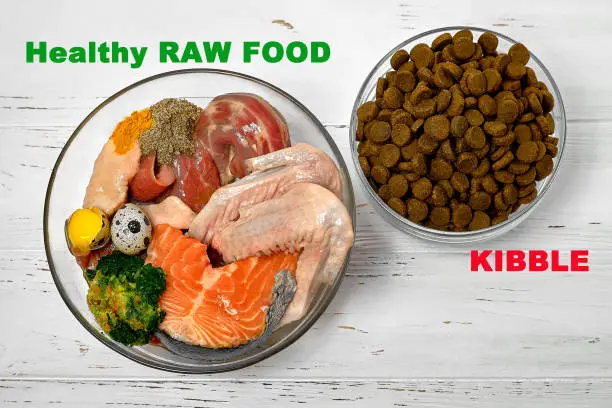
Over the past few years, raw dog food has transformed from a niche feeding trend into a mainstream movement among dog owners who want better nutrition for their pets. More people are beginning to question heavily processed kibble and are searching for diets that resemble what dogs naturally ate before commercial pet food became common.
The idea behind raw feeding is simple: provide dogs with a species-appropriate diet made from fresh, minimally processed ingredients such as raw meat, organs, bones, vegetables, and healthy fats. Supporters believe this style of feeding can improve digestion, increase energy, strengthen immunity, and help dogs maintain healthier skin and coats.
At the same time, raw feeding remains a controversial topic. Some veterinarians praise its nutritional benefits, while others raise concerns about food safety and nutritional balance. Understanding both sides is important before making dietary changes for your dog.
In this guide, we’ll explore everything you need to know about raw dog food — including its benefits, risks, ingredients, feeding methods, and how to safely transition your dog to a raw diet.
If you’re interested in improving your dog’s nutrition naturally, this article will help you decide whether raw feeding is the right choice.
What Is Raw Dog Food?
Raw dog food refers to a diet made primarily from uncooked ingredients. Unlike traditional kibble, which is heavily processed at high temperatures, raw food is designed to preserve natural nutrients, enzymes, and proteins.
Most raw diets contain:
- Raw muscle meat
- Organ meat
- Raw edible bones
- Vegetables and fruits
- Natural supplements
- Healthy oils and fats
The goal is to mimic the diet dogs’ ancestors consumed in the wild while still ensuring balanced nutrition for modern domestic dogs.
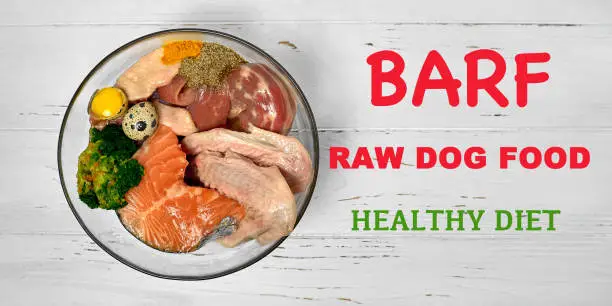
Many raw feeders follow the philosophy of BARF, which stands for:
Biologically Appropriate Raw Food or Bones and Raw Food
This approach focuses on feeding dogs foods their bodies are naturally designed to digest.
Why More Pet Owners Are Switching to Raw Feeding
Dog owners today are becoming far more conscious about pet nutrition than ever before. Many have started reading ingredient labels carefully and questioning artificial additives found in commercial dog food.
Several factors are driving the popularity of raw feeding:
Common Reasons Owners Choose Raw Diets
| Reason | Explanation |
|---|---|
| Better ingredient quality | Fresh meats and natural foods feel healthier than processed kibble |
| Fewer fillers | Raw diets avoid excessive grains, preservatives, and artificial ingredients |
| Allergy management | Some dogs improve after eliminating processed foods |
| Improved digestion | Raw-fed dogs often produce smaller, firmer stools |
| Increased energy | Owners frequently report more active and playful behavior |
| Healthier skin and coat | Omega-rich raw diets may improve coat shine |
Social media, pet nutrition blogs, and veterinary nutrition discussions have also contributed to growing awareness about raw feeding.
Many owners feel more connected to their dogs’ health when preparing or selecting high-quality raw meals themselves.
The Connection Between Nutrition and Long-Term Dog Health
Nutrition affects nearly every aspect of a dog’s body, including:
- Immune function
- Skin and coat health
- Joint strength
- Digestive health
- Energy levels
- Weight management
- Organ function
- Dental health
Poor-quality diets may contribute to obesity, inflammation, allergies, and digestive issues over time.
A nutrient-rich raw diet may help support:
- Lean muscle development
- Better hydration
- Reduced food sensitivities
- Stronger teeth and gums
- Healthier aging
While nutrition alone cannot prevent every disease, feeding high-quality food gives dogs a stronger foundation for lifelong wellness.
Many advocates of natural feeding believe dogs thrive best when eating real, minimally processed foods instead of heavily manufactured products.
Understanding “Biologically Appropriate” Diets for Dogs
The term biologically appropriate diet means feeding dogs foods their digestive systems evolved to handle naturally.
Dogs belong to the carnivore family, although they can digest certain plant-based foods. Their bodies are highly adapted for:
- Digesting animal protein
- Processing raw fats
- Breaking down bones
- Utilizing amino acids efficiently
Supporters of raw feeding argue that many commercial foods contain ingredients dogs were not naturally designed to consume in large amounts, such as:
- Corn fillers
- Artificial preservatives
- Excessive carbohydrates
- Synthetic flavorings
- Low-quality by-products
A biologically appropriate diet attempts to return to a more natural nutritional model.
Characteristics of a Biologically Appropriate Diet
| Feature | Purpose |
|---|---|
| High animal protein | Supports muscle and organ health |
| Moderate healthy fat | Provides energy and coat support |
| Minimal processing | Preserves nutrients and enzymes |
| Low carbohydrate content | Mimics ancestral canine diets |
| Natural ingredients | Reduces artificial additives |
This doesn’t necessarily mean every dog must eat raw food. However, many owners feel biologically appropriate feeding aligns more closely with canine nutritional needs.
Overview of the Benefits and Risks of Raw Feeding
Like any feeding approach, raw diets come with both advantages and potential concerns.
Understanding both sides helps owners make informed decisions.
Potential Benefits of Raw Feeding
- Shinier coats
- Better digestion
- Smaller stools
- Increased energy
- Leaner body composition
- Improved dental health
- Reduced food sensitivities
- Better muscle tone
Possible Risks of Raw Feeding
- Nutritional imbalance
- Bacterial contamination
- Improper bone feeding
- Incomplete homemade diets
- Storage and handling concerns
The key difference between a successful raw diet and a problematic one is usually proper balance and food safety practices.
Raw feeding should never be random. Dogs require carefully balanced nutrition to stay healthy long term.
Types of Raw Dog Food
Raw feeding is not a one-size-fits-all system. There are several types of raw dog food available today, each offering different levels of convenience, cost, and preparation.
Understanding these options can help owners choose the best feeding style for their dog and lifestyle.
Frozen Raw Dog Food
Frozen raw dog food is one of the most popular choices among raw feeders.
These meals are usually sold frozen to preserve freshness and nutrients. They often come pre-portioned for convenience.
Advantages of Frozen Raw Food
- Closest to fresh raw feeding
- Minimally processed
- High moisture content
- Convenient portioning
- Balanced formulations available
Drawbacks
- Requires freezer space
- Can be expensive
- Must be thawed before feeding
Frozen raw diets are ideal for owners who want maximum freshness without preparing meals from scratch.
Freeze-Dried Raw Dog Food
Freeze-dried raw food removes moisture while preserving nutrients through a low-temperature process.
This creates shelf-stable raw food that’s lightweight and convenient.
Benefits of Freeze-Dried Raw Food
- Long shelf life
- Easy storage
- Travel friendly
- Retains many nutrients
- No freezer required
Many owners use freeze-dried raw food as:
- Full meals
- Training treats
- Travel food
- Meal toppers
Some products require rehydration with water before serving.
Dehydrated Raw Dog Food
Dehydrated raw food is similar to freeze-dried food but uses gentle heat to remove moisture.
It often comes in powder or chunk form and requires water before feeding.
Pros of Dehydrated Raw Food
- Easier storage
- Lightweight packaging
- Reduced spoilage risk
- Convenient for busy owners
Cons
- Some nutrient loss during dehydration
- Texture may differ from fresh raw food
Homemade Raw Diets
Homemade raw feeding gives owners full control over ingredients and sourcing.
Meals are prepared manually using fresh meats, organs, bones, vegetables, and supplements.
Benefits of Homemade Raw Feeding
- Ingredient transparency
- Customization for allergies
- Fresh whole foods
- Flexible protein selection
Challenges
- Requires nutritional knowledge
- Time-consuming preparation
- Risk of imbalance if improperly formulated
Owners choosing homemade raw diets should research canine nutritional requirements carefully.
Commercial Raw Diets
Commercial raw diets are professionally prepared by pet food companies.
These diets are usually formulated to meet nutritional guidelines and may offer:
- Complete balanced meals
- Pre-portioned servings
- Safer handling processes
- Veterinary nutrition oversight
Commercial raw foods are popular among beginners because they simplify feeding.
Some well-known raw dog food brands include:
- Stella & Chewy’s
- Open Farm
- We Feed Raw
- Viva Raw
- Darwin’s
We’ll explore these brands later in the article.
What Ingredients Are Included in Raw Dog Food?
A properly balanced raw diet contains several important components that work together to support canine health.
Each ingredient category provides different nutrients dogs need.
Muscle Meat
Muscle meat forms the foundation of most raw diets.
It supplies:
- Protein
- Amino acids
- Iron
- Zinc
- B vitamins
Common protein sources include:
- Beef
- Chicken
- Turkey
- Lamb
- Duck
- Venison
- Rabbit
- Fish
Protein helps support:
- Muscle growth
- Tissue repair
- Hormone production
- Immune health
Rotating protein sources may help provide broader nutritional variety.
Organ Meat
Organ meats are often called nature’s multivitamin because they are incredibly nutrient dense.
Common organ meats include:
- Liver
- Kidney
- Spleen
- Heart
These organs provide:
| Nutrient | Benefit |
|---|---|
| Vitamin A | Vision and immunity |
| Iron | Healthy blood cells |
| Copper | Enzyme function |
| B vitamins | Energy metabolism |
| Taurine | Heart health |
Although organs are highly nutritious, they must be fed in proper amounts because excessive quantities can create imbalances.
Raw Bones
Raw edible bones provide:
- Calcium
- Phosphorus
- Dental cleaning benefits
They also encourage natural chewing behavior.
Common Raw Bones for Dogs
- Chicken necks
- Duck necks
- Chicken wings
- Turkey necks
Cooked bones should never be fed because they can splinter and become dangerous.
Raw bones should always match the size and chewing ability of the dog.
Vegetables and Fruits
Although dogs are primarily carnivorous, certain fruits and vegetables can provide additional nutrients and fiber.
Popular Dog-Friendly Produce
- Carrots
- Spinach
- Pumpkin
- Blueberries
- Kale
- Broccoli
- Apples
These foods may provide:
- Antioxidants
- Fiber
- Vitamins
- Minerals
Many raw feeders lightly puree vegetables to improve digestibility.
Supplements and Nutrients
Some raw diets include supplements to help achieve nutritional balance.
Common additions include:
- Fish oil
- Probiotics
- Kelp powder
- Vitamin E
- Zinc supplements
- Goat milk
The goal is to create a complete and balanced nutritional profile that supports long-term canine health.
Understanding the 80-10-10 Raw Feeding Ratio
One of the most common raw feeding guidelines is the 80-10-10 model.
This ratio refers to the composition of the diet:
| Component | Percentage |
|---|---|
| Muscle meat | 80% |
| Bone | 10% |
| Organ meat | 10% |
This framework is designed to mimic the nutritional balance of whole prey animals.
80% Muscle Meat
Muscle meat provides the majority of protein and calories.
It serves as the main energy source in raw feeding.
10% Bone
Raw edible bones provide calcium and phosphorus necessary for:
- Bone development
- Nerve function
- Muscle contractions
10% Organ Meat
Organs deliver concentrated vitamins and minerals essential for overall health.
Liver is especially important because of its vitamin A content.
Why Balance Matters in Raw Feeding
Balance is critical in any dog diet — especially raw feeding.
Too much bone may cause constipation.
Too little organ meat may create vitamin deficiencies.
Excessive liver may lead to vitamin toxicity.
A properly balanced diet ensures dogs receive:
- Essential amino acids
- Vitamins
- Minerals
- Fatty acids
- Trace nutrients
Raw feeding works best when approached thoughtfully rather than emotionally.
Why Raw Dog Food Is Considered Serious Nutrition
Raw feeding supporters often describe raw diets as “serious nutrition” because the focus is placed on fresh, nutrient-dense ingredients instead of heavily processed fillers.
Unlike many commercial pet foods that undergo intense heat processing, raw diets aim to preserve naturally occurring nutrients that dogs can efficiently utilize.
For many owners, raw feeding is not just a trend — it’s a long-term commitment to improving canine wellness through better food quality.
Nutrient Density in Raw Diets
One major reason raw food receives attention is its high nutrient density.
Fresh raw ingredients naturally contain:
- Bioavailable protein
- Essential fatty acids
- Natural vitamins
- Trace minerals
- Moisture
- Enzymes
Because raw foods are minimally processed, nutrients remain closer to their original form.
This may help dogs absorb nutrition more effectively compared to highly processed foods.
Nutrient-Dense Foods Commonly Used in Raw Diets
| Ingredient | Nutritional Benefits |
|---|---|
| Beef liver | Vitamin A, iron, copper |
| Sardines | Omega-3 fatty acids |
| Eggs | Protein and amino acids |
| Spinach | Antioxidants and fiber |
| Pumpkin | Digestive support |
| Turkey | Lean protein |
Natural Enzymes and Amino Acids
Raw meat naturally contains enzymes and amino acids that may be partially altered during high-heat cooking.
These nutrients help support:
- Digestion
- Muscle maintenance
- Cellular repair
- Immune function
Essential amino acids such as taurine, lysine, and methionine play important roles in canine health.
Dogs require protein-rich diets because their bodies depend heavily on amino acids for proper biological function.
High-Quality Protein Sources
Protein is the foundation of every healthy canine diet.
Raw diets usually prioritize premium animal proteins such as:
- Beef
- Chicken
- Turkey
- Lamb
- Duck
- Rabbit
- Fish
- Venison
High-quality protein helps support:
- Lean muscle growth
- Organ health
- Tissue repair
- Healthy skin
- Hormone production
Many dog owners choose raw diets because they want more recognizable protein sources and fewer mystery ingredients.
Healthy Fats for Skin and Coat
Healthy fats are essential for dogs.
Raw diets often contain natural animal fats and omega fatty acids that support:
- Brain health
- Joint lubrication
- Skin hydration
- Coat shine
- Hormone production
Important Healthy Fat Sources
| Fat Source | Main Benefits |
|---|---|
| Salmon oil | Omega-3 support |
| Sardines | Anti-inflammatory fats |
| Beef fat | Energy source |
| Egg yolks | Skin and coat health |
| Duck fat | Flavor and energy |
Dogs fed balanced raw diets frequently develop softer coats and healthier skin over time.
Improved Nutrient Absorption
One of the biggest advantages raw feeding advocates discuss is nutrient bioavailability.
Because raw diets contain fewer fillers and less processing, dogs may digest and absorb nutrients more efficiently.
Signs of improved digestion may include:
- Smaller stools
- Reduced gas
- Better appetite control
- Increased energy
- Healthier body condition
Dogs often produce less waste because their bodies use more of the food they consume.
Less Processed Than Traditional Kibble
Most kibble is produced through an extrusion process involving:
- High heat
- Pressure
- Mechanical processing
This process can reduce some natural nutrients, requiring manufacturers to add synthetic vitamins afterward.
Raw diets avoid much of this heavy processing.
Raw Food vs Kibble Processing
| Feature | Raw Food | Kibble |
|---|---|---|
| Processing level | Minimal | Heavy |
| Moisture content | High | Low |
| Artificial additives | Usually limited | Often present |
| Protein quality | Fresh animal protein | Variable |
| Shelf stability | Lower | Higher |
This difference is one reason many owners view raw feeding as a more natural option.
Human-Grade Ingredients Explained
Many premium raw brands use human-grade ingredients, meaning the ingredients meet standards suitable for human consumption before entering pet food production.
This often includes:
- Higher-quality meats
- Better sourcing standards
- Cleaner processing practices
Benefits of Feeding Dogs a Raw Diet
Many dog owners report significant improvements after transitioning to raw food.
While every dog responds differently, balanced raw diets may support several aspects of canine wellness.
Healthier Skin and Shinier Coat
One of the first noticeable improvements many owners observe is healthier skin and coat quality.
Raw diets rich in:
- Omega-3 fatty acids
- Healthy animal fats
- Zinc
- Vitamin E
may help reduce:
- Dry skin
- Excessive shedding
- Coat dullness
- Itching
Dogs often develop softer, shinier fur after consistent raw feeding.
Better Digestion and Smaller Stools
Raw-fed dogs frequently produce smaller, firmer stools.
This happens because raw diets typically contain:
- Fewer fillers
- Less indigestible material
- More digestible protein
Better digestion may also reduce:
- Gas
- Bloating
- Stool odor
Dogs with sensitive stomachs sometimes improve when processed ingredients are removed.
Increased Energy Levels
Balanced raw diets may provide more stable energy due to improved nutrient quality.
Owners often report:
- Increased playfulness
- Better stamina
- Improved mental alertness
- More enthusiasm during walks
Dogs receiving adequate protein and healthy fats often maintain stronger muscle tone and endurance.
Stronger Teeth and Fresher Breath
Chewing raw meaty bones may help scrape plaque from teeth naturally.
Potential dental benefits include:
- Cleaner teeth
- Reduced tartar buildup
- Fresher breath
- Healthier gums
Dental health is extremely important because oral disease can impact overall health.
However, bones must always be appropriately sized and safely fed.
Lean Muscle Development
Protein-rich raw diets support lean muscle maintenance.
Dogs consuming balanced raw meals may develop:
- Better muscle tone
- Improved body composition
- Reduced excess body fat
This can be especially beneficial for:
- Active dogs
- Sporting breeds
- Working dogs
Improved Immune System Support
Whole-food nutrition may help support healthy immune function.
Raw diets often contain:
- Antioxidants
- Natural vitamins
- Zinc
- Selenium
- Omega fatty acids
These nutrients contribute to immune system health and cellular repair.
Reduced Allergies and Food Sensitivities
Some dogs experience food sensitivities related to:
- Artificial additives
- Certain grains
- Low-quality proteins
- Preservatives
Raw feeding allows owners to simplify ingredients and identify possible triggers more easily.
Limited-ingredient raw diets can help some dogs experiencing:
- Chronic itching
- Ear infections
- Digestive upset
- Skin irritation
Better Weight Management
Raw diets are often naturally lower in carbohydrates and higher in protein.
This may help dogs maintain healthier body weight.
Protein helps dogs feel satisfied longer while supporting muscle preservation.
Obesity is one of the most common health issues in dogs today, making portion control and proper nutrition extremely important.
Enhanced Joint and Bone Health
Certain raw diet ingredients may help support joints and mobility.
These include:
- Omega-3 fatty acids
- Collagen
- Glucosamine-rich cartilage
- Bone minerals
Senior dogs and large breeds may particularly benefit from nutrient-rich joint support.
Raw Dog Food vs Kibble
One of the biggest debates in pet nutrition centers around raw food versus kibble.
Each feeding method has strengths and weaknesses.
Understanding the differences helps owners make informed decisions.
Nutritional Comparison
Raw diets typically prioritize:
- Animal protein
- Moisture
- Natural fats
- Fresh ingredients
Kibble often contains:
- Processed carbohydrates
- Stabilizers
- Preservatives
- Synthetic nutrients
Basic Nutritional Comparison
| Feature | Raw Food | Kibble |
|---|---|---|
| Moisture | High | Very low |
| Processing | Minimal | Heavy |
| Protein source | Fresh meat | Variable |
| Shelf life | Shorter | Longer |
| Carbohydrates | Lower | Higher |
Ingredient Quality Differences
Ingredient quality varies widely in both raw and kibble products.
Premium raw foods usually emphasize:
- Whole meats
- Organs
- Limited fillers
- Transparent sourcing
Lower-quality kibble may contain:
- Meat meals
- Artificial preservatives
- Excessive starches
- Generic by-products
However, not all kibble is poor quality, and not all raw food is automatically balanced.
Processing Methods Explained
Kibble production involves extrusion, where ingredients are cooked at high temperatures.
This improves shelf stability but may reduce certain nutrients.
Raw food avoids this intense processing, helping preserve:
- Enzymes
- Amino acids
- Moisture
- Natural flavors
Many owners prefer raw diets because they feel the food resembles real food more closely.
Which Diet Is More Natural for Dogs?
Supporters of raw feeding argue that fresh meat-based diets are more biologically appropriate for dogs.
Critics argue that domestic dogs have adapted to digest a wider range of foods over thousands of years.
The reality is that dogs can survive on many feeding styles, but diet quality remains extremely important regardless of the approach.
Raw Food vs Wet Dog Food
Wet food contains higher moisture than kibble but is still cooked during processing.
Wet Food Advantages
- Easier storage
- Convenient feeding
- Higher hydration than kibble
Raw Food Advantages
- Minimal processing
- Fresh ingredients
- Natural texture
- Lower additives
Raw Diet vs Fresh Cooked Dog Food
Fresh cooked dog food has become increasingly popular.
These meals use gently cooked fresh ingredients instead of raw meat.
Fresh Cooked Food Benefits
- Lower bacterial concerns
- Easier digestion for some dogs
- Convenient delivery options
Raw Food Benefits
- Less nutrient destruction
- Natural enzymes preserved
- Raw chewing benefits
Some owners even combine feeding methods depending on their dog’s needs.
Cost Comparison: Raw Feeding vs Kibble
Raw feeding is usually more expensive than traditional kibble.
Factors Affecting Raw Food Cost
- Protein quality
- Brand reputation
- Ingredient sourcing
- Frozen storage
- Portion size
Homemade raw feeding may reduce costs, but it requires preparation time and nutritional knowledge.
Convenience and Storage Differences
Kibble is easier to store and transport.
Raw food requires:
- Refrigeration
- Freezing
- Safe thawing practices
Busy households may prefer freeze-dried raw products because they offer convenience without needing freezer space.
Is Raw Dog Food Safe?
Safety is one of the most discussed aspects of raw feeding.
When handled improperly, raw meat can contain harmful bacteria.
However, safe food handling practices significantly reduce risks.
Common Concerns About Raw Feeding
The most common concerns include:
- Salmonella
- E. coli
- Nutritional imbalance
- Bone hazards
Critics worry about contamination risks for both dogs and humans.
Supporters argue that proper sourcing and hygiene practices help manage these risks effectively.
Bacteria Risks: Salmonella and E. Coli
Raw meat can naturally contain bacteria.
Healthy dogs often tolerate bacteria better than humans due to:
- Short digestive tracts
- Highly acidic stomachs
Still, contamination remains possible.
Households with:
- Small children
- Elderly individuals
- Immunocompromised people
should be especially cautious.
Safe Handling Practices for Raw Dog Food
Safe raw feeding practices are essential.
Raw Feeding Safety Tips
- Wash hands after handling raw food
- Clean bowls thoroughly
- Disinfect feeding surfaces
- Store food at proper temperatures
- Thaw food safely in the refrigerator
- Avoid leaving raw food out too long
Proper hygiene dramatically lowers contamination risks.
How Commercial Raw Brands Improve Safety
Many commercial raw food companies now use advanced food safety protocols.
These may include:
- Pathogen testing
- Ingredient screening
- Sanitary production facilities
- Cold pressure processing
Premium brands invest heavily in food safety standards to reduce contamination risks.
Cold Pressure Processing (HPP) Explained
HPP stands for High Pressure Processing.
This method uses pressure instead of heat to reduce harmful bacteria while preserving raw nutrients.
Benefits of HPP
| Benefit | Explanation |
|---|---|
| Improved safety | Reduces pathogens |
| Nutrient preservation | Minimal heat damage |
| Longer shelf life | Better product stability |
| Maintains raw texture | Food remains uncooked |
Some raw feeders prefer non-HPP products, while others appreciate the added safety layer.
Proper Freezing and Storage Tips
Correct storage is critical for raw food safety.
Safe Storage Guidelines
- Keep frozen until needed
- Thaw in the refrigerator
- Use within recommended timeframes
- Avoid repeated thawing and refreezing
- Store separately from human food when possible
Proper storage protects both pets and household members.
Veterinary Opinions on Raw Feeding
Veterinary opinions on raw feeding vary widely. Some veterinarians strongly support biologically appropriate diets, while others remain cautious due to safety and nutritional concerns.
The truth is that raw feeding is not automatically healthy or unhealthy — the outcome depends heavily on:
- Ingredient quality
- Nutritional balance
- Food safety practices
- Proper feeding management
Many holistic and integrative veterinarians support balanced raw diets because they believe fresh foods may improve long-term wellness.
Traditional veterinarians may express concerns regarding:
- Bacterial contamination
- Homemade diet imbalances
- Bone-related injuries
- Unsafe feeding practices
The most responsible approach is to work with a veterinarian or canine nutrition professional when transitioning to raw feeding.
For evidence-based pet nutrition resources,
World Small Animal Veterinary Association (WSAVA) Nutrition Resources
offers educational guidance on balanced feeding practices.
Potential Risks of Raw Dog Food
Although raw feeding may offer benefits, owners should also understand the potential risks involved.
A poorly planned raw diet can create serious health issues over time.
Nutritional Imbalances
The biggest concern with homemade raw diets is imbalance.
Dogs require proper amounts of:
- Calcium
- Phosphorus
- Zinc
- Essential fatty acids
- Vitamins
- Amino acids
Feeding only muscle meat without organs or bones can create deficiencies.
Likewise, excessive liver or bone content may also cause problems.
Signs of Nutritional Imbalance
| Symptom | Possible Cause |
|---|---|
| Weak bones | Calcium deficiency |
| Constipation | Too much bone |
| Poor coat quality | Fatty acid imbalance |
| Fatigue | Inadequate nutrients |
| Digestive upset | Improper diet ratios |
Balanced nutrition matters far more than simply feeding raw meat.
Bone Hazards
Raw bones can provide dental and mineral benefits, but they must be selected carefully.
Potential risks include:
- Choking
- Tooth fractures
- Intestinal blockage
- Digestive injury
Weight-bearing bones from large animals may be too hard for many dogs.
Always supervise dogs while chewing bones and choose appropriate sizes.
Cooked bones should never be fed because they splinter easily.
Foodborne Illness Risks
Raw meat naturally carries bacteria.
While healthy dogs often tolerate bacteria better than humans, contamination risks still exist.
Improper handling can expose household members to pathogens.
The highest-risk groups include:
- Elderly individuals
- Young children
- Pregnant women
- Immunocompromised people
Strict hygiene practices are essential when feeding raw diets.
Raw Diets for Dogs With Weak Immune Systems
Some dogs may not be ideal candidates for raw feeding.
This may include dogs with:
- Serious illnesses
- Compromised immune systems
- Certain digestive disorders
- Advanced organ disease
These dogs may require specialized veterinary nutrition plans.
Always consult a veterinarian before making major dietary changes for medically sensitive pets.
Common Mistakes New Raw Feeders Make
Beginners sometimes make feeding errors due to lack of research.
Common Raw Feeding Mistakes
- Feeding only meat without balance
- Overfeeding bones
- Ignoring portion control
- Switching diets too quickly
- Using low-quality ingredients
- Failing to rotate proteins
- Unsafe food storage
Raw feeding requires education and consistency.
Why Research and Balance Are Essential
Raw feeding is not just about tossing raw meat into a bowl.
Dogs need complete nutrition to thrive long term.
Responsible raw feeding involves:
- Researching canine nutrition
- Monitoring your dog’s health
- Using balanced recipes
- Practicing food safety
- Adjusting portions carefully
The more informed the owner, the safer and more successful the raw feeding journey becomes.
How to Start Feeding Raw Dog Food
Transitioning a dog to raw food should be done thoughtfully.
Some dogs adjust quickly, while others need gradual changes.
Transitioning From Kibble to Raw
Many owners begin by replacing one meal at a time with raw food.
A gradual transition may reduce digestive upset.
Simple Transition Plan
| Day | Raw Food Ratio | Kibble Ratio |
|---|---|---|
| 1–3 | 25% | 75% |
| 4–6 | 50% | 50% |
| 7–9 | 75% | 25% |
| 10+ | 100% | 0% |
Some dogs tolerate immediate switching, but gradual transitions are often easier for sensitive stomachs.
Gradual vs Cold Turkey Transition
Both approaches can work.
Gradual Transition
Best for:
- Sensitive dogs
- Senior dogs
- Dogs with digestive issues
Cold Turkey Transition
Sometimes used for:
- Healthy adult dogs
- Dogs refusing mixed meals
Owners should monitor stool quality and energy levels closely during either method.
Feeding Schedule for Beginners
Most adult dogs eat twice daily.
Puppies typically require:
- 3–4 meals per day
Consistent feeding schedules help digestion and routine.
Portion Size Guidelines
Portion sizes vary depending on:
- Age
- Weight
- Activity level
- Metabolism
A common starting guideline is:
- 2–3% of body weight daily for adult dogs
Example Portion Table
| Dog Weight | Daily Raw Food Amount |
|---|---|
| 10 lbs | 0.2–0.3 lbs |
| 25 lbs | 0.5–0.75 lbs |
| 50 lbs | 1–1.5 lbs |
| 75 lbs | 1.5–2.25 lbs |
Adjust portions based on body condition and activity.
How Much Raw Food Should a Dog Eat?
There is no universal feeding amount.
Factors affecting intake include:
- Breed
- Exercise level
- Age
- Metabolism
- Health status
Working dogs usually need more calories than sedentary pets.
Monitoring Your Dog During the Transition
Watch for signs that your dog is adjusting well.
Positive Signs
- Healthy stool
- Good energy
- Improved coat condition
- Strong appetite
- Stable weight
Warning Signs
- Persistent diarrhea
- Vomiting
- Extreme lethargy
- Refusal to eat
- Severe constipation
If problems continue, consult a veterinarian.
Common Detox Symptoms and Adjustments
Some owners report temporary “detox” symptoms during transitions.
These may include:
- Mild loose stool
- Increased shedding
- Temporary digestive changes
However, severe symptoms should never be ignored.
Gradual adjustments often solve minor issues.
Best Raw Dog Food Ingredients for Optimal Health
Ingredient quality is one of the most important aspects of raw feeding.
Best Protein Sources for Dogs
Beef
Rich in:
- Iron
- Zinc
- Protein
- B vitamins
Chicken
Affordable and highly digestible.
Turkey
Lean protein source suitable for many dogs.
Lamb
Good for active dogs needing calorie-dense meals.
Duck
Rich flavor and healthy fats.
Venison
Excellent novel protein for allergy-sensitive dogs.
Fish
Provides omega-3 fatty acids for skin and joints.
Best Fruits and Vegetables for Raw Diets
Certain produce items can support digestion and immunity.
Excellent Produce Choices
| Ingredient | Benefit |
|---|---|
| Pumpkin | Digestive support |
| Blueberries | Antioxidants |
| Spinach | Vitamins and minerals |
| Carrots | Fiber and beta carotene |
| Kale | Nutrient dense |
| Broccoli | Immune support |
Homemade raw feeding gives owners maximum ingredient control.
Pros and Cons of Homemade Raw Diets
Advantages
- Ingredient transparency
- Customization
- Fresh whole foods
- Flexible protein rotation
Disadvantages
- Time-consuming
- Nutritional complexity
- Higher preparation demands
Essential Nutrients Dogs Need
Balanced raw diets should contain:
- Protein
- Fat
- Calcium
- Phosphorus
- Zinc
- Omega fatty acids
- Vitamins A, D, and E
Ignoring micronutrients can create long-term health issues.
Supplements Often Added to Homemade Raw Meals
Common Supplements
- Fish oil
- Kelp
- Probiotics
- Vitamin E
- Green-lipped mussel
- Joint support powders
Simple Homemade Raw Meal Examples
Basic Raw Meal Example
- Ground beef
- Chicken neck
- Beef liver
- Spinach puree
- Fish oil
Balanced recipes are always safer than guessing ingredient amounts.
Mistakes to Avoid When Preparing Raw Meals
Avoid:
- Feeding cooked bones
- Using unbalanced recipes
- Ignoring organ meat
- Overfeeding liver
- Poor food hygiene
Commercial Raw Dog Food Brands
Commercial raw foods simplify feeding for busy owners.
What to Look for in a High-Quality Brand
Important Factors
- Transparent ingredient sourcing
- Balanced nutrition
- Safety testing
- Clear labeling
- Quality protein sources
AAFCO Compliance Explained
AAFCO guidelines help ensure pet foods meet minimum nutritional standards.
Complete raw diets should ideally meet AAFCO nutritional profiles.
Transparency in Ingredient Sourcing
High-quality companies clearly explain:
- Ingredient origins
- Manufacturing standards
- Safety testing protocols
Transparency builds trust.
Best Raw Dog Food Brands in 2026
Popular brands include:
- We Feed Raw
- Viva Raw
- Darwin’s
- Open Farm
- Stella & Chewy’s
- Mae
Freeze-Dried Raw Dog Food
Freeze-dried raw food combines convenience with raw nutrition.
What Is Freeze-Dried Raw Food?
Moisture is removed at very low temperatures while preserving nutrients.
This creates lightweight, shelf-stable food.
Benefits of Freeze-Dried Raw
Advantages
- Easy storage
- Travel friendly
- Long shelf life
- Minimal processing
- Convenient feeding
Is Freeze-Dried as Nutritious as Frozen Raw?
Both can provide excellent nutrition.
Frozen raw may preserve slightly more moisture, while freeze-dried products offer unmatched convenience.
Best Freeze-Dried Raw Foods for Travel
Freeze-dried foods are excellent for:
- Camping
- Road trips
- Boarding
- Hiking adventures
They eliminate freezer concerns while maintaining nutritional quality.
Raw Feeding for Different Dog Types
Different dogs have different nutritional needs.
Raw Diets for Puppies
Puppies need:
- Extra calories
- Balanced calcium/phosphorus
- Frequent meals
Growth-stage nutrition is critical.
Raw Food for Senior Dogs
Older dogs may benefit from:
- Joint-support nutrients
- Easier digestion
- Leaner proteins
Raw Feeding for Large Breeds
Large breeds require careful calcium balance to support healthy growth and joints.
Raw Diets for Small Dogs
Small breeds often thrive on:
- Smaller bone sizes
- Energy-dense meals
Raw Food for Active and Working Dogs
Working dogs usually need:
- Higher calories
- More protein
- Increased fat intake
Raw Diets for Dogs With Allergies
Limited-ingredient raw diets may help identify food triggers.
Raw Feeding for Sensitive Stomachs
Simple protein diets often work well for digestive sensitivity.
Common Myths About Raw Dog Food
“Raw Food Is Dangerous”
Safe handling significantly lowers risks.
“Dogs Need Grains”
Dogs can digest grains, but they do not biologically require large amounts.
“Raw Feeding Is Too Expensive”
Costs vary widely depending on feeding style and ingredient choices.
“Raw Diets Are Not Balanced”
Balanced raw diets absolutely can meet nutritional needs when properly formulated.
“Kibble Cleans Dogs’ Teeth”
Most kibble shatters quickly and provides limited dental cleaning.
“Raw Feeding Is Just a Trend”
Raw feeding principles existed long before commercial pet food.
Signs Your Dog Is Thriving on a Raw Diet
Healthy raw-fed dogs often show:
- Smaller stools
- Increased energy
- Better coat condition
- Healthy body weight
- Improved muscle tone
- Better digestion
Raw Feeding FAQs
Can Puppies Eat Raw Dog Food?
Yes, if nutritionally balanced.
Can Dogs Eat Raw Chicken?
Yes, when safely sourced and properly handled.
How Long Can Raw Dog Food Stay Out?
Generally no longer than 1–2 hours.
Do Vets Recommend Raw Feeding?
Opinions vary greatly among veterinarians.
Is Raw Dog Food Expensive?
It can be, but costs depend on ingredient choices and feeding methods.
Can I Mix Raw Food With Kibble?
Some owners do, though digestion differences may affect certain dogs.
How Do I Store Raw Dog Food?
Keep frozen or refrigerated according to manufacturer guidelines.
How Often Should Dogs Eat Raw Meals?
Most adult dogs eat twice daily.
Expert Tips for Successful Raw Feeding
Rotate Protein Sources Regularly
Variety helps improve nutritional diversity.
Prioritize Nutritional Balance
Balance matters more than feeding style alone.
Use High-Quality Ingredients
Better ingredients often support better health outcomes.
Monitor Weight and Energy Levels
Adjust portions based on body condition.
Schedule Regular Vet Checkups
Routine health monitoring remains essential.
Keep Feeding Areas Clean
Good hygiene protects both pets and humans.
Conclusion
Raw dog food has become far more than a passing pet nutrition trend. For many owners, it represents a conscious effort to feed dogs in a way that feels more natural, nutrient-rich, and biologically appropriate.
When properly balanced, raw diets may support:
- Better digestion
- Healthier skin and coats
- Lean muscle maintenance
- Improved energy
- Stronger dental health
At the same time, raw feeding requires responsibility. Owners must understand proper nutritional balance, safe handling practices, and their individual dog’s needs.