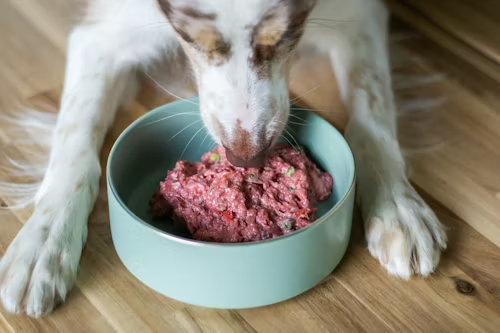
As dogs grow older, their nutritional needs begin to change in important ways. Senior dogs often experience reduced energy levels, slower metabolism, joint stiffness, digestive sensitivity, and muscle loss. Because of this, many pet owners start looking for healthier and more natural feeding options that can support their dog’s quality of life during the aging process.
One feeding approach that has gained major attention in recent years is senior raw dog food.
Supporters of raw feeding believe that minimally processed diets made with fresh meat, organs, bones, and natural ingredients can help aging dogs maintain healthier joints, stronger muscles, better digestion, and improved overall vitality.
While raw feeding is not a magic solution, many owners report positive changes after transitioning their older dogs to balanced raw diets. From shinier coats to better mobility, the potential benefits have encouraged more people to explore species-appropriate nutrition for senior pets.
However, feeding senior dogs raw food also raises important questions:
- Is raw food safe for older dogs?
- Do senior dogs need special nutrients?
- How much protein should an aging dog eat?
- What ingredients are best for joint support and digestion?
In this guide, we’ll explore everything you need to know about raw feeding for senior dogs, including benefits, risks, nutritional requirements, feeding tips, and how to safely transition your aging companion to a raw diet.
What Is Senior Raw Dog Food?
Senior raw dog food refers to a raw, minimally processed diet specifically designed for older dogs.
Unlike traditional kibble, raw diets focus on fresh whole-food ingredients such as:
- Raw meat
- Organ meat
- Raw edible bones
- Vegetables
- Healthy fats
- Natural supplements
The goal is to provide aging dogs with nutrition that supports:
- Joint health
- Muscle maintenance
- Digestion
- Immune function
- Healthy weight management
Senior raw diets are often adjusted to meet the changing needs of older dogs, who may require:
- Easier-to-digest proteins
- Additional joint support nutrients
- Controlled calorie intake
- Higher moisture content
- Anti-inflammatory ingredients
Definition of Raw Food for Senior Dogs
Raw food for senior dogs is based on the concept of feeding foods that resemble a dog’s ancestral diet while adapting portions and ingredients for aging bodies.
Most balanced senior raw diets include:
| Ingredient Type | Purpose |
|---|---|
| Muscle meat | Protein and energy |
| Organ meat | Vitamins and minerals |
| Raw bones | Calcium and phosphorus |
| Vegetables | Fiber and antioxidants |
| Healthy fats | Skin, coat, and brain support |
| Supplements | Joint and digestive support |
Senior raw diets may also include softer textures or ground ingredients for dogs with dental issues.
How Senior Raw Diets Differ From Adult Raw Diets
Although both adult and senior raw diets share similar foundations, senior dogs often require more targeted nutrition.
Key Differences Between Adult and Senior Raw Diets
| Adult Raw Diet | Senior Raw Diet |
|---|---|
| Higher calorie intake | Controlled calorie intake |
| Standard protein levels | Easily digestible protein |
| General nutrition focus | Joint and immune support |
| Basic fat balance | Anti-inflammatory fats |
| Stronger chewing ability | Softer textures may be needed |
Older dogs may also benefit from:
- Lower phosphorus levels
- Added omega-3 fatty acids
- Digestive support ingredients
- Controlled bone content
The Concept of Biologically Appropriate Nutrition
The idea behind raw feeding is often called biologically appropriate nutrition.
This means feeding dogs foods their digestive systems are naturally designed to process.
Dogs evolved primarily as carnivorous scavengers with digestive systems adapted for:
- Animal protein
- Fat digestion
- Bone consumption
- Nutrient absorption from raw foods
Supporters of raw feeding argue that fresh, minimally processed foods may better align with canine biology than highly processed commercial foods.
Although domestic dogs have adapted over time, many owners believe a natural feeding approach can still support better long-term health.
Why Older Dogs Need Specialized Diets
Senior dogs experience physical and metabolic changes that affect their nutritional requirements.
As dogs age, they may develop:
- Reduced muscle mass
- Slower digestion
- Joint stiffness
- Dental problems
- Lower energy levels
- Reduced appetite
A specialized senior diet can help support these challenges.
Common Nutritional Goals for Senior Dogs
- Maintain lean muscle
- Prevent obesity
- Support joint health
- Improve digestion
- Enhance hydration
- Strengthen immune health
Balanced nutrition becomes even more important during a dog’s senior years.
Common Ingredients in Senior Raw Dog Food
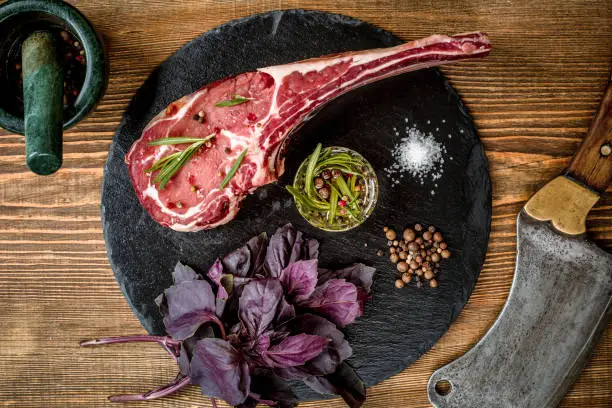
Senior raw diets often focus on nutrient-dense ingredients that are easier to digest and beneficial for aging bodies.
Common Ingredients Found in Senior Raw Food
- Beef
- Turkey
- Chicken
- Rabbit
- Salmon
- Sardines
- Pumpkin
- Spinach
- Bone broth
- Blueberries
- Goat milk
- Eggs
These ingredients may help provide:
- Protein
- Healthy fats
- Antioxidants
- Joint-support compounds
- Digestive support
Why Senior Dogs Have Different Nutritional Needs
Aging changes the body in many ways, and nutrition plays a major role in helping senior dogs stay healthy and comfortable.
Understanding these changes helps owners choose better diets for older pets.
Age-Related Changes in Dogs
As dogs age, their bodies naturally become less efficient at certain functions.
Common age-related changes include:
- Slower metabolism
- Reduced mobility
- Digestive sensitivity
- Muscle loss
- Decreased immune function
- Lower activity levels
These changes affect how dogs process nutrients and maintain body condition.
Slower Metabolism in Senior Dogs
Senior dogs typically burn fewer calories than younger dogs.
This slower metabolism means aging dogs may gain weight more easily if portions are not adjusted properly.
However, calorie reduction should never come at the expense of nutrient quality.
Older dogs still need:
- High-quality protein
- Essential fats
- Vitamins
- Minerals
The goal is to provide nutrient-dense meals without excessive calories.
Muscle Loss and Protein Requirements
One of the most common issues in aging dogs is loss of lean muscle mass.
As dogs age, maintaining muscle becomes harder.
This is why high-quality protein remains extremely important for seniors.
Signs of Muscle Loss in Older Dogs
| Symptom | Description |
|---|---|
| Weakness | Reduced strength and stamina |
| Weight loss | Especially around hips and spine |
| Reduced mobility | Difficulty climbing or walking |
| Fatigue | Lower energy levels |
Contrary to popular myths, healthy senior dogs often benefit from adequate protein intake rather than protein restriction.
Joint and Mobility Concerns
Joint stiffness and arthritis are extremely common in senior dogs.
Nutritional support may help improve comfort and mobility.
Certain nutrients commonly added to senior raw diets include:
- Omega-3 fatty acids
- Glucosamine
- Chondroitin
- Collagen
- Green-lipped mussels
These nutrients may help support:
- Joint lubrication
- Cartilage health
- Mobility
- Inflammation management
Digestive Changes in Older Dogs
Digestive efficiency may decrease with age.
Senior dogs can become more sensitive to:
- Artificial additives
- Excessive fillers
- Low-quality ingredients
Fresh raw diets with digestible proteins and moisture-rich ingredients may help support easier digestion.
Many owners notice improvements in:
- Stool quality
- Appetite
- Gas reduction
- Digestive comfort
Weakened Immune Systems
Aging dogs may have weaker immune systems than younger adults.
Nutrition becomes increasingly important for:
- Cellular repair
- Inflammation control
- Disease resistance
Antioxidant-rich foods may help support immune health in senior dogs.
Changes in Appetite and Taste
Older dogs sometimes become pickier eaters due to:
- Reduced smell sensitivity
- Dental discomfort
- Digestive issues
Fresh raw food often has a stronger natural aroma than kibble, which may encourage better appetite in aging dogs.
Some owners lightly warm raw food to increase smell and palatability.
Benefits of Raw Dog Food for Senior Dogs
Many pet owners choose raw feeding because they notice positive physical changes in their senior dogs.
While results vary from dog to dog, balanced raw diets may support several aspects of healthy aging.
Easier Digestion and Nutrient Absorption
Raw diets are typically lower in fillers and heavily processed ingredients.
This may help improve digestibility.
Some senior dogs experience:
- Less bloating
- Reduced gas
- Better stool quality
- Improved appetite
The moisture content in raw food may also support hydration and digestive health.
Better Weight Management
Maintaining a healthy weight is crucial for older dogs.
Excess body weight increases stress on:
- Joints
- Heart
- Mobility
- Spine
Raw diets are often:
- Higher in protein
- Lower in carbohydrates
- More filling
This can help support healthier body composition.
Lean Muscle Maintenance
Protein-rich diets help aging dogs preserve lean muscle tissue.
Strong muscles support:
- Mobility
- Balance
- Joint stability
- Energy levels
Senior dogs losing muscle may appear frail or weak over time.
High-quality protein can help combat this issue.
Increased Energy and Vitality
Some owners report that their dogs become more energetic after transitioning to balanced raw diets.
This may be linked to:
- Improved digestion
- Better nutrient absorption
- Reduced inflammation
- Higher-quality ingredients
Although senior dogs naturally slow down with age, nutrition can still influence overall vitality.
Healthier Skin and Shinier Coat
Healthy fats found in raw diets may improve:
- Dry skin
- Dull coats
- Excessive shedding
Omega-3 fatty acids are particularly important for aging dogs.
Common omega-rich ingredients include:
- Salmon
- Sardines
- Fish oil
Improved Joint Support
Joint support is one of the biggest reasons owners explore raw diets for senior dogs.
Ingredients like:
- Bone broth
- Green-lipped mussels
- Fish oil
- Collagen-rich tissues
may help support joint comfort and mobility.
Better Dental Health
Chewing raw meaty bones may help reduce plaque naturally.
Potential benefits include:
- Fresher breath
- Cleaner teeth
- Healthier gums
However, bone selection must always be appropriate for the dog’s size and chewing ability.
Smaller and Firmer Stools
Because raw diets contain fewer fillers, dogs often produce:
- Smaller stools
- Less odor
- Firmer consistency
This may indicate improved nutrient utilization.
Reduced Food Allergies and Sensitivities
Some senior dogs develop food sensitivities later in life.
Raw feeding allows owners to control ingredients more carefully.
Limited-ingredient raw diets may help identify triggers related to:
- Itching
- Ear infections
- Digestive upset
Improved Hydration Through Moisture-Rich Foods
Kibble is naturally dry, while raw food contains high moisture levels.
This additional moisture may help support:
- Kidney function
- Digestion
- Hydration
Is Raw Food Safe for Senior Dogs?
Safety is one of the most common concerns regarding raw feeding.
Senior dogs may have weaker immune systems, making proper handling even more important.
Common Concerns About Feeding Raw
The most common concerns include:
- Bacterial contamination
- Nutritional imbalance
- Bone hazards
- Digestive sensitivity
These risks can often be reduced with:
- Safe food handling
- Balanced meal planning
- Quality sourcing
Bacterial Risks: Salmonella and E. Coli
Raw meat can naturally contain bacteria such as:
- Salmonella
- E. coli
Healthy dogs often tolerate bacteria better than humans due to their digestive systems, but caution is still necessary.
Households with:
- Elderly individuals
- Small children
- Immunocompromised people
should practice strict hygiene around raw feeding.
How Aging Immune Systems Affect Safety
Older dogs may not handle bacteria as efficiently as younger dogs.
This is why ingredient quality and proper storage matter even more for seniors.
Some owners choose freeze-dried or HPP-treated raw foods for additional safety.
Safe Handling Practices for Raw Dog Food
Food safety plays a major role in successful raw feeding, especially when feeding senior dogs with aging immune systems.
Proper hygiene can significantly reduce contamination risks and help keep both pets and humans safe.
Important Raw Feeding Safety Tips
- Wash hands thoroughly after handling raw food
- Clean bowls after every meal
- Sanitize kitchen surfaces regularly
- Keep raw meat refrigerated or frozen
- Use separate utensils for pet food preparation
- Avoid leaving raw food out for long periods
- Discard uneaten food promptly
Consistency with these practices helps reduce bacterial exposure.
Proper Storage and Freezing Tips
Correct storage is essential when feeding raw diets.
Recommended Storage Guidelines
| Storage Method | Recommendation |
|---|---|
| Freezing | Store at 0°F (-18°C) or lower |
| Refrigeration | Keep thawed food below 40°F (4°C) |
| Thawing | Thaw inside refrigerator only |
| Refreezing | Avoid repeated thawing/refreezing |
| Serving time | Do not leave food out over 1–2 hours |
Proper storage helps preserve freshness and nutritional quality.
High Pressure Processing (HPP) Explained
Many commercial raw brands use High Pressure Processing (HPP) to improve food safety.
HPP uses pressure instead of heat to reduce harmful bacteria while maintaining raw nutritional properties.
Benefits of HPP for Senior Dogs
- Reduced pathogen risk
- Better shelf stability
- Preserved nutrients
- Safer feeding option for sensitive dogs
Some owners prefer HPP-treated foods for older dogs because they provide additional peace of mind.
When Raw Feeding May Not Be Ideal for Older Dogs
Raw feeding may not suit every senior dog.
Some dogs with severe medical conditions may require specialized veterinary diets.
Conditions That May Require Extra Caution
- Advanced kidney disease
- Severe pancreatitis
- Compromised immune systems
- Certain gastrointestinal disorders
- Serious dental disease
Always consult a veterinarian before changing the diet of a medically fragile senior dog.
Veterinary Opinions on Senior Raw Feeding
Veterinary opinions about raw feeding vary considerably.
Some holistic veterinarians support balanced raw diets because they emphasize fresh, minimally processed ingredients.
Others remain cautious due to:
- Bacterial risks
- Nutritional imbalances
- Bone-related injuries
Nutritional Requirements for Senior Dogs on Raw Diets
Aging dogs need carefully balanced nutrition to support healthy aging.
Senior raw diets should focus on quality rather than simply reducing calories.
Importance of High-Quality Protein
Protein remains one of the most important nutrients for senior dogs.
Healthy protein intake helps support:
- Muscle preservation
- Organ function
- Immune health
- Tissue repair
Senior dogs often require highly digestible animal proteins rather than lower protein intake.
High-Quality Protein Sources
| Protein Source | Benefits |
|---|---|
| Turkey | Lean and digestible |
| Beef | Iron and amino acids |
| Rabbit | Novel protein option |
| Salmon | Protein plus omega-3s |
| Chicken | Affordable and easy to digest |
Healthy Fats for Aging Dogs
Healthy fats provide:
- Energy
- Skin support
- Brain function
- Hormone regulation
However, senior dogs may need moderate fat levels depending on activity and medical conditions.
Healthy Fat Sources
- Fish oil
- Sardines
- Salmon
- Egg yolks
- Duck fat
Balanced fats can help maintain energy without promoting unhealthy weight gain.
Omega-3 Fatty Acids and Joint Health
Omega-3 fatty acids are especially beneficial for senior dogs.
These healthy fats may help support:
- Joint comfort
- Mobility
- Cognitive function
- Skin health
Common omega-3 sources include:
- Salmon oil
- Sardines
- Anchovies
- Krill oil
Many senior raw diets include omega-rich ingredients specifically for aging joints.
Calcium and Bone Support
Calcium and phosphorus are vital for:
- Bone health
- Nerve function
- Muscle contractions
Senior dogs still require proper mineral balance, though excessive bone content can sometimes cause constipation.
Ground bone or softer edible bones are often preferred for older dogs.
Fiber for Digestive Health
Moderate fiber may help support healthy digestion in aging dogs.
Fiber sources commonly added to raw diets include:
- Pumpkin
- Green vegetables
- Chia seeds
- Psyllium husk
Fiber may support:
- Stool quality
- Gut health
- Digestive regularity
Hydration and Moisture Content
Hydration becomes increasingly important as dogs age.
Raw diets naturally contain high moisture levels, which may help support:
- Kidney health
- Digestion
- Urinary function
Many senior dogs drink less water as they age, making moisture-rich diets beneficial.
Essential Vitamins and Minerals
Senior dogs need balanced levels of:
- Vitamin A
- Vitamin D
- Vitamin E
- Zinc
- Selenium
- Iron
- Copper
These nutrients support:
- Immunity
- Skin health
- Vision
- Cellular repair
Organ meats are often included in raw diets because they are nutrient dense.
Antioxidants for Immune Support
Antioxidants help protect cells from oxidative stress associated with aging.
Antioxidant-Rich Foods for Senior Dogs
| Ingredient | Main Benefit |
|---|---|
| Blueberries | Cellular protection |
| Spinach | Vitamins and minerals |
| Kale | Antioxidants |
| Turmeric | Anti-inflammatory support |
| Pumpkin | Digestive and immune support |
These foods may help support healthier aging.
Best Protein Sources for Senior Raw Dog Food
Not all proteins affect dogs the same way.
Senior dogs often benefit from proteins that are digestible, nutrient rich, and appropriately lean.
Beef
Beef provides:
- Iron
- Zinc
- Protein
- Amino acids
It’s one of the most popular proteins in raw feeding.
Chicken
Chicken is:
- Affordable
- Easy to digest
- Widely available
However, some dogs may develop chicken sensitivities.
Turkey
Turkey is leaner than beef and often works well for:
- Overweight seniors
- Dogs with digestive sensitivity
Lamb
Lamb is calorie dense and rich in nutrients.
It may benefit:
- Active senior dogs
- Dogs needing weight support
Duck
Duck contains healthy fats and strong flavor, which may encourage picky eaters.
Rabbit
Rabbit is considered a novel protein and may help dogs with allergies.
Fish and Salmon
Fish provides:
- Omega-3 fatty acids
- Protein
- Anti-inflammatory benefits
Salmon is especially popular for skin and joint support.
Venison for Sensitive Seniors
Venison is another novel protein commonly used for:
- Food allergies
- Sensitive stomachs
- Elimination diets
Novel Proteins for Allergies
Novel proteins are meats dogs have rarely eaten before.
Examples include:
- Rabbit
- Venison
- Duck
- Kangaroo
These proteins may help reduce allergic reactions in sensitive senior dogs.
Best Ingredients for Senior Dogs
Beyond protein, certain functional ingredients may provide additional support for aging dogs.
Organ Meat Benefits
Organ meats are nutrient-rich additions to balanced raw diets.
Common Organ Meats
- Liver
- Kidney
- Heart
- Spleen
These organs provide:
- Iron
- Vitamin A
- B vitamins
- Taurine
Bone Broth for Joint Support
Bone broth is popular among senior dog owners because it contains:
- Collagen
- Gelatin
- Minerals
Bone broth may help support:
- Joint comfort
- Hydration
- Digestion
Pumpkin for Digestion
Pumpkin is rich in fiber and may help:
- Regulate stools
- Support digestion
- Ease mild constipation
Blueberries for Antioxidants
Blueberries contain antioxidants that may support:
- Brain health
- Cellular protection
- Immune function
Spinach and Kale for Nutrients
Leafy greens contain:
- Vitamins
- Minerals
- Fiber
These ingredients are commonly added in small amounts to balanced raw diets.
Turmeric for Inflammation Support
Turmeric is often used as a natural anti-inflammatory ingredient.
Some owners add turmeric supplements to support aging joints.
Eggs for Protein and Healthy Fats
Eggs provide:
- Protein
- Healthy fats
- Choline
- Vitamins
They are highly nutritious and easy to include in raw meals.
Goat Milk and Probiotics
Goat milk naturally contains probiotics that may support:
- Digestion
- Gut health
- Appetite
Some senior dogs tolerate goat milk very well.
Green-Lipped Mussels for Joint Health
Green-lipped mussels contain compounds associated with joint support.
They are commonly added to senior supplements and premium raw diets.
Understanding Protein Needs in Older Dogs
Protein remains one of the most misunderstood topics in senior dog nutrition.
Why Senior Dogs Still Need High Protein
Healthy senior dogs often benefit from quality protein intake.
Protein supports:
- Muscle maintenance
- Organ function
- Recovery
- Immune support
Low-protein diets are not automatically healthier for older dogs.
The Myth That Older Dogs Need Less Protein
Many people mistakenly believe aging dogs require low protein.
In reality, inadequate protein may contribute to:
- Muscle wasting
- Weakness
- Frailty
Protein restriction is usually only necessary for specific medical conditions under veterinary supervision.
Muscle Preservation and Aging
Muscle loss naturally occurs during aging.
Adequate protein combined with moderate exercise may help preserve lean body mass.
This supports:
- Mobility
- Stability
- Energy
Easily Digestible Protein Sources
Senior dogs often do best with digestible proteins such as:
- Turkey
- Fish
- Rabbit
- Eggs
Digestibility matters just as much as protein quantity.
Protein Quality vs Quantity
Protein quality refers to:
- Amino acid profile
- Digestibility
- Biological value
High-quality animal proteins are generally more beneficial than excessive amounts of poor-quality protein.
Senior Raw Dog Food vs Senior Kibble
Many owners compare raw feeding to traditional senior kibble when choosing diets for aging dogs.
Nutritional Comparison
Raw diets often contain:
- Higher moisture
- Fresh proteins
- Less processing
Kibble offers:
- Convenience
- Shelf stability
- Simpler storage
Ingredient Quality Differences
Premium raw foods typically emphasize:
- Whole meats
- Organ meats
- Fewer fillers
Lower-quality kibble may contain:
- Artificial preservatives
- Excessive starches
- Meat by-products
Moisture Content Comparison
Moisture Levels
| Food Type | Approximate Moisture |
|---|---|
| Raw food | 65–75% |
| Wet food | 70–80% |
| Kibble | 8–12% |
Higher moisture levels may support hydration in older dogs.
Processing Methods Explained
Kibble undergoes high-heat extrusion processing.
Raw food remains minimally processed to preserve natural nutrients.
This difference is one reason many owners prefer raw diets.
Raw Food vs Wet Senior Dog Food
Wet food provides moisture but is still cooked.
Raw food may preserve:
- Natural enzymes
- Raw texture
- Minimally altered nutrients
Raw Diet vs Fresh Cooked Dog Food
Fresh cooked diets are another popular alternative.
Some owners prefer cooked fresh food for:
- Easier digestion
- Reduced bacterial concerns
Others prefer raw feeding for minimal processing.
Which Is Better for Digestive Health?
Digestive response varies by dog.
Some senior dogs thrive on raw diets, while others do better on fresh cooked meals.
Monitoring stool quality and appetite helps determine what works best.
Cost Comparison Between Raw and Kibble
Raw feeding is usually more expensive than kibble.
Costs vary depending on:
- Protein choice
- Commercial vs homemade feeding
- Brand quality
- Portion size
Budget-friendly raw feeding often requires careful planning.
Freeze-Dried Raw Food for Senior Dogs
Freeze-dried raw food has become increasingly popular among senior dog owners.
What Is Freeze-Dried Raw Dog Food?
Freeze-dried raw food removes moisture at very low temperatures while preserving nutrients.
This creates lightweight, shelf-stable food.
Benefits for Senior Dogs
Freeze-dried raw food offers:
- Convenience
- Easier storage
- Reduced mess
- Travel-friendly feeding
Many formulas are also softer after rehydration.
Easier Chewing and Digestion
Older dogs with dental problems may find rehydrated freeze-dried food easier to chew.
This can improve meal enjoyment for picky seniors.
Travel-Friendly Feeding Options
Freeze-dried food is ideal for:
- Vacations
- Boarding
- Camping
- Vet visits
It eliminates the need for freezers while maintaining raw-style nutrition.
Best Freeze-Dried Foods for Older Dogs
Freeze-dried raw food has become one of the most convenient feeding options for senior dogs. It combines many of the nutritional benefits of raw feeding with easier storage and preparation.
Many senior dog owners prefer freeze-dried formulas because they are:
- Lightweight
- Shelf stable
- Easy to serve
- Simple to digest
- Convenient for travel
Some premium freeze-dried products are specifically formulated for older dogs and include:
- Joint-support ingredients
- Probiotics
- Omega-3 fatty acids
- Softer textures after rehydration
Popular Freeze-Dried Raw Brands for Seniors
| Brand | Key Features |
|---|---|
| Stella & Chewy’s | High-protein recipes with probiotics |
| Primal Pet Foods | Limited ingredient formulas |
| Open Farm | Ethically sourced proteins |
| Vital Essentials | Single-protein options |
| Instinct Raw | Freeze-dried meal toppers and complete meals |
Freeze-Dried vs Frozen Raw Food
Both freeze-dried and frozen raw foods can provide excellent nutrition.
However, they differ in convenience and texture.
Freeze-Dried Raw
Pros
- Easy storage
- Great for travel
- Lightweight
- No freezer required
Cons
- Usually more expensive
- Lower moisture until rehydrated
Frozen Raw
Pros
- Closest to fresh raw feeding
- Naturally high moisture
- Often less processed
Cons
- Requires freezer space
- Less convenient for travel
The best option depends on the dog’s needs and the owner’s lifestyle.
Homemade Senior Raw Dog Food
Many owners choose homemade raw diets because they want full control over ingredients and meal quality.
Homemade feeding allows customization for:
- Allergies
- Weight management
- Digestive sensitivity
- Joint support
However, balance is extremely important.
Pros and Cons of Homemade Raw Feeding
Advantages of Homemade Raw Diets
- Full ingredient control
- Flexible protein rotation
- Fresh whole foods
- Easier allergy management
Disadvantages
- Time-consuming preparation
- Nutritional complexity
- Risk of imbalance
- Requires careful meal planning
Homemade raw feeding works best when owners research canine nutrition carefully.
Essential Nutrients to Include
Senior dogs need balanced amounts of:
- Protein
- Healthy fats
- Calcium
- Phosphorus
- Vitamins
- Trace minerals
Important Nutrients for Aging Dogs
| Nutrient | Purpose |
|---|---|
| Protein | Muscle maintenance |
| Omega-3s | Joint and brain support |
| Calcium | Bone health |
| Vitamin E | Antioxidant support |
| Zinc | Skin and immunity |
| Fiber | Digestive health |
Ignoring nutritional balance may create long-term health problems.
Common Homemade Raw Meal Plans
A balanced senior raw meal often includes:
- Muscle meat
- Organ meat
- Edible bone
- Vegetables
- Supplements
Sample Senior Raw Meal
- Ground turkey
- Beef liver
- Sardines
- Pumpkin puree
- Spinach
- Fish oil supplement
Meals should be portioned according to:
- Body weight
- Activity level
- Health conditions
Supplements Often Added to Senior Raw Meals
Many owners add supplements to support healthy aging.
Common Senior Raw Diet Supplements
- Fish oil
- Glucosamine
- Chondroitin
- Probiotics
- Green-lipped mussels
- Turmeric
- Vitamin E
These supplements may help support:
- Joints
- Digestion
- Skin health
- Mobility
Portion Control Tips
Senior dogs usually need fewer calories than younger adults.
Overfeeding can contribute to:
- Obesity
- Joint strain
- Reduced mobility
General Feeding Guideline
Most senior dogs eat approximately:
- 1.5%–2.5% of body weight daily
However, individual needs vary greatly.
Mistakes to Avoid With Homemade Diets
Common raw feeding mistakes include:
- Feeding only muscle meat
- Excessive bone content
- Ignoring supplements
- Poor food hygiene
- Feeding unbalanced recipes
Balanced nutrition matters more than simply feeding raw food.
Commercial Senior Raw Dog Food Brands
Commercial raw foods simplify feeding for busy pet owners.
These products often provide:
- Balanced nutrition
- Portion convenience
- Food safety testing
- Professional formulation
What to Look for in a Senior Raw Food Brand
High-quality brands usually emphasize:
- Transparent sourcing
- High animal protein
- Minimal fillers
- Nutritional balance
- Safety standards
Important Features to Consider
| Feature | Why It Matters |
|---|---|
| AAFCO compliance | Nutritional completeness |
| Ingredient transparency | Quality assurance |
| Protein quality | Muscle support |
| Added joint nutrients | Senior mobility support |
| Food safety testing | Reduced contamination risk |
AAFCO Compliance Explained
AAFCO establishes nutritional guidelines for pet foods.
Commercial raw foods labeled “complete and balanced” should meet nutritional standards for dogs.
This helps reduce the risk of deficiencies.
Ingredient Transparency and Sourcing
Good brands clearly explain:
- Where ingredients come from
- How food is processed
- What safety testing is performed
Transparency is especially important for senior dogs with health concerns.
Best Senior Raw Dog Food Brands in 2026
Several brands remain highly popular among raw feeders.
We Feed Raw
Known for:
- Human-grade ingredients
- Customized meal plans
- High protein formulas
Stella & Chewy’s
Popular for:
- Freeze-dried options
- Convenient feeding
- Added probiotics
Viva Raw
Offers:
- Single-protein meals
- Transparent sourcing
- High-quality ingredients
Darwin’s
Known for:
- Minimal processing
- Balanced raw formulas
- Fresh frozen meals
Open Farm
Focuses on:
- Ethical sourcing
- Traceable ingredients
- Sustainable proteins
Raw Paws
Offers:
- Affordable raw feeding products
- Ground mixes
- Raw meaty bones
Primal Pet Foods
Well known for:
- Freeze-dried formulas
- Fresh raw recipes
- Beginner-friendly feeding options
How to Transition a Senior Dog to Raw Food
Switching senior dogs to raw food should be done carefully.
Older digestive systems may need time to adjust.
Gradual Transition Method
A gradual transition is often safest for seniors.
Example Transition Schedule
| Day | Raw Food | Old Food |
|---|---|---|
| 1–3 | 25% | 75% |
| 4–6 | 50% | 50% |
| 7–9 | 75% | 25% |
| 10+ | 100% | 0% |
Slow transitions may reduce digestive upset.
Cold Turkey Transition
Some owners switch immediately to raw food.
This method may work for:
- Healthy seniors
- Dogs with strong digestion
However, gradual transitions are usually gentler for older dogs.
Signs Your Dog Is Adjusting Well
Positive transition signs include:
- Healthy stools
- Good appetite
- Increased energy
- Improved coat condition
Common Digestive Issues During Transition
Temporary digestive changes may include:
- Loose stool
- Mild constipation
- Increased gas
Severe symptoms should always be evaluated by a veterinarian.
Feeding Schedule for Senior Dogs
Many senior dogs do well with:
- Two smaller meals daily
Smaller meals may support:
- Digestion
- Blood sugar stability
- Appetite management
Portion Size Guidelines
Portion sizes depend on:
- Weight
- Activity level
- Metabolism
- Health conditions
Monitoring body condition is essential.
How Often Should Senior Dogs Eat?
Most seniors eat:
- Twice daily
However, dogs with medical conditions may need specialized schedules.
Monitoring Weight and Stool Quality
Regular monitoring helps identify whether the diet is working well.
Healthy Signs
- Stable weight
- Firm stools
- Good energy
- Healthy appetite
Feeding Senior Dogs With Health Conditions
Some senior dogs have medical issues requiring dietary adjustments.
Raw Diets for Dogs With Arthritis
Joint-support ingredients may help arthritic dogs.
Helpful nutrients include:
- Omega-3 fatty acids
- Collagen
- Glucosamine
Raw Food for Overweight Senior Dogs
High-protein raw diets may support:
- Fat loss
- Muscle preservation
- Better satiety
Lean proteins are often ideal for overweight seniors.
Senior Dogs With Dental Problems
Dogs with missing teeth may still eat raw food.
Options include:
- Ground raw food
- Freeze-dried raw
- Softened meals
Raw Feeding for Dogs With Allergies
Limited-ingredient raw diets may help reduce:
- Skin irritation
- Ear infections
- Digestive issues
Novel proteins are often useful for allergic dogs.
Sensitive Stomach Senior Dogs
Simple, digestible proteins may work best for sensitive dogs.
Examples include:
- Turkey
- Rabbit
- Fish
Kidney Disease and Raw Feeding
Dogs with kidney disease require veterinary supervision before dietary changes.
Protein and phosphorus levels may need adjustment.
Diabetes and Raw Diets
Some diabetic dogs benefit from lower-carbohydrate raw diets.
However, blood sugar monitoring remains essential.
When to Consult a Veterinarian
Always seek veterinary guidance if your dog has:
- Chronic illness
- Organ disease
- Severe digestive issues
- Significant weight changes
Common Mistakes When Feeding Senior Dogs Raw Food
Feeding Too Much Bone
Excess bone may cause constipation.
Ignoring Nutritional Balance
Balanced nutrition is critical for long-term health.
Feeding Low-Quality Meat
Ingredient quality matters significantly.
Not AddingSwitching Diets Too Quickly
Gradual transitions are usually safer for older dogs.
Overfeeding Senior Dogs
Senior dogs often need fewer calories than younger adults.
Signs Your Common Myths About Senior Raw Dog Food
“Senior Dogs Cannot Digest Raw Food”
Many senior dogs digest balanced raw diets very well.
“Older Dogs Need Low Protein”
Healthy senior dogs usually still need quality protein.
“Raw Feeding Is Dangerous for Seniors”
Safe handling and balanced nutrition greatly reduce risks.
“Raw Diets Are Nutritionally Incomplete”
Well-formulated raw diets can absolutely be complete and balanced.
“Raw Food Is Too Expensive”
Costs vary widely depending on feeding methods.
“Senior Dogs Should Only Eat Soft Processed Foods”
Many older dogs still thrive on fresh, minimally processed foods.
Raw Feeding Tips for Aging Dogs
Rotate Protein Sources
Protein variety supports broader nutrition.
Use Softer Bone Options
Ground bone or softer bones are often easier for seniors.
Include Joint-Support Ingredients
Helpful additions include:
- Fish oil
- Bone broth
- Green-lipped mussels
Warm Food Slightly for Picky Seniors
Warming food slightly may improve aroma and appetite.
Schedule Regular Vet Checkups
Routine monitoring helps catch problems early.
Monitor Weight Closely
Weight changes can signal nutritional issues.
Add Digestive Support Supplements
Probiotics may help support gut health.
Keep Feeding Areas Clean
Good hygiene is essential for raw feeding safety.
Raw Feeding FAQs for Senior Dogs
Can Senior Dogs Start Raw Food Late in Life?
Yes, many senior dogs transition successfully to raw diets.
Is Raw Food Good for Dogs With Arthritis?
Joint-support nutrients may help mobility and comfort.
How Much Raw Food Should a Senior Dog Eat?
Most seniors eat around 1.5%–2.5% of body weight daily.
Can Senior Dogs Eat Raw Bones?
Yes, but softer and appropriately sized bones are safest.
Is Freeze-Dried Raw Better for Older Dogs?
It can be more convenient and easier to chew.
Can Raw Food Help With Weight Loss?
High-protein diets may support healthy body composition.
What If My Senior Dog Has No Teeth?
Ground or softened raw foods can still work well.
Should Senior Dogs Eat More or Less Protein?
Healthy seniors generally still benefit from quality protein.
Can I Mix Raw Food With Kibble?
Some owners combine feeding methods successfully.
Conclusion
Senior raw dog food has become increasingly popular among pet owners looking for natural ways to support healthy aging.
Balanced raw diets may help senior dogs maintain:
- Lean muscle
- Better digestion
- Joint comfort
- Healthier skin and coats
- Improved energy levels
However, raw feeding requires careful attention to:
- Nutritional balance
- Ingredient quality
- Food safety
- Individual health needs
Not every senior dog will thrive on the same diet, which is why personalized feeding approaches matter.
The most important goal is supporting your aging dog with nutritious, species-appropriate food that promotes comfort, mobility, and quality of life.