
Dog treats are more than just tasty snacks. For many pet owners, treats are a way to train, reward, bond, and show affection to their furry companions. However, too many high-calorie treats can quickly lead to unwanted weight gain, especially in dogs that already spend most of their day indoors.
That’s where low calorie dog treats come in. These healthier alternatives allow you to reward your dog without adding excessive calories to their daily diet. Whether you have an overweight dog, a senior pup, or an energetic puppy in training, choosing the right treats can make a huge difference in your dog’s long-term health.
In this guide, we’ll explore everything you need to know about healthy dog treats, including ingredients, calories, training rewards, and vet-approved options.
What Are Low Calorie Dog Treats?
Low calorie dog treats are snacks designed to provide flavor and nutrition while containing fewer calories than regular treats. Most low-calorie treats contain:
- Lean proteins
- Fiber-rich vegetables
- Limited fats
- Natural ingredients
- Smaller serving sizes
These treats are especially useful for:
- Overweight dogs
- Senior dogs
- Dogs with health conditions
- Indoor dogs with low activity levels
- Dogs undergoing training sessions
Unlike traditional treats packed with fillers and artificial additives, healthier options focus on quality nutrition.
Why More Dog Owners Are Switching to Low-Calorie Treats
Pet obesity has become increasingly common. Many dogs consume more calories than they burn every day, especially when treats are given frequently.
According to veterinarians, extra weight can increase the risk of:
- Joint problems
- Diabetes
- Heart disease
- Reduced mobility
- Shortened lifespan
As a result, more dog owners are now searching for:
- Low fat dog treats
- Healthy dog snacks
- Natural training treats
- Weight management treats
Modern pet parents are also becoming more careful about ingredient quality. Many now prefer treats made with real meat, vegetables, and limited ingredients instead of artificial preservatives.
You can also learn more about healthy canine nutrition through resources like the American Kennel Club nutrition guide.
How Treats Impact Dog Weight and Overall Health
Treats may seem harmless, but calories add up quickly.
For example:
- A few large biscuits daily may equal an entire extra meal
- Training sessions often involve dozens of rewards
- Human foods can contain hidden sugars and fats
Even small calorie excesses over time can lead to obesity.
Health Problems Linked to Excess Weight
| Health Issue | How Weight Affects Dogs |
|---|---|
| Arthritis | Extra weight strains joints |
| Diabetes | Increased insulin resistance |
| Heart Problems | Higher cardiovascular stress |
| Breathing Issues | Reduced stamina and oxygen flow |
| Digestive Problems | Poor gut health from unhealthy ingredients |
Maintaining a healthy weight helps dogs:
- Stay active longer
- Protect their joints
- Improve energy levels
- Reduce disease risk
- Live a longer life
The Importance of Portion Control for Dogs
Even healthy treats can become unhealthy if overfed.
Many pet owners accidentally overfeed treats because they don’t account for:
- Dog size
- Activity level
- Age
- Existing medical conditions
Simple Portion Control Tips
- Break treats into smaller pieces
- Use mini training treats
- Measure daily treat intake
- Replace some treats with vegetables
- Avoid free-feeding snacks throughout the day
Small dogs especially need careful portion management because even a few extra calories can significantly affect their weight.
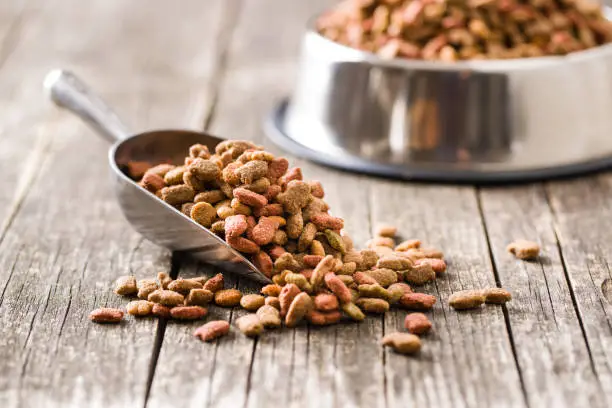
Vet Recommendations on Daily Treat Intake (10% Rule)
Most veterinarians recommend following the 10% rule:
Treats should make up no more than 10% of your dog’s daily calorie intake.
The remaining 90% should come from balanced dog food.
Example Daily Treat Calories
| Dog Size | Daily Calories | Maximum Treat Calories |
|---|---|---|
| Small Dog (10 lbs) | 200–275 | 20–27 |
| Medium Dog (30 lbs) | 500–700 | 50–70 |
| Large Dog (60 lbs) | 900–1200 | 90–120 |
This guideline helps prevent accidental overfeeding.
For more information about safe feeding practices, the Association for Pet Obesity Prevention offers helpful pet weight resources.
Benefits of Low Calorie Dog Treats
Choosing healthier treats provides benefits far beyond weight control.
Helps Prevent Dog Obesity
One of the biggest advantages of low-calorie treats is obesity prevention. Lower calorie snacks allow dogs to enjoy rewards without excessive energy intake.
This is especially important for:
- Apartment dogs
- Less active breeds
- Older dogs
- Dogs recovering from surgery
Supports Healthy Weight Management
Dogs already struggling with weight issues can still enjoy treats while following a calorie-controlled diet.
Many weight-management treats contain:
- High fiber
- Lean protein
- Reduced fat
- Fewer fillers
Fiber helps dogs feel fuller longer, reducing begging behavior.
Ideal for Training Sessions
Training often requires repeated rewards.
Traditional treats may contain 20–40 calories each, which quickly adds up during obedience sessions.
Low calorie training treats allow pet owners to reward frequently without overfeeding.
Good Training Treat Features
- Soft texture
- Small size
- Strong aroma
- Quick chewing
- Low calories per piece
Better for Senior Dogs
Older dogs usually burn fewer calories because they move less.
Senior dogs also commonly experience:
- Joint pain
- Slower metabolism
- Dental issues
- Digestive sensitivity
Soft, low-calorie treats are easier for aging dogs to chew and digest.
Helps Dogs With Pancreatitis or Sensitive Stomachs
Dogs with digestive issues often need low-fat diets.
Many low-calorie treats naturally contain less fat, making them suitable for dogs with:
- Pancreatitis
- Sensitive stomachs
- Food intolerances
- Digestive disorders
However, always check with your veterinarian before changing your dog’s diet.
Supports Active and Indoor Dogs Differently
Not every dog has the same calorie needs.
Indoor Dogs
Indoor dogs often require fewer calories because of reduced activity.
Active Dogs
Highly active dogs may still benefit from low-calorie treats during training while receiving proper nutrition from meals.
The key is balancing treat intake with energy expenditure.
What Makes a Dog Treat Low Calorie?
Not all “healthy” treats are truly low in calories.
A genuine low-calorie dog treat typically contains:
- Under 3–5 calories for training treats
- Lean protein sources
- Minimal fillers
- Low fat levels
- Simple ingredient lists
Calories Per Treat Explained
Calories in dog treats vary dramatically.
Typical Treat Calorie Ranges
| Treat Type | Calories |
|---|---|
| Mini training treats | 1–3 calories |
| Soft chews | 5–10 calories |
| Dental chews | 20–80 calories |
| Large biscuits | 40–100+ calories |
Always read the package carefully. Some treats appear small but contain surprisingly high calories.
Low Fat vs Low Calorie Dog Treats
These terms are often confused.
Low Fat Treats
Contain reduced fat but may still contain high carbohydrates or sugars.
Low Calorie Treats
Focus on overall calorie reduction, regardless of nutrient source.
The best options usually balance:
- Moderate protein
- Controlled fat
- High fiber
- Natural ingredients
Best Ingredients to Look For
Healthy dog treats start with quality ingredients.
Top Ingredients for Low Calorie Dog Treats
| Ingredient | Benefits |
|---|---|
| Chicken | Lean protein |
| Turkey | Low fat and high protein |
| Pumpkin | Supports digestion |
| Sweet Potato | Fiber-rich energy |
| Salmon | Omega-3 fatty acids |
| Blueberries | Antioxidants |
| Carrots | Crunchy and low calorie |
| Green Beans | Filling and nutritious |
Single-ingredient treats are often the healthiest choice.
Ingredients to Avoid in Dog Treats
Some treats contain unnecessary additives that contribute to weight gain and poor health.
Avoid These Ingredients
- Artificial preservatives
- Corn syrup
- Excess sugar
- Artificial colors
- Rendered meat by-products
- Excess salt
- Hydrogenated oils
Treats with long ingredient lists are often less healthy than simpler alternatives.
Why Protein and Fiber Matter
Protein and fiber are essential in healthy treats.
Protein Benefits
Protein helps:
- Maintain muscle mass
- Support energy
- Keep dogs fuller longer
Fiber Benefits
Fiber supports:
- Digestion
- Weight control
- Satiety
- Blood sugar stability
The best treats combine lean protein with moderate fiber.
Are Grain-Free Low Calorie Treats Better?
Not necessarily.
While grain-free treats may help dogs with specific allergies, grains themselves are not always harmful.
Healthy grains like:
- Oats
- Brown rice
- Barley
can provide valuable nutrients and fiber.
Grain-free treats are only necessary if your dog has:
- Confirmed grain allergies
- Food sensitivities
- Veterinary recommendations
Otherwise, calorie count and ingredient quality matter more than grain content.
How Many Calories Should Dog Treats Have?
The answer depends on:
- Dog size
- Activity level
- Age
- Health status
Recommended Calories by Dog Size
| Dog Weight | Recommended Treat Calories |
|---|---|
| Under 15 lbs | 1–3 calories each |
| 15–40 lbs | 3–6 calories each |
| 40–80 lbs | 5–10 calories each |
| 80+ lbs | 8–15 calories each |
Smaller treats are almost always better because they allow more rewards with fewer calories.
Daily Treat Calories Chart
Here’s a quick guideline for healthy treat portions.
| Dog Size | Daily Treat Limit |
|---|---|
| Toy Breeds | 20 calories |
| Small Dogs | 25–40 calories |
| Medium Dogs | 50–75 calories |
| Large Dogs | 80–120 calories |
Remember that treats include:
- Training snacks
- Dental chews
- Table scraps
- Human food rewards
Small Breed vs Large Breed Treat Needs
Small dogs require far fewer calories than large breeds.
A single large biscuit could equal:
- 25% of a Chihuahua’s daily calories
- Only 5% of a Labrador’s daily calories
That’s why treat size matters.
Mini breeds benefit most from:
- Tiny soft treats
- Freeze-dried pieces
- Vegetable snacks
- Mini training bites
Treat Frequency Guidelines
How often should dogs get treats?
The answer depends on activity and diet.
Safe Treat Practices
- Limit treats between meals
- Use treats during training only
- Avoid constant snacking
- Track daily calories
- Rotate healthy options
Treats should enhance your dog’s routine — not replace balanced nutrition.
Best Low Calorie Dog Treat Ingredients
The healthiest dog treats often use simple, natural ingredients.
Let’s explore some of the best options.
Chicken
Chicken is one of the most popular lean proteins in dog treats.
Benefits
- High protein
- Low fat
- Easy digestion
- Great for training treats
Freeze-dried chicken treats are especially popular because they contain minimal ingredients.

Turkey
Turkey is another excellent low-fat protein source.
It’s commonly used in:
- Weight management treats
- Sensitive stomach formulas
- Limited ingredient diets
Turkey treats are flavorful without excessive calories.
Salmon
Salmon provides healthy fats while remaining protein-rich.
Benefits of Salmon Treats
- Supports skin health
- Promotes shiny coats
- Contains omega-3 fatty acids
- Good for inflammation support
Choose treats with real salmon instead of fish-flavored fillers.
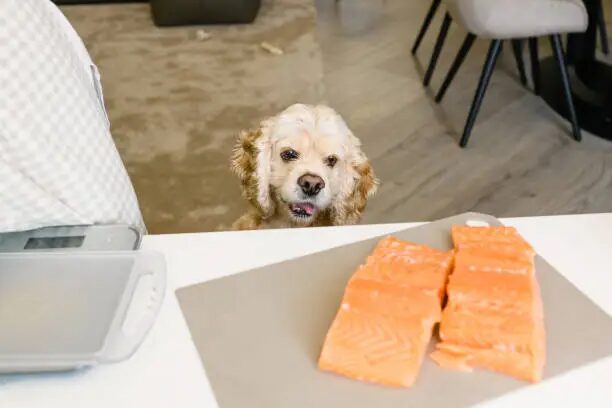
Best Low Calorie Dog Treat Ingredients
Pumpkin
Pumpkin is one of the healthiest low-calorie ingredients for dogs.
Why Pumpkin Is Great for Dogs
- Rich in fiber
- Supports digestion
- Helps dogs feel full longer
- Low in calories
- Gentle on sensitive stomachs
Plain canned pumpkin (without sugar or spices) is often recommended by veterinarians for digestive support.
Sweet Potato
Sweet potatoes are naturally sweet, nutritious, and filling.
Benefits of Sweet Potato Treats
| Benefit | Explanation |
|---|---|
| High Fiber | Helps digestion and fullness |
| Vitamins | Rich in Vitamin A and C |
| Natural Sweetness | Dogs enjoy the taste |
| Low Fat | Good for weight management |
Dehydrated sweet potato slices make excellent homemade treats.
Green Beans
Green beans are one of the lowest-calorie snacks available for dogs.
They are:
- Crunchy
- Filling
- Rich in fiber
- Very low in fat
Many pet owners use frozen green beans as healthy alternatives to commercial treats.
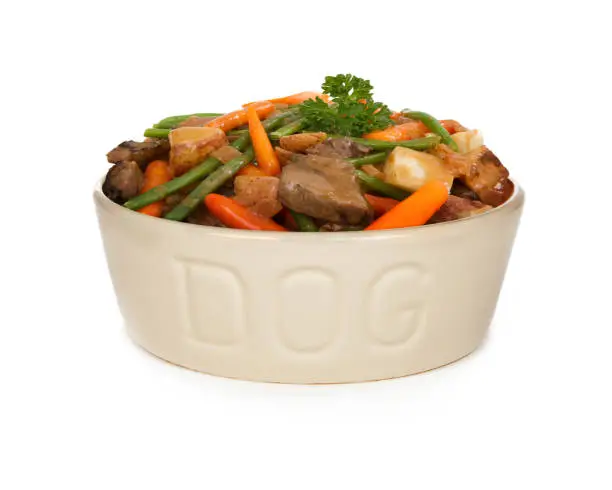
Carrots
Carrots are inexpensive, nutritious, and naturally crunchy.
Why Dogs Love Carrots
- Sweet flavor
- Good texture
- Very low calories
- Supports dental health
Baby carrots are commonly used as quick training rewards.

Blueberries
Blueberries are packed with antioxidants and nutrients.
Benefits of Blueberries for Dogs
- Supports immune health
- Low in calories
- Contains vitamins and minerals
- Great for frozen treats
Because blueberries are small, they work well as mini training rewards.
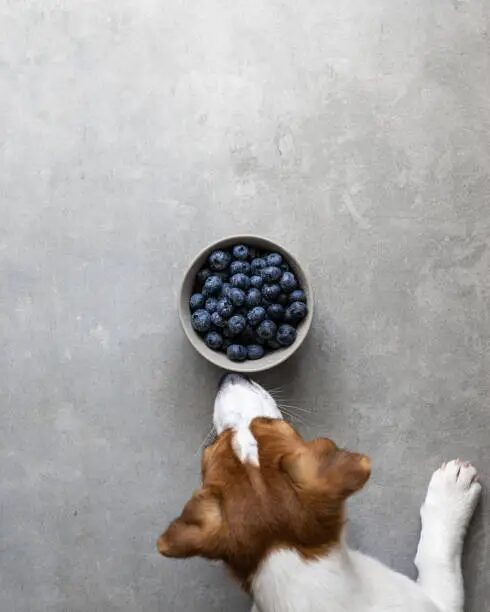
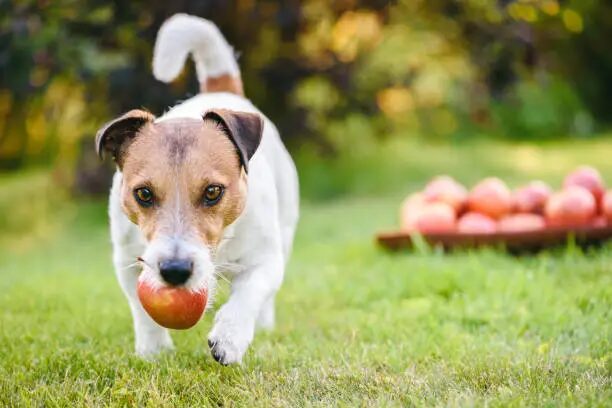
Apples
Apples are another healthy fruit option for dogs.
Important Tip
Always remove:
- Seeds
- Core
- Stem
Apple slices provide:
- Fiber
- Vitamins
- Crunchy texture
- Natural sweetness
Freeze-Dried Meat
Freeze-dried treats are becoming extremely popular among dog owners.
Why Freeze-Dried Treats Work Well
| Advantage | Benefit |
|---|---|
| Minimal Ingredients | Usually single protein source |
| High Protein | Excellent for training |
| Lightweight | Easy to carry |
| Intense Flavor | Highly motivating |
Freeze-dried chicken, turkey, and salmon are common low-calorie choices.
Best Store-Bought Low Calorie Dog Treats
Finding quality store-bought treats can save time while still supporting your dog’s health.
Best Overall Low Calorie Dog Treats
The best overall treats typically combine:
- Lean protein
- Low calories
- Natural ingredients
- Good taste
- Easy digestibility
Look for treats containing:
- Real meat
- Vegetables
- No artificial additives
- Limited fillers
Best Low Calorie Training Treats
Training treats should be:
- Tiny
- Soft
- Quick to eat
- Highly rewarding
Popular Training Treat Features
| Feature | Why It Matters |
|---|---|
| Small Size | Prevents overfeeding |
| Soft Texture | Fast chewing during training |
| Strong Smell | Keeps dogs motivated |
| Low Calories | Allows repeated rewards |
Mini treats with 1–3 calories each are ideal.
Best Natural Low Calorie Dog Treats
Natural treats avoid unnecessary additives.
Look For
- Real meat
- Whole vegetables
- Simple ingredient lists
- No artificial colors
Avoid
- Artificial preservatives
- Corn syrup
- Chemical flavor enhancers
Natural treats are often easier on sensitive stomachs.
Best Grain-Free Low Calorie Dog Treats
Grain-free treats may help dogs with allergies or food sensitivities.
Popular grain-free ingredients include:
- Chickpeas
- Lentils
- Sweet potatoes
- Peas
However, grain-free doesn’t automatically mean healthier. Always prioritize ingredient quality.
Best Vet-Recommended Low Calorie Treats
Veterinarians usually recommend treats that are:
- Low in fat
- Moderate in protein
- Low in calories
- Easy to digest
Many vets also suggest using vegetables like carrots or green beans instead of processed snacks.
Best Low Fat Treats for Overweight Dogs
Dogs trying to lose weight need treats with:
- Low fat
- High fiber
- Controlled calories
- Lean proteins
Good Options
- Freeze-dried chicken
- Carrot sticks
- Green beans
- Pumpkin treats
- Air-popped popcorn (plain)
Best Budget-Friendly Low Calorie Dog Treats
Healthy treats don’t need to be expensive.
Affordable Healthy Treat Ideas
| Treat | Budget-Friendly Benefit |
|---|---|
| Carrots | Cheap and nutritious |
| Green Beans | Very affordable |
| Pumpkin | Inexpensive and filling |
| Homemade Treats | Lower cost long-term |
| Apple Slices | Healthy natural snack |
Buying treats in bulk may also reduce costs.
Best Soft Low Calorie Dog Treats for Senior Dogs
Senior dogs often prefer softer treats because of dental issues.
Soft Treat Benefits
- Easier chewing
- Better digestion
- More comfortable for aging dogs
Look for:
- Soft training bites
- Freeze-dried meat
- Moist pumpkin treats
Best Crunchy Low Calorie Dog Treats
Crunchy treats can help support dental health.
Crunchy Options Include
- Carrots
- Dental chews
- Baked vegetable treats
- Crunchy biscuits with limited calories
Some dogs simply prefer crunchy textures over soft snacks.
Best Hypoallergenic Low Calorie Dog Treats
Dogs with allergies need carefully selected ingredients.
Common Hypoallergenic Proteins
- Duck
- Rabbit
- Salmon
- Turkey
Limited ingredient treats are often best for allergy-prone dogs.
Homemade Low Calorie Dog Treat Recipes
Homemade treats allow you to fully control ingredients and calories.
They’re often:
- Cheaper
- Fresher
- Healthier
- Free from additives
Easy Homemade Dog Treat Recipes
Simple homemade treats don’t require complicated ingredients.
Basic Pumpkin Oat Treats
Ingredients
- 1 cup pumpkin puree
- 2 cups oats
- 1 egg
Instructions
- Mix ingredients
- Shape into small bites
- Bake at 350°F for 20 minutes
These treats are:
- Fiber-rich
- Low fat
- Budget-friendly
Frozen Dog Treat Recipes
Frozen treats are perfect during hot weather.
Frozen Yogurt Blueberry Bites
Ingredients
- Plain unsweetened yogurt
- Blueberries
Directions
- Blend ingredients
- Freeze in silicone molds
- Serve chilled
Frozen treats are refreshing and low in calories when portioned properly.
Pumpkin Dog Treat Recipe
Pumpkin is excellent for homemade snacks.
Pumpkin Carrot Biscuits
| Ingredient | Amount |
|---|---|
| Pumpkin Puree | 1 cup |
| Shredded Carrots | ½ cup |
| Oat Flour | 2 cups |
| Egg | 1 |
Bake until firm and cool before serving.
Peanut Butter Low Calorie Dog Treats
Dogs love peanut butter, but moderation matters.
Important Safety Tip
Use peanut butter that does not contain xylitol, which is toxic to dogs.
Healthy Peanut Butter Bites
- Oats
- Pumpkin
- Small amount of peanut butter
Keeping peanut butter portions small helps control calories.
Air Fryer Dog Treat Recipes
Air fryers make homemade treats faster and crispier.
Good Air Fryer Ingredients
- Sweet potato slices
- Apple chips
- Chicken strips
- Carrot sticks
Air frying can reduce added oils compared to traditional frying.
No-Bake Dog Treat Recipes
No-bake recipes are simple and convenient.
Banana Oat Balls
Ingredients
- Mashed banana
- Oats
- Pumpkin puree
Roll into tiny balls and refrigerate.
These treats work well for quick rewards.
High Protein Homemade Dog Treats
Protein-rich treats help dogs feel satisfied.
High Protein Ingredients
| Ingredient | Protein Benefit |
|---|---|
| Chicken | Lean muscle support |
| Turkey | Low fat protein |
| Eggs | Complete protein |
| Salmon | Protein plus omega-3s |
Protein-rich treats are especially useful for active dogs.
Low Calorie Training Treats for Dogs
Training requires repetition, which means treat calories can add up quickly.
That’s why choosing the right training treats matters.
Why Training Treats Should Be Small
Dogs care more about reward frequency than treat size.
Tiny rewards:
- Prevent overfeeding
- Keep dogs focused
- Reduce calorie intake
- Allow longer training sessions
Many trainers even cut treats into smaller pieces.
Best Treats for Puppy Training
Puppies need:
- Soft textures
- Tiny portions
- Easy digestion
Ideal Puppy Training Treats
- Soft chicken bites
- Freeze-dried meat
- Tiny vegetable pieces
- Mini low-calorie treats
Young puppies benefit from frequent but small rewards.
High-Value Low-Calorie Rewards
High-value treats are extra exciting to dogs.
Examples
- Freeze-dried liver
- Tiny chicken pieces
- Turkey bites
- Salmon treats
Use these sparingly during difficult training exercises.
Treats for Obedience Training
Obedience training works best with treats dogs truly enjoy.
Good Obedience Treat Features
| Feature | Benefit |
|---|---|
| Small | Quick reward |
| Smelly | Better focus |
| Soft | Fast chewing |
| Low-Calorie | Longer sessions |
Consistency matters more than treat size.
Treats for Aggressive or Reactive Dogs
Reactive dogs often need extensive reward-based training.
Low-calorie treats allow:
- Frequent reinforcement
- Longer sessions
- Better emotional conditioning
Soft, high-value treats usually work best for reactive behavior training.
How Many Training Treats Per Day?
The exact number depends on:
- Treat size
- Calories
- Dog size
- Activity level
General Rule
Use the smallest reward possible while staying under the daily calorie limit.
Many professional trainers recommend:
- Tiny treats
- Frequent praise
- Toy rewards alongside food
Low Calorie Treats for Overweight Dogs
Weight loss doesn’t mean dogs must stop enjoying treats.
The goal is smarter treat choices.
Signs Your Dog Is Overweight
Common signs include:
- Difficulty feeling ribs
- Reduced stamina
- Heavy breathing
- Lack of waist definition
- Slower movement
If you’re unsure, consult your veterinarian for a body condition assessment.
Weight Loss Tips for Dogs
Effective Weight Management Tips
- Reduce high-calorie treats
- Increase daily exercise
- Measure food portions
- Use vegetables as snacks
- Avoid table scraps
Healthy weight loss should happen gradually.
Best Treats for Dogs on a Diet
Some of the best low-calorie options include:
- Green beans
- Carrots
- Freeze-dried chicken
- Pumpkin bites
- Mini training treats
These snacks help control calories while still rewarding your dog.
Low Fat vs Weight Management Treats
These terms are similar but slightly different.
Low Fat Treats
Focus primarily on fat reduction.
Weight Management Treats
Focus on overall calorie control and satiety.
The best weight-management treats usually contain:
- Fiber
- Lean protein
- Controlled calories
Exercise and Treat Balance
Treats should complement an active lifestyle.
Healthy Activities for Dogs
- Daily walks
- Fetch
- Agility games
- Swimming
- Obedience training
Balancing exercise with calorie intake is the key to long-term health.
Vet Recommended Low Calorie Dog Treats
Veterinarians often encourage dog owners to think of treats as part of the total diet — not just “extras.”
The healthiest treats support your dog’s nutrition instead of working against it.
What Veterinarians Look For
Vets typically recommend treats that contain:
- Real meat or vegetables
- Limited ingredients
- Low calories
- Moderate protein
- Minimal artificial additives
They also advise choosing treats appropriate for your dog’s:
- Age
- Breed
- Activity level
- Medical condition
Safe Calorie Limits
Veterinarians commonly follow the 10% rule, meaning treats should make up no more than 10% of daily calorie intake.
Example Treat Limits
| Dog Size | Suggested Daily Treat Calories |
|---|---|
| Toy Breeds | 15–20 calories |
| Small Dogs | 25–40 calories |
| Medium Dogs | 50–75 calories |
| Large Dogs | 80–120 calories |
Tracking treat intake becomes especially important during training sessions.
Ingredients Vets Recommend
Many veterinarians prefer treats made from:
- Chicken
- Turkey
- Salmon
- Pumpkin
- Sweet potatoes
- Green beans
- Oats
These ingredients provide nutrition while keeping calorie counts manageable.
Treat Safety Tips
Keep Your Dog Safe by Following These Tips
- Always supervise chewing
- Avoid treats with toxic ingredients
- Introduce new foods slowly
- Check expiration dates
- Store treats properly
Dogs with allergies or health conditions should always follow veterinary dietary recommendations.
Natural Human Foods That Work as Low Calorie Dog Treats
Many healthy human foods make excellent low-calorie dog snacks.
These natural alternatives are often:
- Cheaper
- Fresher
- Lower in calories
- Less processed
Carrots
Carrots are among the best low-calorie dog treats available.
Benefits
- Crunchy texture
- Rich in vitamins
- Supports dental health
- Very low calorie
Many dogs enjoy frozen carrots during warmer months.
Cucumbers
Cucumbers are:
- Hydrating
- Low in calories
- Refreshing
- Great for overweight dogs
Because cucumbers contain mostly water, they make excellent guilt-free snacks.
Green Beans
Green beans are widely recommended for dogs needing weight control.
Why Green Beans Work Well
| Benefit | Explanation |
|---|---|
| Low Calories | Great for dieting |
| High Fiber | Helps fullness |
| Crunchy Texture | Dogs enjoy chewing |
| Nutritious | Contains vitamins and minerals |
Some owners even replace part of meals with green beans under veterinary supervision.
Apples
Apple slices offer:
- Natural sweetness
- Fiber
- Vitamins
- Crunch
Always remove:
- Seeds
- Core
- Stem
Small apple pieces work well as training rewards.
Watermelon
Watermelon is hydrating and low in calories.
Important Safety Tips
Remove:
- Seeds
- Rind
Serve watermelon in moderation because excessive fruit may upset digestion.
Pumpkin Puree
Plain pumpkin puree supports:
- Digestion
- Fullness
- Healthy stools
It’s one of the safest and most versatile dog treat ingredients.
Blueberries
Blueberries are rich in antioxidants and naturally low in calories.
Many pet owners use frozen blueberries as refreshing summer treats.
Celery
Celery is another crunchy low-calorie option.
Benefits
- Low calorie
- High water content
- Crunchy texture
- Fresh breath support
Some dogs love celery while others may not enjoy the texture.
Foods Dogs Should Never Eat
Not all human foods are safe.
Dangerous Foods for Dogs
| Food | Danger |
|---|---|
| Chocolate | Toxic to dogs |
| Grapes/Raisins | Kidney damage |
| Onions | Toxic compounds |
| Garlic | Harmful in large amounts |
| Xylitol | Extremely toxic sweetener |
| Alcohol | Dangerous for all dogs |
Always research foods before sharing them with your pet.
The ASPCA toxic foods guide is a helpful reference for pet owners.
Low Calorie Dog Treats for Specific Needs
Different dogs require different types of treats.
Treats for Puppies
Puppies need treats that are:
- Soft
- Tiny
- Easy to digest
- Nutrient-rich
Good Puppy Treat Options
- Soft chicken bites
- Freeze-dried meat
- Tiny training treats
Avoid large hard treats that may damage puppy teeth.
Treats for Senior Dogs
Senior dogs benefit from:
- Soft textures
- Lower calories
- Joint-supporting ingredients
Look for treats containing:
- Glucosamine
- Omega-3 fatty acids
- Lean protein
Treats for Small Breeds
Small dogs require smaller portions.
A large treat may equal a significant percentage of their daily calories.
Best Choices
- Mini treats
- Tiny soft bites
- Vegetable snacks
Treats for Large Breeds
Large dogs may need:
- Larger chew options
- More protein
- Controlled calories
Large dogs can still gain weight quickly if overfed.
Treats for Dogs With Allergies
Dogs with allergies often do best with:
- Limited ingredient treats
- Single protein sources
- Grain-free formulas when needed
Common Allergy-Friendly Proteins
- Duck
- Salmon
- Rabbit
- Turkey
Treats for Diabetic Dogs
Diabetic dogs require careful treat management.
Best Options
- Low sugar vegetables
- Lean proteins
- Fiber-rich treats
Avoid sugary snacks and excessive carbohydrates.
Treats for Dogs With Sensitive Stomachs
Dogs with digestive sensitivity need gentle ingredients.
Good Sensitive-Stomach Ingredients
| Ingredient | Benefit |
|---|---|
| Pumpkin | Digestion support |
| Turkey | Lean protein |
| Oats | Gentle fiber |
| Sweet Potato | Easy digestion |
Introduce new treats slowly to monitor reactions.
Freeze-Dried Low Calorie Dog Treats
Freeze-dried treats have become extremely popular because of their simplicity and nutrition.
Benefits of Freeze-Dried Treats
Advantages Include
- High protein
- Minimal ingredients
- Lightweight
- Long shelf life
- Strong flavor
Many freeze-dried treats contain only one ingredient.
Best Freeze-Dried Proteins
Popular freeze-dried proteins include:
- Chicken
- Turkey
- Salmon
- Beef liver
- Duck
Lean protein options are usually lower in calories.
Are Freeze-Dried Treats Safe?
Generally, yes — when purchased from reputable brands.
Safety Tips
- Choose trusted manufacturers
- Follow storage instructions
- Avoid expired products
- Wash hands after handling raw products
How to Store Freeze-Dried Treats
Proper storage helps maintain freshness.
Storage Recommendations
- Keep in airtight containers
- Store in cool dry places
- Avoid humidity exposure
- Reseal packages tightly
Soft vs Crunchy Low Calorie Dog Treats
Dogs have different preferences when it comes to texture.
Which Is Better for Training?
Soft treats are usually better because dogs can eat them quickly without interrupting training flow.
Soft Treat Advantages
- Faster chewing
- Stronger aroma
- Better motivation
Which Is Better for Dental Health?
Crunchy treats may help reduce plaque buildup slightly.
However, they should not replace:
- Brushing
- Dental cleanings
- Proper oral care
Best Option for Senior Dogs
Senior dogs generally prefer softer treats due to:
- Sensitive teeth
- Missing teeth
- Gum issues
Soft treats are also easier to digest.
Texture Preferences in Dogs
Some dogs naturally prefer:
- Crunchy biscuits
- Soft chews
- Freeze-dried meat
- Frozen snacks
Experimenting safely helps determine your dog’s favorite texture.
Common Mistakes Dog Owners Make With Treats
Even healthy treats can become problematic if used incorrectly.
Overfeeding Treats
This is the most common mistake.
Small snacks throughout the day can quietly add hundreds of extra calories each week.
Ignoring Ingredient Labels
Marketing terms like:
- “Natural”
- “Healthy”
- “Premium”
do not always guarantee quality.
Always check:
- Calories
- Ingredient lists
- Protein sources
Choosing Treats With Hidden Sugars
Some treats contain:
- Molasses
- Corn syrup
- Added sugars
These ingredients increase calories without nutritional benefits.
Feeding Human Snacks
Many human snacks are:
- Too salty
- Too fatty
- Too sugary
Dogs should avoid processed junk food.
Using Large Treat Sizes
Oversized treats can quickly exceed calorie limits.
Better Option
Break treats into smaller pieces.
Dogs usually care more about receiving rewards than the actual size.
How to Read Dog Treat Labels
Understanding labels helps owners make healthier decisions.
Understanding Guaranteed Analysis
The guaranteed analysis shows:
- Protein percentage
- Fat percentage
- Fiber content
- Moisture levels
Higher protein and moderate fiber are often beneficial.
Calories Per Serving Explained
Always check:
- Calories per treat
- Serving size
- Number of treats recommended daily
Some “low calorie” treats may still contain more calories than expected.
Recognizing Artificial Additives
Avoid excessive:
- Artificial dyes
- Chemical preservatives
- Artificial flavors
Short ingredient lists are usually better.
Protein and Fat Ratios
Healthy treats often contain:
- Lean protein
- Moderate healthy fats
- Controlled carbohydrates
Balance matters more than trendy marketing labels.
Are Low Calorie Dog Treats Safe?
Yes, when used responsibly.
Potential Risks to Watch For
Potential issues include:
- Food allergies
- Digestive upset
- Choking hazards
- Overfeeding
Always supervise dogs when trying new treats.
Allergies and Food Sensitivities
Watch for symptoms like:
- Itching
- Vomiting
- Diarrhea
- Ear infections
If symptoms appear, discontinue the treat and contact your veterinarian.
Safe Storage Tips
Treats should be stored:
- In sealed containers
- Away from heat
- Away from moisture
Proper storage prevents spoilage.
Expiration Dates and Freshness
Expired treats may:
- Lose nutrition
- Become stale
- Grow bacteria or mold
Always check packaging dates before feeding.
Frequently Asked Questions About Low Calorie Dog Treats
What Is the Lowest Calorie Dog Treat?
Vegetables like cucumbers and green beans are among the lowest-calorie options available.
Can Dogs Eat Treats Every Day?
Yes, as long as treats remain within healthy calorie limits.
Are Vegetables Better Than Dog Treats?
In many cases, yes. Vegetables are:
- Natural
- Low calorie
- Nutritious
However, dogs still benefit from balanced commercial treats during training.
How Many Treats Can a Dog Have Daily?
It depends on:
- Dog size
- Activity level
- Treat calories
Follow the 10% calorie rule whenever possible.
What Treats Help Dogs Lose Weight?
Great Weight-Loss Treat Options
- Green beans
- Carrots
- Freeze-dried chicken
- Pumpkin treats
- Mini low-calorie training treats
Are Homemade Treats Better Than Store-Bought?
Homemade treats allow complete ingredient control, but high-quality commercial treats can also be excellent choices.
Can Puppies Eat Low Calorie Treats?
Yes, as long as the treats are:
- Puppy-safe
- Soft
- Small
- Nutritionally appropriate
What Are the Best Training Treats for Weight Loss?
Tiny, protein-rich treats work best.
Examples include:
- Freeze-dried chicken
- Turkey bites
- Small soft training treats
Best Low Calorie Dog Treats for Training
The best training treats are:
- Tiny
- Soft
- Smelly
- Low calorie
Mini training bites help dogs stay motivated without overfeeding.
Cheap Low Calorie Dog Treats
Affordable healthy treats include:
- Carrots
- Green beans
- Homemade pumpkin treats
- Apple slices
Organic Low Calorie Dog Treats
Organic treats may contain:
- Fewer pesticides
- Natural ingredients
- Cleaner protein sources
High Protein Low Calorie Dog Treats
High-protein treats help dogs feel fuller longer while supporting muscle maintenance.
Limited Ingredient Low Calorie Dog Treats
These are excellent for dogs with:
- Allergies
- Sensitive stomachs
- Food intolerances
Air-Dried Low Calorie Dog Treats
Air-dried treats preserve flavor while reducing unnecessary additives.
Dental Low Calorie Dog Chews
Some dental chews help:
- Freshen breath
- Reduce plaque
- Support oral health
Always check calorie content before feeding regularly.
Single Ingredient Dog Treats
Single-ingredient treats are often:
- Easier to digest
- Lower in additives
- Better for allergies
Treat Alternatives for Overweight Dogs
Healthy alternatives include:
- Vegetables
- Ice cubes
- Frozen fruit
- Praise and toys
Not every reward needs to involve food.
Low Calorie Dog Chews for Aggressive Chewers
Aggressive chewers need safe long-lasting options with controlled calories.
Look for:
- Durable dental chews
- Natural chew treats
- Vet-approved chew products
Conclusion
Choosing the right low calorie dog treats can have a major impact on your dog’s health, happiness, and longevity.
Healthy treats allow you to:
- Reward good behavior
- Support training
- Strengthen your bond
- Manage weight safely
The best treats focus on:
- Quality ingredients
- Portion control
- Balanced nutrition
- Appropriate calorie intake
Whether you choose homemade snacks, freeze-dried meat, vegetables, or vet-approved commercial treats, moderation is the key.