
Some dogs will eat anything that hits the floor. Others inspect their bowl like a food critic, sniff once, and walk away.
If that sounds familiar, you are not alone. Many pet parents search for the best natural dog food for picky eaters because their dog refuses kibble, turns away from meals, eats only with toppers, or suddenly acts bored with food they used to love.
Picky eating can be frustrating. You worry your dog is not getting enough nutrition. You buy one bag after another. You try wet food, dry food, fresh food, bone broth, toppers, and hand-feeding. Some days your dog eats. Other days, they act like dinner is personally offensive.
The key is understanding why your dog is picky and choosing food that meets both needs: nutrition and appeal.
A good natural dog food for picky dogs should smell inviting, taste good, have the right texture, and still provide complete and balanced nutrition. Natural ingredients can be helpful, but “natural” by itself does not guarantee quality. The food must fit your dog’s life stage, digestion, allergies, chewing ability, and health needs.
This guide will help you understand what natural dog food means, why some dogs become picky, when picky eating may be a health warning, and which types of natural dog food are most appealing to fussy eaters.
Why Picky Eating Is Common in Dogs
Picky eating is common because dogs are individuals. Some are highly food-motivated. Others are cautious, sensitive, bored, anxious, or easily influenced by treats and table scraps.
A dog may become picky because of:
- Learned behavior
- Too many treats
- Food boredom
- Texture preferences
- Dental discomfort
- Digestive upset
- Stress or anxiety
- Aging
- Medication side effects
- Food sensitivities
- Recent diet changes
Sometimes, the problem is simple. Your dog may prefer softer food, stronger aroma, or smaller kibble. Other times, picky eating is not really picky eating at all. It may be a sign that something is wrong.
That is why the first step is not just buying a new bag of food. The first step is asking: Is my dog being selective, or is my dog feeling unwell?
Why Dog Owners Search for Natural Dog Food for Picky Eaters
Most dog owners who search for natural dog food for picky eaters want three things:
- Food their dog will actually eat
- Ingredients they feel good about
- Nutrition that supports long-term health
Natural dog food often appeals to pet parents because it may avoid artificial colors, artificial flavors, and artificial preservatives. Many natural recipes also focus on real meat, whole grains, vegetables, fruits, healthy fats, and recognizable ingredients.
For picky dogs, natural food can be especially appealing when it comes in forms with stronger smell and softer texture, such as:
- Fresh dog food
- Wet dog food
- Freeze-dried food
- Air-dried food
- Dehydrated food
- Natural food toppers
- Bone broth meal mixers
Freshpet notes that refrigerated fresh foods may appeal to picky dogs because they look, smell, and taste more like real food, with softer textures and recognizable ingredients. You can read more about their approach to fresh food for picky dogs.
However, natural food is not magic. A picky dog may still reject a natural recipe if the flavor, smell, texture, or feeding routine does not work for them.
Picky Dog or Medical Issue? Know the Difference
There is a big difference between a dog who is selective and a dog who is sick.
A picky dog may skip a meal but still act normal, drink water, play, take treats, and show interest in certain foods. A sick dog may refuse everything, seem tired, vomit, have diarrhea, drool excessively, lose weight, or show signs of pain.
Picky Eating vs. Health Warning
| Situation | More Likely Picky Eating | More Likely Health Concern |
|---|---|---|
| Dog refuses kibble but eats treats | Yes | Possibly learned behavior |
| Dog skips one meal but acts normal | Usually mild | Monitor closely |
| Dog refuses all food | No | Vet check recommended |
| Dog has vomiting or diarrhea | No | Possible illness |
| Dog has bad breath or trouble chewing | No | Possible dental pain |
| Dog is losing weight | No | Vet check needed |
| Senior dog suddenly stops eating | No | Vet check needed |
| Puppy refuses food | Concerning | Call a vet sooner |
If your dog suddenly refuses food, especially with vomiting, diarrhea, lethargy, weight loss, bad breath, drooling, or pain, contact your veterinarian. PetMD has a helpful overview of why dogs may stop eating and when appetite loss may need medical attention.
Why Taste, Smell, Texture, and Digestibility Matter
Dogs experience food differently than humans. They may not care about pretty packaging, but they absolutely notice smell, texture, temperature, and mouthfeel.
For picky eaters, the most important food features are often:
- A strong natural aroma
- Real meat as the first ingredient
- Soft or moist texture
- A protein they enjoy
- Easy chewing
- Digestible ingredients
- Consistent mealtime routine
- Balanced fat content
- Limited fillers
- Appealing toppers or gravy
A dry kibble may be nutritionally complete but too bland or hard for some picky dogs. A wet or fresh recipe may smell stronger and feel more satisfying. A freeze-dried topper may add the concentrated meat aroma a picky dog needs to start eating.
Royal Canin highlights texture, kibble shape, and feeding habits as important factors for fussy dogs. Their fussy-eater formulas are built around the idea that palatability is more than just flavor; it also includes smell, mouthfeel, and how the food is presented. You can explore their information on nutrition for fussy dogs.
“Natural” Does Not Automatically Mean Better
The word natural sounds healthy, but it is not enough by itself.
A natural dog food can still be:
- Too high in calories
- Too rich for sensitive stomachs
- Not ideal for allergies
- Wrong for your dog’s life stage
- Too hard for senior dogs to chew
- Incomplete if used as a topper or mixer
- Expensive without being nutritionally superior
The best natural dog food for picky eaters must be more than natural. It should be:
- Complete and balanced
- Matched to your dog’s age and size
- Made with clear protein sources
- Easy for your dog to digest
- Appealing enough for regular meals
- Safe to feed long term
- Suitable for any allergies or sensitivities
Marketing words can help you narrow your search, but the label tells the real story.
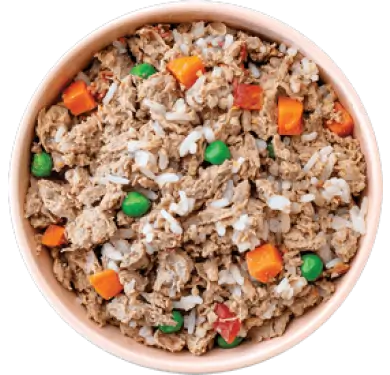
Complete and Balanced Nutrition Comes First
Before choosing fresh food, wet food, kibble, or freeze-dried toppers, check whether the food is meant to be a complete meal or just a topper.
This matters a lot.
A complete-and-balanced dog food is formulated to provide the nutrients your dog needs for a specific life stage. A topper is designed to improve taste, texture, or variety, but it usually should not replace the full meal.
Look for a nutritional adequacy statement based on AAFCO standards. The Association of American Feed Control Officials explains what “complete and balanced” means and why the nutritional adequacy statement matters on pet food labels. Their pet food label guide is useful for understanding AAFCO dog food label requirements.
Complete Meal vs. Topper
| Food Type | Can It Be the Main Diet? | Best Use |
|---|---|---|
| Complete fresh dog food | Yes | Full meal |
| Complete wet dog food | Yes | Full meal or kibble mixer |
| Complete kibble | Yes | Full meal |
| Complete freeze-dried food | Yes, if labeled complete | Full meal after rehydrating |
| Freeze-dried meat topper | Usually no | Flavor boost |
| Bone broth | No | Moisture and aroma |
| Pumpkin topper | No | Digestive support in small amounts |
| Salmon oil | No | Fatty acid support and flavor |
A picky dog still needs balanced nutrition. Getting your dog to eat is important, but getting them to eat the right balance of nutrients matters even more.
What Does “Natural Dog Food” Actually Mean?
Natural dog food generally refers to food made from ingredients derived from plant, animal, or mineral sources, without synthetic flavors, colors, or preservatives except where necessary for vitamins and minerals.
In simple terms, natural dog food usually avoids artificial-looking additives and focuses on recognizable ingredients.
Common natural dog food ingredients include:
- Chicken
- Turkey
- Beef
- Lamb
- Salmon
- Whitefish
- Duck
- Sweet potatoes
- Brown rice
- Oats
- Barley
- Pumpkin
- Carrots
- Blueberries
- Spinach
- Flaxseed
- Fish oil
- Probiotics
- Prebiotic fiber
Dog Food Advisor explains natural dog food as food made from plant, animal, or mined sources that excludes artificial flavors, colors, and preservatives. Their guide to natural dog food options is a useful starting point for understanding the category.
Natural vs. Organic Dog Food
Natural and organic are not the same thing.
| Term | What It Usually Means |
|---|---|
| Natural dog food | Avoids artificial colors, flavors, and preservatives |
| Organic dog food | Uses ingredients produced under organic farming standards |
| Made with organic ingredients | Contains some certified organic ingredients |
| 100% organic | Must meet stricter organic requirements |
Organic dog food can be natural, but natural dog food is not automatically organic.
Organic foods may appeal to owners who want ingredients grown without certain synthetic pesticides or fertilizers. However, organic food still needs to be complete and balanced. It also needs to taste good enough for your picky dog to eat.
Natural vs. Grain-Free Dog Food
Grain-free dog food avoids grains such as wheat, corn, rice, oats, and barley. But grain-free does not mean natural, and natural does not mean grain-free.
A natural food can be grain-inclusive or grain-free.
Grain-Inclusive Natural Ingredients
- Brown rice
- Oats
- Barley
- Quinoa
- Millet
Grain-Free Natural Ingredients
- Sweet potatoes
- Peas
- Lentils
- Chickpeas
- Tapioca
- Potatoes
Grain-free food is not automatically better for picky eaters. Some dogs do well with grains. Some prefer grain-inclusive wet food or fresh food. Others need grain-free options because of specific sensitivities.
The best choice depends on your dog’s body, not the trend.
Natural vs. Human-Grade Dog Food
Human-grade dog food means the ingredients and finished product meet standards for human food handling. This term is often used by fresh dog food brands.
Human-grade food can be appealing because it often looks and smells like real meals. That can help picky dogs who reject dry kibble.
But human-grade does not automatically mean better for every dog. A human-grade food must still be:
- Complete and balanced
- Correct for your dog’s life stage
- Properly stored
- Fed in the right portions
- Digestible for your dog
A picky dog may love human-grade fresh dog food, but cost and storage can be real drawbacks.
Natural vs. Fresh Dog Food
Fresh dog food is usually refrigerated or frozen. It is often gently cooked and made with visible ingredients such as meat, vegetables, and grains or grain-free carbohydrates.
Fresh food can be great for picky eaters because it often has:
- Stronger natural smell
- Softer texture
- Higher moisture
- Real-food appearance
- Better mouthfeel for senior dogs
- More flavor than dry kibble
However, fresh food requires refrigeration or freezing. It can also cost more than kibble or canned food.
Natural vs. Raw or Freeze-Dried Dog Food
Raw and freeze-dried foods are popular with some picky dogs because they often contain meat-rich ingredients and strong aroma.
Raw Dog Food
Raw dog food may include uncooked meat, organs, bones, fruits, and vegetables. Some dogs love it, but raw food carries food safety risks, including bacteria that can affect pets and people.
Freeze-Dried Dog Food
Freeze-dried food has moisture removed at low temperatures. It may be sold as a complete meal or as a topper.
Freeze-dried toppers are especially useful for picky eaters because a small amount can make regular food smell and taste more exciting.
Raw-Coated Kibble
Raw-coated kibble is dry food coated with freeze-dried raw ingredients. It gives some of the aroma of freeze-dried food with the convenience of kibble.
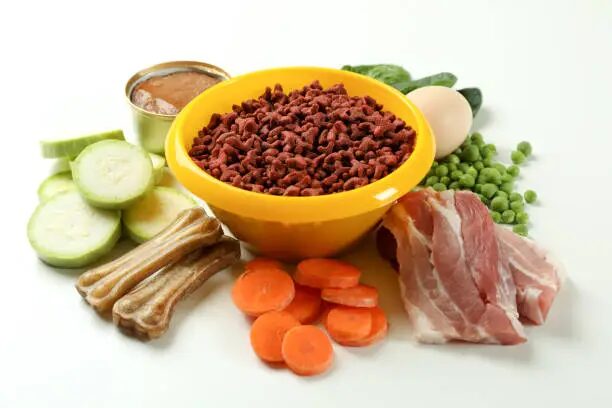
Why Natural Dog Food Can Still Be Processed
Some owners assume natural means unprocessed. That is not true.
Natural kibble is still cooked and shaped. Wet food is canned and heat-processed. Freeze-dried food goes through moisture removal. Dehydrated food is dried. Fresh food is gently cooked and packaged.
Processing is not automatically bad. In fact, processing can improve safety, shelf life, digestibility, and nutrient consistency.
The better question is not “Is it processed?” The better question is:
Is it safe, complete, balanced, digestible, and appealing to my dog?
Ingredients Usually Avoided in Natural Dog Food
Natural dog foods often avoid ingredients such as:
- Artificial colors
- Artificial flavors
- Artificial preservatives
- Excessive added sugar
- Unclear meat sources
- Low-quality fat sources
- Unnecessary fillers
- Vague ingredient names
That said, not every unfamiliar ingredient is bad. Vitamins and minerals may sound chemical, but they are often added to make the diet nutritionally complete.
Why Are Some Dogs Picky Eaters?
Before choosing the best food, it helps to understand the cause of picky eating. A dog who is bored with kibble needs a different solution than a dog with dental pain or nausea.
Learned Picky Eating Habits
Dogs learn quickly. If refusing food leads to better food, they remember.
For example:
- Dog refuses kibble.
- Owner adds chicken.
- Dog eats chicken and ignores kibble.
- Owner adds something even better next time.
Soon, the dog learns that waiting leads to upgrades.
This does not mean your dog is being bad. It means they are smart.
Too Many Treats or Table Scraps
A dog who snacks all day may not be hungry at mealtime. Treats, dental chews, training rewards, table scraps, and flavored bones can add up quickly.
Some picky dogs are not actually underfed. They are holding out for better options.
Boredom With the Same Food
Some dogs lose interest in the same flavor every day. Rotating proteins carefully or adding a small natural topper may help, especially when digestion is stable.
However, switching too often can backfire and cause stomach upset.
Stress, Anxiety, or Environmental Changes
Dogs may eat less when they are stressed.
Common triggers include:
- Moving homes
- New pets
- New baby
- Boarding
- Travel
- Loud noises
- Separation anxiety
- Changes in feeding location
- Household tension
A calm feeding area can make a real difference.
Recent Food Changes
Some dogs reject food because the transition was too fast. Others dislike the new smell or texture. If your dog suddenly refuses a new diet, try slowing the transition and mixing smaller amounts with the old food.
Dental Pain
Dental disease is one of the most overlooked causes of picky eating.
A dog with sore teeth may avoid dry kibble but eat soft wet food. Signs may include:
- Bad breath
- Drooling
- Chewing on one side
- Dropping food
- Pawing at the mouth
- Red gums
- Refusing hard treats
If your dog suddenly prefers soft food, dental pain may be involved.
Digestive Discomfort
Dogs with upset stomachs may become selective because they associate food with discomfort. Gas, nausea, loose stool, constipation, vomiting, or reflux-like symptoms can all affect appetite.
In these dogs, the best natural dog food may be a limited-ingredient, sensitive-stomach, or wet food formula.
Food Allergies or Sensitivities
Some dogs avoid foods that make them feel itchy or uncomfortable. Food allergies can also cause skin symptoms, ear issues, and digestive upset.
Common proteins linked with sensitivities include chicken and beef, though any ingredient can be a problem for an individual dog.
Aging and Reduced Smell Sensitivity
Senior dogs may become picky because their sense of smell decreases. Since smell is a major part of appetite, older dogs may need food with stronger aroma, softer texture, or gentle warming.
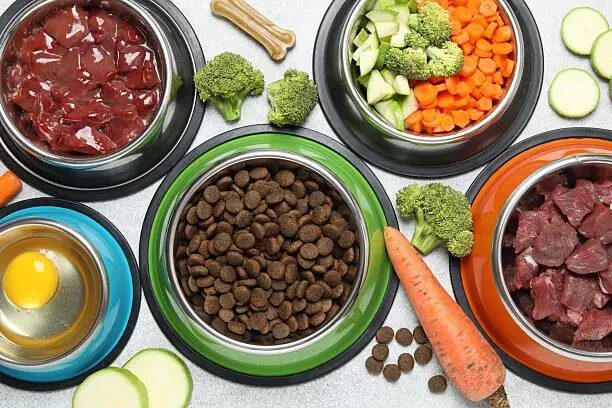
When Picky Eating May Be a Health Warning
A picky eater who has always been selective is different from a dog who suddenly stops eating.
Call your vet if picky eating comes with:
- Vomiting
- Diarrhea
- Weight loss
- Lethargy
- Bad breath
- Drooling
- Trouble chewing
- Increased thirst
- Repeated stomach upset
- Refusing all food
- Refusing treats
- Pain signs
- Senior dog appetite loss
- Puppy refusing food
Puppies, small dogs, seniors, and dogs with chronic illness should not go long without food. When in doubt, it is safer to ask your vet.
What Makes Dog Food Appealing to Picky Eaters?
Picky dogs usually respond to food that smells better, feels better, and tastes richer.
Strong Natural Aroma
Dogs are scent-driven. Food that smells like real meat, broth, or fresh ingredients often gets more interest than plain dry kibble.
Real Meat as the First Ingredient
Many picky dogs respond well to recipes with named animal protein such as:
- Chicken
- Turkey
- Beef
- Lamb
- Salmon
- Duck
- Whitefish
A clear protein source also helps owners avoid vague labels.
Higher Moisture Content
Wet food, fresh food, and rehydrated dehydrated food often appeal to picky eaters because moisture carries aroma and creates a softer texture.
Soft Texture
Soft food may help:
- Senior dogs
- Small breeds
- Dogs with dental problems
- Dogs who reject crunchy kibble
- Dogs recovering from illness
Warmed Food
Gently warming food can increase aroma. Do not make it hot. Slightly warm is enough.
Variety of Proteins
Some dogs prefer salmon. Others love beef. Some do best with turkey or lamb. Testing proteins carefully can help you identify your dog’s favorite.
Open Farm’s picky-pet collection allows filtering by proteins such as chicken, turkey, salmon, beef, lamb, venison, pork, and whitefish, which shows how important protein variety is when choosing natural food for picky pets.
Digestible Carbohydrates
Good natural dog foods often use digestible carbohydrates such as:
- Brown rice
- Oats
- Barley
- Sweet potatoes
- Pumpkin
- Quinoa
Sensitive dogs may do better with simple carbohydrate sources and limited ingredients.
Savory Food Toppers
Toppers can help picky dogs start eating, especially when used in small amounts.
Good options include:
- Wet food
- Bone broth
- Freeze-dried meat
- Pumpkin
- Salmon oil
- Dog-safe kefir
- Dehydrated meal mixers
The trick is not overdoing it. Too many toppers can unbalance the diet or teach your dog to reject plain meals.
Best Types of Natural Dog Food for Picky Eaters
There is no single best food for every picky dog. The best choice depends on your dog’s preferences, health, age, and budget.
Here are the most popular options.
| Food Type | Why Picky Dogs May Like It | Best For |
|---|---|---|
| Fresh dog food | Soft, aromatic, real-food texture | Dogs who reject kibble |
| Wet dog food | Strong smell, high moisture | Seniors, small dogs, dental issues |
| Freeze-dried food | Meaty aroma, crunchy or rehydrated texture | Dogs needing flavor boost |
| Air-dried food | Rich smell, shelf-stable | Premium feeding, travel |
| Dehydrated food | Warm, soft when rehydrated | Dogs who like home-style meals |
| Natural kibble | Convenient and affordable | Dogs who still eat dry food |
| Raw-coated kibble | More aroma than plain kibble | Kibble-fed picky dogs |
| Limited-ingredient food | Simple recipe | Sensitive stomachs or allergies |
| Toppers | Adds smell and excitement | Dogs bored with meals |
Best Fresh Natural Dog Food for Picky Eaters
Fresh natural dog food is one of the most appealing options for many picky dogs.
It usually smells stronger than kibble, has a soft texture, and looks closer to homemade food. Many fresh foods are gently cooked and delivered refrigerated or frozen.
Why Fresh Food Appeals to Picky Dogs
Fresh food may work well because it offers:
- Real-food aroma
- Soft texture
- Visible ingredients
- Higher moisture
- Meat-forward recipes
- Gentle cooking
- Easy mixing with toppers
For dogs who sniff and reject dry food, fresh food can feel like a completely different experience.
Pros of Fresh Natural Dog Food
- Often highly palatable
- Good for dogs who dislike kibble
- Easy for senior dogs to chew
- Moisture-rich
- Often made with named proteins
- May include vegetables and whole foods
- Many brands offer custom meal plans
Cons of Fresh Dog Food
- More expensive than kibble
- Requires refrigeration or freezing
- Shorter shelf life after opening
- Not always convenient for travel
- Some recipes may be too rich for sensitive dogs
- Portion control matters
Refrigerated vs. Frozen Fresh Dog Food
| Type | Best For | Watch Out For |
|---|---|---|
| Refrigerated fresh food | Convenience and quick serving | Shorter fridge life |
| Frozen fresh food | Bulk storage and subscriptions | Requires thawing |
| Shelf-stable fresh-style food | Travel and storage | May be less “fresh” in texture |
Best Fresh Food for Small Picky Dogs
Small dogs often do well with fresh food because portions are manageable and the soft texture is easy to chew. Look for small-breed appropriate calories and tiny serving sizes.
Best Fresh Food for Senior Picky Dogs
Senior dogs may prefer fresh food because it is easier to chew and smells stronger. Choose recipes that fit senior needs, and ask your vet about protein, fat, phosphorus, and calories if your dog has medical conditions.
Best Fresh Food for Dogs With Sensitive Stomachs
For sensitive dogs, choose fresh recipes with:
- One main protein
- Simple carbohydrates
- Moderate fat
- No unnecessary rich ingredients
- Gradual transition plan
- Complete-and-balanced statement
How to Store Fresh Dog Food Safely
Fresh food must be handled like perishable food.
Basic tips:
- Keep refrigerated or frozen as directed
- Thaw in the refrigerator
- Wash bowls after feeding
- Do not leave food out for hours
- Follow “use by” dates
- Seal opened packages properly
Best Wet Natural Dog Food for Picky Eaters
Wet food is often one of the easiest upgrades for picky dogs. It smells stronger than kibble, contains more moisture, and comes in textures many dogs enjoy.
Why Wet Food Is Often More Palatable
Wet food usually has:
- Stronger aroma
- Softer texture
- Higher fat and moisture
- Meatier taste
- Easier chewing
- Gravy or pâté texture
For dogs who refuse dry food, wet food can make meals exciting again.
Best Wet Food Textures for Picky Dogs
| Texture | Best For |
|---|---|
| Pâté | Dogs who prefer smooth, soft food |
| Stew | Dogs who like chunks and gravy |
| Shredded meat | Dogs attracted to real meat texture |
| Gravy-style | Dogs who need aroma and moisture |
| Loaf-style | Easy portioning and mixing |
Wet Food vs. Dry Food for Picky Eaters
Wet food is usually more appealing, but it is also more expensive and less convenient after opening.
A practical approach is to mix wet food with natural kibble. This gives the smell and moisture of wet food while keeping the cost and convenience of dry food.
How to Mix Wet Food With Kibble
Start small:
- Add 1–2 spoonfuls of wet food to kibble
- Mix well so your dog cannot only lick the topper
- Add warm water if needed
- Reduce extra treats to avoid overfeeding
- Track calories
This simple method can help dogs who refuse plain kibble.
Best Freeze-Dried Natural Dog Food for Picky Eaters
Freeze-dried dog food can be very useful for picky eaters because it often has a strong meat smell and concentrated flavor.
Some freeze-dried products are complete meals. Others are toppers.
Why Freeze-Dried Food Is Flavorful
Freeze-drying removes moisture while preserving aroma and texture. Many picky dogs love the smell of freeze-dried meat.
Complete Meals vs. Toppers
| Freeze-Dried Product | Main Use |
|---|---|
| Complete freeze-dried meal | Can replace regular food if labeled complete |
| Freeze-dried topper | Adds flavor to regular meals |
| Meal mixer | Boosts taste and texture but may not be complete |
| Single-ingredient treat | Occasional reward or topper |
Always check whether the product is complete and balanced.
Rehydrating Freeze-Dried Food
Many freeze-dried foods should be rehydrated with warm water. This improves smell, texture, and moisture.
Basic steps:
- Add the recommended amount of food.
- Pour warm water over it.
- Let it soften.
- Mix and serve.
Rehydration can make freeze-dried food more appealing and easier to digest.
Safety Considerations
Some freeze-dried foods are raw. Raw or raw-style foods may carry bacteria risks, especially for puppies, seniors, immunocompromised pets, or households with young children or medically vulnerable people.
Ask your vet if raw or freeze-dried raw food is appropriate for your dog.
Best Air-Dried and Dehydrated Dog Food for Picky Eaters
Air-dried and dehydrated dog foods are popular with picky eaters because they often have a stronger aroma than regular kibble while still being easier to store than fresh food.
They can be a useful middle ground for pet parents who want something more appealing than dry kibble but less demanding than refrigerated meals.
Air-Dried Dog Food Explained
Air-dried dog food is made by slowly removing moisture from ingredients using warm air. The final texture is usually chewy, dense, and aromatic.
Many air-dried foods are meat-rich, which can make them attractive to dogs who refuse ordinary kibble.
Why Picky Dogs May Like Air-Dried Food
Air-dried food often has:
- Stronger meat smell
- Chewier texture
- Higher protein appeal
- Less “dry cereal” feel than kibble
- Shelf-stable convenience
- Easy use as a full meal or topper
Some owners use air-dried food as the main diet. Others sprinkle a small amount over kibble as a high-value meal booster.
Pros and Cons of Air-Dried Dog Food
| Pros | Cons |
|---|---|
| Strong aroma for picky dogs | Usually more expensive than kibble |
| Shelf-stable | Can be calorie-dense |
| Often meat-forward | Some formulas may be too rich |
| Easy to serve | Not all dogs like chewy texture |
| Useful as topper or meal | Portion control is important |
Air-dried food may be a good choice for picky small dogs because a little goes a long way. For large dogs, the cost can rise quickly.
Dehydrated Dog Food Explained
Dehydrated dog food is made by removing moisture from ingredients. Most dehydrated foods are served after adding warm water, which creates a soft, stew-like meal.
This can be very appealing to picky dogs because rehydrated food smells warmer and fresher than plain kibble.
Why Dehydrated Food Appeals to Picky Dogs
Dehydrated food may work well because it offers:
- Warm aroma after rehydrating
- Soft texture
- Shelf-stable storage
- Homemade-style appearance
- Easy mixing with toppers
- Good option for travel compared with frozen fresh food
How to Rehydrate Dehydrated Dog Food
Most products have their own instructions, but the general method is simple:
- Measure the food.
- Add warm water.
- Let it sit until softened.
- Stir well.
- Serve once it is warm, not hot.
Warm water can make a big difference for picky dogs because it releases smell. For many fussy eaters, smell is the invitation to eat.
Pros and Cons of Dehydrated Dog Food
| Pros | Cons |
|---|---|
| More aromatic than kibble | Requires preparation time |
| Soft after rehydrating | Some dogs dislike mushy texture |
| Easier to store than fresh food | Can be costly |
| Good for seniors or dental issues | Must add correct water amount |
| Often uses recognizable ingredients | Not all products are complete meals |
Always check whether the dehydrated product is a complete meal or a mixer. A mixer should not replace balanced dog food unless the label says it is complete and balanced.
Best Natural Dog Food Toppers for Picky Eaters
Toppers can be a lifesaver for picky dogs. They add smell, moisture, texture, and novelty without requiring a full diet change.
But toppers can also create a problem if they are overused.
A good topper should encourage eating without replacing balanced nutrition.
Why Toppers Work
Picky dogs often reject food because it smells boring or feels unappealing. A topper changes the experience.
Toppers can add:
- Aroma
- Moisture
- Texture
- Protein flavor
- Warmth
- Variety
- Excitement at mealtime
For many dogs, even a small amount of topper mixed thoroughly into food can make the whole meal more interesting.
Best Natural Dog Food Toppers
Here are some of the best natural toppers for picky dogs.
| Topper | Why It Helps | Best For |
|---|---|---|
| Freeze-dried meat | Strong meat smell and flavor | Dogs who reject kibble |
| Bone broth | Adds moisture and savory aroma | Dry-food eaters |
| Plain pumpkin | Adds fiber and texture | Mild digestive support |
| Wet food | Adds smell and softness | Kibble-fed picky dogs |
| Salmon oil | Strong flavor and omega-3 support | Dogs who like fish |
| Goat milk kefir for dogs | Tangy flavor and probiotics | Dogs with gut support needs |
| Plain cooked egg | Soft, high-value protein | Occasional meal boost |
| Sardines in water | Strong smell and omega-3s | Fish-loving dogs |
| Dehydrated meal mixers | Warm, soft texture | Dogs who like stew-like meals |
Freeze-Dried Meat Toppers
Freeze-dried meat toppers are usually very appealing because they smell like real meat. Single-ingredient options such as chicken, beef liver, salmon, turkey, or lamb can work well.
Use them sparingly. They should boost interest, not replace the meal.
Bone Broth Toppers
Dog-safe bone broth can soften kibble and add savory flavor. Choose products made for dogs or use plain broth with no onions, garlic, excessive salt, or unsafe seasonings.
Pumpkin Toppers
Plain pumpkin can help add texture and gentle fiber. It may be useful for dogs who need mild digestive support, but it should be used in small amounts.
Avoid pumpkin pie filling.
Salmon Oil Toppers
Salmon oil can make food smell stronger and may support skin and coat health. It is calorie-dense, so measure carefully.
How Much Topper Is Too Much?
A common rule is that treats and extras should stay around 10% or less of daily calories, unless your vet says otherwise.
Too many toppers can:
- Unbalance the diet
- Add extra calories
- Cause loose stool
- Teach your dog to refuse plain food
- Make picky behavior worse
- Hide whether the base food is working
The best method is to mix toppers thoroughly into the meal rather than placing them only on top. Otherwise, many dogs simply lick off the good part and leave the rest.
Best Proteins for Picky Dogs
Protein is one of the biggest factors in whether a picky dog accepts food. Some dogs love poultry. Others prefer fish, beef, lamb, or novel proteins.
Finding your dog’s favorite protein can make feeding much easier.
Common Proteins in Natural Dog Food
| Protein | Flavor Profile | Good For |
|---|---|---|
| Chicken | Familiar, mild | Many dogs, but common sensitivity |
| Turkey | Mild and lean | Sensitive stomachs |
| Beef | Rich and savory | Dogs who like strong flavor |
| Lamb | Distinct aroma | Dogs bored with poultry |
| Salmon | Strong fish smell | Picky dogs and skin support |
| Whitefish | Mild fish flavor | Sensitive dogs |
| Duck | Rich and novel | Dogs needing variety |
| Venison | Novel and lean | Food-sensitive dogs |
| Pork | Savory and palatable | Some picky dogs |
| Rabbit | Novel protein | Allergy-focused diets |
Novel Proteins for Sensitive Dogs
A novel protein is a protein your dog has not commonly eaten before. Examples may include duck, venison, rabbit, whitefish, or kangaroo, depending on your dog’s history.
Novel proteins can be useful for dogs with suspected food sensitivities, but elimination diets should be done with veterinary guidance.
Rotational Proteins for Variety
Some picky dogs enjoy variety. Rotating proteins can help prevent boredom, but it must be done carefully.
A poor rotation plan can cause digestive upset.
Better approach:
- Rotate only after your dog tolerates one food well.
- Change gradually.
- Avoid rotating too many new foods at once.
- Keep track of stool, itching, and appetite.
- Use the same brand line when possible if digestion is sensitive.
Single-Protein Foods for Allergies
For dogs with allergies or sensitive stomachs, single-protein food can be helpful. It makes it easier to identify what your dog tolerates.
Look for labels that clearly list the protein source, such as “salmon recipe”, “turkey and brown rice”, or “duck limited-ingredient diet.”
Avoid vague wording if your dog has known sensitivities.
Best Natural Dog Food for Picky Eaters by Life Stage
A food your dog loves still has to match their life stage. Puppies, adult dogs, and senior dogs have different nutritional needs.
Best Natural Puppy Food for Picky Eaters
Puppies need food that supports growth, bones, muscles, brain development, and energy. A picky puppy is more concerning than a picky adult dog because puppies should not miss meals frequently.
Look for:
- Complete and balanced puppy formula
- Small kibble or soft texture
- High-quality named protein
- DHA from fish oil or similar sources
- Proper calcium and phosphorus balance
- Wet or fresh puppy food if chewing is difficult
Call your vet if a puppy refuses food, seems weak, vomits, has diarrhea, or skips multiple meals.
Best Natural Adult Dog Food for Picky Eaters
Adult dogs need balanced maintenance nutrition. For a picky adult dog, the best food often depends on texture and protein preference.
Good options include:
- Natural kibble mixed with wet food
- Fresh dog food
- Wet food
- Freeze-dried meal toppers
- Limited-ingredient formulas
- Air-dried food used as a topper
Adult dogs can usually tolerate gradual food experiments better than puppies or seniors, but changes should still be slow.
Best Natural Senior Dog Food for Picky Eaters
Senior dogs may become picky because of dental pain, reduced smell, lower activity, nausea, medication, or chronic disease.
Good senior-friendly food features include:
- Soft texture
- Stronger aroma
- Moderate calories
- Easy-to-digest protein
- Joint-support nutrients, where appropriate
- Added moisture
- Smaller kibble or wet food
- Gentle fat levels for sensitive digestion
If a senior dog suddenly loses appetite, do not assume they are just picky. Sudden appetite loss in older dogs should be discussed with a vet.
Best Food for Underweight Picky Dogs
An underweight picky dog needs careful support. Choose calorie-dense food only after ruling out health issues.
Helpful options may include:
- Wet food
- Fresh food
- Higher-calorie complete meals
- Multiple smaller meals
- Vet-approved toppers
- Digestible protein and fat
Do not simply add random fatty foods. Rich additions can trigger vomiting, diarrhea, or pancreatitis in some dogs.
Best Food for Overweight Picky Dogs
Overweight picky dogs can be tricky. They may refuse healthy meals but accept treats, cheese, chicken, or table scraps.
Look for:
- Lower-calorie natural food
- High-protein, moderate-fiber formulas
- Measured portions
- Low-calorie toppers like green beans
- Wet food for volume and moisture
- Treat reduction
- Scheduled feeding
A picky overweight dog often needs feeding structure more than richer food.
Best Natural Dog Food for Picky Eaters by Breed Size
Breed size affects kibble size, calorie needs, chewing comfort, and appetite patterns.
Best Natural Dog Food for Small Picky Dogs
Small dogs are often known for being selective. They may prefer soft food, small kibble, or stronger-smelling meals.
Good choices include:
- Small-breed natural kibble
- Wet food pâté
- Fresh food in small portions
- Freeze-dried toppers
- Soft air-dried food
- Mini-sized kibble with real meat
Small dogs also have smaller stomachs, so too many treats can ruin their appetite quickly.
Best Natural Dog Food for Toy Breeds
Toy breeds may need tiny kibble, soft textures, and calorie-dense nutrition in small portions. Because they are small, skipping meals may be more concerning than it is for a large adult dog.
Feed on a consistent schedule and ask your vet about appetite changes.
Best Natural Dog Food for Medium Picky Dogs
Medium dogs often have more flexibility. They may do well with:
- Natural kibble plus wet topper
- Fresh food mixed with kibble
- Air-dried food
- Limited-ingredient diets
- Wet food rotations
The main goal is finding the right balance between palatability, cost, and digestion.
Best Natural Dog Food for Large Picky Dogs
Large dogs can be expensive to feed fresh or air-dried food exclusively. A hybrid plan may work better.
Options include:
- High-quality natural kibble as the base
- Wet food mixed in
- Bone broth for aroma
- Freeze-dried topper
- Occasional fresh food rotation
- Sensitive-stomach kibble if needed
Large-breed formulas may also be important, especially for puppies, because growth support must be carefully balanced.
Best Natural Dog Food for Giant Breeds
Giant breeds need careful calorie and mineral balance, especially during growth. For picky giant-breed puppies, do not randomly switch foods without guidance. Choose large-breed puppy food that is complete and balanced for growth.
For adults, consider digestion, joint health, calorie control, and food cost.
Best Natural Dog Food for Picky Eaters With Sensitive Stomachs
Some picky dogs are not being dramatic. They may have learned that certain foods make them feel uncomfortable.
A dog with a sensitive stomach may refuse food because they associate meals with nausea, gas, reflux, loose stool, or discomfort.
Signs of Sensitive Stomachs in Dogs
Watch for:
- Gas
- Loose stool
- Vomiting
- Gurgling stomach
- Refusing breakfast
- Eating grass
- Burping
- Licking lips
- Picky eating after rich foods
- Stool changes after new treats
- Frequent diet intolerance
If these signs happen often, talk to your vet.
Best Limited-Ingredient Natural Dog Food
Limited-ingredient dog food may help because it uses fewer main ingredients. This can make digestion easier for some dogs and helps identify potential triggers.
Look for:
- One main animal protein
- One primary carbohydrate
- No artificial colors or flavors
- Moderate fat
- Digestive fiber
- Probiotics or prebiotics, if tolerated
Common gentle combinations include:
- Turkey and rice
- Salmon and sweet potato
- Lamb and brown rice
- Duck and potato
- Whitefish and oats
Best Natural Dog Food for Gas
For gassy dogs, avoid overly rich foods and sudden changes. Choose moderate-fat recipes with digestible carbohydrates and simple ingredient lists.
Helpful features may include:
- Probiotics
- Prebiotic fiber
- Plain protein sources
- Grain-inclusive formulas, if tolerated
- No heavy table scraps
- Slow transition
Best Dog Food for Loose Stool and Picky Eating
Loose stool can make picky eating worse because your dog may not feel well.
Look for:
- Moderate fat
- Digestible carbs
- Fiber balance
- Probiotics
- Limited ingredients
- No sudden protein rotations
- Wet or fresh food only if tolerated
Avoid adding multiple toppers at once. That makes it impossible to know what is helping or hurting.
Best Natural Dog Food for Picky Eaters With Allergies
Food allergies and sensitivities can make dogs picky, itchy, uncomfortable, or prone to ear and skin issues.
A dog with allergies may need more than a tasty food. They may need a controlled diet plan.
Food Allergy vs. Food Intolerance
| Issue | Common Signs |
|---|---|
| Food allergy | Itchy skin, ear infections, paw licking, skin redness, digestive signs |
| Food intolerance | Vomiting, diarrhea, gas, stomach upset |
| Picky eating | Refuses some foods but eats others without illness |
Only a vet can help properly sort these out, especially when symptoms overlap.
Common Dog Food Allergens
Common triggers may include:
- Chicken
- Beef
- Dairy
- Wheat
- Egg
- Soy
- Lamb
- Fish
This does not mean these ingredients are bad. It means some individual dogs react to them.
Chicken-Free Dog Food
Chicken is common in dog food, including hidden chicken fat, chicken meal, or natural flavor. If your dog needs chicken-free food, read labels carefully.
Good alternatives may include:
- Turkey
- Duck
- Salmon
- Whitefish
- Lamb
- Venison
- Rabbit
Beef-Free Dog Food
For dogs who do not tolerate beef, choose formulas with clearly named alternate proteins. Watch for beef broth, beef fat, or mixed animal ingredients.
Novel Protein Diets
Novel proteins can help when a dog has eaten common proteins for years. Options may include duck, venison, rabbit, kangaroo, or certain fish.
If you are doing a true allergy trial, do it with a vet. Randomly switching foods can confuse the results.
Hydrolyzed Diets and When They Are Needed
Hydrolyzed diets contain proteins broken into smaller pieces to reduce immune recognition. These are usually veterinary diets used for food allergy diagnosis or management.
They may not look “natural” in a marketing sense, but for some allergic dogs, they are more appropriate than any boutique natural food.
Grain-Free vs. Grain-Inclusive Natural Dog Food
Many dog owners wonder if grain-free food is better for picky eaters.
Usually, the answer is: not necessarily.
Grain-free food may help dogs with specific grain sensitivities, but most picky dogs are not picky because of grains. They are more often responding to smell, texture, protein, routine, or health issues.
When Grain-Free May Help
Grain-free food may be worth considering if your dog:
- Has a confirmed grain sensitivity
- Does poorly on grain-inclusive foods
- Needs a specific limited-ingredient formula
- Prefers a grain-free wet or fresh recipe
- Has vet guidance to avoid certain grains
When Grain-Inclusive May Be Better
Grain-inclusive food may be better if your dog does well with:
- Brown rice
- Oats
- Barley
- Quinoa
- Millet
Whole grains can provide digestible energy, fiber, and nutrients. They are not automatically fillers.
Grain-Free Marketing Myths
Grain-free does not automatically mean:
- Higher quality
- Better for allergies
- More natural
- More digestible
- Better for picky eaters
- Healthier for every dog
The formula as a whole matters more than whether it includes grains.
Human-Grade Dog Food for Picky Eaters
Human-grade dog food is popular among owners of picky dogs because it often looks and smells like real food.
Many human-grade options are fresh or gently cooked, making them appealing to dogs who dislike kibble.
What Human-Grade Means
Human-grade generally means the ingredients and finished product meet standards for human food handling.
This term is appealing, but it should not distract from the basics:
- Is it complete and balanced?
- Is it right for your dog’s life stage?
- Is it digestible?
- Can you store it safely?
- Can you afford it long term?
- Does your dog actually eat it?
Is Human-Grade Always Better?
Not always.
A human-grade food that upsets your dog’s stomach, does not match their life stage, or is not complete and balanced is not the best choice.
For picky dogs, human-grade food can be excellent, but only if it fits the full picture.
Organic Dog Food for Picky Eaters
Organic dog food uses ingredients produced according to organic standards. Some owners prefer it because of ingredient sourcing and farming practices.
Organic vs. Natural Dog Food
| Term | Meaning |
|---|---|
| Natural | Avoids artificial colors, flavors, and preservatives |
| Organic | Uses certified organic ingredients under organic standards |
| Human-grade | Meets human food handling standards |
| Fresh | Refrigerated or frozen, often gently cooked |
Organic dog food may be dry, wet, fresh, or freeze-dried.
Is Organic Worth the Price?
Organic may be worth it if ingredient sourcing is a top priority for you and your dog enjoys the food. But for picky eaters, organic status matters less than taste, texture, digestibility, and nutritional completeness.
An organic food your dog refuses is not useful.
Limited-Ingredient Natural Dog Food for Picky Eaters
Limited-ingredient natural dog food is a strong option for picky dogs with sensitive stomachs, allergies, or frequent food reactions.
What Limited-Ingredient Means
A limited-ingredient diet usually has fewer main ingredients than standard dog food. It may include one protein source and one main carbohydrate source.
Examples:
- Salmon and sweet potato
- Turkey and rice
- Duck and potato
- Lamb and oats
- Whitefish and brown rice
Why Simple Recipes Help Some Dogs
Simple recipes can help by:
- Reducing possible triggers
- Making digestion easier
- Helping identify food sensitivities
- Avoiding unnecessary ingredients
- Supporting consistent stool
Best Limited-Ingredient Kibble
A good limited-ingredient kibble should include:
- Named animal protein
- Clear carbohydrate source
- Moderate fat
- No artificial colors or flavors
- Life-stage appropriate nutrition
- Complete-and-balanced statement
Best Limited-Ingredient Wet Food
Wet limited-ingredient food can be helpful for picky dogs because it combines simple ingredients with stronger aroma.
It may be a good choice for:
- Small picky dogs
- Senior dogs
- Dogs with dental problems
- Dogs who refuse dry kibble
- Dogs with mild digestive sensitivity
Best Limited-Ingredient Fresh Food
Fresh limited-ingredient food may appeal to picky dogs while keeping the recipe simple. It is often more expensive, but it may work well for dogs who refuse both kibble and canned food.
How to Use Elimination Diets Safely
If you suspect a food allergy, do not keep switching random foods. A true elimination diet needs structure.
General tips:
- Work with your vet.
- Use one protein and one carbohydrate source.
- Avoid all other treats and flavored chews.
- Keep the trial consistent.
- Track itching, stool, ears, and appetite.
- Do not judge results too quickly.
Best Natural Dog Food for Picky Senior Dogs
Senior dogs often need extra patience at mealtime. What looks like picky behavior may be caused by aging changes.
Why Senior Dogs Become Picky
Common reasons include:
- Reduced sense of smell
- Dental disease
- Nausea
- Kidney or liver problems
- Medication side effects
- Lower activity level
- Cognitive changes
- Pain
- Trouble chewing
- Digestive sensitivity
Best Soft Food for Picky Seniors
Soft food may help seniors who struggle with kibble. Good options include:
- Wet food pâté
- Stew-style canned food
- Fresh dog food
- Rehydrated dehydrated food
- Rehydrated freeze-dried food
- Kibble softened with warm water or broth
Joint-Support and Digestive-Support Ingredients
Some senior formulas include:
- Omega-3 fatty acids
- Glucosamine
- Chondroitin
- Probiotics
- Prebiotic fiber
- Moderate calories
- High-quality protein
Ask your vet which senior nutrients matter most for your dog.
When Senior Appetite Loss Is Serious
A senior dog who suddenly stops eating should be checked. Appetite loss may be linked to dental pain, nausea, organ disease, infection, or other health problems.
Do not assume an older dog is just “being fussy.”
Best Natural Dog Food for Picky Puppies
Puppies can be picky, but appetite loss in puppies deserves close attention.
Why Puppies May Be Picky
A puppy may refuse food because of:
- Stress from a new home
- Too many treats
- Teething
- Food transition
- Wrong kibble size
- Vaccination day tiredness
- Digestive upset
- Illness
Puppy Food Must Support Growth
Puppies need food designed for growth. Adult dog food may not provide the right nutrient balance.
Look for:
- Puppy or all-life-stages formula
- Correct breed-size formula
- DHA for brain development
- Proper calcium and phosphorus
- Enough calories
- Small kibble or soft texture
- Complete-and-balanced statement
When Puppy Appetite Loss Needs Urgent Care
Call your vet if your puppy:
- Refuses multiple meals
- Vomits
- Has diarrhea
- Seems weak
- Has pale gums
- Is very small or toy breed
- Will not drink water
- Acts painful or lethargic
Puppies can decline faster than adult dogs, so it is better to be cautious.
Ingredients to Look For in Natural Dog Food for Picky Eaters
A good natural dog food should be appealing and nutritious.
Look for ingredients such as:
- Real meat first
- Named animal protein
- Healthy animal fats
- Fish oil or omega-3 sources
- Digestible carbohydrates
- Whole grains
- Sweet potatoes
- Pumpkin
- Carrots
- Blueberries
- Spinach
- Probiotics
- Prebiotic fiber
- Natural preservatives
- Vitamins and minerals
- Complete-and-balanced nutrition statement
Real Meat First
Many picky dogs respond well to real meat. Look for named proteins like chicken, turkey, beef, lamb, salmon, or duck.
Healthy Fats
Fat carries flavor. A food with appropriate healthy fat may be more appealing than a very low-fat diet.
However, too much fat can upset digestion, especially in dogs prone to pancreatitis or sensitive stomachs.
Digestible Carbohydrates
Good carbohydrate sources may include:
- Brown rice
- Oats
- Barley
- Sweet potatoes
- Pumpkin
- Quinoa
Probiotics and Prebiotic Fiber
These may support digestive balance, especially for dogs with stool inconsistency or mild gut sensitivity.
Ingredients to Avoid or Limit
Natural dog food does not need to be perfect, but some ingredients are worth limiting.
Avoid or watch for:
- Artificial colors
- Artificial flavors
- Artificial preservatives
- Vague meat by-products
- Excessive fillers
- Too much salt
- Added sugar
- Unsafe human food ingredients
- Too many rich toppers
- Unbalanced homemade meals
- Low-quality fat sources
- Unclear protein labels
Unsafe Human Food Ingredients
Never use toppers or homemade add-ins that contain:
- Onion
- Garlic
- Grapes
- Raisins
- Chocolate
- Macadamia nuts
- Xylitol
- Alcohol
- Excessive salt
- Cooked bones
- High-fat greasy foods
Even natural human foods can be unsafe for dogs.
How to Choose the Best Natural Dog Food for a Picky Eater
Choosing food for a picky dog can feel like guessing. One week your dog loves chicken. The next week, chicken is apparently unacceptable. That is why it helps to choose based on a clear process, not panic buying.
1. Start With Your Dog’s Health Needs
Before thinking about flavor, think about health.
Ask yourself:
- Is my dog a puppy, adult, or senior?
- Is my dog underweight, overweight, or ideal weight?
- Does my dog have vomiting, diarrhea, gas, itching, or ear problems?
- Does my dog have dental pain or trouble chewing?
- Has my dog recently started refusing food?
- Does my dog need a prescription or vet-guided diet?
A picky dog with no other symptoms may just need a better feeding routine or more appealing texture. A picky dog with weight loss, vomiting, diarrhea, lethargy, or sudden appetite loss needs a vet check.
2. Choose Complete and Balanced Food
This is the most important rule.
A food can be natural, fresh, organic, human-grade, and beautiful in the bowl, but if it is not complete and balanced, it should not be your dog’s main diet.
Look for a statement that says the food is formulated to meet nutritional levels for your dog’s life stage, such as:
- Growth
- Adult maintenance
- All life stages
- Large-breed puppy growth, if relevant
Toppers, broths, oils, and freeze-dried treats can help picky dogs eat, but they usually should not replace a complete meal.
3. Match Food to Life Stage
Puppies need growth formulas. Adult dogs need maintenance nutrition. Senior dogs may need softer texture, controlled calories, and easier digestion.
| Dog’s Life Stage | What to Prioritize |
|---|---|
| Puppy | Growth formula, small kibble, enough calories, safe transition |
| Adult | Balanced daily nutrition, ideal calories, preferred texture |
| Senior | Soft texture, stronger aroma, dental comfort, vet guidance |
| Large-breed puppy | Controlled mineral balance and large-breed growth support |
| Underweight dog | Calorie-dense complete meals after vet check |
| Overweight dog | Lower-calorie meals, fewer treats, measured portions |
4. Choose the Right Texture
Texture can make or break a meal for picky dogs.
Some dogs hate dry kibble but love pâté. Some enjoy crunchy food but reject mushy food. Senior dogs may want soft food because chewing is uncomfortable.
| Texture | Best For |
|---|---|
| Crunchy kibble | Dogs who enjoy chewing |
| Small kibble | Toy breeds, small dogs, puppies |
| Soft kibble | Dogs who dislike hard pieces |
| Wet pâté | Seniors, dental issues, dogs who like smooth food |
| Stew-style wet food | Dogs who like chunks and gravy |
| Fresh food | Dogs who prefer real-food texture |
| Rehydrated freeze-dried food | Dogs who like warm, soft meals |
| Air-dried food | Dogs who prefer chewy, meaty texture |
5. Pick a Protein Your Dog Likes
Protein preference matters. A dog who ignores chicken may love salmon. A dog bored with beef may respond to lamb or duck.
Popular proteins for picky eaters include:
- Chicken
- Turkey
- Beef
- Lamb
- Salmon
- Whitefish
- Duck
- Venison
- Pork
- Rabbit
For dogs with allergies or sensitive stomachs, choose a single-protein recipe and avoid random rotations.
6. Consider Wet, Fresh, or Freeze-Dried Options
If your dog refuses plain kibble, do not assume they dislike all dog food. They may dislike dry texture or weak aroma.
Good upgrades include:
- Wet food mixed with kibble
- Fresh food as a full meal
- Freeze-dried topper
- Bone broth for moisture
- Rehydrated dehydrated food
- Air-dried food as a topper
7. Read the Ingredient Label
Look for:
- Named animal protein
- Healthy fat source
- Digestible carbohydrates
- No artificial colors
- No artificial flavors
- Clear calorie information
- Complete-and-balanced statement
- Life-stage statement
- Feeding guidelines
Avoid choosing only by front-of-bag claims. The useful details are usually on the back or side panel.
8. Compare Cost Per Day
A bag or box may look affordable until you calculate daily feeding cost.
Fresh food, air-dried food, and freeze-dried complete meals can be expensive for large dogs. For budget control, use a natural kibble as the base and add a small topper.
9. Ask Your Vet Before Major Diet Changes
This is especially important if your dog has:
- Chronic vomiting
- Diarrhea
- Pancreatitis history
- Kidney disease
- Liver disease
- Diabetes
- Food allergies
- Itchy skin
- Ear infections
- Dental disease
- Sudden appetite loss
- Weight loss
Best Natural Dog Food Brands for Picky Eaters
There is no single best brand for every picky dog. Instead of ranking brands as “good” or “bad,” it helps to compare them by food type, texture, protein variety, and best use.
| Brand Style | Food Type | Why Picky Dogs May Like It | Best For |
|---|---|---|---|
| Freshpet-style refrigerated foods | Fresh/refrigerated | Soft, aromatic, real-food texture | Dogs who refuse kibble |
| Ollie-style fresh meal plans | Fresh subscription | Custom portions, gently cooked texture | Dogs needing tailored meals |
| The Farmer’s Dog-style meals | Fresh subscription | Soft, human-grade-style recipes | Picky adults and seniors |
| Open Farm-style recipes | Kibble, wet, freeze-dried, gently cooked | Protein variety and traceable sourcing | Dogs needing flavor options |
| Stella & Chewy’s-style toppers | Freeze-dried raw/toppers | Strong meat aroma | Dogs needing meal excitement |
| ZIWI-style foods | Air-dried/wet | Meaty, dense, aromatic | Premium feeding or toppers |
| Fromm-style kibble | Natural kibble/wet | Flavor variety | Kibble eaters needing options |
| Wellness-style foods | Kibble/wet | Broad recipe range | Everyday natural feeding |
| Merrick-style recipes | Kibble/wet | Meat-forward flavors | Dogs who like rich recipes |
| Nutro-style natural food | Kibble/wet | Simple natural formulas | Budget-conscious owners |
| Blue Buffalo-style formulas | Kibble/wet | Many life-stage and breed options | Variety seekers |
| Instinct-style raw-boosted food | Raw-coated kibble/freeze-dried | More aroma than plain kibble | Dogs bored with dry food |
| Honest Kitchen-style food | Dehydrated/human-grade-style | Warm, rehydrated meals | Dogs who like soft meals |
| Canidae-style limited-ingredient food | Kibble/wet | Simpler recipes | Sensitive stomachs |
Use this kind of comparison as a starting point. The best brand is the one that matches your dog’s needs and that your dog eats without digestive problems.
Product Comparison Table: Best Natural Dog Food for Picky Eaters
| Category | Best For | Food Type | Main Protein Ideas | Texture | Pros | Cons |
|---|---|---|---|---|---|---|
| Best overall | Most picky adults | Wet or fresh | Chicken, turkey, beef | Soft, aromatic | High appeal | Higher cost |
| Best fresh food | Dogs refusing kibble | Fresh | Turkey, beef, chicken | Soft, real-food | Very palatable | Refrigeration needed |
| Best wet food | Seniors, small dogs | Canned | Beef, chicken, lamb | Pâté or stew | Moist and fragrant | Short fridge life |
| Best dry food | Budget feeding | Natural kibble | Chicken, salmon, lamb | Crunchy | Convenient | Less aroma |
| Best freeze-dried topper | Kibble refusal | Topper | Beef liver, salmon, turkey | Crumbly or rehydrated | Strong flavor | Not always complete |
| Best limited-ingredient | Sensitive stomachs | Kibble/wet/fresh | Salmon, duck, turkey | Varies | Fewer triggers | Less flavor variety |
| Best small breed | Toy and small dogs | Wet, fresh, small kibble | Chicken, turkey, salmon | Small/soft | Easier eating | Can be calorie-dense |
| Best senior option | Older picky dogs | Wet/fresh/softened food | Turkey, fish, chicken | Soft | Easy to chew | Vet guidance needed |
| Best puppy option | Picky puppies | Puppy wet/kibble | Chicken, turkey, lamb | Small/soft | Growth support | Must be puppy-safe |
| Best sensitive stomach | Gas or loose stool | Limited ingredient | Turkey, salmon, whitefish | Simple texture | Digestive support | Trial and error |
| Best budget-friendly | Cost control | Natural kibble + topper | Chicken, beef, salmon | Mixed | Affordable | Needs topper strategy |
| Best premium | Maximum palatability | Fresh/air-dried | Beef, lamb, venison | Soft or chewy | High appeal | Expensive |
| Best subscription | Convenience | Fresh meal plan | Customized | Soft | Portion control | Storage and cost |
| Best shelf-stable | Travel and storage | Air-dried/dehydrated | Beef, lamb, fish | Chewy or rehydrated | Convenient | Price varies |
Wet Food vs. Dry Food for Picky Eaters
Wet food is usually more appealing to picky dogs because it has more moisture and a stronger smell. Dry food is usually more convenient and affordable.
Which Is More Palatable?
For most picky dogs, wet food wins on smell and texture. It is softer, meatier, and easier to chew.
Dry food can still work if your dog likes crunch or if you improve it with warm water, broth, or a topper.
| Feature | Wet Food | Dry Food |
|---|---|---|
| Aroma | Stronger | Milder |
| Moisture | High | Low |
| Texture | Soft | Crunchy |
| Cost | Usually higher | Usually lower |
| Storage after opening | Refrigerate | Easy |
| Dental chewing | Less chewing | More crunch |
| Good for seniors | Often yes | Depends on teeth |
| Good for travel | Less convenient | Very convenient |
Best Way to Combine Wet and Dry Food
Mixing wet and dry food is one of the most practical solutions for picky eaters.
Try this:
- Start with your dog’s regular kibble.
- Add a spoonful of wet food.
- Mix thoroughly.
- Add a splash of warm water if needed.
- Reduce extra treats to control calories.
This gives the smell and softness of wet food without fully switching away from kibble.
Fresh Food vs. Kibble for Picky Eaters
Fresh food and kibble are very different experiences for dogs.
Fresh food usually smells better and has a soft, homemade-style texture. Kibble is easier to store, cheaper, and more convenient.
| Feature | Fresh Food | Kibble |
|---|---|---|
| Taste appeal | Often high | Varies |
| Aroma | Strong | Mild |
| Ingredient visibility | Usually high | Low |
| Convenience | Requires fridge/freezer | Very convenient |
| Cost | Higher | Lower |
| Travel | Harder | Easy |
| Portion control | Pre-portioned options available | Easy with measuring cup |
| Texture | Soft | Crunchy |
| Best use | Picky dogs, seniors | Everyday base food |
Best Hybrid Feeding Approach
A hybrid approach works well for many families:
- Use natural kibble as the base.
- Add a small amount of fresh food.
- Mix thoroughly.
- Keep portions measured.
- Avoid adding too many extras.
This can make meals more exciting without making the diet too expensive.
Freeze-Dried Toppers vs. Complete Meals
Freeze-dried food can be confusing because some products are full meals and others are only toppers.
What Is a Topper?
A topper is added to your dog’s regular food to improve flavor, smell, or texture. It is not usually nutritionally complete by itself.
Examples:
- Freeze-dried beef liver
- Salmon flakes
- Chicken meal mixers
- Bone broth powder
- Meat sprinkles
What Is a Complete Meal?
A complete freeze-dried meal is formulated to meet dog nutritional needs. It can be used as the main diet if the label says it is complete and balanced.
Why Picky Dogs Love Toppers
Freeze-dried toppers often smell intensely meaty. They can turn plain kibble into something more exciting.
Risk of Too Many Toppers
Too many toppers can:
- Add excess calories
- Unbalance nutrition
- Cause loose stool
- Make your dog refuse plain food
- Create a habit of waiting for upgrades
Use toppers as seasoning, not as the whole meal.
How to Transition a Picky Dog to New Natural Food
Switching food too quickly can cause stomach upset. That can make picky eating worse.
A slow transition helps your dog’s digestive system adjust.
7-Day Transition Schedule
| Day | Old Food | New Food |
|---|---|---|
| 1–2 | 75% | 25% |
| 3–4 | 50% | 50% |
| 5–6 | 25% | 75% |
| 7+ | 0% | 100% |
10-Day Transition for Sensitive Dogs
| Day | Old Food | New Food |
|---|---|---|
| 1–3 | 75% | 25% |
| 4–6 | 50% | 50% |
| 7–9 | 25% | 75% |
| 10+ | 0% | 100% |
What If Your Dog Refuses the New Food?
Try these steps:
- Mix a smaller amount of the new food.
- Warm the food slightly.
- Add a little warm water.
- Use a small amount of wet food.
- Try the same formula in another texture.
- Avoid offering treats immediately after refusal.
- Keep mealtime calm.
What If Diarrhea Occurs?
Pause the transition or go back to the last tolerated ratio. If diarrhea is severe, bloody, repeated, or paired with vomiting or lethargy, call your vet.
How to Make Natural Dog Food More Appealing
Sometimes you do not need a totally new food. You just need to make the current food more inviting.
Try these picky-eater tricks:
- Warm the food slightly
- Add warm water
- Add dog-safe bone broth
- Mix in wet food
- Use freeze-dried toppers
- Add a spoon of plain pumpkin
- Rotate proteins carefully
- Feed smaller meals
- Use puzzle feeders
- Keep a consistent schedule
- Remove uneaten food after 15–20 minutes
- Reduce treats between meals
- Avoid table scraps
- Make mealtime calm
Why Removing Uneaten Food Helps
Leaving food out all day can make meals boring. Scheduled feeding helps rebuild appetite and routine.
For many adult dogs, offer food for 15–20 minutes, then pick it up. Offer the next meal at the normal time. Do not replace refused meals with treats unless your dog has a medical reason to eat immediately.
Best Natural Food Toppers for Picky Dogs
Toppers work best when they are simple, safe, and used in small amounts.
| Topper | Best Use | Caution |
|---|---|---|
| Bone broth | Adds moisture and smell | Avoid onion, garlic, high sodium |
| Freeze-dried meat | Strong flavor boost | Calories add up |
| Sardines in water | Fish-loving dogs | Use no-salt-added when possible |
| Plain pumpkin | Texture and fiber | Avoid pie filling |
| Plain cooked egg | Occasional protein boost | Too much can add calories |
| Dog-safe kefir | Tangy flavor and probiotics | Avoid sweetened products |
| Wet food gravy | Kibble mixer | Track calories |
| Salmon oil | Flavor and omega-3s | Measure carefully |
| Dehydrated mixers | Warm, soft meals | Check if complete or topper |
| Dog-safe vegetables | Low-calorie crunch | Avoid unsafe foods |
What Toppers Not to Use
Avoid:
- Onion
- Garlic
- Grapes
- Raisins
- Chocolate
- Xylitol
- Alcohol
- Cooked bones
- Very salty broth
- Spicy foods
- Greasy table scraps
- Sugary foods
- Fat trimmings
Natural does not always mean safe for dogs.
Homemade Natural Dog Food for Picky Eaters
Homemade food can be very appealing to picky dogs, but it is easy to get wrong.
A bowl of chicken, rice, and carrots may look healthy, but it is not a complete long-term diet unless properly formulated.
Is Homemade Dog Food Safe?
It can be safe when created with help from a veterinary nutritionist. Without expert formulation, homemade diets can lead to nutrient deficiencies or imbalances.
Homemade Food for Temporary Appetite Support
For short-term support, your vet may suggest simple bland foods during stomach upset. But that is not the same as a permanent diet.
Simple Dog-Safe Add-Ins
Small amounts of these may help picky dogs:
- Plain cooked chicken
- Plain cooked turkey
- Plain egg
- Plain pumpkin
- Carrots
- Green beans
- Plain rice
- Sardines in water
- Dog-safe bone broth
Homemade vs. Commercial Fresh Food
| Option | Pros | Cons |
|---|---|---|
| Homemade food | Full control, very appealing | Hard to balance correctly |
| Commercial fresh food | Usually complete and portioned | More expensive |
| Vet-formulated homemade diet | Personalized and balanced | Requires planning and supplements |
For long-term feeding, do not guess. Work with a vet or veterinary nutritionist.
Raw Food for Picky Eaters
Some picky dogs love raw food because it smells and tastes very different from kibble. However, raw feeding has safety concerns.
Why Raw Food May Appeal
Raw diets may be appealing because of:
- Strong meat smell
- High moisture
- Soft texture
- Novel eating experience
- Meat-heavy recipes
Raw Food Risks
Raw food may carry bacteria such as Salmonella, Listeria, or E. coli. These can affect both pets and humans.
Be especially cautious if your household includes:
- Young children
- Elderly adults
- Pregnant people
- Immunocompromised people
- Immunocompromised pets
- Puppies
- Senior dogs
Freeze-Dried Raw as an Alternative
Freeze-dried raw may be more convenient, but it can still carry food safety considerations. Ask your vet whether it is appropriate for your dog.
Best Natural Dog Food for Picky Eaters on a Budget
You do not need to feed the most expensive fresh food to help a picky dog.
Budget-friendly strategies include:
- Choose a good natural kibble as the base.
- Add a spoonful of wet food.
- Use warm water to release aroma.
- Add dog-safe bone broth.
- Use freeze-dried toppers sparingly.
- Buy small trial bags first.
- Avoid wasting money on huge bags your dog may refuse.
- Compare cost per day, not package price.
- Reduce treats so meals become more appealing.
Budget Feeding Example
| Meal Base | Flavor Booster | Why It Works |
|---|---|---|
| Natural kibble | Warm water | Releases aroma |
| Natural kibble | Spoon of wet food | Adds smell and moisture |
| Natural kibble | Bone broth | Softens texture |
| Natural kibble | Crushed freeze-dried topper | Adds meat flavor |
| Wet food | Pumpkin | Adds texture and fiber |
Best Premium Natural Dog Food for Picky Eaters
Premium options may be worth it for dogs who reject most foods or need special textures.
Premium choices include:
- Fresh subscription meals
- Human-grade-style recipes
- Air-dried foods
- Freeze-dried complete meals
- Organic dog food
- Novel-protein diets
- Custom meal plans
- Gently cooked formulas
Is Premium Food Worth It?
Premium food may be worth it if:
- Your dog eats it consistently.
- It is complete and balanced.
- It improves mealtime stress.
- It supports digestion.
- It fits your budget.
- You can store it safely.
It may not be worth it if your dog still refuses it, gets digestive upset, or you cannot feed it consistently.
Feeding Schedule for Picky Dogs
A good feeding routine can fix more picky eating than people realize.
Free Feeding vs. Scheduled Feeding
Free feeding means leaving food out all day. Scheduled feeding means offering meals at set times.
For picky dogs, scheduled feeding often works better.
| Feeding Style | Pros | Cons |
|---|---|---|
| Free feeding | Convenient | Can reduce appetite, hard to track intake |
| Scheduled feeding | Builds routine, easier portion control | Requires consistency |
How Long to Leave Food Down
For many healthy adult dogs, leave food down for 15–20 minutes, then remove it. Offer food again at the next scheduled meal.
Do not do this with puppies, diabetic dogs, medically fragile dogs, or dogs with special feeding needs unless your vet approves.
How Many Meals Per Day?
| Dog Type | Common Meal Frequency |
|---|---|
| Puppies | 3–4 meals daily |
| Small adult dogs | 2–3 meals daily |
| Medium adult dogs | 2 meals daily |
| Large adult dogs | 2 meals daily |
| Senior dogs | 2 or more smaller meals |
Common Mistakes Owners Make With Picky Eaters
Picky eating often gets worse because owners are trying to help. These mistakes are common.
1. Switching Foods Too Often
Constant switching can create digestive upset and teach your dog to wait for something new.
2. Giving Too Many Treats
Treats reduce hunger and make regular food seem boring.
3. Feeding Too Many Table Scraps
Table scraps can create a dog who refuses balanced food and waits for human food.
4. Rewarding Food Refusal
If your dog refuses kibble and immediately gets chicken, cheese, or steak, they learn that refusal works.
5. Leaving Food Out All Day
Food that is always available becomes less exciting.
6. Adding Too Many Toppers
Toppers help, but too many can unbalance nutrition or cause stomach upset.
7. Ignoring Dental Pain
A dog who refuses kibble but eats soft food may have mouth pain.
8. Ignoring Digestive Symptoms
Gas, vomiting, diarrhea, or stool changes are not just picky behavior.
9. Choosing Food by Marketing Claims Only
“Natural,” “premium,” and “human-grade” are not enough. Check nutrition and ingredients.
10. Not Checking AAFCO Adequacy
A beautiful-looking food may still be a topper, mixer, or intermittent-use product.
How to Read a Natural Dog Food Label
Dog food labels can be confusing, but a few parts matter most.
Ingredient List
Ingredients are listed by weight before cooking. Look for clear, named proteins and recognizable ingredients.
Good examples:
- Chicken
- Turkey
- Salmon
- Beef
- Lamb meal
- Brown rice
- Sweet potato
- Pumpkin
- Oats
Be cautious with vague terms if your dog has sensitivities.
Guaranteed Analysis
This shows minimum or maximum levels of nutrients such as:
- Crude protein
- Crude fat
- Crude fiber
- Moisture
Moisture matters when comparing wet and dry foods. Wet food may appear lower in protein because it contains more water.
Calories
Check calories per cup, can, tray, or ounce. This helps prevent overfeeding when adding toppers.
AAFCO Statement
This tells you whether the food is complete and balanced and for which life stage.
Life-Stage Statement
Make sure the food matches your dog’s stage:
- Puppy
- Adult
- Senior
- All life stages
- Large-breed puppy, when needed
“Natural Flavor”
Natural flavor is common in dog food. It is usually added for palatability. If your dog has allergies, ask the company what the flavor source is.
Organic and Human-Grade Claims
These claims may matter to you, but they do not replace nutritional adequacy.
Buyer’s Guide: What to Look for Before Buying
Use this checklist before choosing a food.
| What to Check | Why It Matters |
|---|---|
| Complete and balanced formula | Ensures main diet is nutritionally appropriate |
| Real named protein | Helps with taste and label clarity |
| Appealing texture | Critical for picky dogs |
| Moisture level | Wet/fresh foods may be more appealing |
| High-quality fat source | Supports flavor and nutrition |
| Digestible carbs | Helps sensitive stomachs |
| No artificial colors or flavors | Common natural-food preference |
| Life-stage match | Puppies and seniors have different needs |
| Breed size | Kibble size and calories matter |
| Allergy awareness | Avoids known triggers |
| Cost per serving | Helps long-term affordability |
| Availability | Prevents sudden food switches |
| Storage requirements | Fresh/frozen foods need planning |
| Trial size or return policy | Useful for picky dogs |
| Vet approval | Important for health conditions |
Pros and Cons of Natural Dog Food for Picky Eaters
| Pros | Cons |
|---|---|
| Often better aroma and taste | Can be expensive |
| May use real-food ingredients | Not all natural foods are complete |
| Usually avoids artificial colors | Some require refrigeration |
| Many textures available | Some dogs still refuse them |
| Fresh and wet options can improve interest | Rich foods may upset digestion |
| Toppers can help kibble appeal | Too many toppers can unbalance meals |
| Limited-ingredient options may help sensitive dogs | Marketing claims can be confusing |
FAQ: Best Natural Dog Food for Picky Eaters
What is the best natural dog food for picky eaters?
The best choice is a complete and balanced food your dog enjoys and digests well. Many picky dogs prefer fresh food, wet food, freeze-dried toppers, air-dried food, or kibble mixed with warm water or broth.
What food do picky dogs like most?
Picky dogs often like food with strong aroma, soft texture, real meat, and higher moisture. Wet food, fresh food, and freeze-dried meat toppers are often more appealing than plain kibble.
Is wet food better for picky dogs?
Wet food is often better for picky dogs because it smells stronger and has a softer texture. It can be used alone if complete and balanced, or mixed with kibble.
Is fresh dog food good for picky eaters?
Yes, many picky dogs like fresh dog food because it smells and feels more like real food. Make sure it is complete and balanced and stored safely.
What can I add to dog food for picky eaters?
You can add small amounts of dog-safe toppers such as wet food, bone broth, freeze-dried meat, plain pumpkin, salmon oil, or warm water. Keep extras controlled so the diet stays balanced.
Why is my dog suddenly picky with food?
Sudden picky eating may be caused by illness, dental pain, nausea, stress, medication, food changes, or digestive upset. If your dog refuses all food or has other symptoms, call your vet.
Should I change my dog’s food if they are picky?
Maybe, but do not switch too quickly. First check for health issues, reduce treats, improve feeding routine, and try texture changes. If changing food, transition gradually.
How long can a picky dog go without eating?
Healthy adult dogs may skip a meal occasionally, but puppies, small dogs, seniors, and sick dogs should not go long without food. Call your vet if appetite loss is sudden, prolonged, or paired with symptoms.
Is grain-free food better for picky eaters?
Not necessarily. Grain-free food is not automatically more palatable or healthier. Many dogs do well with grain-inclusive natural foods containing oats, rice, barley, or quinoa.
Is natural dog food healthier than regular dog food?
Natural dog food may avoid artificial colors, flavors, and preservatives, but it is only healthier if it is complete, balanced, digestible, and appropriate for your dog.
What is the best dog food topper for picky eaters?
Freeze-dried meat, wet food, bone broth, salmon oil, and plain pumpkin are popular options. The best topper depends on your dog’s taste and digestion.
How do I get my dog to eat kibble?
Try adding warm water, mixing in a small amount of wet food, using a freeze-dried topper, feeding on a schedule, and reducing treats between meals.
Can I mix wet and dry dog food?
Yes. Mixing wet and dry food is a practical way to improve aroma and texture while keeping meals affordable. Measure portions to avoid overfeeding.
What natural foods are safe to add to dog food?
Safe options in small amounts may include plain cooked chicken, turkey, egg, pumpkin, carrots, green beans, sardines in water, rice, and dog-safe bone broth.
What foods should dogs never eat?
Dogs should avoid chocolate, grapes, raisins, onions, garlic, xylitol, alcohol, macadamia nuts, cooked bones, very salty foods, and greasy table scraps.
Is homemade dog food good for picky eaters?
Homemade food can be appealing, but it must be properly balanced for long-term feeding. Work with a veterinary nutritionist if you want homemade meals as your dog’s main diet.
Are freeze-dried toppers safe for picky dogs?
Many are safe when used properly, but some are raw or raw-style. Check labels, wash hands, store correctly, and ask your vet if your dog is a puppy, senior, immunocompromised, or medically fragile.
What is the best protein for picky dogs?
It depends on your dog. Many picky dogs like beef, salmon, lamb, duck, or turkey. Dogs with sensitivities may need a single-protein or novel-protein diet.
When should I take a picky dog to the vet?
See a vet if your dog has sudden appetite loss, vomiting, diarrhea, weight loss, lethargy, bad breath, drooling, trouble chewing, increased thirst, or refuses all food and treats.
Conclusion
The best natural dog food for picky eaters depends on your dog’s taste, texture preference, protein preference, digestion, age, breed size, and health needs.
For many fussy dogs, the most successful options are:
- Fresh natural dog food
- Wet natural dog food
- Freeze-dried toppers
- Air-dried food
- Dehydrated food
- Natural kibble mixed with wet food
- Limited-ingredient formulas
- Single-protein recipes
- Dog-safe broths and meal mixers
But taste should never come before nutrition. Choose food that is complete and balanced, suited to your dog’s life stage, and easy for your dog to digest. Use toppers carefully, transition slowly, and avoid teaching your dog that refusing food always leads to something richer.
Most importantly, do not ignore sudden appetite changes. If your dog stops eating, loses weight, vomits, has diarrhea, seems tired, drools, struggles to chew, or refuses even favorite treats, call your vet.