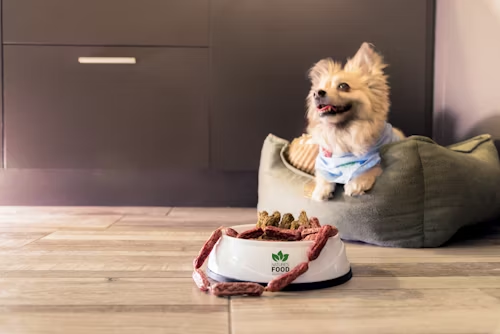
Over the last few years, raw feeding for dogs has exploded in popularity. More pet owners are questioning traditional kibble diets and searching for healthier, less processed alternatives that better match a dog’s natural nutritional needs. One brand that frequently stands out in the raw pet food market is Primal Raw Dog Food.
Known for its premium ingredients, freeze-dried formulas, and frozen raw meals, Primal has built a strong reputation among dog owners who want a more natural feeding approach. But is Primal really worth the hype — and the price tag?
In this comprehensive guide, we’ll explore everything you need to know about Primal Pet Foods, including ingredients, nutritional value, product types, benefits, safety concerns, feeding guidelines, and real customer experiences.
Whether you’re completely new to raw feeding or considering switching brands, this article will help you decide if Primal is the right choice for your dog.
What Is Primal Raw Dog Food?
Primal Raw Dog Food is a premium pet food brand that specializes in biologically appropriate raw diets for dogs and cats. The company focuses on creating meals made with high-quality animal proteins, organic produce, and minimal synthetic ingredients.
Unlike heavily processed kibble, Primal products are designed to mimic the ancestral diet dogs would naturally eat in the wild.
Definition of Raw Dog Food
Raw dog food generally includes:
- Raw muscle meat
- Organ meats
- Ground bone
- Fruits and vegetables
- Healthy fats
- Nutritional supplements
The goal is to provide dogs with a diet that is:
- Higher in protein
- Lower in carbohydrates
- Less processed
- Closer to what canine ancestors consumed
Many pet owners believe this approach can improve digestion, coat quality, energy levels, and overall health.
The Philosophy Behind Species-Appropriate Nutrition
Primal follows the idea of species-appropriate nutrition, meaning dogs thrive best on diets that resemble what their bodies evolved to digest.
Traditional kibble often contains:
| Common Kibble Ingredients | Why Some Owners Avoid Them |
|---|---|
| Corn | High carbohydrate filler |
| Soy | Potential allergen |
| Wheat | Difficult for some dogs to digest |
| Artificial preservatives | Unnecessary additives |
| Meat by-products | Lower-quality protein sources |
Primal instead focuses on:
- Fresh meat proteins
- Organic vegetables
- Cold-pressure processing
- Minimal processing methods
- Grain-free formulas
This makes Primal appealing to owners searching for:
- best raw dog food
- grain-free dog food
- raw dog food for allergies
- freeze-dried raw dog food
How Primal Differs From Traditional Kibble
The biggest difference between Primal and kibble is processing.
Traditional Kibble
Most kibble is made through high-heat extrusion, which can reduce nutrient quality. Manufacturers often add synthetic vitamins afterward to replace lost nutrients.
Primal Raw Food
Primal uses:
- Frozen raw preparation
- Freeze-drying technology
- Minimal heat exposure
- Whole-food nutrition
This process helps preserve:
- Natural enzymes
- Amino acids
- Nutrients
- Flavor
Many dogs also find raw food more palatable than dry kibble.

Frozen Raw vs Freeze-Dried Raw Options
Primal offers two main raw feeding formats.
Frozen Raw Formulas
These products come refrigerated or frozen and require thawing before serving.
Benefits
- Closest to fresh raw feeding
- High moisture content
- Minimal processing
Downsides
- Requires freezer space
- Less convenient for travel
Freeze-Dried Raw Formulas
Freeze-dried products remove moisture while preserving nutrients.
Benefits
- Shelf stable
- Easy to store
- Convenient for travel
- Quick feeding option
Downsides
- Usually more expensive
- Requires rehydration for optimal digestion
For busy dog owners, freeze-dried formulas provide a convenient way to feed a raw-inspired diet without refrigeration hassles.
You can learn more about raw feeding principles from the official Primal Pet Foods website.
About Primal Pet Foods
Company History and Mission
Primal Pet Foods was founded in 2001 with a mission to improve pet health through high-quality raw nutrition.
The company emphasizes:
- Ethically sourced proteins
- Sustainable farming practices
- Fresh food nutrition
- Transparency in ingredient sourcing
Primal has become one of the most recognized names in the premium raw dog food market.
Where Primal Dog Food Is Made
Primal products are manufactured in the United States using carefully sourced ingredients from trusted suppliers.
The company claims to prioritize:
- USDA-certified proteins
- Organic produce
- Antibiotic-free meats
- Steroid-free poultry
These sourcing standards appeal to pet owners looking for cleaner and safer dog food options.
Ingredient Sourcing Standards
Ingredient quality is one of Primal’s strongest selling points.
Protein Sources Include:
- Beef
- Chicken
- Duck
- Rabbit
- Turkey
- Venison
- Lamb
- Pork
- Sardines
Produce Ingredients Include:
- Kale
- Carrots
- Squash
- Apples
- Blueberries
- Cranberries
Primal avoids many controversial ingredients commonly found in low-quality pet food.
USDA Proteins and Organic Produce
Primal promotes the use of:
- USDA-inspected meats
- Organic fruits and vegetables
- Non-GMO produce whenever possible
This focus on ingredient quality has helped position the brand as a premium option in the raw dog food industry.
For comparison, many budget dog foods rely heavily on fillers and plant-based proteins.
Manufacturing and Safety Standards
Raw feeding naturally raises questions about food safety.
Primal uses High-Pressure Processing (HPP) for many recipes. This process helps reduce harmful bacteria while preserving nutritional integrity better than heat cooking.
Safety Measures Include:
- Pathogen testing
- Controlled manufacturing
- Ingredient traceability
- Cold-chain shipping practices
Despite these precautions, some raw feeding advocates debate whether HPP slightly alters the nutritional profile of raw food.
This remains one of the biggest discussions within raw-feeding communities online.
Types of Primal Raw Dog Food Products
Primal offers a surprisingly large variety of raw feeding products.
This flexibility allows dog owners to choose the format that best fits their lifestyle and budget.
Frozen Raw Formulas
Frozen raw formulas are Primal’s flagship products.
They are available in:
- Nuggets
- Patties
- Pronto mixes
Popular Protein Options
| Formula | Best For |
|---|---|
| Beef | Active dogs |
| Chicken | Budget-friendly feeding |
| Duck | Picky eaters |
| Rabbit | Sensitive stomachs |
| Venison | Novel protein diets |
Frozen raw diets are often preferred by experienced raw feeders because they retain high moisture and minimal processing.
Freeze-Dried Nuggets
Primal Freeze-Dried Nuggets are one of the brand’s best-selling products.
They’re designed for convenience while still delivering raw nutrition.
Key Features
- Lightweight
- Easy storage
- No refrigeration required
- Quick meal prep
Dog owners often use these products:
- At home
- During travel
- As meal toppers
- As high-value treats
Raw Pronto Formulas
Pronto formulas are finely ground frozen raw meals.
They thaw faster and are easier to portion compared to patties or nuggets.
Benefits of Pronto
- Faster serving time
- Easier measuring
- Better for small dogs
- Convenient for beginners
These products are especially useful for first-time raw feeders.
Kibble in the Raw
Primal also offers a product line called Kibble in the Raw.
This product attempts to combine the convenience of kibble with raw-inspired nutrition.
Unlike traditional kibble, it uses:
- Air-dried ingredients
- Less processing
- Higher protein levels
Many owners see it as a middle ground between raw feeding and dry food convenience.
Raw Goat Milk and Supplements
Primal also produces supplements and functional products.
Popular Additions Include:
- Raw goat milk
- Bone broth
- Digestive support formulas
- Omega fatty acid supplements
Raw goat milk is especially popular because it may support:
- Digestion
- Hydration
- Gut health
- Appetite stimulation
Many owners use it during transitions to raw feeding.
Treats and Toppers
Primal’s treat line includes freeze-dried meat treats and meal toppers.
These products are commonly used for:
- Training rewards
- Improving picky eating
- Adding protein variety
- Enhancing nutrition
Popular topper ingredients include:
- Sardines
- Beef liver
- Chicken hearts
Ingredients in Primal Raw Dog Food
The ingredient list is one reason many dog owners choose Primal over lower-quality alternatives.
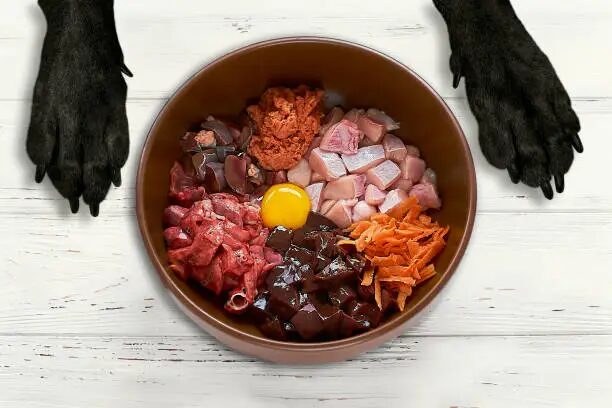
Muscle Meat Sources
Primal formulas typically start with named animal proteins.
Examples include:
Named proteins are important because they provide transparency and higher-quality amino acid profiles.
Protein is essential for:
- Muscle maintenance
- Energy
- Immune support
- Tissue repair
Organ Meats and Their Benefits
Organ meats are nutritional powerhouses.
Primal recipes commonly include:
- Liver
- Heart
- Kidney
These ingredients naturally provide:
- Iron
- Zinc
- Vitamin A
- B vitamins
- Taurine
Organ meats are a critical part of balanced raw nutrition.
Ground Bone and Calcium Content
Ground bone provides natural calcium and phosphorus.
These minerals support:
- Bone strength
- Dental health
- Muscle function
Balanced calcium ratios are especially important for puppies and large-breed dogs.
Organic Fruits and Vegetables
Primal includes plant ingredients for antioxidants and fiber.
Common Produce Ingredients
| Ingredient | Benefit |
|---|---|
| Kale | Antioxidants |
| Blueberries | Immune support |
| Carrots | Eye health |
| Cranberries | Urinary support |
| Squash | Digestive health |
These additions help create a more nutritionally complete diet.
Added Vitamins and Minerals
Although Primal emphasizes whole-food nutrition, some formulas include added nutrients to meet AAFCO standards.
These may include:
- Vitamin E
- Zinc
- Copper
- Fish oil
- Probiotics
The goal is to ensure complete and balanced nutrition.
Ingredients Primal Avoids
Primal avoids many ingredients associated with lower-quality pet foods.
Ingredients Typically Excluded
- Artificial colors
- Artificial preservatives
- Corn
- Wheat
- Soy
- By-products
This clean ingredient profile is one reason many owners switch to Primal after feeding traditional kibble.
Nutritional Benefits of Primal Raw Dog Food
Raw feeding enthusiasts often report major improvements after switching to Primal.
While experiences vary between dogs, several benefits are commonly mentioned.
High Protein Content
Primal diets are naturally high in animal protein.
Protein helps support:
- Lean muscle
- Energy levels
- Healthy metabolism
- Active lifestyles
Working dogs and athletic breeds often benefit from higher protein intake.
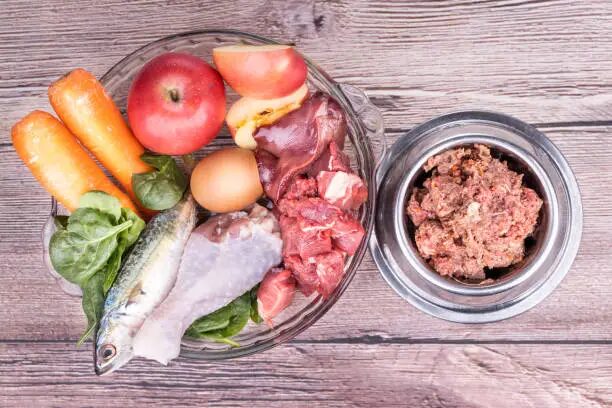
Better Digestibility
Many owners notice improved digestion after switching to raw food.
Some dogs experience:
- Reduced gas
- Less bloating
- Firmer stools
- Better nutrient absorption
This is especially common among dogs with food sensitivities.
Improved Skin and Coat Health
Raw diets rich in omega fatty acids may help improve:
- Dry skin
- Excess shedding
- Itching
- Dull coats
Many owners report softer, shinier coats within weeks of switching.
Increased Energy Levels
Some dogs appear more energetic and active after transitioning to raw feeding.
This may be due to:
- Better nutrient bioavailability
- Reduced fillers
- Higher-quality protein sources
Smaller and Less Smelly Stools
Because raw diets often contain fewer fillers, dogs may produce:
- Smaller stools
- Firmer stools
- Less odor
This is one of the most commonly reported benefits among raw feeders.
Dental Health Benefits
Chewing raw foods and bones may help reduce plaque buildup naturally.
Some owners notice:
- Fresher breath
- Cleaner teeth
- Improved gum health
However, proper dental care is still important regardless of diet.
Muscle Development and Weight Management
High-protein raw diets can help maintain lean muscle mass while supporting healthy body composition.
This can be especially beneficial for:
- Athletic dogs
- Senior dogs
- Overweight pets
Is Primal Raw Dog Food Good for Dogs?
One of the biggest questions dog owners ask is whether Primal Raw Dog Food is genuinely healthy or simply another premium pet food trend. The answer depends on several factors, including your dog’s age, health condition, activity level, and how responsibly the food is handled.
Many pet owners report significant improvements after switching to Primal, while others remain cautious due to concerns surrounding raw feeding safety and cost.
Let’s take a balanced look at both sides.
Veterinarian Opinions on Raw Feeding
Veterinarians are often divided when it comes to raw diets.
Supportive Veterinarians Often Highlight:
- Higher-quality protein sources
- Fewer fillers and artificial additives
- Improved digestion in some dogs
- Better skin and coat condition
- Increased palatability for picky eaters
More Cautious Veterinarians Raise Concerns About:
- Bacterial contamination
- Nutritional imbalance in poorly designed raw diets
- Risks to immunocompromised pets
- Improper handling by pet owners
Primal attempts to address these concerns by formulating recipes to meet nutritional standards and using food safety protocols like High-Pressure Processing (HPP).
Scientific Debate Around Raw Diets
The debate around raw feeding continues within the veterinary and pet nutrition community.
Supporters of Raw Feeding Believe:
- Dogs evolved to eat raw meat diets
- Minimally processed food preserves nutrients
- Fresh food improves long-term wellness
Critics Argue:
- Scientific evidence remains limited
- Some raw foods may carry bacteria
- Nutritional imbalances can occur
- Homemade raw diets are especially risky without guidance
Commercial raw brands like Primal are generally considered safer than homemade raw diets because they follow formulated nutritional guidelines.
Real Customer Experiences
Primal has built a loyal customer base over the years.
Common Positive Reviews Mention:
- Shinier coats
- Better digestion
- Improved stool quality
- Increased excitement during mealtime
- Relief from food allergies
Some owners also report improvements in dogs with:
- Sensitive stomachs
- Chronic itching
- Poor appetite
- Weight management issues
However, not every dog responds the same way.
Some Negative Experiences Include:
- Digestive upset during transition
- Dogs refusing certain proteins
- High monthly feeding costs
- Storage inconvenience
Reddit Community Reviews and Feedback
Raw feeding communities on Reddit frequently discuss Primal products.
Many users praise the brand for:
- Ingredient quality
- Convenient freeze-dried options
- Variety of protein sources
- Cleaner ingredient labels
However, discussions also mention concerns about:
- HPP processing
- Price increases
- Limited availability in some areas
- Transition-related stomach issues
Online raw feeding groups often recommend introducing Primal slowly and rotating proteins for better digestive adaptation.
You can browse raw feeding discussions on communities like Reddit Raw Pet Food discussions.
Dogs That Thrive on Raw Diets
Certain dogs may benefit more from Primal raw diets than others.
Dogs That Often Do Well on Raw Food:
| Dog Type | Potential Benefits |
|---|---|
| Active dogs | Higher protein support |
| Dogs with allergies | Limited ingredient options |
| Picky eaters | Better taste and aroma |
| Dogs with sensitive stomachs | Easier digestion |
| Senior dogs | Lean muscle maintenance |
Many owners also choose raw feeding for dogs with recurring skin issues or food intolerances.
Potential Downsides to Consider
Although Primal has many advantages, there are still drawbacks.
Possible Downsides Include:
- Expensive compared to kibble
- Requires freezer or refrigerator space
- Raw handling precautions are necessary
- Some dogs need gradual adjustment
- Freeze-dried products can be costly for large breeds
For households with multiple large dogs, feeding Primal exclusively can become expensive quickly.
Primal Raw Dog Food Ingredient Analysis
Understanding the nutritional profile of Primal helps explain why many owners consider it a premium raw dog food brand.
Protein-to-Fat Ratio
Primal formulas are generally high in protein and moderate in fat.
Typical Nutritional Balance:
| Nutrient | Approximate Range |
|---|---|
| Protein | 35%–55% |
| Fat | 20%–35% |
| Carbohydrates | Low |
These ratios better resemble a carnivorous diet than traditional kibble.
High protein levels help support:
- Muscle development
- Energy
- Recovery
- Healthy metabolism
Carbohydrate Levels
Primal diets are naturally lower in carbohydrates than many commercial dog foods.
Instead of relying on grains, the company uses:
- Vegetables
- Fruits
- Limited plant ingredients
This lower-carb approach appeals to owners searching for:
- grain-free dog food
- low-carb dog diets
- raw food for overweight dogs
AAFCO Compliance
Many Primal formulas are designed to meet AAFCO nutritional standards for complete and balanced feeding.
AAFCO compliance means the food contains appropriate levels of essential nutrients for:
- Adult maintenance
- Growth
- Some life stages
This is important because poorly balanced raw diets can create nutritional deficiencies over time.
Human-Grade Ingredients
Primal markets many of its ingredients as high quality or human-grade sourced.
This includes:
- USDA proteins
- Organic produce
- Antibiotic-free poultry
- Fresh whole foods
The company avoids many controversial ingredients found in cheaper pet foods.
Grain-Free and Gluten-Free Formulas
Most Primal products are:
- Grain-free
- Gluten-free
- Soy-free
- Corn-free
This makes them attractive for dogs with:
- Food allergies
- Sensitive digestion
- Chronic skin irritation
However, not all dogs require grain-free diets, so owners should consult their veterinarian before switching.
Comparison With Other Premium Raw Brands
Primal competes with several well-known raw dog food companies.
Brand Comparison Table
| Brand | Main Strength | Main Weakness |
|---|---|---|
| Primal | Ingredient quality | Expensive |
| Stella & Chewy’s | Wide availability | Higher carb content |
| Instinct Raw | Beginner-friendly | Fewer exotic proteins |
| We Feed Raw | Human-grade focus | Subscription model |
| Smallbatch | Minimal ingredients | Limited retail access |
Primal is often praised for balancing convenience with premium ingredient sourcing.
Best Primal Raw Dog Food Recipes Reviewed
Primal offers a wide range of protein recipes to suit different dietary needs.
Primal Beef Formula Review
The beef recipe is one of Primal’s most popular options.
Benefits:
- Rich protein content
- High palatability
- Great for active dogs
Potential Drawbacks:
- Higher fat levels
- May not suit sensitive stomachs
Best for:
- Athletic dogs
- Working breeds
- Underweight dogs
Primal Chicken Formula Review
Chicken is usually the most affordable Primal recipe.
Pros:
- Budget-friendlier
- Widely available
- Good for beginners
Cons:
- Chicken allergies are common
- Less ideal for elimination diets
This formula works well for healthy adult dogs without poultry sensitivities.
Primal Duck Formula Review
Duck formulas are often favored by picky eaters.
Why Owners Like It:
- Rich flavor
- Novel protein
- Moderate fat levels
Duck can also work well for dogs that cannot tolerate chicken.

Primal Rabbit Formula Review
Rabbit is considered a novel protein option.
Ideal For:
- Dogs with allergies
- Sensitive stomachs
- Elimination diets
Rabbit recipes are often more expensive but highly valued for food-sensitive pets.
Primal Venison Nuggets Review
Venison offers lean protein with unique flavor.
Benefits:
- Lower fat content
- Novel protein source
- Highly digestible
This recipe is commonly chosen for dogs with multiple food intolerances.
Best Formula for Puppies
Puppies require carefully balanced nutrition for growth.
Good Puppy-Friendly Options:
- Chicken
- Beef
- Turkey
Puppies need:
- Higher calorie intake
- Balanced calcium levels
- Frequent feeding schedules
Always confirm the selected formula is appropriate for growth stages.
Best Formula for Senior Dogs
Older dogs may benefit from:
- Moderate fat
- High-quality protein
- Easier digestion
Recommended Options:
- Turkey
- Rabbit
- Venison
These proteins may help support lean muscle maintenance without excessive calories.
Best Formula for Sensitive Stomachs
Dogs with digestive issues often respond well to limited ingredient proteins.
Top Choices:
| Protein | Why It Helps |
|---|---|
| Rabbit | Novel protein |
| Duck | Easier digestion |
| Venison | Lower allergen risk |
Transitioning slowly is especially important for sensitive dogs.
Primal Freeze-Dried vs Frozen Raw
Choosing between freeze-dried and frozen raw depends largely on your lifestyle and budget.
Key Differences
Frozen Raw
- Requires freezer storage
- Higher moisture content
- Less processed
Freeze-Dried Raw
- Shelf stable
- Lightweight
- Easier for travel
Both options provide raw nutrition, but convenience varies significantly.
Nutritional Comparison
Frozen raw is generally considered the least processed option.
Freeze-dried food still retains most nutrients but loses moisture during processing.
Comparison Table
| Feature | Frozen Raw | Freeze-Dried Raw |
|---|---|---|
| Moisture | High | Low |
| Storage | Freezer required | Pantry storage |
| Convenience | Moderate | High |
| Cost | Lower | Higher |
| Travel Friendly | No | Yes |
Convenience and Storage
Freeze-dried products are extremely convenient for:
- Busy owners
- Travelers
- Small apartments
- Emergency food storage
Frozen raw works best for owners comfortable handling fresh raw food daily.
Cost Comparison
Freeze-dried raw food is usually significantly more expensive.
Why?
- Specialized processing
- Lightweight packaging
- Longer shelf life
Large dog owners often choose frozen raw because it’s more economical.
Which Option Is Better for Travel?
Freeze-dried products clearly win for portability.
They:
- Don’t require refrigeration
- Are lightweight
- Store easily in bags or containers
This makes them ideal for:
- Road trips
- Camping
- Boarding situations
Which Is Better for Picky Dogs?
Many picky dogs prefer frozen raw due to:
- Stronger aroma
- Higher moisture
- Fresher texture
However, some dogs enjoy freeze-dried nuggets because they can double as treats.
How to Transition Your Dog to Primal Raw Food
Switching from kibble to raw feeding should be done carefully.
A sudden dietary change may upset your dog’s digestive system.
Switching From Kibble to Raw
Most owners transition gradually over 7–10 days.
Basic Transition Schedule
| Day | Raw Food | Old Food |
|---|---|---|
| 1–2 | 25% | 75% |
| 3–4 | 50% | 50% |
| 5–6 | 75% | 25% |
| 7+ | 100% | 0% |
Some dogs transition faster, while sensitive dogs may require several weeks.
Gradual vs Cold-Turkey Transition
Gradual Transition
Best for:
- Sensitive stomachs
- Senior dogs
- Nervous eaters
Cold-Turkey Transition
Some experienced raw feeders switch immediately.
This approach may work for:
- Healthy adult dogs
- Dogs with strong digestion
However, gradual transitions are generally safer for beginners.
Transition Schedule for Puppies
Puppies require:
- Smaller meals
- More frequent feeding
- Close monitoring
Most puppies adjust well when transitions happen slowly and carefully.
Transition Schedule for Adult Dogs
Adult dogs usually adapt within:
- 1–2 weeks
Owners should monitor:
- Stool consistency
- Appetite
- Energy levels
- Skin condition
Common Digestive Changes During Transition
Mild digestive changes are common initially.
Possible Symptoms:
- Softer stools
- Temporary gas
- Changes in appetite
These symptoms often improve as the digestive system adjusts.
Signs Your Dog Is Adjusting Well
Positive transition signs include:
- Firmer stools
- Better appetite
- Increased energy
- Shinier coat
- Reduced itching
How Much Primal Raw Dog Food Should You Feed?
Feeding the correct amount of Primal Raw Dog Food is essential for maintaining your dog’s ideal weight, energy level, and overall health. Unlike traditional kibble, raw food portions are often based on body weight, activity level, and metabolism.
Dogs that are highly active typically need more calories, while senior or less active dogs may require smaller portions.
Feeding Guidelines by Weight
Primal feeding recommendations usually suggest feeding dogs approximately 2% to 3% of their body weight daily.
Adult Dog Feeding Chart
| Dog Weight | Daily Raw Food Amount |
|---|---|
| 10 lbs | 4–6 oz |
| 20 lbs | 8–12 oz |
| 40 lbs | 16–24 oz |
| 60 lbs | 24–32 oz |
| 80 lbs | 32–48 oz |
These are general guidelines. Some dogs may need adjustments depending on metabolism and activity.
Puppy Feeding Chart
Puppies need significantly more food relative to their body weight because they are growing rapidly.
Puppy Feeding Recommendations
| Puppy Age | Daily Feeding Percentage |
|---|---|
| 2–4 months | 8–10% of body weight |
| 4–6 months | 6–8% |
| 6–12 months | 4–6% |
Puppies should typically eat:
- 3–4 meals daily
- Balanced growth formulas
- Appropriate calcium levels
Adult Dog Feeding Recommendations
Adult feeding needs vary depending on:
- Breed size
- Exercise levels
- Age
- Health conditions
Active Dogs May Need:
- Higher calorie intake
- More protein
- Larger meal portions
Less Active Dogs May Need:
- Leaner proteins
- Smaller servings
- Careful weight monitoring
Feeding Active Dogs
Working breeds and athletic dogs often perform well on raw diets because of the naturally high protein content.
Active Dogs Include:
- German Shepherds
- Belgian Malinois
- Huskies
- Hunting dogs
- Sporting breeds
These dogs may require:
- More calories
- Additional fat intake
- Larger meal frequency
Portion Control Tips
Even healthy raw food can lead to weight gain if overfed.
Helpful Portion Control Tips
- Use a kitchen scale
- Monitor body condition regularly
- Adjust portions slowly
- Avoid excessive treats
- Watch for hidden calories in toppers
Your dog should have:
- Visible waist definition
- Easily felt ribs
- Consistent energy levels
Adjusting Food Based on Body Condition
Every dog metabolizes food differently.
Signs Your Dog May Need More Food:
- Weight loss
- Constant hunger
- Low energy
- Visible ribs
Signs Your Dog May Need Less Food:
- Weight gain
- Reduced activity
- Loss of waistline
- Excess body fat
Raw feeding often requires occasional adjustments to maintain ideal condition.
Is Primal Raw Dog Food Safe?
Safety is one of the biggest concerns surrounding raw feeding.
Although many owners successfully feed raw diets for years, proper handling is extremely important.
Raw Food Safety Concerns
Raw meat can potentially contain harmful bacteria, including:
- Salmonella
- Listeria
- E. coli
Dogs generally tolerate bacteria better than humans, but contamination risks still exist for:
- Puppies
- Elderly pets
- Immunocompromised animals
- Humans handling the food
Salmonella and Bacteria Risks
Improper handling is usually the biggest safety issue.
Risk Factors Include:
- Leaving raw food unrefrigerated
- Cross-contamination in kitchens
- Improper thawing methods
- Poor sanitation practices
Owners should always wash:
- Bowls
- Hands
- Food prep surfaces
after handling raw pet food.
High-Pressure Processing (HPP) Explained
Primal uses High-Pressure Processing (HPP) for many products.
HPP is a non-heat pasteurization process designed to reduce harmful bacteria while preserving nutritional quality better than traditional cooking.
Supporters of HPP Say:
- It improves food safety
- It lowers contamination risks
- It helps protect pets and owners
Critics of HPP Believe:
- It may slightly alter nutrients
- It changes the “true raw” nature of food
- Some beneficial bacteria may also be reduced
The debate continues in raw-feeding communities, but HPP remains widely used in commercial raw pet foods.
Proper Storage and Handling
Safe storage practices are essential when feeding Primal.
Storage Tips:
| Product Type | Storage Method |
|---|---|
| Frozen raw | Keep frozen until needed |
| Freeze-dried | Store in cool dry area |
| Thawed raw | Refrigerate immediately |
| Opened products | Use within recommended timeframe |
Never refreeze food that has remained at room temperature too long.
Safe Thawing Practices
The safest thawing method is refrigeration.
Recommended Methods:
- Thaw overnight in refrigerator
- Use sealed containers
- Feed within recommended time
Avoid:
- Countertop thawing
- Warm water thawing
- Leaving food exposed
Hygiene Tips for Pet Owners
Good hygiene dramatically reduces risks.
Important Hygiene Practices:
- Wash hands thoroughly
- Clean feeding bowls daily
- Disinfect food preparation areas
- Separate pet food from human food
- Dispose of leftovers properly
Families with young children should be especially careful during food preparation.
Primal Dog Food Recall History
No pet food company is completely immune from recalls, including premium brands.
Has Primal Ever Been Recalled?
Yes, Primal has experienced recalls in the past.
Most recalls involved:
- Potential bacterial contamination
- Product handling concerns
- Quality control issues
Details of Past Recalls
Some past recalls involved concerns about:
- Salmonella contamination
- Product safety testing
- Distribution issues
While recalls can sound alarming, they are relatively common within the pet food industry — especially among raw food brands.
What Caused the Recalls?
Common causes included:
- Positive pathogen tests
- Contamination concerns
- Precautionary safety actions
Raw foods naturally carry higher scrutiny because they are uncooked animal products.
How Primal Responded
Primal has generally responded by:
- Issuing voluntary recalls
- Communicating with customers
- Expanding safety procedures
- Improving testing protocols
Transparency during recalls is an important factor many owners consider.
You can review current and historical pet food recalls through FDA pet food recall announcements.
What Consumers Should Know
Recalls do not automatically mean a brand is unsafe forever.
What matters most is:
- How companies respond
- Whether safety systems improve
- Transparency with consumers
Primal’s use of HPP and testing protocols is partly intended to reduce future contamination risks.
Pros and Cons of Primal Raw Dog Food
Every dog food has strengths and weaknesses.
Advantages of Feeding Primal
Major Benefits
- High-quality ingredients
- High animal protein content
- Grain-free formulas
- Freeze-dried convenience
- Variety of proteins
- Improved palatability
Many owners also report:
- Healthier skin
- Shinier coats
- Better digestion
- Higher energy levels
Drawbacks of Raw Feeding
Potential Disadvantages
- Higher cost
- Freezer storage needs
- Food safety precautions
- Transition challenges
- Not ideal for every household
Large breed owners may find full-time raw feeding expensive.
Cost Considerations
Raw feeding costs significantly more than budget kibble.
Average Monthly Cost Estimates
| Dog Size | Estimated Monthly Cost |
|---|---|
| Small dogs | $50–$120 |
| Medium dogs | $120–$250 |
| Large dogs | $250–$500+ |
Freeze-dried formulas usually cost more than frozen raw options.
Convenience Factors
Convenience depends on the product type.
Most Convenient:
- Freeze-dried nuggets
- Kibble in the Raw
Less Convenient:
- Frozen patties
- Bulk raw storage
Busy owners often combine multiple feeding methods.
Availability Issues
Primal is not available everywhere.
Some owners report difficulty finding:
- Exotic proteins
- Specialty formulas
- Frozen products locally
Online retailers help improve availability in many regions.
Common Complaints About Primal Raw Dog Food
Even highly rated brands receive criticism.
Expensive Pricing
The most common complaint is price.
Premium sourcing and freeze-drying technology make Primal significantly more expensive than traditional kibble.
Large dog owners especially feel the financial impact.
Limited Availability
Frozen raw products are not always stocked consistently in local stores.
This can create:
- Feeding interruptions
- Shipping delays
- Protein shortages
Storage Challenges
Raw feeding requires:
- Freezer space
- Refrigerator organization
- Careful meal planning
This may not suit smaller homes or busy households.
Digestive Upsets During Transition
Some dogs experience temporary issues such as:
- Loose stools
- Vomiting
- Reduced appetite
These problems often improve with slower transitions.
Concerns Raised by Some Customers
Online reviews occasionally mention:
- Packaging inconsistencies
- Rising prices
- Formula changes
- Delivery thawing issues
However, most long-term users still rate the brand highly overall.
Primal Raw Dog Food vs Other Raw Brands
The raw dog food market has become highly competitive.
Primal vs Stella & Chewy’s
Primal Strengths
- More organic ingredients
- Strong ingredient sourcing
- Wide protein variety
Stella & Chewy’s Strengths
- Easier retail availability
- More topper products
- Larger product range
Primal vs Instinct Raw
Instinct is often considered more beginner-friendly.
Primal Advantages
- Higher ingredient quality perception
- More specialty proteins
- Less processed feel
Instinct Advantages
- Lower pricing
- Easier transition products
- Broader store access
Primal vs We Feed Raw
We Feed Raw focuses heavily on subscription-based fresh feeding.
Key Differences:
| Brand | Main Focus |
|---|---|
| Primal | Retail raw convenience |
| We Feed Raw | Fresh subscription meals |
Primal vs Smallbatch
Smallbatch appeals to minimalist raw feeders.
Smallbatch Pros
- Minimal ingredients
- Small-batch production
Primal Pros
- Better availability
- More convenience options
- Larger formula variety
Which Raw Brand Offers Better Value?
The “best value” depends on your priorities.
Choose Primal If You Want:
- Premium ingredients
- Convenient freeze-dried feeding
- Multiple protein choices
Choose Other Brands If You Want:
- Lower prices
- Subscription delivery
- Simpler ingredient panels
Is Primal Raw Dog Food Worth the Price?
For many owners, the answer is yes — especially if their dog benefits from improved digestion or allergy relief.
However, the value depends on:
- Budget
- Dog size
- Feeding goals
- Lifestyle convenience
Average Monthly Feeding Costs
Raw feeding costs vary widely.
Factors Affecting Cost:
- Dog weight
- Protein type
- Frozen vs freeze-dried
- Activity level
Rabbit and venison formulas tend to cost more than chicken.
Cost Per Meal Breakdown
Example Estimates
| Product Type | Approximate Cost Per Meal |
|---|---|
| Frozen raw | Moderate |
| Freeze-dried raw | High |
| Kibble | Low |
Freeze-dried foods are often the most expensive option.
Comparing Raw Food Costs to Premium Kibble
Premium kibble is still generally cheaper than raw feeding.
However, some owners feel the health benefits justify the added expense.
Is Freeze-Dried More Expensive?
Yes — substantially.
Freeze-drying is an expensive preservation method that increases production costs.
Budget-Friendly Feeding Tips
Ways to Reduce Costs
- Use raw as a topper
- Rotate proteins strategically
- Buy larger bulk sizes
- Combine frozen and freeze-dried options
- Watch for subscription discounts
Where to Buy Primal Raw Dog Food
Primal products are widely available through both online and local retailers.
Online Retailers
Popular online stores include:
- Chewy
- Amazon
- Petco
- PetSmart
Buying online offers:
- Autoship discounts
- Wider protein selection
- Home delivery convenience
Local Pet Stores
Independent pet stores often carry frozen Primal products.
Shopping locally allows owners to:
- Check freshness
- Avoid shipping delays
- Ask feeding questions
Subscription Options
Autoship programs can help reduce costs.
Benefits include:
- Scheduled deliveries
- Discount pricing
- Better consistency
How to Find Discounts and Autoship Deals
Money-Saving Tips
- Subscribe to retailer newsletters
- Watch for holiday sales
- Use loyalty programs
- Buy larger bags
Buying Frozen Raw Food Safely
Always ensure frozen products arrive:
- Fully frozen
- Properly insulated
- Within safe temperature ranges
Avoid feeding food that appears spoiled or improperly thawed.
Best Dogs for Primal Raw Food
Primal may be especially beneficial for certain dogs.
Puppies
Puppies can thrive on balanced raw diets when fed properly formulated meals.
Senior Dogs
Older dogs may benefit from:
- Easier digestion
- High-quality protein
- Lean muscle support
Active and Working Dogs
Athletic dogs often perform well on higher-protein diets.
Dogs With Allergies
Novel proteins like rabbit and venison may help reduce food sensitivities.
Dogs With Sensitive Stomachs
Many owners report fewer digestive issues after switching to raw food.
Overweight Dogs
High-protein diets may help support lean body composition and satiety.
Frequently Asked Questions About Primal Raw Dog Food
Is Primal Raw Dog Food Complete and Balanced?
Many formulas are designed to meet AAFCO nutritional guidelines.
Can Puppies Eat Primal Raw?
Yes, but puppy-specific nutritional balance is important.
Does Primal Use Human-Grade Ingredients?
Primal uses high-quality ingredients and USDA proteins in many formulas.
Is Freeze-Dried Raw Better Than Kibble?
Many owners prefer it because it is less processed and higher in protein.
Can I Mix Primal With Dry Food?
Yes, many owners use Primal as a topper or mix-in.
How Long Does Frozen Raw Last?
Frozen raw food lasts several months when stored properly.
Is Primal Good for Allergies?
Novel protein recipes may help dogs with food sensitivities.
Does Raw Food Help With Itchy Skin?
Some dogs experience improved skin and coat condition after switching.
How Much Does Primal Cost Per Month?
Costs vary widely based on dog size and feeding method.
Do Vets Recommend Raw Feeding?
Opinions vary among veterinarians.
Expert Tips for Feeding Raw Dog Food
Helpful Tips
- Rotate protein sources
- Transition slowly
- Monitor body condition
- Practice safe food handling
- Use probiotics when needed
Mistakes to Avoid When Feeding Primal Raw
Common Beginner Mistakes
- Switching too quickly
- Overfeeding
- Ignoring food safety
- Feeding unbalanced homemade diets
- Not monitoring weight changes
How to Store Raw Dog Food Properly
Proper Storage Basics
- Keep frozen food frozen
- Refrigerate thawed meals
- Use airtight containers
- Follow expiration dates carefully
Signs Your Dog Is Thriving on a Raw Diet
Healthy signs include:
- Consistent energy
- Healthy weight
- Shinier coat
- Better stool quality
- Improved appetite
Best Supplements to Pair With Primal Raw Food
Popular additions include:
- Fish oil
- Probiotics
- Bone broth
- Goat milk
- Joint supplements
Beginner’s Guide to Raw Feeding
If you’re new to raw feeding:
- Start slowly
- Choose balanced commercial products
- Monitor digestion closely
- Learn safe handling practices
- Consult your veterinarian if needed
Conclusion
Final Thoughts on Primal Raw Dog Food
Primal has become one of the most recognizable names in the premium raw pet food industry for good reason. The brand focuses on high-quality proteins, organic produce, and minimally processed nutrition that appeals to owners seeking a more natural diet for their dogs.