Choosing the best dog food for specific breeds can feel confusing because every dog food brand claims to be the healthiest, most natural, or most breed-focused option. But the truth is, the best food for a Chihuahua is not always the best food for a Great Dane. A tiny toy breed, a muscular working breed, a sensitive-stomach breed, and a giant puppy all have different nutritional needs.
Breed matters because it often gives clues about your dog’s size, metabolism, activity level, jaw shape, growth rate, coat type, and common health risks. For example, large breeds usually need careful joint and weight support, while toy breeds may need smaller kibble and more calorie-dense meals. Some breeds are prone to skin issues, some gain weight easily, and others need extra fuel for high activity.
That said, there is no single “best dog food” for every dog. Even two dogs from the same breed may need different diets depending on their age, weight, lifestyle, allergies, and health history. A young active Labrador may need a different formula than an overweight senior Labrador. A French Bulldog with allergies may need a different protein source than a French Bulldog with no food sensitivities.
Quick answer: the best dog food is one that is complete and balanced, suitable for your dog’s life stage, appropriate for their breed size, easy to digest, and matched to their individual health needs. Breed-specific dog food can be helpful, but it should not be the only factor you consider.
Before making a major food change, especially if your dog has allergies, kidney issues, heart concerns, obesity, chronic digestive problems, or is a large-breed puppy, it is always smart to speak with your veterinarian. You can also use trusted resources like the AAFCO guide to selecting the right pet food to understand what a proper dog food label should include.
1. What Does “Best Dog Food for Specific Breeds” Mean?
When people search for best dog food by breed, they usually want a simple answer like “this food is best for German Shepherds” or “this food is best for French Bulldogs.” But breed-specific nutrition is more layered than that.
Breed-Specific Dog Food Explained
Breed-specific dog food is food designed around the common needs of a particular breed. These formulas may consider things like:
- Breed size
- Kibble shape
- Common health concerns
- Coat and skin needs
- Weight management risks
- Digestive sensitivity
- Typical activity level
For example, food marketed for German Shepherds may focus on digestion and joint support. Food for Yorkshire Terriers may focus on small kibble, coat health, and palatability. Food for Labradors may focus on weight control because many Labs love food and can gain weight quickly.
Breed-specific formulas can be useful, but they are not automatically better than a high-quality size-specific or life-stage-specific food.
Size-Specific vs Breed-Specific Nutrition
For many dogs, size-specific nutrition matters more than the exact breed name printed on the bag. A food labeled for “small breed adults” may work well for many small dogs, including Maltese, Shih Tzus, Yorkies, and Toy Poodles. A food labeled for “large breed puppies” may be very important for breeds like Golden Retrievers, Rottweilers, German Shepherds, and Great Danes.
Here is a simple way to understand the difference:
| Food Type | What It Focuses On | Best For |
|---|---|---|
| Breed-specific food | A particular breed’s common traits | Dogs with needs that match the formula |
| Size-specific food | Toy, small, medium, large, or giant breed needs | Most dogs when chosen correctly |
| Life-stage food | Puppy, adult, senior, pregnancy/nursing | Dogs at a specific age or stage |
| Health-focused food | Digestion, skin, joints, weight, allergies | Dogs with special concerns |
| Prescription diet | Medical conditions | Only when recommended by a vet |
Why Different Breed Sizes Need Different Formulas
Toy, small, medium, large, and giant breeds do not grow or burn energy the same way.
Toy and small breeds often have faster metabolisms and smaller mouths. They may need smaller kibble and more calorie-dense food. Some toy puppies also need frequent meals to help prevent blood sugar dips.
Medium breeds often do well on balanced adult formulas, but their activity level matters a lot. A Border Collie and a Basset Hound may be similar in weight range, but their energy needs can be completely different.
Large and giant breeds need more careful calorie and mineral control, especially during puppyhood. Fast growth and excess weight can put pressure on developing bones and joints. AKC’s large breed dog food guidance explains why large breed nutrition is different from standard dog food.
How Metabolism Differs Between Breeds
Metabolism is the way a dog’s body uses energy from food. Smaller dogs usually burn more calories per pound of body weight than larger dogs. That does not mean they should eat huge portions, but their food often needs to be nutrient-dense.
On the other hand, some large breeds may need fewer calories per pound because carrying extra weight can strain their joints. Breeds like Labradors, Beagles, Bulldogs, and Dachshunds are also known for gaining weight easily, so calorie control is important.
How Jaw Size and Kibble Shape Matter
Kibble size is often overlooked, but it can make a real difference.
Small dogs may struggle with large kibble. Flat-faced breeds like French Bulldogs, Pugs, and Bulldogs may also need kibble shapes that are easier to pick up and chew. Large dogs may benefit from bigger kibble because it can slow down eating and encourage chewing.
The right kibble shape can help with:
- Easier chewing
- Better digestion
- Slower eating
- Dental support
- Improved palatability
Why Activity Level Is Just as Important as Breed
Breed gives you a starting point, but lifestyle tells the full story. A working Border Collie that runs daily needs more fuel than a relaxed indoor Border Collie. A hunting Labrador in season may need more calories than a family Labrador that mostly sleeps on the couch.
Activity level affects:
- Calories needed per day
- Protein and fat needs
- Meal timing
- Weight management
- Recovery after exercise
So instead of choosing food by breed alone, think about your dog’s real daily routine.
Are Breed-Specific Claims Always Useful?
Some breed-specific dog foods are well-formulated and genuinely helpful. Others are mostly marketing. A picture of your dog’s breed on the bag does not automatically mean the food is perfect.
A better approach is to check:
- Is the food complete and balanced?
- Is it made for your dog’s life stage?
- Does it match your dog’s size?
- Does your dog digest it well?
- Are the calories appropriate?
- Does your vet agree with the choice?
Breed-specific food can be a guide, but your dog’s actual health should make the final decision.
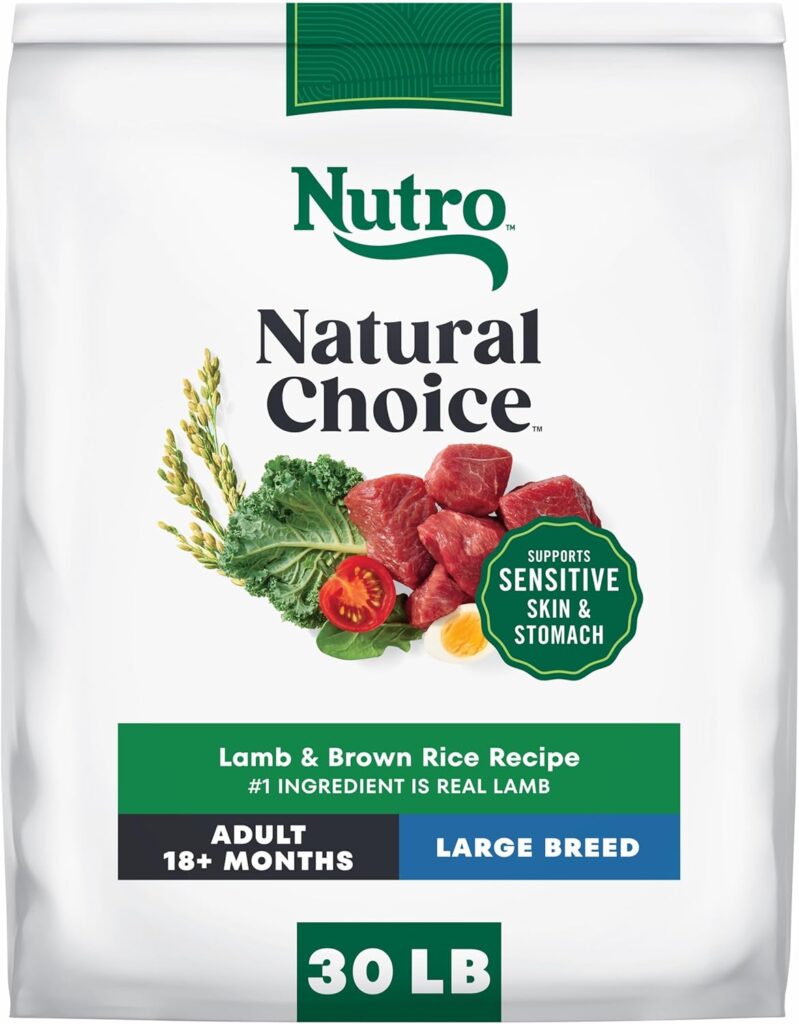
Nutro Natural Choice Large Breed Dry Dog Food
Nutro Natural Choice Large Breed Dry Dog Food, Adult Dog Food Lamb & Brown Rice Recipe, 30 lbs.
2. Key Factors to Consider Before Choosing Dog Food by Breed
Before choosing the best dog food for your dog’s breed, look at the full picture. Breed is only one part of the decision.
Dog’s Age: Puppy, Adult, or Senior
A puppy needs food for growth. An adult dog needs maintenance nutrition. A senior dog may need fewer calories, joint support, easier digestion, or specific nutrients depending on health.
| Life Stage | Main Nutrition Goal | What to Look For |
| Puppy | Growth and development | Puppy formula, proper protein, controlled minerals for large breeds |
| Adult | Maintenance and energy | Balanced calories, quality protein, healthy fats |
| Senior | Healthy aging | Joint support, digestibility, weight control, vet guidance |
Large breed puppies need extra care because growing too quickly can increase stress on bones and joints. Toy puppies may need smaller meals more often because of their tiny size and fast energy use.
Breed Size and Expected Adult Weight
Expected adult size is very important, especially for puppies. A Great Dane puppy and a Maltese puppy should not be fed the same way.
General size categories:
| Breed Size | Adult Weight Range | Food Consideration |
| Toy | Under 10 lb | Tiny kibble, calorie-dense meals |
| Small | 10–25 lb | Small kibble, digestion and dental support |
| Medium | 26–50 lb | Balanced energy and muscle maintenance |
| Large | 51–90 lb | Joint support, controlled calories |
| Giant | 90+ lb | Slow growth, weight control, joint protection |
Current Body Condition and Ideal Weight
Your dog’s body condition matters more than the feeding chart on the bag. Feeding guides are only starting points. If your dog is gaining too much weight, the portion may need to be reduced. If your dog is too thin, they may need more calories or a different formula.
A healthy dog should usually have:
- A visible waist when viewed from above
- Ribs you can feel but not sharply see
- Good energy
- Healthy stool
- A shiny coat
- Steady weight
Activity Level and Exercise Routine
Active dogs may need more calories, protein, and fat. Less active dogs may need lower-calorie food to prevent weight gain.
Examples:
- High-energy breeds: Border Collies, Australian Shepherds, Siberian Huskies
- Moderate-energy breeds: Cocker Spaniels, Beagles, Poodles
- Lower-energy breeds: Bulldogs, Basset Hounds, Pugs
A lazy dog from an active breed should not be fed like a working dog. A highly active dog from a medium breed may need more nutrition than a large but inactive dog.
Allergies or Food Sensitivities
Some dogs develop itching, ear problems, vomiting, loose stool, or gas when they do not tolerate certain ingredients. Common triggers can include chicken, beef, dairy, wheat, or other ingredients, though true food allergies are less common than many owners think.
If your dog has ongoing symptoms, do not guess for months. A vet can help decide whether your dog needs a limited-ingredient diet, elimination trial, hydrolyzed protein food, or medical treatment.
Digestive Health and Stool Quality
Good dog food should support comfortable digestion. Stool is one of the easiest ways to judge whether a food is working.
A food may not suit your dog if you notice:
- Frequent diarrhea
- Too much gas
- Vomiting
- Very hard stools
- Large stool volume
- Mucus in stool
- Loss of appetite
Sensitive-stomach breeds may do better with simple formulas, digestible proteins, prebiotics, probiotics, or fiber support.
Skin and Coat Condition
Breeds with long coats, thick coats, or sensitive skin often benefit from food with healthy fats and omega fatty acids. Omega-3 and omega-6 fatty acids can help support skin barrier health and coat shine.
Skin-focused dog food may be useful for:
- Golden Retrievers
- Shih Tzus
- Poodles
- Bulldogs
- French Bulldogs
- Cocker Spaniels
- German Shepherds
Joint and Bone Health
Joint health is especially important for large and giant breeds. Dogs prone to hip dysplasia, arthritis, or excess weight may benefit from formulas with controlled calories and joint-support ingredients.
Look for nutrients such as:
- Glucosamine
- Chondroitin
- Omega-3 fatty acids
- Balanced calcium and phosphorus
- High-quality protein for muscle support
Dental Health and Kibble Texture
Small breeds often struggle with dental problems. While kibble is not a replacement for brushing, the right texture and size may encourage chewing. Some dogs also benefit from dental diets, chews, or professional cleanings.
Neutered or Spayed Dogs
After spaying or neutering, some dogs need fewer calories. If portions stay the same but activity decreases, weight gain can happen quickly. This is especially important for breeds already prone to obesity, such as Beagles, Labradors, Dachshunds, and Bulldogs.
Indoor vs Outdoor Lifestyle
Indoor dogs may burn fewer calories. Outdoor, sporting, working, or farm dogs may need more energy, especially in cold weather or during active seasons.
Wet Food, Dry Food, Fresh Food, or Mixed Feeding
There is no single best format for every breed.
| Food Type | Benefits | Things to Consider |
| Dry food | Affordable, convenient, easy to store | Lower moisture content |
| Wet food | Higher moisture, often tasty | Can be more expensive |
| Fresh food | Often highly palatable | Cost, storage, balance matters |
| Mixed feeding | Combines benefits of wet and dry | Portion control is important |
| Prescription food | Supports medical needs | Use with vet guidance |
Budget and Long-Term Affordability
The best dog food is one you can afford consistently. Switching between foods too often because of price can upset digestion. Choose the best quality food within your budget that meets your dog’s life stage and health needs.
3. Understanding Dog Nutrition Basics
To choose the best dog food for specific breeds, you need to understand the basics of dog nutrition. A beautiful package or breed name is not enough. The food should provide balanced nutrients your dog can actually use.
Protein: Why Dogs Need Quality Animal Protein
Protein supports muscles, organs, immune function, skin, coat, and overall repair. Active breeds, growing puppies, and muscular dogs often need strong protein support.
Good protein sources may include:
The source matters, but digestibility and complete nutrition matter too. A food with a high protein percentage is not automatically better if the formula is not balanced.
Fats: Energy, Skin, Coat, and Brain Support
Fat is a concentrated energy source. It also supports skin, coat, hormones, and brain health. Puppies, active breeds, and working dogs may need more fat than inactive dogs.
Healthy fat sources can include:
- Fish oil
- Chicken fat
- Flaxseed
- Salmon oil
- Sunflower oil
Carbohydrates: Energy and Fiber Sources
Carbohydrates are not always bad. Many quality dog foods use grains, potatoes, peas, lentils, oats, barley, rice, or sweet potatoes for energy and fiber.
The goal is not to avoid all carbs. The goal is to choose a formula that your dog digests well and that provides balanced nutrition.
Fiber: Digestion and Stool Quality
Fiber helps regulate digestion and stool consistency. Some dogs with sensitive stomachs, weight problems, or anal gland issues may benefit from the right fiber level.
Common fiber sources include:
- Beet pulp
- Pumpkin
- Brown rice
- Oats
- Peas
- Sweet potatoes
Vitamins and Minerals
Vitamins and minerals support bones, nerves, muscles, immunity, and metabolism. The balance matters. Too much or too little can cause problems, especially in growing puppies.
Omega-3 and Omega-6 Fatty Acids
Omega fatty acids are useful for skin, coat, brain, and joint support. Fish-based foods or foods with fish oil are often popular for breeds with itchy skin or dull coats.
Calcium and Phosphorus Balance
Calcium and phosphorus are especially important for puppies. Large and giant breed puppies need careful mineral balance because excess calcium or rapid growth may contribute to skeletal issues.
This is one reason large breed puppy food exists. It is not just about bigger kibble. It is about controlled growth and balanced nutrients.
Glucosamine and Chondroitin for Joints
Glucosamine and chondroitin are often added to large breed, senior, and joint-support dog foods. They may help support cartilage and joint comfort, especially when combined with healthy weight management.
Taurine and Heart Health
Taurine is an amino acid linked to heart health. Some dog foods include taurine, especially formulas designed for certain health concerns. If your breed is prone to heart disease, ask your vet what nutrients matter most.
Probiotics and Prebiotics
Probiotics are beneficial bacteria, while prebiotics help feed good bacteria in the gut. These can be helpful for dogs with sensitive digestion, loose stool, or diet transitions.
Water Content in Wet vs Dry Food
Wet food contains more moisture than dry kibble. This can be helpful for dogs that do not drink enough water, senior dogs, picky eaters, or dogs with certain urinary concerns. Dry food is usually easier to store and more budget-friendly.
What “Complete and Balanced” Means
A complete and balanced dog food should provide all the essential nutrients your dog needs for a specific life stage. The phrase matters because a food can look healthy but still be incomplete.
AAFCO recommends checking the nutritional adequacy statement on the package to make sure the food is labeled for the correct species, life stage, and condition. This statement is one of the most important parts of a dog food label.
Ingredients vs Nutrient Profile: Which Matters More?
Ingredients matter, but the full nutrient profile matters more. A food can have trendy ingredients and still be poorly balanced. Another food may include grains or by-products and still provide excellent nutrition.
Instead of judging only by the front label, check:
- Nutritional adequacy statement
- Life stage
- Calories
- Protein and fat levels
- Ingredient quality
- Digestibility
- Your dog’s response to the food
4. Best Dog Food by Breed Size
Breed size is one of the most practical ways to choose dog food. It affects kibble size, calorie needs, growth rate, joint stress, and feeding style.
Best Dog Food for Toy Breeds
Toy breeds include dogs like Chihuahuas, Pomeranians, Yorkshire Terriers, Toy Poodles, Maltese, and very small Shih Tzus. These dogs may be tiny, but their nutrition needs are not simple.
Toy Breed Nutrition Needs
Toy breeds often need food that is:
- Small in kibble size
- Easy to chew
- Calorie-dense
- Highly digestible
- Suitable for their life stage
- Rich in quality protein and healthy fats
Because their stomachs are small, they cannot always eat large meals. Puppies may need several small meals per day.
High Metabolism and Calorie-Dense Food
Toy dogs often burn more calories per pound than larger dogs. This means their food may need to be more energy-dense. However, portion control is still important because toy dogs can also gain weight if overfed.
Small Kibble for Tiny Mouths
Small kibble makes eating easier and safer for tiny mouths. AKC notes that toy puppies often do better with small-kibble food and meals that include protein, fat, and complex carbohydrates. You can learn more from this guide on what to feed puppies based on breed size.
Preventing Low Blood Sugar in Toy Puppies
Toy puppies are more vulnerable to blood sugar drops, especially if they skip meals. Frequent, measured meals are usually better than one or two large meals.
Best Food Approach for Popular Toy Breeds
| Breed | Food Focus |
| Chihuahua | Tiny kibble, calorie-dense food, dental support |
| Pomeranian | Skin and coat support, small kibble |
| Yorkshire Terrier | Coat health, palatability, small bites |
| Toy Poodle | Digestibility, skin support, quality protein |
| Maltese | Gentle digestion, coat support |
| Shih Tzu | Skin, coat, and easy-to-chew kibble |
Best Dog Food for Small Breeds
Small breeds include Dachshunds, French Bulldogs, Boston Terriers, Miniature Schnauzers, Cavalier King Charles Spaniels, Jack Russell Terriers, and many terrier breeds.
Small Breed Calorie Needs
Small dogs often need nutrient-dense food, but they are also easy to overfeed. A few extra treats can add a lot of calories to a small dog’s daily intake.
Kibble Size and Digestibility
Small-breed formulas usually have smaller kibble and balanced calories. Many small breeds also benefit from digestible proteins and fiber sources that support stool quality.
Dental Health Support
Small dogs are often prone to dental problems. Food alone will not prevent dental disease, but kibble texture, dental chews, and regular brushing can all help.
Weight Gain Risks in Small Dogs
Dachshunds, French Bulldogs, Cavaliers, and Miniature Schnauzers can gain weight easily. Extra weight can worsen breathing issues, back problems, joint stress, and overall comfort.
Best Food Approach for Popular Small Breeds
| Breed | Food Focus |
| Dachshund | Weight control, joint and back support |
| French Bulldog | Sensitive skin, digestion, allergy-friendly options |
| Boston Terrier | Digestibility, lean muscle support |
| Miniature Schnauzer | Weight control, moderate fat levels |
| Cavalier King Charles Spaniel | Heart-aware nutrition, healthy weight |
| Jack Russell Terrier | High-energy support, lean protein |
Best Dog Food for Medium Breeds
Medium breeds are often flexible when it comes to food, but they still need a diet that matches their activity level and body condition.
Balanced Nutrition for Medium-Sized Dogs
Medium dogs usually do well on high-quality adult maintenance food, but the best formula depends on whether the dog is active, overweight, sensitive, or aging.
Managing Energy and Muscle Maintenance
A medium dog that runs, herds, hunts, or trains regularly may need more protein and fat than a medium dog with a relaxed lifestyle.
Best Food Approach for Popular Medium Breeds
| Breed | Food Focus |
| Beagle | Weight control, portion management |
| Border Collie | High-energy support, muscle maintenance |
| Cocker Spaniel | Skin, coat, and ear-health support |
| Australian Shepherd | Active lifestyle nutrition |
| Bulldog | Weight control, digestion, skin support |
| Whippet | Lean muscle and energy balance |
| Basset Hound | Weight control and joint support |
| Staffordshire Bull Terrier | Muscle support and healthy fats |
Best Dog Food for Large Breeds
Large breeds include Labrador Retrievers, Golden Retrievers, German Shepherds, Boxers, Doberman Pinschers, and Rottweilers. These dogs need food that supports muscle, joints, digestion, and healthy weight.
Why Large Breeds Need Controlled Calories
Large dogs can gain weight quickly, and extra weight puts pressure on their joints. A good large-breed food should support lean body condition without overloading calories.
Joint Support and Healthy Weight
Large breeds are more likely to deal with joint stress. Keeping them lean is one of the best ways to support mobility. Foods with omega-3s, glucosamine, chondroitin, and controlled calories may help.
Calcium and Phosphorus Balance
Large breed puppies need special attention. Their food should support steady growth, not overly fast growth. The wrong puppy food can provide too many calories or an unsuitable mineral balance.
Large Kibble Size Benefits
Larger kibble may encourage chewing and slow down eating. This can be helpful for dogs that swallow small kibble too quickly.
Best Food Approach for Popular Large Breeds
| Breed | Food Focus |
| Labrador Retriever | Weight control, joint support |
| Golden Retriever | Skin, coat, heart and joint support |
| German Shepherd | Digestive health, joint support |
| Boxer | Muscle support, heart-aware nutrition |
| Doberman Pinscher | Lean muscle, heart-aware nutrition |
| Rottweiler | Muscle maintenance, joint protection |
Best Dog Food for Giant Breeds
Giant breeds include Great Danes, Saint Bernards, Newfoundlands, Mastiffs, Great Pyrenees, and Irish Wolfhounds. These dogs grow slowly and place heavy stress on bones and joints.
Giant Breed Nutrition Challenges
Giant breeds need careful feeding from puppyhood. Too many calories, too much weight, or poor mineral balance can create long-term problems.
Slower Growth and Controlled Minerals
Giant breed puppies should grow steadily, not rapidly. Large or giant breed puppy formulas are usually better than standard puppy food.
Joint and Bone Development
Joint support is important throughout life. A giant breed dog should stay lean, because every extra pound adds pressure to the joints.
Preventing Excess Weight
Obesity can seriously affect giant breeds. Portion control, measured meals, and limited treats are essential.
Best Food Approach for Popular Giant Breeds
| Breed | Food Focus |
| Great Dane | Controlled growth, joint and digestive support |
| Saint Bernard | Weight control, joint protection |
| Newfoundland | Coat health, joint support, controlled calories |
| Mastiff | Lean muscle, slow growth, joint health |
| Great Pyrenees | Moderate calories, coat and joint support |
| Irish Wolfhound | Giant-breed puppy nutrition, heart and joint awareness |
5. Best Dog Food by Life Stage and Breed
Choosing the best dog food for specific breeds becomes much easier when you combine breed size with life stage. A puppy, adult dog, and senior dog from the same breed may need different food because their bodies are doing different things.
A puppy is growing. An adult dog is maintaining energy, muscle, and healthy weight. A senior dog may need more support for joints, digestion, dental health, or weight control.
That is why the best dog food is not just “best for Labradors” or “best for French Bulldogs.” It should also be best for your dog’s age, size, lifestyle, and health condition.
Best Puppy Food for Small Breeds
Small breed puppies usually need food that is nutrient-dense, easy to chew, and made for growth. Their stomachs are small, but their energy needs can be high.
Good small breed puppy food should include:
- Small kibble size
- Quality animal protein
- Healthy fats for brain and coat development
- Proper calcium and phosphorus balance
- Digestible carbohydrates
- Enough calories for healthy growth
Toy and small breed puppies may also need more frequent meals. A tiny Chihuahua puppy, for example, cannot always handle long gaps between meals the way a larger puppy can.
Best Puppy Food for Large Breeds
Large breed puppies need a different approach. They should grow steadily, not too quickly. Too many calories or the wrong mineral balance can place stress on their developing bones and joints.
The best large breed puppy food should support:
- Controlled growth
- Healthy bone development
- Joint support
- Lean muscle
- Proper calcium and phosphorus levels
- Healthy digestion
Large breed puppy food is especially important for breeds such as:
- Labrador Retrievers
- Golden Retrievers
- German Shepherds
- Rottweilers
- Doberman Pinschers
- Great Danes
- Bernese Mountain Dogs
- Mastiffs
Best Puppy Food for Giant Breeds
Giant breed puppies need even more careful feeding. Breeds like Great Danes, Saint Bernards, Newfoundlands, and Irish Wolfhounds grow into very large bodies, but their growth should be slow and controlled.
For giant breed puppies, look for food labeled for large breed puppies or giant breed growth. Avoid overfeeding, even if the puppy seems hungry all the time.
Best Adult Dog Food by Breed Size
Adult dogs need food that maintains healthy weight, energy, muscle tone, skin, coat, and digestion. For many dogs, a high-quality size-specific adult food works well.
| Breed Size | Adult Food Focus |
|---|---|
| Toy breeds | Small kibble, calorie density, dental support |
| Small breeds | Weight control, digestion, coat health |
| Medium breeds | Balanced energy and muscle maintenance |
| Large breeds | Joint support, lean body condition |
| Giant breeds | Controlled calories, mobility support |
Best Senior Dog Food by Breed
Senior dogs may slow down, gain weight more easily, or develop joint stiffness. Some seniors also become picky eaters or have trouble chewing hard kibble.
Senior dog food may include:
- Moderate calories
- Easy-to-digest protein
- Joint-support nutrients
- Omega-3 fatty acids
- Added fiber
- Softer textures or wet food options
A senior Dachshund may need weight and back support. A senior Labrador may need joint and calorie control. A senior Shih Tzu may need softer food and skin-supporting nutrients.
Best Food for Pregnant or Nursing Dogs
Pregnant and nursing dogs usually need more calories and nutrients. Many are fed puppy food or growth/reproduction formulas because these foods are designed to support higher nutritional demand.
However, pregnancy and nursing are times when vet guidance is especially important. The dog’s breed, body condition, litter size, and health all matter.
Best Food for Active Adult Dogs
Active dogs need more fuel than couch dogs. Herding dogs, sporting dogs, hunting dogs, agility dogs, and working dogs may need food with higher protein and fat.
Active breeds may include:
- Border Collies
- Australian Shepherds
- Siberian Huskies
- German Shepherds
- Belgian Malinois
- Labrador Retrievers
- German Shorthaired Pointers
The right food should support stamina, muscle repair, and healthy weight.
Best Food for Overweight Adult Dogs
Some breeds are more prone to weight gain. Labradors, Beagles, Bulldogs, Dachshunds, Pugs, and Basset Hounds often need careful portion control.
Weight-management food may help because it usually contains:
- Fewer calories per cup
- Higher fiber
- Lean protein
- Controlled fat
- Nutrients that support fullness
But food alone is not enough. Treats, table scraps, and low activity are often the real problem.
Best Food for Senior Dogs With Joint Issues
Senior dogs with joint stiffness may benefit from food that supports mobility. Look for formulas with:
- Glucosamine
- Chondroitin
- Fish oil
- Omega-3 fatty acids
- Controlled calories
- High-quality protein
Keeping the dog lean is one of the most important parts of joint care.
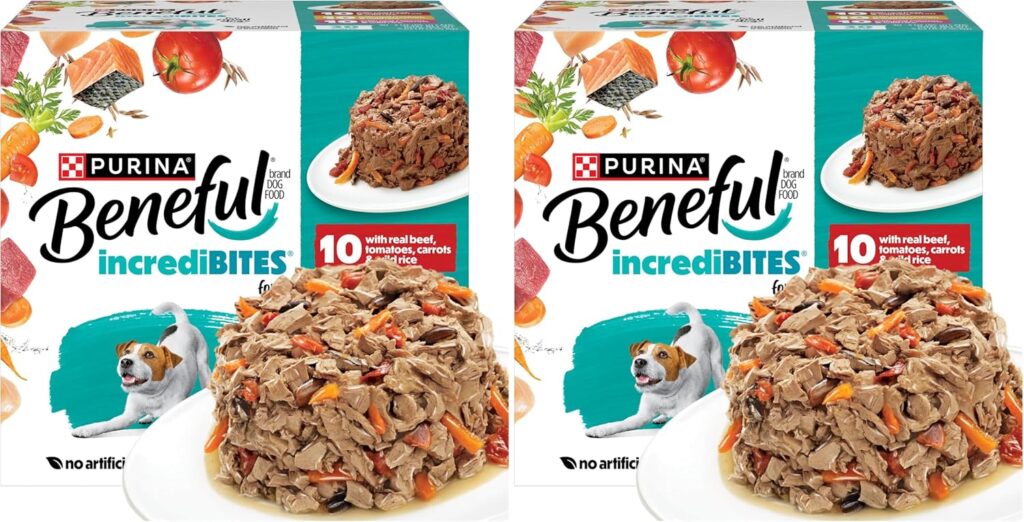
Small Breed Wet Dog Food
Beneful Purina Small Breed Wet Dog Food Variety Pack, IncrediBites with Real Beef, Chicken and Salmon – 3 Oz. Cans,(Pack of 60)
When to Switch From Puppy Food to Adult Food
The right time to switch depends on breed size.
| Breed Size | Common Switch Timing |
| Toy/small breeds | Around 9–12 months |
| Medium breeds | Around 12 months |
| Large breeds | Around 12–18 months |
| Giant breeds | Around 18–24 months |
These are general guidelines. Some dogs mature earlier or later, so it is always best to check with your veterinarian.
Why “All Life Stages” Food May Not Fit Every Dog
Some dog foods are labeled for “all life stages.” This means they meet nutritional needs for both growth and adult maintenance. However, that does not mean they are ideal for every dog.
For example, an all-life-stages food may be too calorie-dense for an overweight senior dog. It may also not be the best match for a large breed puppy unless the label clearly says it is appropriate for large breed growth.
6. Best Dog Food for Popular Dog Breeds
Different breeds often have different common needs. The following breed-by-breed guide gives general food priorities, but remember: your individual dog’s health always matters most.
Best Dog Food for Labrador Retrievers
Labradors are active, friendly, and often very food-motivated. Many Labs gain weight easily, so the best dog food for Labrador Retrievers should support lean muscle without excess calories.
Look for:
- High-quality protein
- Moderate fat
- Joint support
- Controlled calories
- Fiber for fullness
Avoid overfeeding and watch treat intake carefully.
Best Dog Food for Golden Retrievers
Golden Retrievers often need support for skin, coat, joints, and healthy weight. Foods with fish oil, omega fatty acids, and quality protein can be helpful.
Look for:
- Omega-3 and omega-6 fatty acids
- Joint-support nutrients
- Lean protein
- Digestible grains or carbs
- Weight control support
Best Dog Food for German Shepherds
German Shepherds can be prone to digestive sensitivity and joint issues. The best dog food for German Shepherds should be easy to digest and support lean muscle.
Look for:
- Digestible animal protein
- Prebiotics or probiotics
- Moderate fat
- Joint-support ingredients
- Large-breed nutrition
Best Dog Food for French Bulldogs
French Bulldogs often deal with sensitive skin, allergies, gas, and digestion issues. They also gain weight easily.
Look for:
- Limited-ingredient options if sensitive
- Skin-supporting omega fatty acids
- Digestible protein
- Moderate calories
- Small or easy-to-chew kibble
Flat-faced breeds may also need kibble that is easy to pick up.
Best Dog Food for Bulldogs
Bulldogs are prone to weight gain, skin issues, and digestion problems. The best food for Bulldogs should be calorie-controlled and gentle on the stomach.
Look for:
- Moderate fat
- Digestible ingredients
- Skin and coat support
- Weight management
- Fiber for digestion
Best Dog Food for Beagles
Beagles love food and can become overweight quickly. The best dog food for Beagles should help maintain a healthy body condition.
Look for:
- Controlled calories
- High-quality protein
- Fiber for fullness
- Measured feeding instructions
- Weight-management formulas if needed
Best Dog Food for Poodles
Poodles may need support for skin, coat, and digestion. Toy and Miniature Poodles need smaller kibble, while Standard Poodles may do better with medium or large-breed formulas depending on size.
Look for:
- Quality protein
- Omega fatty acids
- Digestible carbs
- Small kibble for smaller Poodles
- Moderate calories
Best Dog Food for Shih Tzus
Shih Tzus often need skin and coat support. They may also be picky eaters and can have dental concerns.
Look for:
- Small kibble
- Omega fatty acids
- Palatable formulas
- Easy digestion
- Dental support
Best Dog Food for Chihuahuas
Chihuahuas need tiny kibble and nutrient-dense food. They may be picky, but overfeeding can still cause weight gain.
Look for:
- Extra-small kibble
- Calorie-dense but portion-controlled food
- Quality protein
- Dental support
- Frequent small meals for puppies
Best Dog Food for Dachshunds
Dachshunds need careful weight control because extra weight puts pressure on their long backs.
Look for:
- Controlled calories
- Joint support
- Lean protein
- Moderate fat
- Measured portions
Best Dog Food for Boxers
Boxers are muscular, energetic dogs that need quality protein and healthy fats. Some may have sensitive stomachs or heart concerns.
Look for:
- Lean animal protein
- Heart-aware nutrients
- Digestible carbs
- Moderate fat
- Joint and muscle support
Best Dog Food for Rottweilers
Rottweilers need food that supports muscle, joints, and healthy weight. They are powerful dogs, but they should not be allowed to become overweight.
Look for:
- High-quality protein
- Joint support
- Controlled calories
- Large-breed formula
- Healthy fats
Best Dog Food for Siberian Huskies
Huskies are active dogs, but some eat less than expected for their size. They may do well on nutrient-dense food, especially if very active.
Look for:
- Quality animal protein
- Healthy fats
- Omega fatty acids
- Energy support
- Digestible ingredients
Best Dog Food for Border Collies
Border Collies are high-energy working dogs. Their food should support stamina, lean muscle, and recovery.
Look for:
- Higher protein
- Moderate to higher fat, depending on activity
- Digestible carbs
- Joint support
- Balanced calories
Best Dog Food for Australian Shepherds
Australian Shepherds are active, intelligent, and athletic. They often need food that supports energy and coat health.
Look for:
- Quality protein
- Healthy fats
- Omega fatty acids
- Digestible carbohydrates
- Active-dog nutrition if highly exercised
Best Dog Food for Great Danes
Great Danes need giant-breed nutrition, especially during puppyhood. They should grow slowly and stay lean.
Look for:
- Large or giant breed puppy food during growth
- Controlled calcium and phosphorus
- Joint support
- Moderate calories
- Digestible ingredients
7. Breed-Specific Health Concerns and Food Choices
Food cannot cure breed-related diseases, but the right diet can support better health and reduce unnecessary strain on the body.
Best Dog Food for Breeds Prone to Obesity
Some breeds gain weight more easily than others. These include:
- Labrador Retrievers
- Beagles
- Bulldogs
- Pugs
- Dachshunds
- Basset Hounds
- Cocker Spaniels
For these dogs, choose food with controlled calories, good protein, and enough fiber to help them feel full.
Best Dog Food for Breeds Prone to Hip Dysplasia
Large and giant breeds may be at higher risk for hip and joint problems. Diet should focus on controlled growth in puppies and healthy weight in adults.
Helpful food features include:
- Large breed puppy formula
- Glucosamine and chondroitin
- Omega-3 fatty acids
- Lean protein
- Controlled calories
Best Dog Food for Breeds With Sensitive Stomachs
Some dogs have frequent gas, loose stool, or vomiting. Sensitive-stomach foods usually use digestible ingredients and may include probiotics or prebiotics.
Common sensitive-stomach breeds include:
- German Shepherds
- French Bulldogs
- Bulldogs
- Boxers
- Poodles
- Cocker Spaniels
Best Dog Food for Breeds With Skin Allergies
Dogs with itchy skin, hot spots, or recurring ear issues may need a special diet. Some do well with fish-based food, limited-ingredient food, or novel proteins.
Skin-supporting nutrients include:
- Omega-3 fatty acids
- Omega-6 fatty acids
- Zinc
- Vitamin E
- Fish oil
If symptoms are severe, a vet may recommend an elimination diet.
Best Dog Food for Breeds With Heart Concerns
Some breeds may be more prone to heart problems. Diet should be discussed with a vet, especially before using grain-free or boutique diets.
Possible food priorities include:
- Balanced nutrients
- Taurine support when appropriate
- Healthy body weight
- Moderate sodium if advised by a vet
- High-quality protein
Best Dog Food for Breeds Prone to Bloat
Large, deep-chested breeds may be more prone to bloat. These include Great Danes, German Shepherds, Dobermans, Weimaraners, and Standard Poodles.
Feeding habits matter a lot:
- Avoid very large meals
- Feed two or more meals daily
- Slow down fast eaters
- Avoid heavy exercise right after meals
- Ask your vet about prevention if your breed is high-risk
Best Dog Food for Flat-Faced Breeds
Flat-faced breeds like French Bulldogs, Bulldogs, Pugs, and Boston Terriers may need food that is easy to pick up and chew.
Food should support:
- Healthy weight
- Skin health
- Digestion
- Easy chewing
- Moderate calories
Weight control is especially important because extra weight can worsen breathing difficulty.
Best Dog Food for Long-Backed Breeds
Dachshunds, Corgis, and Basset Hounds need careful weight management because extra pounds can increase strain on the back and joints.
Look for:
- Controlled calories
- Lean protein
- Joint-support ingredients
- Measured portions
- Limited treats
8. Best Dog Food for Small Breed Dogs
Small breed dogs may look easy to feed, but they have specific needs. Their tiny size means small changes in portion size can have a big effect.
What Small Breeds Need From Food
Small breeds usually need:
- Smaller kibble
- Good calorie density
- Digestible ingredients
- Dental support
- Skin and coat nutrients
- Proper portion control
Small dogs often live longer than large dogs, so long-term nutrition matters.
Why Small Dogs Often Need More Calories Per Pound
Small dogs burn energy quickly. A 5-pound dog may need more calories per pound than a 70-pound dog. But because the dog is small, the total daily portion is still small.
This is why measuring food is important. Guessing portions can easily lead to overfeeding.
Best Dry Food for Small Breeds
Dry food is popular for small breeds because it is convenient and affordable. Look for small-breed kibble that is easy to chew and complete for the dog’s life stage.
Best for:
- Healthy adult small dogs
- Dogs that like crunchy texture
- Owners who want easy storage
- Dogs needing portion control
Best Wet Food for Small Breeds
Wet food can be helpful for picky eaters, senior dogs, or dogs with dental discomfort. It also adds moisture to the diet.
Best for:
- Picky small dogs
- Senior small breeds
- Dogs with missing teeth
- Dogs that need more hydration
Best Puppy Food for Small Breeds
Small breed puppy food should be nutrient-dense and easy to chew. Puppies need more frequent meals than adults.
Best Senior Food for Small Breeds
Senior small breeds may need softer food, fewer calories, and extra support for teeth, joints, and digestion.
Common Feeding Mistakes With Small Breeds
Avoid these mistakes:
- Giving too many treats
- Feeding large kibble that is hard to chew
- Free-feeding without measuring
- Ignoring dental health
- Feeding adult food to puppies too early
- Changing food too quickly
9. Best Dog Food for Large Breed Dogs
Large breed dogs need food that supports strength without encouraging excess weight. They also need joint-aware nutrition.
What Large Breeds Need From Food
Large breed dogs usually need:
- Controlled calories
- Quality protein
- Joint-support nutrients
- Digestible ingredients
- Balanced calcium and phosphorus
- Healthy fats
- Large kibble size
Why Controlled Growth Matters for Large Breed Puppies
Large breed puppies should not grow too fast. Rapid growth may increase stress on bones and joints. That is why large breed puppy food is recommended for many big breeds.
Joint Support Ingredients to Look For
Good joint-support formulas may include:
- Glucosamine
- Chondroitin
- EPA and DHA from fish oil
- Omega-3 fatty acids
- High-quality protein
- Controlled calories
Best Large Breed Puppy Food
Large breed puppy food should be designed for growth but not excessive growth. It should have controlled minerals and enough nutrients for steady development.
Best Adult Large Breed Dog Food
Adult large breed food should focus on maintaining lean weight, muscle, mobility, and digestion.
Best Senior Large Breed Dog Food
Senior large breeds may benefit from joint-support food, lower calories, and easy-to-digest protein.
Best Large Breed Food for Weight Control
If your large dog is overweight, choose a weight-management formula instead of simply cutting food too much. Cutting portions too aggressively may reduce important nutrients.
Best Large Breed Food With Grains
Grain-inclusive foods can be a good option for many large dogs. Grains like rice, oats, and barley can provide energy, fiber, and nutrients.
Best Large Breed Food Without Chicken
Some dogs do not tolerate chicken well. In that case, consider proteins like lamb, salmon, turkey, duck, or beef. If your dog has true allergies, ask your vet before switching randomly.
Large Breed Food Mistakes to Avoid
Avoid:
- Feeding regular puppy food to large breed puppies without checking suitability
- Letting puppies grow too fast
- Overfeeding adults
- Ignoring joint health
- Choosing grain-free without a reason
- Using too many high-calorie treats
10. Best Dog Food for Active and Working Breeds
Active and working breeds need food that supports stamina, strength, and recovery. These dogs may burn more calories and need more protein and fat than less active pets.
Nutrition for Working Dogs
Working dogs may include herding dogs, hunting dogs, sled dogs, police dogs, protection dogs, and agility dogs.
Their food should support:
- Endurance
- Lean muscle
- Joint health
- Recovery
- Healthy weight
- Hydration
Best Food for Herding Breeds
Herding breeds like Border Collies, Australian Shepherds, and German Shepherds often need energy-supporting food. They may do well with higher protein and moderate fat.
Best Food for Sporting Breeds
Sporting breeds like Labrador Retrievers, Golden Retrievers, and German Shorthaired Pointers may need food that supports active muscles and joints.
Best Food for Hunting Dogs
Hunting dogs may need more calories during hunting season and fewer calories during off-season. Their diet should change with activity level.
Best Food for Sled Dogs
Sled dogs and very active cold-weather breeds may need higher-fat diets when working intensely. However, household Huskies that are not highly active should not be fed like sled dogs.
Best Food for Agility Dogs
Agility dogs need lean muscle, strong joints, and steady energy. Overfeeding can slow them down and increase injury risk.
Higher Protein vs Higher Fat Diets
Protein supports muscle. Fat provides concentrated energy. Active dogs may need both, but the right balance depends on the dog’s workload.
| Dog Type | Food Focus |
| Lightly active | Balanced adult maintenance |
| Moderately active | Higher protein, moderate fat |
| Highly active | Higher protein and fat |
| Seasonal worker | Adjust calories by season |
| Overweight active dog | Lean protein, controlled calories |
Hydration and Wet Food for Active Dogs
Active dogs need plenty of water. Wet food or mixed feeding can help increase moisture intake, but fresh water should always be available.
11. Best Dog Food for Low-Energy or Indoor Breeds
Not every dog needs high-performance food. Some breeds and lifestyles require fewer calories.
Why Low-Energy Breeds Gain Weight Easily
Low-energy dogs often burn fewer calories, especially if they live indoors and exercise lightly. If they eat calorie-dense food or too many treats, weight gain can happen quickly.
Best Food for Apartment Dogs
Apartment dogs may do well on adult maintenance food or weight-control formulas, depending on activity level.
Good food features include:
- Moderate calories
- Good protein
- Digestible fiber
- Healthy fats
- Measured feeding guide
Best Food for Couch-Potato Breeds
Bulldogs, Pugs, Basset Hounds, and some senior dogs may need lower-calorie food to maintain a healthy weight.
Best Food for Bulldogs
Bulldogs often need skin support, digestion support, and weight control. A moderate-calorie formula with digestible ingredients is usually a good fit.
Best Food for Pugs
Pugs can gain weight easily. Their food should support healthy weight and be easy to chew.
Best Food for Basset Hounds
Basset Hounds need weight control and joint support. Extra weight can add strain to their long bodies and short legs.
Best Food for Older Low-Activity Dogs
Older dogs that move less may need fewer calories but still need quality protein to maintain muscle.
Portion Control Tips
Use these simple habits:
- Measure every meal
- Limit treats to small amounts
- Avoid feeding from the table
- Adjust portions based on weight changes
- Use a slow feeder for fast eaters
- Recheck body condition monthly
12. Best Dog Food by Food Type
The best food type depends on your dog’s needs, your budget, and your feeding routine.
Best Dry Dog Food for Specific Breeds
Dry food is the most common option. It is affordable, convenient, and easy to measure.
Best for:
- Most healthy adult dogs
- Owners on a budget
- Dogs that like crunchy food
- Multi-dog households
Best Wet Dog Food for Specific Breeds
Wet food is higher in moisture and often more appealing to picky dogs.
Best for:
- Senior dogs
- Picky eaters
- Dogs with dental issues
- Dogs needing extra hydration
Best Fresh Dog Food for Specific Breeds
Fresh dog food can be appealing and easy to digest for some dogs. However, it can be expensive and must be nutritionally balanced.
Best for:
- Owners wanting less processed options
- Picky dogs
- Dogs that do well on fresh meals
- Dogs with specific diet plans
Best Freeze-Dried Dog Food
Freeze-dried food is lightweight and often highly palatable. It can be used as a full meal if complete and balanced, or as a topper if not.
Best Grain-Inclusive Dog Food
Grain-inclusive food works well for many dogs. Grains can provide fiber, energy, and nutrients.
Common grains include:
- Brown rice
- Oats
- Barley
- Sorghum
- Wheat
- Corn
Best Grain-Free Dog Food
Grain-free food may help some dogs with specific sensitivities, but it is not automatically healthier. Before switching to grain-free, especially for breeds with heart concerns, speak with your veterinarian.
Best Limited-Ingredient Dog Food
Limited-ingredient food may help dogs with suspected food sensitivities. These formulas usually contain fewer protein and carbohydrate sources.
Best for:
- Sensitive stomachs
- Itchy skin
- Food intolerance
- Elimination trials under vet guidance
Best High-Protein Dog Food
High-protein food can be useful for active dogs, working breeds, and dogs that need muscle support. But not every dog needs a high-protein formula.
Best Low-Fat Dog Food
Low-fat food may be useful for dogs with certain digestive issues or pancreatitis risk, but this should be discussed with a vet.
Best Chicken-Free Dog Food
Chicken is common in dog food, but some dogs do not tolerate it well. Alternatives include:
- Salmon
- Lamb
- Turkey
- Duck
- Beef
- Venison
Best Fish-Based Dog Food
Fish-based food can be helpful for dogs needing skin and coat support because fish often provides omega-3 fatty acids.
Best Hypoallergenic Dog Food
True hypoallergenic diets are usually veterinary diets made with hydrolyzed proteins or carefully selected ingredients. If your dog has serious allergies, do not rely only on marketing claims.
13. Grain-Free vs Grain-Inclusive Dog Food by Breed
Grain-free dog food became popular because many owners believed grains were bad for dogs. But grains are not automatically harmful. Many dogs digest grains well and benefit from the energy and fiber they provide.
Is Grain-Free Food Better for Certain Breeds?
Not necessarily. Grain-free food is only better if your dog truly needs it. Most dogs do not have grain allergies. Protein allergies are often more common than grain allergies.
When Grain-Free May Be Useful
Grain-free food may be considered if:
- A vet suspects grain sensitivity
- The dog does better without certain grains
- It is part of a controlled diet trial
- The formula is complete, balanced, and vet-approved
When Grain-Inclusive Food Is Better
Grain-inclusive food may be better for dogs that digest grains well and do not need a grain-free diet. It can also provide steady energy and fiber.
Dog Breeds Prone to Food Allergies
Some breeds are more commonly associated with skin and allergy issues, including:
- French Bulldogs
- Bulldogs
- Golden Retrievers
- German Shepherds
- Cocker Spaniels
- West Highland White Terriers
- Shih Tzus
However, every dog is different. Breed risk does not prove a food allergy.
Grain-Free Food and Heart Health Concerns
Some grain-free diets have raised concerns related to heart health, especially when they rely heavily on legumes such as peas, lentils, and chickpeas. The science is still complex, but it is another reason to ask your vet before choosing grain-free food for long-term feeding.
Common Grains in Dog Food
| Grain | Why It Is Used |
| Brown rice | Digestible energy |
| Oats | Fiber and gentle digestion |
| Barley | Energy and fiber |
| Sorghum | Gluten-free grain option |
| Corn | Energy, nutrients, and protein contribution |
| Wheat | Energy and plant protein |
Are Corn, Wheat, and Soy Always Bad?
No. Corn, wheat, and soy are often criticized, but they are not automatically bad. The real question is whether the food is complete, balanced, digestible, and suitable for your dog.
Some dogs may react poorly to certain ingredients, but many dogs digest them without problems.
How to Identify True Grain Allergies
Signs that may suggest food sensitivity include:
- Chronic itching
- Recurring ear infections
- Vomiting
- Diarrhea
- Excessive gas
- Red or inflamed skin
- Paw licking
But these symptoms can also come from fleas, environmental allergies, infections, parasites, or other health conditions. A vet-guided elimination diet is the best way to identify a true food allergy.
Vet Guidance Before Switching to Grain-Free
Before choosing grain-free food, especially for large breeds, breeds with heart concerns, or dogs with medical history, ask your vet. A careful decision is better than switching based on marketing.
14. Best Dog Food Ingredients for Different Breeds
When choosing the best dog food for specific breeds, ingredients matter, but they should not be judged only by what sounds good on the front of the bag. A dog food can list premium-sounding ingredients and still be poorly balanced. Another food may include simple ingredients and provide excellent nutrition.
The goal is to choose ingredients that support your dog’s breed size, life stage, activity level, digestion, skin, coat, joints, and weight.
Best Protein Sources for Dogs
Protein supports muscles, organs, skin, coat, immune function, and overall body repair. Most dogs do well with animal-based protein sources.
Common protein sources include:
- Chicken
- Turkey
- Beef
- Lamb
- Fish
- Duck
- Eggs
- Venison
- Pork
For many dogs, chicken or beef works perfectly well. But dogs with sensitivities may need a different protein such as salmon, lamb, duck, or venison.
Chicken, Beef, Lamb, Fish, Turkey, and Duck
Each protein has its own benefits.
| Protein Source | Best For | Notes |
|---|---|---|
| Chicken | Most healthy dogs | Common, affordable, highly used in dog food |
| Beef | Active dogs, muscle support | Can be rich, not ideal for every sensitive stomach |
| Lamb | Some sensitive dogs | Often used as an alternative protein |
| Fish | Skin and coat support | Naturally provides omega-3 fatty acids |
| Turkey | Lean protein needs | Good option for some chicken-sensitive dogs |
| Duck | Novel protein diets | Often used for dogs with food sensitivities |
| Venison | Limited-ingredient diets | Less common, useful in some elimination diets |
The best protein is not always the rarest or most expensive one. It is the protein your dog digests well and thrives on.
Best Carbohydrates for Dogs
Carbohydrates can provide energy, fiber, and important nutrients. They are not automatically bad. Many dogs do well with grain-inclusive formulas.
Good carbohydrate sources may include:
- Brown rice
- Oats
- Barley
- Sweet potatoes
- Pumpkin
- Peas
- Lentils
- Sorghum
For sensitive dogs, easily digestible carbs like rice, oats, and pumpkin may be useful. For active dogs, carbohydrates can help provide steady energy.
Best Fats and Oils for Dogs
Fat gives dogs energy and supports healthy skin and coat. Puppies, active dogs, and working breeds may need more fat than low-energy dogs.
Common fat sources include:
- Chicken fat
- Fish oil
- Salmon oil
- Flaxseed
- Sunflower oil
- Canola oil
Fish oil and salmon oil are especially popular for breeds with itchy skin, dull coats, or joint concerns.
Omega-3 Sources for Skin and Coat
Omega-3 fatty acids are helpful for skin, coat, brain, and joint support. Dogs with dry skin, shedding, or inflammation may benefit from omega-rich diets.
Good omega-3 sources include:
- Salmon
- Menhaden fish oil
- Sardine oil
- Anchovy oil
- Flaxseed
- Chia seed
Fish-based foods can be especially helpful for breeds like Golden Retrievers, Shih Tzus, French Bulldogs, Cocker Spaniels, German Shepherds, and Poodles.
Fiber Sources for Digestion
Fiber helps support stool quality and digestion. It can also help dogs feel full, which is useful for weight-prone breeds.
Helpful fiber sources include:
- Beet pulp
- Pumpkin
- Sweet potato
- Brown rice
- Oats
- Pea fiber
- Chicory root
Weight-prone breeds like Labradors, Beagles, Dachshunds, Bulldogs, and Pugs may benefit from the right balance of fiber and protein.
Joint-Support Ingredients
Large breeds, giant breeds, seniors, and long-backed dogs often need extra joint support. Food cannot cure joint disease, but it can support mobility and healthy body condition.
Look for:
- Glucosamine
- Chondroitin
- Omega-3 fatty acids
- EPA and DHA
- Green-lipped mussel
- Controlled calories
- High-quality protein
Joint support is especially important for breeds such as German Shepherds, Labradors, Golden Retrievers, Rottweilers, Great Danes, Mastiffs, Saint Bernards, Dachshunds, and Corgis.
Ingredients for Sensitive Stomachs
Dogs with sensitive stomachs may do better with simple, digestible formulas.
Helpful ingredients may include:
- Rice
- Oats
- Pumpkin
- Turkey
- Lamb
- Salmon
- Probiotics
- Prebiotics
- Beet pulp
Avoid switching foods too often. Frequent changes can make digestive issues worse.
Ingredients for Shiny Coats
For a shiny coat, look for foods with:
- Fish oil
- Salmon
- Flaxseed
- Omega-3 and omega-6 fatty acids
- Vitamin E
- Zinc
- Quality animal protein
A dull coat can come from poor nutrition, but it can also be linked to allergies, parasites, thyroid issues, or other health problems. If your dog’s coat changes suddenly, ask your vet.
Ingredients for Muscle Maintenance
Muscle support is important for active dogs, large breeds, working breeds, and seniors.
Look for:
- Quality animal protein
- Balanced amino acids
- Moderate to high protein, depending on activity
- Healthy fats
- Proper calories
- L-carnitine in some weight-control formulas
Ingredients to Avoid in Low-Quality Food
Not every dog needs premium food, but very low-quality food may use poor formulas, unnecessary artificial additives, or unclear ingredient sourcing.
Be careful with foods that contain:
- Too many artificial colors
- Excessive added sugars
- Vague ingredient terms without clarity
- Poor digestibility
- No nutritional adequacy statement
- Unclear life-stage labeling
- Extreme marketing claims without substance
Artificial Colors and Flavors
Dogs do not care what color their kibble is. Artificial colors are mostly added for humans, not dogs. A food does not need bright red, green, or yellow pieces to be nutritious.
By-Products: What They Really Mean
By-products are often misunderstood. Some by-products can be nutritious organ meats. The issue is not the word itself; the issue is quality, sourcing, and how the food is formulated.
A food with clearly named ingredients and a complete nutrient profile is more important than judging only one word on the label.
Fillers vs Functional Ingredients
Many ingredients called “fillers” may actually provide energy, fiber, vitamins, or minerals. Corn, rice, oats, and barley are not automatically bad. The real question is whether the food supports your dog’s health and digestion.
How Ingredient Order Works on Labels
Ingredients are listed by weight before cooking. Fresh meat contains moisture, so it may appear high on the list even though its weight changes after processing.
Do not judge food only by the first ingredient. Look at the full formula, life-stage statement, calories, guaranteed analysis, and your dog’s response.
15. Dog Food Label Reading Guide
Learning how to read a dog food label helps you avoid marketing traps. The front of the bag is designed to sell. The back of the bag tells you more useful information.
How to Read the Ingredient List
The ingredient list shows what is included in the food, starting with the heaviest ingredients before processing. Look for clear protein sources, digestible carbohydrates, healthy fats, and added vitamins and minerals.
But remember, ingredients alone do not prove nutritional quality.
What the Guaranteed Analysis Means
The guaranteed analysis shows minimum or maximum amounts of nutrients such as:
- Crude protein
- Crude fat
- Crude fiber
- Moisture
This section helps you compare foods, but it has limits because wet food and dry food have different moisture levels. To compare them fairly, you may need to convert to a dry matter basis.
What “Complete and Balanced” Means
“Complete and balanced” means the food is formulated to provide the required nutrients for a specific life stage. This is one of the most important phrases on the label.
A food can be a treat, topper, or supplement and still look like a meal, but it may not be complete and balanced. Always check.
How to Find the AAFCO Statement
The AAFCO nutritional adequacy statement usually appears in small text on the bag or can. It tells you whether the food is intended for:
- Growth
- Adult maintenance
- Gestation/lactation
- All life stages
- Supplemental feeding only
Choose food that matches your dog’s life stage. A puppy needs growth food. An adult dog usually needs adult maintenance food. A large breed puppy needs food suitable for large breed growth.
Life Stage Wording on Dog Food Labels
Label wording matters.
| Label Wording | Meaning |
| Growth | Suitable for puppies |
| Adult maintenance | Suitable for adult dogs |
| All life stages | Meets growth and adult needs |
| Gestation/lactation | Suitable for pregnant or nursing dogs |
| Supplemental feeding only | Not a complete meal |
“For Growth” vs “Adult Maintenance”
A puppy food labeled “for growth” is designed for puppies. An adult maintenance food is not suitable as the main diet for puppies because it may not provide the nutrients needed for development.
“All Life Stages” Explained
All-life-stages food can work for some dogs, but it may be too calorie-rich for seniors or overweight dogs. It may also not be ideal for a large breed puppy unless it specifically says it is appropriate for large breed growth.
Breed Size Claims on Packaging
Packaging may say “small breed,” “large breed,” or “breed-specific.” These claims can be helpful, but they should be checked against the details:
- Kibble size
- Calories per cup
- Life-stage suitability
- Joint support
- Mineral balance
- Protein and fat levels
Feeding Instructions on the Bag
Feeding instructions are a starting point, not a perfect rule. Your dog may need more or less depending on age, metabolism, activity, body condition, and treats.
Calories Per Cup or Can
Calories are very important. Two foods may look similar but have very different calories per cup. This matters a lot for small dogs and weight-prone breeds.
Best-By Dates and Storage Instructions
Always check the best-by date. Store dry food in a cool, dry place and seal the bag properly. Wet food should be refrigerated after opening and used within the recommended time.
Manufacturer Contact Information
Reliable brands usually provide contact details and clear customer support. This matters if you need to ask about calories, sourcing, feeding trials, or nutrient analysis.
Marketing Claims to Question
Be careful with claims like:
- “Holistic”
- “Premium”
- “Human-grade”
- “Ancestral”
- “No fillers”
- “Vet-approved”
- “Breed perfect”
- “Natural”
Some claims may be meaningful, but others are mostly marketing. Always check the full label.
How to Compare Two Dog Foods Fairly
When comparing foods, look at:
- Life stage
- AAFCO statement
- Calories
- Protein and fat
- Fiber
- Moisture
- Main protein source
- Kibble size
- Special health support
- Your dog’s tolerance
16. How Much Should You Feed by Breed?
Feeding amount depends on breed size, age, weight, activity, metabolism, and food calories. There is no perfect cup amount for every breed.
Why Feeding Amounts Vary by Breed
A small active dog may need more calories per pound than a large relaxed dog. A working Border Collie needs more food than a sleepy Bulldog of similar weight. A senior Labrador may need fewer calories than a young adult Labrador.
Calories vs Cups of Food
Cups can be misleading because every food has different calorie density. One cup of one food may contain 320 calories, while another may contain 480 calories.
Calories matter more than cup size.
General Feeding Chart by Weight
This table is only a starting point. Always check your dog food label and adjust based on body condition.
| Dog Weight | General Daily Feeding Range |
| 5–10 lb | ¼–¾ cup |
| 10–20 lb | ¾–1¼ cups |
| 20–40 lb | 1¼–2¼ cups |
| 40–60 lb | 2¼–3 cups |
| 60–80 lb | 3–4 cups |
| 80–100 lb | 4–5 cups |
| 100+ lb | 5+ cups, depending on calories and activity |
Feeding Chart by Age
| Age | Feeding Focus |
| Puppy | Growth, frequent meals, proper life-stage food |
| Adult | Maintenance, healthy weight |
| Senior | Weight control, joint and digestion support |
Feeding Chart by Activity Level
| Activity Level | Feeding Adjustment |
| Low activity | May need fewer calories |
| Normal activity | Follow label as starting point |
| High activity | May need more calories |
| Working dog | May need performance formula |
| Overweight dog | May need weight-management food |
How to Adjust Food for Weight Gain
If your dog is becoming overweight:
- Reduce treats first
- Measure meals accurately
- Avoid table scraps
- Increase safe exercise
- Switch to weight-control food if needed
- Ask your vet to check for medical causes
How to Adjust Food for Weight Loss
Healthy weight loss should be gradual. Do not crash diet your dog. Cutting food too much can reduce important nutrients.
A vet can help set a safe calorie target.
How to Use Body Condition Score
Body condition scoring helps you judge whether your dog is too thin, ideal, or overweight.
A healthy dog usually has:
- Ribs you can feel with light pressure
- A visible waist from above
- A tucked abdomen from the side
- No heavy fat pads over ribs or tail base
How Many Meals Per Day for Puppies?
Puppies usually need more frequent meals.
| Puppy Type | Meals Per Day |
| Toy breed puppies | 3–4 small meals |
| Small breed puppies | 3 meals |
| Medium breed puppies | 3 meals, then 2 |
| Large breed puppies | 2–3 meals |
| Giant breed puppies | 2–3 controlled meals |
How Many Meals Per Day for Adult Dogs?
Most adult dogs do well with two meals per day. Some small dogs may prefer three smaller meals. Very large dogs may also benefit from two or more meals instead of one large meal.
How Many Meals Per Day for Senior Dogs?
Senior dogs usually do well with two meals per day, but some may prefer smaller, more frequent meals if they have digestion issues.
Free Feeding vs Scheduled Meals
Scheduled meals are usually better than free feeding because they help with:
- Weight control
- Monitoring appetite
- Training routine
- Digestive consistency
- Multi-dog households
Free feeding can lead to overeating, especially in breeds that love food.
Treat Calories and Daily Limits
Treats should usually make up no more than a small portion of daily calories. Too many treats can ruin even the best feeding plan.
Healthy treat options may include:
- Small training treats
- Carrot pieces
- Green beans
- Apple slices without seeds
- Vet-approved dental chews
Measuring Cups vs Kitchen Scale
A kitchen scale is more accurate than a measuring cup. If your dog needs weight control, weighing food in grams is often the best method.
Signs You Are Overfeeding Your Dog
Signs include:
- Weight gain
- No visible waist
- Low energy
- Heavy breathing after light activity
- Difficulty feeling ribs
- Loose stool from too much food
Signs You Are Underfeeding Your Dog
Signs include:
- Weight loss
- Visible ribs or hip bones
- Constant hunger
- Low energy
- Poor coat quality
- Muscle loss
17. How to Switch Dog Food Safely
Changing dog food too quickly can cause vomiting, diarrhea, gas, or refusal to eat. A slow transition gives your dog’s digestive system time to adjust.
Why Sudden Food Changes Upset Digestion
Dogs have gut bacteria that adapt to their regular food. A sudden change can disrupt digestion, especially in sensitive breeds.
7-Day Transition Schedule
| Day | Old Food | New Food |
| Days 1–2 | 75% | 25% |
| Days 3–4 | 50% | 50% |
| Days 5–6 | 25% | 75% |
| Day 7 | 0% | 100% |
10-Day Transition Schedule for Sensitive Dogs
For dogs with sensitive stomachs, use a slower plan.
| Day | Old Food | New Food |
| Days 1–3 | 80% | 20% |
| Days 4–6 | 60% | 40% |
| Days 7–8 | 40% | 60% |
| Day 9 | 20% | 80% |
| Day 10 | 0% | 100% |
Signs the New Food Is Not Working
Watch for:
- Diarrhea
- Vomiting
- Excessive gas
- Itching
- Ear flare-ups
- Refusing food
- Dull coat
- Low energy
Mild stool changes can happen during transition, but severe or ongoing symptoms should be discussed with a vet.
Loose Stool After Switching Food
Loose stool may mean the transition was too fast, the food is too rich, or an ingredient does not suit your dog.
Try slowing the transition. If diarrhea continues, contact your vet.
Vomiting After Switching Food
Vomiting can happen from eating too fast, food intolerance, or sudden changes. If vomiting is repeated, severe, or paired with weakness, call your vet.
Itchy Skin After Switching Food
Itchy skin after a food change may suggest sensitivity, but it can also be caused by fleas, environmental allergies, or skin infections.
When to Stop the Transition
Stop or slow the transition if your dog has:
- Repeated vomiting
- Severe diarrhea
- Refusal to eat
- Swelling or hives
- Extreme itching
- Blood in stool
- Weakness or dehydration
Switching From Puppy to Adult Food
Switch gradually when your dog reaches the right maturity stage for their breed size. Small breeds mature earlier than large and giant breeds.
Switching From Adult to Senior Food
There is no single age when every dog becomes senior. Large breeds age faster than small breeds. Switch when your dog’s needs change, not just because of a number.
Switching From Dry to Wet Food
Wet food has more moisture and fewer calories per ounce than kibble in many cases. Adjust portions carefully to avoid overfeeding.
Switching From Grain-Free to Grain-Inclusive
If switching from grain-free to grain-inclusive food, transition slowly and monitor stool, skin, and energy.
Switching Proteins Safely
When changing proteins, such as chicken to salmon or beef to lamb, transition gradually. Sensitive dogs may need a limited-ingredient approach.
How Long to Test a New Dog Food
Give a new food at least a few weeks if your dog is tolerating it. For skin issues, it can take longer to see improvement. For suspected allergies, follow a vet-guided plan.
18. Common Mistakes When Choosing Dog Food for Specific Breeds
Even loving dog owners make feeding mistakes. Most happen because of confusing labels, marketing claims, or portion errors.
Choosing Food Only Because It Says “Breed-Specific”
Breed-specific food can be useful, but do not choose it blindly. A food labeled for your breed may not fit your dog’s age, weight, allergies, or health concerns.
Ignoring Life Stage
Puppies need puppy food. Adults need maintenance food. Seniors may need adjusted calories or added support. Feeding the wrong life stage can cause problems over time.
Feeding Adult Food to Large Breed Puppies Too Early
Large breed puppies need growth food designed for large breed needs. Switching too early or feeding the wrong formula can affect development.
Overfeeding Small Dogs
Small dogs need tiny portions. A few extra bites can add a lot of calories.
Overfeeding Large Dogs
Large dogs should stay lean. Extra weight can worsen joint issues and reduce mobility.
Choosing Grain-Free Without a Reason
Grain-free is not automatically healthier. If your dog has no grain sensitivity, grain-inclusive food may be a great choice.
Ignoring Calorie Density
Always check calories per cup or can. This is especially important when switching foods.
Not Checking the AAFCO Statement
The AAFCO statement helps confirm whether the food is complete and balanced for your dog’s life stage.
Assuming Expensive Always Means Better
Expensive food is not always better. The best food is one that is balanced, digestible, appropriate, and works well for your dog.
Changing Food Too Quickly
Fast food changes often cause stomach upset. Transition slowly.
Giving Too Many Treats
Treats can quietly cause weight gain. Keep them limited and include them in daily calories.
Ignoring Dental Health
Food is only one part of dental care. Small breeds especially may need brushing, dental chews, and vet cleanings.
Ignoring Stool Quality
Stool tells you a lot. Consistent loose stool, gas, or constipation may mean the food is not a good fit.
Not Adjusting Food After Neutering or Spaying
Some dogs need fewer calories after spay or neuter surgery. Watch weight closely.
Not Asking a Vet About Medical Diets
If your dog has kidney disease, pancreatitis, urinary stones, heart disease, diabetes, or severe allergies, do not rely on regular store-bought food without guidance.
19. Best Dog Food for Breed-Specific Problems
This section gives quick food priorities for common breed-related concerns.
Best Food for Labradors Prone to Weight Gain
Labradors often need calorie control and measured meals. Look for lean protein, fiber, and joint support.
Best Food for German Shepherd Sensitive Stomachs
German Shepherds may do well with digestible protein, rice or oats, probiotics, and large-breed formulas.
Best Food for Golden Retriever Skin and Coat
Golden Retrievers often benefit from omega-3s, fish oil, salmon, and skin-supporting nutrients.
Best Food for French Bulldog Allergies
French Bulldogs with sensitivities may need limited-ingredient diets, novel proteins, or vet-guided elimination diets.
Best Food for Bulldog Digestion
Bulldogs often need digestible formulas, moderate fat, fiber, and skin support.
Best Food for Dachshund Back and Weight Support
Dachshunds should stay lean. Look for controlled calories, joint support, and measured feeding.
Best Food for Chihuahua Dental Health
Chihuahuas need tiny kibble and dental support. Regular dental care is also important.
Best Food for Shih Tzu Coat Health
Shih Tzus may benefit from omega fatty acids, quality protein, and small kibble.
Best Food for Poodle Sensitive Stomachs
Poodles may need digestible proteins, simple carbs, and gentle formulas.
Best Food for Husky High Energy Needs
Active Huskies may need nutrient-dense food with quality protein and healthy fats. Less active Huskies need portion control.
Best Food for Great Dane Joint Support
Great Danes need controlled growth as puppies and joint support throughout life.
Best Food for Rottweiler Muscle Maintenance
Rottweilers need high-quality protein, controlled calories, and joint support.
Best Food for Boxer Heart Health Support
Boxers may benefit from balanced nutrition, quality protein, and vet-guided heart-aware diets when needed.
Best Food for Beagle Weight Control
Beagles need measured meals, fiber, lean protein, and limited treats.
Best Food for Border Collie Active Lifestyle
Border Collies need food that supports energy, lean muscle, and recovery.
20. Breed-by-Breed Dog Food Comparison Table
Use this table as a quick guide. It does not replace veterinary advice, but it can help you understand what to look for.
| Breed | Size Category | Common Nutrition Concern | Best Food Type | Key Ingredients to Look For | Ingredients to Monitor | Puppy Feeding Note | Adult Feeding Note | Senior Feeding Note | Vet Check Recommended? |
| Labrador Retriever | Large | Weight gain, joints | Large breed adult or weight control | Lean protein, fiber, glucosamine | Excess fat, too many treats | Large breed puppy food | Measure portions | Joint and weight support | Yes, if overweight |
| Golden Retriever | Large | Skin, coat, joints | Large breed adult | Fish oil, omega-3s, quality protein | Heavy calorie formulas | Large breed puppy food | Maintain lean weight | Joint support | Yes, for skin issues |
| German Shepherd | Large | Digestion, joints | Sensitive stomach large breed | Probiotics, rice, quality protein | Rich foods, sudden changes | Large breed puppy food | Digestive support | Mobility support | Yes, if chronic diarrhea |
| French Bulldog | Small | Allergies, gas, weight | Small breed sensitive formula | Omega-3s, limited ingredients | Trigger proteins | Small breed puppy food | Keep lean | Skin and weight support | Yes, for allergies |
| Dachshund | Small | Back strain, weight | Small breed weight control | Lean protein, fiber, joint support | High-calorie treats | Small breed puppy food | Avoid weight gain | Joint/back support | Yes, if overweight |
| Chihuahua | Toy | Dental issues, low appetite | Toy breed formula | Tiny kibble, quality protein | Large kibble | Frequent small meals | Measure carefully | Dental-friendly options | Yes, for appetite loss |
| Great Dane | Giant | Growth, joints, bloat risk | Giant/large breed formula | Controlled minerals, joint support | Excess calories | Slow growth is critical | Feed measured meals | Mobility support | Yes |
| Beagle | Medium | Obesity | Weight-control adult food | Fiber, lean protein | Free feeding | Puppy food until mature | Strict portions | Lower calories | Yes, if obese |
| Border Collie | Medium | High energy | Active dog formula | Protein, healthy fats | Overfeeding off-season | Growth formula | Match food to activity | Muscle support | Sometimes |
| Shih Tzu | Toy/Small | Coat, picky eating | Small breed formula | Omega fatty acids, small kibble | Too many toppers | Small breed puppy food | Coat support | Soft food if needed | Yes, for skin problems |
21. FAQs About the Best Dog Food for Specific Breeds
Is Breed-Specific Dog Food Really Necessary?
Not always. Breed-specific food can be helpful, but many dogs do perfectly well on high-quality size-specific or life-stage-specific food. The most important thing is that the food fits your dog’s age, size, health, activity level, and digestion.
What Is the Best Dog Food for My Dog’s Breed?
The best food is complete and balanced, suitable for your dog’s life stage, appropriate for their breed size, and matched to their health needs. A breed label can help, but your individual dog’s condition matters more.
Should Small Dogs Eat Small-Breed Dog Food?
Small-breed food is often a good choice because it usually has smaller kibble and calorie levels designed for small dogs. Toy and small breeds may find it easier to chew and digest.
Should Large Dogs Eat Large-Breed Dog Food?
Large breed food is often helpful because it supports joint health, lean weight, and proper nutrition for bigger bodies. Large breed puppy food is especially important during growth.
Do Large Breed Puppies Need Special Puppy Food?
Yes, many large breed puppies should eat food made for large breed growth. These formulas help control growth rate and mineral balance.
Is Grain-Free Dog Food Good for All Breeds?
No. Grain-free food is not automatically better. Many dogs do well with grains. Only choose grain-free if it suits your dog’s needs and your vet agrees.
What Dog Breeds Need Sensitive Stomach Food?
German Shepherds, Bulldogs, French Bulldogs, Boxers, Poodles, and Cocker Spaniels are examples of breeds that may need sensitive-stomach food, but any dog can have digestive issues.
What Dog Breeds Need Joint-Support Food?
Large breeds, giant breeds, seniors, and long-backed breeds may benefit from joint-support food. This includes Labradors, Golden Retrievers, German Shepherds, Rottweilers, Great Danes, Mastiffs, Dachshunds, and Corgis.
What Dog Breeds Need Weight-Control Food?
Labradors, Beagles, Bulldogs, Pugs, Dachshunds, Basset Hounds, and Cocker Spaniels commonly need careful weight management.
What Is the Best Food for Mixed-Breed Dogs?
For mixed-breed dogs, choose food based on adult size, age, activity level, body condition, and health needs. Breed guesses can help, but size and lifestyle usually matter more.
Can Two Dogs of Different Breeds Eat the Same Food?
Sometimes, yes. If both dogs are similar in size, age, and health, they may eat the same food. But a senior Chihuahua and a growing Great Dane puppy should not eat the same diet.
Is Wet Food or Dry Food Better by Breed?
Neither is always better. Dry food is convenient and affordable. Wet food adds moisture and may help picky eaters or seniors. Some dogs do well with mixed feeding.
How Do I Know If My Dog’s Food Is Working?
Good signs include healthy weight, steady energy, firm stool, shiny coat, clear skin, normal appetite, and no frequent vomiting or gas.
How Long Should I Try a New Dog Food?
If your dog tolerates the food, give it a few weeks. For skin and allergy concerns, it may take longer, and a vet-guided trial is best.
Should I Choose Food Based on Breed or Health Condition?
Health condition should come first. For example, a French Bulldog with allergies needs allergy-focused food more than a generic French Bulldog formula.
What Dog Food Do Vets Recommend Most Often?
Vets usually recommend food that is complete and balanced, backed by good nutrition standards, suitable for the dog’s life stage, and appropriate for medical needs. The exact brand or formula depends on the dog.
What Ingredients Should I Avoid for My Breed?
Avoid ingredients your individual dog does not tolerate. Do not avoid ingredients only because they are trendy to criticize. If your dog has allergies, work with your vet to identify the true trigger.
How Often Should I Change My Dog’s Food?
Do not change food often unless there is a reason. Dogs usually do best with consistency. Change food when life stage, health, weight, or tolerance changes.
What Is the Best Dog Food for Picky Breeds?
Picky dogs may prefer wet food, fresh food, smaller kibble, or a different protein. But avoid constantly switching foods, because it can train dogs to hold out for something new.
When Should I Ask My Vet About Prescription Food?
Ask your vet if your dog has kidney disease, urinary issues, pancreatitis, diabetes, heart disease, severe allergies, chronic vomiting, chronic diarrhea, obesity, or any long-term medical condition.
Conclusion: Choosing the Best Dog Food for Your Dog’s Full Health Profile
The best dog food for specific breeds is not always the food with the breed’s picture on the bag. Breed matters, but your dog’s individual needs matter even more.
A good food choice should consider:
- Breed size
- Life stage
- Activity level
- Body condition
- Digestive health
- Skin and coat condition
- Joint and bone needs
- Food sensitivities
- Budget
- Veterinary advice
Toy breeds may need small kibble and calorie-dense meals. Small breeds may need dental and weight support. Medium breeds may need balanced energy. Large breeds often need joint support and controlled calories. Giant breeds need slow growth, careful portions, and lifelong mobility support.
Breed-specific food can be a helpful starting point, but it should never replace label reading, portion control, and watching how your dog responds. The right food should help your dog maintain a healthy weight, firm stool, good energy, strong muscles, healthy skin, a shiny coat, and a happy appetite.