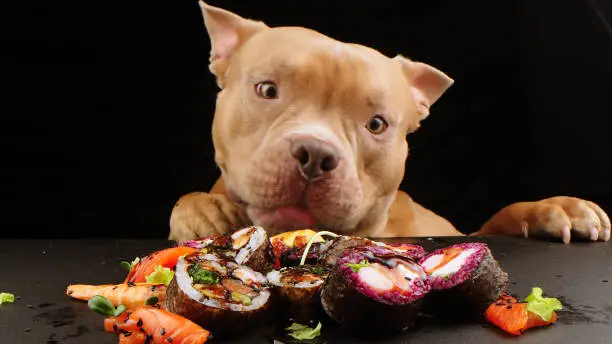
Pitbulls are often misunderstood dogs, but one thing that is universally true about them is this: they are powerful, muscular, high-energy athletes in dog form. And just like human athletes, their performance, health, and lifespan are heavily influenced by what they eat every single day.
Choosing the best dog food for Pitbulls is not just about picking any “premium” bag of kibble from the shelf. It’s about understanding their unique biology, energy demands, and muscle-driven build.
Unlike many small companion breeds, Pitbulls have:
- High muscle mass that requires consistent protein intake
- Fast metabolism that burns calories quickly
- Strong activity levels that demand sustained energy
- Sensitive skin and digestion in some bloodlines
Because of this, feeding them incorrectly can quickly lead to issues like:
- Muscle loss or poor muscle development
- Skin allergies and itching
- Low energy or hyperactivity spikes
- Obesity (yes, even active breeds can gain weight)
- Digestive problems like gas or loose stools
Common Mistakes Pitbull Owners Make
Many owners unintentionally reduce their dog’s health potential by:
- Feeding low-protein, filler-heavy food (corn, wheat-based kibble)
- Overfeeding due to their muscular appearance
- Switching foods too frequently without transition
- Ignoring age-based nutrition needs (puppy vs adult vs senior)
- Assuming “expensive = best” without checking ingredients
This guide will break everything down in a simple, practical way so you can confidently choose the best diet for Pitbull muscle growth, energy, and long-term health.
You will learn:
✔ What nutrients Pitbulls actually need
✔ Which ingredients to look for (and avoid)
✔ Best food types (kibble, raw, wet, homemade)
✔ Feeding charts by age and weight
✔ Brand recommendations based on real nutrition value
✔ Common health issues and diet solutions
For general dog nutrition guidelines, you can also refer to trusted veterinary resources like:
2. Understanding Pitbull Nutritional Needs
To understand what the best dog food for Pitbulls really means, you first need to understand how their body works.
Pitbulls are not fragile dogs—they are dense, muscular, and highly active, which means their nutritional requirements are higher than average breeds of similar size.
2.1 High Protein Requirement for Muscle Development
Protein is the foundation of a Pitbull’s body structure.
Their muscles require constant repair and maintenance, especially if they are:
- Active or working dogs
- Regularly exercised
- In training or sport activities
Ideal protein sources include:
- Chicken
- Beef
- Lamb
- Fish (salmon is especially beneficial)
A good Pitbull diet typically contains 25%–40% protein, depending on age and activity level.
Low-protein diets can lead to:
- Weak muscle tone
- Poor recovery after exercise
- Reduced stamina
2.2 Role of Healthy Fats for Energy and Coat Health
Fats are not “bad” for dogs—in fact, for Pitbulls, they are critical energy fuel.
Healthy fats provide:
- Long-lasting energy
- Skin moisture and coat shine
- Brain and nerve support
- Hormonal balance
- Best fat sources:
- Chicken fat
- Fish oil
- Flaxseed oil
- Salmon oil
A healthy Pitbull diet usually contains 12%–20% fat depending on activity level.
For dogs with skin allergies, omega fatty acids are especially important. According to veterinary experts
2.3 Importance of Balanced Carbohydrates
Carbohydrates often get misunderstood, but they play a key role in:
- Providing quick energy
- Supporting digestion (fiber)
- Maintaining gut health
However, the quality of carbs matters more than quantity.
Good carbs:
- Sweet potatoes
- Brown rice
- Oats
- Peas
Poor carbs:
- Corn
- Wheat fillers
- Soy-heavy blends
Pitbulls don’t need extremely high-carb diets, but balanced carbs improve stamina and digestion.
2.4 Essential Vitamins & Minerals for Pitbulls
A strong Pitbull diet must include more than just protein and fat. Micronutrients are essential for long-term health.
Key nutrients include:
Calcium & Phosphorus
- Bone strength
- Joint development
- Especially important for puppies
Omega-3 & Omega-6 fatty acids
- Skin health
- Reduced inflammation
- Better coat quality
Glucosamine & Chondroitin
- Joint support
- Prevents hip dysplasia issues
- Helps aging Pitbulls stay active
Vitamins (A, B, D, E)
- Immune system support
- Energy metabolism
- Organ function
Without these nutrients, even high-protein diets can fall short.
3. What Makes the Best Dog Food for Pitbulls?
Now that you understand their nutritional needs, we can define what actually qualifies as the best dog food for Pitbulls.
This is where most dog food marketing becomes misleading—because packaging often hides poor ingredient quality.
Let’s break it down clearly.
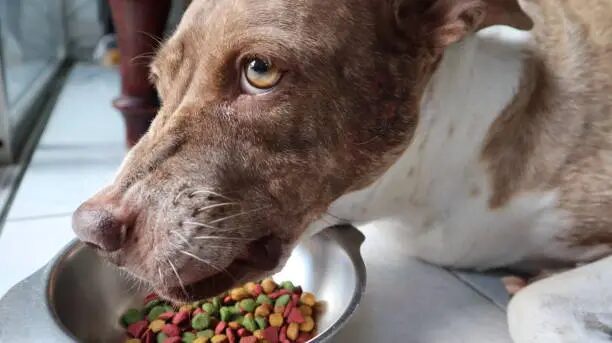
3.1 High-Quality Animal Protein as First Ingredient
The first ingredient on the label matters the most.
Best case:
“Chicken, Beef, Salmon, Lamb”
Avoid:
“Meat meal”, “animal by-product”, or vague protein sources
Real animal protein helps:
- Build lean muscle
- Maintain energy levels
- Improve coat and skin health
3.2 Grain-Free vs Grain-Inclusive Diets
This is one of the most debated topics in dog nutrition.
Grain-inclusive (recommended in many cases):
- Brown rice
- Oats
- Barley
Grain-free:
- Sweet potatoes
- Peas
- Lentils
The truth: both can be healthy if ingredients are high-quality
However, recent veterinary discussions suggest grain-free diets should be used carefully due to potential heart health concerns in some dogs.
3.3 Avoiding Fillers and Low-Quality Ingredients
Many commercial foods use fillers to reduce cost.
Avoid these ingredients:
- Corn gluten meal
- Soy
- Artificial flavors
- Meat by-products
- Chemical preservatives (BHA, BHT)
Fillers can lead to:
- Poor digestion
- Excess weight gain
- Low nutrient absorption
3.4 Ideal Protein & Fat Percentages
For a healthy adult Pitbull:
| Nutrient | Recommended Range |
|---|---|
| Protein | 25% – 40% |
| Fat | 12% – 20% |
| Carbs | Moderate |
Active or working Pitbulls may need higher fat and protein ratios.
3.5 Digestive-Friendly Ingredients
Pitbulls can sometimes have sensitive stomachs, so digestive support matters.
Beneficial ingredients:
- Probiotics
- Prebiotic fiber
- Pumpkin
- Beet pulp
- Digestive enzymes
These help:
- Improve stool quality
- Reduce gas and bloating
- Support gut microbiome
4. Best Dog Food Types for Pitbulls
Now that you understand what Pitbulls need nutritionally, the next step is choosing the right food type. There is no single perfect format—each option has advantages depending on your dog’s lifestyle, age, and health condition.
Let’s break down the most common feeding types used for Pitbulls.
4.1 Dry Kibble (Most Common Choice)
Dry kibble is the most widely used dog food type because it is:
- Easy to store
- Budget-friendly
- Balanced when high-quality brands are used
- Convenient for daily feeding
Pros:
- Supports dental health (crunch helps reduce plaque)
- Easy portion control
- Long shelf life
- Available in breed-specific formulas
Cons:
- Some brands contain fillers (corn, soy, by-products)
- Lower moisture content
- Quality varies heavily between brands
Best practice: Always choose high-protein kibble with named meat as the first ingredient.
4.2 Wet / Canned Dog Food
Wet food is often more palatable and hydrating.
Benefits:
- High moisture content (good for hydration)
- Easier to chew (great for seniors)
- Strong smell increases appetite
- Often higher in protein
Downsides:
- More expensive
- Short shelf life after opening
- Can contribute to dental plaque if used alone
Many owners mix wet food with kibble for balance.
4.3 Raw Diet (BARF Diet for Pitbulls)
The Biologically Appropriate Raw Food (BARF) diet is popular among working-dog owners and breeders.
Typical raw diet includes:
- Raw meat (chicken, beef, lamb)
- Bones (raw, not cooked)
- Organ meat (liver, kidney)
- Vegetables (small amounts)
Pros:
- High protein absorption
- Natural diet closer to ancestral feeding
- Improved coat and muscle tone (in some dogs)
Risks:
- Bacterial contamination (Salmonella, E. coli)
- Needs precise balance (calcium/phosphorus ratio)
- Time-consuming preparation
Raw diets should only be used if properly researched or vet-guided.
4.4 Freeze-Dried & Dehydrated Food
This is a modern hybrid option between raw and kibble.
Advantages:
- Retains nutrients from raw ingredients
- Long shelf life
- Easier than raw feeding
- High protein quality
Disadvantages:
- Expensive
- Requires rehydration in many cases
- Limited availability in some regions
4.5 Homemade Dog Food for Pitbulls
Homemade diets give full control over ingredients, but they must be carefully balanced.
Safe homemade ingredients:
- Chicken, beef, turkey
- Brown rice, oats
- Carrots, spinach, peas
- Eggs (excellent protein source)
Dangerous ingredients to avoid:
- Onions & garlic (toxic)
- Chocolate
- Excess salt or spices
- Cooked bones (splinter risk)
Homemade food must include supplements like calcium and omega oils to stay balanced.
5. Best Dog Food Brands for Pitbulls
Choosing the right brand can make a huge difference in muscle growth, energy levels, and skin health.
Below are commonly recommended options based on protein quality, ingredient transparency, and real-world performance.
5.1 Premium Brands for Muscle Growth
Blue Buffalo Wilderness High Protein Dog Food
- High protein content
- Grain-free formulas available
- Good for active Pitbulls
- Includes antioxidants and omega fatty acids
Orijen Original Dry Dog Food
- Very high protein from fresh meat
- Biologically appropriate formula
- Excellent for muscle development
- One of the most nutrient-dense kibble options
These are ideal for active or working Pitbulls needing lean muscle support.
5.2 Budget-Friendly but Nutritious Options
Purina Pro Plan Sport
- Designed for athletic dogs
- High protein and fat balance
- Good energy support for active Pitbulls
- Widely available
Pedigree High Protein Dog Food
- Affordable option
- Basic nutritional balance
- Suitable for less active dogs
- Widely accessible globally
Budget foods can still work if you choose high-protein variants, not standard formulas.
5.3 Best Grain-Free Options
Grain-free diets are popular for Pitbulls with:
- Skin allergies
- Digestive sensitivity
- Wheat intolerance
Common grain-free ingredients include:
- Sweet potatoes
- Peas
- Lentils
However, always ensure veterinary guidance when choosing grain-free long term.
5.4 Best for Sensitive Stomach Pitbulls
Dogs with sensitive digestion benefit from:
- Limited ingredient diets
- Added probiotics
- Simple protein sources (chicken or lamb)
Helpful ingredients:
- Pumpkin (digestion support)
- Rice (easy carbs)
- Fish oil (anti-inflammatory)
5.5 Best for Pitbull Puppies vs Adults
Puppies:
- Higher DHA for brain development
- More calcium for bone growth
- Smaller kibble size
Adults:
- Balanced protein & fat
- Maintenance calories
- Muscle preservation focus
Feeding must always match life stage, not just breed.
6. Best Food for Pitbull Puppies
Pitbull puppies grow fast and develop strong muscle structures early, so their nutrition must support bone strength and controlled growth.
6.1 Puppy Growth Nutritional Requirements
Puppies need:
- Higher protein than adults
- Balanced calcium and phosphorus
- DHA for brain development
- Frequent meals for energy
6.2 Calcium & DHA Importance
- Calcium: Builds strong bones
- DHA (Omega-3): Supports brain and vision development
Too much calcium can also cause joint issues—balance is key.
6.3 Feeding Frequency for Puppies
| Age | Meals per Day |
|---|---|
| 2–3 months | 4 meals |
| 3–6 months | 3–4 meals |
| 6–12 months | 2–3 meals |
6.4 Best Puppy Food Brands
Look for puppy-specific formulas that include:
- High-quality animal protein
- DHA
- Controlled calcium levels
7. Best Food for Adult Pitbulls
Once a Pitbull reaches adulthood (around 12–18 months), their nutrition goal shifts from growth to maintenance and performance.
Adult Pitbulls need a diet that keeps them:
- Muscular but lean
- Energetic but not hyperactive
- Healthy joints for long-term mobility
7.1 Maintenance Diet vs Growth Diet
Growth Diet (Puppy Phase)
- Higher calories
- Higher calcium
- More frequent meals
Maintenance Diet (Adult Phase)
- Balanced calories
- Stable protein levels
- Controlled fat intake
Overfeeding adult Pitbulls often leads to fat gain instead of muscle growth, which is a common mistake.
7.2 Protein-to-Fat Ratio for Active Adults
A healthy adult Pitbull diet typically includes:
- Protein: 25%–35%
- Fat: 12%–18%
- Carbohydrates: Moderate (clean sources only)
Why this matters:
- Protein maintains lean muscle mass
- Fat provides sustained energy
- Carbs support endurance during activity
7.3 Weight Management for Less Active Pitbulls
Not all Pitbulls are highly active. Some become more relaxed indoors.
For low-activity dogs:
- Reduce fat slightly
- Avoid free feeding (leaving food out all day)
- Increase fiber for satiety
Pitbulls are prone to gaining weight if diet is not controlled properly.
8. Best Food for Senior Pitbulls
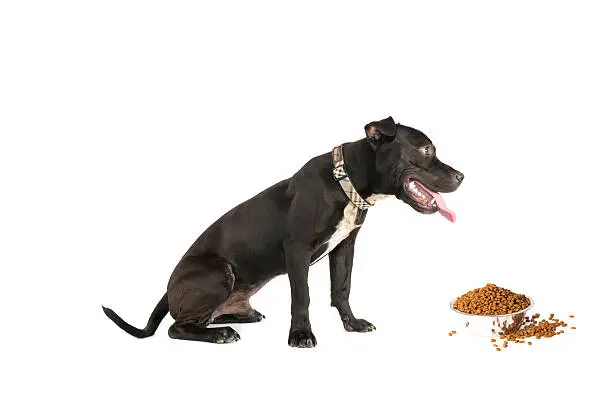
As Pitbulls age (usually 7+ years), their metabolism slows down and joint health becomes more important than muscle growth.
8.1 Joint Support Ingredients
Senior Pitbull food should include:
- Glucosamine → supports cartilage
- Chondroitin → improves joint flexibility
- Omega-3 fatty acids → reduces inflammation
These nutrients help reduce stiffness and improve mobility.
8.2 Lower Calorie Diets for Aging Dogs
Older Pitbulls need:
- Fewer calories
- More fiber
- Highly digestible protein
This helps prevent:
- Obesity
- Heart strain
- Joint pressure
8.3 Easy-to-Digest Food Options
Best ingredients for seniors:
- Chicken
- Rice
- Fish
- Pumpkin
- Sweet potato
Avoid overly fatty or heavily processed foods.
9. Common Health Issues in Pitbulls & Diet Solutions
Pitbulls are generally strong dogs, but they can still face diet-related health problems.
9.1 Skin Allergies & Food Sensitivity
Symptoms:
- Itching
- Red skin
- Ear infections
- Hair loss
Diet solutions:
- Limited ingredient diets
- Fish-based protein
- Avoid wheat and soy
9.2 Hip Dysplasia & Joint Care
Pitbulls can develop joint issues due to their muscular build.
Helpful nutrients:
- Glucosamine
- Omega-3
- High-quality protein
Maintaining a lean body weight is the most important prevention factor.
9.3 Obesity Prevention
Obesity is often caused by:
- Overfeeding
- Treat overuse
- Low activity
Prevention tips:
- Measure food portions
- Use feeding schedules
- Limit high-calorie treats
9.4 Digestive Problems
Common issues:
- Gas
- Loose stool
- Bloating
Solutions:
- Add probiotics
- Use fiber-rich foods (pumpkin, oats)
- Avoid sudden diet changes
10. Ingredients to Avoid in Pitbull Dog Food
Not all dog foods are safe or healthy—even if they look premium.
10.1 Artificial Preservatives & Colors
Avoid:
- BHA
- BHT
- Artificial dyes
These may cause long-term health risks.
10.2 Corn, Wheat & Soy Fillers
These ingredients:
- Add calories but little nutrition
- Can trigger allergies
- Reduce protein quality
10.3 Meat By-Products
This term usually means:
- Low-quality animal parts
- Unclear protein source
Always prefer named meat sources like chicken or beef.
10.4 Low-Quality Animal Fats
Poor fats can lead to:
- Skin issues
- Digestive stress
- Low energy
11. Feeding Guide for Pitbulls
Proper feeding is just as important as food quality.
11.1 Daily Calorie Requirements
| Weight | Activity Level | Calories/Day |
|---|---|---|
| 15–20 kg | Low | 900–1100 kcal |
| 20–30 kg | Moderate | 1100–1600 kcal |
| 30–40 kg | Active | 1600–2200 kcal |
11.2 Portion Size by Age
- Puppies → multiple small meals
- Adults → 2 meals per day
- Seniors → smaller portions, more digestible food
11.3 Feeding Schedule (Recommended)
Ideal schedule:
- Morning meal
- Evening meal
Avoid one large meal per day—it increases bloating risk.
11.4 Overfeeding vs Underfeeding Signs
Overfeeding signs:
- Weight gain
- Low energy
- Visible fat layers
Underfeeding signs:
- Rib visibility
- Weakness
- Constant hunger
12. Homemade Dog Food Recipes for Pitbulls
Homemade food can be powerful if balanced correctly.
12.1 Chicken & Rice Recipe
- Boiled chicken
- Brown rice
- Carrots
- Spinach
✔ Easy digestion
✔ Good for sensitive stomachs
12.2 Beef & Vegetable Mix
- Lean beef
- Sweet potatoes
- Peas
- Pumpkin
✔ High protein
✔ Good muscle support
12.3 Safe Supplements
- Fish oil (skin & coat)
- Calcium (bone health)
- Multivitamins (balanced nutrition)
Always consult a vet before adding supplements long-term.
13. Dry Food vs Raw Diet for Pitbulls
Nutritional Comparison
| Factor | Dry Food | Raw Diet |
|---|---|---|
| Protein quality | Medium–High | Very High |
| Convenience | Easy | Difficult |
| Safety | High | Risk of bacteria |
| Cost | Moderate | High |
Cost Comparison
- Dry food → budget-friendly long-term
- Raw diet → expensive and time-consuming
Safety Considerations
- Dry food is regulated and consistent
- Raw food requires strict hygiene
Muscle Building
- Raw diets may improve muscle definition
- High-quality kibble can still achieve excellent results
For most owners: premium kibble is the safest long-term choice
14. Frequently Asked Questions (FAQs)
14.1 What is the best dog food for Pitbull muscle growth?
High-protein foods like:
- Orijen
- Blue Buffalo Wilderness
- Purina Pro Plan Sport
14.2 How much should a Pitbull eat daily?
Depends on weight and activity, typically:
- 900 to 2200 kcal per day
14.3 Can Pitbulls eat grain-free food?
Yes, but only if:
- Ingredients are high-quality
- Vet approves long-term use
14.4 What food makes Pitbulls stronger?
Foods rich in:
- Animal protein
- Healthy fats
- Omega-3 fatty acids
14.5 Is raw diet safe for Pitbulls?
It can be, but:
- Requires strict hygiene
- Must be nutritionally balanced
- Not ideal for beginners
15. Conclusion
Choosing the best dog food for Pitbulls is not about one brand or one diet—it’s about understanding your dog’s:
- Age
- Activity level
- Health condition
- Muscle requirements
- High-quality animal protein is essential
- Balanced fats support energy and coat health
- Avoid fillers like corn and soy
- Adjust diet based on life stage