Finding the best dog food for sensitive stomachs can feel frustrating when your dog keeps having soft stool, gas, vomiting, or digestive discomfort. One week you try chicken. The next week you try salmon. Then someone recommends grain-free food, pumpkin, probiotics, or a limited ingredient diet.
The truth is simple: a “sensitive stomach” is not always caused by the same thing. Some dogs need easy to digest dog food with gentle ingredients. Others need a limited ingredient dog food for sensitive stomach issues. Some may need a prescription diet, especially if vomiting, diarrhea, weight loss, or blood in the stool keeps happening.
The right food should calm digestion, support healthy stool, and give your dog complete nutrition without unnecessary triggers.
Why Sensitive Stomachs Are Common in Dogs
Many dogs experience stomach upset at some point. Sometimes it is mild and temporary. Other times, it becomes a recurring pattern.
Common digestive issues include:
- Vomiting
- Diarrhea
- Soft stool
- Gas
- Bloating
- Burping
- Food intolerance
- Poor appetite
- Stomach gurgling
- Regurgitation
Dogs explore the world with their mouths, which means they may eat things they should not. They may grab table scraps, chew grass, swallow garbage, eat rich treats, or react badly to a sudden food change.
VCA notes that adverse dietary reactions in dogs may involve gastrointestinal signs and can be caused by overeating, eating non-food items, or getting into garbage. Their guide on food intolerance in dogs is helpful for understanding how food-related digestive problems can appear.
For some dogs, the solution is as simple as removing table scraps and transitioning slowly to a gentler food. For others, the problem may involve parasites, pancreatitis, food allergy, inflammatory bowel disease, chronic enteropathy, or another medical condition.
That is why sensitive-stomach dog food should be chosen carefully.
What This Guide Covers
This guide explains how to choose the best dog food for dogs with sensitive stomachs in a practical way.
Across this 3-part article, we will cover:
- What a sensitive stomach means in dogs
- Common symptoms and causes
- Food allergy vs food intolerance
- What makes a food gentle and digestible
- Best sensitive-stomach dog food categories
- Dry, wet, fresh, limited ingredient, grain-inclusive, and grain-free options
- Ingredients to look for
- Ingredients to avoid
- Feeding tips for dogs with digestive issues
- Transition schedules
- Bland diets
- Prescription vs non-prescription options
- Warning signs that need a vet
- FAQs about sensitive-stomach dog food
This first part focuses on the basics: what sensitive stomach means, what signs to watch for, why dogs develop digestive sensitivity, and what makes a food easier on the stomach.
Important Veterinary Disclaimer
A sensitive stomach can be mild, but it can also be a sign of something more serious.
Contact your veterinarian if your dog has:
- Recurring vomiting
- Recurring diarrhea
- Blood in stool
- Black or tarry stool
- Unexplained weight loss
- Loss of appetite
- Severe gas or bloating
- Dehydration
- Sudden digestive changes
- Repeated grass eating with vomiting
- Lethargy
- Abdominal pain
The AKC recommends consulting a veterinarian before choosing a commercial sensitive-stomach food, especially because digestive signs can have many causes. Their resource on choosing food for dogs with sensitive stomachs is a useful starting point for owners comparing diet options.
Changing food may help, but chronic symptoms need diagnosis, not guesswork.
Understanding Sensitive Stomachs in Dogs
Before choosing a dog food for sensitive stomach problems, it helps to understand what “sensitive stomach” actually means.
What Is a Sensitive Stomach in Dogs?
A sensitive stomach is not usually a formal diagnosis by itself. It is a description owners use when a dog seems to have recurring digestive upset or poor food tolerance.
A dog with a sensitive stomach may react to:
- Certain proteins
- High-fat foods
- Sudden diet changes
- Rich treats
- Table scraps
- Dairy
- Too much fiber
- Too little fiber
- Stress
- Medications
- Spoiled food
- Some chews or bones
Some dogs have mild sensitivity and only need a more consistent, gentle diet. Others need veterinary testing to rule out illness.
Common Signs of a Sensitive Stomach
Sensitive stomach symptoms can look different from dog to dog. Some dogs vomit. Some have soft stool. Others seem gassy, uncomfortable, or picky.
| Symptom | What You May Notice |
|---|---|
| Vomiting | Food, bile, foam, or partially digested meals |
| Diarrhea | Loose, watery, or urgent stool |
| Soft stool | Stool forms poorly but is not fully watery |
| Gas | Frequent flatulence or strong odor |
| Bloating | Belly looks tight, swollen, or uncomfortable |
| Burping | Especially after meals |
| Nausea | Lip licking, drooling, grass eating, turning away from food |
| Appetite changes | Picky eating or skipping meals |
| Stomach gurgling | Loud digestive noises |
| Regurgitation | Food comes back up without much effort |
One isolated episode may not mean your dog needs a new food forever. But repeated symptoms should be taken seriously.
Sensitive Stomach vs Food Allergy vs Food Intolerance
These terms are often used together, but they do not mean the same thing.
Sensitive stomach
A sensitive stomach is a general term for digestive upset. It may be caused by diet, stress, illness, eating something inappropriate, or a medical condition.
Food intolerance
A food intolerance means the dog has trouble digesting or tolerating a certain ingredient. It does not necessarily involve the immune system. Signs often include vomiting, diarrhea, gas, or soft stool.
Food allergy
A food allergy involves the immune system. In dogs, food allergies can cause itchy skin, paw licking, ear infections, vomiting, or diarrhea. VCA explains that food allergies in dogs often show up as itchy skin, paws, ears, or digestive disturbances such as vomiting or diarrhea. Their guide to food allergies in dogs gives more detail on these signs.
Here is a simple comparison:
| Issue | Main Cause | Common Signs | Best Next Step |
|---|---|---|---|
| Sensitive stomach | General digestive sensitivity | Soft stool, gas, vomiting, gurgling | Review diet and call vet if recurring |
| Food intolerance | Poor tolerance of ingredient | Diarrhea, gas, vomiting | Identify triggers with vet guidance |
| Food allergy | Immune response | Itchy skin, ear issues, GI signs | Vet-guided elimination diet |
| Acute upset stomach | Sudden trigger | Vomiting or diarrhea for a short time | Monitor closely, call vet if severe |
Because symptoms overlap, random food switching often makes things more confusing.
Acute Upset Stomach vs Chronic Digestive Sensitivity
Not all stomach upset is the same.
Acute upset stomach
An acute upset stomach comes on suddenly. It may happen after your dog eats something unusual, changes food too fast, gets into trash, or receives a rich treat.
It may last a short time and improve with veterinary guidance, rest, hydration, or a short-term bland diet.
Chronic digestive sensitivity
Chronic sensitivity means symptoms keep coming back or never fully resolve. This may look like:
- Soft stool several times a week
- Monthly vomiting episodes
- Regular gas and bloating
- Frequent appetite changes
- Weight loss
- Ongoing diarrhea
- Symptoms that improve then return
Chronic symptoms need veterinary evaluation. Food may be part of the solution, but parasites, infections, pancreatitis, inflammatory bowel disease, medication side effects, or chronic enteropathy may also be involved.
PetMD notes that upset stomachs are often short-lived but can last longer when underlying disease is present, requiring veterinary care. Their guide to upset stomach in dogs explains when mild symptoms may become more concerning.
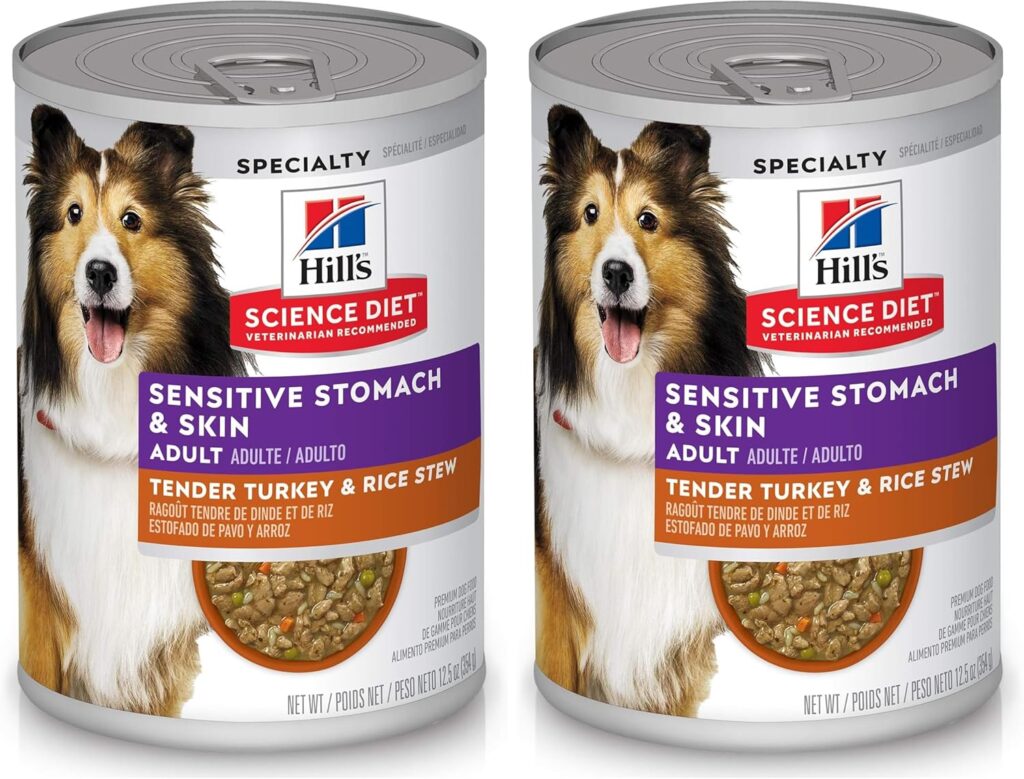
Hill’s Science Diet Sensitive Stomach
Hill’s Science Diet Sensitive Stomach & Skin, Adult 1-6,Stomach & Skin Sensitivity Support, Wet Dog Food, Turkey-& Rice Stew,12.5 oz Can,(Pack…
When Digestive Symptoms Are an Emergency
Some digestive signs should not wait for a food trial.
Seek urgent veterinary care if your dog has:
- Repeated vomiting
- Bloody diarrhea
- Black stool
- Severe lethargy
- Collapse
- Pale gums
- Signs of dehydration
- Severe abdominal pain
- A swollen or tight belly
- Retching without producing vomit
- Suspected toxin exposure
- Suspected foreign-body ingestion
- Vomiting plus weakness
- Diarrhea in a very young puppy
- Symptoms after eating bones, corn cobs, toys, socks, or garbage
Large, deep-chested breeds also need special caution with bloat. A swollen abdomen, restlessness, drooling, unproductive retching, or collapse can be an emergency.
Why Some Dogs Have Sensitive Stomachs
There are many reasons a dog may develop digestive sensitivity. The food itself may be the problem, but it is not the only possibility.
Common causes include:
Sudden diet changes
Switching food too quickly is one of the most common causes of diarrhea. Dogs often need a gradual transition.
Table scraps
Rich human foods can cause vomiting, gas, or loose stool. Fatty scraps are especially risky for dogs prone to pancreatitis.
High-fat foods
Some dogs do poorly with greasy foods, fatty meats, cheese, or heavy toppers.
Food intolerance
A dog may not tolerate a certain protein, grain, dairy product, additive, or chew.
Food allergy
Food allergies may affect the skin, ears, and digestive tract.
Parasites
Worms, giardia, and other parasites can cause diarrhea, soft stool, and weight loss.
Infections
Bacterial or viral infections can upset the digestive system.
Pancreatitis
Pancreatitis can cause vomiting, abdominal pain, diarrhea, appetite loss, and lethargy. It often requires veterinary care and sometimes a low-fat diet.
Inflammatory bowel disease or chronic enteropathy
Some dogs have long-term intestinal inflammation that needs prescription food and medical management.
Stress
Boarding, travel, new pets, loud events, and changes in routine can affect gut health.
Medications
Antibiotics, anti-inflammatory drugs, and other medications may cause digestive side effects.
Breed tendencies
Some breeds seem more prone to digestive sensitivity, allergies, or food intolerance. Still, any breed can have stomach problems.
What Makes a Dog Food Good for Sensitive Stomachs?
The best sensitive stomach dog food should be gentle, consistent, complete, and matched to the dog’s actual symptoms.
A good formula usually focuses on:
- Highly digestible ingredients
- A tolerated protein source
- Moderate fat
- Balanced fiber
- Prebiotics or probiotics
- No unnecessary additives
- Complete and balanced nutrition
- A consistent feeding routine
Let’s break that down.
Highly Digestible Ingredients
Digestibility matters because dogs with sensitive stomachs may struggle with rich, complex, or poorly tolerated foods.
A highly digestible formula may help reduce:
- Loose stool
- Gas
- Vomiting
- Stomach gurgling
- Poor nutrient absorption
- Large stool volume
Easy-to-digest dog food often includes gentle proteins, digestible carbohydrates, controlled fat, and fiber sources that support stool quality.
Quality Animal Protein
Protein is one of the first things to check. Some dogs do well on chicken. Others do better with salmon, lamb, turkey, whitefish, duck, venison, egg, or hydrolyzed protein.
Common protein options include:
| Protein Source | Why It May Help |
|---|---|
| Chicken | Common, digestible for many dogs |
| Turkey | Lean and often gentle |
| Salmon | Provides omega fatty acids |
| Whitefish | Often used in sensitive formulas |
| Lamb | Useful for some dogs that do not tolerate chicken |
| Egg | Highly digestible protein source |
| Duck | Possible novel protein for some dogs |
| Venison | Often used in novel protein diets |
| Hydrolyzed protein | Broken down for allergy management |
The “best” protein is the one your dog tolerates. Chicken is not automatically gentle for every dog, and grain-free salmon food is not automatically better. Individual response matters.
Limited Ingredient Formulas
A limited ingredient diet uses fewer main ingredients than standard dog food. This can help reduce the number of possible triggers.
Limited ingredient food may be useful for dogs that react to certain proteins, grains, or additives.
Potential benefits include:
- Fewer ingredients to evaluate
- Easier trigger tracking
- Often single animal protein
- Often simplified carbohydrate source
- Useful for mild sensitivity
However, limited ingredient food is not the same as a prescription elimination diet. Some store-bought limited ingredient diets may still have cross-contact with other proteins during manufacturing.
Moderate Fat Content
Fat is important, but too much fat can worsen digestive upset in some dogs.
High-fat foods may contribute to:
- Vomiting
- Diarrhea
- Gas
- Pancreatitis flare-ups in prone dogs
- Weight gain
- Poor stool quality
Dogs with pancreatitis history often need a low-fat, vet-directed diet. Dogs with mild stomach sensitivity may simply need moderate fat and no greasy extras.
Avoid adding bacon grease, butter, oils, cheese, sausage, fried meats, or rich sauces to your dog’s food.
Balanced Fiber
Fiber affects stool quality, digestion, and gut health. But balance matters.
Too little fiber may contribute to loose stool in some dogs. Too much fiber may cause gas, bloating, or large stools.
There are two main types:
| Fiber Type | What It Does |
|---|---|
| Soluble fiber | Helps hold water and may support stool consistency |
| Insoluble fiber | Adds bulk and supports regular bowel movements |
Common fiber sources include:
- Beet pulp
- Pumpkin
- Psyllium
- Oat fiber
- Pea fiber
- Chicory root
The right fiber level depends on the dog. A dog with diarrhea may need a different fiber balance than a dog with gas and bloating.
Prebiotics and Probiotics
The gut microbiome plays an important role in digestive health. Sensitive-stomach formulas often include prebiotics, probiotics, or both.
Prebiotics
Prebiotics are fibers that help feed beneficial gut bacteria.
Common prebiotic ingredients include:
- Chicory root
- Inulin
- Fructooligosaccharides
- Beet pulp
Probiotics
Probiotics are beneficial bacteria that may support stool consistency and gut balance. On dog food labels, they may appear as dried fermentation products or named bacterial strains.
Not every dog food contains live probiotics, and storage matters. For dogs with chronic digestive issues, ask your vet whether a separate probiotic supplement is appropriate.
Omega-3 and Omega-6 Fatty Acids
Omega fatty acids are often included in formulas for sensitive stomach and itchy skin because digestive issues and skin problems can overlap.
These nutrients may support:
- Skin health
- Coat quality
- General inflammatory balance
- Itchy skin support
- Joint comfort in older dogs
Common sources include:
- Fish oil
- Salmon oil
- Flaxseed
- Chicken fat in controlled amounts
Fish-based foods, such as salmon or whitefish formulas, may be useful for some dogs, especially when skin and coat support is also needed.
No Unnecessary Artificial Additives
Artificial colors are mainly for humans. Dogs do not need colorful kibble.
Sensitive-stomach food should focus on nutrition and digestibility, not unnecessary additives.
Ingredients to limit may include:
- Artificial colors
- Excessive flavorings
- Sugary ingredients
- Heavy sauces or gravies
- Unnecessary rich toppers
This does not mean every additive is bad. Vitamins and minerals are important. The issue is unnecessary ingredients that do not help digestion.
Complete and Balanced Nutrition
A sensitive-stomach food should still be nutritionally complete. If you plan to feed it daily, it should meet your dog’s life-stage needs.
Look for an AAFCO nutritional adequacy statement. AAFCO explains that the nutritional adequacy statement helps match a pet food to a pet’s needs, and that “complete” means the product contains required nutrients while “balanced” means they are present in proper ratios. Their resource on reading pet food labels explains this in more detail.
This matters because bland diets like chicken and rice may help short term, but they are not usually complete and balanced for long-term feeding unless properly formulated.
Consistent Formula and Feeding Routine
Dogs with sensitive stomachs often do better with consistency.
Frequent switching can cause:
- Diarrhea
- Vomiting
- Gas
- Picky eating
- Unclear trigger tracking
- More digestive stress
A good routine means:
- Same food daily
- Measured portions
- Limited treats
- No random table scraps
- Gradual transitions
- Consistent feeding times
- Symptom tracking
Sometimes the food is not the only problem. The inconsistency around the food is the real issue.
Best Dog Food for Sensitive Stomachs: Main Categories
There is no single best food for every dog. The right choice depends on symptoms, age, breed size, ingredients tolerated, and whether medical conditions are involved.
Below are the main categories to understand before choosing a product.
Best Overall Dog Food for Sensitive Stomachs
The best overall choice for many dogs is a formula that combines:
- Highly digestible ingredients
- Quality animal protein
- Moderate fat
- Balanced fiber
- Prebiotics or probiotics
- Complete and balanced nutrition
- Reliable palatability
This type of food is usually best for dogs with mild to moderate digestive sensitivity but no severe red-flag symptoms.
Best Vet-Recommended Sensitive Stomach Dog Food
Vet-recommended options often include sensitive skin and stomach formulas, digestive care diets, or veterinary therapeutic diets.
These foods may be recommended when a dog has:
- Frequent soft stool
- Mild recurring vomiting
- Gas and poor stool quality
- Sensitive skin plus stomach symptoms
- Picky appetite
- Need for a consistent, research-backed formula
A vet recommended dog food for sensitive stomach is especially useful when owners have already tried multiple foods without clear success.
Best Prescription Dog Food for Sensitive Stomachs
Prescription diets may be needed for dogs with more serious or chronic problems.
Your vet may recommend prescription food for:
- Chronic vomiting
- Chronic diarrhea
- Pancreatitis history
- Food allergies
- IBD
- Chronic enteropathy
- Malabsorption
- Unexplained weight loss
- Severe ingredient reactions
Prescription options may include hydrolyzed protein diets, low-fat GI diets, high-fiber GI diets, easily digestible GI diets, or novel protein diets.
Best Non-Prescription Dog Food for Sensitive Stomachs
Non-prescription sensitive-stomach dog food may work well for mild digestive issues.
Look for:
- A tolerated protein
- Moderate fat
- Digestible carbohydrates
- Prebiotic fiber
- No unnecessary artificial colors
- Complete and balanced nutrition
- Clear life-stage labeling
This option is best for dogs that have mild symptoms and no alarming signs like weight loss, blood in stool, repeated vomiting, or appetite loss.
Best Dry Dog Food for Sensitive Stomachs
Dry food is popular because it is convenient, easy to store, and simple to measure.
Benefits of dry sensitive-stomach dog food
| Benefit | Why It Helps |
|---|---|
| Easy measuring | Helps prevent overfeeding |
| Convenient storage | Good for daily consistency |
| Often affordable | Practical for long-term feeding |
| Works with slow feeders | Helpful for dogs that gulp food |
| Clear feeding guides | Easier portion control |
The downside is that dry food has less moisture than wet or fresh food. Some dogs also need a softer texture.
Best Wet Dog Food for Sensitive Stomachs
Wet food may be helpful for dogs that are picky, senior, nauseated, or have dental discomfort.
Benefits of wet food
- Higher moisture
- Softer texture
- Stronger aroma
- Often more palatable
- May be easier to digest for some dogs
- Useful for dogs that refuse kibble
The downsides are cost, storage, and portion tracking. Wet food should still be complete and balanced if fed as the main diet.
Best Fresh Dog Food for Sensitive Stomachs
Fresh food can be helpful for some dogs because recipes may be simple, moist, and portioned.
Potential benefits include:
- High moisture
- Simple recipes
- Customized feeding amounts
- Good palatability
- Useful for picky dogs
However, fresh food is not automatically gentle. Some recipes may be too high in fat or may include ingredients your dog does not tolerate. Fresh food should be reviewed by a veterinarian, especially for dogs with chronic GI disease or pancreatitis history.
Best Limited Ingredient Dog Food for Sensitive Stomachs
Limited ingredient food can be useful when you suspect your dog reacts to certain ingredients.
Good limited ingredient formulas often include:
- One main animal protein
- One main carbohydrate source
- Moderate fat
- Simple ingredient list
- No unnecessary extras
This type of food may help dogs with mild food intolerance, but it may not be strict enough for a true allergy trial.
Best Hypoallergenic Dog Food for Sensitive Stomachs
Hypoallergenic dog food usually refers to diets designed for dogs with suspected food allergies or severe ingredient reactions.
These may include:
- Hydrolyzed protein diets
- Novel protein diets
- Prescription elimination diets
A hypoallergenic diet should be chosen with a vet, especially if your dog has itching, ear infections, vomiting, diarrhea, or recurring skin problems.
Best Hydrolyzed Protein Dog Food for Sensitive Stomachs
Hydrolyzed protein diets use proteins broken into smaller pieces. The goal is to make them less likely to trigger an immune reaction.
These diets are often used for:
- Food allergy trials
- Chronic itchy skin plus GI symptoms
- Severe food reactions
- Dogs that reacted to multiple proteins
- Vet-supervised elimination diets
Most hydrolyzed diets are prescription foods.
Best Novel Protein Dog Food for Sensitive Stomachs
A novel protein is a protein your dog has not eaten before. This may help when a dog reacts to common proteins.
Examples include:
- Duck
- Venison
- Rabbit
- Kangaroo
- Whitefish
- Salmon
- Lamb, if truly new to the dog
The key is that the protein must actually be novel for your dog. If your dog has eaten lamb treats for years, lamb is not a novel protein for them.
Best Grain-Inclusive Dog Food for Sensitive Stomachs
Grain-inclusive food can be gentle for many dogs. Rice, oats, and barley are commonly used in digestive formulas.
Good grain-inclusive options may use:
- Rice
- Oatmeal
- Barley
- Sorghum
Grains are not automatically bad. Many dogs tolerate them well.
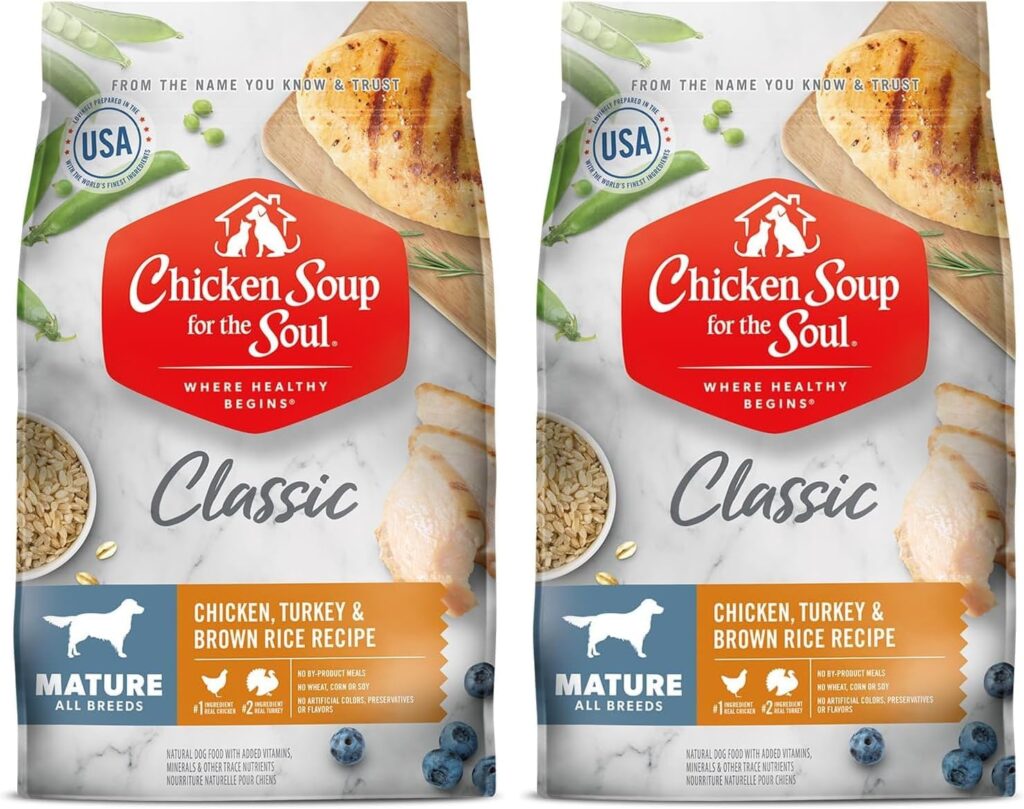
Chicken Soup for the Soul
Chicken Soup for the Soul All Natural Premium Senior/Mature Dry Dog Food, Real Meat First Ingredient, No By-Products, Supports Joint Health and Mobility,…
Best Grain-Free Dog Food for Sensitive Stomachs
Grain-free food may help dogs with confirmed grain sensitivity, but it is not automatically better for digestion.
Grain-free foods often use:
- Potatoes
- Peas
- Lentils
- Chickpeas
- Tapioca
- Sweet potato
These ingredients can still cause symptoms in some dogs. Choose grain-free for a reason, not because it sounds healthier.
Quick Comparison: Sensitive-Stomach Dog Food Types
| Food Type | Best For | Main Benefit | Possible Downside |
|---|---|---|---|
| Dry food | Easy measuring | Convenience and consistency | Lower moisture |
| Wet food | Picky or senior dogs | Palatability and hydration | Cost |
| Fresh food | Custom feeding | Simple recipes and moisture | Needs careful review |
| Limited ingredient | Mild sensitivities | Fewer possible triggers | May not suit true allergy trials |
| Hydrolyzed protein | Food allergy trials | Proteins broken down | Usually prescription |
| Novel protein | Suspected protein reaction | Avoids common proteins | Must be truly novel |
| Low-fat GI food | Pancreatitis history | Easier fat control | Often vet-directed |
| Digestive care formula | General GI upset | Balanced digestibility | May not solve allergies |
How to Choose the Best Dog Food for Sensitive Stomachs
Choosing the best dog food for sensitive stomachs depends on your dog’s symptoms, age, size, health history, and ingredient tolerance.
A dog with occasional soft stool after table scraps may need a simple diet cleanup. A dog with chronic diarrhea, vomiting, weight loss, itchy skin, or repeated ear infections may need veterinary testing and a more targeted food plan.
Start With a Veterinary Check
If your dog’s symptoms are ongoing, start with your veterinarian. Chronic digestive problems are not always caused by the main dog food.
A vet may check for:
- Parasites
- Infections
- Pancreatitis
- Food allergies
- Food intolerance
- Inflammatory bowel disease
- Chronic enteropathy
- Medication side effects
- Foreign-body concerns
- Liver, kidney, or endocrine disease
This matters because a new food may temporarily improve symptoms while the real issue continues underneath.
You should especially call your vet if your dog has:
- Repeated vomiting
- Diarrhea lasting more than a short period
- Blood or mucus in stool
- Weight loss
- Poor appetite
- Severe gas or bloating
- Lethargy
- Signs of pain
- Dehydration
For mild, occasional digestive upset, a non-prescription sensitive-stomach food may be enough. For chronic problems, prescription food or testing may be needed.
Identify the Main Symptom
Different symptoms may point toward different diet needs.
| Main Symptom | Possible Diet Focus |
|---|---|
| Soft stool | Digestible carbs, balanced fiber, probiotics |
| Diarrhea | Vet check, fiber balance, bland or GI diet |
| Vomiting | Smaller meals, moderate fat, digestibility |
| Gas | Protein tolerance, fiber type, slow feeding |
| Itching + GI signs | Food allergy evaluation, novel or hydrolyzed protein |
| Poor appetite | Palatability, wet food, nausea evaluation |
| Weight loss | Veterinary diagnosis before diet change |
| Bloating | Emergency awareness, meal size, slow feeder |
A dog with gas may not need the same food as a dog with diarrhea. A dog with itchy skin and ear infections may need an allergy-focused plan rather than a standard digestive formula.
Review Your Dog’s Current Diet
Before buying a new food, write down everything your dog eats.
Include:
- Main dog food brand and flavor
- Treats
- Dental chews
- Bones
- Table scraps
- Toppers
- Supplements
- Medication given with food
- Human foods
- Training rewards
- Food stolen from other pets
- Flavor rotations
Many owners blame the kibble when the real problem is cheese, bacon scraps, rich chews, flavored medications, or too many treat types.
A food and symptom diary can make patterns easier to spot.
Check Protein Source
Protein is a common reason owners switch sensitive-stomach foods. Some dogs tolerate chicken perfectly. Others do better with salmon, lamb, turkey, duck, venison, whitefish, egg, or hydrolyzed protein.
Common proteins in dog food for digestive issues include:
If you suspect a protein problem, avoid random rotations. Switching from chicken to beef to lamb to salmon every two weeks can make it harder to know what actually works.
For suspected allergy, ask your vet about an elimination diet.
Choose Digestible Carbohydrates
Carbohydrates can be gentle or irritating depending on the dog and the formula. Many digestive-friendly foods use simple, digestible carbohydrate sources.
Common gentle carbs include:
- Rice
- Oatmeal
- Barley
- Sweet potato
- Potato
- Pumpkin
- Sorghum
Rice and oats are often used in gentle dog food formulas because many dogs digest them well. Grain-free is not automatically gentler. Some grain-free formulas rely heavily on peas, lentils, chickpeas, tapioca, or potatoes, which may cause gas or stool changes in some dogs.
Look at Fat Content
Fat can make food taste good, but high-fat meals may trigger vomiting, diarrhea, or pancreatitis in sensitive dogs.
Moderate fat is often a safer choice for dogs with stomach sensitivity. Low-fat food may be needed for dogs with pancreatitis history, but that should be vet-directed.
Watch out for extra fat from:
- Bacon
- Sausage
- Cheese
- Grease
- Butter
- Oils
- Fatty meat scraps
- Rich canned toppers
- Peanut butter in large amounts
Even if the main food is appropriate, fatty extras can undo the plan.
Evaluate Fiber Level
Fiber can help stool quality, but the right amount matters.
Too little fiber may lead to loose stool in some dogs. Too much fiber may cause gas, bloating, or large stools.
Helpful fiber sources include:
- Beet pulp
- Pumpkin
- Psyllium
- Oat fiber
- Pea fiber
- Chicory root
A food for diarrhea may need a different fiber profile than a food for gas. This is why reading reviews alone can be misleading. One dog’s perfect food can be another dog’s problem food.
Look for Probiotics and Prebiotics
Probiotics and prebiotics can support gut health and stool consistency.
Prebiotics
Prebiotics are fibers that feed beneficial bacteria in the digestive tract. Common examples include:
- Chicory root
- Inulin
- Fructooligosaccharides
- Beet pulp
Probiotics
Probiotics are beneficial bacteria. On labels, they may appear as:
- Dried fermentation products
- Named beneficial bacterial cultures
- Live cultures, depending on the product
Not every dog needs probiotics, but they may help some dogs with soft stool or digestive imbalance. If symptoms are chronic, ask your vet before adding supplements.
Choose Complete and Balanced Food
A sensitive-stomach formula should still be complete and balanced for your dog’s life stage.
Check whether the food is made for:
- Puppies
- Adult dogs
- Seniors
- All life stages
- Large-breed puppies
- Weight management
- Veterinary therapeutic feeding
Puppies should not eat adult maintenance food long term. Senior dogs may need digestibility, joint support, and moderate calories. Large-breed puppies need special growth nutrition.
Avoid Frequent Food Changes
Frequent switching is one of the biggest mistakes owners make.
Every food change asks your dog’s digestive system to adjust. If you change foods too often, you may create the same symptoms you are trying to solve.
Avoid:
- Buying a new food every week
- Rotating flavors too often
- Switching proteins randomly
- Adding new toppers daily
- Changing treats during a food trial
- Mixing several new products at once
Give one suitable food enough time to work, unless symptoms worsen or your vet says to stop.
Pick a Food Your Dog Will Eat Reliably
Palatability matters. A food may look perfect on paper, but it will not help if your dog refuses it.
For picky or nauseated dogs, consider:
- Wet food
- Smaller meals
- A different tolerated protein
- A softer texture
- Vet-approved toppers
- Gradual transition
- Checking for dental pain or nausea
Avoid using cheese, gravy, bacon, or fatty toppers to force acceptance. These can worsen digestive symptoms.
Match Food to Life Stage and Size
The best dog food for sensitive stomachs should fit your dog’s age and size.
| Dog Type | Food Consideration |
|---|---|
| Puppy | Growth nutrition, digestibility, parasite check |
| Adult | Symptom control and maintenance nutrition |
| Senior | Digestibility, joint support, moderate calories |
| Small breed | Small kibble, picky eating, precise portions |
| Large breed | Stool quality, joint support, bloat awareness |
| Overweight dog | Moderate fat, calorie control, fiber balance |
A sensitive stomach formula is only useful if it also fits the whole dog.
Product Review Section Template
When writing product reviews for the final article, use a consistent structure. This helps readers compare foods quickly and keeps the content organized.
Product Name
Best For
Examples:
- Best dry dog food for sensitive stomach
- Best wet dog food for sensitive stomach
- Best limited ingredient dog food
- Best dog food for sensitive stomach and diarrhea
- Best prescription sensitive-stomach dog food
- Best chicken-free dog food for sensitive stomach
Key Features
Include:
- Calories per cup or can
- Protein percentage
- Fat percentage
- Fiber percentage
- Main protein source
- Main carbohydrate source
- Probiotics or prebiotics included
- Grain-inclusive or grain-free
- Prescription required or not
- Life stage suitability
Pros
Mention benefits such as:
- Good digestibility
- Stool support
- Limited ingredients
- Palatability
- Vet backing
- Availability
- Budget-friendly price
- Skin and coat support
- Probiotic or prebiotic content
- Moderate fat
Cons
Mention limitations such as:
- Higher cost
- Prescription requirement
- Limited flavors
- Possible protein trigger
- Not ideal for pancreatitis
- Stool changes during transition
- Not suitable for all life stages
- Not strict enough for allergy trials
Why It May Help Sensitive Stomachs
Explain the specific digestive benefit. For example:
- Uses easy-to-digest ingredients
- Has balanced fiber
- Contains prebiotics or probiotics
- Uses hydrolyzed protein
- Uses a novel protein
- Limits ingredient complexity
- Keeps fat moderate
- Avoids common triggers
Ideal Dog Profile
Mention who the food fits best:
- Small adult dog with soft stool
- Senior dog that prefers wet food
- Large dog with gas
- Dog with suspected chicken sensitivity
- Dog with itchy skin and GI signs
- Dog needing vet-supervised GI support
- Puppy with sensitive digestion
Best Dog Foods for Sensitive Stomachs Compared
Use a comparison table like this when reviewing actual products. Always verify current label information before publishing because formulas can change.
| Brand/Product | Type | Protein Source | Fat Level | Fiber Support | Digestive Support | Best For | Prescription Required |
|---|---|---|---|---|---|---|---|
| Sensitive skin & stomach formula | Dry | Salmon/chicken/turkey | Moderate | Moderate | Prebiotics/probiotics | General sensitivity | No |
| Limited ingredient formula | Dry/wet | Single protein | Varies | Moderate | Simple recipe | Mild intolerance | No |
| Hydrolyzed protein diet | Dry/wet | Hydrolyzed protein | Varies | Varies | Allergy support | Food allergy trials | Usually yes |
| Low-fat GI diet | Dry/wet | Varies | Low | Varies | Digestive care | Pancreatitis history | Often yes |
| Wet digestive formula | Wet | Varies | Varies | Varies | Moisture + palatability | Picky/senior dogs | Sometimes |
| Fresh gentle recipe | Fresh | Varies | Varies | Varies | Simple ingredients | Custom feeding | Usually no |
Dry vs Wet vs Fresh Sensitive-Stomach Dog Food
Different food formats can work for sensitive dogs. The best choice depends on your dog’s symptoms, appetite, and tolerance.
| Food Type | Best For | Main Benefit | Possible Downside |
|---|---|---|---|
| Dry food | Easy measuring | Convenience and consistency | Lower moisture |
| Wet food | Picky dogs | Palatability and hydration | Cost |
| Fresh food | Custom feeding | Simple recipes and moisture | Needs careful review |
| Homemade food | Short-term bland diets or formulated recipes | Full control | Imbalance risk |
Dry food
Dry food is usually the most practical option. It is easier to measure, store, and feed consistently. It also works well with slow feeders for dogs that gulp food.
Wet food
Wet food may help dogs with poor appetite, dental issues, or nausea. It has more moisture and a stronger smell, which can encourage eating.
Fresh food
Fresh food may work for some dogs, especially if recipes are simple and portions are consistent. However, fresh food can still be too high in fat or include ingredients your dog does not tolerate.
Homemade food
Homemade food can help short-term stomach upset when used as a bland diet under vet guidance. For long-term feeding, it should be formulated by a veterinary nutritionist.
Limited Ingredient vs Hydrolyzed Protein Dog Food
Limited ingredient, hydrolyzed protein, novel protein, and digestive care formulas are not the same thing.
| Diet Type | Best For | Main Benefit | Watch Out For |
|---|---|---|---|
| Limited ingredient | Mild sensitivities | Fewer possible triggers | Cross-contamination possible |
| Hydrolyzed protein | Food allergy trials | Proteins broken down | Usually prescription |
| Novel protein | Suspected protein reaction | Avoids common proteins | Must be truly novel |
| Digestive care formula | General GI upset | Balanced digestibility | May not solve allergies |
Limited ingredient diets
A limited ingredient diet may help dogs with mild intolerance by reducing ingredient complexity.
Hydrolyzed protein diets
Hydrolyzed protein diets are often used for suspected food allergies. The protein is broken into smaller pieces to make it less recognizable to the immune system.
Novel protein diets
Novel protein diets use a protein your dog has not eaten before. The challenge is making sure it is truly new.
Digestive care formulas
Digestive care formulas focus on digestibility, fiber balance, and stool quality. They may help general GI upset but are not always enough for allergies.
Grain-Inclusive vs Grain-Free Sensitive-Stomach Dog Food
Many owners assume grain-free is better, but that is not always true. Dogs can be sensitive to many ingredients, not only grains.
| Feature | Grain-Inclusive | Grain-Free |
|---|---|---|
| Common carbs | Rice, oats, barley | Potato, peas, lentils |
| Best for | Many dogs with mild GI issues | Dogs with confirmed grain sensitivity |
| Digestibility | Often gentle | Formula-dependent |
| Main caution | Not all grains are equal | Not automatically low-carb or hypoallergenic |
Grain-inclusive food
Grain-inclusive food may use rice, oats, barley, or sorghum. These can be gentle for many dogs.
Grain-free food
Grain-free food may use potatoes, peas, lentils, or tapioca. Some dogs tolerate these well, while others may develop gas or soft stool.
The best option is the one your dog tolerates, not the one with the trendiest label.
Ingredients to Look For
A good dog food for upset stomach should include ingredients that support digestion, stool quality, and overall health.
Lean Animal Proteins
Lean proteins support muscle without overwhelming the digestive system.
Good options include:
- Chicken
- Turkey
- Salmon
- Whitefish
- Lamb
- Egg
- Duck
- Venison
- Hydrolyzed protein
For dogs suspected of reacting to chicken, consider a best chicken free dog food for sensitive stomach option with salmon, lamb, turkey, duck, venison, or hydrolyzed protein.
Gentle Carbohydrates
Gentle carbohydrates can help provide energy and support stool quality.
Common choices include:
- Rice
- Oatmeal
- Barley
- Sweet potato
- Potato
- Pumpkin
- Sorghum
Rice and oatmeal are often used in sensitive-stomach formulas because many dogs digest them well.
Fiber Sources
Fiber helps shape stool and supports digestive movement.
Helpful fiber sources include:
- Beet pulp
- Pumpkin
- Psyllium
- Oat fiber
- Pea fiber
- Chicory root
Pumpkin is popular, but it should be plain pumpkin, not pumpkin pie filling.
Prebiotics
Prebiotics help feed beneficial gut bacteria.
Look for:
- Chicory root
- Inulin
- Fructooligosaccharides
- Beet pulp
These ingredients may support the microbiome and stool consistency.
Probiotics
Some foods include probiotics or fermentation products.
On labels, you may see terms like:
- Dried Lactobacillus fermentation product
- Dried Enterococcus fermentation product
- Live cultures
- Dried fermentation products
Probiotics may help some dogs, but chronic diarrhea should still be evaluated by a vet.
Healthy Fats in Moderate Amounts
Healthy fats support skin, coat, and overall health, but they should not be excessive.
Helpful fat sources may include:
- Fish oil
- Salmon oil
- Flaxseed
- Chicken fat in controlled amounts
Dogs with pancreatitis history may need a stricter low-fat plan.
Skin and Coat Nutrients
If your dog has both digestive symptoms and itchy skin, look for skin-support nutrients.
These may include:
- Omega-3 fatty acids
- Omega-6 fatty acids
- Vitamin E
- Zinc
- Biotin
Skin and stomach formulas often combine digestive support with coat support.
Joint Support for Seniors and Large Breeds
Senior and large-breed dogs may also benefit from joint-support nutrients.
Common additions include:
- Glucosamine
- Chondroitin
- EPA
- DHA
These do not replace veterinary treatment for arthritis, but they may support overall comfort.
Ingredients to Avoid or Limit
Sensitive-stomach dogs often struggle because of extras, treats, or rich foods rather than the main diet alone.
High-Fat Ingredients
High-fat ingredients can trigger digestive upset in some dogs.
Limit or avoid:
- Bacon
- Grease
- Fatty meats
- Heavy oils
- Rich toppers
- Butter
- Cream
- Sausage
- Fried foods
High-fat foods are especially risky for dogs with pancreatitis history.
Sudden Protein Rotations
Rotating proteins too often can confuse the digestive system and make trigger tracking harder.
Avoid switching from:
- Chicken this week
- Beef next week
- Lamb after that
- Salmon after that
Instead, pick one appropriate protein and give your dog time to adjust.
Dairy
Some dogs do not tolerate dairy well.
Dairy ingredients that may cause problems include:
- Milk
- Cheese
- Cream
- Yogurt
- Ice cream
- Butter
Even small amounts can cause gas or diarrhea in sensitive dogs.
Artificial Colors and Excessive Flavorings
Artificial colors do not improve digestion. Excessive flavorings may also be unnecessary for sensitive dogs.
A simple, digestible formula is usually better than a food designed mainly to look appealing to humans.
Sugary Ingredients
Sugar does not support digestive health.
Watch for:
- Sugar
- Syrup
- Molasses
- Sweetened treats
- Honey-heavy snacks
These ingredients are not needed in a sensitive-stomach diet.
Table Scraps
Table scraps are a major cause of digestive problems.
Common problem foods include:
- Fatty meat trimmings
- Cheese
- Fried foods
- Seasoned meats
- Gravy
- Sauces
- Spicy foods
- Desserts
- Leftovers containing onion or garlic
A sensitive-stomach food cannot work well if the dog is also getting random scraps.
Bones and Hard Chews
Bones and hard chews can cause problems such as:
- Vomiting
- Constipation
- Obstruction
- Fractured teeth
- GI irritation
- Pancreatitis if greasy or fatty
Some chews are also high in calories or flavor coatings.
Common Allergy Triggers
Any ingredient can cause a reaction in an individual dog, but common food allergy triggers may include:
- Chicken
- Beef
- Dairy
- Egg
- Wheat
- Soy
This does not mean every dog should avoid these ingredients. It means dogs with repeated symptoms may need a structured food trial.
Unbalanced Homemade Diets
Homemade food can seem gentle, but long-term homemade diets can be nutritionally incomplete if not properly formulated.
Risks include:
- Calcium deficiency
- Missing vitamins
- Missing minerals
- Incorrect fat level
- Too much or too little fiber
- Inconsistent ingredients
For long-term homemade feeding, work with a veterinary nutritionist.
Feeding Tips for Dogs With Sensitive Stomachs
Food choice matters, but how you feed also matters. A good food can still cause symptoms if portions are too large, treats are inconsistent, or the dog eats too quickly.
Feed Smaller, More Frequent Meals
Large meals can overload the stomach. Some sensitive dogs do better with smaller meals.
Instead of one large meal, try:
- Two meals per day
- Three smaller meals per day
- Smaller breakfast and dinner
- A small bedtime snack if your vet approves
This may help dogs that vomit bile, gulp food, or get nauseated between meals.
Use a Slow Feeder
Dogs that eat too fast may swallow air, burp, regurgitate, or vomit after meals.
A slow feeder may help by:
- Slowing eating speed
- Reducing gulping
- Adding mental enrichment
- Helping meals last longer
- Reducing post-meal discomfort
Puzzle feeders and snuffle mats can also help, as long as the food amount stays measured.
Keep a Food and Symptom Diary
A diary is one of the simplest tools for digestive troubleshooting.
Track:
- Food brand and flavor
- Meal amount
- Treats
- Chews
- Table scraps
- Stool quality
- Vomiting
- Gas
- Itching
- Appetite
- Energy
- Medication changes
This helps your vet see patterns and prevents guessing.
Avoid Table Scraps
During digestive troubleshooting, table scraps should stop completely.
Even one small piece of sausage or cheese can confuse the results of a food trial.
Set a simple household rule: only measured food and approved treats.
Limit Treats During Food Trials
Treats can ruin a food trial if they contain the ingredient you are trying to avoid.
During a sensitive-stomach trial, use:
- Kibble from the daily food amount
- Vet-approved treats
- Single-ingredient treats that match the diet
- No random chews
- No flavored dental sticks unless approved
If your dog is on an elimination diet, follow the vet’s treat instructions exactly.
Keep Water Available
Hydration matters, especially if your dog has diarrhea or vomiting.
Make sure your dog always has clean water. Contact your vet if your dog cannot keep water down, seems dehydrated, or has ongoing diarrhea.
Signs of dehydration may include:
- Dry gums
- Sunken eyes
- Weakness
- Excessive panting
- Skin staying tented when gently lifted
Do Not Overfeed
Overfeeding can cause soft stool, gas, and vomiting even when the food is high quality.
Measure meals carefully. Feeding guidelines are only starting points, so adjust with your vet based on body condition and stool quality.
Introduce Supplements Carefully
Probiotics, digestive enzymes, fiber powders, fish oil, and other supplements may help some dogs, but they can also cause symptoms if introduced too quickly.
Ask your vet before adding supplements, especially if your dog has chronic symptoms, pancreatitis history, or is taking medication.
How to Transition to Sensitive-Stomach Dog Food
A slow transition is one of the most important steps. Sudden food changes can cause diarrhea or vomiting, even if the new food is better.
Why Slow Transition Matters
Your dog’s digestive system needs time to adjust to new ingredients, fat levels, fiber sources, and protein sources.
A slow transition may reduce:
- Diarrhea
- Vomiting
- Gas
- Food refusal
- Stool changes
- Appetite disruption
7-Day Transition Schedule
| Day | Old Food | New Sensitive-Stomach Food |
|---|---|---|
| Day 1–2 | 75% | 25% |
| Day 3–4 | 50% | 50% |
| Day 5–6 | 25% | 75% |
| Day 7 | 0% | 100% |
This works for many dogs with mild sensitivity.
10–14 Day Transition for Sensitive Dogs
Dogs with chronic digestive issues may need a slower schedule.
| Days | Old Food | New Food |
|---|---|---|
| Day 1–3 | 75% | 25% |
| Day 4–6 | 60% | 40% |
| Day 7–9 | 50% | 50% |
| Day 10–12 | 25% | 75% |
| Day 13–14 | 0% | 100% |
If symptoms appear, pause at the last tolerated step and contact your vet if symptoms continue.
When Not to Transition at Home
Do not try to solve serious symptoms with a home transition if your dog has:
- Blood in stool
- Repeated vomiting
- Severe lethargy
- Dehydration
- Suspected blockage
- Severe abdominal pain
- Pancreatitis signs
- Collapse
- Swollen belly
- Refusal to eat
- Rapid weight loss
These signs need veterinary attention.
What to Do If Symptoms Worsen
If symptoms worsen during transition:
- Pause the transition.
- Return to the last tolerated ratio if symptoms are mild.
- Remove all treats and table scraps.
- Track stool and vomiting.
- Contact your vet if symptoms persist, worsen, or include red flags.
Do not keep switching to new foods every few days. That often makes the problem worse.
Bland Diets for Sensitive Stomachs
A bland diet is sometimes used short term for mild digestive upset, usually under veterinary guidance.
What Is a Bland Diet for Dogs?
A bland diet is simple, low-fat, and easy to digest. It is often used for a short period while the digestive system settles.
Common bland diet traits:
- Low fat
- Simple ingredients
- Easy to digest
- Mild flavor
- Short-term use
Common Bland Diet Options
Common options include:
- Boiled chicken and rice
- Boiled turkey and rice
- Prescription GI canned food
- Plain pumpkin in small amounts
- Vet-recommended commercial bland diets
Chicken and rice is popular, but it is not right for every dog, especially if chicken is a trigger.
When a Bland Diet May Help
A bland diet may help with short-term mild stomach upset such as:
- Minor soft stool
- Mild digestive upset after a food change
- Mild vomiting that has stopped
- Temporary appetite recovery under vet guidance
Always ask your vet if your dog is young, elderly, very small, chronically ill, or showing severe symptoms.
When a Bland Diet Is Not Enough
A bland diet is not enough if your dog has:
- Chronic diarrhea
- Repeated vomiting
- Weight loss
- Blood in stool
- Fever
- Abdominal pain
- Severe lethargy
- Dehydration
- Suspected toxin exposure
- Suspected foreign-body ingestion
These signs need veterinary care.
Why Bland Diets Should Not Be Long-Term Without Formulation
Most homemade bland diets are not complete and balanced. Chicken and rice may be useful short term, but it does not provide all nutrients dogs need long term.
Long-term bland diets can cause:
- Calcium imbalance
- Vitamin deficiencies
- Mineral deficiencies
- Missing fatty acids
- Poor protein balance
- Inadequate calories
For long-term homemade feeding, use a veterinary nutritionist.
Food Allergies and Sensitive Stomachs
Some dogs with sensitive stomach symptoms may actually have food allergies. Others have food intolerance. The signs can overlap.
How Food Allergies Affect Digestion
Food allergies can affect both the skin and digestive system.
Possible signs include:
- Vomiting
- Diarrhea
- Gas
- Itching
- Ear infections
- Paw licking
- Skin redness
- Recurrent skin infections
If your dog has both itchy skin and stomach problems, ask your vet about allergy testing strategy or an elimination diet.
Food Allergy vs Food Intolerance
| Issue | What Happens | Common Signs |
|---|---|---|
| Food allergy | Immune system reacts to ingredient | Itching, ear infections, vomiting, diarrhea |
| Food intolerance | Dog does not digest or tolerate ingredient well | Gas, diarrhea, vomiting, soft stool |
| General upset stomach | Temporary irritation or dietary indiscretion | Vomiting, diarrhea, gurgling |
The treatment plan may differ, so diagnosis matters.
Elimination Diets
An elimination diet is a strict food trial used to identify food allergies.
It usually involves:
- A vet-selected food
- Hydrolyzed or truly novel protein
- No other treats or chews
- No flavored medications unless approved
- No table scraps
- Consistent feeding for 8–12 weeks
This is not the same as randomly buying a new food every few weeks.
Hydrolyzed Protein Diets
Hydrolyzed protein diets use proteins broken into smaller pieces. This may help reduce immune recognition.
They are often used when a vet suspects food allergy or when a dog has reacted to multiple foods.
Novel Protein Diets
Novel protein diets use a protein your dog has not eaten before.
Possible options include:
- Duck
- Venison
- Rabbit
- Kangaroo
- Whitefish
- Salmon
- Lamb, only if truly new
The protein must be new to your dog’s history. A protein is not novel if your dog has eaten it in foods, treats, chews, or table scraps.
Why Random Food Switching Does Not Diagnose Allergies
Random switching creates too many variables. You may change the protein, fat level, fiber source, carb source, treats, and flavor all at once.
That makes it impossible to know what helped or what caused symptoms.
A proper allergy trial is strict, slow, and guided by a vet.
Prescription Sensitive-Stomach Dog Food
Not every dog with digestive upset needs prescription food. Many dogs with mild symptoms do well on a high-quality non-prescription sensitive stomach dog food. But when symptoms are chronic, severe, or linked to another medical condition, a veterinary therapeutic diet may be the safest option.
Prescription diets are often used when a dog has:
- Chronic vomiting
- Chronic diarrhea
- Inflammatory bowel disease
- Chronic enteropathy
- Pancreatitis history
- Food allergies
- Malabsorption
- Unexplained weight loss
- Poor appetite
- Repeated failure on store-bought foods
A prescription food is not just “expensive kibble.” These diets are designed with specific digestive or medical goals in mind, such as low fat, hydrolyzed protein, novel protein, high fiber, or high digestibility.
When Prescription Food May Be Needed
A vet may recommend prescription food if your dog’s symptoms keep returning despite careful feeding.
This is especially important if your dog has:
| Symptom or Condition | Why Prescription Food May Help |
|---|---|
| Chronic diarrhea | May need highly digestible or fiber-modified diet |
| Repeated vomiting | May need lower fat, softer texture, or GI support |
| Pancreatitis history | Often requires low-fat, highly digestible food |
| Food allergy signs | May need hydrolyzed or novel protein diet |
| IBD/chronic enteropathy | Often needs long-term dietary management |
| Weight loss | Needs diagnosis and controlled nutrition |
| Poor appetite | May need palatable therapeutic food |
| Blood or mucus in stool | Needs veterinary evaluation before food changes |
If your dog has severe symptoms, do not keep experimenting with random foods. Repeated switching can make digestion worse and delay proper treatment.
Types of Prescription GI Diets
Prescription sensitive-stomach diets are not all the same. Your vet may choose one based on your dog’s symptoms and diagnosis.
Hydrolyzed Protein Diets
Hydrolyzed protein diets are often used for suspected food allergies. The proteins are broken into smaller pieces so the immune system is less likely to recognize them as a trigger.
Best for: dogs with suspected food allergy, itchy skin plus GI signs, recurring ear infections, or failed novel protein trials.
Low-Fat GI Diets
Low-fat gastrointestinal diets are commonly used for dogs with pancreatitis history or fat-sensitive digestion.
Best for: dogs that vomit or get diarrhea after fatty foods, dogs with pancreatitis risk, and overweight dogs needing gentler fat control.
High-Fiber GI Diets
Some dogs benefit from more fiber, especially if they have certain types of colitis or stool inconsistency.
Best for: dogs with soft stool, some large-bowel diarrhea patterns, and dogs that need stool-bulking support.
Highly Digestible GI Diets
These diets focus on easy-to-digest proteins, carbohydrates, and fats.
Best for: general digestive upset, recovery after stomach issues, dogs with poor stool quality, and dogs needing gentle nutrition.
Novel Protein Prescription Diets
Novel protein diets use proteins your dog has not eaten before, such as rabbit, venison, duck, or selected fish proteins.
Best for: dogs with suspected protein sensitivity when the protein is truly new to the dog.
Pros of Prescription Diets
Prescription diets can be useful because they are chosen for a clear medical purpose.
Benefits may include:
- Veterinary guidance
- Controlled formulas
- Targeted digestive support
- Low-fat options
- Hydrolyzed protein options
- Novel protein options
- Better structure for elimination diets
- Clearer troubleshooting
- Useful for chronic GI disease
For many dogs with serious digestive problems, the biggest benefit is consistency. The food, ingredients, nutrient levels, and feeding plan are controlled instead of random.
Cons of Prescription Diets
Prescription food is not perfect for every situation.
Possible downsides include:
- Higher cost
- Prescription required
- Limited flavors
- Some dogs dislike the taste
- May not be needed for mild symptoms
- May require strict treat control
- Can take time to show results
If your dog needs a prescription elimination diet, treats and chews may also be restricted. That can feel inconvenient, but it is often necessary to get clear results.
Prescription vs Store-Bought Sensitive-Stomach Food
| Feature | Prescription GI Food | Store-Bought Sensitive-Stomach Food |
|---|---|---|
| Best for | Chronic or medical GI problems | Mild digestive sensitivity |
| Vet involvement | Required | Recommended |
| Cost | Usually higher | Usually lower |
| Formula control | Stronger | Varies by brand |
| Allergy trials | Better suited | Often not strict enough |
| Pancreatitis support | Better low-fat options | Must check fat carefully |
| Availability | Vet/authorized retailer | Pet stores/online |
| Treat flexibility | Often limited | More flexible |
A store-bought food may be enough for a dog with mild gas or occasional soft stool. A prescription diet may be better for chronic diarrhea, pancreatitis history, food allergy trials, or unexplained weight loss.
Homemade Dog Food for Sensitive Stomachs
Homemade food is appealing because it feels simple and controlled. You know exactly what is in the bowl. But homemade diets can be tricky, especially for long-term feeding.
Is Homemade Food Good for Sensitive Stomachs?
Homemade food can help some dogs in two situations:
- Short-term bland diet use, under veterinary guidance
- Long-term formulated homemade diet, created by a veterinary nutritionist
A short-term bland diet may help after mild stomach upset. A long-term homemade diet must be nutritionally complete and balanced.
Chicken and rice, turkey and rice, or rice with pumpkin may calm symptoms temporarily, but these meals are not complete enough for long-term feeding unless properly formulated.
Risks of Homemade Diets
Homemade diets can create problems if they are not professionally balanced.
Common risks include:
| Risk | Why It Matters |
|---|---|
| Calcium deficiency | Can harm bones, teeth, and metabolism |
| Missing vitamins | May affect skin, coat, nerves, and immunity |
| Incorrect minerals | Can stress organs or disrupt balance |
| Too much fat | May worsen diarrhea or pancreatitis risk |
| Too little fiber | May affect stool quality |
| Inconsistent ingredients | Makes trigger tracking harder |
| Too many leftovers | Adds salt, fat, spices, and unsafe foods |
A homemade diet that seems gentle at first can become harmful if used for weeks or months without proper formulation.
Work With a Veterinary Nutritionist
For long-term homemade feeding, work with a veterinary nutritionist. This is especially important if your dog has:
- Chronic diarrhea
- Pancreatitis history
- Food allergies
- Kidney disease
- Liver disease
- Diabetes
- IBD or chronic enteropathy
- Puppy growth needs
- Senior health concerns
A veterinary nutritionist can create a recipe based on your dog’s weight, age, medical history, ingredient tolerance, calorie needs, and supplement requirements.
Homemade Ingredients Often Used
Vet-formulated homemade diets may include carefully measured amounts of:
- Lean chicken
- Turkey
- Whitefish
- Egg
- Rice
- Oats
- Sweet potato
- Pumpkin
- Green beans
- Carrots
- Specific vitamin-mineral supplements
- Controlled oils or fatty acids
The key phrase is carefully measured. Homemade feeding should not mean guessing.
Homemade Ingredients to Avoid
Avoid ingredients that commonly upset dogs or may be unsafe.
Do not add:
- Fatty meat
- Bacon
- Sausage
- Butter
- Heavy oils
- Cream
- Cheese
- Garlic
- Onion
- Spicy seasoning
- Rich sauces
- Gravy
- Grapes or raisins
- Chocolate
- Xylitol-containing foods
- Unsafe leftovers
Even small amounts of rich or unsafe foods can trigger vomiting, diarrhea, or worse.
Raw Diets and Sensitive Stomachs
Raw diets are sometimes promoted as “natural” or “easier to digest,” but raw food is not automatically gentler for sensitive dogs.
Are Raw Diets Good for Sensitive Stomachs?
Some dogs may appear to do well on raw food, but that does not mean raw diets are the best or safest solution for stomach sensitivity.
A sensitive-stomach diet should be:
- Complete and balanced
- Consistent
- Digestible
- Appropriate in fat
- Safe for the dog
- Safe for the household
- Matched to the medical problem
Raw diets can vary widely in fat content, ingredient balance, and safety. A dog with pancreatitis history, chronic diarrhea, or a weakened immune system may be a poor candidate.
Risks of Raw Diets
Raw diets can carry several risks:
- Bacterial contamination
- Parasites
- Nutrient imbalance
- Too much fat
- Bone fragments
- Tooth fractures
- Obstruction risk
- Household contamination
- Unsafe for immunocompromised people
Food safety is a real concern, especially in homes with children, older adults, pregnant people, or anyone immunocompromised.
When to Avoid Raw Diets
Avoid or be extremely cautious with raw diets if your dog is:
- A puppy
- A senior
- Immunocompromised
- Diagnosed with pancreatitis
- Diagnosed with chronic GI disease
- Having vomiting or diarrhea
- Underweight
- Living with immunocompromised people
- Prone to eating too fast or swallowing bones
Talk to your vet before starting raw food, especially if your dog already has digestive symptoms.
Special Considerations by Dog Type
Sensitive-stomach feeding is not one-size-fits-all. Age, size, body condition, and medical history all matter.
Puppies With Sensitive Stomachs
Puppies commonly have soft stool or diarrhea, but it should not be ignored. Puppies are more vulnerable to dehydration, parasites, infections, and nutrition imbalances.
A puppy with a sensitive stomach may need:
- A vet exam
- Fecal testing
- Puppy-specific food
- Slow transitions
- Parasite treatment if needed
- Growth-appropriate calories
- No adult maintenance diets
The best puppy food for sensitive stomach issues should still support growth. Do not feed a puppy a long-term homemade bland diet without veterinary guidance.
Senior Dogs With Sensitive Stomachs
Senior dogs may develop digestive issues due to age, dental disease, organ changes, medications, arthritis-related inactivity, or chronic illness.
A best senior dog food for sensitive stomach formula may focus on:
- Digestibility
- Quality protein
- Moderate calories
- Joint support
- Softer texture if needed
- Balanced fiber
- Controlled fat
- Kidney or liver considerations if diagnosed
Sudden digestive changes in senior dogs should be checked by a vet.
Small Dogs With Sensitive Stomachs
Small dogs may be picky, prone to dental issues, and more affected by tiny changes in food amount. A little cheese, sausage, or table scrap can be a big deal for a toy breed.
Look for:
- Small kibble size
- High digestibility
- Measured portions
- Moderate fat
- Limited treats
- Reliable palatability
Toy breeds that skip meals or vomit frequently should be evaluated, especially if they are very young or fragile.
Large Dogs With Sensitive Stomachs
Large dogs may need extra attention to stool quality, meal size, and bloat risk.
Helpful strategies include:
- Feeding measured meals
- Avoiding one huge meal per day
- Using slow feeders
- Avoiding vigorous exercise right after meals
- Choosing digestible food
- Watching for gas and bloating
- Supporting joints with proper nutrition
Large, deep-chested dogs with a swollen belly, restlessness, drooling, or unproductive retching need emergency care.
Overweight Dogs With Sensitive Stomachs
Overweight dogs may need calorie control and digestive support at the same time.
A suitable food may include:
- Moderate fat
- Controlled calories
- Balanced fiber
- Digestible protein
- Low-calorie treats
- No table scraps
- Measured portions
Do not choose a very high-fat “premium” food just because it looks natural. It may worsen both weight and digestive problems.
Dogs With Pancreatitis History
Dogs with pancreatitis history often need a low-fat, highly digestible diet chosen by a veterinarian.
Focus on:
- Low fat
- Consistent meals
- No greasy treats
- No table scraps
- Digestible protein
- Vet-directed feeding
Avoid bacon, cheese, peanut butter-heavy treats, fatty meats, and rich toppers.
Dogs With IBD or Chronic Enteropathy
Dogs with inflammatory bowel disease or chronic enteropathy often need long-term veterinary management.
Diet options may include:
- Hydrolyzed protein
- Novel protein
- Highly digestible GI food
- Fiber-modified diets
- Low-fat diets
- Medication support
- Strict treat control
These dogs should not be managed by random food switching.
Dogs With Sensitive Skin and Stomach
Some dogs have both digestive issues and skin problems. This can point toward food allergy, environmental allergy, or both.
A best dog food for sensitive stomach and itchy skin may include:
- Hydrolyzed protein
- Novel protein
- Omega-3 fatty acids
- Omega-6 fatty acids
- Vitamin E
- Zinc
- Controlled ingredients
- Digestive support
If itching, paw licking, or ear infections continue, the problem may not be food alone.
How to Tell If Sensitive-Stomach Food Is Working
A new food should be judged by your dog’s symptoms over time, not by one perfect day.
Firmer, More Consistent Stool
One of the first signs is better stool quality. Stool may become:
- More formed
- Easier to pick up
- Less frequent
- Less urgent
- More predictable
A stool diary can help you notice gradual improvement.
Less Vomiting or Regurgitation
A successful food may reduce vomiting, bile episodes, or regurgitation after meals.
If vomiting continues, especially more than once, contact your vet. Vomiting is not something to normalize.
Reduced Gas and Bloating
Less gas can mean the food is better tolerated. You may notice:
- Less flatulence
- Less odor
- Less burping
- Less belly noise
- Less discomfort after meals
If bloating is severe or sudden, seek urgent care.
Better Appetite
A dog with a calmer stomach may eat more reliably and show less nausea.
Positive signs include:
- Coming to meals willingly
- Eating without coaxing
- Less grass eating
- Less lip licking
- Less turning away from food
Healthier Skin and Coat
If the food supports skin health or avoids an allergen, the coat may improve over time.
You may notice:
- Less itching
- Less paw licking
- Fewer ear issues
- Shinier coat
- Less flaky skin
Skin improvements often take longer than stool improvements.
Stable Weight
A good food should help your dog maintain a healthy weight. Weight loss without trying is a red flag.
Track body weight regularly if your dog has chronic digestive issues.
Improved Energy
When digestion improves, some dogs seem more comfortable and active. They may sleep better, play more, or seem less restless after meals.
Warning Signs the Food Is Not Working
Sometimes a food is not the right fit. Other times, the symptoms mean the problem is not food alone.
Diarrhea Persists
If diarrhea continues, especially for more than a short period, contact your vet. Chronic diarrhea may involve parasites, infection, inflammation, food allergy, pancreatitis, or other disease.
Vomiting Continues
Repeated vomiting is not normal. It may indicate food intolerance, pancreatitis, obstruction, infection, toxin exposure, or other illness.
Blood or Mucus in Stool
Blood or mucus can point to inflammation, parasites, infection, colitis, or other medical problems. This needs veterinary guidance.
Weight Loss
Unexplained weight loss is a major red flag. It can suggest poor absorption, chronic disease, cancer, endocrine disease, or uncontrolled inflammation.
Poor Appetite
A dog refusing food may be nauseated, painful, stressed, or sick. Do not assume picky eating is always behavioral.
Excessive Gas or Bloating
Gas can be diet-related, but severe bloating is different. In deep-chested breeds, bloating with retching, drooling, restlessness, or collapse may be an emergency.
Itching or Ear Infections Continue
If digestive signs improve but itching continues, your dog may have environmental allergies, fleas, skin infection, or another issue. If both stomach and skin symptoms continue, ask your vet about an elimination diet.
Common Mistakes Owners Make
Sensitive-stomach management often fails because of small habits around the food.
Switching Foods Too Quickly
Fast switching is a major cause of diarrhea. Even a good food can cause symptoms if introduced too suddenly.
Use a 7-day transition for mild cases and a 10–14 day transition for more sensitive dogs.
Trying Too Many Foods at Once
Changing foods repeatedly makes it impossible to identify triggers.
Give one appropriate food a fair trial unless symptoms worsen or your vet recommends stopping.
Ignoring Treats and Chews
Treats, dental chews, rawhides, bones, flavored medications, and training rewards can all cause symptoms.
During a food trial, treats should be controlled.
Feeding Table Scraps
Table scraps are often high in fat, salt, seasoning, or unsafe ingredients. They can easily trigger vomiting, diarrhea, or pancreatitis.
Choosing Grain-Free Without a Reason
Grain-free is not automatically better for digestion. Many grain-free foods contain peas, lentils, potatoes, chickpeas, or tapioca, which may not suit every dog.
Assuming Chicken Is Always Gentle
Chicken is common and digestible for many dogs, but some dogs do not tolerate it. If your dog reacts to chicken, a chicken-free formula may be worth discussing with your vet.
Using Bland Diets Too Long
Chicken and rice may help short term, but it is not complete and balanced for long-term feeding. Do not use bland diets for weeks without veterinary guidance.
Not Seeing a Vet for Chronic Symptoms
Food cannot fix everything. Parasites, pancreatitis, IBD, chronic enteropathy, infections, and organ disease may all cause digestive symptoms.
Monitoring Digestive Health at Home
Tracking your dog’s response helps you make better decisions and gives your vet useful information.
Food and Symptom Diary
Write down:
- Food brand and flavor
- Meal amount
- Treats and chews
- Table scraps, if any
- Vomiting episodes
- Stool quality
- Gas
- Itching
- Appetite
- Energy
- Weight changes
- Medication or supplement changes
This helps separate patterns from guesswork.
Stool Scoring
A simple stool score can help.
| Stool Type | What It Means |
|---|---|
| Firm and formed | Usually ideal |
| Soft but shaped | Mild digestive sensitivity |
| Loose pile | Digestive upset |
| Watery diarrhea | Needs monitoring and possible vet care |
| Blood or black stool | Call vet promptly |
Take photos if needed for your vet, especially if symptoms are recurring.
Appetite Tracking
Monitor whether your dog:
- Eats normally
- Eats slowly
- Refuses food
- Acts nauseated
- Eats grass
- Guards food
- Needs toppers
- Vomits after meals
Changes in appetite can be an early sign that a food is not working or that your dog feels unwell.
Weight Tracking
Weigh your dog regularly if digestive issues are ongoing. Unexplained weight loss should always be taken seriously.
Small dogs can sometimes be weighed at home by holding them on a human scale and subtracting your weight. Large dogs may need a clinic scale.
Hydration Monitoring
Hydration matters with vomiting or diarrhea.
Watch for:
- Dry gums
- Weakness
- Sunken eyes
- Heavy panting
- Skin staying lifted when gently pinched
- Reduced urination
- Lethargy
Call your vet if dehydration is possible.
Vet Recheck Schedule
Dogs on prescription diets or dogs with chronic symptoms may need follow-up visits.
Your vet may recommend:
- Fecal testing
- Bloodwork
- Urinalysis
- Pancreatitis testing
- Allergy diet trial follow-up
- Weight checks
- Medication reviews
- Diet adjustments
Regular follow-up prevents long-term problems from being missed.
FAQ: Best Dog Food for Sensitive Stomachs
What is the best dog food for sensitive stomachs?
The best dog food for sensitive stomachs is highly digestible, complete and balanced, moderate in fat, appropriate in fiber, built around a tolerated protein, and fed consistently. The best choice depends on your dog’s symptoms and medical history.
What food is easiest on a dog’s stomach?
Easy-to-digest foods often use gentle proteins, digestible carbohydrates like rice or oats, moderate fat, and balanced fiber. Some dogs need prescription GI food if symptoms are chronic.
What ingredients are best for dogs with sensitive stomachs?
Helpful ingredients may include turkey, salmon, whitefish, lamb, egg, rice, oatmeal, barley, pumpkin, beet pulp, psyllium, chicory root, probiotics, prebiotics, and omega fatty acids.
Is chicken and rice good for dogs with sensitive stomachs?
Chicken and rice may help some dogs short term, but it is not complete and balanced for long-term feeding. It is also not ideal if chicken is a trigger for your dog.
Is salmon good for dogs with sensitive stomachs?
Salmon can be a good protein for some dogs and provides omega fatty acids for skin and coat support. However, not every dog tolerates salmon, so individual response matters.
Is lamb good for dogs with sensitive stomachs?
Lamb may work well for some dogs, especially those that do not tolerate chicken or beef. It should still be part of a complete and balanced formula.
Is turkey good for dogs with sensitive stomachs?
Turkey is a lean protein that many dogs tolerate well. Plain cooked turkey may be used in some bland diets, but long-term feeding should be nutritionally balanced.
Is grain-free dog food better for sensitive stomachs?
Not always. Grain-free food is not automatically gentler. Some grain-free diets contain peas, lentils, potatoes, or tapioca, which may cause gas or stool changes in some dogs.
Is wet or dry food better for sensitive stomachs?
Both can work. Dry food is convenient and easy to measure, while wet food offers moisture, aroma, and softer texture. The formula matters more than the format.
What dog food is best for diarrhea?
The best dog food for diarrhea depends on the cause. Mild cases may improve with a highly digestible diet and balanced fiber, while chronic or bloody diarrhea needs veterinary evaluation.
What dog food is best for vomiting?
Dogs that vomit may need smaller meals, moderate fat, easy-to-digest food, or veterinary treatment. Repeated vomiting should be checked by a vet.
What dog food is best for gas?
For gas, look at protein tolerance, fiber type, meal size, eating speed, and treats. A slow feeder and a more digestible food may help.
What dog food is best for sensitive stomach and itchy skin?
A food for sensitive stomach and itchy skin may include omega fatty acids, a novel protein, or hydrolyzed protein. Dogs with recurring itching or ear infections may need an elimination diet.
What is the best puppy food for sensitive stomachs?
The best puppy food for sensitive stomachs should support growth while using digestible ingredients. Puppies with diarrhea or vomiting should be checked for parasites and infections.
What is the best senior dog food for sensitive stomachs?
Senior dogs may need digestible protein, moderate calories, joint support, balanced fiber, and controlled fat. Sudden digestive changes in seniors should be evaluated by a vet.
Should I use limited ingredient dog food?
Limited ingredient food may help mild sensitivities by reducing possible triggers. For true food allergy testing, a vet-guided hydrolyzed or novel protein diet may be better.
What is hydrolyzed protein dog food?
Hydrolyzed protein dog food uses proteins broken into smaller pieces. It is often used in prescription diets for food allergy trials or severe ingredient reactions.
Do probiotics help dogs with sensitive stomachs?
Probiotics may help some dogs with stool consistency and gut balance. Chronic diarrhea or vomiting should still be evaluated by a veterinarian.
How long does it take for sensitive-stomach dog food to work?
Some dogs show stool improvement within days, but full adjustment may take several weeks. Allergy-related symptoms can take longer and often require an 8–12 week elimination trial.
How do I transition my dog to sensitive-stomach food?
Use a gradual transition. Many dogs do well with 25% new food for two days, then 50%, then 75%, then 100%. Sensitive dogs may need 10–14 days.
What treats can dogs with sensitive stomachs eat?
Good options may include treats that match the main diet, single-ingredient low-fat treats, or kibble from the daily food amount. During elimination diets, use only vet-approved treats.
Can table scraps cause sensitive stomach symptoms?
Yes. Table scraps are a common cause of vomiting, diarrhea, gas, and pancreatitis flare-ups, especially if they are fatty, seasoned, or rich.
When should I call the vet for my dog’s upset stomach?
Call your vet for repeated vomiting, ongoing diarrhea, blood in stool, weight loss, poor appetite, severe gas or bloating, lethargy, dehydration, or sudden behavior changes.
Can sensitive stomach dog food help allergies?
It may help if the formula avoids the trigger ingredient, but standard sensitive-stomach food is not always enough for allergies. A vet-guided elimination diet may be needed.
Is homemade food good for dogs with sensitive stomachs?
Homemade food can help short term or when properly formulated. Long-term homemade diets should be created by a veterinary nutritionist to avoid nutrient imbalances.
Are raw diets good for dogs with sensitive stomachs?
Raw diets are not automatically gentler and may carry risks such as bacteria, parasites, bones, high fat, and nutrient imbalance. Discuss raw feeding with your vet first.
Final Recommendation
The best dog food for sensitive stomachs should be gentle enough for your dog to digest comfortably and complete enough to support long-term health.
In most cases, look for a food that is:
- Highly digestible
- Complete and balanced
- Moderate in fat
- Appropriate in fiber
- Built around a tolerated protein
- Free from unnecessary additives
- Supported by prebiotics or probiotics when helpful
- Matched to your dog’s life stage
- Fed consistently
For mild symptoms, a quality non-prescription sensitive-stomach food may be enough. For chronic vomiting, diarrhea, weight loss, blood in stool, pancreatitis history, suspected allergies, or IBD, a prescription diet and veterinary care may be needed.
Conclusion
Helping a dog with a sensitive stomach is not about chasing every new food trend. It is about choosing one suitable food, transitioning slowly, avoiding table scraps, limiting random treats, and tracking symptoms carefully.
Start with the basics: digestible ingredients, tolerated protein, moderate fat, balanced fiber, and a consistent feeding routine. Then watch your dog’s stool, appetite, gas, vomiting, skin, coat, weight, and energy.