Dog Vomiting and Diarrhea. You flip on the light, and there’s your dog, looking up at you with those “I’m so sorry” eyes, standing in a puddle of… well, you know. Your heart just sinks. Is this a quick fix, or are we headed for an emergency vet visit before the sun comes up?
If you’ve lived this scene, welcome to the club. As a dog owner myself, I’ve been there more times than I’d like to admit. Our furry friends have a knack for turning our lives upside down with their digestive dramas. The truth is, Dog Vomiting and Diarrhea are part of the package deal of having a dog. But here’s what they don’t always tell you—sometimes it’s no big deal, and sometimes it’s a race against the clock.
So, how do you know what you’re dealing with? Dog Vomiting and Diarrhea. Let’s cut through the confusion. I’m not a vet, but I’ve learned a thing or two from years of dog ownership and research. This guide is like having a chat with a fellow dog lover who’s done their homework. We’ll look at the clues, separate the scary from the simple, and figure out your next move.
Dog Vomiting and Diarrhea. First things first, let’s get a bit technical. When your dog’s stomach and intestines are inflamed, it’s called gastroenteritis. It sounds fancy, but it’s just the medical term for “my dog’s gut is throwing a tantrum.” Understanding this is the first step to understanding everything else.

Playing Detective: What Your Dog’s Symptoms Reveal
When your dog gets sick, don’t just clean up the mess and worry. Take a deep breath and look closely. What you see is your first set of clues. Trust me, when you can give your vet specific details, Dog Vomiting and Diarrhea, you become their best ally in figuring out what’s wrong.
Dog Vomiting and Diarrhea. But it’s not just about the main event. You’ve got to look at the whole picture. Is your dog acting off in other ways? Here are some things to watch for:
- The Snub: Suddenly, their favorite kibble might as well be cardboard. A sudden loss of appetite is a big red flag.
- The Couch Potato Act: If your energetic pup is now a limp noodle, sleeping all day and ignoring their toys, that’s lethargy, and it’s a sign something’s up.
- The Painful Posture: A hunched back, a tight belly, or a whimper when you touch them—these are clear signs of abdominal pain. They can’t tell us it hurts, but their body language screams it.
- The Drool Puddle: Excessive drooling isn’t just slobber; it’s often a classic sign of nausea. They might be feeling that wave of sickness just like we do.
Now, let’s get into the nitty-gritty. Grab a notepad, because these details matter.
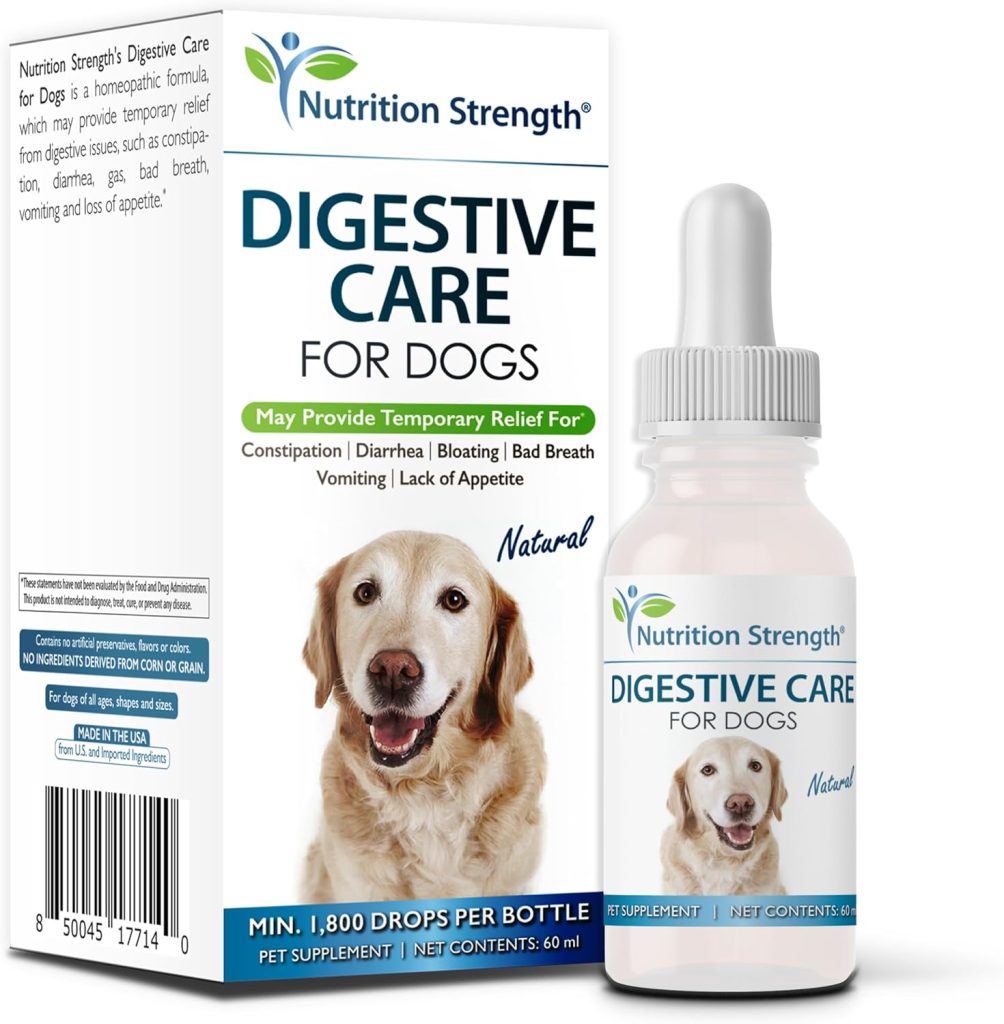
Nutrition Strength Digestive Care for Dogs
Nutrition Strength Digestive Care for Dogs, Natural Constipation Relief for Dogs and Puppies & Support for Diarrhea, Bloating, Bad Breath, Vomiting,…
The Vomit Vocabulary: What That Puddle Really Means
Not all vomit is created equal. Its color and texture are like a secret code.
| What You See | What It’s Probably Telling You |
|---|---|
| Yellow Foam/Liquid | That’s bile. It usually means their stomach is empty and they’re throwing up digestive juices. Common if they skip a meal. |
| White, Frothy Foam | This is often stomach acid and saliva. It can mean acid reflux or general irritation. My dog gets this if he’s gone too long between meals. |
| Blood (Red or Brown Grains) | Okay, listen up. This is serious. Red means fresh bleeding. Dark, coffee-ground-like stuff means older bleeding in the stomach. Call the vet now. |
| Whole Food, Hours Later | This could mean they ate too fast (my Labrador is a champion at this), or it could signal a blockage if it keeps happening. |
The Scoop on Poop: A Dog Vomiting and Diarrhea Decoder
The other end of the problem has its own story to tell.
| What You See | What It’s Probably Telling You |
|---|---|
| Watery Explosion | This points to major intestinal upset and a high risk of dehydration. It’s a sign things are pretty intense in there. |
| Soft-Serve or “Cow Pie” | Annoying, but usually less alarming. Often linked to a simple dietary mistake or a bit of stress. |
| Weird Colors (Yellow/Green) | This can happen when food races through the gut too fast, often due to a food intolerance or irritation. |
| Black, Tarry Stool | This is a major warning sign. This tarry, black stool (called melena) means there’s digested blood, likely from the stomach or upper intestines. Vet time. |
| Mucus or Jelly-like Stuff | This often indicates irritation in the colon. It’s the intestine’s lining getting inflamed. |
| Bright Red Blood Streaks | This usually points to issues in the lower bowels, like colitis. It’s less dire than black stool but still needs a vet’s attention. |
The Root of the Problem: What Triggered This Mess?
To fix the problem, we need to find the cause. Dog Vomiting and Diarrhea. Let’s look at the usual suspects, from the harmless to the downright dangerous.
The Minor Leaguers (Usually Not a Crisis)
These are the most common reasons for a sudden, one-off episode.
- Dietary Indiscretion (A Fancy Term for Eating Garbage): Let’s be real, dogs have questionable tastes. Raiding the trash, eating a dead thing on a walk, or snagging a greasy burger wrapper—it’s all fair game to them. This is the number one cause of upset stomachs in my house.
- Stress Tummy: Just like people, dogs feel stress in their gut. A thunderstorm, fireworks, a new baby, a move, or even a trip to the kennel can send their digestion into a tailspin.
The Heavy Hitters (Time to Call the Pros)
When symptoms are severe or persistent, think about these more serious causes.
- Infections: This is a big category. It includes scary viruses like Parvo (especially for puppies), bacteria like Salmonella, and pesky parasites like giardia or worms.
- Poisoning: This is every owner’s nightmare. Common toxins include chocolate, xylitol (in sugar-free gum and some peanut butters), certain plants, antifreeze, and human medications.
- A Blockage (Foreign Body): Dogs explore with their mouths. Sometimes, that means swallowing things that don’t belong—socks, underwear, toys, corn cobs. These can create a life-threatening intestinal blockage.
- Underlying Diseases: Sometimes, Dog Vomiting and Diarrhea are symptoms of a deeper issue, like kidney disease, liver problems, pancreatitis (often from a fatty meal), Inflammatory Bowel Disease (IBD), or other chronic conditions.
The Ultimate Question: When to Panic and Call the Vet
This is it. The most important part of this guide. Bookmark this section. If you see any of these red flags, don’t wait. Your quick action could save your dog’s life.
- The Clock is Ticking: Vomiting doesn’t stop after 12 hours. Dog Vomiting and Diarrhea continues for more than 24 hours. Or, they’re having multiple episodes in a single hour.
- You See Blood: Any blood, in vomit or stool, is an automatic green light for a vet visit. No debate.
- Your Dog “Just Isn’t Right”:
- They’re listless, weak, or collapsed. This is more than just being tired.
- They seem dehydrated. Do the “skin tent” test: gently pinch the skin on their neck. If it doesn’t snap back instantly, they need help.
- They are a puppy, a senior, or a very small breed. These guys have less reserve and crash faster.
- They have a known health issue like diabetes or kidney problems.
- Other Major Alarms:
- You know they ate something poisonous.
- Their belly is bloated, hard, and painful to the touch. This could be bloat (GDV), a deadly emergency.
- They’re struggling to breathe.
- They’re completely refusing food and water.
A final piece of advice from one dog lover to another: You know your dog better than any website or app ever could. Dog Vomiting and Diarrhea, If that little voice in your head is telling you something is wrong, listen to it. It’s always, always better to make that phone call and be told it’s nothing, than to wait and regret it.
From Home Care to Hospital Visits – Your Action Plan
So your dog is sick, but maybe not “red flag” sick. You’re in that worrying gray area where you’re not sure if you should ride it out or rush to the vet. I’ve spent many sleepless nights in this exact spot, watching over a sick dog and wondering if I’m doing the right thing.
Let’s talk about what you can safely do at home, when home care isn’t enough, and what actually happens when you take your dog to the vet. Having this knowledge transformed me from a panicked owner to a prepared one, and I want to share that confidence with you.
The Home Care Playbook: Your First Line of Defense
Important: This advice is ONLY for dogs who are otherwise alert, hydrated, and not showing any of the emergency red flags we discussed in Part 1. When in doubt, call your vet first.
Step 1: Give the Gut a Break
The first and most crucial step is to temporarily withhold food. I know it feels counterintuitive—our instinct is to nourish them—but their digestive system needs rest.
- The Rule: A 12-24 hour fast for adult dogs. No food, but plenty of access to water.
- The Exception: For puppies, small breeds, or dogs with health conditions, never fast beyond 12 hours without checking with your vet. They have fewer energy reserves and can crash quickly.
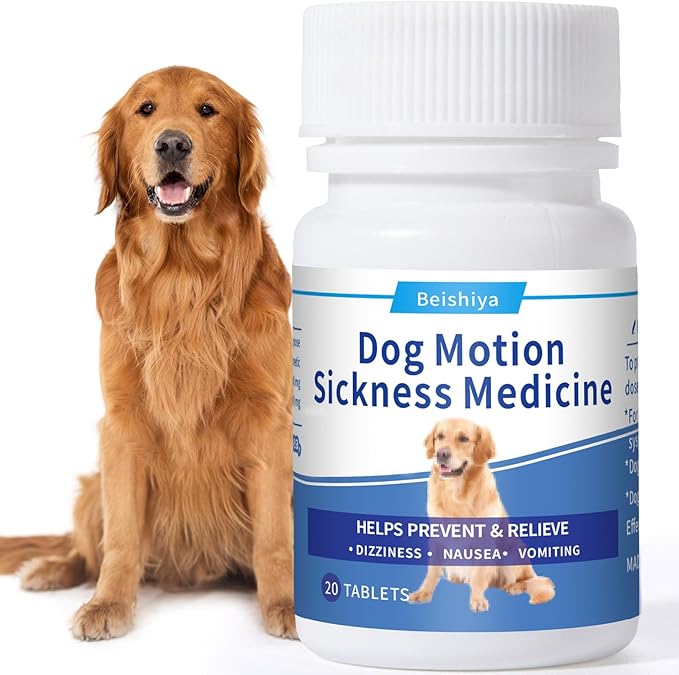
Dog Vomiting and Diarrhea
Beishiya Anti Car Sickness for Medium Dogs, 20 Tablets, Dog Motion Sickness Medicine to Relieve Nausea, Vomiting, Drooling, Working Quickly Motion Sickness…
Step 2: The Hydration Game
Dehydration is your real enemy here. The goal is to get fluids in without triggering more vomiting.
- Small & Steady Wins the Race: Instead of letting them gulp a whole bowl, offer small amounts of water frequently—a few tablespoons every 15-20 minutes.
- Get Creative: Ice cubes are my secret weapon. Let them lick them from your hand or from a bowl. It delivers water slowly and can be soothing. You can even make ice cubes from low-sodium chicken broth for extra encouragement.
- The Skin Test: Keep checking that skin tent on their neck. If it’s not snapping back, they’re losing the hydration battle.
Step 3: The Bland Diet Comeback
After the fasting period, if the vomiting has stopped, it’s time for the most famous canine remedy in the book: the bland diet.
- The Classic Recipe: Plain, boiled, skinless chicken breast cut into small pieces, mixed with an equal part of plain white rice. No salt, no butter, no oils.
- Portion Control: Offer a small amount—maybe a quarter of their normal meal size. The first meal is a test.
- Pace Yourself: If they keep that down, you can offer another small meal in a few hours. Feed small amounts 3-4 times a day for the first day or two.
Step 4: The Slow Return to Normal
Don’t switch back to regular kibble all at once! That’s a surefire way to restart the whole messy cycle.
- The Transition: Over 2-3 days, slowly mix their regular food in with the chicken and rice, increasing the kibble and decreasing the bland diet with each meal.
- Listen to Their Gut: If symptoms return, go back to the bland diet for another 24 hours before trying again.
What NOT to Do: Common Mistakes Well-Intentioned Owners Make
I’ve learned these lessons the hard way so you don’t have to:
- Never Give Human Medications: Drugs like Pepto-Bismol or Imodium can be toxic to dogs. Dosages are completely different, and some ingredients are outright dangerous.
- Don’t Force-Feed: If they’re not interested, forcing food can cause more harm than good.
- Avoid Dairy: You might think yogurt is good for the gut, but many dogs are lactose-intolerant, and dairy can worsen Dog Vomiting and Diarrhea.
When Home Care Isn’t Enough: The Veterinary Visit
If your dog isn’t improving, or if those red flags appear, it’s time to seek professional help. Knowing what to expect can make a stressful situation feel more manageable.
The Detective Work: What Your Vet Needs to Know
Your vet will start by playing detective, and you are their key witness. Be ready to answer:
- When did the symptoms start?
- How many times have they vomited/had Dog Vomiting and Diarrhea?
- Can you describe what it looks like? (Use those guides from Part 1!)
- Has there been any change in diet or could they have gotten into anything?
- Are they still drinking water? Trying to eat?
- What is their normal energy level versus now?
The Diagnostic Toolkit: Finding the Root Cause
Based on the exam, your vet might recommend some tests to rule out serious issues. This isn’t just guesswork; it’s a systematic process.
| Common Test | What It Reveals |
|---|---|
| Fecal Exam | Checks for hidden parasites like giardia, worms, or bacterial overgrowth. |
| Blood Work | Looks at organ function (kidneys, liver, pancreas), red/white blood cell counts, and hydration status. |
| X-Rays (Radiographs) | Can reveal foreign objects, blockages, or abnormalities in the size and shape of organs. |
| Ultrasound | Provides a detailed look at the layers of the intestinal wall and can spot things X-rays might miss, like a linear foreign body. |
Inside the Vet’s Office: Common Treatments for a Sick Dog
Hearing the vet list off potential treatments can be overwhelming. Dog Vomiting and Diarrhea, Let’s break down what these common interventions actually do.
1. Fluid Therapy: The Ultimate Hydration Boost
This is often the first and most important step. If your dog is dehydrated, no amount of drinking at home will catch them up.
- Subcutaneous Fluids (Sub-Q): A needle is used to place fluid under the skin, which the body then slowly absorbs. It’s like creating a hydration reservoir. This is common for mild to moderate dehydration.
- Intravenous Fluids (IV): For severe dehydration, an IV catheter delivers fluids and electrolytes directly into the bloodstream. This works fast and is essential for dogs in shock or with persistent vomiting.
2. Medications: Targeting the Symptoms
Your vet has a toolkit of safe, dog-specific medications:
- Anti-nausea drugs (like Cerenia) work wonders to stop the vomiting cycle and make your dog feel immediately better.
- Antacids can soothe stomach ulcers and reduce acid.
- Antibiotics are only prescribed if a bacterial infection is suspected.
- Dewormers are given if parasites are the confirmed culprit.
3. Supportive Supplements: Restoring Gut Health
- Probiotics: These are “good” bacteria that help repopulate the healthy gut flora that gets wiped out by Dog Vomiting and Diarrhea. Many vets recommend starting a probiotic after the acute phase has passed to aid long-term recovery.
- Prebiotics: These are specialized fibers that feed the good bacteria, helping them thrive.
4. Hospitalization & Surgery: For the Most Severe Cases
- Hospitalization is necessary for dogs who need continuous IV fluids, medication, and monitoring, such as those with Parvovirus or pancreatitis.
- Surgery is the only solution for a confirmed intestinal blockage. The vet will operate to remove the foreign object before it causes the bowel to die.
Recovery Roadmap and Prevention Strategies
Watching your dog slowly return to their playful, tail-wagging self after a bout of sickness is one of the most relieving feelings a pet owner can experience. But the journey isn’t over once the symptoms stop. The recovery phase is crucial, and it’s also the perfect time to think about how to prevent this from happening again.
I’ve learned that a proactive approach is worth its weight in gold—or, in this case, worth its weight in uneaten socks and un-raided trash cans. Let’s talk about how to strengthen your dog’s digestive health for the long haul.
Navigating the Road to Recovery
When your dog is finally feeling better, Dog Vomiting and Diarrhea, it’s tempting to immediately return to your old routines. But patience is your best friend during this phase.
The First 72 Hours: Taking It Slow
Even after your dog’s energy returns, their digestive system is still healing. Think of it like recovering from a stomach flu—you wouldn’t immediately go for a spicy curry.
- Stick with the Bland Diet for at least 2-3 days after symptoms completely resolve.
- Gradual Transitions Are Key: When switching back to regular food, do it slowly over 3-4 days. Start with 25% kibble/75% bland food, then 50/50, then 75/25, before returning to 100% regular food.
- Monitor Closely: Keep an eye on their stool consistency and energy levels. Any backsliding means you should return to the bland diet for another day or two.
The Role of Probiotics in Recovery
After Dog Vomiting and Diarrhea, your dog’s gut microbiome—the community of beneficial bacteria—needs help. I always keep a vet-recommended probiotic on hand. These supplements introduce good bacteria back into the digestive system, which can:
- Restore healthy gut flora
- Improve nutrient absorption
- Strengthen the immune system
- Help prevent future digestive issues
When to Resume Normal Activities
- Exercise: Gradually reintroduce physical activity. Start with short, gentle walks and avoid vigorous play or running for at least a week.
- Socialization: Hold off on dog parks or playdates until your dog has been completely symptom-free for several days to prevent spreading any potential infection.
Building a Fortified Future: Prevention is Everything
The real victory comes from preventing these episodes from happening in the first place. Here’s how to build a strong foundation for your dog’s digestive health.
Diet Management: More Than Just Kibble
What your dog eats daily forms the foundation of their digestive health.
- Consistency Counts: Sudden diet changes are a common trigger for stomach upset. If you need to switch foods, do it gradually over 7-10 days.
- Quality Matters: Invest in a high-quality, nutritionally balanced dog food appropriate for your dog’s age, size, and activity level. Look for named protein sources as the first ingredients.
- Treat Smart: Avoid fatty table scraps and human food. Many “people foods” are too rich for dogs and can cause pancreatitis. Stick to dog-specific treats and limit them to no more than 10% of their daily calorie intake.
- The Slow Feeder Solution: If your dog gulps their food, consider a slow-feeder bowl. This simple tool can prevent vomiting from eating too quickly and reduces the risk of bloat.
Environmental Management: Creating a Safe Space
Dogs explore with their mouths, so our homes need to be puppy-proofed.
- The Trash Can Fortress: Use secure, lidded trash cans or keep them in locked cabinets. The garbage is a treasure trove of digestive disasters waiting to happen.
- Toxin Awareness: Know what’s poisonous to dogs—chocolate, xylitol, grapes, raisins, certain plants, and household cleaners. Keep these completely inaccessible.
- Toy Inspection: Regularly check toys for wear and tear. Remove any that are breaking apart or have small parts that could be swallowed.
- The “Leave It” Command: This is one of the most valuable commands you can teach your dog. A reliable “leave it” can prevent them from picking up dangerous items during walks.
Routine Healthcare: Your First Line of Defense
- Vaccinations: Keep your dog’s vaccinations current, especially for preventable diseases like Parvovirus, which causes severe, often fatal Dog Vomiting and Diarrhea.
- Parasite Prevention: Maintain a regular deworming schedule and use preventive medications for parasites like giardia, which are common causes of digestive issues.
- Regular Check-ups: Annual veterinary exams can catch underlying health issues before they become serious problems.
Stress Reduction: Because Anxiety Hits the Gut
Just like humans, dogs can experience stress-related digestive issues.
- Create Safe Spaces: Ensure your dog has a quiet, comfortable place to retreat during stressful situations like thunderstorms or parties.
- Consistent Routines: Dogs thrive on predictability. Try to maintain consistent feeding, walking, and bedtime schedules.
- Anxiety Aids: For dogs with significant anxiety, talk to your vet about solutions like calming supplements, anxiety wraps, or behavioral training.
Conclusion: Your Role as Your Dog’s Best Advocate
We’ve covered a lot of ground—from recognizing emergency signs to providing home care, understanding veterinary treatments, and implementing prevention strategies. If you take away only one thing from this guide, let it be this: you are your dog’s greatest healthcare advocate.
Your dog can’t tell you what’s wrong, but they communicate through their behavior and symptoms. By learning to read these signals, you become their voice. Remember:
- Trust your instincts—if something feels wrong, it probably is
- When in doubt, call your veterinarian
- Prevention is always better than treatment
- Your knowledge and quick action can make all the difference
Having a Dog Vomiting and Diarrhea is stressful, but now you’re equipped with the knowledge to handle these situations with confidence. Here’s to many happy, healthy days ahead with your four-legged friend!