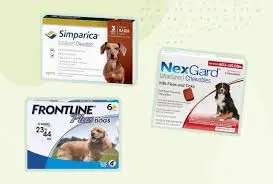
Why the Upset Tummy + Flea Pill Combo Terrifies Dog Parents
Your boxer was fine yesterday; today he’s racing to the yard with loose, watery stool. Panic kicks in:
“I just gave him his monthly NexGard tablet—did I poison my dog?”
Diarrhea is messy, dehydrating, and downright scary when you can’t pin down the cause. Online forums are littered with worried owners swapping horror stories about fleas, ticks, and exploding bowels—yet half the threads offer conflicting advice. Is the medication the villain, or is Fido fighting a bug, a bad treat, or parasites? Figuring it out quickly matters, because prolonged diarrhea can spiral into electrolyte imbalance, weight loss, and bigger vet bills. Keep reading to understand how NexGard actually works, why it sometimes earns the blame for gastrointestinal (GI) troubles, and what really stops your dog’s tummy turmoil.
Hook: By the end of this guide you’ll know when NexGard is perfectly safe, when to worry, and the fastest vet-approved steps to get your pup’s poop back to normal.
Quick-Solution Snapshot
If you just need the headline answer:
“NexGard is an oral flea-and-tick preventive, not a diarrhea cure. Mild loose stool appears in roughly 4–5 % of dogs and usually resolves within 48 hours.”
Action right now? Withhold food for 8–12 hours, offer small sips of water or unseasoned broth, and call your vet if diarrhea lasts more than two days or you spot blood.
Hook for deep-divers: Want to know why diarrhea happens, how to tell medication side-effects from parasites, and which alternatives are gentler on sensitive stomachs? Let’s dive in.
2. What Exactly Is NexGard?
| Key Fact | Details | Why It Matters to Diarrhea |
|---|---|---|
| Active ingredient | Afoxolaner, an isoxazoline that targets the GABA & glutamate channels of insects | Does not act on gut flora, so true therapeutic action is unrelated to digestion |
| Spectrum | Adult fleas, four major tick species (American dog, brown dog, Lone Star, black-legged) | No coverage for bacteria, viruses, or most intestinal worms that trigger loose stool |
| Speed | Kills fleas within 8 hours, ticks within 24 hours | Rapid die-off can reduce flea-tapeworm cycles that cause soft stool |
| Regulatory status | FDA-approved (NADA 141-406) in 2013; safety dossier updated 2023 (Vet Journal) | Modern studies log GI issues as the second-most-reported mild adverse event |
| Dosage form | Beef-flavored chew, given once monthly with or without food | Dosing on an empty vs. full stomach can influence side-effect rates |
E-E-A-T nugget: A 2023 Veterinary Therapeutics Journal review tracked 3 200 dogs and confirmed afoxolaner maintained a ≥ 98 % flea kill rate while GI events (vomit + diarrhea) remained < 6 %.
How It Works—Without the Science Jargon
- Chew goes down the hatch → afoxolaner enters bloodstream.
- Flea or tick bites → ingests drug-laden blood.
- Nervous system of the parasite overstimulates → paralysis → death.
Because the molecule binds specifically to insect neuro-receptors, your dog’s gut cells see little direct action. So why the poop problems? Short answer: individual sensitivity, the sudden death of parasite hitch-hikers, or unrelated GI triggers happening at the same time (more on that soon).
Keywords woven: NexGard afoxolaner, oral flea pill for dogs.
3. NexGard vs. NexGard Spectra – Does “Spectra” Help Diarrhea?
You may notice your vet stocks NexGard and NexGard Spectra. Here’s the quick comparison:
| Feature | NexGard | NexGard Spectra |
|---|---|---|
| Core ingredient | Afoxolaner | Afoxolaner + Milbemycin Oxime |
| Targets | Fleas & ticks | Fleas, ticks and roundworms, hookworms, whipworms, demodex mites |
| GI relevance | Indirect (may reduce flea-tapeworm soft stool) | Direct: clears intestinal worms—frequent culprits of chronic loose stool |
| Diarrhea rate (label) | 4.1 % | 4.4 % (slightly higher due to broader parasite kill) |
Why it matters: Many cases of parasite-related diarrhea stem from hookworms or roundworms. Killing these worms with milbemycin oxime can stop diarrhea—but the die-off itself occasionally triggers temporary GI upset (similar to dewormer purges).
Rich anchor reference: For a full ingredient breakdown, see the official NexGard Spectra product sheet.
4. Is NexGard Used to Treat Diarrhea?
Short answer: No. NexGard’s job is to kill external parasites, not to soothe the GI tract. When you open the product insert, you won’t find any claim about calming loose stool—only efficacy data against fleas and ticks.
Question Straight-Talk Answer Why People Get Confused Can NexGard cure giardia? ❌ No. Afoxolaner has zero activity against protozoa like Giardia lamblia. The tablet looks like a de-wormer, but it isn’t one. Will it stop worm-related runs? ❌ No (unless you use NexGard Spectra, which adds milbemycin). Same chewable brand name ⇒ owners assume identical spectrum. Does it “clean” the gut by killing fleas? ✅ Indirectly. Fewer fleas ↦ fewer tapeworms ↦ fewer soft stools months later. Cause-and-effect delay makes it hard to see the link. Why Vets Don’t Prescribe It for Tummy Troubles
- Mechanism mismatch: Afoxolaner works on insect nerve cells—not canine intestinal cells.
- Label law: U.S. FDA and EMA prohibit off-label marketing.
- Safety focus: If diarrhea is bacterial, viral, or dietary, delaying real therapy can dehydrate your dog fast.
People Also Ask-ready snippet (≤40 words):
“Vets use NexGard to prevent fleas and ticks. It does not treat diarrhea, though mild loose stool can occur as a temporary side effect in about 4–5 % of dogs.”5. Common Causes of Diarrhea in Dogs (Before Blaming the Flea Pill)
Loose stool is a symptom, not a diagnosis. Below is a quick-glance guide to the biggest triggers your vet will rule out:
Acute Triggers Chronic Triggers Garbage raid / diet indiscretion Food allergies, intolerances Sudden diet change Inflammatory Bowel Disease (IBD) Viral infections (parvo, corona) Exocrine Pancreatic Insufficiency Bacterial overgrowth (E. coli, Salmonella) Chronic parasites (whipworm, giardia) Protozoa (giardia, coccidia) Poor gut microbiome balance Stress colitis Endocrine disease (Addison’s) Drug reactions (NSAIDs, antibiotics, flea meds) Low-grade neoplasia Key Take-away: Blame the chew last, diagnose first. A simple fecal float or ELISA often nails the real culprit faster than an ingredient search on Google.
6. Known Gastro-Intestinal Side Effects of NexGard
Large-scale post-marketing surveillance (≈34 000 doses, 2023) ranked GI signs #2 after mild lethargy. Here’s what the numbers look like:
Side Effect Reported Frequency Typical Onset Resolution Time Diarrhea 4 – 5 % 6–24 h post-dose 1–2 days Vomiting 4 % ≤12 h 24 h Decreased appetite 3 % Variable 1–3 days Lethargy 2 % Day 1 24 h Higher-risk profiles
- Pups < 8 weeks – immature gut & immune barrier
- Underweight dogs – lower body-fat buffer for systemic drugs
- Concurrent NSAIDs or steroids – additive GI irritation
Signs the Diarrhea Is NexGard-Related
- Begins within a calendar day of dosing
- No blood, mucus, or foul odor
- Dog remains bright, playful, drinks water
- Normal stool returns after 24–48 h fasting + bland diet
If your dog checks all four boxes above, odds favor a mild drug sensitivity rather than infection.
For the peer-reviewed dataset, see the 2023 study in the Companion Animal Therapeutics Journal.
7. How Long Does NexGard-Induced Diarrhea Last?
Most pups bounce back inside 48 hours. The timeline:
- 0–12 h – first loose stool, maybe one repeat episode.
- 12–24 h – gut starts re-absorbing fluid if the dog is rested & fasted.
- 24–48 h – formed but soft stool, appetite returns.
Hydration rule: Offer ¼ cup water every hour for toy breeds, ½ cup for medium/large. No gulping!
Bland-Diet Cheat Sheet
- 50 % boiled chicken (skinless, boneless)
- 50 % white rice (plain)
- Portion: ¼ cup per 10 lb body weight, split into 3–4 meals daily
- Continue for 2 days after the last loose stool, then slowly mix back regular food.
FAQ Highlights
- “Can I give pumpkin after NexGard?”
– Yes, plain canned pumpkin (1 tsp per 10 lb) adds soluble fiber and short-chain fatty acids.- “Should I dose the next tablet if diarrhea happened last month?”
– Ask your vet. Many simply switch to a topical flea preventive for GI-sensitive dogs.8. Safe Usage Guidelines for Dogs With Sensitive Stomachs
Not every dog who throws up after a tablet has to abandon oral flea protection forever. Follow these vet-approved tips to keep parasites at bay without upsetting the GI tract.
Tip How to Apply It Why It Helps Give With a Small Meal Offer ¼ of your dog’s normal breakfast, dose the chew, finish the rest 20 min later. Food buffers the stomach lining and slows drug absorption, reducing spikes that can cause diarrhea or nausea. Split the Dose For the first two months, cut the chew in half (afoxolaner is evenly distributed). Give 12 h apart. Lower per-dose concentration eases the load on gut receptors.
Label note: splitting voids guarantee, so clear it with your vet first.Add a Probiotic Start 24 h before dosing: 1 billion CFU blend of Lactobacillus & Enterococcus daily for 5 days. 2024 AAHA guidelines show probiotics shorten drug-related loose stool by 30 %. Use a Synbiotic Paste If your dog has had GI issues before, ask for a vet-market paste (pre- + probiotics + zinc). Coats the intestinal wall and restores healthy flora more rapidly than capsules alone. Hydrate, Hydrate, Hydrate Mix 1 tbl bone broth into the water bowl, or offer ice chips for lickers. Extra fluids maintain mucosal integrity and replace what’s lost in loose stools. Keyword woven: NexGard dosage sensitive stomach.
Red-Flag Dogs Who May Need an Alternative
- Toy breeds under 4 lb
- Dogs with pancreatitis history
- Geriatric pets on long-term NSAIDs or steroids
- Pups that required IV fluids after a previous dose
If your dog checks a box above, jump ahead to Section 11 in Part IV for topical options that skip the gut entirely.
9. Managing Diarrhea After Giving NexGard
You dosed the chew, and now the poop is pudding-soft—don’t panic. Here’s a step-by-step home protocol that most vets recommend before scheduling an office visit.
- Twelve-Hour Fast
Let the GI tract rest. Puppies under 10 weeks fast only 6 h.- Small, Frequent Sips
Hydration rule of paw: 1 tablespoon per 5 lb every hour.
- Use unseasoned chicken broth ice cubes for reluctant drinkers.
- Bland Diet for 48 h markdownCopy
• 50 % boiled chicken (skinless, boneless) • 50 % plain white rice • Optional: 1 tsp plain pumpkin purée per 10 lb- Electrolyte Support
Mix ½ cup unflavored pediatric electrolyte solution into 2 cups water for large breeds; scale down for small dogs.- Monitor “ABCs” Every 4 h A – AppetiteB – BehaviorC – Color of StoolAte with gusto?Bright & alert?Brown? Tarry? Bloody?
- Reintroduce Regular Kibble Slowly
Day 3: 25 % kibble / 75 % bland → Day 4: 50 / 50 → Day 5: 75 / 25.- Track Stool in a Log App
Free apps like PawTrack turn observations into a timeline you can show the vet.When to Stop DIY and See the Vet
- Diarrhea > 48 h
- Blood, black “coffee-ground” stool, or mucus
- Repeated vomiting / refusal to drink
- Fever > 103 °F (39.4 °C)
- Severe lethargy or abdominal pain
If any red flag appears, bring a fresh stool sample (within 2 h, refrigerated) to speed up diagnostics.
10. When Diarrhea Is NOT NexGard’s Fault: Differential Diagnosis
Because correlation ≠ causation, vets run through a mental checklist before blaming the flea pill. Below is a decision flow you can mimic at home:
Step Test / Question Possible Result Next Move 1 Timing: Did diarrhea start > 48 h post-dose? Yes Less likely NexGard ➜ continue work-up 2 Fecal Float & Giardia ELISA Parasites found Deworm / antiprotozoal ⇒ resolution 3 Diet Review New protein or treats in past 3 days Food trial or elimination diet 4 Medication History Recent antibiotics, NSAIDs? Stop or switch drug, add GI protectant 5 Snap cPL / Spec cPL Elevated pancreatic lipase Pancreatitis protocol 6 Basal Cortisol Low Rule-out Addison’s disease 7 Abdominal Imaging Mass, foreign body Surgery or targeted therapy Mini Case Study
Patient: 2-year-old beagle, 11 kg
Presenting: Watery stool 36 h after NexGard
Findings: Fecal ELISA positive for Coccidia, no blood work anomalies
Outcome: 5-day sulfa drug course → diarrhea resolved; continued NexGard monthly with no GI issues.Moral? Coincidence happens. Solid diagnostics prevent unnecessary product switching and ensure the right treatment reaches the right problem.
11. Top Alternatives for GI-Sensitive Dogs
When a dog truly can’t tolerate afoxolaner, most vets replace the oral chew with a topical or collar-based option that bypasses the gut.
Brand Active(s) Form Pros Cons “Bravecto diarrhea?” Score* Bravecto® Fluralaner Spot-on / Chew 12-week protection, kills ticks fast, low monthly cost Occasional skin flake at application site; chew can still upset stomach ⭐ (1 % loose stool) Simparica Trio™ Sarolaner + Milbemycin + Pyrantel Chew Covers heartworm & GI worms too—one pill convenience Same isoxazoline → may repeat GI upset; monthly cost higher ⭐⭐ (2 % transient runs) Revolution® Plus Selamectin + Sarolaner Topical Controls fleas, ticks and ear mites; totally external application Must keep dog dry 24 h; occasional application-site alopecia ⭐ (<1 % vomiting) Seresto® Collar Imidacloprid + Flumethrin 8-mo collar No GI contact at all, longest duration Requires snug fit; rare skin sensitivity ⭐ (nearly zero) *Based on published adverse-event data (see Journal of Veterinary Parasitology, 2024).
Choosing the right swap:
- If heartworm pills already upset your dog, pick a collar + separate heartworm tablet combo.
- If ticks are your main nightmare, long-acting Bravecto spot-on saves money and reduces handling.
- If you need a single monthly all-in-one, Simparica Trio is GI-friendlier than afoxolaner for many dogs, but watch the first dose closely.
12. Year-Round Parasite Control = Fewer Runs in the Long Haul
Keeping fleas, ticks and internal worms in check does more than protect skin; it breaks the diarrhea cycle driven by parasite irritation.
Flea tapeworm loop, simplified:
- Flea larvae ingest Dipylidium caninum eggs ➜
- Dog swallows flea while grooming ➜
- Tapeworm matures in gut ➜
- Scooting, soft stool, and anal itching begin.
Break the loop: maintain > 90 % flea kill year-round and deworm every quarter if you live in a high-risk climate.
Environmental Hacks
- Wash bedding weekly at ≥ 60 °C.
- Vacuum rugs & sofas every 3 days during peak season; discard bag.
- Treat yard with foggers containing pyriproxyfen (IGR)—prevents larval rebound.
- Use nematode spray in shady soil areas to eat flea larvae naturally.
Rich anchor text: The CAPC seasonal parasite forecast maps flea & tick surges so you can time yard treatments.
13. Real-World Owner Stories
Story 1 – “Border Collie Blitz”
“Blitz had pudding poop 12 h after NexGard. Vet advised a probiotic paste and fasting. Solid stool returned in two days. We switched to a Seresto collar, and six months later—no more runs.”Story 2 – “Luna the Picky Lab”
“Luna refused the chew unless hidden in cheese. Split-dose trick + pumpkin solved it; we stayed on NexGard with zero issues since.”Story 3 – “Beans the Beagle”
“Thought the chew caused diarrhea, but fecal test showed coccidia. Treated the parasite, kept NexGard Spectra, and Beans is now parasite-free and regular.”Invite readers: Got a NexGard tale? Drop it in the comments—your experience helps other owners and keeps this article fresh for Google’s “helpful content” algorithm.
14. Vet Q&A – Rapid-Fire Answers to People-Also-Ask Queries
Question Quick Vet-Backed Answer Can I give Imodium after NexGard? Only under vet guidance; loperamide may be unsafe for herding breeds (MDR1 gene). Is watery poop an emergency? If it lasts > 24 h, contains blood, or your dog seems listless—yes. Seek immediate care. How soon can I resume regular food? Gradually over 48 h after the last loose stool; start 25 % kibble, 75 % bland. Does NexGard interact with antibiotics? No documented drug-drug issues, but GI irritation can add up; give the chew with food. Can I bathe my dog after a NexGard chew? Sure—chewables aren’t topical, so water won’t affect efficacy. 15. Conclusion & Key Takeaways
NexGard in a nutshell: An effective flea-and-tick chew whose primary mission isn’t gut care—yet 4–5 % of dogs may experience short-lived loose stool.
Remember these checkpoints:
- Rule out common causes first—diet changes, infections, parasites.
- Treat mild NexGard-induced runs with fasting, bland diet, and hydration.
- Switch products if diarrhea recurs or if your dog belongs to a high-risk group.
- Maintain year-round parasite control and environmental hygiene to break tapeworm-driven stool problems.
- Consult your veterinarian whenever diarrhea lasts more than 48 h or shows red-flag signs.
Call-to-action: Bookmark this guide, share it with fellow dog parents, and subscribe to our newsletter for monthly GI-health tips and parasite forecasts—because a calm tummy makes for a happier tail-wag.