Bordetella Vaccine Side Effects in Puppies. You just brought your puppy home from the vet. You expected the usual whirlwind of energy, but instead, you’ve got a little snoozing lump on the couch. Maybe they let out a tiny sneeze on the car ride home. Suddenly, your mind starts racing. Did I make a mistake? Is this normal?
If this sounds familiar, take a deep breath. You’re not alone in that feeling. Watching your lively pup act out of character is enough to make any pet parent nervous. But more often than not, what you’re seeing is a textbook example of a puppy’s body doing exactly what it’s designed to do: building protection.
The Bordetella Vaccine Side Effects in Puppies is a routine part of puppyhood for a very good reason—it’s the front-line defense against kennel cough, a miserable and highly contagious respiratory bug. And while it’s generally very safe, it’s not uncommon for puppies to have a temporary, mild reaction.
Bordetella Vaccine Side Effects in Puppies. Let’s talk through what you can typically expect over the next day or two. I’ll walk you through the common, harmless side effects, explain why they happen, and give you a clear idea of what’s a “wait-and-see” situation versus what warrants a quick call to your veterinarian. My hope is to replace that knot of anxiety in your stomach with a solid dose of reassurance.
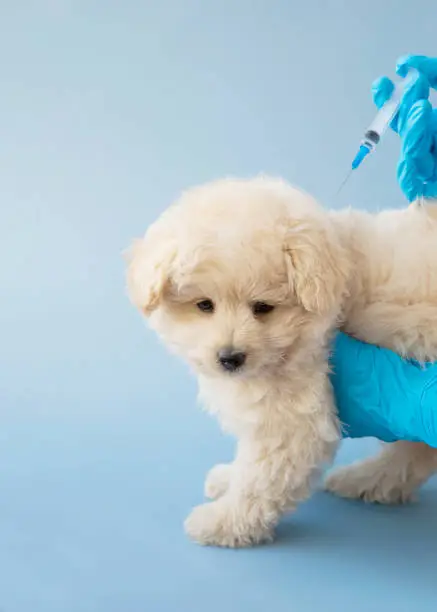
1. It’s Not a Bug; It’s a Feature: Why Bordetella Vaccine Side Effects in Puppies React
To ease your mind, it helps to understand what’s actually happening inside your puppy after that vet visit. A Bordetella Vaccine Side Effects in Puppies isn’t an invisible cloak; it’s more like a boot camp for the immune system.
Think of it this way: the Bordetella Vaccine Side Effects in Puppies gives your pup’s body a “mugshot” of the Bordetella bacteria, but in a completely harmless form. It’s a drill instructor showing the new recruits exactly who to look for. This training exercise forces the immune system to learn, adapt, and create a specific defense plan (in the form of antibodies). All that internal hustle and bustle requires a surprising amount of energy, which is the most common reason your puppy might seem to have run out of steam.
Here’s another piece of the puzzle that often surprises owners: the Bordetella Vaccine Side Effects in Puppies can be delivered in a few different ways, and the method can influence the reaction.
- The Nose Drops (Intranasal): This version is squirted directly into the nostrils. Its goal is to set up a security system right at the primary entry point for kennel cough—the nose and throat.
- The Oral Liquid: Given by mouth, it works on a similar principle, targeting the mucosal immune system.
- The Classic Shot (Injectable): This is the under-the-skin injection we’re all familiar with, which triggers a more widespread, whole-body immune response.
This explains why a puppy who got the nasal spray might start sneezing (a local reaction at the site), while a puppy who got the shot might feel generally tired or have a tender spot on their leg (a systemic response).
So, when you see your pup taking an extra-long nap, try to see it as a sign of success. That quiet lethargy is the sound of their internal army efficiently gearing up for battle.
Bordetella Vaccine
2. The “Nothing to Worry About” List: Common Bordetella Vaccine Side Effects in Puppies Reactions
Now, let’s get into the specifics. What are the typical, harmless side effects that countless puppies experience? The list below isn’t a list of things going wrong; it’s a list of things going exactly according to plan.
Here’s a breakdown of what you might see and why it’s likely not a cause for concern:
| What You’re Seeing | The Simple Explanation | Typical Timeline |
|---|---|---|
| The Couch Potato Phase | Their system is channeling all its energy into building immunity. It’s like being wiped out after a big workout. | Usually just a day, maybe two. |
| Sneezes & Sniffles | Extremely common with the nasal spray! The body is just clearing a mild, local irritation from the nostrils. | Can come and go for several days. |
| A Tender Bump | A classic reaction to the shot itself. It’s a small, localized inflammation that will fade. | The tenderness lasts 1-2 days; a small, firm lump might stick around a bit longer but should shrink. |
| A Little Less Hungry | A mild fever or general malaise can temporarily curb their appetite. | It’s fine if they skip a meal, but they should still be drinking. |
How to Be Your Puppy’s Hero
While these side effects are temporary and harmless, you can still play a key role in making your pup more comfortable as they ride it out.
- Embrace the Quiet. This is not the time for a trip to the dog park or a rigorous training session. Let them rest undisturbed. Their body is doing important work.
- Water is Their Best Friend. Keep that water bowl full and fresh. Good hydration is crucial, especially if they’re feeling a bit warm.
- Don’t Force a Feast. If they’re not excited about their kibble, that’s okay for a meal or two. You can try offering something bland and enticing, like a little plain, boiled chicken breast or white rice.
- Provide a Cozy Retreat. A soft bed in a quiet part of the house is the perfect place for them to recuperate in peace.
In almost every case, these minor reactions are a small price to pay for weeks of protection. You’ll likely see that playful glint return to their eyes and that tail start wagging again before you know it.
Knowing When It’s More Than Just a Lethargic Puppy
Let’s face it—reading about common side effects is one thing, but staring at your own lethargic puppy can still tie your stomach in knots. You start wondering, “Is this too lethargic?” or “Was that sneeze a normal one, or something worse?”
Trust me, every good pet parent has been there. While most puppies bounce back quickly, it’s smart to know which signs suggest you should stop watching and start calling your vet.
3. Beyond the Basics: Signs That Need a Vet’s Attention
Let’s talk about the stuff that goes beyond typical Bordetella Vaccine Side Effects in Puppies fatigue. These aren’t the common snuffles we discussed earlier. These are clearer signals that your puppy’s body isn’t just responding—it’s struggling.
Here’s what should prompt you to pick up the phone:
- Their Tummy Rebels. A single bout of vomiting or loose stool might not spell disaster, especially if a nervous puppy gulped their breakfast too fast. But when it becomes a pattern—when they can’t keep water down or have repeated diarrhea—it’s a different story. For a small puppy, dehydration can become dangerous surprisingly fast.
- Their Face Changes. This one can be startling. If you notice swelling around your puppy’s eyes, muzzle, or ears, or see raised, itchy welts (hives) popping up on their skin, it’s a strong indicator of an allergic reaction. This isn’t a “wait-and-see” situation.
- They Can’t Catch Their Breath. This is the big one. If your puppy starts wheezing, seems to be working hard to breathe, or—in a worst-case scenario—becomes weak or collapses, it’s a five-alarm fire. Don’t call—just grab your keys and get to the nearest emergency animal hospital. This is a true medical emergency.
- The Lethargy Has No End. Remember, a day or two of extra napping is standard. But if your pup is still a total limp noodle after 48 hours with no sign of perking up, or if they’re completely refusing food for more than a day, give your vet a ring. It might not be the Bordetella Vaccine Side Effects in Puppies itself, but a sign they’ve caught a separate bug.
Look, the odds of seeing any of this are slim. But if you do, your job is simple: err on the side of caution. Veterinarians are never annoyed by a concerned owner. They’d much rather you call and have it be nothing than stay silent and have it be something.
4. The Sniffles and Sneezes: Demystifying the Nasal Spray
If your vet used the squirt-up-the-nose Bordetella Vaccine Side Effects in Puppies , there’s a whole other set of perfectly normal reactions that can look alarming if you’re not expecting them.
Let’s talk about the sneezing. I mean, really sneezing. It might seem like your puppy is trying to launch their own snout across the room. This is, ironically, a sign the Bordetella Vaccine Side Effects in Puppies is working exactly as designed. The body’s natural reaction to something tickling the deep nasal passages is to blast it out. This localized response is what builds such effective immunity right at the gates where kennel cough tries to enter.
Now, here’s a term that often gets misunderstood: “shedding.” Sounds a bit scary, right? In reality, it’s pretty straightforward. For a few days after the nasal Bordetella Vaccine Side Effects in Puppies , your puppy might release tiny, harmless particles of the weakened Bordetella Vaccine Side Effects in Puppies virus when they sneeze or have a runny nose.
Here’s what that means for your household:
- For most healthy, vaccinated dogs: This is a complete non-issue. Their immune systems shrug it off without a second thought.
- For a special few: If you have an elderly dog, a very young litter of newborns, or a pet with a severely compromised immune system (say, from cancer treatment), it’s a kind gesture to limit super close, face-to-face snuggles for about 4-5 days. It’s not about quarantine, just about being considerate.
5. The Waiting Game: How Long Should This Really Last?
It’s the question every owner is asking by the second day: “Is this ever going to end?” Having a rough timeline in your head can be a huge comfort.
Let’s break it down:
- The General Malaise: The classic lethargy, soreness, and general “blah” feeling should be a short-lived performance. You ought to see a clear turn for the better within a day or two. They should start showing flickers of their old selves—maybe a tail wag when you grab the leash, or interest in a favorite toy.
- The Nasal Fanfare: The sneezing and runny nose from the intranasal Bordetella Vaccine Side Effects in Puppies get a bit more leeway. It’s perfectly normal for this to linger for several days, sometimes up to five. The key is that it should be mild and not getting progressively worse.
- The Tipping Point: So, when does “normal” become “concerning”? If any symptom—whether it’s fatigue, sneezing, or a poor appetite—sticks around for more than three or four days without any improvement, or if it intensifies, it’s time to loop in your vet. At that point, it’s less likely to be the Bordetella Vaccine Side Effects in Puppies and more likely that your pup has coincidentally picked up another bug that needs diagnosis.
Think of the Bordetella Vaccine Side Effects in Puppies reaction as a brief, minor detour. If the journey back to health seems to be taking too long, it’s wise to ask for directions.
Putting It All Together – Your Peace of Mind Guide
We’ve covered what’s normal and what’s not after Bordetella Vaccine Side Effects in Puppies. But let’s be real—when it’s your own furry friend who’s under the weather, it’s natural to step back and wonder: “Was this really the right call?”
That moment of doubt is completely normal. Every good pet parent experiences it. So let’s take a broad view and tackle those final questions still bouncing around in your head.
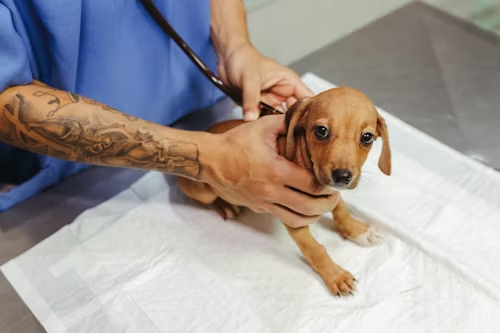
6. The Real Story: Bordetella Vaccine Side Effects in Puppies Risks vs. Kennel Cough Reality
I want you to try a quick mental exercise. Imagine two scenarios for your puppy:
Scenario A (The Bordetella Vaccine Side Effects in Puppies Path): Your pup spends about 48 hours being sleepier than usual. They might sneeze a few times. You provide extra cuddles and a cozy bed. By day three, they’re mostly back to normal.
Scenario B (The Kennel Cough Path): Your pup develops a harsh, relentless cough that sounds like a goose honk. This continues for two to three weeks, interrupting their sleep—and yours. There’s a real chance it could develop into pneumonia, requiring emergency vet visits, X-rays, and multiple medications.
When you lay it out like that, the choice becomes pretty clear, doesn’t it?
The temporary side effects we’ve been discussing are simply no match for the misery and potential danger of actual kennel cough. I’ve seen plenty of puppies with kennel cough in the clinic, and it’s heartbreaking—they’re exhausted from coughing but can’t get proper rest.
The Bordetella Vaccine Side Effects in Puppies isn’t about perfection; it’s about practical protection. It transforms what could be a severe respiratory infection into, at its very worst, a minor blip on your puppy’s health radar.
For social puppies who will be exploring the world, this Bordetella Vaccine Side Effects in Puppies isn’t just another item on the checklist. It’s what allows them to safely be the curious, playful dogs they’re meant to be.
Bordetella Vaccine
7. Straight Answers to Your Biggest Concerns
Let’s tackle those lingering questions head-on.
“My puppy is so tired he won’t even play. Is this normal?”
I hear this worry all the time. Think about how you feel after getting a flu shot—maybe a bit achy and wanting an early night. Your puppy is experiencing something similar, but their “workday” was building an entire immune defense system! As long as they’re drinking water and will at least lift their head when you approach, this level of fatigue is typically normal for the first 24 hours. The trouble sign would be if they’re completely unresponsive or too weak to stand.
“Wait, did I just give my dog kennel cough?”
This might be the most common misconception about this Bordetella Vaccine Side Effects in Puppies . Here’s the truth: you cannot get the full-blown disease from the Bordetella Vaccine Side Effects in Puppies. What you’re seeing with the nasal version are localized symptoms as the immune system practices fighting off the invader right where it would normally enter—the nose and throat. It’s like your body creating a fire drill rather than waiting for an actual fire.
“Can I give my puppy something to make them more comfortable?”
Please, please don’t reach for your own medicine cabinet. Medications like ibuprofen or acetaminophen are extremely dangerous for dogs. Even baby aspirin can cause serious complications. If your puppy seems genuinely uncomfortable, your best move is to call your vet. They might suggest a pet-safe pain reliever, but that decision should always come from a professional who knows your dog’s health history.
“Okay, but when does ‘concerning’ become ’emergency’?”
Let’s make this crystal clear. You should head straight to an emergency vet if you see:
- Any difficulty breathing (not to be confused with peaceful snores)
- Collapse or severe weakness
- Significant facial swelling
- Uncontrollable vomiting or diarrhea
For anything that worries you but doesn’t hit these emergency markers, your regular vet’s phone line is your best friend. They’re used to these calls and can tell you whether what you’re seeing warrants a visit.
“I have a French Bulldog puppy. Should I be more worried?”
While no specific breed is known to have more reactions to this particular Bordetella Vaccine Side Effects in Puppies , flat-faced breeds like French Bulldogs, Pugs, and Boston Terriers have a harder time with any respiratory challenge. For these guys, catching kennel cough isn’t just miserable—it can quickly become dangerous. That actually makes the vaccine more important for them, not less.
The Bottom Line for Your Best Friend
At the end of the day, watching your puppy feel unwell for even a short time is tough. But what we’re really talking about here is a brief period of mild discomfort that provides weeks of crucial protection.
This Bordetella Vaccine Side Effects in Puppies is what allows your puppy to safely be a puppy—to make friends at the park, learn manners in training class, and enjoy grooming appointments without you holding your breath.
Bordetella Vaccine Side Effects in Puppies. Your veterinarian is your partner in this. If you’re ever uncertain, their expertise is just a phone call away. They’ve guided countless puppies (and their worried owners) through this exact same process.
Bordetella Vaccine Side Effects in Puppies. By getting through this brief recovery period, you’ve given your companion the freedom to explore their world more safely. And that’s one of the greatest gifts we can give our four-legged family members.