Choosing the best dog food for Dachshunds isn’t just about picking a popular brand off the shelf. This breed has a very specific body structure, metabolism, and health risk profile that makes nutrition genuinely important for long-term wellbeing.
Dachshunds are small, but their health needs are anything but simple.
1. What Is the Best Dog Food for Dachshunds?
The best dog food for Dachshunds is typically:
- High in quality animal protein
- Moderately rich in healthy fats
- Controlled in calories to prevent weight gain
- Formulated for small breeds or weight management
- Supportive of spine and joint health
Because Dachshunds are prone to back problems, their diet plays a major role in preventing serious issues later in life.
Why Dachshund Nutrition Is Different From Other Breeds
Unlike many small dogs, Dachshunds have:
- A long spine
- Short legs
- High risk of back injuries (IVDD)
- Easy weight gain tendencies
This combination makes them one of the most diet-sensitive small breeds.
Even a small increase in body weight can significantly increase pressure on their spine.
Importance of Proper Diet for Long-Back Small Dogs
Proper nutrition helps:
- Reduce strain on the spine
- Support lean muscle development
- Prevent obesity-related diseases
- Improve mobility and energy levels
A poor diet doesn’t just affect appearance—it can shorten lifespan.
How Food Affects Spine Health, Weight, and Lifespan
A balanced diet helps:
- Maintain ideal body weight
- Strengthen muscles supporting the spine
- Reduce inflammation in joints
- Improve recovery from injuries
In Dachshunds, weight control equals spine protection.
What This Complete Feeding Guide Covers
This guide explains:
- Nutritional needs of Dachshunds
- Best ingredients and foods
- Life-stage feeding strategies
- Health-specific diets
- Feeding charts and schedules
- Expert vet recommendations
2. Dachshund Breed Overview
Origin and History of Dachshunds
Dachshunds originated in Germany and were bred for hunting badgers. Their name literally means:
“Dachs” = badger
“Hund” = dog
Their long body allowed them to dig into burrows and chase prey underground.
Size, Weight, and Body Structure
Dachshunds typically weigh:
- Standard: 16–32 lbs
- Miniature: under 11 lbs
Their defining trait is their:
- Long spinal column
- Short rib cage
- Compact limbs
This structure makes them adorable—but physically vulnerable.
Temperament and Activity Levels
Dachshunds are:
- Energetic
- Brave
- Curious
- Sometimes stubborn
They enjoy activity but are prone to bursts of energy followed by rest.
Why Long-Back Breeds Need Special Nutrition Care
Because of their body shape:
- Extra weight stresses the spine
- Weak muscles increase injury risk
- Poor diet accelerates joint degeneration
That’s why their food must support:
- Lean muscle
- Joint health
- Stable energy levels
3. Nutritional Requirements of Dachshunds
High-Quality Protein for Muscle Support
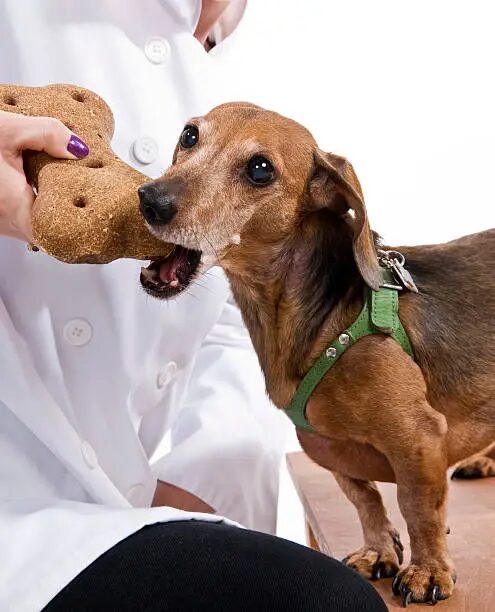
Protein is the foundation of a Dachshund’s diet.
Best sources include:
Protein helps:
- Maintain lean muscle
- Support spine stability
- Repair tissue
Healthy Fats for Energy and Coat Health
Fats provide:
- Long-lasting energy
- Skin hydration
- Shiny coat
Key fats:
- Omega-3 fatty acids
- Fish oil
- Flaxseed oil
Controlled Carbohydrates for Weight Management
Carbs should be:
- Digestible
- Moderate
- Low-glycemic
Best sources:
- Sweet potatoes
- Brown rice
- Oatmeal
Vitamins and Minerals for Bone and Spine Health
Essential nutrients include:
- Calcium (balanced—not excessive)
- Phosphorus
- Vitamin D
- Magnesium
These support:
- Bone strength
- Joint stability
- Muscle contraction
Importance of Hydration
Water is often overlooked but critical for:
- Digestion
- Joint lubrication
- Temperature regulation
Dry food diets should always be balanced with fresh water intake.
4. Common Health Issues in Dachshunds (Diet-Related)
Intervertebral Disc Disease (IVDD)
This is the most serious condition in Dachshunds.
It happens when spinal discs compress or slip.
Diet impact:
- Excess weight increases pressure
- Poor nutrition weakens muscles
Obesity and Weight Gain Risks
Dachshunds gain weight easily due to:
- Low exercise tolerance
- Food motivation
- Small body size
Even 1–2 extra pounds can be dangerous.
Joint and Spine Problems
Poor diet can lead to:
- Weak cartilage
- Inflammation
- Reduced mobility
Dental Disease
Small breeds often suffer from:
- Plaque buildup
- Gum disease
- Tooth loss
Dry kibble can help reduce tartar.
Food Allergies and Sensitive Stomachs
Common symptoms include:
Often triggered by low-quality ingredients.
Diabetes Risk in Overweight Dachshunds
Excess fat can lead to:
- Insulin resistance
- Energy crashes
- Long-term metabolic issues
5. What Is the Best Dog Food for Dachshunds?
Key Characteristics of Ideal Dachshund Food
The best formula includes:
- Real animal protein as first ingredient
- Controlled calorie content
- Balanced fats
- Joint-support nutrients
- No artificial fillers
Small Breed vs Weight-Control Formula
Dachshunds benefit from:
- Small kibble size (easy chewing)
- Weight management support formulas
- High nutrient density per bite
Importance of Spine and Joint Support Nutrients
Look for:
- Glucosamine
- Chondroitin
- Omega-3 fatty acids
These reduce inflammation and support mobility.
High Protein, Moderate Fat Balance
Ideal ratio:
- Protein: moderate to high
- Fat: moderate
- Carbs: controlled
This helps maintain lean body composition.
Easy Digestion and Low-Calorie Density
Best foods are:
- Highly digestible
- Low in fillers
- Nutrient-dense
6. Best Ingredients for Dachshund Dog Food
Recommended Ingredients
- Chicken
- Turkey
- Salmon
- Lamb
- Beef
- Sweet potatoes
- Brown rice
- Oatmeal
- Pumpkin
- Fish oil
- Flaxseed
Why These Ingredients Matter
They support:
- Lean muscle development
- Healthy digestion
- Skin and coat health
- Stable energy levels
7. Ingredients to Avoid in Dachshund Food
Dachshunds are small, but their bodies react strongly to low-quality ingredients.
❌ Artificial Preservatives (BHA/BHT)
These chemical preservatives are used to extend shelf life.
Why avoid them:
- No nutritional benefit
- Potential long-term health concerns
- May trigger sensitivities in small dogs
❌ Corn, Wheat, and Soy Fillers
These are common in cheap dog food formulas.
Problems include:
- Poor digestibility
- Increased allergy risk
- Low nutritional value
❌ Meat By-Products
Unless clearly sourced, “meat by-products” are low-quality protein sources.
Concerns:
- Inconsistent quality
- Unclear origin
- Lower biological value
❌ Excess Fat and Salt
Too much fat or salt can lead to:
- Rapid weight gain
- Heart stress
- Digestive upset
❌ Added Sugars
Sugar has no place in a Dachshund’s diet.
Risks:
- Obesity
- Diabetes risk
- Dental decay
❌ Artificial Colors and Flavors
These are cosmetic additives only.
They:
- Provide zero nutrition
- May irritate digestion
8. Best Dog Food for Dachshund Puppies
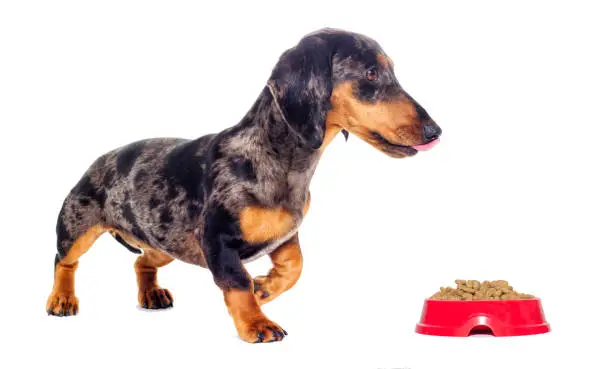
Dachshund puppies require carefully controlled growth nutrition.
Nutritional Needs of Growing Dachshunds
They need:
- High-quality protein
- Controlled fat levels
- Balanced calcium & phosphorus
- DHA for brain development
Large vs Small Breed Puppy Formula Choice
Always choose:
- Small breed puppy food OR
- Weight-control puppy formula
Large breed formulas are usually not suitable.
Controlled Growth to Protect Spine
Rapid weight gain increases risk of:
- IVDD (spinal disc issues)
- Joint stress
- Long-term mobility problems
Controlled feeding is essential.
Feeding Schedule for Puppies
| Age | Meals Per Day |
|---|---|
| 8–12 weeks | 4 meals |
| 3–6 months | 3–4 meals |
| 6–12 months | 3 meals |
9. Best Dog Food for Adult Dachshunds
Adult Dachshunds need maintenance, not growth nutrition.
Weight Maintenance Nutrition
Focus on:
- Lean protein
- Moderate fats
- Controlled calories
Energy Balance
Dachshunds love food, so portion control is critical.
Too many calories = rapid weight gain.
Portion Control Strategies
- Use measuring cups
- Avoid free feeding
- Track weekly weight
Even small overfeeding adds up quickly.
Daily Feeding Guidelines
Most adults do best with:
- 2 meals per day
- Fixed feeding schedule
- Limited treats
10. Best Dog Food for Senior Dachshunds
Senior Dachshunds (7+ years) need gentler nutrition.
Joint and Spine Support Nutrition
Key ingredients:
- Glucosamine
- Chondroitin
- Omega-3 fatty acids
These help reduce stiffness and inflammation.
Lower-Calorie Diet Requirements
As activity decreases:
- Calories should be reduced
- Fat levels should be controlled
- Protein should remain high quality
Cognitive Health Support
Senior diets may include:
- Antioxidants
- Vitamin E
- Omega-3s
These support brain function.
Easy-to-Digest Foods
Best ingredients:
- Chicken
- Rice
- Pumpkin
- Oatmeal
11. Best Dog Food for Dachshunds with Sensitive Stomachs
Symptoms of Digestive Issues
- Loose stool
- Gas or bloating
- Vomiting
- Loss of appetite
Easy-to-Digest Ingredients
Best options include:
- Chicken
- Turkey
- Rice
- Pumpkin
Limited Ingredient Diet (LID)
LID diets help:
- Reduce allergens
- Identify food triggers
- Improve digestion stability
Probiotics and Gut Health Support
Probiotics help:
- Balance gut bacteria
- Improve stool quality
- Strengthen immunity
12. Best Dog Food for Dachshunds with Allergies
Common Food Allergens
- Beef
- Dairy
- Wheat
- Chicken (in some dogs)
Signs of Food Sensitivity
- Constant scratching
- Ear infections
- Red skin patches
- Chronic diarrhea
Hypoallergenic Dog Food Options
Look for:
- Limited ingredient formulas
- Grain-free options (if vet approved)
- Novel proteins
Novel Protein Sources
Best alternatives:
- Duck
- Venison
- Salmon
These reduce allergic reactions.

13. Best Dog Food for Overweight Dachshunds
Obesity Risks in Dachshunds
Extra weight increases:
- IVDD risk
- Heart strain
- Diabetes risk
- Reduced mobility
Weight Management Formulas
Good options include:
- Low-fat kibble
- High-fiber formulas
- Calorie-controlled diets
Portion Control Techniques
- Measure every meal
- Avoid table scraps
- Track weekly weight
Low-Calorie Ingredient Choices
- Pumpkin
- Lean chicken
- Sweet potato
- Brown rice
14. Best Dog Food for Underweight Dachshunds
Healthy Weight Gain Strategies
Some Dachshunds need:
- Higher calorie intake
- More frequent meals
- Energy-dense food
Nutrient-Dense Foods
Best options:
- Salmon
- Lamb
- Eggs
- Chicken fat (controlled)
Increased Feeding Frequency
Instead of 2 meals:
- 3–5 smaller meals per day
Muscle Building Support
Focus on:
- High protein
- Amino acids
- Healthy fats
15. Types of Dog Food for Dachshunds
Dry Dog Food (Kibble)
Pros:
- Easy portion control
- Helps dental cleaning
- Affordable
Wet Dog Food
Pros:
- High moisture content
- Great for picky eaters
- Easier chewing
Fresh Dog Food
Pros:
- Human-grade ingredients
- Highly digestible
- Subscription-based options
Raw Diet
Pros:
- High protein
- Natural feeding style
Cons:
- Bacterial risks
- Needs careful balance
Freeze-Dried Dog Food
Pros:
- Lightweight
- Nutrient-dense
- Easy storage
Limited Ingredient Diets
Best for:
- Allergies
- Sensitive digestion
- Elimination diets
22. Feeding Guide for Dachshunds
How Much Should a Dachshund Eat?
There is no single fixed amount because it depends on:
- Age
- Weight
- Activity level
- Metabolism
But general guidelines are:
- Mini Dachshund (8–11 lbs): ~200–350 calories/day
- Standard Dachshund (16–32 lbs): ~350–700 calories/day
Small dogs don’t need large quantities—but they do need high-quality calories.
Feeding Chart by Weight
| Weight | Daily Food (Dry Kibble Approx.) | Calories |
|---|---|---|
| 8–10 lbs | ½ – ¾ cup | 200–300 kcal |
| 11–16 lbs | ¾ – 1 cup | 300–450 kcal |
| 17–25 lbs | 1 – 1.5 cups | 450–600 kcal |
| 26–32 lbs | 1.5 – 2 cups | 600–700 kcal |
Note: Always adjust based on body condition, not just numbers.
Feeding Chart by Age
| Life Stage | Feeding Focus |
|---|---|
| Puppy | Frequent meals + controlled growth |
| Adult | Weight maintenance + balanced nutrition |
| Senior | Joint support + lower calories |
Activity-Based Calorie Needs
- Low activity → reduce calories by 10–15%
- Moderate activity → standard intake
- High activity → slightly higher fat & protein
23. Feeding Schedule for Dachshunds
Puppy Feeding Frequency (VERY IMPORTANT)
Dachshund puppies must eat often to prevent energy drops.
| Age | Meals Per Day |
|---|---|
| 8–12 weeks | 4 meals |
| 3–6 months | 3–4 meals |
| 6–12 months | 3 meals |
Skipping meals can increase risk of weakness and hypoglycemia in small puppies.
Adult Feeding Routine
- 2 meals per day (morning + evening)
- Fixed schedule improves digestion
- Avoid long fasting periods
Senior Feeding Routine
- 2–3 smaller meals per day
- Easier digestion
- Lower calorie intake spread across the day
Free Feeding vs Scheduled Feeding
❌ Free Feeding
- Encourages overeating
- Makes weight control difficult
- Increases IVDD risk
✅ Scheduled Feeding
- Better portion control
- Healthier weight management
- More predictable digestion
24. Homemade Dog Food for Dachshunds
Benefits of Homemade Diets
- Full ingredient control
- No preservatives or fillers
- Fresh and customizable
Risks of Nutritional Imbalance
Homemade diets can easily become unbalanced, leading to:
- Calcium deficiency or excess
- Vitamin gaps
- Poor bone development
👉 Always consult a veterinarian before long-term homemade feeding.
Essential Nutrients Required
A balanced homemade Dachshund meal must include:
- Lean protein (chicken, turkey, fish)
- Healthy carbs (rice, sweet potato)
- Vegetables (pumpkin, carrots, spinach)
- Healthy fats (fish oil)
- Proper calcium balance
Vet-Approved Simple Meal Example
- Boiled chicken breast
- Brown rice
- Pumpkin puree
- Small portion of carrots
- Fish oil supplement
25. Common Feeding Mistakes Dachshund Owners Make
Overfeeding and Obesity
Even a small weight increase can stress the spine.
Ignoring IVDD Risks
Feeding high-calorie diets without control increases:
- Back injuries
- Disc pressure
- Mobility issues
Feeding High-Fat Foods
Too much fat leads to:
- Rapid weight gain
- Digestive problems
Too Many Treats
Treats should:
- Be under 10% of daily calories
- Be small and low-fat
Poor Ingredient Choices
Avoid:
- Fillers
- Artificial preservatives
- Low-quality meat meals
Switching Foods Too Quickly
This causes:
- Diarrhea
- Vomiting
- Loss of appetite
Always transition over 7–10 days.
26. How to Choose the Best Dog Food for Dachshunds
Reading Dog Food Labels
Look for:
- Named meat first (chicken, lamb, salmon)
- No vague ingredients like “meat meal”
- Clear nutritional breakdown
Understanding AAFCO Standards
Good food should state:
“Complete and balanced for adult small breed dogs”
Protein Quality vs Quantity
Better:
- High-quality animal protein
Not better:
- High protein from unknown sources
Importance of Weight-Control Formulas
Because Dachshunds are prone to obesity:
- Low-calorie formulas help prevent IVDD
- Controlled fat supports long-term health
Brand Reputation and Safety
Choose brands that:
- Employ veterinary nutritionists
- Conduct feeding trials
- Have transparent sourcing
27. Expert Recommendations for Dachshunds
Veterinarian Feeding Advice
Vets commonly recommend:
- Strict weight control
- High-protein balanced diets
- Avoiding over-supplementation
Nutritionist Insights
Experts emphasize:
- Digestible proteins
- Omega-3 fatty acids
- Controlled calorie intake
Weight Monitoring Tips
- Weigh monthly
- Track body shape, not just scale
- Adjust food gradually
Spine Health Diet Strategies
To reduce IVDD risk:
- Maintain lean body weight
- Avoid obesity
- Support muscle strength
28. Frequently Asked Questions (FAQ)
What is the best dog food for Dachshunds overall?
High-quality small breed food with controlled calories and joint support nutrients.
How much should a Dachshund eat daily?
Typically 200–700 calories depending on size and activity level.
Is grain-free food good for Dachshunds?
Not necessary unless there is a confirmed sensitivity.
Can Dachshunds eat chicken?
Yes, chicken is a great protein source unless allergies exist.
What foods should Dachshunds avoid?
- Artificial preservatives
- Excess fat
- Fillers like corn and soy
How often should I feed my Dachshund?
- Puppies: 3–4 meals daily
- Adults: 2 meals daily
- Seniors: 2–3 meals daily
Can Dachshunds eat raw food?
Yes, but only with veterinary supervision due to balance and safety risks.
What is the best puppy food for Dachshunds?
Small breed puppy formula with controlled growth nutrients.
How do I prevent IVDD in Dachshunds?
- Maintain healthy weight
- Avoid overfeeding
- Support spine-friendly nutrition
When should I switch to adult food?
Around 10–12 months of age.
29. Latest Trends in Dachshund Nutrition
Fresh Food Diets for Small Breeds
- Higher digestibility
- Fewer preservatives
Weight-Control and Obesity Prevention Diets
- Low-calorie kibble
- High fiber formulas
Gut Health and Probiotic Formulas
- Improved digestion
- Better immune response
Functional Joint and Spine Support Nutrition
- Glucosamine
- Omega-3 fatty acids
- Anti-inflammatory blends
Human-Grade Pet Food Growth
- Cleaner ingredient sourcing
- Higher safety standards
30. Conclusion
The best dog food for Dachshunds is:
- High-quality animal protein
- Controlled calorie formula
- Balanced fats and carbohydrates
- Spine and joint-support nutrients
- No artificial fillers or preservatives