
When people search for hypoallergenic dogs poodle, they are usually looking for one thing: a dog that fits into their life without triggering constant allergy symptoms. Among all breeds, the Poodle consistently stands out as one of the most recommended options for allergy-sensitive households.
But here’s the truth that often gets overlooked—no dog is completely allergy-free. What makes Poodles special is that they tend to produce fewer allergens and shed significantly less than many other breeds, making them easier to live with for many people.
This guide breaks down everything you need to know about hypoallergenic poodles, including how they work, why they are recommended, what science says, and whether they are truly the right choice for you.
What Is a Hypoallergenic Dog?
A hypoallergenic dog is a breed that is less likely to trigger allergic reactions in sensitive individuals. However, the word “hypoallergenic” can be misleading.
Dog allergies are not caused by fur alone. Instead, they come from:
- Dander (tiny skin flakes)
- Saliva proteins
- Urine proteins
So even dogs with little or no shedding can still produce allergens.
For a deeper understanding of allergy science, you can explore:
American College of Allergy, Asthma & Immunology – Pet Allergies
Why Poodles Are Commonly Considered Hypoallergenic
Poodles are often labeled as hypoallergenic dogs because of their unique coat structure and low-shedding characteristics.
Unlike many breeds that shed fur continuously, Poodles have:
- Dense, curly coats
- Hair that grows continuously
- Minimal loose hair falling into the environment
This reduces the spread of allergens around the home.
That’s why many allergy sufferers specifically search for poodle hypoallergenic dogs when choosing a pet.
Growing Popularity of Poodles for Allergy Sufferers
Over the last decade, Poodles have become one of the most popular choices for people with allergies due to:
- Urban apartment living
- Increased awareness of pet allergies
- Rise of designer breeds like doodles
- Preference for intelligent, trainable dogs
They are now widely recommended by breeders and veterinarians as one of the best low shedding dog breeds for families.
You can also browse breed information here:
American Kennel Club – Poodle Breed Information
What This Guide Will Cover
This complete guide explores:
- Whether Poodles are truly hypoallergenic
- Differences between Toy, Miniature, and Standard Poodles
- Allergy science explained simply
- Grooming and maintenance needs
- Comparison with other breeds
- Doodle mixes and allergy risks
- Lifestyle compatibility
- Costs, health, and training insights
Are Poodles Really Hypoallergenic?
What “Hypoallergenic” Means in Poodles
When people say hypoallergenic poodles, they usually mean:
- Lower allergen production
- Reduced shedding
- Less dander spread in the environment
But scientifically, “hypoallergenic” does not mean “allergy-proof.”
Poodles simply tend to be more tolerable for many allergy sufferers—not all.
Do Poodles Produce Less Dander?
Poodles do not necessarily produce less dander biologically, but they release less into the environment because:
- Their curly coat traps skin flakes
- Less fur is shed into the air
- Grooming removes trapped allergens regularly
This makes homes with Poodles feel cleaner and less allergen-heavy.
The Science Behind Poodle Allergies
Dog allergies are caused mainly by proteins such as Can f 1, found in saliva and skin secretions.
These allergens attach to:
- Hair
- Dust particles
- Furniture and clothing
Because Poodles shed less, these allergens have fewer opportunities to spread.
Can Poodles Still Trigger Allergies?
Yes. Even hypoallergenic poodle breeds can cause reactions.
This depends on:
- Individual sensitivity levels
- Grooming habits
- Indoor air quality
- Amount of contact with the dog
Some people may tolerate Poodles well, while others may still experience symptoms.
Why Poodles Are Considered Hypoallergenic Dogs
Curly Coat Structure and Allergens
One of the biggest reasons Poodles are labeled hypoallergenic is their coat structure.
Their curls:
- Trap loose hair and dander
- Prevent allergens from floating in the air
- Reduce household contamination
This is a key reason they are recommended as allergy-friendly dog breeds.
Low-Shedding Characteristics
Unlike heavy-shedding breeds, Poodles:
- Do not “blow coat” seasonally
- Shed minimally year-round
- Retain most hair until grooming removes it
This makes them ideal for cleaner indoor environments.
Reduced Dander Spread
Because dander is attached to hair, less shedding = less airborne allergen spread.
This is why many allergy sufferers report fewer symptoms around well-groomed Poodles compared to other dogs.
Grooming Impact on Allergen Control
Grooming plays a major role in keeping Poodles allergy-friendly.
Regular grooming helps:
- Remove trapped dander
- Reduce saliva residue on fur
- Prevent matting that traps allergens
Without grooming, even Poodles can become allergen-heavy.
Types of Hypoallergenic Poodles
Poodles come in three main sizes, all considered hypoallergenic dog breeds, but each suits different lifestyles.
Toy Poodle (Hypoallergenic Small Dog)
Toy Poodles are the smallest type and are ideal for:
- Apartments
- Small homes
- Allergy-sensitive owners
Key traits:
- Weight: 2–4 kg
- Very low shedding
- High intelligence
- Strong companionship behavior
Miniature Poodle
Miniature Poodles offer a balance between size and energy.
Key traits:
- Weight: 5–8 kg
- Active but manageable
- Excellent for families
- Strong trainability
Standard Poodle
Standard Poodles are the largest and most athletic.
Key traits:
- Weight: 20–32 kg
- Highly active
- Great for outdoor families
- Very intelligent working dogs
Differences in Shedding and Allergies Between Sizes
Interestingly, all Poodle sizes:
- Have similar coat types
- Produce similar allergens
- Are equally considered hypoallergenic
The difference is mainly in space requirements and energy levels, not allergy potential.
Poodle Coat and Allergy Connection
Curly Hair vs Fur Explained
Poodles technically have hair, not fur.
Hair characteristics:
- Grows continuously
- Requires trimming
- Sheds less than fur
This is why they are often ranked among low shedding hypoallergenic dogs.
How Poodle Coats Trap Dander
The tight curls act like a filter:
- Dander gets trapped in curls
- Loose hair doesn’t fall easily
- Allergens stay closer to the dog until grooming
Coat Colors and Allergy Differences (Myth vs Reality)
A common myth suggests coat color affects allergies.
In reality:
- Allergy levels are NOT influenced by color
- White, black, apricot, and brown Poodles produce similar allergens
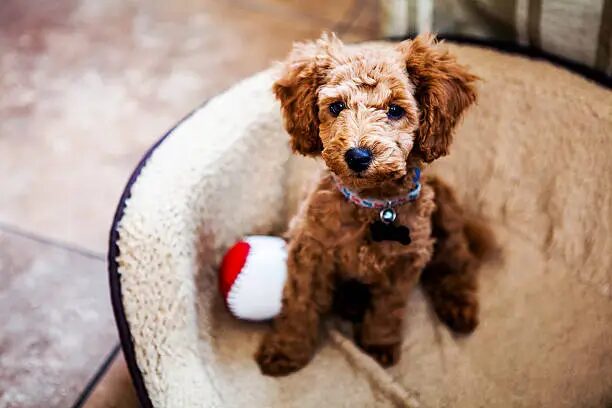
Grooming and Coat Maintenance Importance
Without proper grooming:
- Mats can form
- Allergens increase
- Skin health may decline
Regular grooming is essential for maintaining a truly hypoallergenic poodle lifestyle.
Are Poodles 100% Allergy-Free?
Why No Dog Is Fully Hypoallergenic
Even though hypoallergenic dogs poodle is a popular search term, it’s important to be clear: no dog is completely allergy-free.
All dogs produce allergens through:
- Skin (dander)
- Saliva
- Urine
Poodles are simply lower-risk, not risk-free.
This is why medical experts emphasize managing allergies rather than expecting a “perfect” breed.
You can read more about allergy science here:
Mayo Clinic – Pet Allergy Overview
Allergens Found in Saliva and Skin Oils
Even low-shedding dogs like Poodles produce:
- Can f 1 proteins (major allergen)
- Saliva residue on fur
- Skin oils that carry allergens
When a Poodle licks itself, allergens can still transfer to its coat—even if shedding is minimal.
Individual Sensitivity Differences
Allergy reactions vary widely:
- Some people tolerate Poodles easily
- Others react strongly even to small exposure
- Sensitivity may change over time
This is why experts recommend spending time with a Poodle before adoption.
Real Experiences From Allergy Sufferers
Many owners report:
- Reduced symptoms compared to other breeds
- Occasional mild reactions during grooming
- Better tolerance in well-ventilated homes
However, experiences are highly individual, reinforcing that Poodles are not a guaranteed solution, but often a better option.
Benefits of Poodles for Allergy Sufferers
Low Shedding and Cleaner Homes
One of the biggest advantages of poodle hypoallergenic dogs is their low-shedding coat.
Benefits include:
- Less hair on furniture
- Reduced vacuuming needs
- Lower airborne allergen spread
Family-Friendly Temperament
Poodles are known for being:
- Friendly
- Loyal
- Social
- Emotionally responsive
They are often recommended as hypoallergenic dogs for families due to their gentle nature.
High Intelligence and Trainability
Poodles consistently rank among the smartest dog breeds.
They excel in:
- Obedience training
- Agility sports
- Therapy work
- Service dog roles
This makes them easy for first-time owners compared to many other breeds.
Adaptability to Apartments and Houses
Poodles adjust well to different environments:
| Living Type | Suitability |
|---|---|
| Apartment | Excellent (Toy & Miniature) |
| Suburban Home | Excellent |
| Large Property | Ideal (Standard Poodle) |
Their adaptability is another reason they are popular low shedding dog breeds for families.
Common Allergy Symptoms Around Dogs
Sneezing and Nasal Irritation
Most common symptoms include:
- Sneezing fits
- Runny nose
- Sinus pressure
These occur when airborne allergens are inhaled.
Skin Rashes and Itching
Direct contact with dogs may cause:
- Redness
- Itching
- Hives in sensitive individuals
Asthma Triggers
In severe cases, dog allergens can trigger:
- Wheezing
- Shortness of breath
- Chest tightness
How Poodles May Reduce Exposure
Because Poodles shed less:
- Fewer allergens become airborne
- Dander is trapped in curls
- Cleaning becomes more manageable
This is why they are often recommended by allergy specialists.
Grooming Requirements for Hypoallergenic Poodles

How Often to Groom a Poodle
To maintain allergy-friendly conditions:
- Brushing: 3–5 times per week
- Bathing: Every 3–6 weeks
- Professional grooming: Every 4–8 weeks
Neglecting grooming can quickly reduce hypoallergenic benefits.
Brushing Techniques for Allergy Control
Effective brushing helps:
- Remove trapped dander
- Prevent matting
- Reduce loose hair buildup
Recommended technique:
- Start from the skin outward
- Use section-by-section brushing
- Focus on ears, legs, and tail
Professional Grooming Needs
Most Poodle owners rely on professional groomers because:
- Coats grow continuously
- Styling is required for comfort
- Mats can form quickly without care
Professional grooming also helps reduce allergen buildup significantly.
Best Grooming Tools for Poodle Coats
Essential tools include:
- Slicker brush
- Metal comb
- Detangling spray
- Dog-safe shampoo
Poodle vs Other Hypoallergenic Dog Breeds
Poodle vs Bichon Frise
| Feature | Poodle | Bichon Frise |
| Intelligence | Very High | High |
| Shedding | Very Low | Very Low |
| Grooming Needs | Moderate-High | High |
| Energy Level | Medium-High | Medium |
Poodle vs Maltese
- Maltese: smaller, gentler coat
- Poodle: more athletic and trainable
Both are strong hypoallergenic dogs, but Poodles are easier to train.
Poodle vs Schnauzer
- Schnauzers have wiry coats
- Poodles have curly coats
- Both shed minimally
Schnauzers are slightly more independent.
Poodle vs Portuguese Water Dog
Both breeds:
- Love water
- Are highly active
- Have curly coats
However, Poodles are more widely available and adaptable.
Which Breed Is Best for Allergies?
While all are considered low shedding dog breeds, Poodles stand out due to:
- Predictable coat genetics
- High intelligence
- Consistent grooming benefits
Are Doodle Dogs as Hypoallergenic as Poodles?

Goldendoodle Allergy Risks
Goldendoodles vary widely:
- Some inherit Poodle-like coats
- Others shed heavily like Golden Retrievers
Labradoodle Coat Variability
Labradoodles are unpredictable:
- Coat type depends heavily on genetics
- Allergy response varies significantly
Bernedoodle and Allergy Considerations
Bernedoodles often:
- Shed moderately
- Have thicker coats
- Require heavy grooming
Why Pure Poodles Are More Predictable
Compared to doodles:
- Poodles have stable genetics
- Coat type is consistent
- Allergy outcomes are more reliable
This is why many experts still recommend pure Poodles over mixes for allergy sufferers.
Best Poodle Mixes for Allergy Sufferers
While pure Poodles are the most predictable hypoallergenic dogs, many people are also drawn to Poodle mixes for their appearance and temperament. However, allergy friendliness can vary.
Cavapoo (Cavalier + Poodle)
The Cavapoo is a popular small companion dog.
Traits:
- Friendly and affectionate
- Moderate grooming needs
- Often suitable for allergy sufferers (varies)
Maltipoo (Maltese + Poodle)
One of the most common poodle hypoallergenic dogs mixes.
Traits:
- Very small size
- Soft, curly-to-wavy coat
- Often low shedding but not guaranteed
Yorkipoo (Yorkshire Terrier + Poodle)
Traits:
- Energetic and playful
- Apartment-friendly
- Coat can vary between wiry and curly
Are Poodle Mixes Reliable for Allergies?
Poodle mixes are not consistently hypoallergenic because:
- Genetics are unpredictable
- Coat type may vary within the same litter
- Shedding levels can differ significantly
This is why pure Poodles remain the safer option for allergy-sensitive owners.
Poodles for Different Lifestyles
Hypoallergenic Dogs for Families
Poodles are excellent family dogs because they are:
- Gentle with children
- Highly trainable
- Social and affectionate
They fit well into homes seeking hypoallergenic dogs for families.
Poodles for Apartment Living
Toy and Miniature Poodles are ideal for small spaces:
- Low shedding
- Manageable exercise needs
- Quiet when trained properly
Poodles for Active Owners
Standard Poodles are energetic and athletic:
- Great running companions
- Enjoy outdoor activities
- Thrive in active households
Poodles for Seniors
Poodles are also popular among seniors due to:
- Intelligence and obedience
- Strong companionship behavior
- Manageable grooming routines (with support)
Health Considerations in Hypoallergenic Poodles
Common Genetic Health Issues
Like all breeds, Poodles may be prone to:
- Hip dysplasia
- Epilepsy
- Thyroid disorders
Eye Problems in Poodles
Eye conditions may include:
- Progressive retinal atrophy (PRA)
- Cataracts
- Vision degeneration with age
Hip Dysplasia Risk
More common in Standard Poodles:
- Affects mobility
- Requires early screening
- Managed with responsible breeding
Lifespan and Care Needs
Poodles generally live:
| Type | Average Lifespan |
|---|---|
| Toy Poodle | 12–16 years |
| Miniature Poodle | 12–15 years |
| Standard Poodle | 10–13 years |
Proper care, diet, and grooming significantly improve longevity.
How to Reduce Allergies When Owning a Poodle
Even with hypoallergenic poodle dogs, managing your environment is essential.
Home Cleaning Strategies
- Vacuum carpets frequently
- Wash dog bedding weekly
- Use microfiber cloths for dusting
- Clean furniture regularly
Air Purifiers and HEPA Filters
HEPA filters help remove:
- Airborne dander
- Dust particles
- Allergens floating in indoor air
This is especially helpful in apartments.
Bathing and Grooming Routine
A proper grooming routine reduces allergens:
- Bath every 3–6 weeks
- Brush multiple times per week
- Professional grooming every 4–8 weeks
Creating Allergy-Free Zones
Many households create:
- Pet-free bedrooms
- Clean sleeping areas
- Designated dog spaces
This helps reduce nighttime allergy symptoms.
Buying or Adopting a Hypoallergenic Poodle
Choosing Reputable Poodle Breeders
When searching for hypoallergenic poodle breeders, look for:
- Health testing documentation
- Transparent breeding practices
- Clean living conditions
- Positive reviews
You can explore breed standards and responsible breeding information here:
American Kennel Club – Find Poodle Information
Adoption vs Buying From Breeders
Adoption Benefits:
- Lower cost
- Saving a dog’s life
- Mixed-breed options available
Breeder Benefits:
- Predictable coat type
- Known genetic history
- Early socialization
Cost of Poodle Puppies
Prices vary depending on size and breeder quality:
- Toy Poodle: $1,000–$3,000
- Miniature Poodle: $1,200–$3,500
- Standard Poodle: $1,500–$4,000
What to Ask a Breeder
Always ask:
- Are parents health-tested?
- What is the expected coat type?
- How are puppies socialized?
- Do you offer a health guarantee?
Cost of Owning a Hypoallergenic Poodle
Puppy Purchase Price
Initial cost includes:
- Breed quality
- Location
- Breeder reputation
Grooming Costs
Grooming is a major ongoing expense:
- $40–$120 per session
- Higher for Standard Poodles
Veterinary Expenses
Annual costs may include:
- Vaccinations
- Routine checkups
- Preventive treatments
Food and Supplies
Monthly essentials include:
- High-quality dog food
- Toys and training tools
- Grooming supplies
Training and Temperament of Hypoallergenic Poodles
Intelligence and Trainability
Poodles are among the smartest dogs:
- Quick learners
- Excellent obedience skills
- Suitable for advanced training
Social Behavior With Kids and Pets
They are:
- Friendly
- Gentle when trained early
- Good with other animals
Separation Anxiety Considerations
Poodles can develop separation anxiety if:
- Left alone too long
- Not properly trained
- Under-stimulated
Early Socialization Importance
Early exposure helps:
- Reduce fear
- Improve behavior
- Build confidence
Common Myths About Hypoallergenic Poodles
Myth: Poodles Never Cause Allergies
Reality: They can still trigger reactions in sensitive individuals.
Myth: Only White Poodles Are Hypoallergenic
Reality: Coat color does not affect allergens.
Myth: Toy Poodles Are More Hypoallergenic Than Standards
Reality: All sizes have similar allergen levels.
Myth: Grooming Eliminates Allergies Completely
Reality: Grooming reduces allergens but does not remove them entirely.
Pros and Cons of Hypoallergenic Poodles
Advantages of Owning a Poodle
- Low shedding
- Highly intelligent
- Family-friendly
- Adaptable to lifestyles
Potential Drawbacks
- Regular grooming required
- Higher maintenance cost
- Not fully allergy-proof
Who Should Choose a Poodle?
Poodles are ideal for:
- Allergy-sensitive households
- First-time dog owners
- Families and seniors
- Active individuals
Frequently Asked Questions (FAQs)
Are Poodles the Most Hypoallergenic Dogs?
They are among the top choices, but no dog is completely hypoallergenic.
Which Poodle Size Is Best for Allergies?
All sizes are similar in allergen levels; choice depends on lifestyle.
Do Poodles Shed at All?
Very minimally, but they still require grooming.
Can You Be Allergic to a Poodle?
Yes, depending on individual sensitivity.
Are Poodle Mixes Good for Allergies?
Sometimes, but results are unpredictable.
How Often Should a Poodle Be Groomed?
Every 4–8 weeks professionally, plus regular brushing.
What Is the Best Hypoallergenic Dog for Beginners?
Poodles, especially Miniature and Toy Poodles, are excellent for beginners.
Conclusion
Key Takeaways About Hypoallergenic Poodles
Poodles are one of the most reliable hypoallergenic dogs poodle lovers choose, mainly due to their low-shedding coats and intelligent nature.
Why Poodles Are a Top Choice for Allergy Sufferers
They offer a rare combination of:
- Predictable coat traits
- High intelligence
- Strong companionship
- Manageable allergy impact
How to Manage Allergies While Owning a Poodle
Success depends on:
- Regular grooming
- Clean home environment
- Air filtration
- Proper breed selection
Final Thoughts on Choosing the Right Hypoallergenic Companion
A Poodle may not be completely allergy-free, but for many people, it represents one of the best chances to enjoy dog ownership without constant allergy discomfort. With the right care and expectations, they can become loyal, loving companions for years to come.