The American Foxhound dog is one of the oldest and most respected dog breeds developed in the United States. Famous for its incredible endurance, keen sense of smell, and friendly personality, this athletic hound has been a trusted hunting companion for centuries. Today, the American Foxhound is appreciated not only for its field abilities but also for its affectionate nature and loyalty as a family pet.
Whether you’re searching for an energetic outdoor companion, researching the American Foxhound breed, or considering adding an American Foxhound puppy to your family, understanding the breed’s history, temperament, and care requirements is essential. While these dogs thrive in active homes, they require plenty of exercise, training, and mental stimulation to stay happy.
American Foxhound Dog at a Glance
| Feature | Details |
|---|---|
| Breed Name | American Foxhound |
| Nicknames | Foxhound, American Hound |
| Origin | United States |
| Breed Group | Hound Group |
| Height | 21–25 inches |
| Weight | 60–70 pounds |
| Life Expectancy | 11–13 years |
| Temperament | Friendly, Independent, Gentle |
| Energy Level | Very High |
| Trainability | Moderate |
| Good with Children | Yes |
| Good with Other Dogs | Excellent |
| Shedding | Moderate |
| Grooming Needs | Low |
History and Origin of the American Foxhound
The American Foxhound has a rich history that dates back to the earliest days of the United States. Bred for speed, stamina, and an exceptional sense of smell, this breed played an important role in colonial hunting traditions.
Today, the American Foxhound remains a symbol of American canine heritage and continues to impress owners with its athletic ability and gentle temperament.
The Breed’s Colonial Beginnings
The origins of the American Foxhound can be traced to the 1600s, when European settlers brought hunting dogs to North America.
These early hounds were used to hunt:
- Foxes
- Deer
- Other game animals
As hunting became increasingly popular, breeders sought dogs capable of covering long distances across rough terrain while following scent trails with remarkable accuracy.
English Foxhound Ancestry
The American Foxhound descends primarily from the English Foxhound, a breed known for endurance and pack hunting.
Early English Foxhounds contributed many qualities that remain in today’s American Foxhound, including:
- Powerful nose
- Strong legs
- Friendly disposition
- Excellent stamina
- Pack-oriented personality
American breeders gradually developed a lighter, faster version suited to the varied landscapes of North America.
George Washington’s Role in Breed Development
One of the most fascinating aspects of the breed’s history involves George Washington, often called the “Father of the American Foxhound.”
Washington was passionate about fox hunting and carefully bred his own pack of hounds at Mount Vernon.
His breeding program emphasized:
- Greater speed
- Improved endurance
- Better scent-tracking ability
- Balanced temperament
His efforts significantly influenced the development of the modern American Foxhound.
French Hound Influence
During the late 1700s, French hunting hounds were introduced into American breeding programs.
These French dogs added:
- Superior scenting ability
- Increased speed
- Greater agility
- Enhanced endurance
The combination of English and French bloodlines helped create the elegant, athletic breed recognized today.
Development in the United States
Over many generations, American breeders refined the breed for local hunting conditions.
Unlike heavier European hounds, the American Foxhound developed:
- Longer legs
- Leaner body
- Greater speed
- Remarkable stamina
These characteristics allowed the breed to pursue game over long distances without tiring.
AKC Recognition
The American Kennel Club (AKC) officially recognized the American Foxhound in 1886, making it one of the earliest breeds accepted into the registry.
Today, the breed competes in:
- Conformation shows
- Tracking events
- Scent work
- Field trials
- Companion activities
Traditional Hunting Purpose
For centuries, the American Foxhound excelled as a hunting dog.
Its responsibilities included:
- Following scent trails
- Working in packs
- Covering miles of rough terrain
- Alerting hunters through its distinctive bay
Unlike many hunting breeds, the American Foxhound was bred to pursue prey rather than retrieve it.
Modern Role as Family Companion
Although still an exceptional hunting dog, today’s American Foxhound has adapted well to life as an active family companion.
They thrive in homes that provide:
- Daily exercise
- Outdoor adventures
- Positive training
- Plenty of companionship
Their gentle temperament makes them especially appealing to families with children and other dogs.
American Foxhound Dog Appearance
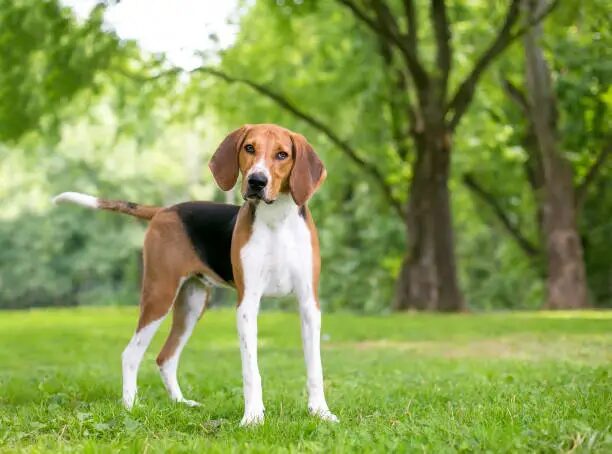
The American Foxhound is an athletic, elegant, and well-balanced breed. Everything about its appearance reflects its purpose as a long-distance hunting dog.
Overall Body Structure
The breed has a lean yet muscular build.
Key features include:
- Deep chest
- Long legs
- Strong back
- Well-developed muscles
- Athletic frame
Their body is built for endurance rather than bulk.
Head and Facial Features
The American Foxhound has a classic hound expression.
Characteristics include:
- Slightly domed skull
- Long muzzle
- Strong jaw
- Black nose
- Soft expression
Their face combines intelligence with a calm, friendly demeanor.
Eyes
The eyes are:
- Large
- Brown or hazel
- Soft and gentle
- Expressive
Their warm expression reflects the breed’s affectionate personality.
Ears
The ears are one of the breed’s most recognizable features.
They are:
- Long
- Soft
- Set fairly low
- Hanging close to the cheeks
Proper ear care is important because floppy ears can trap moisture and debris.
Tail
The American Foxhound carries its tail proudly.
Features include:
- Medium length
- Slight upward curve
- Well covered with hair
- Never tightly curled over the back
The tail helps maintain balance during fast movement.
Coat Texture
The coat is:
- Short
- Dense
- Hard
- Weather-resistant
Its low-maintenance coat protects the dog while hunting in various conditions.
Coat Colors
American Foxhounds come in many attractive color combinations.
Common colors include:
- Tricolor (black, white, tan)
- White and tan
- White, black, and brown
- Red and white
- Blue and white
- Lemon and white
The breed standard accepts virtually any hound color.
Size Differences Between Males and Females
While males and females share the same athletic appearance, males are generally slightly larger.
| Gender | Height | Weight |
| Male | 22–25 inches | 65–70 pounds |
| Female | 21–24 inches | 60–65 pounds |
Both sexes possess excellent endurance and graceful movement.
American Foxhound Breed Characteristics
The American Foxhound combines athletic ability with a friendly personality, making it one of the most distinctive members of the Hound Group.
Quick Breed Facts
- Breed Group: Hound
- Origin: United States
- Purpose: Hunting and companionship
- Exercise Needs: Very High
- Trainability: Moderate
- Family Friendly: Excellent
Intelligence
Although not as eager to please as some working breeds, the American Foxhound is highly intelligent.
They quickly learn:
- Hunting routines
- Household schedules
- Basic commands
- Scent-based tasks
Because they are independent thinkers, training requires patience and consistency.
Loyalty
American Foxhounds develop deep bonds with their families.
They are known for being:
- Devoted
- Gentle
- Trustworthy
- Reliable companions
While they may appear independent outdoors, they enjoy spending time with their people at home.
Scenting Ability
One of the breed’s greatest strengths is its extraordinary sense of smell.
American Foxhounds can:
- Track scents over long distances
- Follow trails for hours
- Detect subtle scent changes
- Excel in scent work competitions
Their noses are among the finest in the canine world.
Endurance
The breed was developed specifically for endurance.
An American Foxhound can comfortably:
- Hike long distances
- Run beside active owners
- Spend hours tracking scents
- Maintain energy throughout the day
This remarkable stamina makes them ideal companions for outdoor enthusiasts.
Athleticism
American Foxhounds are naturally athletic.
They enjoy:
- Running
- Hiking
- Agility activities
- Scent games
- Long walks
Without enough exercise, they may become bored and develop undesirable behaviors.
Adaptability
Although adaptable, American Foxhounds do best in homes that offer plenty of space and opportunities for exercise.
They are best suited for:
- Active families
- Rural properties
- Homes with securely fenced yards
- Owners who enjoy outdoor activities
Apartment living can be challenging unless their exercise needs are consistently met.
Vocal Nature (Baying)
Like many hounds, American Foxhounds communicate using a distinctive bay rather than a typical bark.
Their vocalizations help hunters locate them in the field.
At home, they may bay when:
- Excited
- Following interesting scents
- Feeling lonely
- Alerting owners to unfamiliar activity
Early training can help reduce excessive vocalization.

American Foxhound Temperament
One of the breed’s greatest strengths is its balanced personality. American Foxhounds are affectionate, social, and easygoing while maintaining the independence expected of a hunting hound.
Personality Traits
American Foxhounds are typically:
- Friendly
- Gentle
- Intelligent
- Independent
- Curious
- Energetic
- Patient
They thrive when they have both physical activity and meaningful interaction with their family.
Friendly Nature
This breed is known for its sociable personality.
Most American Foxhounds enjoy meeting:
- New people
- Visiting friends
- Neighbors
- Other dogs
Because of their naturally friendly disposition, they are generally poor guard dogs but excellent companions.
Independence
Centuries of hunting have made the American Foxhound an independent thinker.
While this independence helps them work confidently in the field, it also means they may occasionally choose to follow an interesting scent rather than immediately respond to a command.
Consistent, reward-based training helps channel this independent nature into positive behavior.
Hunting Instinct
The American Foxhound was bred to track and pursue game over long distances. As a result, this breed has a naturally strong prey drive that remains evident even in family pets.
Your Foxhound may instinctively chase:
- Rabbits
- Squirrels
- Birds
- Deer
- Other small animals
Because of this instinct, it’s best to keep your dog on a leash or within a securely fenced yard when outdoors. Early obedience training and reliable recall commands can help manage this behavior, but owners should never rely solely on training when wildlife is nearby.
Affection Toward Family
Despite their independent hunting background, American Foxhounds are incredibly affectionate with the people they love.
They enjoy:
- Relaxing with family after exercise
- Gentle attention
- Daily interaction
- Playing with children
- Joining outdoor adventures
While they may not constantly seek cuddles, they form strong, lasting bonds with their owners.
Behavior Around Strangers
American Foxhounds are generally welcoming toward unfamiliar people.
Unlike many guarding breeds, they are usually:
- Calm
- Polite
- Curious
- Non-aggressive
Early socialization helps ensure they remain confident and well-mannered in new situations.
Behavior with Children
This breed is widely recognized as an excellent family companion.
American Foxhounds are typically:
- Patient
- Gentle
- Playful
- Tolerant
Their medium-to-large size means interactions with very young children should always be supervised to prevent accidental knocks during play.
Compatibility with Other Dogs
One of the American Foxhound’s greatest strengths is its ability to live peacefully with other dogs.
Historically, they hunted in large packs, making them naturally social with fellow canines.
Benefits of living with another dog include:
- Built-in playmate
- Reduced boredom
- Additional exercise
- Improved social development
Living with Cats and Small Pets
Because of their hunting instincts, introductions to cats and other small pets should be handled carefully.
Success depends on:
- Early socialization
- Proper supervision
- Gradual introductions
- Positive reinforcement
Even well-trained Foxhounds may instinctively chase unfamiliar small animals outdoors.
American Foxhound Size, Growth & Weight Chart
Growth rates vary depending on genetics, nutrition, and activity level. The following chart provides general guidelines.
| Age | Average Weight | Average Height |
|---|---|---|
| 8 Weeks | 10–15 lbs | 8–10 inches |
| 3 Months | 20–28 lbs | 12–15 inches |
| 6 Months | 35–45 lbs | 17–20 inches |
| 9 Months | 45–60 lbs | 19–23 inches |
| 12 Months | 55–68 lbs | 21–25 inches |
| Adult | 60–70 lbs | 21–25 inches |
Note: Individual dogs may mature at slightly different rates. Regular veterinary checkups help ensure healthy growth.
American Foxhound Puppy Growth Stages
Understanding each developmental stage helps owners provide the right nutrition, training, and healthcare.
Birth to 8 Weeks
During this period, puppies remain with their mother and littermates.
Major milestones include:
- Eyes opening
- Hearing developing
- Walking
- Playing
- Early socialization
- Learning bite inhibition
Responsible breeders generally keep puppies until at least eight weeks of age.
2–3 Months
This is when most puppies move into their new homes.
Focus areas include:
- House training
- Crate introduction
- Learning their name
- Basic obedience
- Building confidence
This is also a critical socialization period.
4–6 Months
Foxhound puppies become much more energetic.
Expect:
- Rapid physical growth
- Teething
- Increased curiosity
- Improved coordination
- Stronger chewing instincts
Consistent training becomes increasingly important.
6–9 Months
Adolescence begins.
Owners may notice:
- Greater independence
- Increased stamina
- Testing boundaries
- Stronger prey drive
Continue reinforcing good behavior through positive reinforcement.
9–12 Months
Most American Foxhounds approach adult height during this stage.
Their:
- Muscles continue developing
- Adult coat becomes fully established
- Confidence increases
- Endurance improves
Although nearly full-sized, they continue maturing mentally.
Adult Maturity
Complete physical and mental maturity usually occurs between 18 and 24 months.
By this age, a well-trained Foxhound becomes a dependable companion capable of participating in hiking, scent work, and other outdoor activities.
Preparing Your Home for an American Foxhound
Preparing your home before your puppy arrives helps ensure a smooth transition.

Puppy-Proofing Checklist
Remove or secure:
- Electrical cords
- Household cleaners
- Medications
- Small objects
- Toxic plants
- Garbage bins
- Loose clothing and shoes
Curious puppies explore everything with their noses and mouths.
Essential Supplies
Before bringing your puppy home, gather the following items.
| Supply | Purpose |
| Food and water bowls | Daily feeding |
| Puppy food | Proper nutrition |
| Adjustable collar | Identification |
| Leash | Training and walks |
| Crate | House training |
| Comfortable bed | Sleeping |
| Chew toys | Teething relief |
| Grooming brush | Coat care |
| Nail clippers | Nail maintenance |
| Enzyme cleaner | Cleaning accidents |
Safe Sleeping Area
Choose a quiet location where your puppy can rest without constant interruptions.
A comfortable sleeping area should include:
- Soft bedding
- Good ventilation
- Comfortable temperature
- Minimal noise
Young puppies may feel more secure if their crate is placed near your bedroom during the first few weeks.
Crate Training Setup
Crates help with:
- House training
- Safety
- Routine
- Travel
Select a crate large enough for your puppy to:
- Stand comfortably
- Turn around
- Lie down naturally
Avoid using the crate for punishment.
Feeding Station
Establish a consistent feeding location with:
- Fresh drinking water
- Non-slip food bowls
- Easy-to-clean flooring
- Quiet surroundings
Routine feeding helps regulate digestion and potty training.
Secure Fencing Requirements
Because American Foxhounds love following scents, secure fencing is essential.
A suitable yard should have:
- Strong fencing
- Gates that latch securely
- No escape gaps
- Adequate space for exercise
Invisible fencing is generally less reliable for scent-driven breeds.
American Foxhound Feeding Guide
Good nutrition supports healthy growth, muscle development, and lifelong wellness.
Nutritional Requirements
American Foxhounds require diets rich in:
- High-quality protein
- Healthy fats
- Vitamins
- Minerals
- Omega fatty acids
- Appropriate calcium and phosphorus levels
Growing puppies especially benefit from balanced diets formulated for large-breed development.
Best Puppy Food
Choose puppy food with:
- Real meat as the first ingredient
- DHA for brain development
- Controlled calcium levels
- No unnecessary fillers
- Balanced nutrients
Always transition to new food gradually over several days.
Best Adult Dog Food
Adult Foxhounds perform best on diets designed for active dogs.
Look for foods that provide:
- High-quality protein
- Moderate fat
- Joint-support ingredients
- Digestible carbohydrates
Activity level should influence calorie intake.
Feeding Schedule by Age
| Age | Meals Per Day |
| 8–12 Weeks | 4 meals |
| 3–6 Months | 3 meals |
| 6–12 Months | 2 meals |
| Adult | 2 meals |
Maintaining a regular feeding schedule promotes healthy digestion.
Portion Sizes
Correct portions depend on:
- Age
- Weight
- Activity level
- Food type
Avoid overfeeding, as excess weight places unnecessary stress on joints.
Dry vs. Wet Food
| Dry Food | Wet Food |
| Convenient | Highly palatable |
| Supports dental health | Higher moisture content |
| Easy to measure | Softer texture |
| Longer shelf life | Helpful for picky eaters |
Many owners successfully combine both types.
Homemade Diet
Home-prepared meals should only be fed if properly balanced.
Consult a veterinarian or veterinary nutritionist before preparing homemade diets to ensure your dog receives all essential nutrients.
Raw Diet
Some owners prefer raw feeding.
Potential advantages include:
- High protein
- Natural ingredients
Potential risks include:
- Bacterial contamination
- Nutritional imbalance
- Food safety concerns
Always discuss raw diets with your veterinarian before making dietary changes.
Healthy Treats
Nutritious treats include:
- Cooked chicken
- Carrot slices
- Blueberries
- Pumpkin
- Apple slices (without seeds)
- Commercial training treats
Treats should account for no more than 10% of your dog’s daily calorie intake.
Foods to Avoid
Never feed your American Foxhound:
- Chocolate
- Grapes
- Raisins
- Onions
- Garlic
- Xylitol
- Alcohol
- Caffeine
- Macadamia nuts
- Cooked bones
Contact your veterinarian immediately if your dog consumes toxic foods.
Water Requirements
Fresh, clean water should always be available.
American Foxhounds typically drink more:
- After exercise
- During hot weather
- After meals
Proper hydration supports healthy circulation, digestion, and temperature regulation.
Training an American Foxhound
American Foxhounds are intelligent but can be independent because they were bred to make decisions while hunting.
With patience and consistency, they become well-mannered companions.
Is the American Foxhound Easy to Train?
Training is moderately challenging.
They learn quickly but may become distracted by interesting scents.
Success depends on:
- Consistency
- Positive reinforcement
- Short sessions
- Patience
Positive Reinforcement Techniques
Reward good behavior with:
- Praise
- Healthy treats
- Favorite toys
- Playtime
Avoid harsh corrections, as they may reduce your dog’s confidence.
House Training
Begin potty training immediately after bringing your puppy home.
Take your puppy outside:
- After meals
- After naps
- After play sessions
- First thing in the morning
- Before bedtime
Consistency leads to faster success.
Crate Training
A crate provides your puppy with a secure, comfortable resting space.
Introduce the crate gradually by:
- Feeding meals inside
- Leaving the door open initially
- Offering chew toys
- Rewarding calm behavior
Leash Training
Teach loose-leash walking from an early age.
Practice:
- Walking beside you
- Stopping when pulling occurs
- Rewarding calm walking
Because Foxhounds are scent-driven, patience is essential.
Recall Training
Reliable recall can help keep your Foxhound safe.
Practice in secure areas before attempting off-leash activities.
Always reward your dog generously for returning when called.
Managing the Strong Prey Drive
Prevent unwanted chasing by:
- Using secure fencing
- Keeping your dog leashed during walks
- Practicing impulse-control exercises
- Reinforcing recall regularly
Controlling Excessive Baying
While some baying is natural, excessive vocalization can be reduced by:
- Providing enough exercise
- Preventing boredom
- Teaching the “Quiet” command
- Offering puzzle toys
Preventing Separation Anxiety
Although independent outdoors, American Foxhounds enjoy companionship.
Help prevent anxiety by:
- Gradually increasing alone time
- Leaving enrichment toys
- Maintaining predictable routines
- Ensuring adequate exercise before departures
Socializing an American Foxhound
Proper socialization during puppyhood is essential for raising a calm, confident, and friendly adult dog. Although American Foxhounds are naturally sociable, exposing them to different environments and experiences early in life helps prevent fear and anxiety.
Early Socialization Importance
The first few months of a puppy’s life are the most important for social development.
Introduce your puppy to:
- Different people
- Various sounds
- New environments
- Different surfaces
- Everyday household activities
Positive experiences during this period build confidence for life.
Meeting New People
Encourage your Foxhound to interact with:
- Adults
- Children
- Seniors
- Visitors
- People wearing hats or uniforms
Reward calm, friendly behavior with praise and treats.
Interaction with Children
American Foxhounds are generally gentle and patient with children.
Teach children to:
- Respect the dog’s space
- Avoid rough play
- Never disturb a sleeping or eating dog
- Supervise interactions with young puppies
This creates a safe and enjoyable relationship for both.
Socializing with Other Dogs
Since the breed was developed to hunt in packs, American Foxhounds usually get along very well with other dogs.
Arrange supervised play sessions with:
- Vaccinated puppies
- Friendly adult dogs
- Dogs of various sizes
These interactions improve confidence and communication skills.
Living with Cats
An American Foxhound can live peacefully with cats if introduced properly from a young age.
Tips include:
- Slow introductions
- Separate feeding areas
- Supervised meetings
- Rewarding calm behavior
Keep in mind that some Foxhounds may still chase unfamiliar cats due to their strong prey drive.
Visiting Dog Parks
Dog parks provide excellent opportunities for exercise and socialization.
Before visiting, make sure your Foxhound:
- Is fully vaccinated
- Responds to basic commands
- Is comfortable around unfamiliar dogs
Always supervise play to ensure positive interactions.
Exercise Requirements
The American Foxhound is one of the most energetic dog breeds. Without enough physical and mental activity, boredom can quickly lead to unwanted behaviors.
Daily Exercise Needs
Most adult American Foxhounds require 60–90 minutes of exercise every day.
A balanced routine may include:
- Brisk walks
- Running
- Play sessions
- Scent games
- Hiking
Young puppies should have shorter, age-appropriate exercise sessions to protect their developing joints.
Long Walks
Daily walks provide both physical exercise and mental stimulation through scent exploration.
Aim for:
- One or two long walks each day
- Opportunities to sniff and explore safely
- Consistent walking routines
Running
Healthy adult Foxhounds make excellent jogging partners.
Gradually increase running distances after your veterinarian confirms your dog’s joints are fully developed.
Hiking
American Foxhounds thrive on outdoor adventures.
Remember to bring:
- Fresh water
- Portable bowl
- Leash
- First-aid supplies
- Waste bags
Their endurance makes them ideal companions on long trails.
Scent Work Activities
Because of their outstanding sense of smell, scent games are among the best mental exercises.
Ideas include:
- Hide treats around the house
- Scent trails in the yard
- Nose work classes
- Tracking games
Interactive Games
Favorite games include:
- Fetch
- Tug-of-war
- Hide-and-seek
- Puzzle feeders
- Obstacle courses
Rotate toys regularly to keep your Foxhound engaged.
Mental Stimulation
Mental exercise helps prevent boredom and destructive behaviors.
Offer:
- Training sessions
- Puzzle toys
- New tricks
- Interactive feeders
- Scent challenges
Grooming an American Foxhound
The American Foxhound has a short, dense coat that is relatively easy to maintain.
Coat Care
Weekly brushing removes loose hair and keeps the coat healthy.
Benefits include:
- Reduced shedding
- Healthier skin
- Cleaner coat
- Stronger bond with your dog
Brushing Routine
Brush your Foxhound once or twice a week using:
- Rubber grooming mitt
- Soft-bristle brush
- Hound glove
Increase brushing frequency during seasonal shedding.
Bathing Schedule
Most Foxhounds only need a bath every 6–8 weeks, or when they become dirty.
Use a gentle dog shampoo to protect the skin and coat.
Nail Trimming
Trim nails every 3–4 weeks.
Long nails can cause:
- Discomfort
- Poor posture
- Difficulty walking
- Joint stress
Ear Cleaning
Because of their long, floppy ears, Foxhounds are prone to ear infections.
Check ears weekly for:
- Dirt
- Redness
- Bad odor
- Excess wax
Clean only with veterinarian-approved ear cleaners.
Dental Hygiene
Brush your dog’s teeth several times each week to reduce plaque buildup.
Dental care helps prevent:
- Gum disease
- Tooth loss
- Bad breath
- Painful infections
Seasonal Shedding
American Foxhounds shed moderately throughout the year.
Regular brushing helps control loose hair and keeps your home cleaner.
Common Health Problems
American Foxhounds are generally healthy, but they can be prone to certain inherited and age-related conditions.
Hip Dysplasia
Hip dysplasia affects the hip joint and may lead to pain or arthritis.
Maintaining a healthy weight and providing appropriate exercise can reduce stress on the joints.
Ear Infections
Their floppy ears can trap moisture and debris.
Signs include:
- Head shaking
- Scratching
- Unpleasant odor
- Redness
Routine ear care helps reduce the risk.
Thrombocytopathy
This inherited blood clotting disorder is uncommon but can occur in the breed.
Responsible breeders screen breeding dogs to reduce the likelihood of passing on this condition.
Obesity
Even active dogs can gain excess weight if overfed.
Prevent obesity by:
- Measuring meals
- Limiting treats
- Providing daily exercise
- Scheduling regular veterinary checkups
Joint Problems
As Foxhounds age, they may experience joint stiffness.
Joint-support supplements may be beneficial when recommended by your veterinarian.
Bloat (Gastric Dilatation-Volvulus)
Large, deep-chested breeds can be at risk for bloat.
Reduce risk by:
- Feeding smaller meals
- Avoiding vigorous exercise immediately after eating
- Providing fresh water throughout the day
Seek emergency veterinary care if you suspect bloat.
Eye Conditions
Although generally uncommon, eye problems can occur.
Regular veterinary examinations help detect issues early.
Preventive Healthcare
Routine care should include:
- Annual veterinary exams
- Vaccinations
- Parasite prevention
- Dental care
- Weight monitoring
Preventive care is the best way to support a long, healthy life.
Vaccination Schedule
| Age | Recommended Vaccinations |
|---|---|
| 6–8 Weeks | Distemper, Parvovirus, Adenovirus |
| 10–12 Weeks | DHPP booster and risk-based vaccines |
| 14–16 Weeks | Final DHPP booster and Rabies (per local regulations) |
| Annual | Booster vaccinations as recommended by your veterinarian |
Deworming & Parasite Prevention
Deworming Schedule
Puppies are commonly dewormed several times during early development, followed by routine parasite control as advised by a veterinarian.
Flea Prevention
Use veterinarian-approved flea prevention products throughout the year where fleas are common.
Tick Prevention
Check your Foxhound after outdoor adventures, especially in wooded or grassy areas.
Heartworm Prevention
Monthly heartworm prevention is recommended in many regions. Consult your veterinarian about the most suitable product for your area.
Sleep Requirements
Puppy Sleep Needs
Growing puppies typically sleep 16–20 hours each day.
Sleep supports:
- Brain development
- Growth
- Learning
- Immune function
Adult Sleep Habits
Healthy adult American Foxhounds generally sleep 12–14 hours daily, with activity levels influencing individual needs.
Creating a Comfortable Sleeping Area
Provide:
- Soft bedding
- Quiet surroundings
- Comfortable temperature
- Consistent sleeping routine
Common Behavior Problems
Like many intelligent, energetic breeds, American Foxhounds can develop unwanted behaviors if their physical and mental needs aren’t met.
Common issues include:
- Excessive baying
- Digging
- Chasing wildlife
- Pulling on the leash
- Destructive chewing
- Escaping the yard
- Boredom-related behaviors
Most problems improve with:
- Consistent training
- Daily exercise
- Mental enrichment
- Positive reinforcement
Living with an American Foxhound
American Foxhounds do best with owners who enjoy an active lifestyle.
They are best suited for:
- Homes with large, secure yards
- Rural or suburban environments
- Families with children
- Multi-dog households
- Active individuals and couples
Although possible, apartment living can be challenging unless the dog’s high exercise needs are consistently met.
Traveling with an American Foxhound
Foxhounds often enjoy traveling when introduced gradually.
For safe travel:
- Use a crash-tested harness or travel crate.
- Bring food, water, and medications.
- Schedule regular rest stops.
- Keep identification tags updated.
- Never leave your dog in a parked vehicle.
Whether you’re taking a road trip or planning a camping adventure, preparation makes travel safer and more enjoyable.
Seasonal Care
Summer Safety
- Provide plenty of fresh water.
- Walk during cooler hours.
- Watch for signs of overheating.
- Avoid hot pavement.
Winter Care
Although their short coat offers some protection, Foxhounds should not be left outdoors for extended periods during freezing weather.
Rainy Weather Tips
After walks:
- Dry the coat thoroughly.
- Clean muddy paws.
- Check ears for moisture.
Protecting Paw Pads
Inspect paw pads regularly for:
- Cuts
- Cracks
- Ice buildup
- Hot pavement burns
American Foxhound Price
Owning a Foxhound involves more than the initial purchase price.
| Expense | Estimated Cost (USD) |
| Puppy Purchase | $500–$1,500+ |
| Adoption | $100–$500 |
| Initial Supplies | $300–$700 |
| Monthly Care | $75–$200 |
Remember to budget for grooming supplies, veterinary care, training classes, and emergency expenses.
How to Choose a Healthy American Foxhound Puppy
Choose a puppy that is:
- Bright-eyed
- Alert
- Curious
- Clean
- Active
- Free of obvious health concerns
Questions to Ask the Breeder
- Have the parents undergone health testing?
- What vaccinations has the puppy received?
- Has the puppy been dewormed?
- What food is the puppy currently eating?
- Can I meet the puppy’s parents?
Health Testing
Responsible breeders screen breeding dogs for inherited conditions whenever appropriate.
Vaccination Records
Request written documentation of vaccinations and deworming before bringing your puppy home.
Warning Signs of Unethical Breeders
Avoid breeders who:
- Refuse to answer questions
- Cannot provide health records
- Sell puppies younger than eight weeks
- Raise puppies in poor conditions
Finding Reputable American Foxhound Breeders
A responsible breeder prioritizes:
- Health
- Temperament
- Proper socialization
- Ethical breeding practices
You may also consider adoption through a breed-specific rescue if you’re open to welcoming an adult Foxhound.
American Foxhound vs. English Foxhound
| Feature | American Foxhound | English Foxhound |
| Origin | United States | England |
| Build | Leaner | Heavier |
| Speed | Faster | Moderate |
| Endurance | Excellent | Excellent |
| Temperament | Gentle | Calm |
| Exercise Needs | Very High | High |
American Foxhound Pros and Cons
| Pros | Cons |
| Friendly and gentle | Needs extensive daily exercise |
| Excellent with other dogs | Strong prey drive |
| Low grooming needs | Can be vocal (baying) |
| Generally healthy | Requires secure fencing |
| Loyal companion | May be stubborn during training |
Fun Facts About the American Foxhound
- It is one of the oldest dog breeds developed in the United States.
- The American Foxhound is the official State Dog of Virginia.
- George Washington played a major role in refining the breed.
- It is renowned for its powerful nose and exceptional endurance.
- A healthy Foxhound can run for miles without tiring, making it one of the finest long-distance scent hounds.
Frequently Asked Questions (FAQs)
Is the American Foxhound a good family dog?
Yes. They are friendly, gentle, and generally get along well with children and other dogs.
How much exercise does an American Foxhound need?
Most adult Foxhounds need 60–90 minutes of daily exercise, along with regular mental stimulation.
Do American Foxhounds bark a lot?
They are more likely to bay than bark. While some vocalization is normal, consistent training can help reduce excessive noise.
Are American Foxhounds easy to train?
They are intelligent but independent. Positive reinforcement, patience, and consistency produce the best results.
Can they live in apartments?
They can adapt if their exercise needs are fully met, but they are generally better suited to homes with more space.
Are they good with cats?
They can coexist with cats when raised together, but their strong prey drive means introductions should be gradual and supervised.
How much does an American Foxhound puppy cost?
Most puppies cost $500–$1,500 or more, depending on pedigree, breeder reputation, and location.
Do American Foxhounds shed?
Yes. They shed moderately throughout the year but require relatively little grooming.
How long do American Foxhounds live?
The average lifespan is 11–13 years with proper care.
Are American Foxhounds good for first-time owners?
They can be a good choice for dedicated first-time owners who have an active lifestyle and are prepared to meet the breed’s exercise and training needs.
Conclusion
The American Foxhound dog is a loyal, athletic, and good-natured breed that combines centuries of hunting heritage with a gentle family-friendly temperament. Its intelligence, endurance, and affectionate personality make it an outstanding companion for active individuals and families who enjoy spending time outdoors.
However, this breed isn’t the right fit for everyone. American Foxhounds need daily exercise, consistent training, mental stimulation, and secure outdoor space to thrive. Meeting these needs helps prevent boredom and encourages the calm, well-mannered behavior the breed is known for.
If you’re considering adding an American Foxhound to your family, choose a responsible breeder who prioritizes health and temperament, or explore adoption through a reputable rescue organization. With proper care, early socialization, regular veterinary checkups, and plenty of opportunities to run and explore, your American Foxhound can become a devoted companion for many happy and healthy years.