An American Eskimo Dog puppy is a joyful bundle of energy wrapped in a fluffy white coat. Known for their intelligence, loyalty, and playful personalities, these puppies quickly become beloved family members. Whether you’re considering bringing home your first Eskie or simply want to learn more about the breed, understanding their needs from an early age is the key to raising a happy and healthy companion.
Originally bred from German Spitz-type dogs, the American Eskimo Dog has earned a reputation as one of the smartest and most trainable dog breeds. Their eagerness to learn, affectionate nature, and striking appearance make them popular among families, singles, and active seniors alike.
In this comprehensive guide, you’ll discover everything you need to know about American Eskimo Dog puppies, from their history and appearance to growth stages, temperament, and preparing your home for your new furry friend.
American Eskimo Dog Puppy at a Glance
| Feature | Details |
|---|---|
| Breed Name | American Eskimo Dog |
| Nickname | Eskie |
| Origin | Germany (Developed in the United States) |
| Breed Group | Non-Sporting Group |
| Available Sizes | Toy, Miniature, Standard |
| Life Expectancy | 13–15 Years |
| Temperament | Friendly, Intelligent, Alert |
| Energy Level | High |
| Trainability | Excellent |
| Family Friendly | Yes |
| Good with Children | Yes |
| Good with Other Pets | Usually |
| Shedding Level | Heavy |
| Grooming Needs | High |
History and Origin of the American Eskimo Dog
Understanding where the American Eskimo Dog comes from helps explain why this breed is so intelligent, energetic, and people-oriented.
Where the Breed Came From
Despite its name, the American Eskimo Dog is not originally from Alaska or associated with Inuit communities. The breed traces its ancestry to the German Spitz, one of Europe’s oldest companion dogs.
German immigrants brought Spitz-type dogs to the United States during the late 1800s. These dogs quickly gained popularity thanks to their beautiful white coats, alert personalities, and remarkable intelligence.
Over time, breeders selectively developed these dogs into what is now recognized as the American Eskimo Dog.
Why They’re Called “American Eskimo Dogs”
The breed’s name often causes confusion.
During World War I, anything associated with Germany became unpopular in America. To distance the breed from its German origins, breeders changed the name from German Spitz to American Eskimo Dog.
Interestingly, the breed has no historical connection to Eskimo culture. The new name simply reflected an American identity while highlighting the breed’s snowy white appearance.
Development in the United States
American breeders focused on improving the breed’s:
- Intelligence
- Trainability
- Friendly personality
- Elegant white coat
- Versatility as both companion and performer
These efforts resulted in a highly adaptable dog capable of excelling in obedience, agility, trick training, and family life.
AKC Recognition
The American Kennel Club (AKC) officially recognized the American Eskimo Dog in 1995 as part of the Non-Sporting Group.
Today, the breed participates in numerous canine sports, including:
- Agility
- Rally obedience
- Dock diving
- Trick competitions
- Therapy work
Their intelligence consistently places them among the easiest breeds to train.
Historical Role as Circus Dogs
One fascinating part of the breed’s history is its role in traveling circuses.
American Eskimo Dogs became famous performers during the early 20th century because they could quickly learn:
- Rope walking
- Jumping through hoops
- Balancing acts
- Complex tricks
- Interactive performances
Many circus visitors purchased puppies after watching these remarkable dogs perform, contributing to the breed’s growing popularity across America.
American Eskimo Dog Puppy Appearance
The American Eskimo puppy is one of the most eye-catching breeds in the canine world. Their fluffy coat, fox-like face, and expressive eyes create an adorable appearance that remains attractive throughout adulthood.
Coat Color
Most American Eskimo puppies are born with a beautiful:
- Pure white coat
- White with biscuit cream markings
Their dense double coat consists of:
- Soft insulating undercoat
- Longer protective outer coat
As puppies mature, their coat becomes fuller and fluffier.
White vs. Biscuit Cream Puppies
Some puppies are completely snow white, while others display light cream or biscuit-colored shading around the ears or back.
| Coat Type | Appearance |
|---|---|
| Pure White | Bright white throughout |
| White & Biscuit Cream | Light cream shading on ears or back |
Both colors are accepted within breed standards, although pure white is the most recognizable.
Eye Color
American Eskimo puppies usually have:
- Dark brown eyes
- Almond-shaped eyes
- Bright, alert expression
Their intelligent gaze reflects their curious personality.
Nose and Ear Development
Healthy puppies typically have:
- Black nose
- Black lips
- Black eye rims
- Triangular ears
Young puppies may have floppy ears initially, but these gradually become fully erect as cartilage develops.
Tail Characteristics
One of the breed’s signature features is its luxurious tail.
The tail:
- Is heavily feathered
- Curls over the back
- Adds balance to the dog’s elegant appearance
Puppies may carry their tails lower until they gain confidence and muscle development.
Growth Changes During Puppyhood
American Eskimo puppies undergo noticeable physical changes during their first year.
Birth to 3 Months
- Round face
- Soft baby coat
- Short muzzle
- Small paws
4 to 6 Months
- Longer legs
- Upright ears
- Thicker coat
- Increased body length
6 to 12 Months
- Fuller mane
- Mature tail plume
- Athletic build
- Adult facial features begin developing
Although many puppies reach their adult height before one year, they continue filling out until around two years of age.
American Eskimo Dog Puppy Sizes
One feature that makes the American Eskimo Dog unique is that it comes in three distinct sizes. Regardless of size, all share the same cheerful personality, intelligence, and striking appearance.
Toy American Eskimo Puppy
The Toy variety is the smallest member of the family.
Adult Size
- Height: 9–12 inches
- Weight: 6–10 pounds
Toy Eskies are ideal for:
- Apartment living
- Small homes
- Singles
- Seniors
Despite their size, they have just as much energy as larger Eskies.
Miniature American Eskimo Puppy
The Miniature is the most popular size among families.
Adult Size
- Height: 12–15 inches
- Weight: 10–20 pounds
Miniature puppies offer an excellent balance between portability and athletic ability.
Standard American Eskimo Puppy
The Standard variety is larger, stronger, and more active.
Adult Size
- Height: 15–19 inches
- Weight: 25–35 pounds
These dogs thrive in homes with:
- Larger yards
- Active owners
- Outdoor adventures
- Plenty of exercise opportunities
Size Comparison Table
| Size | Height | Weight | Best For |
|---|---|---|---|
| Toy | 9–12 inches | 6–10 lbs | Apartments, seniors |
| Miniature | 12–15 inches | 10–20 lbs | Families, suburban homes |
| Standard | 15–19 inches | 25–35 lbs | Active households |
Which Size Is Best?
Choosing the right size depends on your lifestyle.
Toy
Best for:
- Small apartments
- Less available space
- Owners wanting a portable companion
Miniature
Ideal for:
- Families
- Moderate activity
- Balanced companionship
Standard
Perfect for:
- Hiking enthusiasts
- Large homes
- Active lifestyles
Regardless of size, every American Eskimo puppy requires consistent training, mental stimulation, and daily interaction.
American Eskimo Puppy Temperament
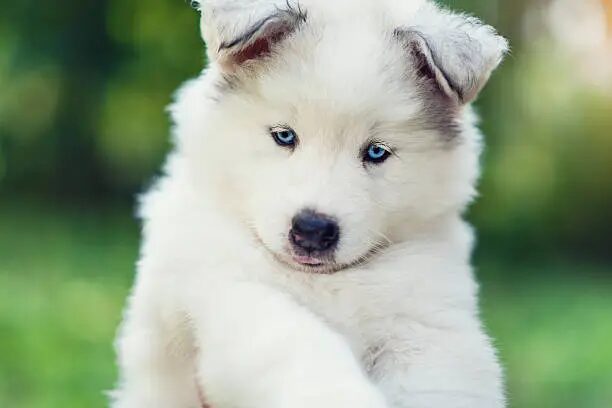
The American Eskimo Dog is admired for its exceptional personality. These puppies are intelligent, affectionate, and eager to be involved in everything their family does.
Their temperament is one of the main reasons they consistently rank among the most beloved companion breeds.
Personality Traits
American Eskimo puppies are naturally:
- Friendly
- Curious
- Loyal
- Alert
- Playful
- Energetic
- Confident
They enjoy learning new tricks and thrive on positive interactions with their owners.
Intelligence Level
The American Eskimo Dog is considered one of the smartest dog breeds.
Their intelligence allows them to:
- Learn commands quickly
- Solve simple puzzles
- Remember routines
- Understand household rules
- Excel in obedience training
However, this intelligence also means they can become bored if left without enough mental stimulation.
Affection Toward Family
Eskies form strong bonds with their families.
They love:
- Cuddling
- Playing games
- Following owners around the house
- Participating in family activities
They generally prefer being close to people rather than spending long periods alone.
Stranger Awareness
Although affectionate with family, American Eskimo puppies are naturally alert around unfamiliar people.
This makes them:
- Excellent watchdogs
- Observant companions
- Protective without being overly aggressive
Early socialization helps them distinguish between normal visitors and genuine threats.
Playfulness
Few breeds remain as playful throughout life as the American Eskimo Dog.
Favorite activities include:
- Fetch
- Tug-of-war
- Hide-and-seek
- Puzzle games
- Agility obstacles
Their playful attitude makes them wonderful companions for active families and children.
Adaptability
One of the greatest strengths of the American Eskimo Dog puppy is its ability to adapt to different lifestyles. Whether you live in a city apartment or a suburban home, an Eskie can thrive as long as its physical and mental needs are met.
They adjust well to:
- Families with children
- Single owners
- Couples
- Active seniors
- Multi-pet households (with proper introductions)
However, because they are highly social dogs, they do not enjoy being left alone for extended periods. Without enough attention, they may develop unwanted behaviors such as excessive barking or destructive chewing.
American Eskimo Puppy Growth Stages
Like all puppies, American Eskimo Dogs go through several important developmental stages during their first year. Understanding these stages helps owners provide the right care at the right time.
Birth to 8 Weeks
During the first two months, puppies remain with their mother and littermates.
What Happens During This Stage?
- Eyes and ears open
- Baby teeth begin appearing
- Walking and playing start
- Puppies learn bite inhibition
- Early social skills develop
Owner Tip: Responsible breeders usually keep puppies until they are at least 8 weeks old before sending them to new homes.
2–3 Months
This is when most puppies join their new families.
Development Highlights
- Rapid learning ability
- High curiosity
- Potty training begins
- Basic commands can be introduced
- Vaccination schedule starts
This stage is ideal for creating positive experiences with people, sounds, and new environments.
4 Months
By four months, your puppy becomes much more energetic.
Expect:
- Increased confidence
- Stronger chewing habits due to teething
- Better coordination
- Faster learning
Daily training sessions of 5–10 minutes work best at this age.
6 Months
Your Eskie starts resembling a miniature adult.
Changes include:
- Longer legs
- Fuller coat
- Greater stamina
- More independence
This is also a great time to reinforce obedience training and socialization.
9 Months
At nine months, many American Eskimo puppies reach most of their adult height.
During this stage:
- Energy remains high
- Adolescence begins
- Testing boundaries is common
- Consistent training becomes especially important
Owners should continue using positive reinforcement and avoid harsh corrections.
12 Months
Around one year of age:
- Adult coat is nearly complete
- Height reaches adult size
- Muscle development continues
- Behavior becomes more predictable
Many veterinarians recommend transitioning from puppy food to adult food around this time, depending on your dog’s growth and body condition.
Full Adult Maturity
Although physically mature by 12–18 months, American Eskimo Dogs often continue developing mentally until around 2 years of age.
Patience and ongoing training will help your puppy become a well-mannered adult companion.
American Eskimo Dog Puppy Growth & Weight Chart
The following chart provides average growth estimates. Individual puppies may vary depending on genetics, diet, and activity level.
| Age | Average Weight | Average Height |
|---|---|---|
| 8 Weeks | 4–8 lbs | 6–8 inches |
| 3 Months | 7–12 lbs | 8–11 inches |
| 6 Months | 12–22 lbs | 11–15 inches |
| 9 Months | 16–28 lbs | 13–18 inches |
| 12 Months | 18–35 lbs | 15–19 inches |
Note: Toy, Miniature, and Standard American Eskimo Dogs grow at different rates, so these values are general guidelines.
Preparing Your Home for an American Eskimo Puppy
Bringing home a puppy is exciting, but preparing your home beforehand helps create a safe and stress-free transition.
Puppy-Proofing Checklist
Before your puppy arrives:
- Remove electrical cords from reach.
- Store cleaning products safely.
- Keep medications locked away.
- Secure trash cans.
- Remove toxic plants.
- Install baby gates if necessary.
- Pick up small objects that could be swallowed.
A puppy explores the world with its mouth, so prevention is essential.
Essential Supplies
Before bringing your puppy home, gather the basics.
Must-Have Items
| Item | Purpose |
|---|---|
| Food and water bowls | Daily meals |
| Puppy food | Balanced nutrition |
| Collar and ID tag | Safety |
| Leash | Walks and training |
| Crate | House training |
| Dog bed | Comfortable sleeping area |
| Grooming brush | Coat maintenance |
| Nail clippers | Nail care |
| Chew toys | Teething relief |
| Enzyme cleaner | Cleaning potty accidents |
Sleeping Area
Choose a quiet, comfortable location away from heavy foot traffic.
Your puppy’s sleeping area should include:
- A soft washable bed
- Comfortable temperature
- Low lighting
- Minimal noise
Many owners place the crate in their bedroom during the first few weeks to help puppies feel secure.
Feeding Station
Create a dedicated feeding area that includes:
- Fresh water at all times
- Stainless steel or ceramic bowls
- Easy-to-clean flooring
- Quiet surroundings
Keeping feeding times consistent helps establish a healthy routine.
Safe Toys
American Eskimo puppies love interactive play.
Recommended toys include:
- Rubber chew toys
- Rope toys
- Food-dispensing puzzle toys
- Plush toys designed for puppies
- Durable balls
Avoid toys with small detachable parts that could become choking hazards.
Crate Selection
A crate is an excellent training tool.
Choose one that allows your puppy to:
- Stand comfortably
- Turn around
- Lie down fully
Avoid oversized crates, as too much space can slow potty training.
Bringing Home Your American Eskimo Puppy
The first few days shape your puppy’s confidence and trust.
First Day Tips
Keep things calm and simple.
On the first day:
- Allow your puppy to explore gradually.
- Introduce family members one at a time.
- Avoid overwhelming visitors.
- Show the potty area immediately.
- Offer fresh water and a small meal.
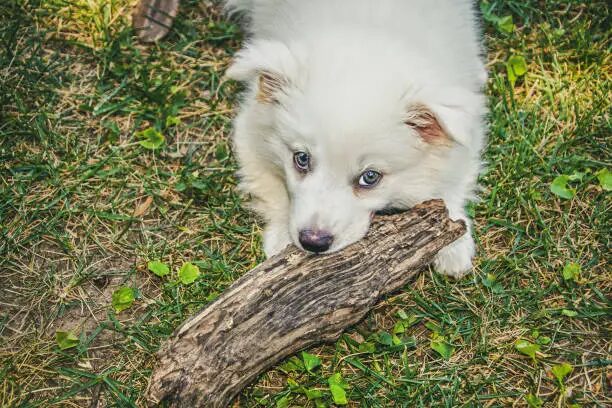
Remember that your puppy has just left its litter and may feel nervous.
First Week Expectations
During the first week, your puppy is learning:
- Household routines
- Family members
- Sleeping schedule
- Potty locations
- Feeding times
Some whining at night is normal during the adjustment period.
Building Trust
Trust develops through consistency.
Ways to strengthen your bond include:
- Speaking calmly
- Using rewards instead of punishment
- Gentle petting
- Daily play sessions
- Short training exercises
American Eskimo puppies naturally enjoy pleasing their owners.
Establishing a Routine
Dogs thrive on routine.
A typical daily schedule includes:
| Time | Activity |
|---|---|
| Morning | Potty break and breakfast |
| Mid-morning | Playtime and training |
| Afternoon | Nap and potty break |
| Evening | Dinner and walk |
| Night | Quiet time and bedtime |
Consistency reduces anxiety and speeds up house training.
American Eskimo Puppy Feeding Guide
Proper nutrition supports healthy growth, brain development, and a strong immune system.
Nutritional Requirements
A growing American Eskimo puppy needs a diet rich in:
- High-quality animal protein
- Healthy fats
- DHA for brain development
- Calcium and phosphorus for bones
- Vitamins and minerals
- Omega-3 and Omega-6 fatty acids
Always choose food formulated specifically for puppies.
Best Puppy Food
Look for products that list a quality protein source, such as chicken, turkey, lamb, or salmon, as the first ingredient.
A good puppy food should contain:
- Real meat
- Whole grains or digestible carbohydrates
- Vegetables
- Healthy fats
- No unnecessary fillers
Consult your veterinarian if your puppy has food sensitivities or allergies.
Dry vs. Wet Food
Both options have advantages.
| Dry Food | Wet Food |
|---|---|
| Supports dental health | Highly palatable |
| Easier to store | Adds moisture |
| More affordable | Softer texture |
| Convenient for training | Helpful for picky eaters |
Many owners successfully feed a combination of both.
Homemade Diet
A homemade diet should only be fed if it is nutritionally complete.
Poorly balanced homemade meals can lead to deficiencies during a puppy’s rapid growth phase.
If you’re interested in home-prepared food, work with a veterinarian or a board-certified veterinary nutritionist.
Raw Diet
Some owners choose raw feeding, but it comes with potential risks, including bacterial contamination and nutritional imbalances.
Before starting a raw diet, discuss the benefits and risks with your veterinarian.
Feeding Schedule by Age
Young puppies require frequent meals because of their rapid metabolism.
| Age | Meals Per Day |
|---|---|
| 8–12 Weeks | 4 meals |
| 3–6 Months | 3 meals |
| 6–12 Months | 2 meals |
| Adult | 2 meals |
Maintaining consistent meal times supports healthy digestion.
Portion Sizes
The correct portion depends on:
- Puppy size
- Activity level
- Food type
- Growth rate
Avoid overfeeding, as excess weight can increase the risk of joint problems later in life.
Use the feeding guide on your puppy food packaging as a starting point and adjust based on your veterinarian’s advice.
Healthy Treats
Treats are valuable training rewards but should make up no more than 10% of your puppy’s daily calorie intake.
Healthy options include:
- Small training treats
- Cooked lean chicken
- Blueberries
- Carrot slices
- Apple slices (without seeds)
- Pumpkin
Foods to Avoid
Never feed your American Eskimo puppy:
- Chocolate
- Grapes
- Raisins
- Onions
- Garlic
- Xylitol
- Alcohol
- Caffeine
- Macadamia nuts
- Cooked bones
If your puppy eats something potentially toxic, contact your veterinarian immediately.
Water Requirements
Fresh, clean water should always be available.
Puppies tend to drink more:
- After meals
- Following exercise
- During hot weather
Proper hydration supports digestion, circulation, and temperature regulation.
American Eskimo Puppy Training
American Eskimo Dogs are among the most intelligent dog breeds, making them quick learners. However, their intelligence also means they need regular mental challenges to stay engaged.
When to Start Training
Training should begin as soon as your puppy comes home, usually around 8 weeks of age.
Start with:
- Name recognition
- House rules
- Basic manners
- Socialization
- Positive interactions
Short, fun training sessions of 5–10 minutes are more effective than long lessons.
Basic Commands
Teach these essential commands first:
- Sit
- Stay
- Come
- Down
- Leave it
- Drop it
- Heel
- Wait
Mastering these commands improves both safety and communication.
Positive Reinforcement
American Eskimo puppies respond best to reward-based training.
Reward your puppy with:
- Small treats
- Praise
- Toys
- Playtime
- Affection
Avoid harsh punishment, as it can damage trust and increase anxiety.
Potty Training
Consistency is the key to successful house training.
Take your puppy outside:
- After waking up
- After meals
- After playtime
- Before bedtime
- Every 2–3 hours initially
Always reward successful potty breaks immediately.
Crate Training
A crate provides a secure space and helps with potty training.
Tips for success:
- Make the crate comfortable.
- Never use it as punishment.
- Feed meals inside the crate.
- Gradually increase crate time.
- Provide safe chew toys.
Leash Training
Begin leash training indoors before venturing outside.
Teach your puppy to:
- Walk beside you
- Avoid pulling
- Stop when you stop
- Focus on you during walks
Patience and consistency produce the best results.
Recall Training
A reliable recall can protect your puppy in emergencies.
Practice by:
- Calling your puppy enthusiastically.
- Rewarding every successful response.
- Training in distraction-free environments first.
- Gradually increasing difficulty.
Preventing Barking
American Eskimo Dogs naturally make excellent watchdogs, so some barking is expected.
Reduce excessive barking by:
- Providing daily exercise
- Preventing boredom
- Teaching the “Quiet” command
- Rewarding calm behavior
- Avoiding reinforcement of unnecessary barking
Preventing Separation Anxiety
Because Eskies bond closely with their families, they can become anxious when left alone.
To help prevent separation anxiety:
- Gradually increase alone time.
- Leave interactive puzzle toys.
- Avoid dramatic departures.
- Maintain a predictable routine.
- Ensure plenty of exercise before leaving.
Socializing an American Eskimo Puppy
Early socialization helps puppies grow into confident, well-adjusted adults.
Meeting New People
Introduce your puppy to:
- Adults
- Children
- People wearing hats
- People using wheelchairs
- Delivery workers
- Friends and neighbors
Keep experiences positive and reward calm behavior.
Introducing Other Dogs
Arrange supervised meetings with:
- Healthy vaccinated puppies
- Friendly adult dogs
- Dogs of different sizes
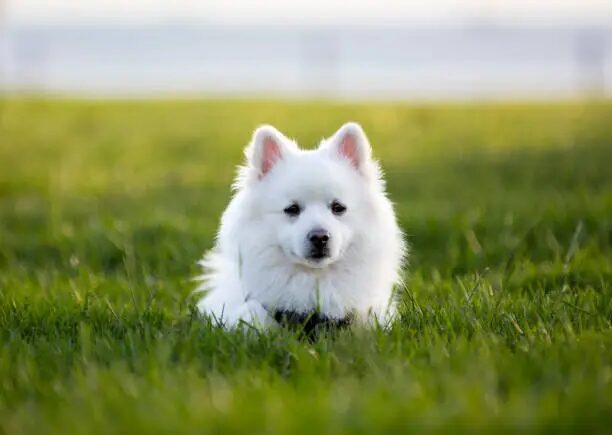
Positive experiences reduce fear later in life.
Living with Cats
Many American Eskimo puppies coexist peacefully with cats when introduced properly.
Tips include:
- Slow introductions
- Separate feeding areas
- Supervised interactions
- Rewarding calm behavior
Children and Puppies
Teach children to:
- Handle puppies gently
- Avoid pulling ears or tails
- Respect the puppy’s resting space
- Supervise playtime
Well-socialized Eskies are typically wonderful family companions.
Socialization Timeline
| Age | Focus |
|---|---|
| 8–10 Weeks | Family members, household sounds |
| 10–12 Weeks | Visitors, grooming, gentle handling |
| 3–4 Months | New environments, friendly dogs |
| 4–6 Months | Parks, car rides, basic obedience classes |
Exercise Requirements
Although small to medium in size, American Eskimo Dogs are energetic.
Daily Exercise Needs
Aim for:
- 30–60 minutes of daily exercise for puppies (adjusted for age)
- Multiple short play sessions
- Supervised outdoor exploration
Avoid excessive exercise in very young puppies to protect developing joints.
Indoor Activities
Rainy day ideas include:
- Hide-and-seek
- Tug games
- Indoor fetch
- Trick training
- Puzzle feeders
Outdoor Play
Outdoor fun may include:
- Walks
- Fetch
- Agility-style games
- Secure fenced yard play
- Nature trails
Mental Stimulation
Because of their intelligence, mental exercise is just as important as physical activity.
Provide:
- Obedience practice
- Interactive toys
- Scent games
- Food puzzles
- Learning new tricks
Puzzle Toys
Excellent puzzle toys encourage:
- Problem-solving
- Slower eating
- Independent play
- Confidence
Rotate toys regularly to keep your puppy interested.
Games American Eskimos Love
Favorites include:
- Fetch
- Frisbee (for older dogs)
- Hide-and-seek
- Nose work
- Obstacle courses
Grooming an American Eskimo Puppy
Their beautiful white coat requires regular maintenance.
Double Coat Care
The breed has:
- Dense undercoat
- Straight outer coat
Never shave an American Eskimo Dog unless advised by your veterinarian for medical reasons.
Brushing Schedule
Brush your puppy:
| Coat Condition | Frequency |
|---|---|
| Normal | 2–3 times weekly |
| Heavy shedding | Daily |
Frequent brushing reduces mats and loose hair.
Bathing
Bathe every:
- 6–8 weeks, or
- When your puppy becomes dirty
Use only dog-safe shampoos to avoid skin irritation.
Nail Trimming
Trim nails every 3–4 weeks to prevent discomfort and maintain proper posture.
Ear Cleaning
Check ears weekly for:
- Wax buildup
- Redness
- Odor
- Irritation
Clean only with a veterinarian-approved ear cleaner.
Dental Care
Brush teeth 2–3 times per week, ideally daily.
Dental care helps prevent:
- Plaque
- Bad breath
- Gum disease
- Tooth loss
Eye Cleaning
Use a soft damp cloth to gently remove tear stains or debris around the eyes.
Managing Seasonal Shedding
American Eskimo Dogs “blow” their undercoat during seasonal changes.
Helpful tips include:
- Daily brushing
- High-quality nutrition
- Regular grooming
- Vacuuming frequently
Common Health Problems in American Eskimo Puppies
While generally healthy, the breed can inherit certain conditions.
Hip Dysplasia
A developmental joint disorder that may affect mobility.
Maintain a healthy weight to reduce stress on the joints.
Progressive Retinal Atrophy (PRA)
An inherited eye disease that can lead to vision loss.
Responsible breeders screen breeding dogs for this condition.
Patellar Luxation
The kneecap slips out of place, causing intermittent limping.
Mild cases may require monitoring, while severe cases sometimes need surgery.
Diabetes
Although more common in adults, maintaining a healthy weight helps reduce risk.
Allergies
Some Eskies develop:
- Food allergies
- Environmental allergies
- Skin sensitivities
Persistent itching or ear infections warrant veterinary attention.
Dental Disease
Small and medium breeds benefit greatly from regular dental care throughout life.
Skin Conditions
Watch for:
- Hot spots
- Dry skin
- Irritation
- Parasites
Early treatment prevents complications.
Obesity Prevention
Maintain healthy weight through:
- Portion control
- Daily exercise
- Limited treats
- Routine veterinary checkups
American Eskimo Puppy Vaccination Schedule
| Age | Typical Vaccinations |
|---|---|
| 6–8 Weeks | Distemper, Parvovirus, Adenovirus |
| 10–12 Weeks | DHPP booster, optional vaccines based on risk |
| 14–16 Weeks | Final DHPP booster, Rabies (as recommended by local regulations) |
| Annual | Booster vaccines as advised by your veterinarian |
Always follow your veterinarian’s recommended vaccination schedule.
Deworming and Parasite Prevention
Deworming Schedule
Puppies are commonly dewormed every few weeks during early life, then according to your veterinarian’s advice.
Flea Prevention
Use veterinarian-approved flea preventatives throughout the year if recommended for your area.
Tick Prevention
Inspect your puppy after outdoor activities, especially in wooded or grassy areas.
Heartworm Prevention
Monthly heartworm prevention is recommended in many regions. Consult your veterinarian about the appropriate product and schedule.
American Eskimo Puppy Sleep Requirements
How Much Sleep Puppies Need?
Young puppies typically sleep 16–20 hours each day.
Sleep is essential for:
- Growth
- Brain development
- Learning
- Immune function
Creating a Sleep Routine
A consistent bedtime routine helps your puppy settle more easily.
Sleeping Through the Night
Most puppies gradually sleep through the night as bladder control improves and they become comfortable in their new home.
American Eskimo Puppy Behavior Problems
Common puppy behaviors include:
- Excessive barking
- Chewing
- Digging
- Jumping
- Nipping
- Resource guarding
- Fearfulness
Most of these behaviors improve with:
- Early training
- Socialization
- Mental stimulation
- Regular exercise
- Positive reinforcement
Living With an American Eskimo Puppy
American Eskimo Dogs adapt well to many homes when given sufficient exercise and companionship.
They are suitable for:
- Apartment living (with daily walks and mental stimulation)
- Homes with fenced yards
- Families with respectful children
- Active seniors
- First-time dog owners willing to invest time in training
- Multi-pet households with proper introductions
Traveling With an American Eskimo Puppy
Travel safely by:
- Using a secured crate or dog seat belt in the car
- Bringing water, food, and waste bags
- Taking regular bathroom breaks during long trips
- Keeping identification tags up to date
For air travel, check your airline’s pet policies well in advance.
Seasonal Care
Summer Care
- Provide shade and fresh water.
- Avoid midday heat.
- Walk during cooler morning or evening hours.
Winter Care
Their thick double coat offers good insulation, but puppies still need shelter from extreme weather and should not be left outdoors for prolonged periods.
Rainy Weather Tips
- Dry the coat thoroughly after walks.
- Clean paws to remove mud and debris.
- Check ears for excess moisture.
American Eskimo Puppy Price
Prices vary depending on breeder reputation, pedigree, and location.
Typical Costs
| Expense | Estimated Cost (USD) |
|---|---|
| Puppy Purchase | $800–$2,500+ |
| Initial Supplies | $250–$600 |
| Monthly Care | $80–$200 |
| Annual Veterinary Care | Varies by location |
Remember to budget for grooming, training classes, toys, and emergency veterinary expenses.
How to Choose a Healthy American Eskimo Puppy
Look for a puppy that:
- Has bright, clear eyes
- Is active and curious
- Has a clean coat
- Walks normally
- Eats well
- Shows no signs of coughing or diarrhea
Questions to Ask the Breeder
- Have the parents undergone health testing?
- What vaccinations has the puppy received?
- Has the puppy been dewormed?
- What food is the puppy currently eating?
- Can I meet the puppy’s parents?
Health Certificates
Request documentation for vaccinations, deworming, and any available genetic health testing.
Red Flags to Avoid
Avoid breeders who:
- Refuse to answer questions
- Will not let you see the puppies’ living conditions
- Offer puppies younger than eight weeks
- Cannot provide health records
Finding Reputable American Eskimo Dog Breeders
When searching for a breeder:
- Prioritize health and temperament over appearance.
- Look for breeders who perform health screenings.
- Ask for references from previous buyers.
- Consider breed clubs and rescue organizations if you’re interested in adoption.
Adopting from a rescue can be a rewarding option for families willing to welcome an older puppy or adult dog.
American Eskimo Puppy vs. Adult Dog
| Puppy | Adult Dog |
|---|---|
| Requires intensive training | Usually already trained |
| Higher energy | More settled temperament |
| Easier to socialize early | Personality already established |
| Demands more time | Often easier for busy owners |
Choose the option that best fits your lifestyle and experience.
American Eskimo Dog Puppy Pros and Cons
| Pros | Cons |
|---|---|
| Highly intelligent | Heavy shedding |
| Loyal and affectionate | Can bark frequently |
| Easy to train | Needs daily exercise |
| Great family companion | Regular grooming required |
| Beautiful appearance | May develop separation anxiety |
Fun Facts About American Eskimo Puppies
- They were famous circus performers known for learning impressive tricks.
- They excel at problem-solving, making them quick learners.
- They rank among the easiest breeds to train using positive reinforcement.
- They make excellent watchdogs thanks to their alert nature.
- They love interactive games that challenge both their minds and bodies.
Frequently Asked Questions (FAQs)
How much does an American Eskimo Dog puppy cost?
Most puppies cost $800 to $2,500 or more, depending on pedigree, breeder reputation, and location.
Are American Eskimo puppies good with children?
Yes. With proper socialization and supervision, they are affectionate, playful, and generally excellent companions for children.
Do American Eskimo puppies bark a lot?
They can be vocal because of their watchdog instincts, but early training helps manage excessive barking.
How big do American Eskimo puppies get?
Adult size depends on the variety:
- Toy: 6–10 pounds
- Miniature: 10–20 pounds
- Standard: 25–35 pounds
Are they easy to train?
Yes. Their intelligence and eagerness to please make them highly trainable.
How often should I groom an American Eskimo puppy?
Brush the coat 2–3 times per week, increasing to daily brushing during heavy seasonal shedding.
Can they live in apartments?
Yes, provided they receive enough daily exercise, mental stimulation, and companionship.
Are American Eskimo puppies hypoallergenic?
No. They shed heavily and are not considered hypoallergenic.
How much exercise do they need?
Most puppies benefit from several short play sessions and age-appropriate exercise totaling 30–60 minutes daily, with adjustments based on age and size.
What is their lifespan?
A healthy American Eskimo Dog typically lives 13–15 years with proper nutrition, preventive healthcare, and regular exercise.
Conclusion
The American Eskimo Dog puppy is an intelligent, loyal, and affectionate companion that thrives in a loving home where it receives consistent training, daily exercise, and plenty of attention. Whether you choose a Toy, Miniature, or Standard Eskie, you’ll enjoy a dog that’s eager to learn, loves spending time with its family, and excels in everything from obedience to interactive play.
Before bringing an American Eskimo puppy home, take time to research responsible breeders or consider adopting through a reputable rescue organization. A healthy puppy from a caring source is more likely to grow into a confident and well-adjusted adult.
With proper nutrition, early socialization, regular grooming, preventive veterinary care, and positive reinforcement training, your American Eskimo Dog can become a devoted companion for many years. If you’re looking for a beautiful, energetic, and highly trainable breed that’s happiest as part of the family, the American Eskimo Dog puppy could be the perfect match for your lifestyle.