The American Eskimo Dog is one of the most intelligent, beautiful, and versatile companion breeds in the world. With its fluffy white coat, fox-like face, alert expression, and cheerful personality, this breed has won the hearts of dog lovers for generations.
Many people search for American Eskimo dog breeds, wondering whether there are multiple breeds or simply different sizes of the same dog. The answer often surprises prospective owners. While there is only one American Eskimo Dog breed, it comes in three distinct size varieties: Toy, Miniature, and Standard.
Known for their intelligence, loyalty, and trainability, American Eskimo Dogs excel as family companions, agility competitors, obedience champions, and even circus performers. Their combination of beauty and brains makes them one of the most admired members of the Spitz family.
In this complete guide, you’ll learn everything about the different American Eskimo Dog sizes, their history, temperament, care requirements, health concerns, and how to determine whether this remarkable breed is the right fit for your lifestyle.
American Eskimo Dog Breed Overview
Before exploring the different size varieties, let’s take a quick look at the breed’s key characteristics.
Quick Breed Facts
| Category | Details |
|---|---|
| Breed Group | Non-Sporting Group |
| Origin | United States |
| AKC Classification | Non-Sporting |
| Height | 9–19 inches |
| Weight | 6–35 pounds |
| Lifespan | 13–15 years |
| Temperament | Friendly, Alert, Intelligent |
| Intelligence | Very High |
| Energy Level | High |
| Trainability | Excellent |
| Coat Type | Double Coat |
| Coat Colors | White, White & Biscuit Cream |
| Shedding Level | Heavy |
| Exercise Needs | Moderate to High |
| Good With Children | Yes |
| Good With Other Dogs | Yes |
| Good With Cats | Usually |
| Apartment Friendly | Yes (Toy & Miniature) |
| Barking Level | High |
American Eskimo Dog at a Glance
| Trait | Rating |
|---|---|
| Intelligence | ⭐⭐⭐⭐⭐ |
| Trainability | ⭐⭐⭐⭐⭐ |
| Family Friendly | ⭐⭐⭐⭐⭐ |
| Grooming Needs | ⭐⭐⭐⭐☆ |
| Watchdog Ability | ⭐⭐⭐⭐⭐ |
| Energy Level | ⭐⭐⭐⭐☆ |
| Affection Level | ⭐⭐⭐⭐⭐ |
| Apartment Living | ⭐⭐⭐⭐☆ |
Understanding American Eskimo Dog Breeds
One of the most common misconceptions about the American Eskimo Dog is that there are several different breeds. Let’s clear up the confusion.
Are There Different American Eskimo Dog Breeds?
Technically, there is only one American Eskimo Dog breed.
Unlike some dog families that include several related breeds, the American Eskimo Dog is a single breed recognized by major kennel clubs.
However, the breed comes in three different size categories:
- Toy American Eskimo Dog
- Miniature American Eskimo Dog
- Standard American Eskimo Dog
These are not separate breeds. They are simply different sizes of the same breed.
Difference Between Breeds and Size Varieties
A dog breed refers to a distinct type of dog with its own breed standard.
A size variety, on the other hand, refers to different sizes within the same breed.
Examples include:
| Breed | Size Varieties |
|---|---|
| American Eskimo Dog | Toy, Miniature, Standard |
| Poodle | Toy, Miniature, Standard |
| Dachshund | Standard, Miniature |
All American Eskimo Dogs share:
- The same temperament
- The same coat type
- Similar appearance
- Similar intelligence
- Similar grooming requirements
The primary difference is their size.
Officially Recognized American Eskimo Dog Sizes
The American Kennel Club recognizes three official size varieties.
Toy American Eskimo Dog
- Height: 9–12 inches
- Weight: 6–10 pounds
Miniature American Eskimo Dog
- Height: 12–15 inches
- Weight: 10–20 pounds
Standard American Eskimo Dog
- Height: 15–19 inches
- Weight: 25–35 pounds
Each size offers unique advantages depending on your living situation and lifestyle.
Why the Breed Comes in Three Sizes
Breeders developed multiple size varieties to accommodate different owner preferences.
Benefits of multiple sizes include:
- Better apartment compatibility
- Greater versatility
- More family options
- Different exercise requirements
- Wider appeal among dog lovers
This flexibility has helped the American Eskimo Dog remain popular for decades.
Which Size Is Most Popular?
The Miniature American Eskimo Dog is often considered the most popular size.
Reasons include:
- Manageable size
- Adaptability to various homes
- Family-friendly nature
- Easier handling compared to the Standard
- More athletic than the Toy variety
Many families find the Miniature size offers the perfect balance between portability and sturdiness.
Toy American Eskimo Dog
The Toy American Eskimo Dog is the smallest version of the breed but still possesses all the intelligence, beauty, and personality that make Eskies famous.
Overview
Small but energetic, the Toy American Eskimo Dog is ideal for owners seeking a compact companion.
Despite its tiny size, it remains:
- Alert
- Intelligent
- Athletic
- Affectionate
- Highly trainable
Height
Toy American Eskimo Dogs stand:
9–12 inches tall
This compact size makes them suitable for smaller homes and apartments.
Weight
Typical adult weight ranges from:
6–10 pounds
Their lightweight build makes them easy to transport and travel with.
Temperament
The Toy variety shares the same personality traits as larger Eskies.
Characteristics include:
- Loyal
- Playful
- Smart
- Friendly
- Curious
Many Toy Eskies form exceptionally close bonds with their owners.
Exercise Needs
Although small, they still require daily exercise.
Recommended activities include:
- Walks
- Indoor play
- Puzzle toys
- Basic training sessions
Most Toy Eskies need approximately 30–60 minutes of activity daily.
Grooming Requirements
Their thick double coat requires:
- Brushing several times weekly
- Seasonal shedding management
- Regular nail trims
- Ear cleaning
Smaller size does not mean lower grooming needs.
Health Concerns
Some conditions seen more frequently in smaller dogs include:
- Dental disease
- Patellar luxation
- Eye disorders
- Obesity
Routine veterinary care helps maintain long-term health.
Best Home for Toy American Eskimo Dogs
Toy Eskies thrive in:
- Apartments
- Condominiums
- Small homes
- Senior households
- Urban environments
As long as they receive attention and exercise, they adapt well to compact living spaces.
Miniature American Eskimo Dog
The Miniature American Eskimo Dog is often viewed as the perfect middle ground between the Toy and Standard varieties.
Overview
Miniature Eskies combine:
- Athleticism
- Manageable size
- Intelligence
- Family friendliness
This size works well for a wide range of households.
Height
Miniature American Eskimo Dogs stand:
12–15 inches tall
This makes them large enough for active play while remaining easy to handle.
Weight
Adult Miniatures typically weigh:
10–20 pounds
Their size allows them to participate comfortably in various activities.
Personality
Miniature Eskies are known for being:
- Outgoing
- Loyal
- Playful
- Alert
- Highly trainable
Many owners describe them as energetic comedians with endless enthusiasm.
Exercise Needs
Miniature Eskies need:
45–75 minutes of daily exercise
Good activities include:
- Walks
- Fetch
- Hiking
- Agility
- Obedience practice
Mental stimulation is equally important.
Grooming
The Miniature variety requires the same coat care as other sizes.
Weekly grooming should include:
- Brushing
- Coat inspection
- Nail trimming
- Ear checks
During seasonal shedding, brushing frequency should increase.
Health
Common health concerns include:
- Hip dysplasia
- Progressive Retinal Atrophy (PRA)
- Cataracts
- Allergies
- Patellar luxation
Responsible breeding reduces many hereditary risks.
Best Families
Miniature American Eskimo Dogs are ideal for:
- Families with children
- First-time owners
- Active singles
- Couples
- Seniors who enjoy daily walks
Their versatility makes them one of the most popular size choices.
Standard American Eskimo Dog
The Standard American Eskimo Dog is the largest and most athletic size variety.
Overview
Standard Eskies possess:
- Greater endurance
- Strong athletic ability
- Excellent trainability
- Protective instincts
- High energy levels
They are often preferred by owners who enjoy outdoor adventures.
Height
Standard American Eskimo Dogs measure:
15–19 inches tall
Their larger frame gives them a more substantial presence.
Weight
Adult Standard Eskies generally weigh:
25–35 pounds
Some individuals may be slightly larger depending on genetics.
Temperament
The Standard variety tends to be:
- Confident
- Friendly
- Alert
- Energetic
- Loyal
Like all Eskies, they thrive on companionship and mental stimulation.
Exercise Requirements
Standards require the most activity among the three size varieties.
Daily exercise should include:
- Long walks
- Running
- Hiking
- Agility sports
- Interactive games
Most adults benefit from 60–90 minutes of exercise daily.
Grooming Needs
Their coat maintenance remains similar to smaller varieties.
Owners should expect:
- Heavy seasonal shedding
- Frequent brushing
- Routine bathing
- Year-round coat care
Health Considerations
Larger Eskies may be more susceptible to:
- Hip dysplasia
- Joint issues
- Obesity if under-exercised
Proper nutrition and regular exercise are essential.
Ideal Owners
Standard American Eskimo Dogs are best suited for:
- Active families
- Outdoor enthusiasts
- Homes with yards
- Dog sport participants
- Experienced owners
Their energy and intelligence make them exceptional companions for active lifestyles.
Comparison of American Eskimo Dog Sizes
Understanding the differences between the three size varieties can help you choose the right Eskie.
Toy vs Miniature vs Standard
Although all three share the same breed traits, their size influences:
- Living arrangements
- Exercise requirements
- Travel convenience
- Handling ease
Size Comparison Table
| Size | Height | Weight |
|---|---|---|
| Toy | 9–12 in | 6–10 lbs |
| Miniature | 12–15 in | 10–20 lbs |
| Standard | 15–19 in | 25–35 lbs |
Personality Comparison
All three varieties are:
- Intelligent
- Loyal
- Affectionate
- Alert
- Trainable
Individual personality depends more on genetics and socialization than size.
Exercise Comparison
| Size | Daily Exercise |
|---|---|
| Toy | 30–60 minutes |
| Miniature | 45–75 minutes |
| Standard | 60–90 minutes |
Grooming Comparison
All three sizes require:
- Regular brushing
- Seasonal shedding management
- Ear cleaning
- Nail trimming
The grooming effort is similar regardless of size.
Cost Comparison
Generally:
- Toy puppies often command higher prices.
- Miniatures are moderately priced.
- Standards vary based on pedigree and breeder reputation.
Which Size Is Right for You?
Choose:
- Toy for apartment living and portability.
- Miniature for a balanced family companion.
- Standard for active lifestyles and outdoor adventures.
The best size ultimately depends on your home, activity level, and personal preferences.
History and Origin of the American Eskimo Dog
Despite its name, the American Eskimo Dog did not originate in Alaska or from the Inuit people. Its roots trace back to Europe, where it descended from the German Spitz, a family of intelligent, white-coated working dogs.
Over time, these dogs became cherished companions in the United States, earning a reputation for their beauty, intelligence, and versatility.
German Spitz Heritage
The American Eskimo Dog is a direct descendant of the German Spitz, one of Europe’s oldest dog types.
German Spitz dogs were traditionally used as:
- Farm watchdogs
- Family companions
- Livestock guardians
- Alert watchdogs for villages and homes
Their sharp intelligence and keen senses made them valuable working dogs long before they became popular pets.
Immigration to America
German immigrants brought Spitz dogs to the United States during the late 1800s.
Once in America, breeders selectively developed these dogs to produce:
- Consistent white coats
- Friendly temperaments
- Exceptional intelligence
- Strong companionship qualities
These improvements eventually led to the modern American Eskimo Dog.
Why the Name Changed
Originally, these dogs were known as German Spitz.
However, during World War I, anti-German sentiment in the United States led breeders to rename the breed the American Eskimo Dog.
Interestingly, the new name has no historical connection to Eskimo or Inuit cultures.
Circus Performers
One fascinating chapter in the breed’s history involves traveling circuses.
American Eskimo Dogs became famous performers because they could quickly learn:
- Tightrope walking
- Jumping through hoops
- Complex tricks
- Agility routines
Their intelligence and eagerness to perform made them stars of American entertainment.
Evolution Into Companion Dogs
Today, the breed is valued primarily as:
- Family companions
- Therapy dogs
- Obedience competitors
- Agility champions
- Watchdogs
Their affectionate personalities have made them one of the most beloved Spitz breeds.
Recognition by Kennel Clubs
AKC
The American Kennel Club (AKC) officially recognizes the breed in the Non-Sporting Group.
UKC
The United Kennel Club (UKC) also recognizes the breed and its three size varieties.
FCI Status
The Fédération Cynologique Internationale (FCI) does not recognize the American Eskimo Dog as a separate breed, although it recognizes related German Spitz varieties.
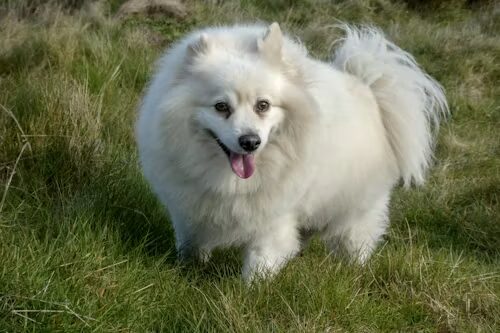
American Eskimo Dog Appearance
Elegant, balanced, and instantly recognizable, the American Eskimo Dog combines beauty with athleticism.
Overall Build
The breed has a compact, well-balanced body that is:
- Muscular
- Agile
- Athletic
- Graceful
Despite their fluffy appearance, these dogs are surprisingly athletic.
Head Shape
Their wedge-shaped head contributes to their fox-like expression.
The skull is:
- Slightly rounded
- Proportional to the body
- Well-defined
Eyes
Eyes are:
- Dark brown
- Oval-shaped
- Bright
- Expressive
Their alert gaze reflects their intelligence.
Ears
American Eskimo Dogs have:
- Small ears
- Triangular shape
- Upright position
- High placement
The ears remain erect throughout adulthood.
Nose
The nose is always:
- Black
- Well-pigmented
- Medium-sized
Tail
The tail is:
- Long
- Thickly feathered
- Curled over the back
It is one of the breed’s signature features.
Legs and Feet
The legs are:
- Straight
- Strong
- Well-boned
Feet are compact with thick pads for agility and endurance.
Coat Structure
The double coat consists of:
- Dense undercoat
- Longer outer coat
- Thick neck ruff
- Feathering on the legs and tail
This coat protects the dog from both cold and moderate heat.
Coat Types and Colors
The American Eskimo Dog’s luxurious white coat is one of its defining characteristics.
Double Coat Explained
Their coat consists of:
Outer Coat
- Straight
- Longer guard hairs
- Weather resistant
Undercoat
- Soft
- Dense
- Insulating
Together, these layers regulate body temperature throughout the year.
Coat Texture
The outer coat should never be curly.
Instead, it is:
- Straight
- Soft
- Full
- Slightly coarse on the guard hairs
Coat Length
Coat length varies slightly among individuals but remains medium to long.
The neck features a particularly thick mane, especially in males.
White Coat
Pure white is the most common and desirable coat color.
This brilliant coat contributes greatly to the breed’s elegant appearance.
White and Biscuit Cream
Some American Eskimo Dogs display subtle biscuit or cream shading around:
- Ears
- Back
- Shoulders
This coloring is also accepted by breed standards.
Seasonal Shedding
Owners should expect two major shedding seasons each year.
During these periods:
- Loose undercoat increases significantly.
- Daily brushing becomes necessary.
Coat Maintenance
To maintain a healthy coat:
- Brush three to four times weekly.
- Bathe every 6–8 weeks.
- Trim nails regularly.
- Avoid shaving the double coat.
American Eskimo Dog Temperament
Few breeds combine intelligence and affection as effectively as the American Eskimo Dog.
Intelligence
Often ranked among the smartest companion breeds, American Eskimo Dogs learn commands quickly and enjoy mental challenges.
Loyalty
They form deep bonds with their families and prefer staying close to their people.
Family Friendliness
Eskies thrive in homes where they are included in daily activities.
They generally love:
- Children
- Adults
- Family gatherings
- Interactive play
Affection Level
These dogs enjoy:
- Cuddling
- Following owners around the house
- Sleeping nearby
- Receiving attention
Stranger Friendliness
While friendly, they may initially appear reserved around unfamiliar people.
Early socialization helps develop confidence.
Protective Instinct
American Eskimo Dogs naturally alert owners when strangers approach.
Although not aggressive, they make excellent watchdogs.
Playfulness
Even adult Eskies often retain puppy-like enthusiasm.
Favorite games include:
- Fetch
- Hide-and-seek
- Tug-of-war
- Puzzle games
Confidence
Properly socialized Eskies are:
- Curious
- Brave
- Outgoing
- Adaptable
Sensitivity
This breed responds best to gentle training methods.
Harsh discipline may reduce confidence.
Barking Tendencies
American Eskimo Dogs are naturally vocal.
Common reasons for barking include:
- Visitors
- Boredom
- Excitement
- Alerting owners
Training helps prevent excessive barking.
Size, Growth and Development
Understanding growth stages helps owners provide proper nutrition and care.
Puppy Growth Stages
Birth–8 Weeks
- Rapid growth
- Nursing
- Early socialization
2–6 Months
- Adult teeth begin developing.
- Confidence increases.
- Training becomes essential.
6–12 Months
Growth begins slowing.
Many dogs approach adult height during this stage.
12–18 Months
Most American Eskimo Dogs reach physical maturity.
Growth Chart
| Age | Development |
|---|---|
| 2 Months | Weaning completed |
| 4 Months | Rapid growth |
| 6 Months | Adolescence begins |
| 9 Months | Nearly adult height |
| 12–18 Months | Full maturity |
Male vs Female Size
Males are generally:
- Slightly taller
- Heavier
- More muscular
Females tend to have a lighter frame while maintaining similar proportions.
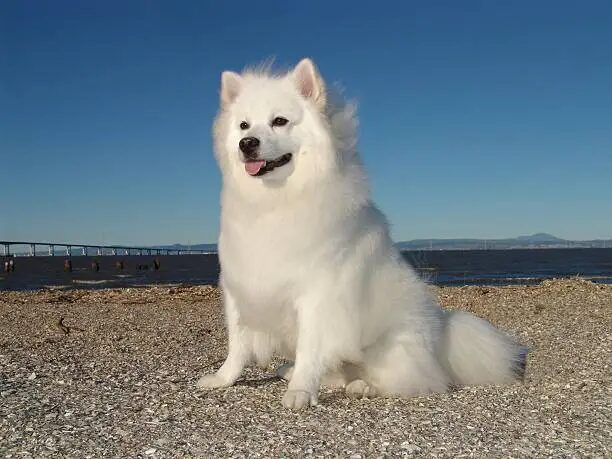
Full-Grown Weight
| Variety | Adult Weight |
|---|---|
| Toy | 6–10 lbs |
| Miniature | 10–20 lbs |
| Standard | 25–35 lbs |
Physical Maturity
Although full height is reached by around one year, muscle development often continues for several additional months.
American Eskimo Dog Puppy Guide
Bringing home an American Eskimo puppy is exciting, but preparation is essential.
Choosing the Right Puppy
Look for puppies that are:
- Curious
- Friendly
- Clean
- Bright-eyed
- Active
Avoid puppies that appear fearful or lethargic.
Puppy Development
During the first year, expect:
- Rapid learning
- Teething
- Increased energy
- Growing independence
Consistent routines help puppies feel secure.
Early Socialization
Introduce puppies to:
- Different people
- Friendly dogs
- Household sounds
- New environments
- Car rides
Positive experiences build lifelong confidence.
House Training
Successful potty training depends on:
- Consistent schedules
- Frequent outdoor trips
- Positive rewards
- Patience
Vaccination Schedule
Most puppies receive vaccinations beginning around 6–8 weeks, followed by booster doses every few weeks until approximately 16 weeks. Your veterinarian will recommend the appropriate schedule based on your location and your puppy’s needs.
Puppy Supplies
Prepare before bringing your puppy home.
Essentials include:
- Crate
- Bed
- Food bowls
- Puppy food
- Leash
- Harness
- Toys
- Grooming brush
First-Year Care
During the first year:
- Schedule regular veterinary visits.
- Begin obedience training.
- Maintain proper nutrition.
- Encourage daily exercise.
- Continue socialization.
Exercise Requirements
American Eskimo Dogs are active companions who enjoy both physical and mental activities.
Daily Exercise Needs
Most adults need 45–90 minutes of daily activity depending on their size and age.
Indoor Activities
Excellent indoor games include:
- Puzzle feeders
- Hide-and-seek
- Tug games
- Indoor fetch
- Obedience practice
Outdoor Activities
Walking
Daily walks provide both exercise and mental stimulation.
Running
Healthy adult Standard Eskies often enjoy jogging with active owners.
Hiking
Their endurance makes them wonderful trail companions.
Agility
This breed excels in agility thanks to its speed and intelligence.
Fetch
Many Eskies love retrieving balls and frisbees.
Obedience Training
Short training sessions also provide valuable mental exercise.
Mental Stimulation
Because of their intelligence, Eskies require:
- Puzzle toys
- Trick training
- Food puzzles
- Interactive games
- Scent activities
Mental exercise helps prevent boredom.
Preventing Boredom
Without enough stimulation, American Eskimo Dogs may develop:
- Excessive barking
- Destructive chewing
- Digging
- Restlessness
A consistent exercise routine keeps them happy and well-behaved.
Training Guide
The American Eskimo Dog is one of the easiest companion breeds to train. Their intelligence, eagerness to please, and love of learning make training enjoyable for both dogs and owners.
Trainability
American Eskimo Dogs excel in:
- Basic obedience
- Advanced commands
- Agility
- Rally obedience
- Trick training
- Therapy work
Consistency and patience produce the best results.
Positive Reinforcement
Reward-based training works exceptionally well.
Use:
- Small treats
- Praise
- Toys
- Playtime
Avoid harsh corrections, as these sensitive dogs respond much better to encouragement.
Basic Commands
Teach these commands first:
- Sit
- Stay
- Come
- Down
- Leave It
- Heel
- Place
Daily practice helps reinforce good behavior.
Crate Training
A properly sized crate helps with:
- House training
- Safe travel
- Preventing destructive behavior
- Providing a secure resting place
Potty Training
For successful housebreaking:
- Take puppies outside frequently.
- Maintain a consistent schedule.
- Reward successful potty breaks immediately.
- Supervise indoors.
Leash Training
Start leash training early to prevent pulling.
Short, positive walks help puppies develop good habits.
Trick Training
American Eskimo Dogs enjoy learning tricks such as:
- Roll Over
- Spin
- Shake
- Wave
- Retrieve Toys
- Jump Through Hoops
Their circus history proves how capable they are.
Agility Training
This breed thrives in agility sports thanks to its:
- Speed
- Athleticism
- Intelligence
- Responsiveness
Common Training Problems
Some owners experience:
- Excessive barking
- Separation anxiety
- Stubborn moments
- Distractibility
Early training and sufficient exercise usually minimize these issues.
Grooming Guide
The American Eskimo Dog’s thick white coat requires regular maintenance but is surprisingly easy to keep clean.
Brushing
Brush your dog 3–4 times per week.
During heavy shedding seasons, daily brushing is recommended.
Benefits include:
- Removing loose fur
- Preventing mats
- Distributing natural oils
- Keeping the coat healthy
Bathing
Most American Eskimo Dogs only need bathing every 6–8 weeks, unless they become especially dirty.
Use a gentle dog shampoo to avoid drying out the skin.
Nail Trimming
Trim nails approximately every 3–4 weeks.
Overgrown nails may affect movement and posture.
Ear Cleaning
Inspect ears weekly for:
- Wax buildup
- Odor
- Redness
- Irritation
Clean only with veterinarian-approved ear cleaners.
Eye Care
Regularly wipe away tear stains and check for:
- Redness
- Cloudiness
- Excessive discharge
Dental Hygiene
Brush your dog’s teeth several times each week to reduce plaque and support long-term dental health.
Managing Seasonal Shedding
American Eskimo Dogs “blow” their undercoat twice yearly.
Helpful grooming tools include:
- Slicker brush
- Undercoat rake
- Stainless-steel comb
- High-velocity dryer (for experienced groomers)
Never shave the coat, as it helps regulate body temperature.
Feeding and Nutrition
Proper nutrition supports healthy growth, energy levels, coat quality, and overall health.
Nutritional Requirements
Choose a complete and balanced diet with:
- High-quality animal protein
- Healthy fats
- Vitamins
- Minerals
- Omega fatty acids
Best Dog Food
Select food appropriate for your dog’s:
- Age
- Size
- Activity level
- Health condition
Consult your veterinarian if your dog has special dietary needs.
Feeding Schedule
| Age | Meals Per Day |
|---|---|
| 8–12 Weeks | 4 |
| 3–6 Months | 3 |
| 6–12 Months | 2–3 |
| Adults | 2 |
Portion Sizes by Size Variety
| Variety | Daily Amount* |
|---|---|
| Toy | ½–1 cup |
| Miniature | 1–1½ cups |
| Standard | 1½–2½ cups |
*Always follow the feeding guide on your dog’s food and adjust based on activity level and veterinary advice.
Healthy Treats
Healthy treats include:
- Carrots
- Blueberries
- Apple slices (without seeds)
- Plain cooked chicken
- Commercial training treats
Foods to Avoid
Never feed:
- Chocolate
- Grapes
- Raisins
- Onions
- Garlic
- Xylitol
- Alcohol
- Cooked bones
Weight Management
Maintain a healthy weight through:
- Portion control
- Daily exercise
- Limited treats
- Routine body-condition checks
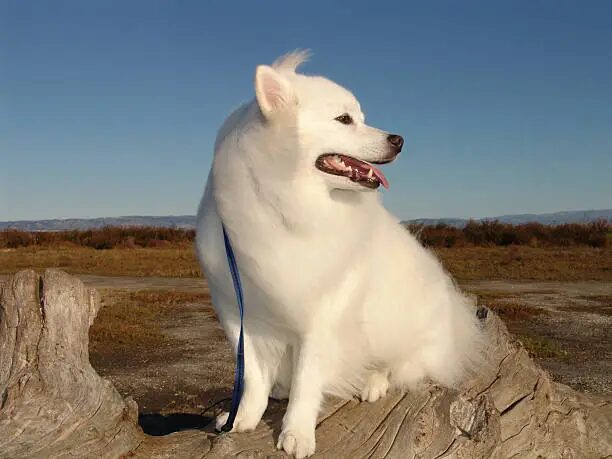
Common Health Problems
American Eskimo Dogs are generally healthy but can inherit certain conditions.
Hip Dysplasia
A developmental joint disorder that may cause pain and reduced mobility.
Patellar Luxation
More common in Toy and Miniature varieties, this condition causes the kneecap to move out of place.
Progressive Retinal Atrophy (PRA)
An inherited eye disease that gradually affects vision.
Cataracts
Older dogs may develop cataracts, which can reduce eyesight.
Diabetes
Some American Eskimo Dogs are prone to diabetes, particularly if they become overweight.
Allergies
Possible allergies include:
- Food allergies
- Environmental allergies
- Flea allergies
Dental Disease
Small dogs often experience plaque buildup, making regular dental care essential.
Skin Conditions
Dry skin and hot spots may occur without proper grooming or nutrition.
Lifespan and Senior Care
Average Lifespan
American Eskimo Dogs typically live 13–15 years, with many enjoying long, healthy lives.
Healthy Aging
Healthy senior dogs remain:
- Active
- Alert
- Social
- Interested in food and play
Senior Nutrition
Older dogs may benefit from:
- Senior-formulated diets
- Joint-support supplements (if recommended by a veterinarian)
- Weight management
Exercise for Older Dogs
Senior dogs still require daily activity, but lower-impact exercises are often more appropriate.
Veterinary Care
Annual wellness exams should become more frequent as dogs age to detect health issues early.
Living With an American Eskimo Dog
Apartment Living
Toy and Miniature American Eskimo Dogs adapt well to apartment living if they receive sufficient exercise and mental stimulation.
Homes With Yards
A securely fenced yard provides space to play but should not replace daily walks.
Rural Living
These active dogs enjoy larger outdoor spaces and thrive in rural environments.
Cold Weather
Their double coat provides excellent insulation against cold temperatures.
Hot Weather
In warmer climates:
- Provide shade.
- Offer fresh water.
- Exercise during cooler hours.
- Avoid prolonged heat exposure.
Traveling With Your Dog
Their intelligence and adaptability make them enjoyable travel companions when properly trained.
Family Compatibility
Good With Children
American Eskimo Dogs are affectionate and playful with respectful children.
Good With Seniors
Active seniors often appreciate their companionship and manageable size.
Good With First-Time Owners
Yes. Their willingness to learn makes them suitable for committed first-time owners.
Good With Other Dogs
Early socialization helps them develop positive relationships with other dogs.
Living With Cats
Many American Eskimo Dogs live peacefully with cats when introduced gradually.
Multi-Pet Homes
Their social personality generally allows them to thrive in homes with multiple pets.
American Eskimo Dog vs Similar Spitz Breeds
| Breed | Key Difference |
|---|---|
| Samoyed | Larger, heavier, originally bred for sled work |
| Japanese Spitz | Slightly smaller with finer features |
| German Spitz | Direct ancestor of the American Eskimo Dog |
| Pomeranian | Much smaller toy breed with a denser coat |
| Finnish Spitz | Red-gold hunting breed with a distinct bark |
Pros and Cons of Owning an American Eskimo Dog
Advantages
- Highly intelligent
- Loyal and affectionate
- Excellent family companion
- Beautiful appearance
- Great watchdog
- Excels in obedience and agility
Challenges
- Heavy seasonal shedding
- Frequent barking
- Needs regular grooming
- Requires daily exercise and mental stimulation
- Can develop separation anxiety if left alone too long
Is This Breed Right for You?
The American Eskimo Dog is a great fit if you want:
- An active companion
- A highly trainable dog
- A family-friendly breed
- An affectionate, interactive pet
Cost of Owning an American Eskimo Dog
| Expense | Estimated Cost |
|---|---|
| Toy Puppy | $1,000–$2,500 |
| Miniature Puppy | $900–$2,200 |
| Standard Puppy | $800–$2,000 |
| Adoption | $100–$500 |
| Food | $300–$900/year |
| Grooming | $200–$700/year |
| Veterinary Care | $300–$1,000/year |
| Pet Insurance | Varies |
First-Year Costs
Expect higher expenses due to:
- Initial veterinary care
- Vaccinations
- Supplies
- Training classes
- Spaying or neutering (if applicable)
Annual Ownership Costs
Most owners spend $1,500–$3,500 per year, depending on their dog’s size and needs.
Finding American Eskimo Dog Breeders
Choosing a Responsible Breeder
A reputable breeder should:
- Conduct health testing
- Raise puppies in a clean environment
- Allow visits
- Provide veterinary records
- Answer your questions openly
Questions to Ask
- Have the parents been health tested?
- Can I meet the puppy’s mother?
- What food is the puppy eating?
- What vaccinations has the puppy received?
- Do you offer a health guarantee?
Health Certifications
Look for breeders who screen for:
- Hip dysplasia
- Eye diseases
- Patellar luxation
- Other inherited conditions
Warning Signs of Puppy Mills
Avoid breeders who:
- Sell puppies too young
- Refuse health documentation
- Always have puppies available
- Keep dogs in poor conditions
Adoption and Rescue
Adopting an American Eskimo Dog is a rewarding option for many families.
Breed Rescue Organizations
Breed-specific rescues often have puppies, adults, and senior dogs available.
Shelter Adoption
Animal shelters occasionally have American Eskimo Dogs or mixes waiting for homes.
Adult Dogs vs Puppies
Adult Dogs
- Often house-trained
- Established temperament
- Usually calmer
Puppies
- Easier to socialize from an early age
- Longer companionship
- Require more training
Adoption Checklist
Before bringing your dog home:
- Buy essential supplies.
- Prepare a sleeping area.
- Schedule a veterinary appointment.
- Puppy-proof your home.
- Plan a daily routine.
Essential Supplies for New Owners
Recommended supplies include:
- Crate
- Comfortable bed
- Food and water bowls
- Harness and leash
- Slicker brush
- Undercoat rake
- Grooming kit
- Interactive toys
- Puzzle feeders
Common Behavioral Problems and Solutions
| Problem | Solution |
|---|---|
| Excessive Barking | Teach a “quiet” command and increase exercise |
| Separation Anxiety | Gradual alone-time training and enrichment toys |
| Chewing | Provide safe chew toys and supervision |
| Digging | Increase physical and mental activity |
| Jumping on Guests | Reward calm greetings |
| Pulling on the Leash | Practice loose-leash walking consistently |
| Resource Guarding | Use positive reinforcement and seek professional guidance if needed |
Fun Facts About American Eskimo Dog Breeds
- There is only one American Eskimo Dog breed, recognized in Toy, Miniature, and Standard size varieties.
- The breed is descended from the German Spitz.
- American Eskimo Dogs became famous as circus performers in the early 1900s.
- They are considered among the smartest companion dog breeds.
- Their alert nature makes them excellent watchdogs.
- The AKC officially recognizes all three size varieties.
Is an American Eskimo Dog Right for You?
Best Owners
This breed is ideal for:
- Active families
- Singles
- Seniors who enjoy daily walks
- First-time owners committed to training
- Dog sports enthusiasts
Who Should Avoid This Breed?
The breed may not be the best choice if you:
- Prefer a low-maintenance coat
- Want a quiet dog
- Spend long hours away from home
- Cannot provide regular exercise and interaction
Lifestyle Compatibility Checklist
✔ You enjoy daily walks and playtime.
✔ You have time for grooming.
✔ You can provide mental stimulation.
✔ You want an affectionate, intelligent companion.
✔ You don’t mind seasonal shedding.
Frequently Asked Questions (FAQs)
How many American Eskimo dog breeds are there?
There is one American Eskimo Dog breed, available in three official size varieties: Toy, Miniature, and Standard.
What are the three American Eskimo Dog sizes?
The three sizes are:
- Toy
- Miniature
- Standard
Which American Eskimo Dog size is best?
It depends on your lifestyle. Toy dogs suit smaller homes, Miniatures offer a balance of size and versatility, and Standards are ideal for active families.
Is the Toy American Eskimo Dog different from the Standard?
Only in size. Both share the same breed standard, temperament, and grooming needs.
Are American Eskimo Dogs good family pets?
Yes. They are affectionate, playful, and devoted to their families.
Do American Eskimo Dogs bark a lot?
Yes. They are naturally alert and vocal, making them effective watchdogs.
Are American Eskimo Dogs hypoallergenic?
No. They shed heavily and are not considered hypoallergenic.
How much exercise do they need?
Most adults require 45–90 minutes of exercise and mental stimulation daily.
Are they easy to train?
Yes. They are among the most intelligent and trainable companion breeds.
Do they shed heavily?
Yes. Their double coat sheds year-round, with heavier seasonal shedding.
How long do American Eskimo Dogs live?
They typically live 13–15 years.
Are they good with cats?
Many are, especially when raised with cats and properly socialized.
How much does an American Eskimo Dog puppy cost?
Prices generally range from $800 to $2,500, depending on size, pedigree, and breeder reputation.
Are American Eskimo Dogs aggressive?
No. They are generally friendly and alert but may be reserved with strangers until properly introduced.
What’s the difference between an American Eskimo Dog and a Samoyed?
The American Eskimo Dog is smaller, descended from the German Spitz, and bred primarily as a companion. The Samoyed is a larger working breed originally developed for herding and sled pulling.
Conclusion
The American Eskimo Dog is a remarkable breed celebrated for its intelligence, loyalty, elegant appearance, and loving personality. Although many people refer to “American Eskimo dog breeds,” there is actually one recognized breed with three official size varieties: Toy, Miniature, and Standard. Each offers the same signature traits while fitting different lifestyles and living spaces.
Whether you choose a compact Toy, a versatile Miniature, or an energetic Standard, you’ll enjoy a devoted companion that thrives on family interaction, consistent training, regular exercise, and mental enrichment. Their beautiful double coat does require routine grooming, and their alert nature means they can be vocal, but these responsibilities are balanced by their affectionate temperament and impressive intelligence.
If you’re prepared to invest time in responsible training, grooming, socialization, and lifelong care, an American Eskimo Dog can reward you with many years of companionship, loyalty, and joyful memories. For families, active individuals, and anyone seeking a bright, playful, and devoted canine companion, the American Eskimo Dog remains one of the finest Spitz breeds to welcome into a home.