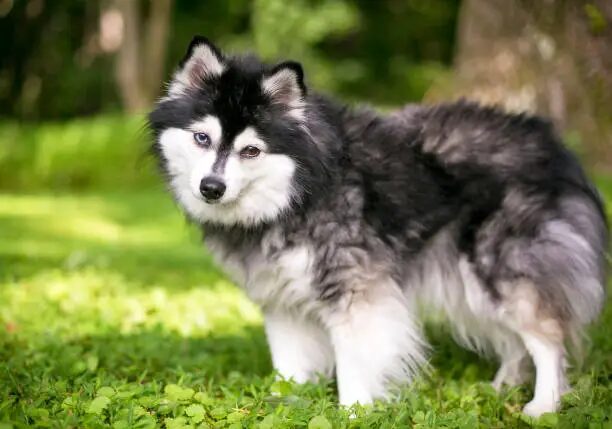
The Alaskan Klee Kai breed is one of the most fascinating small companion dogs in the modern dog world. At first glance, many people mistake this breed for a tiny Siberian Husky. With its sharp facial mask, bright eyes, pointed ears, fluffy tail, and athletic body, the comparison is easy to understand.
But the Alaskan Klee Kai is not simply a “small Husky.” It is a unique breed with its own history, personality, care needs, and ownership challenges.
This dog is intelligent, loyal, alert, energetic, and often reserved around strangers. For the right owner, it can be a wonderful companion. For the wrong household, however, its high energy, vocal nature, and need for socialization can become difficult to manage.
In this complete guide, you will learn everything important about the Alaskan Klee Kai breed, including its history, size, temperament, appearance, care needs, training, grooming, health, price, and whether this breed is right for your lifestyle.
Alaskan Klee Kai Breed at a Glance
| Feature | Details |
|---|---|
| Origin | Alaska |
| Country | United States |
| Breed Group | Companion / Northern-type dog |
| Developed By | Linda Spurlin |
| Height | Up to 17 inches |
| Weight | Around 6–25 pounds, depending on size |
| Lifespan | 12–16 years |
| Coat Type | Double coat |
| Coat Colors | Black & white, gray & white, red & white, pure white |
| Eye Colors | Brown, blue, amber, bi-eyed, parti-eyed |
| Temperament | Loyal, intelligent, alert, curious, reserved |
| Intelligence | High |
| Energy Level | Medium to high |
| Exercise Needs | Moderate to high |
| Grooming Requirements | Moderate |
| Shedding | Moderate, heavier during seasonal shedding |
| Barking Level | Moderate to high |
| Trainability | Good with consistency |
| Apartment Friendly | Yes, with daily exercise |
| Family Friendly | Yes, with socialization |
| Child Friendly | Better with respectful children |
| Dog Friendly | Usually, if socialized early |
| Stranger Friendly | Often reserved |
| Climate Tolerance | Better in cool weather |
| Average Price | Often $1,500–$3,500+ from reputable breeders |
What Is the Alaskan Klee Kai Breed?
The Alaskan Klee Kai is a small northern-type companion dog developed to look like a smaller version of the Alaskan Husky or Siberian Husky. It has the same striking appearance many people love in sled dogs, but in a more compact and manageable size.
This breed is known for its:
- Husky-like appearance
- Small to medium size
- Strong loyalty to family
- Sharp intelligence
- Alert watchdog behavior
- Reserved attitude toward strangers
- Playful and energetic personality
The Alaskan Klee Kai is often described as a breed that looks wild but behaves like a loyal house companion when properly trained and socialized.
Why Was the Breed Created?
The Alaskan Klee Kai was created for people who loved the look of northern sled dogs but wanted a smaller companion dog.
Large breeds like Siberian Huskies and Alaskan Huskies are beautiful, but they need a lot of space, exercise, and handling experience. The goal behind the Alaskan Klee Kai was to create a dog that had the same northern beauty but could fit better into family homes, apartments, and modern lifestyles.
In simple words, the breed was developed to be:
- Smaller than a Husky
- Easier to manage indoors
- Loyal as a companion dog
- Alert and intelligent
- Athletic but not as demanding as a full sled dog
Is the Alaskan Klee Kai a Purebred Dog?
Yes, the Alaskan Klee Kai is considered a distinct breed with its own breed standards and recognized history.
However, it is still a relatively rare breed compared with popular dogs like Labradors, German Shepherds, Golden Retrievers, or Siberian Huskies.
The breed is recognized by organizations such as the United Kennel Club, and it is also listed in the AKC Foundation Stock Service, which is used for developing and rare breeds.
Why It Looks Like a Miniature Husky
The Alaskan Klee Kai looks like a miniature Husky because northern breeds were part of its development. These dogs were selectively bred to keep the beautiful traits people admire in Huskies, such as:
- Upright ears
- Thick double coat
- Curled tail
- Masked face
- Almond-shaped eyes
- Athletic body
- Wolf-like expression
But appearance does not mean the breed is exactly the same as a Husky. The Alaskan Klee Kai is usually more reserved, more alert, and more cautious around strangers than the outgoing Siberian Husky.
What Makes This Breed Unique?
The Alaskan Klee Kai is unique because it combines the appearance of a northern working dog with the size of a companion breed.
Its biggest standout qualities include:
- Rare breed status
- Compact size
- Beautiful Husky-like markings
- Strong bond with owners
- Watchdog instincts
- High intelligence
- Expressive vocal personality
- Adaptability to smaller homes
This breed is best for owners who want an active, clever, loyal dog—not just a pretty pet.
History of the Alaskan Klee Kai
The history of the Alaskan Klee Kai breed is fairly recent compared with many ancient dog breeds. While some breeds have histories going back hundreds or thousands of years, the Alaskan Klee Kai was developed in the 20th century.
Origin in Alaska
The breed originated in Alaska, United States, during the 1970s.
Its development began when Linda Spurlin saw a smaller Husky-type dog and became interested in creating a compact northern companion breed. Over time, she started a careful breeding program to produce dogs that looked like miniature northern breeds while keeping a stable temperament and healthy structure.
Linda Spurlin’s Vision
Linda Spurlin did not simply want to create a small dog that looked cute. Her goal was more specific.
She wanted a dog that was:
- Beautiful like a Husky
- Smaller and easier to keep indoors
- Loyal to its family
- Intelligent and trainable
- Alert but not aggressive
- Healthy and well-balanced
This careful vision helped shape the Alaskan Klee Kai into the breed people know today.
Development During the 1970s
During the 1970s, the breed was developed through selective breeding. The purpose was not to create a toy-like novelty dog, but a properly structured small companion with northern breed features.
The process required patience because breeders needed to manage:
- Size
- Coat quality
- Temperament
- Health
- Facial markings
- Body structure
- Genetic consistency
This is one reason the Alaskan Klee Kai remains rare. Responsible breeders do not mass-produce them.
Meaning of “Klee Kai”
The name “Klee Kai” is commonly understood to mean “small dog.”
That name fits the breed perfectly because the Alaskan Klee Kai was developed as a smaller northern-style companion dog.
Foundation Breeds Used
The Alaskan Klee Kai was developed using several breeds. Each contributed something important to the final breed.
Siberian Husky
The Siberian Husky contributed the northern look, athletic body, facial mask, coat type, and expressive personality.
Alaskan Husky
The Alaskan Husky helped add working-dog athleticism, endurance, and northern breed structure.
American Eskimo Dog
The American Eskimo Dog helped with smaller size, companion temperament, and coat qualities.
Schipperke
The Schipperke contributed compact size, alertness, and watchdog tendencies.
Together, these breeds helped create a dog that looks like a mini northern breed but behaves like a loyal, intelligent companion.
Breed Recognition Timeline
The Alaskan Klee Kai slowly gained recognition as breeders worked to establish consistency.
A simple timeline looks like this:
| Period | Breed Development Stage |
| 1970s | Breed development began in Alaska |
| 1980s | Breeding standards became more consistent |
| 1990s | More public awareness developed |
| 1997 | Recognized by the United Kennel Club |
| Modern Day | Still considered rare but increasingly popular |
For more detailed breed history, the Alaskan Klee Kai Association of America is a useful breed-focused resource.
Breed Recognition
Breed recognition is important because it helps protect breed standards, responsible breeding, and accurate identification.
United Kennel Club (UKC)
The United Kennel Club recognizes the Alaskan Klee Kai as an official breed.
UKC recognition helps define the breed’s:
- Size standards
- Appearance
- Movement
- Temperament
- Coat expectations
- Faults and disqualifications
This is helpful for breeders, owners, and dog show participants.
AKC Foundation Stock Service
The Alaskan Klee Kai is part of the AKC Foundation Stock Service, often called FSS.
This means the breed is recorded by the American Kennel Club, but it is not yet fully recognized as a regular AKC breed for all events.
The FSS program helps rare breeds keep official records while they continue developing.
Breed Clubs
Breed clubs play a major role in protecting rare breeds.
They help with:
- Breed education
- Ethical breeding guidance
- Health awareness
- Rescue support
- Owner resources
- Standard preservation
For a rare breed like the Alaskan Klee Kai, breed clubs are especially important.
Is the Breed AKC Recognized?
The Alaskan Klee Kai is not fully AKC-recognized in the same way as breeds like the Siberian Husky or German Shepherd.
However, it is listed in the AKC Foundation Stock Service, which is an important step for rare and developing breeds.
So the simple answer is:
The Alaskan Klee Kai is recorded by AKC FSS, but it is not yet fully AKC recognized as a regular breed.
Alaskan Klee Kai Appearance
The Alaskan Klee Kai is best known for its stunning appearance. Many people are first attracted to the breed because of its wolf-like face and compact Husky-style body.
But this breed is more than just a pretty dog. Its appearance reflects careful breeding, balance, and northern breed influence.
Overall Build
The Alaskan Klee Kai has a balanced, athletic build.
It is not bulky or fragile. Instead, it should look:
- Light on its feet
- Muscular but not heavy
- Compact
- Agile
- Well-proportioned
- Alert and active
This body type allows the breed to move quickly and gracefully.
Head Shape
The head is wedge-shaped and proportionate to the body.
A proper head shape gives the breed its sharp, intelligent expression. The muzzle is not too long or too short, and the skull should appear balanced.
Facial Mask
One of the most recognizable features of the Alaskan Klee Kai is its facial mask.
The mask creates the classic northern-breed look. It usually includes contrast around the eyes, muzzle, and forehead.
A strong mask can make the dog look expressive, dramatic, and almost fox-like.
Eyes
The eyes are almond-shaped and highly expressive.
They often give the dog a bright, curious, and alert look. Many owners say their Klee Kai seems to “read the room” because the breed watches everything carefully.
Eye Colors
Alaskan Klee Kai can have several eye colors, including:
- Brown
- Blue
- Amber
- One blue and one brown eye
- Parti-colored eyes
This variety adds to the breed’s striking appearance.
Ears
The ears are upright, triangular, and alert.
They are one of the features that make the breed look sharp and attentive. Because the Alaskan Klee Kai is naturally watchful, its ears often move toward sounds quickly.
Tail
The tail is fluffy and usually curls over the back.
This curled tail gives the breed a classic northern-dog outline. It also adds charm to the dog’s appearance, especially when the dog is excited or alert.
Legs and Feet
The legs are straight, agile, and well-proportioned.
The feet are compact, helping the dog move efficiently. Even though the breed is small, it should still look athletic and capable—not weak or overly delicate.
Coat Structure
The Alaskan Klee Kai has a double coat.
This includes:
- A soft, dense undercoat
- A longer outer coat
The coat protects the dog from cold weather and gives it the fluffy northern appearance many people love.
Seasonal Coat Changes
Like many double-coated breeds, the Alaskan Klee Kai sheds throughout the year and sheds more heavily during seasonal coat changes.
During shedding season, owners may notice:
- Loose undercoat
- More fur on furniture
- More brushing needed
- Coat thinning before regrowth
Regular brushing helps keep shedding under control.
Coat Colors
The Alaskan Klee Kai comes in several beautiful coat colors.
Black and White
Black and white is one of the most popular and recognizable color combinations. It gives the dog a bold, classic Husky-like appearance.
Gray and White
Gray and white dogs often have a softer, wolf-like look. The gray may range from light silver to darker charcoal.
Red and White
Red and white Alaskan Klee Kai are especially eye-catching. Their red may appear copper, cinnamon, or deeper reddish-brown.
Pure White
Pure white Alaskan Klee Kai are less common. They do not have the same strong facial mask as other colors, but they can look elegant and striking.
Coat Patterns
Most Alaskan Klee Kai have contrasting markings, especially around the:
- Face
- Chest
- Legs
- Belly
- Tail
These patterns help create the breed’s dramatic northern expression.
Alaskan Klee Kai Sizes
One reason people love the Alaskan Klee Kai breed is that it comes in different size categories.
These size varieties make it easier for owners to choose a dog that fits their home and lifestyle.
Toy
The Toy Alaskan Klee Kai is the smallest size.
This size is usually best for people who want a very compact companion dog but still want energy, intelligence, and northern-breed looks.
Miniature
The Miniature Alaskan Klee Kai is slightly larger than the Toy size.
It is often a popular choice because it offers a nice balance between small size and athletic ability.
Standard
The Standard Alaskan Klee Kai is the largest size variety.
Even though it is called “standard,” it is still much smaller than a Siberian Husky.
Male vs Female Size
Males are often slightly larger and more muscular than females, but the difference is usually not extreme.
Females may appear a little more refined, while males may look broader. However, personality depends more on genetics, training, and socialization than gender alone.
Growth Chart
| Age | Typical Growth Stage |
| 8–12 weeks | Small puppy stage, rapid learning begins |
| 3–6 months | Fast growth, teething, socialization period |
| 6–12 months | Adolescent stage, more confidence and energy |
| 12–18 months | Near adult size, still mentally maturing |
| 18+ months | Adult structure becomes more settled |
Weight Chart by Age
| Age | Estimated Weight Range |
| 8 weeks | 3–8 lbs |
| 3 months | 5–12 lbs |
| 6 months | 8–18 lbs |
| 12 months | 10–25 lbs |
| Adult | 6–25 lbs depending on size category |
These are general estimates. Individual puppies may grow at different rates depending on genetics, diet, health, and size variety.
Alaskan Klee Kai Temperament
The Alaskan Klee Kai temperament is one of the most important things to understand before choosing this breed.
This dog is beautiful, but it is not a simple decorative pet. It is smart, sensitive, energetic, and observant.
The Alaskan Klee Kai usually bonds deeply with its family but may be cautious around strangers. That makes early training and socialization extremely important.
Personality Overview
The Alaskan Klee Kai breed has a personality that is both charming and challenging. This dog can be playful, funny, loyal, and affectionate with its family, but it can also be cautious, vocal, and independent.
That mix is exactly what makes the breed interesting.
An Alaskan Klee Kai usually wants to be close to its people, but it does not always behave like a typical “everyone is my best friend” dog. Many are naturally selective. They may love their family deeply but take time to warm up to visitors.
Common personality traits include:
- Smart and quick-thinking
- Loyal to trusted people
- Alert to sounds and movement
- Curious about everything
- Playful and energetic
- Reserved with strangers
- Sensitive to tone and routine
- Independent at times
This is not a lazy lap dog. It is a thinking dog that needs attention, structure, and daily engagement.
Intelligence
The Alaskan Klee Kai is highly intelligent. It can learn commands quickly, understand routines, and figure out patterns in the home.
That intelligence is a strength, but it can also become a problem if the dog gets bored. A bored Klee Kai may invent its own entertainment, such as opening doors, digging, barking, stealing small items, or escaping from weak fencing.
Good outlets for intelligence include:
- Trick training
- Puzzle toys
- Obedience games
- Scent work
- Hide-and-seek
- Food-dispensing toys
- Agility practice
The more you challenge the dog’s mind, the easier it becomes to live with.
Loyalty
This breed is deeply loyal to its family. Once trust is built, the Alaskan Klee Kai often becomes very attached to its people.
Many owners describe their dogs as “shadows” because they like to follow family members from room to room. They may not always demand cuddles, but they usually want to know where their favorite people are.
Their loyalty makes them wonderful companions for owners who want a close bond with their dog.
Reserved Nature
One of the biggest differences between the Alaskan Klee Kai and the Siberian Husky is the breed’s reserved nature.
A Siberian Husky is often friendly with almost everyone. An Alaskan Klee Kai is more likely to pause, observe, and decide whether a new person feels safe.
This does not mean the breed is aggressive. It simply means it can be cautious.
Early socialization helps the dog become more confident around:
- Visitors
- Children
- Other dogs
- Noisy places
- Groomers
- Veterinarians
- New environments
A well-socialized Klee Kai can be polite and confident without becoming overly friendly with every stranger.
Alertness
The Alaskan Klee Kai is naturally alert. It notices small changes in the environment, including sounds outside the door, movement near windows, or unfamiliar people approaching the home.
Because of this, the breed often makes an excellent watchdog.
However, watchdog does not mean guard dog. Most Klee Kai will alert their owners with barking or vocal sounds, but they are not usually the type of dog to physically protect a property.
Curiosity
Curiosity is a big part of this breed’s personality.
An Alaskan Klee Kai likes to explore, sniff, watch, and investigate. This makes walks and outdoor adventures enjoyable, but it also means owners must be careful with safety.
A curious Klee Kai may:
- Chase small animals
- Try to slip through open doors
- Investigate trash bins
- Climb or dig near fences
- Follow interesting scents
Secure fencing, leash training, and recall practice are very important.
Vocal Personality
The Alaskan Klee Kai can be a vocal breed. Some bark, some howl, and some make funny “talking” sounds that sound almost like conversation.
They may vocalize when they are:
- Excited
- Bored
- Alerting to something
- Seeking attention
- Frustrated
- Playing
- Greeting family members
This vocal nature can be cute, but it can become an issue in apartments if not managed early.
Teaching a quiet cue and rewarding calm behavior can help.
Playfulness
The breed is playful and often keeps its puppy-like spirit into adulthood.
Many enjoy games such as:
- Fetch
- Tug
- Chase
- Hide-and-seek
- Training games
- Puzzle feeding
Play is not just entertainment. It helps build trust and gives the dog a healthy outlet for energy.
Independence
The Alaskan Klee Kai loves its family, but it can still be independent. Some dogs may decide whether a command is worth following, especially if training feels boring or repetitive.
This is why training should be:
- Short
- Positive
- Fun
- Reward-based
- Consistent
Long, harsh, or boring sessions usually do not work well with this breed.
Affection Level
The Alaskan Klee Kai can be affectionate, but it may show love in quiet ways.
Some love cuddling. Others prefer to sit beside you rather than on your lap. Many show affection by following you, watching you, bringing toys, or resting nearby.
This breed is not always clingy, but it is usually emotionally connected to its family.
Protective Instincts
Because the breed is alert and loyal, it may show protective instincts. This often appears as barking at strangers, watching visitors carefully, or standing close to family members.
Proper training helps keep this behavior balanced.
The goal is not to make the dog suspicious of everyone. The goal is to teach it that new people and situations can be safe.
Are Alaskan Klee Kai Good Family Dogs?
Yes, the Alaskan Klee Kai breed can be a good family dog, but it depends on the family.
This breed does best in homes where people understand its need for exercise, training, socialization, and companionship. It is not the best choice for families that want a very low-maintenance dog.
Families With Children
Alaskan Klee Kai can live happily with children, especially if they are raised together and supervised properly.
They are usually better with respectful older children who understand how to treat dogs gently.
Children should be taught not to:
- Pull the dog’s ears or tail
- Chase the dog when it wants space
- Disturb it while eating
- Grab toys from its mouth
- Hug it tightly if the dog dislikes it
With good boundaries, the breed can become a loyal and playful family companion.
Singles
This breed can be excellent for single owners. Because the Alaskan Klee Kai bonds strongly, it often forms a close connection with one main person.
It is a good match for singles who enjoy:
- Walking
- Hiking
- Training
- Outdoor activities
- Interactive play
- Spending time at home with their dog
However, owners who work long hours away from home should plan for dog walkers, daycare, or family support.
Couples
Couples often do well with this breed because responsibilities can be shared.
One person may handle morning walks while the other handles evening play or grooming. This helps the dog receive enough attention and activity.
A Klee Kai can fit nicely into an active couple’s lifestyle, especially if weekends include hiking, travel, or outdoor fun.
Seniors
Some active seniors may enjoy the Toy or Miniature Alaskan Klee Kai, but the breed’s energy and alertness should not be underestimated.
This dog may not be ideal for seniors who want a very calm, quiet, low-exercise companion.
A senior owner should be comfortable with:
- Daily walks
- Training
- Brushing
- Managing barking
- Regular vet care
First-Time Dog Owners
First-time owners can succeed with an Alaskan Klee Kai, but they must be prepared.
This breed is smart and sensitive, so it needs gentle but consistent leadership. Puppy classes, early socialization, and regular training are strongly recommended.
First-time owners should be ready for:
- Seasonal shedding
- Vocal behavior
- Exercise needs
- Stranger shyness
- Mental stimulation
- Possible escape attempts
A committed beginner can do well. A casual beginner may struggle.
Homes With Other Dogs
Many Alaskan Klee Kai can live with other dogs if introduced properly.
They often enjoy having a canine playmate, especially if the other dog has a similar energy level.
Good introductions should be:
- Slow
- Supervised
- Positive
- Done in neutral spaces when possible
Early socialization makes a big difference.
Homes With Cats
Some Alaskan Klee Kai can live with cats, especially if raised with them from puppyhood. However, the breed may have prey drive, so introductions must be careful.
Tips for cat introductions:
- Keep the dog on leash at first
- Give the cat escape routes
- Reward calm behavior
- Never allow chasing
- Supervise until trust is established
Multi-Pet Families
The breed can work in multi-pet homes, but structure matters.
Because of its alert and curious nature, the Alaskan Klee Kai should be trained to respect smaller pets. Small animals like rabbits, hamsters, or birds should never be left unsupervised with any dog that has prey drive.
Alaskan Klee Kai vs Siberian Husky
The Alaskan Klee Kai and Siberian Husky look similar, but they are not the same breed.
The Klee Kai was developed as a smaller companion dog, while the Siberian Husky was originally bred as a sled dog.
| Feature | Alaskan Klee Kai | Siberian Husky |
|---|---|---|
| Height | Up to 17 inches | Around 20–24 inches |
| Weight | About 6–25 lbs | About 35–60 lbs |
| Temperament | Loyal, alert, reserved | Friendly, outgoing, social |
| Intelligence | High | High |
| Energy | Medium to high | Very high |
| Grooming | Moderate | Moderate to heavy |
| Lifespan | 12–16 years | 12–14 years |
| Price | Often higher due to rarity | Usually more available |
| Exercise | Daily activity required | Heavy exercise required |
| Family Compatibility | Good with socialization | Usually very family-friendly |
| Apartment Living | Possible with exercise | More challenging |
The biggest difference is personality. Huskies are usually more social with strangers, while Klee Kai are more watchful and reserved.
Alaskan Klee Kai vs Mini Husky
Many people search for Alaskan Klee Kai vs Mini Husky because the two terms are often confused.
Are They the Same?
No, not always.
The Alaskan Klee Kai is a defined breed with a known history and breed standard. “Mini Husky” is often a general marketing term used for small Husky-like dogs.
A dog advertised as a Mini Husky may be:
- A smaller Siberian Husky
- A mixed-breed dog
- A poorly bred small northern-type dog
- Sometimes an Alaskan Klee Kai
Because the term is not always used clearly, buyers should be careful.
Major Differences
| Feature | Alaskan Klee Kai | Mini Husky |
| Breed Status | Recognized rare breed | Often not a specific breed |
| Predictability | More predictable from ethical breeders | Varies widely |
| Size | Toy, Miniature, Standard | Depends on breeding |
| Temperament | Alert, loyal, reserved | Depends on dog |
| Health Testing | Common with reputable breeders | Varies |
| Purpose | Companion breed | Often marketing term |
Which Is Better?
If you want a predictable dog with a known breed background, the Alaskan Klee Kai is usually the better choice.
If you simply want a small Husky-looking dog, you must be extra careful and research the breeder or rescue carefully.
The best choice depends on your lifestyle, but responsible sourcing matters more than the label.
Living With an Alaskan Klee Kai
Living with an Alaskan Klee Kai is rewarding, but it requires involvement. This breed wants to be part of daily life.
It does not do well when ignored in the backyard or left alone for long hours every day.
Daily Routine
A healthy daily routine may include:
| Time | Activity |
| Morning | Walk, potty break, breakfast |
| Midday | Short play, puzzle toy, nap |
| Afternoon | Training or enrichment |
| Evening | Longer walk, fetch, family time |
| Night | Calm routine and rest |
Routine helps the breed feel secure and reduces stress-related behaviors.
Indoor Personality
Indoors, a well-exercised Alaskan Klee Kai can be calm and clean. Many enjoy watching from windows, following owners, or resting nearby.
Without enough activity, however, the same dog may become noisy, restless, or destructive.
Outdoor Lifestyle
This breed enjoys outdoor adventures, especially in cool weather.
Good outdoor activities include:
- Walks
- Hiking
- Jogging
- Agility
- Fetch
- Exploring safe trails
Because of prey drive and curiosity, off-leash time should only happen in secure areas.
Apartment Living
The Alaskan Klee Kai can live in an apartment if its needs are met.
Apartment owners should focus on:
- Daily walks
- Quiet training
- Mental enrichment
- Managing barking
- Safe crate training
- Regular outdoor breaks
The breed’s size makes apartment living possible, but its energy and vocal nature still require attention.
House With Yard
A yard is helpful, but it does not replace walks or training.
The yard should be securely fenced because some Klee Kai are clever escape artists. Check for gaps, loose boards, and dig spots.
Cold Weather
The double coat gives the breed good cold-weather tolerance. Many Klee Kai enjoy snow and winter walks.
Still, owners should protect paws from ice, salt, and sharp frozen surfaces.
Hot Weather
Hot weather requires caution. The thick double coat can make overheating a concern.
In summer:
- Walk early morning or evening
- Provide shade
- Offer fresh water
- Avoid hot pavement
- Never leave the dog in a parked car
Exercise Requirements
The Alaskan Klee Kai breed needs daily exercise to stay healthy and well-behaved.
Daily Exercise Needs
Most adult Alaskan Klee Kai need around 45–90 minutes of daily activity, depending on age, size, health, and personality.
This should include both physical exercise and mental stimulation.
Walking
Daily walks are important for more than physical exercise. They also provide sniffing, training, socialization, and confidence building.
Running
Healthy adults may enjoy running or jogging with their owners. Start slowly and avoid long runs with young puppies because their joints are still developing.
Hiking
The breed can make a wonderful hiking partner. Use a secure harness and leash because small animals may trigger chase instincts.
Fetch
Fetch is a great way to burn energy in a controlled area. Keep sessions short and fun.
Agility
Agility is excellent for this breed because it combines speed, intelligence, and teamwork.
Dog Sports
Alaskan Klee Kai may enjoy:
- Rally
- Obedience
- Scent work
- Agility
- Trick training
Puzzle Toys
Puzzle toys help prevent boredom. Use treat puzzles, snuffle mats, and food-dispensing balls to keep the dog mentally busy.
Mental Stimulation
Mental stimulation is just as important as walking.
A smart dog with nothing to do may become difficult to manage.
Signs of Under-Exercise
Signs your Alaskan Klee Kai may need more activity include:
- Excessive barking
- Chewing
- Digging
- Restlessness
- Pacing
- Escaping
- Attention-seeking behavior
Training the Alaskan Klee Kai
Training should begin early and continue throughout life.
Are They Easy to Train?
They are intelligent and capable, but not always blindly obedient.
They learn quickly when training is fun and rewarding.
Positive Reinforcement
Positive reinforcement works best.
Use:
- Treats
- Praise
- Toys
- Play
- Calm encouragement
Avoid harsh punishment because this breed can be sensitive.
Crate Training
Crate training can help with:
- Housebreaking
- Travel
- Rest
- Preventing destructive behavior
- Reducing anxiety when done correctly
The crate should feel safe, not like punishment.
Housebreaking
Housebreaking is easier with routine.
Take puppies outside after:
- Waking up
- Eating
- Playing
- Drinking
- Napping
Reward immediately when they potty outside.
Leash Training
Leash training is important because the breed may chase wildlife or become distracted.
Use a secure harness and reward calm walking.
Recall Training
Recall is useful but should not be trusted off-leash in unsafe areas.
Practice with high-value rewards and gradually increase distractions.
Puppy Socialization
Puppy socialization should include people, sounds, surfaces, car rides, grooming, and friendly dogs.
Keep every experience positive.
Obedience Training
Basic obedience should include:
- Sit
- Stay
- Come
- Down
- Leave it
- Drop it
- Quiet
- Place
These commands help make daily life easier.
Common Training Mistakes
Avoid these mistakes:
- Waiting too long to socialize
- Using harsh corrections
- Skipping leash training
- Allowing barking to become a habit
- Not rewarding calm behavior
- Giving too much freedom too soon
Grooming Guide
The Alaskan Klee Kai has a beautiful double coat that needs regular care.
Brushing Schedule
Brush the coat 2–3 times per week. During shedding season, daily brushing may be needed.
Bathing
Bathing every few months is usually enough unless the dog gets dirty.
Overbathing can dry the skin and coat.
Nail Care
Trim nails every few weeks. Long nails can affect movement and comfort.
Ear Cleaning
Check ears weekly for dirt, redness, or odor. Clean only when needed with a dog-safe ear cleaner.
Dental Care
Brush teeth several times weekly. Dental chews can help, but brushing is best.
Seasonal Shedding
During coat-blowing seasons, expect more fur around the home.
An undercoat rake can help remove loose hair.
Coat Maintenance
Never shave the double coat. It protects the dog from both cold and heat when properly maintained.
Do They Smell?
Most Alaskan Klee Kai do not have a strong dog smell if kept clean and healthy.
Feeding & Nutrition
A balanced diet helps support energy, coat health, digestion, and long-term wellness.
Best Dog Food
Choose high-quality dog food with:
- Real animal protein
- Healthy fats
- Balanced vitamins
- Proper calories
- No unnecessary fillers
Puppy Diet
Puppies need food made for growth. Feed smaller meals throughout the day.
Adult Diet
Adults usually do well with two meals per day.
Senior Nutrition
Senior dogs may need fewer calories and more support for joints, digestion, and heart health.
Feeding Schedule
| Life Stage | Meals Per Day |
| Puppy | 3–4 |
| Adult | 2 |
| Senior | 2, adjusted as needed |
Portion Sizes
Portions depend on size, age, activity level, and food type. Always monitor body condition rather than feeding only by the label.
Healthy Treats
Good treat options include:
- Small training treats
- Plain cooked chicken
- Carrot pieces
- Blueberries
- Dog-safe dental chews
Foods to Avoid
Avoid toxic foods such as:
- Chocolate
- Grapes
- Raisins
- Onions
- Garlic
- Xylitol
- Alcohol
- Cooked bones
Alaskan Klee Kai Health
The Alaskan Klee Kai breed is generally considered healthy, especially when puppies come from responsible breeders who perform proper health testing. Still, like every dog breed, it can be prone to certain genetic or structural health concerns.
Good care, regular vet visits, proper nutrition, safe exercise, and early screening can make a big difference in your dog’s long-term quality of life.
Average Lifespan
The average Alaskan Klee Kai lifespan is usually around 12 to 16 years. Some dogs may live even longer with excellent care.
Factors that affect lifespan include:
- Genetics
- Diet quality
- Exercise routine
- Dental care
- Weight management
- Preventive veterinary care
- Responsible breeding
Common Health Issues
Although many Alaskan Klee Kai live healthy lives, owners should be aware of possible breed-related problems.
Patellar Luxation
Patellar luxation happens when the kneecap slips out of place. It may cause skipping, limping, or discomfort while walking.
Factor VII Deficiency
Factor VII deficiency is an inherited blood-clotting disorder. Ethical breeders often test for this condition before breeding.
Autoimmune Thyroid Disease
Thyroid problems can affect weight, skin, coat condition, and energy levels. Regular blood tests can help detect issues early.
Eye Disorders
Some dogs may develop eye concerns such as cataracts or other inherited eye conditions. Eye screening is helpful for breeding dogs.
Heart Murmurs
A heart murmur may be mild or may require further testing. Routine vet checks help monitor heart health.
Liver Conditions
Liver issues are not common in every line, but responsible breeders should be open about any known health history.
Preventive Care
Preventive care is the best way to protect your dog’s health.
Important steps include:
- Annual vet exams
- Dental cleaning and brushing
- Parasite prevention
- Healthy weight control
- Regular exercise
- Vaccinations
- Health screening when recommended
Genetic Testing
Because the breed is rare, genetic testing matters. Good breeders test breeding dogs and share results with buyers.
Ask about testing for:
- Factor VII deficiency
- Thyroid disease
- Eye conditions
- Patellar luxation
- Other inherited risks in the bloodline
Vet Visits
Puppies need several vet visits during the first year. Adults usually need at least one yearly wellness exam. Senior dogs may benefit from twice-yearly checkups.
Vet visits help detect problems before they become serious.
Vaccination Schedule
Your veterinarian will recommend a vaccination plan based on your location and your dog’s lifestyle.
Common vaccines may include:
- Rabies
- Distemper
- Parvovirus
- Adenovirus
- Bordetella
- Leptospirosis, depending on risk
Alaskan Klee Kai Puppies
An Alaskan Klee Kai puppy can be adorable, clever, and full of energy. But this breed needs structure from the beginning.
A puppy should not be chosen only for looks. Temperament, health, breeder ethics, and lifestyle match are more important.
What to Expect
Expect an Alaskan Klee Kai puppy to be:
- Curious
- Quick to learn
- Playful
- Vocal at times
- Sensitive
- Energetic
- Attached to family
They need patient guidance, early socialization, and gentle training.
Puppy Development
| Age | Development Stage |
|---|---|
| 8–12 weeks | Bonding, housebreaking, early socialization |
| 3–6 months | Teething, basic obedience, confidence building |
| 6–12 months | Adolescence, testing boundaries, more energy |
| 12–18 months | Near adult size, continued mental maturity |
| 18+ months | Adult behavior becomes more stable |
Socialization Timeline
Socialization should begin early and continue carefully.
Introduce your puppy to:
- Friendly people
- Calm children
- Safe dogs
- Car rides
- Grooming tools
- Household sounds
- Different walking surfaces
- Vet visits
- New places
The goal is not to overwhelm the puppy. The goal is to create calm, positive experiences.
First-Year Care
During the first year, focus on:
- Housebreaking
- Crate training
- Leash manners
- Recall
- Basic commands
- Grooming comfort
- Vet care
- Social confidence
- Bite inhibition
The habits built in the first year often shape the dog’s adult personality.
Puppy Checklist
Before bringing your puppy home, prepare:
- Puppy food
- Food and water bowls
- Crate
- Dog bed
- Collar
- Leash
- Secure harness
- ID tag
- Grooming brush
- Nail clippers
- Puppy-safe toys
- Cleaning supplies
- Training treats
Vaccination Guide
Follow your veterinarian’s puppy vaccine schedule. Puppies usually need multiple rounds of vaccines before they are fully protected.
Avoid unsafe public areas until your vet says your puppy is ready.
Alaskan Klee Kai Price
The Alaskan Klee Kai price is often higher than many common dog breeds because this is a rare breed with limited responsible breeders.
Puppy Price
An Alaskan Klee Kai puppy from a reputable breeder often costs around $1,500 to $3,500+.
Prices can vary depending on:
- Breeder reputation
- Location
- Health testing
- Pedigree
- Size category
- Coat color
- Pet quality vs show quality
Adoption Cost
Adoption is usually less expensive than buying from a breeder. Adoption fees may range from $200 to $600, depending on the rescue or shelter.
Because the breed is rare, finding one through adoption may take time.
Show Quality vs Pet Quality
Pet quality dogs are healthy companions but may not perfectly match show standards.
Show quality dogs may have stronger breed-standard traits and may cost more.
For most families, a well-bred pet-quality puppy is the best choice.
Monthly Expenses
Typical monthly costs may include:
| Expense | Estimated Monthly Cost |
| Food | $40–$80 |
| Treats | $10–$30 |
| Grooming supplies | $10–$25 |
| Pet insurance | $25–$70 |
| Toys | $10–$30 |
| Preventive care savings | $30–$80 |
Lifetime Cost of Ownership
Over a lifetime, costs may include food, vet care, grooming, training, supplies, insurance, boarding, and emergencies.
Because the breed may live 12–16 years, owners should be financially prepared for long-term care.
Where to Buy an Alaskan Klee Kai
Finding a healthy puppy starts with finding the right source.
Reputable Breeders
A responsible breeder should:
- Health test breeding dogs
- Allow questions
- Share records
- Provide a contract
- Offer support after purchase
- Socialize puppies early
- Avoid rushing buyers
Good breeders care where their puppies go.
Breed Clubs
Breed clubs are helpful places to start your search. They may provide breeder directories, rescue information, and education about the breed.
Rescue Organizations
Because the breed is rare, rescue dogs may not be common, but they do exist. Breed-specific rescue groups may occasionally have adults or young dogs needing homes.
Adoption Centers
Local shelters may sometimes list Husky-like small dogs, but always confirm the dog’s background carefully. Not every small Husky-looking dog is an Alaskan Klee Kai.
Questions to Ask Breeders
Ask these questions before paying a deposit:
- What health tests have the parents had?
- Can I see test results?
- What is the puppy’s temperament like?
- How are puppies socialized?
- Can I meet the parents or see videos?
- Do you offer a written contract?
- What happens if I can no longer keep the dog?
- Are puppies raised inside the home?
Red Flags
Avoid sellers who:
- Refuse health testing
- Offer very cheap puppies
- Always have puppies available
- Avoid questions
- Sell through pressure tactics
- Cannot show where puppies are raised
- Do not provide a contract
- Focus only on rare colors or tiny size
Pros and Cons of the Alaskan Klee Kai Breed
Every breed has strengths and challenges. The Alaskan Klee Kai is no different.
Pros
Intelligent
This breed learns quickly and enjoys mental challenges.
Loyal
The Alaskan Klee Kai often forms a strong bond with its family.
Beautiful Appearance
Its Husky-like look is one of the breed’s most admired traits.
Long Lifespan
Many live 12–16 years with proper care.
Active Companion
This dog is great for owners who enjoy walking, hiking, and training.
Great Watchdog
Its alert personality makes it quick to notice changes around the home.
Cons
Heavy Seasonal Shedding
The double coat sheds, especially during seasonal coat changes.
High Exercise Needs
This breed needs daily activity and mental stimulation.
Reserved With Strangers
Without socialization, reserved behavior may become shyness or fearfulness.
Escape Artist Tendencies
Some Klee Kai are clever and may test fences, doors, or gates.
Vocal Nature
They may bark, howl, chirp, or “talk.”
Requires Early Socialization
Socialization is not optional for this breed. It is essential.
Common Behavior Problems
Most behavior issues come from boredom, poor socialization, lack of exercise, or inconsistent training.
Separation Anxiety
Because the breed bonds closely, some dogs struggle when left alone too long.
Helpful solutions include:
- Crate training
- Gradual alone-time practice
- Puzzle toys
- Calm departures
- Dog walkers or daycare when needed
Excessive Barking
The breed can bark when excited, alert, bored, or anxious.
Teach a quiet cue and reward calm behavior.
Digging
Digging may happen because of boredom, prey drive, or escape attempts. Provide exercise and supervise yard time.
Chewing
Puppies chew during teething. Adults may chew when bored. Offer safe chew toys and rotate them often.
Escape Attempts
Use secure fencing, locked gates, and leash safety. Never rely on off-leash control in unsafe areas.
High Prey Drive
Some Alaskan Klee Kai may chase squirrels, cats, rabbits, or birds. Training helps, but management is important.
Stranger Shyness
Early socialization helps reduce fear around unfamiliar people. Never force the dog into uncomfortable interactions.
Traveling With an Alaskan Klee Kai
The Alaskan Klee Kai can be a good travel companion when trained early.
Car Travel
Use a secure crate or crash-tested harness. Start with short rides and reward calm behavior.
Air Travel
Check airline rules before booking. Smaller Klee Kai may fit in airline-approved carriers, but requirements vary.
Camping
Bring:
- Leash
- Long line
- Water bowl
- Food
- Bed
- First-aid kit
- Tick prevention
- Waste bags
Hiking
This breed often enjoys hiking. Keep your dog leashed and watch for heat, rough ground, and wildlife.
Hotel Stays
Choose pet-friendly hotels and bring familiar items like a blanket, crate, or toy to help your dog relax.
Best Accessories
The right accessories make daily care easier and safer.
| Accessory | Why It Helps |
| Harness | Helps prevent slipping and improves leash control |
| Collar | Holds ID tags |
| Leash | Essential for safe walks |
| Crate | Useful for training, travel, and rest |
| Grooming Brush | Removes loose fur |
| Undercoat Rake | Helps during shedding season |
| Puzzle Toys | Provides mental stimulation |
| Food Bowls | Stainless steel is easy to clean |
| Dog Bed | Gives the dog a safe resting place |
Seasonal Care
Seasonal care helps keep the breed comfortable all year.
Summer Care
In hot weather:
- Walk early or late
- Avoid hot pavement
- Offer shade
- Provide fresh water
- Watch for overheating
Winter Care
The double coat handles cold well, but paws may need protection from ice and salt.
Rainy Weather
After wet walks, dry the coat and paws properly. Moisture trapped in the coat can irritate skin.
Snow Safety
Many Klee Kai enjoy snow, but monitor for ice buildup between toes and signs of discomfort.
Breeding Information
Breeding should only be done by knowledgeable, ethical breeders.
Breeding Age
Dogs should not be bred too young. They should be physically mature and fully health tested first.
Pregnancy
Dog pregnancy usually lasts around 63 days. Pregnant dogs need veterinary care, proper nutrition, and a safe environment.
Litter Size
Alaskan Klee Kai litters are often small, commonly around 1–6 puppies, though this can vary.
Ethical Breeding
Ethical breeders focus on:
- Health
- Temperament
- Breed standards
- Genetic diversity
- Puppy socialization
- Lifetime support
Health Screening
Breeding dogs should be screened for known breed concerns before producing puppies.
Fun Facts About the Alaskan Klee Kai
- Klee Kai means small dog.
- The breed is still considered rare.
- Many Alaskan Klee Kai “talk” with funny vocal sounds.
- They look like Huskies but are a separate breed.
- They are athletic and can do well in agility.
- Some are clever escape artists.
- Their expressive faces make them popular on social media.
- They often bond strongly with one household.
Frequently Asked Questions
Is the Alaskan Klee Kai a good family dog?
Yes, it can be a good family dog for active families that provide training, socialization, and daily exercise.
Is it the same as a Mini Husky?
No. The Alaskan Klee Kai is a recognized rare breed, while “Mini Husky” is often a general or marketing term.
How much does an Alaskan Klee Kai cost?
A puppy from a reputable breeder often costs $1,500–$3,500+.
How long do they live?
Most live around 12–16 years.
Do they bark a lot?
They can be vocal. Some bark, howl, chirp, or “talk,” especially when excited or alert.
Do they shed heavily?
They shed moderately and more heavily during seasonal coat changes.
Are they hypoallergenic?
No. The Alaskan Klee Kai is not hypoallergenic.
Can they live in apartments?
Yes, if they get enough exercise and barking is managed.
Are they easy to train?
They are intelligent and trainable, but they need consistency and positive reinforcement.
Do they get along with cats?
Some do, especially if raised with cats. Careful introductions are important.
Are they aggressive?
They are usually reserved, not aggressive. Poor socialization can lead to fearfulness.
How much exercise do they need?
Most need around 45–90 minutes of daily activity.
Can they be left alone?
They can handle short periods alone, but long daily isolation may lead to anxiety or barking.
Are they recognized by kennel clubs?
Yes. They are recognized by the United Kennel Club and listed in the AKC Foundation Stock Service.
Are Alaskan Klee Kai rare?
Yes. They are still considered a rare breed compared with many common companion dogs.
Conclusion
The Alaskan Klee Kai breed is a beautiful, intelligent, and loyal companion with a unique mix of northern-dog appearance and small-dog practicality. It offers the striking look of a Husky in a much smaller package, but it also comes with real responsibilities.
Its biggest advantages include loyalty, intelligence, beauty, long lifespan, and strong companionship. Its challenges include shedding, vocal behavior, stranger shyness, escape tendencies, and the need for early socialization.
The best owner for an Alaskan Klee Kai is someone active, patient, consistent, and ready to treat the dog as a true family member. This breed does best with people who enjoy training, walking, mental games, and daily interaction.
If you want a quiet, low-energy dog that needs little attention, this may not be the right breed. But if you want a smart, alert, affectionate, and stunning companion, the Alaskan Klee Kai can be an unforgettable dog to welcome into your life.