The Alaskan Klee Kai is one of the most eye-catching dog breeds in the world. With its striking resemblance to the Siberian Husky packed into a much smaller body, it’s no surprise that more dog lovers are searching for dogs Alaskan Klee Kai than ever before.
These energetic, intelligent, and loyal companions offer the beauty of a Husky without the giant size. However, don’t let their adorable appearance fool you—they’re a unique breed with distinct personalities, exercise needs, and training requirements.
Whether you’re considering buying an Alaskan Klee Kai puppy or simply want to learn more about this fascinating breed, this guide covers everything you need to know—from their history and temperament to grooming, health, and lifestyle compatibility.
Dogs Alaskan Klee Kai at a Glance
Before diving into the details, here’s a quick overview of this remarkable breed.
| Breed Characteristic | Details |
|---|---|
| Origin | Alaska, United States |
| Breed Group | Companion Dog |
| Developed By | Linda Spurlin |
| Height | 13–17 inches (varies by size class) |
| Weight | 10–25 pounds |
| Lifespan | 12–16 years |
| Coat Type | Double coat |
| Coat Colors | Black & White, Gray & White, Red & White, White |
| Temperament | Intelligent, Loyal, Curious, Alert |
| Intelligence | Very High |
| Energy Level | High |
| Exercise Needs | 60–90 minutes daily |
| Grooming Needs | Moderate |
| Shedding Level | Moderate to Heavy (seasonal) |
| Trainability | High with consistency |
| Good With Children | Yes (with proper socialization) |
| Good With Dogs | Usually Yes |
| Apartment Friendly | Yes, if exercised properly |
| Barking Level | Moderate to High |
| Climate Tolerance | Excellent in cold climates |
| Average Price | $1,500–$3,500+ |
What Is an Alaskan Klee Kai Dog?
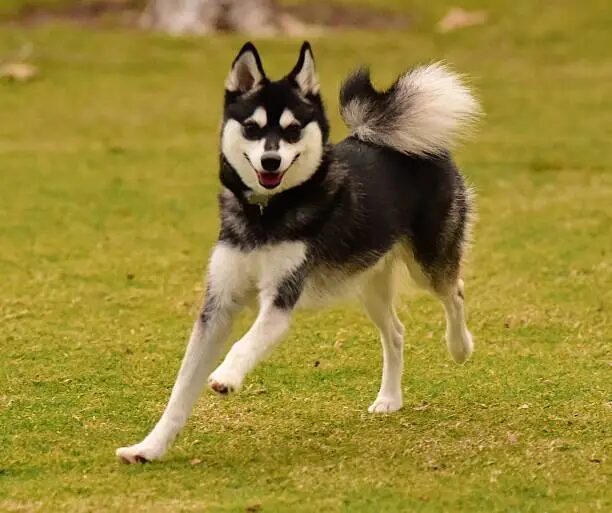
The Alaskan Klee Kai is a small-to-medium companion dog bred to resemble the Siberian Husky while being easier to manage in family homes.
Unlike Huskies, which were originally developed for pulling sleds across frozen landscapes, the Alaskan Klee Kai was intentionally bred to become a companion animal. It combines the stunning wolf-like appearance of northern breeds with a size that’s suitable for modern households.
These dogs are known for:
- Fox-like facial expressions
- Bright, almond-shaped eyes
- Erect triangular ears
- Thick double coats
- Curled fluffy tails
- Athletic and agile bodies
Despite their small size, they retain much of the intelligence and alertness found in their larger northern relatives.
History of the Breed
Understanding the breed’s history helps explain why the Alaskan Klee Kai behaves the way it does today.
Origin in Alaska
The Alaskan Klee Kai originated in Wasilla, Alaska, during the 1970s.
Dog breeder Linda Spurlin envisioned creating a compact version of the Siberian Husky that retained the breed’s beautiful appearance without requiring the space and workload associated with larger sled dogs.
Rather than simply breeding smaller Huskies together, she carefully selected several breeds that contributed desirable traits.
These included:
- Siberian Huskies
- Alaskan Huskies
- American Eskimo Dogs
- Schipperkes
Over many generations of selective breeding, she developed a healthy, consistent companion breed with its own unique personality.
Why the Breed Was Developed
The goal wasn’t to produce a miniature Husky solely for appearance.
Instead, breeders wanted a dog that was:
- Easier to house in suburban neighborhoods
- Better suited for families
- Less demanding than working sled dogs
- Highly intelligent
- Loyal to owners
- Compact enough for modern living
The result became the Alaskan Klee Kai—a dog that offers the charm of a Husky without requiring acres of land or constant heavy work.
Linda Spurlin’s Breeding Program
Linda Spurlin dedicated years to refining the breed.
She established strict breeding standards to preserve:
- Good health
- Stable temperament
- Predictable size
- Strong genetics
- Distinctive appearance
Her careful approach is one reason why the Alaskan Klee Kai remains relatively rare today.
Responsible breeders continue following these standards to maintain the breed’s overall quality.
Meaning of “Klee Kai”
The name “Klee Kai” comes from an Inuit term meaning:
“Small Dog.”
It’s a fitting name because the breed was specifically designed as a smaller northern companion while maintaining the iconic Husky appearance.
Purpose Behind the Breed
Unlike many northern breeds, the Alaskan Klee Kai wasn’t bred for heavy labor.
Instead, it was developed to become:
- A family companion
- An intelligent house dog
- A loyal watchdog
- An active hiking partner
- A playful pet for smaller homes
Today, many owners enjoy participating in:
- Agility competitions
- Rally obedience
- Nose work
- Canine sports
- Hiking adventures
- Trick training
Their athletic ability makes them surprisingly versatile despite their compact size.
Is It an Official Dog Breed?
Yes—but recognition depends on the kennel organization.
The Alaskan Klee Kai is recognized by several major canine organizations, although it is still considered a relatively uncommon breed compared to long-established breeds like the Labrador Retriever or German Shepherd.
Because the breed is still carefully managed, reputable breeders focus heavily on maintaining health and genetic diversity rather than rapidly increasing numbers.
Breed Recognition
The breed has earned recognition from organizations including:
- United Kennel Club (UKC)
- American Rare Breed Association (ARBA)
- Several international rare breed registries
While not among the most common breeds worldwide, interest in the Alaskan Klee Kai continues to grow thanks to responsible breeding programs and increasing public awareness.
Alaskan Klee Kai Appearance
One glance at an Alaskan Klee Kai explains why so many people fall in love with them.
Their appearance resembles a perfectly scaled-down Siberian Husky, complete with expressive eyes, a thick coat, and striking facial markings.
Yet, the breed has its own unique characteristics that distinguish it from other northern dogs.
Overall Body Structure
The Alaskan Klee Kai has a well-balanced, athletic frame.
Key characteristics include:
- Lean muscles
- Compact proportions
- Deep chest
- Straight back
- Strong legs
- Light-footed movement
Their agility allows them to excel in sports requiring speed, coordination, and quick directional changes.
Head Shape
The head forms a clean wedge shape.
Important features include:
- Smooth skull
- Moderately defined stop
- Medium-length muzzle
- Tight lips
- Symmetrical facial markings
One hallmark of the breed is its distinctive facial mask, which contributes to its wolf-like expression.
Eyes
Their eyes are among their most recognizable features.
Eye colors may include:
- Brown
- Blue
- Amber
- Green
- Bi-colored (one blue, one brown)
Their alert, intelligent gaze often reflects their curious personality.
Ears
The ears are:
- Medium-sized
- Upright
- Triangular
- Well-furred
- Highly expressive
Because they’re naturally alert, the ears often move constantly as the dog monitors its surroundings.
Tail
The tail is thick and fluffy.
When relaxed or alert, it typically curls over the back, creating the classic northern breed silhouette.
The tail also serves a practical purpose by helping protect the dog’s nose from harsh cold weather while resting.
Coat Characteristics
The Alaskan Klee Kai features a double coat, consisting of:
- Dense insulating undercoat
- Straight outer guard hairs
This combination provides excellent insulation during cold winters while protecting against moisture and dirt.
Unlike some long-haired breeds, their coat is naturally self-cleaning to some extent.
Coat Colors
Although several color combinations exist, all are striking thanks to their contrasting facial masks and bright white markings.
Black and White
This is the most common and instantly recognizable color pattern.
Characteristics include:
- Jet-black upper body
- Bright white chest
- White legs
- White muzzle
- Bold facial mask
Many people mistake black-and-white Klee Kai puppies for miniature Huskies.
Gray and White
Gray and white dogs have a softer appearance.
Their coats range from:
- Silver gray
- Medium gray
- Dark charcoal
Combined with white markings, this color gives them an elegant, wolf-like look.
Red and White
Less common but equally beautiful, red-and-white Alaskan Klee Kai display shades such as:
- Cinnamon
- Copper
- Rust
- Auburn
These warmer tones make them stand out from more traditional northern breeds.
White
Pure white Alaskan Klee Kai are extremely rare.
Because color genetics are carefully managed, white individuals are less frequently produced than other color combinations.
Despite lacking contrasting masks, they remain stunning dogs with graceful appearances.
Size Varieties
Unlike many breeds, the Alaskan Klee Kai comes in three official size categories.
This gives prospective owners more flexibility when choosing the best companion for their lifestyle.
Toy
The smallest variety.
Typical measurements include:
- Height: Up to 13 inches
- Weight: 8–10 pounds
Toy Klee Kai are ideal for owners seeking an active dog in an especially compact package.
Miniature
The most popular size.
Typical measurements:
- Height: 13–15 inches
- Weight: 10–18 pounds
Miniatures strike an excellent balance between portability and athletic ability.
Standard
The largest variety.
Average measurements:
- Height: 15–17 inches
- Weight: 16–25 pounds
Standard Klee Kai most closely resemble full-sized Huskies while remaining significantly smaller and easier to manage.
Male vs Female Size
Although differences aren’t dramatic, males are generally:
- Slightly taller
- Heavier
- More muscular
Females often have:
- Finer bone structure
- Slightly lighter body weight
- More refined facial features
Personality differences depend far more on genetics, training, and socialization than gender alone.
Alaskan Klee Kai Temperament
The Alaskan Klee Kai isn’t just attractive—it also possesses an engaging personality that makes living with one both rewarding and entertaining.
Unlike many outgoing companion breeds, Klee Kai tend to form exceptionally strong bonds with their immediate families while remaining cautious around unfamiliar people. This combination of loyalty, intelligence, and alertness makes them excellent companions for owners who enjoy interactive, active dogs.
In the next part, we’ll explore their temperament in depth, including personality traits, family compatibility, training, exercise needs, and how they compare to the Siberian Husky and the so-called “Mini Husky.”
Personality Traits
The Alaskan Klee Kai is often described as a “big dog in a small body.” They inherit many personality traits from northern breeds, including intelligence, curiosity, independence, and high energy.
However, they also possess unique qualities that make them different from Huskies.
Some of their defining personality traits include:
- Highly intelligent
- Loyal to family members
- Naturally curious
- Quick learners
- Sensitive to their environment
- Energetic and playful
- Alert watchdogs
- Reserved around strangers
Unlike overly friendly breeds that greet everyone with enthusiasm, Alaskan Klee Kai tend to observe first and trust later.
Loyal Family Companion
One of the breed’s greatest strengths is its devotion to its family.
Once bonded, an Alaskan Klee Kai becomes incredibly loyal and enjoys being involved in everyday activities. Whether you’re working from home, relaxing on the couch, or heading out for a hike, this breed prefers being close to its favorite people.
Owners often describe them as:
- Shadow-like companions
- Affectionate without being overly clingy
- Protective of their household
- Emotionally connected to their owners
While they enjoy attention, they also appreciate having their own space when they need it.
Reserved Around Strangers
Unlike Labrador Retrievers or Golden Retrievers, Alaskan Klee Kai are naturally cautious with unfamiliar people.
This reserved nature is not aggression—it simply means they prefer to evaluate new situations before engaging.
Proper early socialization helps them become:
- More confident
- Less anxious
- Comfortable around visitors
- Better behaved in public places
Without adequate exposure during puppyhood, some dogs may become shy or overly vocal around strangers.
Intelligence Level
The Alaskan Klee Kai ranks among the more intelligent companion breeds.
They quickly recognize routines and can learn new commands after only a few repetitions when training is consistent.
Their intelligence also means they can become bored easily if left without mental stimulation.
Excellent activities include:
- Puzzle toys
- Food-dispensing games
- Obedience practice
- Agility courses
- Scent work
- Trick training
A busy mind often leads to a well-behaved dog.
Alertness
This breed is naturally aware of everything happening around them.
They quickly notice:
- Visitors approaching
- Unusual sounds
- Wildlife
- Changes in routine
- New objects in the home
Their alert nature makes them effective watchdogs, although they are generally not guard dogs.
Most will bark to notify you of something unusual rather than confront a threat.
Vocal Nature
Alaskan Klee Kai are expressive communicators.
Besides barking, they often:
- Whine
- Chirp
- “Talk”
- Howl
- Make amusing vocal sounds
Many owners find these conversations entertaining, while others may need to train excessive vocalization.
Teaching a reliable “quiet” command from an early age is highly recommended.
Playfulness
Despite their elegant appearance, these dogs remain playful well into adulthood.
Favorite games include:
- Fetch
- Hide-and-seek
- Tug-of-war
- Chase games
- Interactive puzzle toys
Daily play strengthens the bond between dog and owner while helping burn excess energy.
Independence
Although affectionate, the Alaskan Klee Kai isn’t constantly seeking attention.
They are capable of entertaining themselves for short periods if provided with:
- Chew toys
- Puzzle feeders
- Safe play areas
- Interactive enrichment
However, they should not be left alone for extended periods every day.
Long hours of isolation can contribute to:
- Separation anxiety
- Destructive chewing
- Excessive barking
- Escape attempts
Affection Level
This breed tends to reserve its deepest affection for close family members.
Some enjoy cuddling, while others prefer simply sitting nearby.
Their affection is often shown through:
- Following owners around the house
- Leaning against family members
- Bringing toys
- Making eye contact
- Sleeping nearby
Every dog has an individual personality, but most Alaskan Klee Kai develop very strong family bonds.
Are Alaskan Klee Kai Good Family Dogs?
For the right household, the answer is yes.
However, they are not ideal for every family.
Because they are intelligent, energetic, and somewhat reserved, they thrive best with owners willing to invest time in training and daily interaction.
Let’s look at how they fit into different lifestyles.
Families with Children
Alaskan Klee Kai can be wonderful family pets when children understand how to interact respectfully with dogs.
They generally do well with:
- Older children
- Calm households
- Supervised play
- Respectful handling
Very young children should always be supervised, as rough handling may cause the dog to become uncomfortable.
Teaching children to respect a dog’s space benefits everyone.
Singles
Singles often find this breed an excellent companion.
Their loyalty and intelligence create strong one-on-one relationships.
They’re particularly suitable for active individuals who enjoy:
- Daily walks
- Hiking
- Running
- Outdoor adventures
- Training sessions
Because they enjoy companionship, they fit well into active lifestyles.
Couples
Couples often appreciate the breed’s adaptability.
The Alaskan Klee Kai enjoys participating in family activities such as:
- Weekend trips
- Camping
- Evening walks
- Outdoor dining
- Road trips
They typically bond closely with both owners rather than choosing only one favorite person.
Seniors
Active seniors may enjoy owning an Alaskan Klee Kai, especially the Toy or Miniature varieties.
However, prospective owners should honestly assess whether they can provide:
- Daily exercise
- Consistent training
- Regular grooming
- Veterinary care
Less active seniors may prefer breeds with lower energy requirements.
First-Time Dog Owners
Although intelligent, Alaskan Klee Kai are not always the easiest first dog.
New owners should be prepared for:
- Consistent training
- Socialization
- High exercise needs
- Seasonal shedding
- Mental enrichment
With patience and commitment, first-time owners can absolutely succeed.
Those willing to attend puppy classes often have excellent experiences.
Multi-Pet Homes
Many Alaskan Klee Kai live happily alongside other dogs.
Success depends largely on:
- Early introductions
- Proper socialization
- Individual personalities
- Adequate supervision
Some may have a stronger prey drive toward small animals such as rabbits or hamsters, so careful introductions are important.
Alaskan Klee Kai vs Siberian Husky
Although they share a similar appearance, these breeds differ in several important ways.
| Feature | Alaskan Klee Kai | Siberian Husky |
|---|---|---|
| Size | 13–17 inches | 20–24 inches |
| Weight | 10–25 lbs | 35–60 lbs |
| Personality | Reserved, loyal, alert | Friendly, outgoing, social |
| Exercise Needs | High | Very high |
| Trainability | Intelligent but independent | Intelligent but stubborn |
| Grooming | Moderate | Moderate to heavy |
| Lifespan | 12–16 years | 12–15 years |
| Average Cost | $1,500–$3,500+ | $800–$2,500 |
| Apartment Friendly | Yes, with exercise | More challenging |
| Family Compatibility | Excellent with socialization | Excellent |
Key Differences
Although they resemble each other, the Alaskan Klee Kai is not simply a smaller Husky.
Major differences include:
- More reserved personality
- Stronger watchdog instincts
- Smaller size
- Easier urban living
- Closer attachment to family
- Less likely to greet strangers enthusiastically
Alaskan Klee Kai vs Mini Husky
The phrase “Mini Husky” often causes confusion.
Many people assume the Alaskan Klee Kai and Mini Husky are identical, but that’s not always true.
Are They the Same?
Not necessarily.
The Alaskan Klee Kai is an established breed with documented breeding standards.
The term Mini Husky is often used as a marketing label for:
- Smaller Siberian Huskies
- Mixed-breed dogs
- Designer dogs
- Undersized Huskies
Therefore, every Alaskan Klee Kai is a distinct breed, but not every dog advertised as a “Mini Husky” is an Alaskan Klee Kai.
Important Differences
| Feature | Alaskan Klee Kai | Mini Husky |
|---|---|---|
| Recognized Breed | Yes | Usually No |
| Breeding Standard | Established | Varies |
| Predictable Size | Yes | Not always |
| Temperament | Consistent | Depends on lineage |
| Health Screening | More common with reputable breeders | Varies widely |
If you’re looking for predictability in size, temperament, and health, purchasing from a reputable Alaskan Klee Kai breeder is generally the better choice.
Living With an Alaskan Klee Kai
Life with an Alaskan Klee Kai is active, entertaining, and rarely boring.
These dogs enjoy participating in nearly everything their owners do, whether it’s a neighborhood walk or a weekend camping adventure.
They thrive when treated as true family members rather than backyard pets.
Daily Life
A typical day includes:
- Morning walk
- Breakfast
- Interactive play
- Rest periods
- Training sessions
- Evening exercise
- Family time indoors
Routine helps these intelligent dogs feel secure and mentally balanced.
Indoor Behavior
Inside the home, Alaskan Klee Kai are generally clean and well-mannered when their exercise needs are met.
They often spend time:
- Watching windows
- Following owners
- Playing with toys
- Relaxing near family
- Exploring the house
Without enough activity, however, boredom can lead to unwanted behaviors such as chewing or excessive barking.
Outdoor Activities
These dogs love being outdoors, especially in cooler weather.
Popular activities include:
- Hiking
- Nature walks
- Running
- Dog parks (after proper socialization)
- Agility training
- Fetch
- Exploring new trails
Always use a secure leash or a well-fenced area, as their curiosity and prey drive may encourage them to chase small animals.
Apartment Living
Despite their high energy, Alaskan Klee Kai can adapt well to apartment living.
Success depends on meeting their daily physical and mental exercise needs.
Apartment owners should provide:
- Two or more daily walks
- Interactive toys
- Puzzle feeders
- Obedience training
- Indoor play sessions
A tired Klee Kai is typically a calm and well-behaved roommate.
House With Yard
A fenced yard is certainly a bonus, but it isn’t a substitute for exercise and interaction.
Even with outdoor space, these dogs still need:
- Daily walks
- Mental challenges
- Social engagement
- Structured playtime
Simply letting them into the yard without additional activities won’t satisfy their need for companionship and stimulation.
Exercise Requirements
The Alaskan Klee Kai is an energetic breed that thrives on movement and mental challenges. In the next part of this guide, we’ll cover their exercise routine, training methods, grooming, feeding, health concerns, puppy care, costs, and everything else you need to know before welcoming one into your home.
Exercise Requirements
The Alaskan Klee Kai may be small compared to a Siberian Husky, but don’t underestimate its energy levels. This breed thrives on daily activity and mental engagement. Without enough exercise, boredom can quickly turn into unwanted behaviors like barking, digging, or chewing.
A healthy adult Alaskan Klee Kai typically needs 60–90 minutes of exercise each day, split between physical activity and mental stimulation.
Daily Exercise Needs
An ideal daily routine includes:
- One or two brisk walks
- Interactive play sessions
- Obedience or trick training
- Puzzle toys or scent games
- Time to safely explore new environments
Puppies require shorter, age-appropriate exercise sessions to protect their developing joints.
Best Activities
These dogs excel at activities that challenge both their body and mind.
Walking
Daily walks are essential for:
- Burning energy
- Reinforcing leash manners
- Socialization
- Mental enrichment
Running
Healthy adult Klee Kai enjoy jogging with active owners, but always build endurance gradually and avoid running in extreme heat.
Hiking
Their athletic nature makes them excellent hiking companions. Bring plenty of water and keep them leashed, as they may chase wildlife.
Agility
Agility courses help improve:
- Confidence
- Coordination
- Obedience
- Mental focus
Fetch
Many Alaskan Klee Kai enjoy games of fetch, especially with soft balls or flying discs.
Puzzle Games
Food puzzles, treat-dispensing toys, and hide-and-seek games help satisfy their intelligent minds.
Mental Stimulation
Exercise alone isn’t enough.
Without mental challenges, even a physically tired dog may become restless.
Great enrichment ideas include:
- Learning new tricks
- Nose work
- Interactive feeders
- Rotating toys weekly
- Basic obedience practice
- DIY scent trails around the house
What Happens Without Exercise?
A bored Alaskan Klee Kai may develop behaviors such as:
- Excessive barking
- Chewing furniture
- Digging
- Escaping from the yard
- Hyperactivity
- Anxiety
Meeting both physical and mental needs is one of the best ways to prevent behavioral issues.
Training an Alaskan Klee Kai
The Alaskan Klee Kai is highly intelligent, making training both enjoyable and rewarding. However, their independent streak means consistency is essential.
Are They Easy to Train?
Yes—provided you use positive, reward-based methods.
They respond best to:
- Short training sessions
- Consistent routines
- Praise and treats
- Patience
- Variety
Harsh corrections can damage trust and reduce motivation.
Best Training Methods
Successful owners focus on:
- Positive reinforcement
- Clicker training
- Reward-based learning
- Gradual progression
- Consistency among family members
Keep sessions fun and end on a positive note.
Positive Reinforcement
Reward desirable behaviors with:
- Healthy treats
- Toys
- Verbal praise
- Playtime
Ignoring or redirecting unwanted behavior is generally more effective than punishment.
Socialization
Early socialization is one of the most important aspects of raising a confident Klee Kai.
Expose puppies safely to:
- Different people
- Friendly dogs
- Various sounds
- Car rides
- Grooming
- Veterinary visits
Positive experiences during puppyhood help reduce fearfulness later in life.
Puppy Training Tips
Start with:
- House training
- Crate training
- Name recognition
- Recall (“come”)
- Sit, stay, and down
- Leash manners
Training should begin as soon as your puppy comes home.
Common Behavioral Challenges
Some owners encounter:
- Stubbornness
- Separation anxiety
- Escape attempts
- Excessive barking
- Chasing small animals
Most of these issues improve with proper exercise, consistent training, and early socialization.
Grooming Guide
The Alaskan Klee Kai’s thick double coat requires regular maintenance, but it is surprisingly easy to care for compared to many long-haired breeds.
Brushing
Brush:
- 2–3 times weekly
- Daily during heavy shedding seasons
Regular brushing helps remove loose fur and reduce matting.
Bathing
They generally need a bath every 2–3 months, or when dirty.
Avoid frequent bathing, as it can strip natural oils from the coat.
Nail Trimming
Trim nails approximately every 3–4 weeks to prevent discomfort and maintain healthy posture.
Ear Cleaning
Check ears weekly for:
- Dirt
- Wax buildup
- Redness
- Unpleasant odor
Clean only with veterinarian-approved ear cleaners.
Teeth Cleaning
Brush your dog’s teeth several times a week to help prevent dental disease.
Dental chews can also support oral health but should not replace brushing.
Seasonal Shedding
The Alaskan Klee Kai “blows” its undercoat, typically in spring and fall.
During these periods:
- Brush daily
- Use an undercoat rake
- Vacuum more often
Shedding is normal and should not be mistaken for illness.
Do They Smell?
Unlike some breeds, Alaskan Klee Kai generally have very little dog odor when properly groomed.
Regular brushing and occasional baths are usually enough to keep them fresh.
Feeding and Nutrition
Proper nutrition supports healthy growth, energy levels, and a shiny coat.
Best Dog Food
Choose a high-quality food that provides:
- Animal-based protein
- Healthy fats
- Essential vitamins and minerals
- Appropriate calorie content for age and activity level
Consult your veterinarian for personalized recommendations.
Puppy Feeding
Puppies usually eat:
- Three to four meals daily
- Nutrient-rich puppy food
- Controlled portions to support healthy growth
Adult Feeding
Most adults thrive on:
- Two balanced meals per day
- Portion sizes adjusted for activity level
- Fresh water available at all times
Senior Diet
Older dogs may benefit from diets that support:
- Joint health
- Weight management
- Heart health
- Digestive function
Foods to Avoid
Never feed:
- Chocolate
- Grapes
- Raisins
- Onions
- Garlic
- Xylitol
- Alcohol
- Cooked bones
If you suspect your dog has eaten a toxic food, contact your veterinarian immediately.
Feeding Schedule
| Age | Meals Per Day |
|---|---|
| 8–12 weeks | 4 |
| 3–6 months | 3 |
| 6–12 months | 2–3 |
| Adults | 2 |
| Seniors | 2 (adjust as needed) |
Alaskan Klee Kai Health
Overall, the Alaskan Klee Kai is considered a relatively healthy breed, especially when obtained from responsible breeders who perform health screenings.
Average Lifespan
Most live between 12 and 16 years, with many enjoying long, active lives when given proper care.
Common Health Problems
Although generally healthy, the breed may be predisposed to certain inherited conditions.
Patellar Luxation
A condition where the kneecap slips out of place, causing limping or discomfort.
Factor VII Deficiency
A rare inherited blood-clotting disorder that responsible breeders screen for.
Thyroid Disorders
Some dogs may develop hypothyroidism, which can affect metabolism and energy levels.
Eye Problems
Possible concerns include:
- Cataracts
- Progressive retinal atrophy (PRA)
- Juvenile eye disorders
Regular eye examinations are recommended.
Liver Disease
Although uncommon, liver issues may occur in some bloodlines.
Heart Conditions
Routine veterinary checkups help identify potential cardiac problems early.
Preventive Care
Support your dog’s health by providing:
- Balanced nutrition
- Daily exercise
- Dental care
- Parasite prevention
- Routine veterinary visits
Preventive care is often the best investment in your dog’s long-term wellbeing.
Vet Checkups
Schedule:
- Puppy wellness visits
- Annual examinations for healthy adults
- Twice-yearly checkups for seniors
Routine bloodwork can help detect health issues before symptoms appear.
Vaccination Schedule
Follow your veterinarian’s recommended vaccination program for:
- Distemper
- Parvovirus
- Adenovirus
- Rabies
- Bordetella (when appropriate)
- Leptospirosis (based on lifestyle and local risk)
Alaskan Klee Kai Puppies
Bringing home a puppy is exciting, but preparation is essential.
What to Expect
Expect a puppy that is:
- Curious
- Energetic
- Intelligent
- Playful
- Eager to learn
Early guidance shapes future behavior.
Puppy Development Stages
8–12 Weeks
- Socialization begins
- House training starts
- Bonding with family
3–6 Months
- Teething
- Basic obedience
- Increased confidence
6–12 Months
- Adolescence
- More energy
- Reinforcing training
Early Socialization
Expose puppies positively to:
- Children
- Friendly adults
- Dogs
- New environments
- Different sounds
Confidence built during puppyhood often lasts a lifetime.
Puppy Checklist
Before bringing your puppy home, have:
- Food and water bowls
- High-quality puppy food
- Crate
- Comfortable bed
- Collar and leash
- Identification tag
- Grooming supplies
- Safe chew toys
First-Year Care
The first year should focus on:
- Training
- Socialization
- Veterinary care
- Nutrition
- Building trust
- Establishing routines
How Much Does an Alaskan Klee Kai Cost?
Because they are relatively rare, Alaskan Klee Kai are often more expensive than many common breeds.
Puppy Price
Expect to pay approximately:
- $1,500–$3,500+
Prices vary based on:
- Breeder reputation
- Bloodline
- Location
- Health testing
- Show potential
Adoption Cost
Rescue organizations may charge:
- $200–$600
Adoption is often a rewarding way to provide a loving home to a dog in need.
Annual Ownership Costs
| Expense | Estimated Annual Cost |
|---|---|
| Food | $400–$900 |
| Grooming | $100–$400 |
| Pet Insurance | $300–$800 |
| Veterinary Care | $300–$900 |
| Toys & Supplies | $100–$300 |
| Training | $150–$600 |
Where to Buy an Alaskan Klee Kai
Always choose ethical sources when looking for a puppy.
Reputable Breeders
Look for breeders who:
- Perform health testing
- Allow you to meet the puppies
- Answer questions openly
- Provide health guarantees
- Prioritize temperament over profit
Adoption Centers
Although uncommon, Alaskan Klee Kai occasionally become available through breed-specific rescues and shelters.
Rescue Organizations
Breed rescue groups may have:
- Adult dogs
- Retired breeding dogs
- Young dogs needing new homes
Adoption gives deserving dogs a second chance.
Questions to Ask Breeders
Before purchasing, ask:
- What health tests were completed?
- Can I meet the parents?
- What socialization has the puppy received?
- Do you provide lifetime support?
- Can I review veterinary records?
Red Flags to Avoid
Avoid breeders who:
- Refuse health records
- Sell multiple unrelated breeds
- Offer unusually low prices
- Won’t let you see the puppies
- Pressure buyers into quick decisions
Is an Alaskan Klee Kai Right for You?
This breed is an excellent choice for people seeking an intelligent, active, and loyal companion—but it isn’t the right fit for everyone.
Pros
- Beautiful Husky-like appearance
- Highly intelligent
- Loyal and affectionate
- Long lifespan
- Suitable for active families
- Adaptable to apartment living with proper exercise
Cons
- Heavy seasonal shedding
- Needs daily exercise
- Can be vocal
- May be reserved with strangers
- Requires consistent training
- Can develop separation anxiety if left alone too often
Best Lifestyle Match
An Alaskan Klee Kai is ideal for:
- Active individuals
- Couples
- Families with older children
- Experienced or dedicated first-time owners
- People who enjoy outdoor adventures
Who Should Avoid This Breed?
This breed may not be suitable if you:
- Work long hours away from home
- Prefer a low-energy dog
- Dislike shedding
- Want a dog that welcomes every stranger
- Cannot commit to regular training and exercise
Common Behavior Problems
Potential challenges include:
- Separation anxiety
- Excessive barking
- Escape artist behavior
- Digging
- Chewing when bored
- High prey drive toward small animals
Most of these behaviors can be managed through proper exercise, training, and enrichment.
Traveling With an Alaskan Klee Kai
These adventurous dogs generally travel well when introduced gradually.
Car Travel
Use a crash-tested crate or seatbelt harness and schedule regular breaks.
Air Travel
Check airline requirements and use an airline-approved carrier.
Camping
Bring fresh water, a long line, and weather-appropriate gear.
Hiking
Stick to dog-friendly trails and monitor your dog for signs of overheating or fatigue.
Best Accessories for Alaskan Klee Kai
Essential items include:
- Harness: Comfortable, escape-resistant design
- Collar: Adjustable with ID tag
- Crate: Properly sized for training and travel
- Toys: Puzzle toys, chew toys, and fetch toys
- Grooming Tools: Slicker brush, undercoat rake, nail clippers
- Food Bowls: Durable stainless-steel bowls
Seasonal Care Guide
Summer Care
- Exercise during cooler hours
- Provide shade and fresh water
- Never leave your dog in a parked car
Winter Care
- Their double coat provides excellent insulation, but monitor paws for ice and road salt.
Rainy Season Tips
- Dry the coat thoroughly after walks.
- Check ears and paws for moisture to reduce the risk of irritation.
Breeding Information
Breeding Age
Responsible breeders wait until dogs are physically and mentally mature before breeding.
Litter Size
Most litters contain 1–6 puppies, though this can vary.
Pregnancy
Canine pregnancy lasts approximately 63 days, with regular veterinary care recommended throughout.
Ethical Breeding Practices
Ethical breeders prioritize health testing, temperament, and genetic diversity over producing large numbers of puppies.
Fun Facts About Alaskan Klee Kai
- “Klee Kai” means “small dog” in an Inuit language.
- The breed is still considered relatively rare.
- Many Alaskan Klee Kai “talk” using amusing howls, chirps, and vocalizations.
- Their striking appearance often causes people to mistake them for miniature Siberian Huskies.
- Thanks to their intelligence, they excel in agility, obedience, and trick training.
Frequently Asked Questions (FAQ)
Are Alaskan Klee Kai good pets?
Yes. They make excellent companions for active owners who can meet their exercise and training needs.
Do they bark a lot?
They can be vocal, especially when alerting their family to unfamiliar sights or sounds.
Do they shed heavily?
Yes. Seasonal shedding is significant due to their double coat.
Can they live in apartments?
Yes, provided they receive sufficient daily exercise and mental stimulation.
Are they aggressive?
No. They are typically reserved rather than aggressive, especially when well-socialized.
How much exercise do they need?
Most adults need 60–90 minutes of activity each day.
Are they hypoallergenic?
No. Their double coat sheds regularly, making them unsuitable for people seeking a hypoallergenic breed.
Are they easy to train?
Yes, they are intelligent and learn quickly with positive reinforcement and consistency.
How long do they live?
Their average lifespan is 12–16 years.
Can they be left alone?
They can tolerate short periods alone, but frequent or extended isolation may lead to separation anxiety.
Are they good with cats?
Many can coexist peacefully with cats if raised together and properly introduced, though individual prey drive varies.
Do they like children?
Yes, especially respectful older children who understand how to interact with dogs.
Are Alaskan Klee Kai expensive?
Yes. Puppies from reputable breeders often cost between $1,500 and $3,500 or more.
What’s the difference between a Husky and an Alaskan Klee Kai?
The Alaskan Klee Kai is a separate breed developed specifically as a smaller companion dog. It is generally more reserved with strangers and easier to manage in smaller living spaces than the Siberian Husky.
Are Alaskan Klee Kai recognized by kennel clubs?
Yes. They are recognized by several organizations, including the United Kennel Club (UKC), though recognition varies among kennel clubs worldwide.
Conclusion
The Alaskan Klee Kai combines the striking appearance of a Siberian Husky with the convenience of a smaller companion breed. Intelligent, loyal, and full of personality, these dogs thrive in homes where they receive plenty of exercise, consistent training, and close interaction with their families.
While they require regular grooming, mental stimulation, and early socialization, the rewards of owning an Alaskan Klee Kai are well worth the effort. Their affectionate nature, playful spirit, and impressive intelligence make them exceptional companions for active individuals, couples, and families alike.
Before bringing one home, be sure you’re prepared for the commitment of caring for an energetic and intelligent breed. If you can provide the time, attention, and lifestyle they need, an Alaskan Klee Kai can become a devoted companion for many happy years.