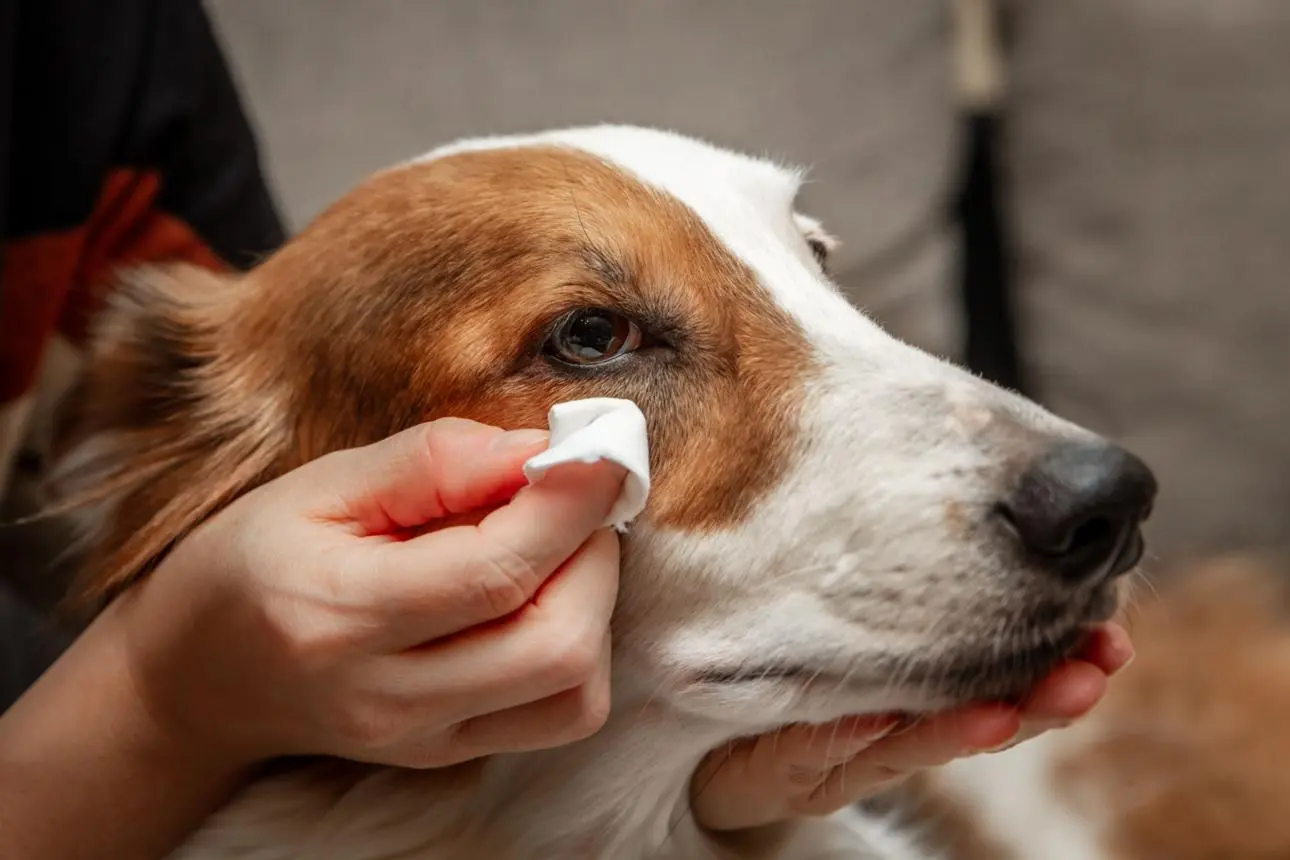
Seeing your dog’s eye suddenly swell can feel like a heart-dropping moment. One minute they’re playful and energetic, and the next, you notice redness, puffiness, or even discharge—and instantly, questions start racing through your mind. Is it serious? Did something get into their eye? Do they need emergency care? The fear of making the wrong decision can be overwhelming, especially when it comes to your pet’s vision and comfort. The truth is, dogs eye swollen all of a sudden treatment depends heavily on identifying the cause quickly, because while some cases are mild and temporary, others can escalate into serious health issues if ignored. So how do you know what to do right away?
Here’s the quick answer: Start with gentle first aid and close observation. Mild swelling can often be managed with simple steps like cleaning the eye and preventing irritation. However, if symptoms worsen, persist, or involve pain or vision issues, veterinary treatment is essential. Knowing when to act—and how—is what makes all the difference. Stick with this guide, and you’ll learn exactly how to respond confidently in every scenario.
🔍 What Causes Sudden Eye Swelling in Dogs?

Before jumping into treatment, it’s important to understand the root of the problem. Different causes require different approaches, and treating blindly can sometimes make things worse.
Let’s break down the most common dog eye swelling causes and how they connect to treatment options.
1. Allergies (Most Common & Often Mild)
Dogs can react quickly to environmental triggers.
Common allergens include:
- Pollen and dust
- Food sensitivities
- Insect bites or stings
Treatment relevance:
Usually responds well to antihistamines or simple home care.
2. Infections (Conjunctivitis)
Eye infections—often called pink eye—can develop rapidly.
Symptoms:
- Yellow or green discharge
- Redness and irritation
- Sticky eyelids
This condition is frequently searched as dog eye infection symptoms and treatment, and it often requires medicated eye drops.
Learn more in this helpful dog eye infection treatment guide.
3. Injuries or Trauma
Dogs can injure their eyes during:
- Rough play
- Running through bushes
- Encounters with other animals
Treatment relevance:
May require pain relief, antibiotics, or even surgery depending on severity.
4. Foreign Objects in the Eye
Tiny particles can cause big irritation.
Examples:
- Dust
- Grass seeds
- Sand
Treatment relevance:
Often resolved with saline rinsing, but deeper objects need vet removal.
5. Glaucoma & Serious Conditions
These are less common but far more dangerous.
Warning signs:
- Bulging eye
- Cloudy appearance
- Severe pain
Read more in this vet-approved glaucoma guide for dogs.
Causes & Treatment Complexity Table
| Cause | Severity | Treatment Type | Urgency Level |
|---|---|---|---|
| Allergies | Low | Home care/antihistamines | Low |
| Infection | Moderate | Medicated eye drops | Medium |
| Foreign object | Moderate | Rinse or vet removal | Medium |
| Injury | High | Medication or surgery | High |
| Glaucoma | Severe | Emergency vet treatment | Critical |
Symptoms That Help Identify the Right Treatment

Not all swollen eyes are the same. Paying attention to specific symptoms helps you choose the correct treatment path.
1. Swelling Severity
- Mild puffiness: likely irritation or allergy
- Severe swelling: could indicate infection or trauma
2. Type of Discharge
| Discharge Type | Likely Cause | Treatment Direction |
|---|---|---|
| Clear/watery | Allergies | Home care |
| Yellow/green | Infection | Vet medication |
| Thick/crusty | Advanced infection | Urgent vet visit |
3. Pain Level & Behavior
Watch how your dog reacts:
- Rubbing or pawing → irritation or foreign object
- Whining or hiding → pain or injury
- Lethargy → possible infection
4. One Eye vs Both Eyes
- One eye only: injury, bite, or debris
- Both eyes: allergies or systemic issue
Pros & Cons of Symptom-Based Diagnosis
| Pros | Cons |
|---|---|
| Helps guide early treatment | Not always 100% accurate |
| Reduces unnecessary panic | May miss hidden conditions |
| Saves time initially | Still requires vet confirmation |
| Improves decision-making | Symptoms can overlap |
Immediate First Aid for Dog Eye Swelling

When you first notice swelling, your response in the first few minutes can make a big difference. The goal of first aid for dog swollen eye is simple: reduce irritation, prevent further damage, and assess severity before deciding the next step.
Step-by-Step First Aid Guide
1. Gently Inspect the Eye
- Look for visible debris, redness, or discharge
- Avoid touching the eye directly
- Use good lighting for a clearer view
2. Rinse with Sterile Saline Solution
This is one of the safest and most effective first steps.
How to do it:
- Use pet-safe sterile saline
- Gently flush from the inner corner outward
- Repeat 2–3 times if needed
This helps remove dust, pollen, or small irritants.
3. Apply a Cold Compress
A cold compress can reduce swelling quickly.
Instructions:
- Wrap ice in a soft cloth (never apply directly)
- Hold gently over the eye for 5–10 minutes
- Repeat a few times a day
4. Prevent Scratching or Rubbing
Dogs instinctively try to relieve discomfort, but this can worsen the condition.
Solutions:
- Use an Elizabethan collar (cone)
- Keep your dog supervised
- Trim nails if necessary
5. Keep Your Dog Calm
Stress can increase irritation and make treatment harder.
- Keep your dog in a quiet, comfortable space
- Avoid excessive activity
- Offer reassurance and gentle handling
First Aid Effectiveness Table
| Action | Purpose | Effectiveness |
|---|---|---|
| Saline rinse | Remove irritants | High |
| Cold compress | Reduce swelling | Moderate–High |
| Prevent scratching | Avoid further damage | High |
| Calm environment | Reduce stress & irritation | Moderate |
Common First Aid Mistakes to Avoid
- Using tap water instead of saline
- Applying human medications
- Rubbing or pressing the eye
- Ignoring worsening symptoms
Home Treatment for Dog Eye Swelling

Once you’ve handled first aid, the next step is ongoing home care—but only if the condition appears mild. Many pet owners search for home treatment for dog eye swelling, and while it can be effective, it must be done carefully.
Safe Home Remedies
1. Gentle Cleaning Routine
- Use a clean, damp cloth
- Wipe away discharge daily
- Always wipe away from the eye
2. Maintain a Clean Environment
- Reduce exposure to dust and allergens
- Keep bedding clean
- Avoid smoke or strong chemicals
3. Monitor Symptoms Closely
Track changes over time:
- Is swelling going down?
- Is discharge reducing?
- Is your dog more comfortable?
4. Follow the 24–48 Hour Rule
If symptoms don’t improve within 1–2 days, it’s time to see a vet.
Pros & Cons of Home Treatment
| Pros | Cons |
|---|---|
| Convenient and low-cost | Not suitable for serious conditions |
| Effective for mild irritation | Risk of misdiagnosis |
| Easy to apply | May delay proper treatment |
| Reduces discomfort quickly | Requires close monitoring |
Important Disclaimer
Home care should never replace veterinary treatment in serious cases.
Do NOT rely on home remedies if your dog has:
- Severe swelling
- Pus or خون (blood) discharge
- Cloudy or bulging eye
- Signs of pain or vision loss
What You Should NEVER Use
Some well-meaning remedies can actually cause harm:
- Human eye drops
- Herbal or homemade solutions
- Oils or creams not prescribed
- Over-the-counter meds without vet approval
Veterinary Treatment Options for Swollen Dog Eye

When home care isn’t enough—or symptoms point to infection, injury, or something more serious—professional veterinary treatment becomes essential. The goal isn’t just to reduce swelling; it’s to treat the root cause and protect your dog’s vision.
Below are the most common approaches vets use for treatment for dog eye infection swelling and related conditions.
1. Antibiotic Eye Drops or Ointments
These are the go-to treatment for bacterial infections like conjunctivitis.
How they help:
- Kill bacteria causing infection
- Reduce redness and discharge
- Speed up healing
What to expect:
- Applied 2–4 times daily
- Noticeable improvement within a few days
2. Anti-Inflammatory Medications
Used when swelling is caused by inflammation rather than infection.
Benefits:
- Reduces swelling and pain
- Improves comfort quickly
Note: Often combined with other treatments.
3. Antihistamines for Allergic Reactions
If allergies are the culprit, vets may prescribe antihistamines.
Pros & Cons
| Pros | Cons |
|---|---|
| Fast relief from swelling | May cause mild drowsiness |
| Targets root cause | Not effective for infections |
| Easy to administer | Requires correct dosage |
4. Pain Relief Medications
Pain management is crucial, especially in cases of injury or ulcers.
Common options:
- Anti-inflammatory drugs
- Mild analgesics
These ensure your dog stays comfortable during recovery.
5. Surgery (For Severe Cases)
While rare, surgery may be necessary for:
- Deep corneal ulcers
- Advanced glaucoma
- Tumors or structural damage
Veterinary Treatment Overview
| Treatment | Best For | Effectiveness | Recovery Speed |
|---|---|---|---|
| Antibiotic drops | Infections | High | Fast |
| Anti-inflammatory meds | Swelling & irritation | High | Moderate |
| Antihistamines | Allergies | Moderate–High | Fast |
| Pain relief | Injuries | Moderate | Varies |
| Surgery | Severe conditions | Very High | Slow |
Treatment Comparison Table (Home vs Vet Care)
| Treatment Type | Best For | Effectiveness | Risk Level |
|---|---|---|---|
| Home remedies | Mild irritation | Moderate | Low |
| OTC solutions | Minor issues | Moderate | Medium |
| Vet treatment | Infections/serious | High | Low |
When to See a Vet Immediately

Some symptoms are non-negotiable red flags. If you notice any of the following, seek dog swollen eye emergency treatment immediately.
Critical Warning Signs
- Severe or rapidly worsening swelling
- Cloudy, bluish, or bulging eye
- Bleeding or thick pus discharge
- Vision loss or bumping into objects
- Extreme pain (whining, hiding, aggression)
Why Timing Is Critical
- Eye conditions can worsen in hours, not days
- Delays may lead to permanent blindness
- Early treatment often means simpler, less expensive care
How Long Does Treatment Take to Work?

One of the most common concerns pet owners have is: “How long will this take to heal?”
The answer depends on the underlying cause and treatment method.
Recovery Timeline by Condition
| Condition | Treatment Time | Full Recovery |
|---|---|---|
| Mild irritation | 1–3 days | 3–5 days |
| Allergies | 1–5 days | Up to 1 week |
| Infection | 5–10 days | 1–2 weeks |
| Injury | 1–2 weeks | 2–3 weeks |
| Serious conditions | Weeks+ | Ongoing care |
Signs of Improvement
- Reduced swelling
- Less discharge
- Dog opens eye normally
- Improved behavior and energy
Signs of Worsening
- Increased redness or swelling
- Thick discharge استمرار
- Eye becomes cloudy
- Dog shows more pain
Pros & Cons of Veterinary Treatment
| Pros | Cons |
|---|---|
| Accurate diagnosis | Higher cost |
| Fast and effective treatment | Requires clinic visits |
| Prevents complications | بعض الكلاب تكره الأدوية |
| Protects long-term vision | Follow-up care needed |
How to Prevent Future Eye Swelling in Dogs

Prevention may not eliminate every risk, but it dramatically reduces the chances of dealing with sudden eye swelling again. A few consistent habits can go a long way in protecting your dog’s eye health.
1. Maintain Regular Eye Hygiene
Clean eyes are less prone to infection and irritation.
Simple routine:
- Use a soft, damp cloth to wipe away dirt
- Clean around the eyes daily (especially for long-haired breeds)
- Avoid touching the eyeball directly
2. Minimize Exposure to Allergens
Allergies are one of the top triggers for sudden swelling.
Reduce risk by:
- Keeping your home dust-free
- Avoiding smoke and strong chemicals
- Washing your dog after outdoor exposure during pollen season
3. Create a Safe Environment
Many eye injuries happen during play or exploration.
Safety tips:
- Keep sharp objects and thorny plants out of reach
- Supervise rough play
- Check your dog’s eyes after walks or outdoor activity
4. Schedule Regular Vet Visits
Routine checkups help catch problems early.
- Annual exams are essential
- Immediate visits if something looks unusual
- Early detection = simpler treatment
5. Support Eye Health Through Diet
A balanced diet strengthens overall health—including the eyes.
Important nutrients:
- Vitamin A (vision support)
- Omega-3 fatty acids (reduce inflammation)
- Antioxidants (protect eye tissues)
Pros & Cons of Preventive Care
| Pros | Cons |
|---|---|
| Reduces risk of eye infections | Requires consistency |
| Saves money long-term | Takes time and effort |
| Improves overall health | Not all issues are preventable |
| Encourages early detection | Needs regular monitoring |
Frequently Asked Questions (FAQ)
What is the fastest treatment for a swollen dog eye?
The fastest treatment depends on the cause:
- Allergies: Antihistamines work quickly
- Infections: Antibiotic eye drops are most effective
- Injuries: Immediate vet care is essential
There’s no one-size-fits-all solution—accurate diagnosis is key.
Can I treat my dog’s eye swelling at home?
Yes, but only for mild cases.
Safe scenarios for home care:
- Slight swelling
- No pain or discharge
- Dog behaving normally
Otherwise, always consult a vet.
What should I avoid putting in my dog’s eye?
Never use:
- Human eye drops
- Chemical solutions
- Herbal remedies without vet approval
How long before I should worry?
Follow the 24–48 hour rule:
- If symptoms improve → continue monitoring
- If symptoms persist or worsen → visit a vet immediately
Conclusion

Dealing with dogs eye swollen all of a sudden treatment can feel overwhelming at first, but with the right approach, it becomes manageable and even predictable. As we’ve covered throughout this guide, the key lies in quick recognition, proper first aid, and knowing when to seek professional help.
Some cases are mild and respond well to home care, while others require immediate veterinary attention. The difference often comes down to how quickly you act and how well you understand the symptoms.