The American Eskimo Dog is one of the most recognizable companion breeds in the world. With its dazzling white coat, fox-like face, bright eyes, and cheerful personality, this intelligent Spitz breed captures the hearts of dog lovers everywhere. Despite its name, the American Eskimo Dog isn’t from Alaska or related to the Inuit people. Instead, it has European roots and became a beloved family companion in the United States.
Known for being exceptionally smart, affectionate, and eager to please, the American Eskimo Dog excels in obedience, agility, and even circus performances. Whether you’re looking for an energetic family pet, a loyal watchdog, or a trainable canine companion, this breed offers a wonderful combination of beauty and brains.
In this comprehensive guide, you’ll discover everything you need to know about the American Eskimo Dog, including its history, temperament, appearance, size, puppy care, grooming needs, and much more.
What Is an American Eskimo Dog?
The American Eskimo Dog, often affectionately called the “Eskie,” is a member of the Spitz family of dogs. It is famous for its fluffy white coat, alert expression, and remarkable intelligence.
Although originally bred as a companion dog, the breed is also known for its:
- Exceptional trainability
- Loyal personality
- Playful attitude
- Excellent watchdog instincts
- Strong bond with family members
American Eskimo Dogs are available in three officially recognized sizes:
- Toy
- Miniature
- Standard
Each size shares the same appearance, personality, and temperament, differing mainly in height and weight.
Why This Fluffy White Breed Is So Popular
The popularity of the American Eskimo Dog comes from its combination of beauty and intelligence.
Owners love this breed because it is:
- Extremely affectionate
- Highly intelligent
- Easy to train
- Great with families
- Excellent with children
- Energetic and playful
- Beautiful to look at
Unlike some companion breeds that prefer lounging around the house, the American Eskimo Dog enjoys learning new tricks, participating in dog sports, and spending quality time with its family.
Brief History and Unique Characteristics
The American Eskimo Dog has an interesting history that begins with the German Spitz, one of Europe’s oldest companion breeds.
Over time, breeders in the United States developed the modern American Eskimo Dog while preserving its:
- Thick double coat
- Fox-like appearance
- Alert personality
- High intelligence
- Agile movement
One of the breed’s most unique historical claims is its success as a circus performer. During the late 1800s and early 1900s, American Eskimo Dogs amazed audiences by walking tightropes, performing tricks, and displaying extraordinary obedience.
Who Should Consider Owning an American Eskimo Dog?
This breed is best suited for owners who enjoy spending time with their pets.
Ideal owners include:
- Active families
- First-time dog owners
- Singles
- Retirees
- Families with children
- People interested in dog sports
- Owners who enjoy training
However, because these dogs crave companionship, they may not do well in homes where they’re left alone for long periods every day.
What You’ll Learn in This Complete Guide
This guide explores every important aspect of the American Eskimo Dog, including:
- Breed history
- Physical appearance
- Temperament
- Coat care
- Exercise requirements
- Training tips
- Feeding guidelines
- Common health concerns
- Cost of ownership
- Adoption advice
- Frequently asked questions
By the end of this guide, you’ll have a clear understanding of whether this charming breed is the right fit for your lifestyle.
American Eskimo Dog Breed Overview
Before diving into the finer details, here’s a quick overview of this beautiful companion breed.
Quick Breed Facts
| Category | Details |
|---|---|
| Breed Group | Non-Sporting Group |
| Origin | United States (from German Spitz ancestry) |
| Height | 9–19 inches (depending on size) |
| Weight | 6–35 pounds |
| Lifespan | 13–15 years |
| Temperament | Friendly, Intelligent, Alert |
| Intelligence | Very High |
| Energy Level | High |
| Trainability | Excellent |
| Shedding Level | Heavy |
| Coat Type | Thick Double Coat |
| Coat Colors | White, White & Biscuit Cream |
| Exercise Needs | 45–90 minutes daily |
| Good With Children | Excellent |
| Good With Other Dogs | Very Good |
| Good With Cats | Usually Yes (with socialization) |
| Apartment Friendly | Yes (with adequate exercise) |
| Barking Level | High |
American Eskimo Dog at a Glance
| Trait | Rating |
|---|---|
| Family Friendly | ⭐⭐⭐⭐⭐ |
| Child Friendly | ⭐⭐⭐⭐⭐ |
| Intelligence | ⭐⭐⭐⭐⭐ |
| Trainability | ⭐⭐⭐⭐⭐ |
| Affection Level | ⭐⭐⭐⭐⭐ |
| Energy Level | ⭐⭐⭐⭐☆ |
| Grooming Needs | ⭐⭐⭐⭐☆ |
| Apartment Living | ⭐⭐⭐⭐☆ |
| Guard Dog Ability | ⭐⭐⭐⭐☆ |
| Shedding | ⭐⭐⭐⭐⭐ |
History and Origin of the American Eskimo Dog
The American Eskimo Dog may have a distinctly American name, but its roots stretch back to Europe. Understanding the breed’s history helps explain its intelligence, beauty, and enduring popularity.
Where Did the American Eskimo Dog Originate?
The ancestors of today’s American Eskimo Dog were brought to the United States by European immigrants during the late 19th century.
Although developed in America, the breed’s heritage traces back to Germany, where various Spitz-type dogs had been treasured for centuries.
These dogs were known for their:
- Thick white coats
- Alert personalities
- Strong intelligence
- Versatile working abilities
German Spitz Ancestry
The American Eskimo Dog descends primarily from the German Spitz, a breed famous for its fox-like appearance and cheerful disposition.
The German Spitz contributed many of the characteristics still seen today:
- Pointed ears
- Curled tail
- Dense double coat
- Sharp intelligence
- Loyal temperament
Over time, American breeders refined the breed into the companion dog we know today.
Why Is It Called the American Eskimo Dog?
One of the biggest misconceptions about this breed is its name.
Despite being called the American Eskimo Dog, it has no historical connection to Eskimo or Inuit cultures.
The name changed during the early 1900s, partly because anti-German sentiment during World War I made German-associated names less popular in the United States.
The breed retained its Spitz characteristics while gaining a uniquely American identity.
Development in the United States
As the breed became more popular, American breeders focused on developing dogs with:
- Excellent family temperaments
- Attractive white coats
- High intelligence
- Athletic ability
- Strong trainability
These qualities helped establish the breed as one of America’s favorite companion dogs.
The Breed’s Circus History
Perhaps no chapter of the American Eskimo Dog’s history is more fascinating than its time under the circus spotlight.
These highly intelligent dogs became famous performers because they could quickly learn complex routines, including:
- Jumping through hoops
- Walking tightropes
- Balancing acts
- Dancing
- Performing obedience tricks
Many circus visitors even purchased puppies after performances, contributing to the breed’s growing popularity across the country.
Evolution Into a Family Companion
As hunting and working roles declined, the American Eskimo Dog found a new purpose as a beloved household companion.
Today, the breed excels in:
- Family life
- Obedience competitions
- Therapy work
- Agility sports
- Rally obedience
- Trick training
Its affectionate personality makes it a wonderful addition to active homes.
Recognition by Major Kennel Clubs
The breed has earned recognition from several respected kennel organizations around the world.
American Kennel Club (AKC)
The American Kennel Club (AKC) officially recognizes the American Eskimo Dog as part of the Non-Sporting Group, celebrating its intelligence, beauty, and versatility.
United Kennel Club (UKC)
The United Kennel Club (UKC) also recognizes the breed and promotes its participation in companion and performance events.
Fédération Cynologique Internationale (FCI)
Although the breed enjoys popularity in North America, it is not currently recognized as a separate breed by the Fédération Cynologique Internationale (FCI).
American Eskimo Dog Appearance
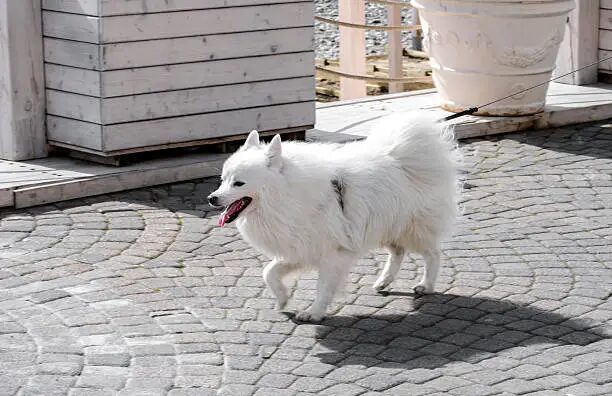
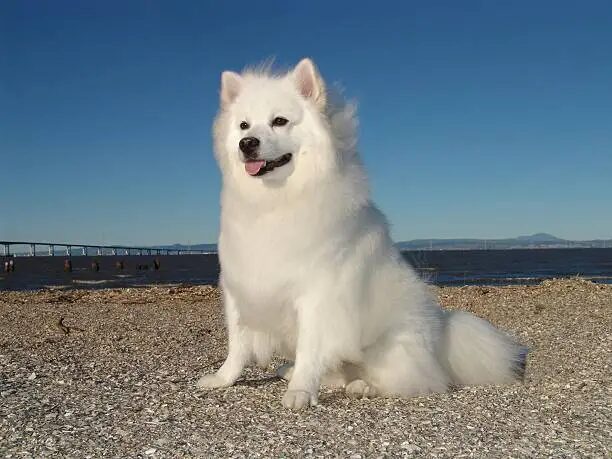
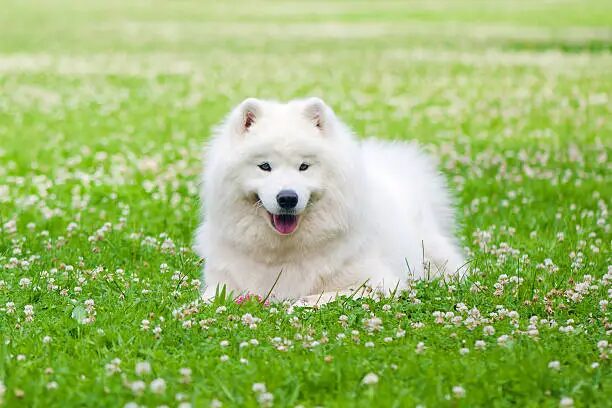
One glance at the American Eskimo Dog is enough to understand why it’s admired around the world. Its striking white coat, elegant movement, and alert expression create an unforgettable first impression.
Overall Appearance
The American Eskimo Dog is a well-balanced Spitz breed with an elegant yet athletic build.
Key physical features include:
- Thick white coat
- Fox-like face
- Dark expressive eyes
- Triangular ears
- Plumed tail
- Compact, muscular body
Its appearance combines beauty with functionality, allowing it to remain agile and energetic.
Height and Weight
The breed comes in three official sizes.
| Size | Height | Weight |
|---|---|---|
| Toy | 9–12 inches | 6–10 pounds |
| Miniature | 12–15 inches | 10–20 pounds |
| Standard | 15–19 inches | 25–35 pounds |
Regardless of size, all varieties share the same elegant proportions.
Body Structure
The American Eskimo Dog has a sturdy yet graceful body designed for endurance and agility.
Its structure includes:
- Straight back
- Deep chest
- Strong shoulders
- Well-developed muscles
- Balanced proportions
- Smooth movement
These traits allow the breed to excel in agility and obedience competitions.
Head Shape
The head is wedge-shaped and proportionate to the body.
Notable characteristics include:
- Slightly rounded skull
- Well-defined muzzle
- Black lips
- Intelligent expression
The breed’s alert facial expression is one of its signature features.
Eyes
The eyes are:
- Oval-shaped
- Dark brown
- Bright
- Expressive
- Full of curiosity
Their intelligent gaze reflects the breed’s eagerness to learn.
Ears
The ears are:
- Small
- Triangular
- Upright
- Well-furred
- Highly mobile
They stand erect, giving the dog an alert and attentive appearance.
Nose
The nose is typically:
- Black
- Small
- Well-pigmented
Its dark color contrasts beautifully against the bright white coat.
Tail
The tail is one of the breed’s most eye-catching features.
It is:
- Thickly feathered
- Curled over the back
- Carried proudly
- Covered in long, flowing fur
The plumed tail enhances the American Eskimo Dog’s elegant silhouette.
Legs and Feet
Strong legs support the breed’s athletic abilities.
Key features include:
- Straight front legs
- Muscular hindquarters
- Compact feet
- Thick paw pads
- Good overall balance
These characteristics contribute to the breed’s agility, speed, and graceful movement.
Coat Types and Colors
The American Eskimo Dog’s luxurious coat is one of its defining features. It not only adds to the breed’s striking appearance but also provides protection against harsh weather.
Double Coat Explained
The breed has a double coat consisting of:
- A soft, dense undercoat that insulates against cold and heat.
- A longer, straight outer coat that repels dirt and moisture.
This combination helps keep the dog comfortable in a variety of climates while giving it its signature fluffy look.
Coat Texture
The coat feels:
- Soft underneath
- Straight on the outside
- Thick
- Weather-resistant
- Full around the neck and chest
Adult dogs develop a noticeable ruff that frames the face, especially in males.
Coat Types and Colors (Continued)
The American Eskimo Dog’s beautiful coat is one of the reasons the breed is admired worldwide. While it requires regular maintenance, proper grooming keeps it healthy, shiny, and free from mats.
Coat Length
The outer coat is:
- Medium to long
- Straight rather than curly
- Thick around the neck and chest
- Longer on the tail and hind legs
- Dense enough to provide insulation
The luxurious coat gives the breed its elegant and fluffy appearance.
Coat Colors
Unlike many dog breeds, the American Eskimo Dog has only a few officially recognized coat colors.
Pure White
The most common and highly recognizable coat color.
Characteristics include:
- Bright snow-white appearance
- Black nose and lips
- Dark eyes
- Elegant contrast between coat and facial features
White and Biscuit Cream
Some dogs develop light cream or biscuit-colored shading, usually around the ears or back.
This subtle coloring is accepted within the breed standard and does not affect health or temperament.
Seasonal Shedding
American Eskimo Dogs are heavy seasonal shedders.
Owners should expect increased shedding during:
- Spring
- Fall
During these periods, brushing several times each week—or even daily—helps remove loose undercoat and reduce hair around the home.
Coat Care Throughout the Year
A healthy coat depends on consistent care.
Good coat maintenance includes:
- Brushing 3–4 times per week
- Bathing every 6–8 weeks
- Regular nail trimming
- Ear cleaning
- Proper nutrition
- Plenty of fresh water
Despite their thick coat, American Eskimo Dogs naturally repel dirt and usually stay cleaner than many long-haired breeds.
American Eskimo Dog Sizes
One unique feature of this breed is that it comes in three officially recognized sizes, making it suitable for a variety of homes and lifestyles.
Toy American Eskimo Dog
The smallest variety is ideal for owners with limited space.
Height: 9–12 inches
Weight: 6–10 pounds
Best suited for:
- Apartments
- Singles
- Seniors
- Small households
Miniature American Eskimo Dog
The Miniature is considered the most versatile size.
Height: 12–15 inches
Weight: 10–20 pounds
Ideal for:
- Families
- Townhomes
- Active owners
- First-time dog owners
Standard American Eskimo Dog
The Standard variety is the largest and most athletic.
Height: 15–19 inches
Weight: 25–35 pounds
Best for:
- Active families
- Homes with yards
- Dog sports
- Hiking companions
Size Comparison Table
| Size | Height | Weight | Best For |
|---|---|---|---|
| Toy | 9–12 in | 6–10 lbs | Apartment living |
| Miniature | 12–15 in | 10–20 lbs | Most households |
| Standard | 15–19 in | 25–35 lbs | Active families |
Which Size Is Best for You?
Consider your lifestyle before choosing a size.
Choose:
- Toy if you want a portable companion.
- Miniature for a balanced family pet.
- Standard if you enjoy outdoor adventures and dog sports.
Regardless of size, all American Eskimo Dogs share the same loving personality and intelligence.
American Eskimo Dog Temperament
The American Eskimo Dog is often described as one of the smartest companion breeds. It combines affection, confidence, and enthusiasm into one energetic package.
Personality Traits
Common personality characteristics include:
- Friendly
- Loyal
- Alert
- Curious
- Energetic
- Intelligent
- Playful
- Gentle with family
These dogs enjoy being involved in everyday family activities and thrive on companionship.
Intelligence
American Eskimo Dogs consistently rank among the most intelligent companion breeds.
Their intelligence allows them to:
- Learn commands quickly
- Master advanced tricks
- Excel in agility
- Participate in obedience competitions
- Solve puzzles
They often become bored if they are not mentally challenged.
Loyalty
Once bonded with their family, American Eskimo Dogs are extremely devoted.
They enjoy:
- Following their owners around the house
- Spending time with family members
- Participating in activities
- Sleeping near their people
Affection Level
This breed is highly affectionate.
Expect your Eskie to:
- Cuddle on the couch
- Seek attention
- Enjoy belly rubs
- Greet family members enthusiastically
Friendliness Toward Strangers
Although generally friendly, American Eskimo Dogs can initially be reserved with unfamiliar people.
Proper socialization helps develop a confident, well-mannered adult dog.
Protective Nature
While not aggressive, the breed is naturally alert.
They often make excellent watchdogs by:
- Noticing unfamiliar sounds
- Barking to alert owners
- Remaining observant
Confidence
Well-socialized American Eskimo Dogs are confident without being overly dominant.
They enjoy exploring new places while staying close to their owners.
Playfulness
This breed remains playful well into adulthood.
Favorite games include:
- Fetch
- Hide-and-seek
- Puzzle toys
- Tug games
- Trick training
Sensitivity
American Eskimo Dogs are emotionally sensitive.
They respond best to:
- Gentle guidance
- Positive reinforcement
- Consistency
- Encouragement
Harsh punishment may damage their trust and confidence.
Vocal Tendencies
Owners should expect a vocal companion.
American Eskimo Dogs commonly bark to:
- Alert family members
- Express excitement
- Seek attention
- Respond to unfamiliar noises
Early training helps manage excessive barking.
American Eskimo Dog Size and Growth
Understanding your puppy’s growth helps ensure proper nutrition and exercise throughout development.
Male Size
Adult males are often slightly larger than females.
Average size:
- Height: 12–19 inches
- Weight: 10–35 pounds
Female Size
Adult females generally fall within similar ranges but are usually a bit lighter.
Average size:
- Height: 11–18 inches
- Weight: 8–30 pounds
Puppy Growth Stages
8–12 Weeks
- Rapid learning
- Increased curiosity
- Beginning socialization
3–6 Months
- Teething
- Growing independence
- Increased energy
6–12 Months
- Muscle development
- Improved coordination
- Continued obedience training
12–18 Months
Most dogs reach physical maturity, although mental maturity may continue developing afterward.
Full-Grown Size
Adult size depends primarily on genetics and whether the dog is Toy, Miniature, or Standard.
Healthy adults should appear:
- Lean
- Athletic
- Well-balanced
- Muscular without excess weight
Weight Chart
| Age | Toy | Miniature | Standard |
|---|---|---|---|
| 2 Months | 2–4 lbs | 4–7 lbs | 8–12 lbs |
| 4 Months | 4–6 lbs | 8–12 lbs | 15–20 lbs |
| 6 Months | 5–8 lbs | 10–16 lbs | 18–25 lbs |
| Adult | 6–10 lbs | 10–20 lbs | 25–35 lbs |
American Eskimo Dog Puppy Guide
Bringing home an American Eskimo Dog puppy is exciting, but preparation and consistency are essential for raising a happy, well-adjusted companion.
Choosing a Healthy Puppy
Look for puppies that are:
- Bright and alert
- Curious
- Clean
- Well-socialized
- Free of nasal or eye discharge
Always ask breeders about health testing performed on the puppy’s parents.
What to Expect During the First Year
Your puppy will experience:
- Rapid growth
- Teething
- House training
- Socialization
- Learning basic commands
- Developing confidence
Patience during this stage pays off with a well-behaved adult dog.
Puppy Development Timeline
| Age | Milestone |
|---|---|
| 8 Weeks | Ready for new home |
| 12 Weeks | Socialization period |
| 4 Months | Adult teeth begin developing |
| 6 Months | Adolescence begins |
| 12 Months | Nearly full-grown |
Early Socialization
Expose your puppy to:
- Different people
- Friendly dogs
- Children
- Household sounds
- Car rides
- Veterinary visits
Early positive experiences build confidence and reduce fear later in life.
Housebreaking Tips
Successful potty training includes:
- Consistent schedules
- Frequent outdoor trips
- Praise for success
- Crate training
- Patience and routine
Avoid punishment for accidents, as it can slow progress.
Vaccination Schedule
Work with your veterinarian to follow a recommended schedule for vaccines against diseases such as:
- Distemper
- Parvovirus
- Adenovirus (Hepatitis)
- Rabies
- Leptospirosis (where appropriate)
Regular deworming and parasite prevention should also be part of your puppy’s healthcare plan.
Puppy-Proofing Your Home
Before bringing your puppy home:
- Secure electrical cords.
- Store medications safely.
- Remove toxic houseplants.
- Keep small objects out of reach.
- Install baby gates where needed.
- Provide safe chew toys.
Exercise Requirements
Despite their elegant appearance, American Eskimo Dogs are energetic companions that need regular physical and mental activity.
Daily Exercise Needs
Most adult American Eskimo Dogs require:
- 45–90 minutes of daily exercise
- Walks
- Playtime
- Training sessions
- Interactive games
Exercise needs vary depending on the dog’s age, size, and energy level.
Indoor Activities
Great indoor options include:
- Puzzle feeders
- Hide-and-seek
- Obedience practice
- Trick training
- Tug toys
These activities provide valuable mental stimulation on days when outdoor exercise is limited.
Outdoor Activities
The breed enjoys a variety of outdoor adventures.
Walking
Daily walks help maintain physical fitness and provide opportunities for exploration.
Running
Healthy adult Standard American Eskimo Dogs can make enjoyable jogging companions once fully grown.
Hiking
Well-conditioned Eskies often love hiking and exploring nature trails with their families.
Fetch
Fetch is an excellent way to burn energy while strengthening the bond between dog and owner.
Agility
Their intelligence and athleticism make them outstanding agility competitors.
Obedience Sports
Many American Eskimo Dogs excel in rally, obedience trials, and canine performance events.
Mental Stimulation
Keeping this intelligent breed mentally engaged is just as important as physical exercise.
Try:
- Food-dispensing toys
- Puzzle games
- Scent games
- Learning new tricks
- Rotating toys regularly
What Happens Without Enough Exercise?
A bored American Eskimo Dog may develop unwanted behaviors such as:
- Excessive barking
- Chewing furniture
- Digging
- Hyperactivity
- Restlessness
- Destructive behavior
Meeting both physical and mental needs helps prevent these issues.
Training an American Eskimo Dog
The American Eskimo Dog is widely recognized as one of the most intelligent companion breeds. With patience and consistency, these eager learners can master everything from basic obedience to advanced agility and trick training.
Are They Easy to Train?
Yes. American Eskimo Dogs are highly trainable because they are:
- Intelligent
- Eager to please
- Quick learners
- Food motivated
- Responsive to praise
However, they can also be independent at times, so training should remain fun and engaging.
Positive Reinforcement
The most effective training methods include:
- Treat rewards
- Verbal praise
- Favorite toys
- Short, enjoyable sessions
Avoid harsh corrections, as this sensitive breed responds best to encouragement.
Basic Obedience
Start with essential commands:
- Sit
- Stay
- Come
- Down
- Leave it
- Heel
Practicing these daily builds a strong foundation.
Crate Training
A properly introduced crate provides:
- A safe resting place
- Help with house training
- Easier travel
- Reduced anxiety
Potty Training
For success:
- Follow a consistent schedule.
- Reward outdoor potty breaks.
- Supervise indoors.
- Be patient with accidents.
Leash Training
Teach loose-leash walking early to prevent pulling and improve daily walks.
Socialization
Expose your puppy to:
- New people
- Friendly dogs
- Different environments
- Household noises
- Car rides
Early socialization helps create a confident adult dog.
Trick Training
American Eskimo Dogs excel at learning tricks such as:
- Shake
- Roll over
- Spin
- Fetch
- Wave
- Jump through hoops
Agility Training
Their speed and intelligence make them outstanding competitors in agility sports.
Common Training Challenges
Potential issues include:
- Excessive barking
- Stubborn moments
- Separation anxiety
- Overexcitement
- Distractibility
Consistency and daily mental stimulation usually solve these problems.
Grooming Guide
The American Eskimo Dog’s luxurious double coat requires regular care to keep it healthy and beautiful.
Brushing Routine
Brush your dog 3–4 times each week, and daily during heavy shedding seasons.
Regular brushing helps:
- Remove loose hair
- Prevent tangles
- Distribute natural oils
- Keep the coat clean
Bathing
Bathe every 6–8 weeks or when needed using a gentle dog shampoo.
Avoid overbathing, as it can strip natural skin oils.
Nail Care
Trim nails every 3–4 weeks to prevent discomfort and maintain proper foot structure.
Ear Cleaning
Check ears weekly for:
- Wax buildup
- Redness
- Odor
- Debris
Clean with a veterinarian-approved ear cleaner.
Dental Hygiene
Brush your dog’s teeth several times a week to reduce plaque and prevent dental disease.
Dental chews can also support oral health.
Eye Care
Keep the area around the eyes clean and monitor for:
- Excessive tearing
- Redness
- Discharge
Consult your veterinarian if abnormalities develop.
Managing Heavy Shedding
Although they shed heavily, do not shave an American Eskimo Dog. Their double coat helps regulate body temperature in both hot and cold weather.
During shedding seasons:
- Brush daily.
- Use an undercoat rake.
- Vacuum frequently.
Feeding and Nutrition
A balanced diet supports healthy growth, coat quality, and overall well-being.
Nutritional Requirements
Choose a high-quality dog food that provides:
- High-quality protein
- Healthy fats
- Vitamins
- Minerals
- Omega-3 and Omega-6 fatty acids
Best Dog Food
Look for foods formulated for your dog’s:
- Age
- Size
- Activity level
Always consult your veterinarian if your dog has specific dietary needs.
Feeding Schedule
| Age | Meals Per Day |
|---|---|
| 8–12 Weeks | 4 |
| 3–6 Months | 3 |
| 6–12 Months | 2–3 |
| Adults | 2 |
Portion Guide
Portion sizes vary depending on:
- Size
- Weight
- Activity level
- Food type
Follow feeding guidelines and adjust based on your veterinarian’s recommendations.
Healthy Treats
Healthy options include:
- Carrot sticks
- Blueberries
- Apple slices (without seeds)
- Plain cooked chicken
- Commercial training treats in moderation
Foods to Avoid
Never feed:
- Chocolate
- Grapes
- Raisins
- Onions
- Garlic
- Xylitol
- Alcohol
- Cooked bones
Preventing Obesity
Maintain a healthy weight by:
- Measuring meals
- Limiting treats
- Providing daily exercise
- Monitoring body condition regularly
Common Health Problems
American Eskimo Dogs are generally healthy but may be predisposed to certain inherited and age-related conditions.
Hip Dysplasia
A developmental joint disorder that can cause:
- Limping
- Joint pain
- Difficulty rising
- Reduced activity
Progressive Retinal Atrophy (PRA)
An inherited eye disease that gradually leads to vision loss.
Responsible breeders often screen breeding dogs for PRA.
Cataracts
Cataracts can reduce vision and may require veterinary treatment or surgery in severe cases.
Patellar Luxation
This condition occurs when the kneecap slips out of place.
Signs include:
- Intermittent limping
- Skipping gait
- Difficulty jumping
Diabetes
Some American Eskimo Dogs may develop diabetes, particularly later in life.
Symptoms include:
- Increased thirst
- Frequent urination
- Weight loss
- Increased appetite
Allergies
Possible allergies include:
- Food allergies
- Environmental allergies
- Flea allergies
Signs often involve itchy skin and recurrent ear infections.
Dental Disease
Small and toy-sized dogs are especially prone to dental problems, making regular brushing essential.
Skin Problems
Dry skin, hot spots, and irritation can occur if grooming or nutrition is inadequate.
Lifespan and Senior Care
Average Lifespan
American Eskimo Dogs typically live 13–15 years, with many enjoying long, active lives when properly cared for.
Factors Affecting Longevity
Longevity is influenced by:
- Genetics
- Nutrition
- Exercise
- Preventive veterinary care
- Dental health
- Weight management
Caring for Senior American Eskimo Dogs
As your dog ages:
- Switch to a senior diet if recommended.
- Schedule more frequent veterinary exams.
- Support joint health.
- Keep exercise low-impact but consistent.
Signs of Healthy Aging
Healthy seniors remain:
- Alert
- Social
- Comfortable walking
- Interested in food and play
- Responsive to family members
Living With an American Eskimo Dog
Apartment Living
American Eskimo Dogs can adapt well to apartment life if they receive sufficient exercise and mental stimulation.
Rural Homes
Rural settings offer ample room to explore while allowing plenty of outdoor activity.
Homes With Yards
A securely fenced yard is ideal for safe play, but it should complement—not replace—daily walks and interaction.
Cold Weather Tolerance
Their thick double coat provides excellent protection against cold temperatures.
Hot Weather Precautions
During hot weather:
- Provide shade.
- Ensure fresh water is always available.
- Exercise during cooler hours.
- Never leave your dog in a parked vehicle.
Traveling With an American Eskimo Dog
Their manageable size and adaptable temperament make them good travel companions when properly trained.
Family Compatibility
Good With Children
American Eskimo Dogs are affectionate and playful with respectful children.
Good With Seniors
They can be excellent companions for active seniors who can meet their exercise needs.
Good With First-Time Owners
Yes. Their intelligence and eagerness to please make them suitable for dedicated first-time owners.
Good With Other Dogs
Most American Eskimo Dogs get along well with other dogs when socialized from an early age.
Living With Cats
Many can coexist peacefully with cats, particularly if raised together.
Multi-Pet Families
Their social nature often allows them to thrive in households with multiple pets.
American Eskimo Dog vs Similar Breeds
| Breed | Main Difference |
|---|---|
| Samoyed | Larger, heavier, and originally bred for sled work |
| Japanese Spitz | Slightly smaller with a narrower head |
| Pomeranian | Much smaller toy breed with a fuller coat |
| German Spitz | Direct ancestor with several size varieties |
| Finnish Spitz | Red-gold coat and hunting background |
Pros and Cons of Owning an American Eskimo Dog
Advantages
- Highly intelligent
- Loyal and affectionate
- Excellent family companion
- Great watchdog
- Beautiful appearance
- Excels in obedience and agility
Challenges
- Heavy shedding
- Frequent barking
- Requires regular grooming
- Needs daily exercise and mental stimulation
- May develop separation anxiety if left alone for long periods
Is This Breed Right for You?
An American Eskimo Dog may be perfect if you want:
- An active companion
- A trainable dog
- A family-friendly breed
- A loyal watchdog
Cost of Owning an American Eskimo Dog
| Expense | Estimated Cost |
|---|---|
| Puppy Purchase | $800–$2,000+ |
| Adoption | $100–$500 |
| Food | $400–$900/year |
| Veterinary Care | $300–$900/year |
| Grooming | $200–$700/year |
| Training | $150–$600 |
| Pet Insurance | Varies by provider |
Annual ownership costs typically range from $1,500 to $3,500, depending on your location and your dog’s individual needs.
American Eskimo Dog Breeders
Finding Responsible Breeders
Choose breeders who:
- Perform health testing
- Raise puppies in clean environments
- Provide health records
- Encourage questions
- Prioritize temperament
Questions to Ask Breeders
- Have the parents been health tested?
- Can I meet the mother?
- Are vaccinations up to date?
- What food are the puppies eating?
- Do you provide a health guarantee?
Health Testing
Responsible breeders commonly screen for:
- Hip disorders
- Eye diseases
- Patellar luxation
- Other inherited conditions
Red Flags to Avoid
Avoid breeders who:
- Refuse to provide health records
- Sell puppies too young
- Always have many litters available
- Keep dogs in poor conditions
Adoption and Rescue
Adopting an American Eskimo Dog can be a rewarding way to welcome a new companion into your home.
Breed Rescue Organizations
Breed-specific rescue groups often have puppies and adults looking for loving homes.
Shelter Adoption
Local shelters occasionally have American Eskimo Dogs or mixes available for adoption.
Adult Dogs vs Puppies
Adult Dogs
- Often house-trained
- Established personality
- Usually calmer
Puppies
- Easier early socialization
- Longer companionship
- Require more training
Adoption Checklist
Before bringing your dog home:
- Prepare a sleeping area.
- Purchase food and supplies.
- Schedule a veterinary visit.
- Puppy-proof your home.
- Plan a consistent routine.
Essential Supplies for New Owners
Every new owner should have:
- Comfortable crate
- Soft dog bed
- Stainless steel food and water bowls
- Harness
- Durable leash
- Slicker brush
- Undercoat rake
- Nail clippers
- Dog toothbrush
- Interactive puzzle toys
- Food-dispensing toys
Common Behavioral Problems and Solutions
| Behavior | Solution |
|---|---|
| Excessive Barking | Teach a “quiet” command and provide more exercise |
| Separation Anxiety | Gradual alone-time training and puzzle toys |
| Digging | Increase physical and mental activity |
| Jumping on Guests | Reward calm greetings |
| Pulling on the Leash | Practice loose-leash walking |
| Chewing | Provide safe chew toys |
| Resource Guarding | Use positive reinforcement and seek professional help if needed |
Fun Facts About the American Eskimo Dog
- Despite its name, it is not from Alaska or associated with the Inuit.
- It descends from the German Spitz.
- It became famous as a circus performer thanks to its intelligence.
- It is considered one of the smartest companion dog breeds.
- It makes an excellent watchdog despite its friendly personality.
- It comes in three officially recognized sizes: Toy, Miniature, and Standard.
Is the American Eskimo Dog the Right Dog for You?
Best Owners
This breed is ideal for:
- Active families
- First-time owners willing to train
- Singles
- Seniors with active lifestyles
- People who enjoy dog sports
Who Should Avoid This Breed?
The American Eskimo Dog may not be the best fit if you:
- Want a low-maintenance coat
- Prefer a quiet dog
- Spend long hours away from home
- Cannot commit to regular exercise
Lifestyle Compatibility Checklist
✔ Enjoy daily walks and playtime
✔ Have time for training and socialization
✔ Can manage regular grooming
✔ Want an intelligent, interactive companion
✔ Don’t mind seasonal shedding
Frequently Asked Questions (FAQs)
Is the American Eskimo Dog a good family pet?
Yes. They are affectionate, playful, and generally excellent with children when properly socialized.
Do American Eskimo Dogs bark a lot?
Yes. They are naturally alert and vocal, making them effective watchdogs.
Are American Eskimo Dogs hypoallergenic?
No. They shed heavily and are not considered hypoallergenic.
How much exercise does an American Eskimo Dog need?
Most adults need 45–90 minutes of daily exercise along with mental enrichment.
Do they shed heavily?
Yes. Their thick double coat sheds throughout the year, with heavier seasonal shedding.
Are they easy to train?
Yes. Their intelligence and eagerness to please make them highly trainable using positive reinforcement.
Are they good with children?
Yes, especially when raised with respectful children and supervised during play.
Can they live in apartments?
Yes, provided they receive enough exercise and mental stimulation.
How long do American Eskimo Dogs live?
They typically live 13–15 years.
Are they aggressive?
No. They are generally friendly but may be reserved with strangers until properly introduced.
How much does an American Eskimo Dog puppy cost?
A well-bred puppy typically costs $800–$2,000 or more, depending on pedigree and breeder reputation.
What are the three sizes of the American Eskimo Dog?
The breed comes in Toy, Miniature, and Standard sizes.
Do American Eskimo Dogs get along with cats?
Many do, especially if introduced and socialized early.
Are American Eskimo Dogs good for first-time owners?
Yes. With consistent training and regular exercise, they are an excellent choice for many first-time owners.
What is the difference between an American Eskimo Dog and a Samoyed?
The American Eskimo Dog is smaller, originates from German Spitz ancestry, and belongs to the Non-Sporting Group, while the Samoyed is a larger working breed originally developed for herding and sled pulling.
Conclusion
The American Eskimo Dog is an intelligent, loyal, and strikingly beautiful breed that combines an elegant appearance with an energetic and affectionate personality. Whether you choose the Toy, Miniature, or Standard variety, you’ll gain a devoted companion that thrives on family interaction, learning new skills, and staying active.
While this breed’s thick white coat requires regular grooming and its sharp mind demands daily mental stimulation, the rewards are well worth the effort. American Eskimo Dogs excel as family pets, obedience champions, agility competitors, and loving household companions.
If you’re prepared to invest time in training, grooming, exercise, and socialization, the American Eskimo Dog can provide many years of companionship, entertainment, and unwavering loyalty. For active individuals and families seeking a smart, playful, and affectionate canine friend, the American Eskimo Dog remains one of the finest companion breeds available.