The American English Coonhound is one of the most energetic, determined, and skilled scent hounds in the world. Originally developed for tracking raccoons and other game across challenging terrain, this breed combines athleticism, intelligence, and an affectionate personality. While its hunting abilities are legendary, today’s American English Coonhound also makes a loyal companion for active families who can meet its exercise and mental stimulation needs.
Whether you’re considering bringing home an American English Coonhound puppy, comparing it to other coonhound breeds, or simply researching this remarkable hunting dog, this guide covers everything you need to know. From its fascinating history and distinctive appearance to its temperament, grooming, and care requirements, you’ll gain a complete understanding of what life with this breed is really like.
What Is the American English Coonhound?
The American English Coonhound is a medium-to-large scent hound bred in the United States for endurance hunting. Known for its incredible nose, speed, and stamina, it excels at tracking scents over long distances before “treeing” game by forcing it to climb into a tree.
Unlike many hunting breeds that are reserved around strangers, the American English Coonhound is generally:
- Friendly
- Outgoing
- Affectionate
- Highly energetic
- Excellent with other dogs
Its cheerful personality makes it a wonderful family companion, provided it receives enough daily exercise.
Why Is This Breed Popular Among Hunters and Active Families?
The popularity of the American English Coonhound comes from its unique balance of working ability and companionship.
Hunters appreciate the breed because it offers:
- Outstanding scent-tracking skills
- Incredible endurance
- Fast running speed
- Loud, recognizable baying voice
- Strong determination while tracking
Families, on the other hand, enjoy the breed because it is:
- Gentle with children
- Social with people
- Loyal without being overly protective
- Playful and entertaining
- Adaptable to active lifestyles
However, this is not a couch potato. Without regular physical and mental exercise, boredom can quickly lead to unwanted behaviors.
Brief History and Unique Characteristics
The American English Coonhound traces its ancestry back to English Foxhounds brought to North America by early settlers. Over generations, breeders selected dogs with exceptional scenting ability, endurance, and adaptability to America’s rugged forests.
Today, the breed is recognized as one of the premier coonhounds, capable of tracking:
- Raccoons
- Foxes
- Bobcats
- Mountain lions
- Other game animals
Some of its defining characteristics include:
- Long, drooping ears
- Lean athletic body
- Short weather-resistant coat
- Incredible sense of smell
- Musical hunting bay
- Friendly personality
Who Should Consider Owning an American English Coonhound?
This breed is best suited for owners who enjoy an active lifestyle.
Ideal owners include:
- Hikers
- Runners
- Hunters
- Outdoor enthusiasts
- Families with large fenced yards
- Experienced dog owners
It may not be the best choice for people living in small apartments or those who are away from home for long hours.
What You’ll Learn in This Guide
This comprehensive guide covers:
- Breed history
- Appearance
- Temperament
- Size and growth
- Puppy care
- Exercise requirements
- Training methods
- Grooming
- Nutrition
- Common health issues
- Cost of ownership
- Adoption tips
- FAQs
By the end, you’ll know whether the American English Coonhound is the right dog for your lifestyle.
American English Coonhound Breed Overview
Before diving into the finer details, here’s a quick snapshot of this energetic hunting breed.
Quick Breed Facts
| Category | Details |
|---|---|
| Breed Group | Hound |
| Origin | United States |
| Height | 22–27 inches |
| Weight | 45–75 pounds |
| Lifespan | 11–12 years |
| Energy Level | Very High |
| Intelligence | High |
| Trainability | Moderate |
| Temperament | Friendly, Active, Determined |
| Shedding | Moderate |
| Coat Type | Short, Hard Coat |
| Exercise Needs | 90–120 minutes daily |
| Apartment Friendly | Low |
| Good With Children | Excellent |
| Good With Dogs | Excellent |
| Good With Cats | Depends on socialization |
| Barking Level | Very High |
American English Coonhound at a Glance
| Feature | Rating |
|---|---|
| Family Friendly | ⭐⭐⭐⭐⭐ |
| Kid Friendly | ⭐⭐⭐⭐⭐ |
| Hunting Ability | ⭐⭐⭐⭐⭐ |
| Intelligence | ⭐⭐⭐⭐☆ |
| Trainability | ⭐⭐⭐⭐☆ |
| Energy | ⭐⭐⭐⭐⭐ |
| Shedding | ⭐⭐⭐☆☆ |
| Grooming Needs | ⭐⭐☆☆☆ |
| Adaptability | ⭐⭐⭐☆☆ |
| Apartment Living | ⭐☆☆☆☆ |
| Guard Dog Ability | ⭐⭐☆☆☆ |
| Affection Level | ⭐⭐⭐⭐⭐ |
History and Origin of the American English Coonhound
Understanding the history of this breed helps explain its remarkable endurance, scenting ability, and personality.
Where Did the Breed Originate?
The American English Coonhound was developed in the United States, although its ancestors came from England.
European settlers needed a dog capable of hunting across dense forests, swamps, mountains, and rough terrain. Traditional English hunting dogs performed well in open countryside but struggled in North America’s wilderness.
Over many generations, breeders selectively developed dogs that could:
- Follow cold scent trails
- Hunt at night
- Work independently
- Cover long distances
- Tree raccoons effectively
The result was today’s American English Coonhound.
English Foxhound Ancestry
The breed’s earliest ancestors were English Foxhounds, imported during the colonial era.
These dogs were prized for:
- Strong noses
- Excellent stamina
- Pack hunting instincts
- Friendly temperament
As settlers expanded westward, they crossed these hounds with other scent dogs to improve speed, scenting ability, and adaptability.
Eventually, the American version became distinct enough to earn recognition as its own breed.
Development in the United States
American hunters needed dogs that could work under conditions far different from those found in England.
Selective breeding emphasized:
- Faster speed
- Better scent discrimination
- Greater endurance
- Louder voices
- Independent decision-making
These improvements made the breed one of the finest raccoon hunters in North America.
Why Were American English Coonhounds Bred?
Unlike many companion breeds, the American English Coonhound was created with a very specific working purpose.
Primary goals included:
- Tracking raccoons
- Hunting foxes
- Following difficult scent trails
- Treeing game
- Hunting throughout the night
Its remarkable scenting ability remains one of its defining characteristics today.
Traditional Hunting Roles
Historically, these dogs accompanied hunters through forests after sunset.
Their responsibilities included:
- Locating fresh scent trails
- Following game across miles of terrain
- Alerting hunters through distinctive baying
- Cornering animals in trees
- Remaining focused despite distractions
Their determination made them invaluable working dogs.
Even today, many American English Coonhounds compete in:
- Night hunts
- Field trials
- Tracking competitions
- Scent work
- Hunting events
Recognition by Major Kennel Clubs
Over time, the breed gained recognition from several major kennel organizations.
American Kennel Club (AKC)
The American Kennel Club (AKC) officially recognizes the American English Coonhound as a member of the Hound Group, highlighting its exceptional scent-tracking abilities and hunting heritage.
United Kennel Club (UKC)
The United Kennel Club (UKC) has long recognized the breed, particularly because of its outstanding performance in hunting and field competitions.
Fédération Cynologique Internationale (FCI)
While the breed is well established in North America, recognition and popularity vary internationally, and it is less commonly seen in many countries outside the United States.
American English Coonhound Appearance
The American English Coonhound is built for endurance rather than bulk. Every part of its body reflects its role as an agile hunting companion capable of covering miles without tiring.
Overall Build
This breed has a lean yet muscular frame that balances speed with stamina.
Its body is:
- Athletic
- Well-proportioned
- Deep-chested
- Strong but not heavy
- Built for endurance rather than brute strength
The American English Coonhound moves with an effortless gait, allowing it to track game across rough landscapes for hours.
Height and Weight
Although males and females are similar in appearance, males are generally larger.
| Gender | Height | Weight |
|---|---|---|
| Male | 24–27 inches | 55–75 pounds |
| Female | 22–25 inches | 45–65 pounds |
Healthy individuals should have a lean, fit appearance without excess body fat.
Body Structure
The breed’s body is designed for performance.
Key features include:
- Deep chest for lung capacity
- Strong shoulders
- Straight back
- Muscular hindquarters
- Long neck
- Balanced proportions
This structure enables exceptional endurance during long hunting trips.
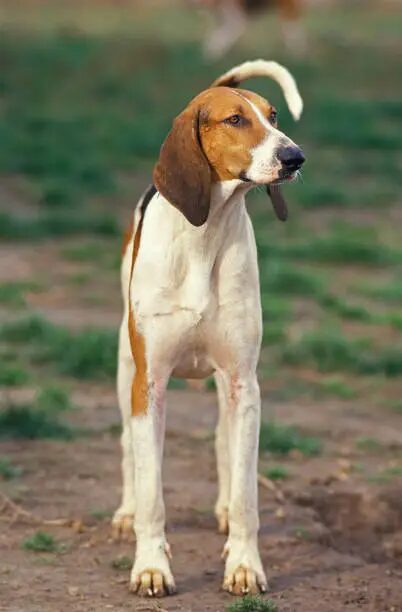
Head and Facial Features
The head is moderately broad with a balanced appearance.
Distinctive facial features include:
- Long muzzle
- Strong jaws
- Black nose
- Soft expression
- Well-defined stop
Its intelligent expression reflects both curiosity and determination.
Eyes
The eyes are:
- Brown or hazel
- Medium-sized
- Expressive
- Kind-looking
Bright, alert eyes contribute to the breed’s friendly personality.
Ears
One of the breed’s most recognizable traits is its ears.
They are:
- Long
- Thin
- Soft
- Low-set
- Hanging close to the cheeks
Because of their length, regular ear cleaning is essential to reduce the risk of infection.
Nose
The American English Coonhound’s nose is one of its greatest assets.
Its large nostrils help it detect faint scent trails that many other breeds would miss, making it an exceptional tracking dog.
Tail
The tail is:
- Medium length
- Slightly curved
- Carried proudly
- Strong at the base
During movement, it acts as a natural balance while the dog navigates uneven terrain.
Feet and Legs
Strong legs and compact feet enable the breed to travel long distances with ease.
Important characteristics include:
- Muscular thighs
- Straight forelegs
- Tight, well-arched toes
- Durable paw pads
- Flexible joints
These features help the American English Coonhound remain sure-footed across forests, hills, and rocky landscapes.
Coat Types and Colors
The American English Coonhound has a practical coat designed to protect it from rough terrain and changing weather conditions. While it doesn’t require extensive grooming, understanding its coat characteristics can help owners maintain healthy skin and fur.
Coat Texture
The coat is:
- Short
- Hard
- Dense
- Weather-resistant
- Easy to maintain
Unlike long-haired breeds, the American English Coonhound’s coat naturally sheds dirt after outdoor adventures, making grooming relatively simple.
Coat Length
This breed has a short, close-lying coat that provides protection without trapping excessive dirt or moisture.
Benefits of the short coat include:
- Quick drying
- Minimal matting
- Easy brushing
- Lower grooming costs
- Comfortable during hunting trips
Common Coat Colors
One of the breed’s most distinctive features is its variety of attractive coat colors.
Red and White Tick
A white coat covered with small red ticking is among the breed’s most recognizable color patterns.
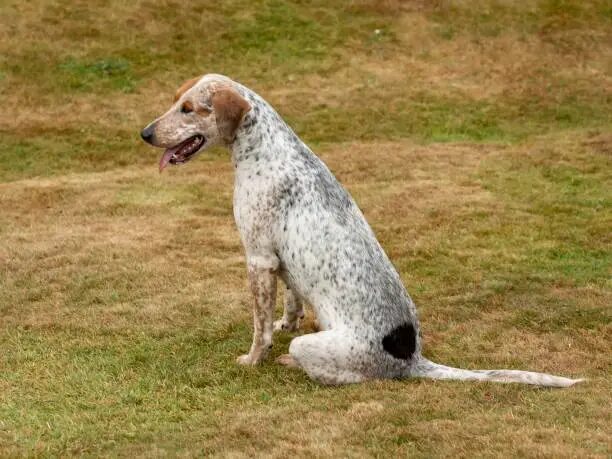
Blue and White Tick
Fine black ticking on a white background creates a bluish appearance, giving the dog an eye-catching coat.
Tricolor
A combination of:
- Black
- White
- Tan
This classic hound coloration remains popular among breeders.
Red and White
Some dogs display larger red patches instead of ticking.
Black and White Tick
This pattern features black ticking across a predominantly white coat.
Tick Markings Explained
“Ticking” refers to tiny colored spots scattered across a white background.
These markings:
- Develop as puppies mature
- Become more noticeable with age
- Vary greatly between individuals
- Make every dog look unique
Seasonal Coat Changes
Although the breed sheds moderately throughout the year, owners typically notice heavier shedding during:
- Spring
- Autumn
Weekly brushing helps remove loose hair and keeps the coat healthy.
American English Coonhound Temperament
The American English Coonhound is admired for its friendly personality and enthusiastic attitude toward life. While bred as a hardworking hunting companion, it also forms strong bonds with its family.
Personality Traits
Common personality characteristics include:
- Friendly
- Confident
- Curious
- Gentle
- Energetic
- Independent
- Playful
They enjoy being included in family activities and dislike being left alone for extended periods.
Intelligence
This breed is highly intelligent, particularly when it comes to scent work.
It excels at:
- Solving scent puzzles
- Learning hunting routines
- Remembering trails
- Navigating difficult terrain
However, intelligence doesn’t always equal obedience. Like many hounds, they prefer making independent decisions.
Loyalty
American English Coonhounds are deeply loyal to their families.
They:
- Enjoy companionship
- Prefer being near their owners
- Thrive on positive interactions
- Build strong emotional bonds
Friendliness
One of this breed’s greatest strengths is its sociable nature.
Most American English Coonhounds are:
- Friendly with strangers
- Excellent with children
- Comfortable around other dogs
- Welcoming rather than territorial
They are generally poor guard dogs because they greet visitors with enthusiasm rather than suspicion.
Independence
Centuries of hunting have taught this breed to work without constant human guidance.
As a result, they can be:
- Independent thinkers
- Determined
- Occasionally stubborn
Consistent training is important from an early age.
Prey Drive
Their hunting instincts remain incredibly strong.
They may instinctively chase:
- Rabbits
- Squirrels
- Cats
- Raccoons
- Birds
Because of this, secure fencing and reliable leash habits are essential.
Confidence
American English Coonhounds are naturally confident without being aggressive.
They approach new environments with curiosity and determination.
Vocal Nature
Perhaps the breed’s most famous characteristic is its loud, musical bay.
Owners should expect:
- Frequent vocalizations
- Distinctive hunting calls
- Excited barking during play
- Baying when following scents
This trait makes apartment living difficult.
American English Coonhound Size
The breed is athletic rather than bulky, allowing it to move quickly over long distances.
Male Size
Adult males generally measure:
- Height: 24–27 inches
- Weight: 55–75 pounds
Female Size
Adult females usually reach:
- Height: 22–25 inches
- Weight: 45–65 pounds
Growth Stages
| Age | Development |
|---|---|
| 2 Months | Rapid growth begins |
| 4 Months | Increased coordination |
| 6 Months | Adolescence starts |
| 9 Months | Nearly adult height |
| 12–18 Months | Full maturity develops |
Full-Grown Size
Most American English Coonhounds reach their adult height by around one year of age but continue developing muscle until 18–24 months.
Growth Chart
| Age | Average Weight |
|---|---|
| 8 Weeks | 12–18 lbs |
| 3 Months | 20–28 lbs |
| 6 Months | 35–50 lbs |
| 9 Months | 45–60 lbs |
| 12 Months | 50–70 lbs |
| Adult | 45–75 lbs |
American English Coonhound Puppy Guide
Bringing home an American English Coonhound puppy is exciting, but these energetic dogs require structure and early training.
What to Expect
New owners should prepare for:
- Endless curiosity
- High energy
- Frequent chewing
- Rapid learning
- Plenty of playtime
Puppy Development Stages
8–12 Weeks
- Learning household routines
- Bonding with family
- Beginning socialization
3–6 Months
- Teething
- Exploring confidently
- Learning basic commands
6–12 Months
- Increased independence
- Higher exercise needs
- Continued obedience training
Socialization Tips
Expose puppies to:
- Different people
- Friendly dogs
- New environments
- Household sounds
- Car rides
- Veterinary visits
Proper socialization builds confidence and reduces fear later in life.
Feeding Puppies
Puppies benefit from:
- High-quality puppy food
- Multiple small meals daily
- Fresh water at all times
- Controlled portions
Avoid overfeeding, as rapid weight gain can stress developing joints.
Vaccination Schedule
Typical veterinary recommendations include vaccinations against:
- Distemper
- Parvovirus
- Hepatitis
- Rabies
- Leptospirosis (where recommended)
Follow your veterinarian’s schedule for boosters and preventive care.
Puppy-Proofing Your Home
Before bringing your puppy home:
- Remove toxic plants
- Secure electrical cords
- Lock away cleaning products
- Keep shoes out of reach
- Install baby gates if needed
American English Coonhound Exercise Requirements
Exercise is one of the most important aspects of caring for this breed.
Without enough activity, behavioral issues often develop.
Daily Exercise Needs
Adult dogs typically require:
- 90–120 minutes of exercise daily
- Walks
- Running
- Play sessions
- Mental challenges
Mental Stimulation
Physical exercise alone isn’t enough.
Excellent mental activities include:
- Puzzle toys
- Nose work
- Food-dispensing toys
- Hide-and-seek games
- Advanced obedience
Best Activities
Hiking
The breed thrives on long hikes through forests and trails.
Running
Healthy adults often make outstanding jogging companions.
Tracking
Tracking games allow them to use their strongest natural ability.
Scent Work
Creating scent trails around the yard keeps their minds engaged.
Agility
Many enjoy agility courses that challenge both body and mind.
Off-Leash Considerations
Even well-trained American English Coonhounds may ignore commands once they detect an interesting scent.
For safety:
- Use secure fenced areas
- Practice recall regularly
- Consider GPS tracking collars during outdoor adventures
What Happens Without Enough Exercise?
Insufficient activity may lead to:
- Excessive barking
- Digging
- Chewing furniture
- Escaping fences
- Hyperactivity
- Weight gain
Training an American English Coonhound
Training this breed requires patience, consistency, and an understanding of its independent personality.
Are They Easy to Train?
They are intelligent but not always eager to please.
Training works best when sessions are:
- Short
- Fun
- Reward-based
- Consistent
Positive Reinforcement
Use rewards such as:
- Treats
- Praise
- Toys
- Playtime
Avoid harsh punishment, which can damage trust.
House Training
Successful house training depends on:
- Frequent bathroom breaks
- Consistent schedules
- Crate use
- Positive rewards
Leash Training
Because of their powerful noses, leash manners should begin early.
Teach puppies to:
- Walk without pulling
- Focus on the handler
- Ignore distractions
Recall Training
Reliable recall is challenging because scents are highly rewarding.
Practice:
- High-value rewards
- Long training lines
- Controlled environments
Crate Training
A crate provides:
- Security
- House-training support
- Safe travel
- Quiet resting space
Obedience Training
Essential commands include:
- Sit
- Stay
- Come
- Leave it
- Down
- Heel
Scent Training
Many owners channel the breed’s instincts into productive activities like:
- Nose work
- Search games
- Tracking sports
Common Training Challenges
Owners commonly report:
- Stubbornness
- Easily distracted by scents
- Pulling on walks
- Excessive vocalization
Consistency and patience are key..

Grooming Guide
Fortunately, the American English Coonhound is one of the easier hunting breeds to groom.
Brushing Routine
Brush once or twice weekly to:
- Remove loose hair
- Spread natural oils
- Reduce shedding
Bathing
Bathe only when necessary, typically every 6–8 weeks or after particularly muddy adventures.
Nail Trimming
Trim nails every 3–4 weeks to prevent discomfort and maintain proper movement.
Ear Cleaning
Because of their long ears, inspect and clean them regularly to reduce the risk of infections.
Dental Care
Brush your dog’s teeth several times a week using canine toothpaste to help prevent plaque buildup and gum disease.
Eye Care
Check the eyes regularly for redness, discharge, or irritation, especially after outdoor activities.
Shedding Management
Although the breed sheds moderately, regular brushing, a balanced diet, and proper hydration help keep shedding under control.
Feeding and Nutrition
Proper nutrition supports the American English Coonhound’s active lifestyle and overall health.
Nutritional Requirements
A balanced diet should provide:
- High-quality animal protein
- Healthy fats
- Digestible carbohydrates
- Vitamins and minerals
- Omega-3 and Omega-6 fatty acids
Best Dog Food
Choose a food formulated for active, medium-to-large breeds with real meat listed as the first ingredient. Match the formula to your dog’s life stage—puppy, adult, or senior—and activity level.
Feeding Schedule
A common feeding routine is:
| Age | Meals per Day |
|---|---|
| 8–12 Weeks | 4 |
| 3–6 Months | 3 |
| 6–12 Months | 2–3 |
| Adults | 2 |
Portion Sizes
Portion sizes depend on:
- Age
- Weight
- Activity level
- Metabolism
- Food calorie content
Monitor body condition and adjust portions with guidance from your veterinarian.
Healthy Treats
Nutritious treats include:
- Carrot sticks
- Apple slices (without seeds)
- Blueberries
- Commercial training treats in moderation
Foods to Avoid
Never feed:
- Chocolate
- Grapes and raisins
- Onions
- Garlic
- Xylitol
- Alcohol
- Cooked bones
Weight Management
Maintain a healthy weight by:
- Measuring meals
- Limiting treats
- Providing daily exercise
- Scheduling regular veterinary checkups
Common Health Problems
The American English Coonhound is generally a healthy and hardy breed. However, like all purebred dogs, it can be prone to certain inherited and lifestyle-related health conditions. Choosing a reputable breeder, providing preventive veterinary care, and maintaining a healthy lifestyle can significantly reduce many risks.
Hip Dysplasia
Hip dysplasia occurs when the hip joint doesn’t develop properly.
Symptoms include:
- Limping
- Difficulty standing
- Stiffness after exercise
- Reluctance to climb stairs
- Reduced activity
Maintaining a healthy weight and providing moderate exercise can help support joint health.
Elbow Dysplasia
Although less common than hip dysplasia, elbow dysplasia can also affect mobility.
Signs include:
- Front-leg lameness
- Joint swelling
- Pain while walking
- Reduced range of motion
Early diagnosis often improves long-term outcomes.
Ear Infections
Because of their long, floppy ears, American English Coonhounds are prone to ear infections.
Preventive care includes:
- Weekly ear inspections
- Gentle ear cleaning
- Keeping ears dry after bathing or swimming
- Prompt veterinary treatment if redness, odor, or discharge develops
Progressive Retinal Atrophy (PRA)
PRA is an inherited eye disease that gradually leads to vision loss.
Common signs include:
- Difficulty seeing at night
- Hesitation in unfamiliar places
- Dilated pupils
- Gradual blindness
Responsible breeders screen breeding dogs for hereditary eye conditions whenever possible.
Bloat (GDV)
Gastric Dilatation-Volvulus (GDV) is a life-threatening emergency, especially in deep-chested breeds.
Warning signs include:
- Swollen abdomen
- Unsuccessful attempts to vomit
- Restlessness
- Excessive drooling
- Rapid breathing
To help reduce the risk:
- Feed two or more smaller meals daily.
- Avoid vigorous exercise immediately before or after meals.
- Ensure fresh water is always available.
Obesity
Although active by nature, American English Coonhounds can gain weight if they don’t receive enough exercise.
Maintaining a healthy body condition helps reduce the risk of:
- Diabetes
- Arthritis
- Heart disease
- Joint strain
Parasites
Outdoor dogs are more exposed to:
- Fleas
- Ticks
- Heartworms
- Roundworms
- Hookworms
Routine parasite prevention is essential year-round.
Allergies
Some dogs develop allergies to:
- Food ingredients
- Pollen
- Dust mites
- Flea bites
- Environmental irritants
Common symptoms include itchy skin, ear infections, and excessive licking.
Lifespan and Aging
Average Lifespan
The average American English Coonhound lives 11–12 years, although some dogs enjoy longer lives with excellent care.
Factors Affecting Longevity
Several factors influence lifespan:
- Genetics
- Nutrition
- Exercise
- Preventive healthcare
- Weight management
- Dental care
Senior Dog Care
As your dog ages:
- Switch to a senior diet if recommended by your veterinarian.
- Schedule wellness exams more frequently.
- Support joint health with appropriate exercise.
- Monitor changes in vision, hearing, and mobility.
Signs of Healthy Aging
Healthy senior dogs remain:
- Alert
- Interested in family activities
- Able to move comfortably
- Maintaining a healthy appetite
- Social and responsive
Living With an American English Coonhound
Apartment Living
This breed is not ideal for apartment life due to its:
- High energy level
- Loud baying
- Need for outdoor activity
Daily exercise is essential if apartment living is unavoidable.
Farm Life
Farm environments suit this breed perfectly.
Benefits include:
- Space to explore
- Safe exercise
- Opportunities for scent work
- Active outdoor lifestyle
Rural Homes
Rural homes often provide the ideal balance of space and freedom while allowing owners to safely manage the breed’s strong prey drive.
Urban Living
Urban owners should commit to:
- Long daily walks
- Regular park visits
- Mental enrichment
- Consistent training
Homes With Large Yards
A securely fenced yard allows the dog to exercise safely, but it should never replace walks, playtime, or interaction with the family.
Climate Adaptability
American English Coonhounds adapt well to a variety of climates.
During hot weather:
- Provide shade.
- Ensure constant access to water.
- Avoid strenuous activity during peak heat.
During cold weather:
- Limit prolonged exposure to freezing temperatures.
- Offer warm shelter and comfortable bedding.
Family Compatibility
Good With Children
The breed is generally patient and affectionate with children, especially when raised together and supervised during play.
Good With Seniors
Very active seniors may enjoy this breed, but its exercise requirements can be demanding.
Good With First-Time Owners
While friendly, the American English Coonhound may be challenging for inexperienced owners due to its:
- Strong prey drive
- Independence
- Exercise needs
- Vocal tendencies
Good With Other Dogs
Because they were bred to hunt in packs, they usually get along very well with other dogs.
Living With Cats
Early socialization improves the chances of peaceful coexistence, but some individuals may still instinctively chase cats.
Multi-Pet Households
Many American English Coonhounds thrive in multi-dog households when introductions are managed carefully.
Hunting Abilities
The American English Coonhound remains one of North America’s premier hunting breeds.
Natural Tracking Skills
Its exceptional nose allows it to follow even old scent trails over long distances.
Treeing Ability
After locating game, the dog typically encourages it to climb a tree while signaling its location with its distinctive bay.
Scenting Power
Few breeds can match the American English Coonhound’s scent-tracking abilities.
Hunting Instinct
The breed naturally enjoys:
- Tracking
- Chasing
- Searching
- Problem-solving
These instincts remain strong even in companion dogs.
Modern Hunting Uses
Today, many owners channel these instincts into:
- Nose work
- Search-and-rescue training
- Tracking sports
- Competitive scent trials
- Outdoor adventures
American English Coonhound vs Other Coonhound Breeds
| Breed | Main Difference |
|---|---|
| Treeing Walker Coonhound | Faster with greater emphasis on speed |
| Bluetick Coonhound | Slightly heavier with blue-ticked coloring |
| Redbone Coonhound | Solid red coat and calmer personality |
| Black and Tan Coonhound | Larger with classic black-and-tan markings |
| Plott Hound | Brindle coat and exceptional big-game hunting ability |
American English Coonhound vs Similar Breeds
| Breed | Difference |
|---|---|
| Beagle | Smaller and more suitable for compact homes |
| English Foxhound | Primarily bred for fox hunting in packs |
| Harrier | Medium-sized hound with moderate energy |
Pros and Cons of Owning an American English Coonhound
Advantages
- Friendly personality
- Excellent family companion
- Outstanding scent-tracking ability
- Highly athletic
- Low-maintenance coat
- Good with other dogs
- Intelligent and adaptable
Challenges
- Requires extensive exercise
- Strong prey drive
- Loud baying
- Can be stubborn during training
- Not ideal for apartment living
- May wander if not securely contained
Is This Breed Right for You?
The American English Coonhound is an excellent choice if you:
- Enjoy outdoor activities
- Have time for daily exercise
- Appreciate an active, vocal dog
- Can provide secure fencing
- Enjoy training and enrichment
Cost of Owning an American English Coonhound
| Expense | Estimated Cost |
|---|---|
| Puppy Purchase | $500–$1,200+ |
| Adoption | $100–$400 |
| Food (Annual) | $500–$900 |
| Veterinary Care | $300–$900/year |
| Grooming | Low |
| Training Classes | $150–$500 |
| Pet Insurance | Varies by provider and coverage |
American English Coonhound Breeders
Finding Responsible Breeders
Choose breeders who:
- Perform health testing
- Raise puppies in clean environments
- Encourage questions
- Allow visits when appropriate
- Provide health records
Questions to Ask Breeders
- Have the parents been health tested?
- Can I meet the mother?
- What vaccinations have the puppies received?
- Do you provide a health guarantee?
- What socialization have the puppies experienced?
Health Certifications
Look for documentation related to:
- Hip evaluations
- Eye examinations
- General veterinary health checks
Red Flags to Avoid
Avoid breeders who:
- Refuse to answer questions
- Sell puppies too young
- Offer no health records
- Keep dogs in poor conditions
- Always have multiple litters available
Adoption and Rescue
Many wonderful American English Coonhounds are available through breed rescues and animal shelters.
Breed Rescue Organizations
Breed-specific rescues often understand the unique needs of this active hound and can help match dogs with suitable homes.
Shelter Adoption
Adoption provides deserving dogs with a second chance while often costing less than purchasing a puppy.
Adult Dogs vs Puppies
Adult Dogs
- Established personality
- Often house-trained
- Lower purchase cost
Puppies
- Easier early socialization
- More training opportunities
- Longer lifelong companionship
Adoption Checklist
Before bringing your dog home:
- Prepare a sleeping area.
- Purchase food and supplies.
- Schedule a veterinary appointment.
- Secure fencing.
- Plan a consistent daily routine.
Essential Supplies for New Owners
Every new owner should have:
- Comfortable crate
- Supportive dog bed
- Food and water bowls
- Strong harness
- Durable leash
- Identification tags
- Interactive puzzle toys
- Grooming brush
- Nail clippers
- Ear-cleaning solution
- GPS tracking collar for outdoor adventures
Common Behavioral Problems and Solutions
| Behavior | Solution |
|---|---|
| Excessive Barking | Increase exercise and provide mental enrichment |
| Separation Anxiety | Gradual alone-time training and interactive toys |
| Digging | More physical activity and designated digging areas |
| Chasing Wildlife | Secure fencing and leash control |
| Pulling on Leash | Positive reinforcement and loose-leash training |
| Escaping Yards | Reinforce fencing and provide enrichment |
| Destructive Chewing | Appropriate chew toys and increased activity |
Fun Facts About the American English Coonhound
- One of America’s oldest hunting breeds.
- Famous for its exceptional scent-tracking ability.
- Produces a unique musical bay that hunters can recognize from long distances.
- Can work for hours thanks to its remarkable endurance.
- Continues to excel in competitive hunting and scent-work events.
- Especially popular in regions with strong hunting traditions across the United States.
Is the American English Coonhound the Right Dog for You?
Best Owners
This breed is best suited for people who:
- Enjoy outdoor adventures
- Have large, secure yards
- Can provide daily exercise
- Appreciate an active, social companion
Who Should Avoid This Breed?
The American English Coonhound may not be the best choice if you:
- Prefer a quiet dog
- Have very limited time for exercise
- Live in a small apartment
- Want a low-energy companion
Lifestyle Compatibility Checklist
✔ Active lifestyle
✔ Daily exercise commitment
✔ Secure fenced yard
✔ Patience for training
✔ Time for companionship
✔ Appreciation for vocal breeds
If you checked most of these boxes, the American English Coonhound could be an excellent fit.
Frequently Asked Questions (FAQs)
Is the American English Coonhound a good family dog?
Yes. It is affectionate, social, and generally gets along well with children and other dogs when properly trained and socialized.
Do American English Coonhounds bark a lot?
Yes. They are known for their loud, distinctive bay and may vocalize frequently, especially when excited or following a scent.
How much exercise does an American English Coonhound need?
Most adults need 90–120 minutes of exercise each day, along with mental stimulation.
Are American English Coonhounds aggressive?
No. They are typically friendly and outgoing rather than aggressive.
Are they easy to train?
They are intelligent but independent, so consistent, reward-based training works best.
Can they live in apartments?
Apartment living is generally not recommended because of their energy level and vocal nature.
Do they shed heavily?
No. They are moderate shedders and usually require only weekly brushing.
Are they good with cats?
They can live with cats if introduced early, but their strong prey drive means supervision is important.
How long do American English Coonhounds live?
Their average lifespan is 11–12 years.
Are they good off-leash?
Not usually. Their powerful scenting instincts may lead them to ignore recall commands if they catch an interesting trail.
How much does an American English Coonhound puppy cost?
Prices commonly range from $500 to $1,200 or more, depending on pedigree, breeder reputation, and location.
Are American English Coonhounds rare?
They are less common than many popular family breeds but remain well known among hunters and hound enthusiasts.
Do they have a strong prey drive?
Yes. Their hunting background gives them a very strong instinct to follow scents and chase small animals.
What is the difference between an American English Coonhound and an English Foxhound?
The American English Coonhound was developed in the United States for tracking and treeing game, while the English Foxhound was primarily bred for fox hunting in packs.
Are they suitable for first-time dog owners?
They can be, but their exercise demands, vocal personality, and independent nature may be challenging for inexperienced owners.
Conclusion
The American English Coonhound is an energetic, intelligent, and affectionate breed that shines both as a skilled hunting companion and a devoted family dog. Its remarkable scent-tracking ability, athletic build, and friendly personality make it stand out among hound breeds.
However, this breed thrives only when its physical and mental needs are consistently met. Daily exercise, positive training, early socialization, and regular veterinary care are essential for raising a healthy and well-adjusted companion.
If you lead an active lifestyle, enjoy outdoor adventures, and have the time and space to meet its needs, the American English Coonhound can reward you with years of loyalty, companionship, and unforgettable experiences. For owners prepared to embrace its energetic spirit and distinctive voice, this hardworking hound is a truly exceptional canine partner.