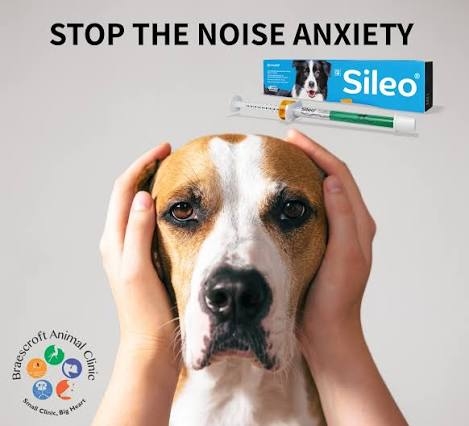
Dog anxiety is more than a behavioral issue—it can significantly affect a dog’s health, happiness, and quality of life. Whether your dog trembles during thunderstorms, panics when left alone, or becomes stressed during veterinary visits, finding the right anxiety treatment is essential. Two medications commonly discussed by veterinarians are Sileo and Trazodone. While both are prescribed to help dogs cope with anxiety, they work in different ways and are intended for different situations.
Understanding the differences between Sileo vs Trazodone for dogs can help pet owners make informed decisions in partnership with their veterinarian. This guide explains how each medication works, when it is most appropriate, potential side effects, and how to determine which option may be the better fit for your dog’s individual needs.
Anxiety affects dogs of all ages, breeds, and sizes. While some dogs only become anxious during occasional stressful events, others struggle with chronic anxiety that impacts their daily routine. Fortunately, veterinary medicine has advanced significantly, offering medications that can help reduce fear and stress while improving a dog’s overall well-being.
Among the most commonly prescribed medications are Sileo and Trazodone. Although both are used to manage anxiety, they are designed for different types of situations and have distinct mechanisms of action.
In this comprehensive guide, you’ll learn:
- How Sileo and Trazodone work
- The key differences between the two medications
- Which medication is better for specific anxiety triggers
- Potential side effects and safety considerations
- How veterinarians decide which medication to prescribe
By the end, you’ll have a clearer understanding of which treatment may be more appropriate for your dog’s unique circumstances.
Why Dog Anxiety Is Becoming Increasingly Common
Modern dogs experience many stressors that their ancestors never encountered. Busy households, frequent travel, loud urban environments, and changes in routine can all contribute to anxiety.
Several factors have led to an increase in anxiety-related behavioral problems:
- Urban living exposes dogs to constant unfamiliar sounds.
- Fireworks and storms create sudden, unpredictable noise.
- Long work hours can result in separation anxiety.
- Frequent veterinary visits may reinforce fearful experiences.
- Insufficient socialization during puppyhood can increase fearfulness.
- Aging-related cognitive decline may cause anxiety in senior dogs.
Some dogs are also genetically predisposed to nervous temperaments, making them more likely to require behavioral management or medication.
Common Situations That Trigger Anxiety in Dogs
Dogs can develop anxiety from a variety of experiences. Identifying the trigger is the first step toward selecting the most effective treatment.
Common anxiety triggers include:
- Fireworks
- Thunderstorms
- Construction noise
- Vacuum cleaners
- Car travel
- Being left home alone
- Veterinary examinations
- Grooming appointments
- Moving to a new home
- Meeting unfamiliar people or animals
Some dogs react only to one specific trigger, while others experience generalized anxiety in multiple situations.
Why Veterinarians Prescribe Anxiety Medications
Behavioral training is often the foundation of anxiety treatment, but medication can be extremely helpful when anxiety is severe or interferes with learning.
Veterinarians may recommend medication to:
- Reduce panic during stressful events
- Prevent injuries caused by frantic behavior
- Improve a dog’s ability to respond to training
- Increase comfort during recovery after surgery
- Make necessary veterinary care less stressful
- Improve the overall quality of life for both dogs and their owners
Medication is generally most effective when combined with behavioral modification, environmental management, and positive reinforcement.
Overview of Sileo and Trazodone
Although both medications reduce anxiety, they are quite different.
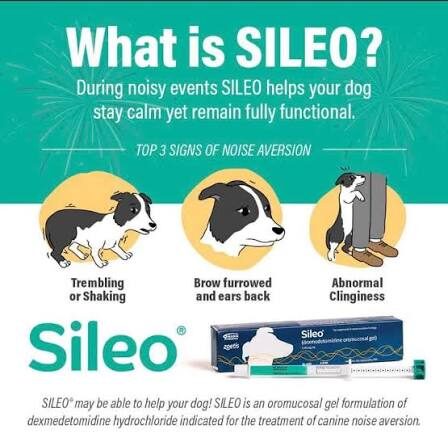
Sileo is specifically designed to treat noise aversion in dogs. It is FDA-approved for helping dogs cope with loud noises such as fireworks and thunderstorms.
Trazodone, on the other hand, is a versatile anti-anxiety medication that veterinarians commonly prescribe off-label for a wide variety of stressful situations, including travel, separation anxiety, post-surgical confinement, and veterinary visits.
One medication is not necessarily “better” than the other. Instead, the ideal choice depends on:
- The type of anxiety
- How quickly relief is needed
- How long the stressful event lasts
- Your dog’s age and health
- Any underlying medical conditions
- Your veterinarian’s clinical judgment
Quick Comparison of Both Medications
| Feature | Sileo | Trazodone |
|---|---|---|
| Primary Purpose | Noise aversion | General anxiety management |
| FDA Status | FDA-approved for canine noise aversion | Commonly prescribed off-label in dogs |
| Form | Oral gel | Oral tablet or capsule |
| Typical Use | Fireworks, thunderstorms | Travel, separation anxiety, vet visits |
| Sedation | Usually mild | Often moderate |
| Duration | Several hours | Several hours, depending on dose |
| Administration | Applied to gums | Swallowed by mouth |
| Prescription Required | Yes | Yes |
Sileo vs Trazodone at a Glance
| Feature | Sileo | Trazodone |
|---|---|---|
| Drug Type | Alpha-2 adrenergic receptor agonist | Serotonin antagonist and reuptake inhibitor (SARI) |
| FDA Approval | Approved for canine noise aversion | Not FDA-approved for dogs but widely used in veterinary medicine |
| Active Ingredient | Dexmedetomidine | Trazodone hydrochloride |
| Best For | Fireworks, thunderstorms, loud noises | General anxiety, travel, separation anxiety, recovery |
| Onset Time | Relatively fast | Usually within 1–3 hours, depending on the dog |
| Duration | Several hours | Several hours; varies with dosage and individual response |
| Prescription Required | Yes | Yes |
| Sedation Level | Mild to moderate | Mild to significant, depending on dose |
| Common Side Effects | Sleepiness, slower heart rate, vomiting | Drowsiness, panting, digestive upset |
| Suitable Age | As determined by a veterinarian | As determined by a veterinarian |
| Typical Uses | Noise phobia | Multiple anxiety-related situations |
What Is Sileo for Dogs?
Sileo is a prescription medication formulated specifically to reduce acute fear caused by loud noises. It is one of the few medications developed exclusively for this purpose in dogs.
Unlike many traditional sedatives, Sileo aims to reduce the emotional response to frightening sounds while allowing many dogs to remain awake and responsive.
It is especially useful for predictable events such as:
- Fireworks celebrations
- Thunderstorms
- Sporting events
- Construction projects
- Loud neighborhood activities
Because these situations are often temporary, Sileo is typically administered shortly before or at the first signs of a noise event.
How Sileo Works
Sileo contains dexmedetomidine, a medication that acts on alpha-2 adrenergic receptors in the brain.
These receptors help regulate the release of norepinephrine, a neurotransmitter involved in the body’s “fight-or-flight” response.
By decreasing excessive norepinephrine activity, Sileo helps reduce:
- Panic
- Fear
- Hyperactivity associated with loud noises
- Stress responses
Importantly, the goal is anxiety reduction, not simply making the dog sleepy.
Active Ingredient: Dexmedetomidine
Dexmedetomidine has long been used in veterinary medicine in injectable form for sedation and pain management. Sileo uses the same active ingredient but at a much lower dose in an oral gel designed specifically for treating noise aversion.
Key characteristics include:
- Rapid absorption through the gums
- Designed for short-term use
- Helps reduce acute fear
- Administered only when needed
- Prescription-only medication
Because it acts relatively quickly, it can be useful when owners know that a stressful noise event is approaching.
FDA-Approved Uses
One of Sileo’s biggest advantages is that it has FDA approval specifically for treating canine noise aversion.
Noise aversion includes anxiety associated with:
- Fireworks
- Thunderstorms
- Explosions
- Construction equipment
- Sudden loud environmental noises
This approval is based on studies evaluating its safety and effectiveness for this specific purpose.
When Veterinarians Prescribe Sileo
Veterinarians commonly recommend Sileo for dogs that show behaviors such as:
- Trembling
- Excessive panting
- Hiding
- Pacing
- Whining
- Barking excessively
- Attempting to escape
- Destructive behavior during loud events
The medication is often part of a broader anxiety management plan that includes environmental changes and behavior training.
Situations Where Sileo Is Most Effective
Sileo performs best when the anxiety trigger is specific, predictable, and primarily related to loud noises.
Fireworks
Fireworks are among the most common causes of acute anxiety in dogs. Their sudden flashes, loud explosions, and unpredictable timing can trigger intense fear.
Dogs experiencing firework anxiety may:
- Hide under furniture
- Shake uncontrollably
- Try to escape the home
- Refuse food
- Vocalize excessively
Because fireworks are often scheduled events, owners can prepare in advance by following their veterinarian’s instructions regarding medication timing.
Thunderstorms
Thunderstorms combine multiple frightening stimuli, including:
- Loud thunder
- Bright lightning
- Changes in air pressure
- Heavy rain
- Strong winds
Some dogs even become anxious before the storm begins, recognizing subtle environmental changes. Sileo may help reduce fear during these episodes when administered as directed by a veterinarian.
Loud Noises
Many dogs are sensitive to everyday sounds that humans barely notice, including:
- Vacuum cleaners
- Power tools
- Motorcycle engines
- Garbage trucks
- Home renovations
- Sirens
If these sounds consistently trigger anxiety, your veterinarian may determine that Sileo is an appropriate short-term treatment.
Construction Sounds
Construction projects often produce prolonged periods of:
- Drilling
- Hammering
- Heavy machinery
- Sudden impacts
- High-frequency noises
For dogs living near construction sites, these disturbances can become a daily source of stress. In some cases, veterinarians may recommend Sileo for anticipated periods of intense noise while also suggesting environmental strategies such as creating a quiet room or using white noise to reduce exposure.
What Is Trazodone for Dogs?
Trazodone is one of the most commonly prescribed anti-anxiety medications in veterinary medicine. Unlike Sileo, which is specifically approved for noise aversion, trazodone has a much broader range of uses. Veterinarians frequently prescribe it off-label to help dogs remain calm during stressful situations such as travel, veterinary visits, crate rest, or recovery after surgery.
Because of its versatility, trazodone is often included in comprehensive treatment plans for both short-term anxiety and certain forms of long-term behavioral management.
How Trazodone Works
Trazodone belongs to a class of medications known as serotonin antagonist and reuptake inhibitors (SARIs).
Serotonin is a neurotransmitter that plays an important role in regulating:
- Mood
- Stress response
- Sleep
- Behavior
- Emotional balance
By increasing serotonin activity in the brain while also affecting certain serotonin receptors, trazodone helps many dogs feel calmer without completely eliminating their awareness of their surroundings.
Unlike traditional sedatives, its goal is to reduce anxiety while allowing the dog to remain functional, although some dogs may still become noticeably sleepy.
Drug Classification
Trazodone was originally developed for use in humans as an antidepressant. In veterinary medicine, it has become one of the most trusted medications for reducing fear and anxiety in dogs.
It is considered:
- Prescription-only
- Widely used off-label
- Compatible with many behavioral treatment plans
- Often combined with behavior modification training
Veterinarians may prescribe it alone or, in selected cases, alongside other medications when additional anxiety control is needed.
Common Veterinary Uses
Trazodone is extremely versatile and may be recommended for:
- General anxiety
- Separation anxiety
- Travel anxiety
- Veterinary appointments
- Grooming sessions
- Hospital stays
- Recovery after surgery
- Crate confinement
- Temporary stressful situations
Because its effects last for several hours, it can provide sustained relief during prolonged stressful events.
Off-Label Use in Dogs
Although trazodone is not FDA-approved specifically for dogs, off-label prescribing is a common and accepted practice in veterinary medicine when supported by scientific evidence and clinical experience.
Veterinarians choose trazodone because extensive research and years of practical use have shown it can be both effective and generally well tolerated when prescribed appropriately.
Situations Where Trazodone Is Commonly Prescribed
Separation Anxiety
Dogs with separation anxiety often experience extreme distress when left alone.
Common symptoms include:
- Barking continuously
- Destructive chewing
- Scratching doors
- Urinating indoors
- Escaping from crates
- Pacing
Trazodone may reduce anxiety enough for the dog to participate more successfully in behavior modification programs.
Travel Anxiety
Some dogs become highly stressed during car rides or airplane travel.
Signs may include:
- Excessive drooling
- Vomiting
- Panting
- Restlessness
- Vocalization
Administering trazodone before travel can help make trips safer and more comfortable for both pets and owners.
Veterinary Visits
Many dogs become fearful when visiting the veterinarian because of unfamiliar smells, handling, or previous unpleasant experiences.
Trazodone may help:
- Reduce fear
- Improve cooperation
- Lower stress levels
- Make examinations safer
Grooming Appointments
Professional grooming can be overwhelming for anxious dogs.
Stressors include:
- Nail trimming
- Dryers
- Clippers
- Handling by strangers
- Confinement
A veterinarian may recommend trazodone before grooming appointments for dogs with significant fear.
Recovery After Surgery
Following orthopedic procedures or other surgeries, dogs often need to remain calm to allow proper healing.
Excessive activity can:
- Damage surgical repairs
- Delay healing
- Increase pain
- Cause wound complications
Trazodone helps reduce activity levels while keeping many dogs comfortable during recovery.
Crate Rest
Dogs recovering from injuries sometimes require weeks of restricted movement.
Because confinement itself can be stressful, trazodone is commonly prescribed to help dogs tolerate crate rest without excessive frustration or anxiety.
Sileo vs Trazodone: Key Differences
Although both medications help reduce anxiety, they serve different purposes.
| Feature | Sileo | Trazodone |
|---|---|---|
| Primary Use | Noise aversion | Multiple anxiety disorders |
| FDA Approval | Yes (noise aversion) | Off-label veterinary use |
| Administration | Oral gel | Tablet or capsule |
| Main Benefit | Reduces fear of loud sounds | Broad anxiety relief |
| Sedation | Usually mild | Mild to moderate |
| Typical Duration | Several hours | Several hours |
| Best For | Fireworks and storms | Travel, separation anxiety, recovery |
Mechanism of Action
One of the biggest differences lies in how these medications affect the brain.
Sileo
- Targets alpha-2 adrenergic receptors
- Reduces norepinephrine release
- Helps decrease the body’s fear response
Trazodone
- Increases serotonin activity
- Improves emotional regulation
- Produces calming effects across a wider range of anxiety disorders
FDA Approval Status
Another important distinction is regulatory approval.
Sileo
- Specifically FDA-approved for canine noise aversion
- Developed exclusively for dogs
Trazodone
- FDA-approved for humans
- Prescribed off-label by veterinarians for dogs
Off-label use does not mean the medication is unsafe—it simply means it has not undergone the FDA approval process for that specific animal species or indication.
Intended Purpose
Sileo is designed primarily for:
- Fireworks
- Thunderstorms
- Loud environmental noises
Trazodone is intended for a much wider variety of anxiety-inducing situations, including:
- Separation anxiety
- Travel
- Veterinary visits
- Grooming
- Post-operative recovery
- Crate rest
Speed of Action
Both medications work relatively quickly when compared to long-term behavioral medications.
Generally:
- Sileo is intended to begin working shortly after administration for acute noise events.
- Trazodone is commonly given 1–3 hours before a known stressful event, though exact timing varies by the individual dog and veterinary instructions.
Duration of Effect
Both medications typically provide relief for several hours, though individual response varies based on factors such as dosage, metabolism, and overall health.
Some dogs may require additional doses according to their veterinarian’s directions during prolonged stressful situations.
Sedation Level
Sedation differs considerably among dogs.
Sileo
Often produces:
- Mild relaxation
- Reduced panic
- Minimal sleepiness in many dogs
Trazodone
May produce:
- Calmness
- Noticeable drowsiness
- Increased sleep in some dogs
The degree of sedation depends on the prescribed dose and individual sensitivity.
Administration Method
Administration is another key difference.
Sileo
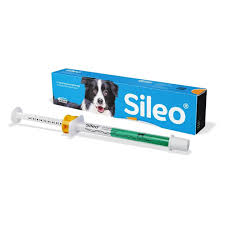
- Oral gel
- Applied between the cheek and gum
- Not swallowed like a tablet
Trazodone
- Oral tablet or capsule
- Usually given by mouth with or without food, depending on veterinary instructions
Some owners find tablets easier, while others prefer Sileo’s gel formulation for dogs that resist pills.
Cost Comparison
Costs vary depending on:
- Geographic location
- Veterinary clinic
- Pharmacy
- Dosage
- Brand versus generic products
In general:
- Sileo may cost more per treatment because it is a specialized veterinary medication.
- Generic trazodone is often a more economical option for repeated or long-term use.
Availability
Both medications require a prescription.
They are commonly available through:
- Veterinary clinics
- Veterinary pharmacies
- Licensed online pet pharmacies
- Some retail pharmacies (for trazodone prescriptions)
Which Medication Works Faster?
One of the most common questions pet owners ask is which medication provides relief more quickly.
The answer depends on what type of anxiety is being treated.
Sileo Onset Time
Sileo is formulated for acute noise anxiety.
Because it is absorbed through the gums, it is designed to begin acting relatively quickly after administration.
It is commonly used when owners expect:
- Fireworks
- Thunderstorms
- Sporting celebrations
- Loud construction
Trazodone Onset Time
Trazodone generally requires more planning.
Veterinarians often recommend giving it before a stressful event so it has sufficient time to take effect.
Examples include:
- Travel
- Grooming appointments
- Veterinary visits
- Planned crate rest
Which Is Better for Immediate Anxiety?
If the anxiety is caused specifically by sudden loud noises, Sileo is generally the more targeted option.
If the stressful event is broader or longer lasting, trazodone is often preferred because it provides calming effects across a wider range of situations.
The “better” medication depends on the dog’s diagnosis rather than speed alone.
Which Medication Lasts Longer?
Duration is another important consideration.
Duration of Sileo
Sileo is intended to provide relief during temporary noise events.
Its effects generally last for several hours, helping dogs remain calmer through fireworks displays or thunderstorms.
If a stressful event continues, veterinarians may provide instructions regarding repeat dosing when appropriate.
Duration of Trazodone
Trazodone also provides relief for several hours, though duration varies based on:
- Dose prescribed
- Dog’s metabolism
- Body weight
- Overall health
Because it offers sustained calming effects, it is useful for events lasting much of the day.
When Longer Relief Is Beneficial
Longer-lasting anxiety control may be especially helpful for:
- Cross-country travel
- Extended veterinary procedures
- Overnight hospitalization
- Long recovery periods after surgery
- Multiple-hour grooming sessions
Sileo vs Trazodone Effectiveness
Choosing the right medication depends largely on the source of the dog’s anxiety.
Noise Anxiety
Best choice: Sileo
Because it was specifically developed for noise aversion, Sileo is generally considered the first-line medication for dogs that panic during:
- Fireworks
- Thunderstorms
- Loud celebrations
- Construction noise
Separation Anxiety
Best choice: Trazodone
Separation anxiety often requires:
- Behavioral modification
- Environmental changes
- Medication support
Trazodone can reduce distress while owners work on long-term training strategies.
Travel Anxiety
Many veterinarians favor trazodone because it provides calming effects throughout the journey.
It can help dogs remain more relaxed during:
- Car rides
- Air travel
- Long-distance moves
Veterinary Visits
Dogs that become fearful during examinations often benefit from trazodone administered before the appointment.
Reduced anxiety may allow:
- Easier handling
- Safer examinations
- Less stress for everyone involved
Grooming Anxiety
For dogs that dislike:
- Nail trims
- Ear cleaning
- Hair clipping
- Bathing
Trazodone is commonly chosen because the appointment may last several hours.
Generalized Anxiety
Dogs with ongoing anxiety affecting multiple aspects of life are more likely to benefit from trazodone as part of a comprehensive behavioral treatment plan.
Post-Surgery Stress
Following surgery, veterinarians frequently prescribe trazodone to:
- Limit excessive activity
- Encourage rest
- Reduce stress during recovery
Its calming effects help support proper healing while making confinement more tolerable.
Which Medication Causes More Drowsiness?
One of the biggest concerns pet owners have is whether anxiety medication will make their dog excessively sleepy. While both Sileo and trazodone can cause drowsiness, the degree of sedation varies depending on the dog’s age, health, dosage, and individual response.
Generally:
- Sileo is designed to reduce fear associated with loud noises while minimizing heavy sedation.
- Trazodone often has a stronger calming effect and may cause more noticeable sleepiness in some dogs.
It’s important to remember that every dog responds differently. Some remain alert and relaxed, while others may become noticeably drowsy.
Sedative Effects of Sileo
Sileo is intended to reduce anxiety rather than simply sedate the dog.
Many dogs experience:
- Mild relaxation
- Less panic
- Reduced trembling
- Improved comfort during loud noises
Some dogs may become sleepy, but many remain awake and responsive.
Sedative Effects of Trazodone
Trazodone is more likely to produce sedation, especially at higher doses.
Common effects include:
- Drowsiness
- Calm behavior
- Increased sleeping
- Reduced activity
For dogs recovering from surgery or requiring crate rest, this mild sedation is often beneficial.
Dogs That Should Avoid Excessive Sedation
Veterinarians carefully evaluate whether sedation is appropriate for each patient.
Extra caution may be needed for:
- Very elderly dogs
- Puppies
- Dogs with heart disease
- Dogs with breathing disorders
- Dogs with low blood pressure
- Working or service dogs during active duty
Always monitor your dog after administering any new medication and report unusual reactions to your veterinarian.
Side Effects Comparison
Like all prescription medications, both Sileo and trazodone have potential side effects. Fortunately, most are mild and temporary when the medication is used correctly.
| Sileo | Trazodone |
|---|---|
| Sleepiness | Drowsiness |
| Vomiting | Gastrointestinal upset |
| Pale gums | Panting |
| Reduced heart rate | Mild coordination problems |
| Temporary lethargy | Occasional vomiting |
Common Sileo Side Effects
Some dogs may experience:
- Sleepiness
- Pale gums
- Vomiting
- Reduced heart rate
- Temporary lethargy
These effects are usually mild but should be reported if they are severe or persistent.
Common Trazodone Side Effects
Possible side effects include:
- Drowsiness
- Mild digestive upset
- Panting
- Temporary wobbliness
- Mild coordination problems
- Soft stools in some dogs
Many dogs tolerate trazodone well, especially when started at an appropriate dose.
Rare but Serious Side Effects
Although uncommon, serious reactions require immediate veterinary attention.
Contact your veterinarian promptly if your dog develops:
- Collapse
- Difficulty breathing
- Severe weakness
- Persistent vomiting
- Seizures
- Extreme lethargy
- Fainting
- Unusual behavior changes
When to Contact Your Veterinarian
Seek veterinary advice if your dog:
- Becomes difficult to wake
- Refuses food for an extended period
- Vomits repeatedly
- Has trouble walking
- Appears unusually confused
- Experiences symptoms that worsen instead of improving
Never discontinue or adjust prescription medication without veterinary guidance.
Safety Comparison
Both medications are considered generally safe when prescribed appropriately, but each has precautions.
Is Sileo Safe?
For dogs with noise aversion, Sileo has an excellent safety profile when used exactly as prescribed.
Your veterinarian will evaluate:
- Heart health
- Current medications
- Age
- Overall physical condition
Is Trazodone Safe?
Trazodone has been widely used in veterinary medicine for many years.
It is considered safe for many dogs when:
- Proper dosing is followed
- Drug interactions are reviewed
- Veterinary monitoring is maintained
Which Dogs Should Avoid These Medications?
Certain dogs require additional caution.
Puppies
Young puppies may require individualized dosing or alternative approaches depending on their age and health.
Senior Dogs
Older dogs often metabolize medications differently and may need lower doses.
Dogs with Heart Disease
Both medications should be used cautiously in dogs with cardiovascular disease.
Dogs with Liver Disease
Reduced liver function may affect how medications are processed.
Dogs with Kidney Disease
Kidney disease may influence medication elimination and dosing decisions.
Pregnant or Nursing Dogs
Safety during pregnancy or lactation has not been established for routine use. Medication should only be used if the veterinarian determines that the benefits outweigh the risks.
Can Dogs Take Sileo and Trazodone Together?
Some owners wonder whether combining both medications provides better anxiety control.
The answer is:
Sometimes—but only under veterinary supervision.
Is Combination Therapy Safe?
Certain dogs with severe anxiety may benefit from carefully supervised combination therapy.
However, this decision requires:
- Medical evaluation
- Review of current medications
- Individualized dosing
- Close monitoring
When Veterinarians May Prescribe Both
Combination therapy may occasionally be considered when:
- Noise anxiety occurs in a dog with chronic anxiety
- One medication alone provides insufficient relief
- Multiple anxiety triggers occur simultaneously
Potential Risks
Using both medications together may increase:
- Sedation
- Weakness
- Low blood pressure
- Coordination problems
Owners should never combine these medications on their own.
Drug Interactions
Before prescribing either medication, veterinarians review all supplements and medications the dog receives, including:
- Pain medications
- Behavioral medications
- Seizure medications
- Herbal supplements
This helps reduce the risk of harmful interactions.
Monitoring Requirements
Dogs receiving anxiety medication should be monitored for:
- Appetite changes
- Excessive sleepiness
- Walking normally
- Breathing comfortably
- Heart rate changes
- Behavioral improvements
Important: Never administer Sileo and trazodone together unless your veterinarian specifically instructs you to do so.
Dosage Comparison
Because dosage depends on the individual dog, there is no one-size-fits-all recommendation.
Typical Sileo Dosage
Sileo dosing is determined using the product’s dosing syringe and is based primarily on the dog’s body weight. Owners should follow the label instructions and their veterinarian’s directions exactly.
Typical Trazodone Dosage
Trazodone dosage varies widely depending on:
- Weight
- Medical condition
- Type of anxiety
- Desired level of calming
- Other medications
Only a veterinarian can determine the correct dose.
Factors That Affect Dosage
Several factors influence the appropriate dosage.
Weight
Larger dogs usually require more medication than smaller dogs, but dosing is not based on weight alone.
Age
Puppies and senior dogs may process medications differently.
Health Status
Underlying medical conditions can affect both safety and dosing.
Severity of Anxiety
Dogs with severe anxiety may require different treatment plans than dogs experiencing occasional stress.
Why Owners Should Never Adjust Dosages Without Veterinary Advice
Increasing or decreasing medication without guidance can:
- Reduce effectiveness
- Increase side effects
- Delay treatment
- Put the dog’s health at risk
Always consult your veterinarian before making changes.
How to Administer Each Medication
Giving Sileo Oral Gel
Sileo is applied between the cheek and gum, where it is absorbed through the oral tissues. It should be administered exactly as instructed by your veterinarian and the product labeling.
Giving Trazodone Tablets
Trazodone is usually given by mouth as a tablet or capsule. Your veterinarian will advise whether it can be given with food based on your dog’s needs and the specific product.
Tips for Successful Administration
- Stay calm during administration.
- Reward your dog afterward.
- Follow the prescribed schedule.
- Never double a missed dose unless instructed.
- Store medications properly.
Which Dogs Benefit Most from Sileo?
Sileo is particularly effective for dogs with predictable, noise-related anxiety.
It is often the preferred choice for:
- Dogs with firework anxiety
- Dogs afraid of thunderstorms
- Dogs sensitive to loud noises
- Dogs distressed by construction sounds
Which Dogs Benefit Most from Trazodone?
Trazodone is generally better suited for dogs experiencing broader anxiety triggers.
It is commonly prescribed for:
- Separation anxiety
- Recovery after surgery
- Travel-related stress
- Veterinary visits
- Grooming appointments
- Chronic anxiety disorders
Pros and Cons of Sileo
Advantages
- FDA-approved for canine noise aversion
- Fast-acting for predictable noise events
- Targets fear rather than causing heavy sedation
- Easy-to-use oral gel
- Effective for fireworks and thunderstorms
Disadvantages
- Primarily intended for noise-related anxiety
- Prescription required
- May not address generalized anxiety
- Can cause mild side effects such as drowsiness or vomiting
Pros and Cons of Trazodone
Advantages
- Versatile for many anxiety situations
- Commonly used before travel, veterinary visits, and grooming
- Helpful during post-surgical recovery
- Generic versions are widely available
Disadvantages
- Not FDA-approved specifically for dogs
- May cause more noticeable drowsiness
- Effectiveness varies among individuals
- Requires veterinary supervision and monitoring
Sileo vs Trazodone: Cost Comparison
| Factor | Sileo | Trazodone |
|---|---|---|
| Average Cost | Usually higher per treatment | Often less expensive, especially generic |
| Generic Available | No | Yes |
| Insurance Coverage | Varies by plan | Varies by plan |
| Long-Term Expense | Can be higher for repeated use | Often more affordable for ongoing treatment |
Storage and Shelf Life
How to Store Sileo
- Store according to the manufacturer’s instructions.
- Keep away from excessive heat and moisture.
- Keep out of reach of children and pets.
How to Store Trazodone
- Store at room temperature unless otherwise directed.
- Keep the container tightly closed.
- Protect from moisture.
Expiration Guidelines
Never use expired medication. Dispose of expired products according to your veterinarian’s or pharmacist’s recommendations.
Can Puppies Take Sileo or Trazodone?
Puppies may require anxiety treatment in certain situations, but medication decisions should be made carefully.
Age Recommendations
Use only under veterinary direction, as dosing and suitability depend on the puppy’s age, weight, and health.
Veterinary Considerations
Behavioral training and socialization are often the first-line approaches for young dogs, with medication reserved for specific circumstances.
Can Senior Dogs Use These Medications?
Yes, but additional precautions are often necessary.
Benefits
- Reduced anxiety
- Improved quality of life
- Better tolerance of veterinary care
- Increased comfort during stressful events
Potential Risks
Older dogs may be more sensitive to sedation and may have underlying conditions that influence medication choice.
Dose Adjustments
Veterinarians may recommend lower starting doses and closer monitoring for senior pets.
Alternatives to Sileo and Trazodone
Medication is only one part of managing canine anxiety.
Behavioral Training
Positive reinforcement and gradual exposure can help reduce fear over time.
Desensitization Therapy
Gradually introducing anxiety triggers at low intensity may help dogs build confidence.
Prescription Alternatives
Depending on the diagnosis, a veterinarian may consider:
- Gabapentin
- Fluoxetine
- Clomipramine
- Alprazolam
Each medication has different indications, benefits, and potential risks.
Natural Calming Supplements
Some dogs may benefit from veterinarian-recommended calming supplements, although evidence for effectiveness varies.
Calming Vests
Pressure wraps or calming vests can provide comfort for some dogs during stressful events.
Pheromone Diffusers
Dog-appeasing pheromone products may help reduce mild anxiety in certain situations.
Tips for Managing Dog Anxiety Without Medication
Many dogs benefit from lifestyle changes alongside medication.
- Regular exercise to reduce excess energy.
- Mental enrichment with puzzle toys and training games.
- Create a safe space where your dog can retreat during stressful events.
- Use white noise or calming music to mask frightening sounds.
- Consider anxiety wraps for some dogs.
- Reward calm behavior with positive reinforcement rather than punishment.
Frequently Asked Questions (FAQ)
Is Sileo stronger than trazodone?
Not necessarily. Sileo is more targeted for noise aversion, while trazodone has broader anti-anxiety uses.
Which works better for fireworks?
Sileo is generally the preferred option because it is specifically approved for canine noise aversion.
Can Sileo be used daily?
It is intended for use around noise events. Follow your veterinarian’s instructions regarding frequency of use.
Is trazodone safe for long-term use?
Some dogs use trazodone for extended periods under veterinary supervision. Regular monitoring is important.
Which medication works faster?
Sileo is designed for rapid relief of noise-related anxiety, while trazodone is often given in advance of predictable stressful events.
Can I switch from trazodone to Sileo?
Do not switch medications without consulting your veterinarian.
Can both medications be used together?
Sometimes, but only when specifically prescribed and monitored by a veterinarian.
Which has fewer side effects?
Both medications are generally well tolerated. The type and severity of side effects vary among individual dogs.
Does either medication require tapering?
Follow your veterinarian’s instructions before stopping or changing any anxiety medication.
How long before a stressful event should I give the medication?
Timing depends on the medication and your veterinarian’s recommendations. Always follow the prescribed directions.
What should I do if my dog misses a dose?
Contact your veterinarian for advice. Do not give an extra dose unless instructed.
Can these medications be given with food?
This depends on the medication, formulation, and your veterinarian’s guidance.
Expert Veterinary Recommendations
How Veterinarians Choose Between Sileo and Trazodone
Veterinarians consider:
- The type of anxiety
- The dog’s medical history
- Current medications
- Age and overall health
- The duration and predictability of the stressful event
Importance of Individualized Treatment Plans
No single medication is best for every dog. An individualized treatment plan helps maximize effectiveness while minimizing side effects.
Behavioral Modification Alongside Medication
Medication works best when paired with:
- Positive reinforcement training
- Environmental management
- Consistent routines
- Patience and gradual desensitization
Common Mistakes Dog Owners Should Avoid
Avoid these common errors:
- Self-medicating without veterinary guidance
- Giving an incorrect dose
- Using expired medication
- Administering medication too late for predictable events
- Ignoring underlying medical conditions
- Relying on medication alone without behavioral training
Final Verdict: Sileo vs Trazodone for Dogs
Choosing between Sileo and trazodone depends on your dog’s specific anxiety trigger and overall health.
| Situation | Recommended Option |
|---|---|
| Fireworks and thunderstorms | Sileo |
| Separation anxiety | Trazodone |
| Travel anxiety | Trazodone |
| Veterinary visits | Trazodone |
| Grooming appointments | Trazodone |
| Short-term noise events | Sileo |
| Recovery after surgery | Trazodone |
| Generalized anxiety | Trazodone (as directed by a veterinarian) |
Best Choice for Noise Anxiety
Winner: Sileo
Its FDA approval for canine noise aversion and targeted mechanism make it an excellent option for dogs frightened by loud sounds.
Best Choice for Separation Anxiety
Winner: Trazodone
Its broader calming effects make it well suited for separation-related stress, especially when combined with behavior modification.
Best Choice for Travel
Winner: Trazodone
Its longer-lasting calming effect can help dogs remain more comfortable during extended trips.
Best for Short-Term Use
Winner: Sileo
Ideal for predictable, temporary noise events such as fireworks or thunderstorms.
Best for Long-Term Anxiety Management
Winner: Trazodone
When appropriate and under veterinary supervision, trazodone may be incorporated into a longer-term anxiety management plan.
Overall Winner Based on Different Needs
There is no universal winner. Sileo excels for noise-specific anxiety, while trazodone offers greater versatility for a wide range of anxiety-related situations. Your veterinarian is the best resource for determining which medication—or combination of treatments—is most appropriate for your dog.
Conclusion
When comparing Sileo vs trazodone for dogs, it’s clear that each medication has unique strengths. Sileo is specifically designed for dogs that experience intense fear during loud noises such as fireworks and thunderstorms, while trazodone is a versatile option for broader anxiety issues, including separation anxiety, travel, veterinary visits, grooming, and post-surgical recovery.
The right choice depends on several factors, including the type of anxiety, your dog’s age, medical history, current medications, and overall health. Rather than choosing a medication based solely on convenience or recommendations from other pet owners, work closely with your veterinarian to develop an individualized treatment plan.
Finally, remember that medication alone is rarely a complete solution. Combining appropriate medication with behavioral training, environmental management, positive reinforcement, and patience often produces the best long-term results. With the right approach, many anxious dogs can become more confident, comfortable, and better equipped to handle life’s stressful situations.