1. Comprehensive Guide
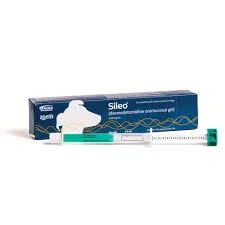
If you’re a pet owner dealing with a dog who experiences anxiety, especially during stressful situations like thunderstorms, fireworks, or loud noises, you may have heard of Sileo. This prescription medication is designed to help alleviate acute anxiety in dogs, specifically noise aversion, allowing them to stay calm without feeling overly sedated.
Correct dosage is essential when it comes to Sileo. Just like any other medication, the right amount ensures the effectiveness of the drug and prevents any adverse effects. In this guide, we’ll break down everything you need to know about Sileo for dogs dosage – from what it is, how to administer it, dosage charts, and important safety information. Whether you’re a first-time user or have used it before, this article will help you understand how to use Sileo to keep your dog calm during stressful events.
2. What Is Sileo?
Sileo is a dexmedetomidine oromucosal gel, an FDA-approved drug used to manage acute anxiety in dogs, particularly noise aversion. It is a calming medication that helps dogs stay relaxed without sedating them heavily, making it ideal for situations like fireworks, thunderstorms, or any loud noises that cause stress and anxiety.
How Sileo Works
Sileo works by targeting receptors in the brain to reduce anxiety and promote a sense of calm. Unlike traditional sedatives, it does not heavily sedate dogs, meaning your dog remains aware but relaxed, which is ideal for managing stress without impairing their ability to function or move. The medication is designed to provide relief from the intense fear and anxiety caused by noises, which is common in many dogs.
Note: This medication should only be used under the guidance of a veterinarian, and it’s not for long-term use – rather, it is for acute instances of anxiety, such as when a specific stressful event (like a thunderstorm or fireworks) occurs.
3. Why Dosage Is Important
The correct dosage of Sileo is crucial for its effectiveness and safety. Incorrect dosing can either reduce its effectiveness or lead to potential side effects, some of which could be dangerous for your dog.
The Role of Accurate Dosing in Effectiveness and Safety
Sileo is dosed based on your dog’s weight, and the amount given directly influences how effective the medication will be in calming your dog. Under-dosing may result in the drug not being effective, leaving your dog still anxious. Over-dosing, on the other hand, could lead to side effects such as sedation or other health issues.
What Happens if the Dose Is Too Low or Too High?
- Too Low: If the dose is too low, your dog may still feel anxious or stressed. The medication won’t have the desired calming effect, and you’ll likely have to try other methods or re-dose.
- Too High: A higher-than-recommended dose may cause excessive sedation, low blood pressure, or other health issues. It’s crucial to always follow the prescribed dosage guidelines.
4. How Sileo Is Administered
Sileo is administered orally via an oromucosal gel, which means it should be applied to the side of your dog’s cheek between their gum and cheek. This method ensures that the medication is absorbed through the mucous membranes in the mouth, where it can begin working quickly to calm your dog.
Why It Must Not Be Swallowed
It’s important that Sileo is not swallowed. If swallowed, the medication may not be absorbed properly and may not work as effectively. Always apply it as directed and ensure your dog does not lick it off immediately.
Tools Used for Administration
To administer Sileo, you’ll need the dosing syringe that comes with the medication. The syringe has dot markings to indicate the amount of medication needed based on your dog’s weight. Each dot on the syringe equals 0.25 ml of gel, and it is crucial to use the correct amount based on your dog’s weight, which will be outlined in the next section.
5. Sileo Dosage Chart by Weight
The correct dosage of Sileo is based on your dog’s weight, and it’s essential to get this right to ensure the medication works effectively. Below is a detailed dosage chart for Sileo based on your dog’s weight.
A. Dosage Explained
- 125 mcg/m² is the standard dosage applied to the oral mucosa.
- Each dot on the syringe equals 0.25 ml of gel.
- The amount of dexmedetomidine per milliliter is carefully formulated for safety and effectiveness.
B. Dosage Tables
Here’s a weight-based dosage chart to help you administer the correct amount of Sileo to your dog.
| Weight (kg) | Number of Dots (0.25ml/dot) | Weight (lbs) | Number of Dots (0.25ml/dot) |
|---|---|---|---|
| 2.0 – 5.5 kg | 1 Dot | 4.4 – 12.1 lbs | 1 Dot |
| 5.6 – 12 kg | 2 Dots | 12.2 – 26.5 lbs | 2 Dots |
| 12.1 – 20 kg | 3 Dots | 26.6 – 44.0 lbs | 3 Dots |
| 20.1 – 29 kg | 4 Dots | 44.1 – 63.9 lbs | 4 Dots |
| 29.1 – 39 kg | 5 Dots | 64.0 – 86.0 lbs | 5 Dots |
| 39.1 – 50 kg | 6 Dots | 86.1 – 110.2 lbs | 6 Dots |
| 50.1 – 62.5 kg | 7 Dots | 110.3 – 137.8 lbs | 7 Dots |
| 62.6 – 75.5 kg | 8 Dots | 137.9 – 167.0 lbs | 8 Dots |
| 75.6 – 89 kg | 9 Dots | 167.1 – 196.0 lbs | 9 Dots |
| 89.1 – 100 kg | 10 Dots | 196.1 – 220.0 lbs | 10 Dots |
Remember, always use the syringe provided to measure the exact dosage based on the weight of your dog. Administer the gel into the space between the gum and the cheek, ensuring the medication is properly absorbed.
6. When to Give Sileo
Knowing when to administer Sileo is just as important as getting the dosage right. The timing of the medication can make a huge difference in how effective it is for your dog, especially in relation to the anxiety-inducing event.
Timing Relative to Noise Exposure
Sileo works best when given before the stressful event starts or as soon as you notice signs of anxiety. This is why it’s important to anticipate the situation that might trigger your dog’s stress, such as fireworks or thunderstorms.
Dogs typically show signs of stress when they hear a noise that causes fear. For some, this could be before the noise even begins (such as when they sense a storm coming), while others might start reacting once they hear the first sounds.
Pro tip: If you know there’s going to be a loud event like fireworks on a specific day, try to give Sileo to your dog 20 to 30 minutes before the noise starts. This gives the medication time to kick in and help your dog stay calm.
2 Pack 30ML in Premium Glass Vials
2 Pack 30ML in Premium Glass Vials
Recognizing Anxiety Triggers
It’s essential to understand your dog’s specific anxiety triggers. These triggers can vary from dog to dog, but common ones include:
- Thunderstorms: The loud crashing noises and pressure changes can unsettle many dogs.
- Fireworks: Explosions and bright flashes of light can create panic, especially around holidays.
- Loud Noises: Some dogs are sensitive to things like construction sounds, car alarms, or even the vacuum cleaner.
Tips for Preparing Your Dog
If your dog gets nervous around noise, you can prepare the environment to help them feel safer:
- Create a safe space: Set up a cozy, quiet area for your dog with blankets, toys, or their favorite bed.
- Close windows and curtains: This can block out the external noise and help calm your dog down.
- Stay calm yourself: Dogs are incredibly sensitive to their owners’ emotions. If you remain calm, your dog will likely feel more at ease.
7. Redosing Guidelines
Sometimes, one dose of Sileo isn’t enough to fully calm your dog, especially if the stressful event lasts longer than expected. In these cases, understanding the redosing rules is vital.
Wait Time Between Doses
You should wait at least 2 hours before giving another dose. This ensures that the medication has time to take effect and avoids overmedicating your dog. The idea is to give your dog enough time to benefit from the first dose without overwhelming their system.
Maximum Number of Doses
It’s important not to give more than five doses of Sileo in a 24-hour period. This limit helps prevent any unwanted side effects while still providing relief from anxiety. If your dog continues to be stressed after the maximum number of doses, it might be time to consult your vet for additional advice.
How to Judge if Another Dose Is Needed
If you notice that your dog’s anxiety persists even after the first dose, and it has been more than 2 hours, then it’s okay to give a second dose. However, always observe your dog carefully. If they seem overly sedated or appear to be having trouble moving, it’s a sign they might have had too much. Always aim for calmness without compromising their ability to act normally.
8. Safety and Handling
Administering Sileo safely is just as important as giving the correct dosage. There are a few essential safety tips to ensure that your dog benefits from the medication without any complications.
Wear Gloves During Administration
Since Sileo is administered via a gel, it’s recommended to wear gloves when applying it. This protects you from accidentally absorbing any of the medication through your skin. While the gel is safe for dogs, human absorption can sometimes lead to mild side effects.
Don’t Feed or Give Treats Immediately After
After administering Sileo, it’s best to wait at least 15 minutes before giving your dog any food or treats. This ensures that the medication stays in the mouth and is absorbed properly before being swallowed.
Storage Instructions
- Store the syringe in a cool, dry place: It should be protected from light and should not be exposed to extreme temperatures.
- Refrigeration: Some forms of Sileo require refrigeration. Always check the storage instructions on the label to ensure that the medication stays effective.
Partially Used Syringe Reuse Rules
If you have leftover medication in the syringe, it’s essential to handle it carefully. Sileo should not be reused indefinitely, as its effectiveness may decrease over time. Always follow the storage guidelines and dispose of any leftover medication as directed by your vet.

Dog Cancer Screening Test Kit
Oncotect Essential Dog Cancer Screening Test Kit, Easy to Use Cancer Screening, Affordable Non-Invasive Urine-Based Test, Works On All Dog Breeds and Ages
9. Possible Side Effects
While Sileo is generally safe when used correctly, like all medications, it can have side effects. It’s important to be aware of these so that you can react promptly if something goes wrong.
Common Side Effects
- Sedation: One of the most common side effects is drowsiness or sedation. Your dog may seem a bit more relaxed than usual, which is normal. However, if they are too sluggish or unresponsive, it may be a sign they’ve had too much.
- Lowered Blood Pressure: In some cases, Sileo can cause a drop in blood pressure. If your dog appears unusually weak or lethargic, contact your vet.
- Pale Gums: This could indicate a drop in blood pressure, so if you notice pale gums, it’s time to consult with a vet immediately.
- Urinary Incontinence: Occasionally, dogs may have trouble controlling their bladder after taking Sileo. This is usually temporary and resolves on its own.
Signs of Overdose
In the case of an overdose, Sileo can cause serious health issues. Signs to watch for include:
- Extreme lethargy or unresponsiveness
- Difficulty walking or standing
- Trouble breathing or rapid breathing
- Vomiting or diarrhea
If you suspect your dog has had too much medication, contact your vet or an emergency animal clinic immediately.
10. Contraindications and Precautions
Not every dog is suitable for Sileo treatment. It’s essential to understand the contraindications and precautions before using it.
Dogs with Health Conditions
- Heart, liver, or kidney conditions: Dogs with any of these issues may have a harder time processing medications like Sileo. Always talk to your vet if your dog has any pre-existing health conditions.
- Young puppies: Sileo is not recommended for dogs under 16 weeks old. Their bodies may not handle the medication properly, so it’s crucial to wait until they’re older.
Medication Interactions
If your dog is on any other medications, particularly sedatives, tranquilizers, or other anti-anxiety drugs, be sure to discuss these with your vet. There could be interactions that affect how Sileo works or lead to dangerous side effects.
11. Comparing Sileo with Other Anxiety Medications
There are other options available for dogs with anxiety, and sometimes Sileo may not be the best fit. Let’s briefly explore some of the alternatives:
Trazodone
This sedative antidepressant is often prescribed for dogs with anxiety. It works similarly to Sileo but may cause more sedation, making it a better choice for dogs who need to sleep through anxiety-inducing events.
Gabapentin
Originally developed as a pain medication, gabapentin is often used to treat anxiety in dogs, especially when used in combination with other drugs. It’s less likely to cause sedation compared to Sileo, but its effectiveness can vary from dog to dog.
12. Comparing Sileo with Other Anxiety Medications
If you’ve been exploring options for your dog’s anxiety, it’s important to know that Sileo isn’t the only medication available. Several alternatives may be suitable depending on your dog’s individual needs and the severity of their anxiety. Let’s take a look at some of the other commonly used medications.
Trazodone
Trazodone is a popular option when it comes to treating anxiety in dogs. Originally designed as an antidepressant, it’s commonly prescribed for dogs who need to manage anxiety, especially when they’re dealing with fear or panic disorders.
While Sileo is a calming gel designed to target specific anxiety triggers (like noise), Trazodone works more like a sedative, often causing your dog to feel sleepy. It’s a good choice for dogs who need to sleep through stressful events like fireworks or trips to the vet.
However, Trazodone can cause drowsiness or lethargy, which isn’t ideal if you want your dog to remain alert during a stressful situation. It also takes longer to take effect compared to Sileo, which is absorbed quickly when administered.
Gabapentin
Another medication often used for anxiety is Gabapentin, which was originally developed as a pain-relief drug. Many veterinarians now use Gabapentin as an anti-anxiety treatment, especially for dogs who experience chronic anxiety or fear-based conditions.
While Gabapentin is effective for anxiety, it doesn’t cause as much sedation as Sileo. That can be a positive if you want your dog to remain more active, but it might not be as effective in calming severe anxiety. It can also take a little longer to work, so it’s often combined with other medications for more immediate relief.
Benzodiazepines (e.g., Diazepam)
For more extreme cases of anxiety, some veterinarians may prescribe Benzodiazepines, such as Diazepam. These medications are designed to calm the nervous system quickly, making them useful for acute anxiety attacks.
However, Benzodiazepines tend to be more sedating and habit-forming, which is why they are typically used only on a short-term basis or in emergencies. They are not usually recommended for long-term anxiety management in dogs, as they can have negative side effects, including lethargy, uncoordinated movements, and the potential for dependency.
What to Choose?
Choosing the right medication depends on several factors, including your dog’s age, health condition, and the severity of their anxiety. Your vet can help determine whether Sileo is the best option for your dog or if an alternative medication might be more effective.
13. FAQs
There are several common questions pet owners have about Sileo. Here, we’ll address some of the most frequently asked questions to give you a better understanding of this medication.
How Long Does Sileo Last?
The effects of Sileo can last between 2 to 3 hours, depending on the dog’s size and the severity of the anxiety. For some dogs, the calming effect might wear off sooner, and they may need a second dose. Always wait at least 2 hours before giving another dose, as overuse can lead to unwanted side effects.
Can You Reuse a Partially Used Syringe?
It’s best not to reuse a partially used syringe. Once you’ve used the syringe to administer Sileo, dispose of it according to your vet’s instructions. The medication can lose its effectiveness once it’s been exposed to air or moisture for too long.
What If My Dog Chews the Syringe?
If your dog chews the syringe or gets any of the medication on their skin, you should wipe it off immediately. If the medication is ingested or absorbed in an unintended way, contact your veterinarian to ensure your dog’s safety.
Is Sileo Safe for Older Dogs?
Yes, Sileo can be used for older dogs, but it’s important to adjust the dosage according to their weight and health condition. Always consult with your veterinarian before administering Sileo to senior dogs, as they may have underlying health conditions that could affect how they process the medication.
14. Conclusion
In conclusion, Sileo can be a lifesaver for dogs who suffer from anxiety triggered by loud noises, but it’s crucial to administer it correctly for optimal results. Always follow the recommended dosage based on your dog’s weight and consult your veterinarian to ensure Sileo is the right choice for your dog’s needs.
Whether your dog struggles with thunderstorms, fireworks, or other stressful situations, knowing the right time to administer the medication, along with proper handling and storage, is key to managing their anxiety effectively.
If you’re ever uncertain about anything related to Sileo, don’t hesitate to reach out to your vet. They’ll be happy to guide you through the process to ensure that your dog remains calm and comfortable during noisy events.