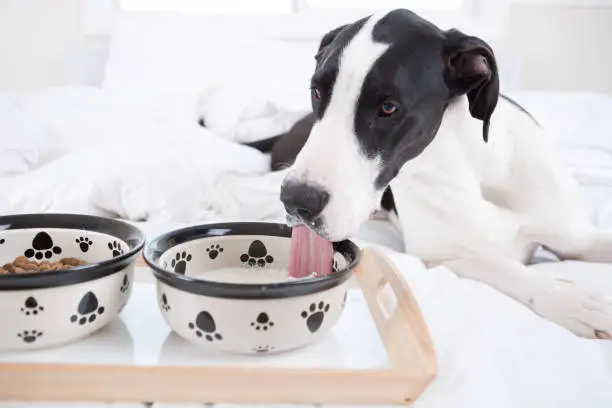
Great Danes are often called the gentle giants of the dog world, and for good reason. Their impressive size, friendly personality, and loyal nature make them one of the most beloved giant dog breeds. However, owning a Great Dane comes with unique responsibilities—especially when it comes to nutrition.
Choosing the best dog food for Great Danes is far more important than simply finding a high-quality brand. These giant breed dogs have specific dietary needs that differ significantly from those of smaller breeds. The wrong diet can contribute to growth problems, joint disorders, digestive issues, obesity, and even shorten their lifespan.
A properly balanced diet supports:
- Healthy bone development
- Strong muscles
- Joint health
- Optimal digestion
- Healthy weight management
- Improved energy levels
- Longer lifespan
In this comprehensive guide, you’ll learn everything you need to know about feeding a Great Dane, including the best ingredients, foods to avoid, puppy nutrition requirements, and how to select the right food for every life stage.
For additional canine nutrition information, you may also find resources from the Association of American Feed Control Officials (AAFCO) helpful when comparing dog food labels.
Understanding the Nutritional Needs of Great Danes
Why Great Danes Have Different Dietary Requirements
Great Danes grow at an astonishing rate. A puppy weighing only a few pounds at birth can eventually exceed 150 pounds as an adult.
Because of this rapid growth, nutrition must be carefully controlled. Feeding excessive calories or improper nutrient ratios can place unnecessary stress on developing bones and joints.
Unlike smaller breeds that reach maturity quickly, Great Danes continue developing for up to 24 months. During this period, balanced nutrition is critical.
Key Nutritional Priorities
| Nutrient | Importance |
|---|---|
| Protein | Muscle development |
| Fat | Energy source |
| Calcium | Bone growth |
| Phosphorus | Skeletal development |
| Omega Fatty Acids | Skin and coat health |
| Glucosamine | Joint support |
| Probiotics | Digestive health |
Giant Breed vs Regular Breed Nutrition
Many dog owners assume all dog foods are essentially the same. Unfortunately, that’s not true.
A giant breed dog requires different nutrient levels than a small or medium-sized breed.
Major Differences
| Factor | Great Danes | Smaller Breeds |
| Growth Rate Control | Extremely Important | Less Critical |
| Joint Support | Essential | Helpful |
| Calorie Management | Carefully Controlled | Less Restrictive |
| Calcium Monitoring | Critical | Moderate |
| Risk of Bloat | High | Low |
Foods specifically formulated for giant breeds help maintain proper growth rates and reduce the risk of skeletal problems.
Common Health Issues Linked to Poor Diet
A poor-quality diet can contribute to several health concerns common among Great Danes.
Hip Dysplasia
Hip dysplasia occurs when the hip joint develops improperly.
Risk factors include:
- Excessive weight gain
- Overfeeding puppies
- Improper calcium levels
- Lack of joint-support nutrients
Elbow Dysplasia
This condition affects the elbow joint and may cause:
- Pain
- Stiffness
- Limping
- Reduced mobility
Proper nutrition can help reduce strain on developing joints.
Bloat (GDV)
Bloat, also known as Gastric Dilatation-Volvulus (GDV), is one of the most serious health risks facing Great Danes.
This life-threatening condition occurs when the stomach fills with gas and twists.
While food alone cannot completely prevent bloat, proper feeding habits may help lower risk.
Heart Disease
Certain nutritional deficiencies may affect heart function.
Quality dog food should contain:
- Taurine
- Omega-3 fatty acids
- Essential vitamins and minerals
Obesity
Even though Great Danes are naturally large dogs, excess body fat can significantly impact their health.
Obesity increases the risk of:
- Arthritis
- Heart disease
- Diabetes
- Reduced mobility
Joint Problems
Large dogs place considerable stress on their joints throughout life.
Without proper nutrition, Great Danes may experience:
- Arthritis
- Cartilage deterioration
- Reduced mobility
- Chronic pain
What Makes the Best Dog Food for Great Danes?
Not all premium dog foods are ideal for giant breeds.
The best dog food for Great Danes should contain carefully balanced nutrients that support growth, mobility, and overall health.
High-Quality Animal Protein
Protein serves as the foundation for muscle maintenance and tissue repair.
Look for foods containing:
- Chicken
- Turkey
- Salmon
- Beef
- Lamb
The first ingredient should ideally be a named animal protein source rather than a generic meat by-product.
Controlled Fat Levels
Fat provides energy but should remain balanced.
Too much fat may contribute to:
- Weight gain
- Digestive upset
- Increased bloat risk
Moderate fat levels are generally ideal for Great Danes.
Balanced Calcium and Phosphorus
Calcium is essential for bone growth, but excessive amounts can be harmful—especially in puppies.
A proper calcium-to-phosphorus ratio helps ensure healthy skeletal development.
For more information on giant breed growth considerations, the VCA Animal Hospitals nutrition library offers valuable veterinary guidance.
Glucosamine and Chondroitin for Joint Support
Joint-support supplements are highly beneficial for Great Danes.
Benefits include:
- Cartilage protection
- Improved mobility
- Reduced joint stress
- Long-term orthopedic support
Omega-3 and Omega-6 Fatty Acids
These healthy fats support:
- Brain function
- Skin health
- Coat quality
- Joint comfort
Common sources include:
- Salmon oil
- Fish oil
- Flaxseed
Digestible Carbohydrates
Healthy carbohydrate sources provide energy without unnecessary fillers.
Good options include:
- Sweet potatoes
- Brown rice
- Oatmeal
- Pumpkin
Essential Vitamins and Minerals
Quality foods should contain:
- Vitamin A
- Vitamin D
- Vitamin E
- Zinc
- Selenium
- Iron
These nutrients support immunity and overall wellness.
Probiotics and Digestive Enzymes
Digestive health is especially important for giant breeds.
Benefits include:
- Better nutrient absorption
- Reduced stomach upset
- Improved stool quality
- Enhanced gut health
Key Ingredients to Look for in Great Dane Dog Food
Understanding ingredient quality can help you choose a healthier diet for your dog.
Chicken
Chicken is one of the most popular protein sources.
Benefits:
- Lean protein
- Easily digestible
- Rich in amino acids
Beef
Beef provides:
- Iron
- Zinc
- High-quality protein
- B vitamins
Many active Great Danes thrive on beef-based diets.
Lamb
Lamb is often used in limited-ingredient formulas and can be helpful for dogs with food sensitivities.
Salmon
Salmon offers:
- Omega-3 fatty acids
- High-quality protein
- Anti-inflammatory benefits
Many veterinarians recommend salmon-based foods for skin and coat health.
Turkey
Turkey is:
- Lean
- Highly digestible
- Rich in essential nutrients
It is frequently found in premium giant-breed formulas.
Sweet Potatoes
Sweet potatoes provide:
- Fiber
- Vitamins
- Slow-release energy
They’re often included in grain-free recipes.
Brown Rice
Brown rice serves as an excellent digestible carbohydrate source and is commonly used in sensitive stomach formulas.
Oatmeal
Oatmeal provides:
- Soluble fiber
- Digestive support
- Long-lasting energy
Pumpkin
Pumpkin is one of the best natural digestive aids for dogs.
Benefits include:
- Improved stool quality
- Better digestion
- Increased fiber intake
Blueberries and Antioxidants
Blueberries contain powerful antioxidants that may help reduce oxidative stress and support immune function.
Additional antioxidant-rich ingredients include:
- Cranberries
- Spinach
- Kale
- Carrots
You can learn more about safe fruits and vegetables for dogs from the American Kennel Club’s canine nutrition resources.
Ingredients to Avoid in Great Dane Food
Not all ingredients benefit your dog’s health.
Some may actually contribute to long-term problems.
Artificial Preservatives
Avoid foods containing:
- BHA
- BHT
- Ethoxyquin
Natural preservatives are generally preferred.
Fillers and By-Products
Low-quality fillers provide minimal nutritional value.
Examples include:
- Corn gluten meal
- Excessive soy
- Generic animal by-products
Excessive Calcium
Too much calcium can be particularly harmful to growing Great Dane puppies.
Always choose foods specifically formulated for giant breed growth.
Cheap Meat Meals
Generic terms like:
- Meat meal
- Animal meal
- Poultry by-product meal
often indicate lower ingredient quality.
Artificial Colors and Flavors
Dogs don’t care about food color.
Artificial additives simply increase ingredient complexity without providing nutritional benefits.
High Sugar Ingredients
Avoid formulas containing excessive:
- Molasses
- Syrups
- Added sugars
These ingredients can contribute to weight gain and metabolic issues.
Best Dog Food for Great Dane Puppies
Why Great Dane Puppies Need Special Food
Few dogs grow as rapidly as Great Danes.
This incredible growth places tremendous demands on:
- Bones
- Muscles
- Ligaments
- Joints
Feeding a standard puppy formula may encourage excessively rapid growth, increasing orthopedic risks.
Risks of Rapid Growth
When Great Dane puppies grow too quickly, they may face:
- Hip dysplasia
- Elbow dysplasia
- Joint instability
- Skeletal abnormalities
Growth should be steady—not accelerated.
Puppy Feeding Guidelines
General recommendations include:
- Feed giant-breed puppy food
- Divide meals into multiple portions daily
- Avoid overfeeding
- Monitor body condition regularly
- Follow feeding guidelines carefully
Nutritional Requirements for Giant Breed Puppies
A quality giant-breed puppy formula should provide:
| Nutrient | Recommended Focus |
| Protein | Moderate to High |
| Fat | Moderate |
| Calcium | Carefully Controlled |
| Phosphorus | Balanced |
| DHA | Brain Development |
| Glucosamine | Joint Support |
Best Dry Foods for Great Dane Puppies
- Royal Canin Giant Puppy
- Purina Pro Plan Large Breed Puppy
- Hill’s Science Diet Large Breed Puppy
- Eukanuba Large Breed Puppy
Best Wet Foods for Great Dane Puppies
- Purina Pro Plan Puppy Wet Food
- Hill’s Puppy Savory Stew
- Royal Canin Puppy Loaf
Best Grain-Free Puppy Foods
- Wellness CORE Puppy
- Taste of the Wild Puppy
- Merrick Grain-Free Puppy
Best Budget Puppy Foods
- Diamond Naturals Large Breed Puppy
- IAMS Large Breed Puppy
- Purina ONE Large Breed Puppy
Best Dog Food for Adult Great Danes
Once a Great Dane reaches adulthood, their nutritional needs change significantly. The focus shifts from controlled growth to maintaining a healthy weight, preserving muscle mass, supporting joint health, and preventing obesity-related issues.
Adult Great Danes typically weigh between 100 and 175 pounds, meaning their diet must provide adequate nutrition without excessive calories.
Adult Great Dane Nutritional Needs
A balanced adult diet should include:
- High-quality animal protein
- Moderate fat content
- Joint-support nutrients
- Digestible carbohydrates
- Essential vitamins and minerals
- Omega fatty acids
Adult Great Danes generally perform well with protein levels between 22% and 28%, depending on activity level.
Maintaining Healthy Weight
Weight management is critical for giant breeds.
Even an extra 10 to 15 pounds can place significant stress on:
- Hips
- Knees
- Elbows
- Spine
- Heart
Tips for Weight Control
- Measure meals accurately
- Avoid excessive treats
- Monitor body condition monthly
- Maintain regular exercise
- Adjust calorie intake based on activity level
Supporting Joint Health
Joint support should remain a priority throughout adulthood.
Look for foods containing:
- Glucosamine
- Chondroitin
- MSM
- Omega-3 fatty acids
- Green-lipped mussel
These ingredients may help maintain cartilage and reduce inflammation.
Best Overall Adult Great Dane Food
Purina Pro Plan Large Breed Adult
Why owners like it:
- High-quality chicken protein
- Joint support ingredients
- Good digestibility
- Widely available
Best Premium Adult Food
Orijen Original
Benefits include:
- High meat content
- Multiple protein sources
- Excellent ingredient quality
- Rich nutrient profile
Best Budget-Friendly Adult Food
Diamond Naturals Large Breed Adult
Pros:
- Affordable
- Large-breed specific
- Added probiotics
- Good protein sources
Best High-Protein Adult Food
Taste of the Wild High Prairie
Features:
- Roasted bison and venison
- High protein levels
- Grain-free formula
- Digestive support
Best Grain-Inclusive Adult Food
Hill’s Science Diet Large Breed Adult
Highlights:
- Veterinary-recommended
- Balanced nutrition
- Controlled calories
- Joint-support nutrients
Best Grain-Free Adult Food
Wellness CORE Large Breed
Advantages:
- Protein-rich
- Grain-free
- Added glucosamine
- Omega fatty acids
Best Dog Food for Senior Great Danes
Great Danes age faster than many smaller breeds. By age six or seven, many are already entering their senior years.
As activity decreases, nutritional requirements evolve.
How Nutritional Needs Change with Age
Older Great Danes often need:
- Fewer calories
- More joint support
- Enhanced digestive support
- Easily digestible protein
- Additional antioxidants
Joint Support for Senior Great Danes
Arthritis and mobility issues become increasingly common.
Helpful nutrients include:
- Glucosamine
- Chondroitin
- Fish oil
- Turmeric
- Green-lipped mussel
Weight Management in Older Dogs
Senior dogs often burn fewer calories.
Excess weight can worsen:
- Arthritis
- Heart disease
- Mobility problems
- Respiratory issues
Choosing a lower-calorie senior formula can help maintain a healthy weight.
Best Overall Senior Dog Food
Hill’s Science Diet Adult 7+ Large Breed
Benefits:
- Balanced senior nutrition
- Joint support
- Easily digestible ingredients
Best Low-Calorie Senior Formula
Purina Pro Plan Weight Management Large Breed
Designed for:
- Weight control
- Lean muscle maintenance
- Healthy metabolism
Best Joint Support Food
Nutro Natural Choice Senior Large Breed
Includes:
- Glucosamine
- Chondroitin
- Natural ingredients
Best Easy-to-Digest Senior Food
Blue Buffalo Life Protection Senior
Features:
- Easily digestible proteins
- Antioxidants
- Balanced fiber
Best Dry Dog Food for Great Danes
Dry kibble remains the most popular feeding option among Great Dane owners.
Benefits of Dry Kibble
Advantages include:
- Convenient storage
- Cost-effective
- Long shelf life
- Easy portion control
- Supports dental health
What to Look for in Giant Breed Kibble
Proper Kibble Size
Large kibble pieces may encourage slower eating.
Joint Support
Choose formulas with:
- Glucosamine
- Chondroitin
Digestibility
Look for:
- Probiotics
- Quality protein
- Limited fillers
Top Dry Food Recommendations
| Brand | Best For |
|---|---|
| Royal Canin Giant Adult | Giant breeds |
| Purina Pro Plan Large Breed | Overall nutrition |
| Hill’s Science Diet | Weight control |
| Orijen Original | Premium quality |
| Wellness CORE | Grain-free diets |
Best Wet Dog Food for Great Danes
Wet food can be an excellent addition to a Great Dane’s diet.
Advantages of Wet Food
Benefits include:
- Higher moisture content
- Enhanced palatability
- Easier chewing
- Better hydration
Wet vs Dry Food for Great Danes
| Feature | Wet Food | Dry Food |
| Moisture | High | Low |
| Cost | Higher | Lower |
| Storage | Limited after opening | Longer shelf life |
| Dental Benefits | Minimal | Better |
Top Wet Food Picks
- Purina Pro Plan Complete Essentials
- Blue Buffalo Homestyle Recipe
- Hill’s Science Diet Wet Food
- Royal Canin Loaf Formulas
Best Grain-Free Dog Food for Great Danes
Grain-free diets remain popular, but they’re not always necessary.
Is Grain-Free Food Necessary?
Not usually.
Most Great Danes digest grains such as:
- Brown rice
- Oatmeal
- Barley
without any issues.
Potential Benefits and Risks
Benefits
- Helpful for some allergies
- Alternative carbohydrate sources
- Often higher protein content
Risks
- Not suitable for every dog
- May cost more
- Some grain-free diets have been investigated regarding heart health concerns
Always consult your veterinarian before making significant dietary changes.
Recommended Grain-Free Options
- Orijen Original
- Wellness CORE Large Breed
- Taste of the Wild
- Merrick Grain-Free
- Instinct Original
Best Limited Ingredient Dog Food for Great Danes
Food sensitivities can develop at any age.
Limited ingredient diets help identify and eliminate potential triggers.
Signs of Food Allergies
Common symptoms include:
- Excessive scratching
- Ear infections
- Skin irritation
- Chronic diarrhea
- Vomiting
- Paw licking
Benefits of Limited Ingredient Diets
Advantages include:
- Fewer ingredients
- Easier allergy management
- Improved digestion
- Reduced skin reactions
Recommended Allergy-Friendly Foods
Natural Balance L.I.D.
Popular for:
- Limited ingredients
- Single protein options
- Sensitive dogs
Blue Buffalo Basics
Offers:
- Novel proteins
- Digestive support
- Simplified recipes
Canidae PURE
Features:
- Minimal ingredients
- Quality protein
- Digestibility
Best Dog Food for Great Danes with Sensitive Stomachs
Digestive issues are relatively common among giant breeds.
Common Digestive Issues in Great Danes
Owners frequently report:
- Gas
- Loose stools
- Food intolerance
- Vomiting
- Sensitive digestion
Ingredients That Promote Digestion
Look for foods containing:
- Pumpkin
- Probiotics
- Prebiotics
- Oatmeal
- Brown rice
These ingredients help support gut health.
Foods Recommended by Owners and Veterinarians
Purina Pro Plan Sensitive Skin & Stomach
Benefits:
- Salmon-based protein
- Digestive support
- High digestibility
Hill’s Science Diet Sensitive Stomach & Skin
Advantages:
- Gentle ingredients
- Balanced fiber
- Veterinary support
Wellness Simple
Features:
- Limited ingredients
- Easy digestion
- High-quality protein
Best Dog Food for Great Danes with Joint Problems
Joint issues are among the most common health concerns affecting Great Danes.
Why Joint Health Is Crucial
A giant dog carries substantial weight throughout life.
Without proper support, joints experience significant wear and tear.
Nutrients That Support Mobility
The most beneficial nutrients include:
- Glucosamine
- Chondroitin
- Omega-3 fatty acids
- MSM
- Collagen
Top Joint Support Formulas
| Food | Key Joint Support Ingredients |
| Royal Canin Giant Adult | Glucosamine & chondroitin |
| Nutro Large Breed | Omega fatty acids |
| Wellness CORE Large Breed | Joint-support blend |
| Hill’s Healthy Mobility | Mobility-focused nutrition |
Best Dog Food for Great Danes with Allergies
Food allergies can be frustrating for both dogs and owners.
The good news is that many allergy symptoms improve significantly once trigger ingredients are removed.
Common Food Allergens
Potential allergens include:
- Beef
- Chicken
- Dairy
- Eggs
- Wheat
- Soy
Elimination Diet Basics
Veterinarians often recommend:
- Selecting a novel protein.
- Feeding only that food.
- Avoiding treats and table scraps.
- Monitoring symptoms for 8–12 weeks.
Hypoallergenic Food Recommendations
- Royal Canin Hydrolyzed Protein
- Hill’s Prescription Diet z/d
- Purina Pro Plan HA
- Natural Balance L.I.D.
These formulas are often used under veterinary supervision.
Best Dog Food for Great Danes Prone to Bloat
Bloat remains one of the biggest concerns for Great Dane owners.
While no food can completely eliminate the risk, certain feeding practices may help reduce it.
Understanding Gastric Dilatation-Volvulus (GDV)
GDV occurs when the stomach:
- Expands with gas.
- Twists on itself.
- Restricts blood flow.
This condition requires immediate emergency veterinary treatment.
Foods That May Help Reduce Risk
Many veterinarians recommend foods that:
- Encourage slower eating
- Are highly digestible
- Avoid excessive fat content
- Support digestive health
Feeding Practices to Prevent Bloat
- Feed multiple smaller meals daily
- Avoid vigorous exercise around mealtime
- Use slow-feeder bowls if necessary
- Prevent rapid eating
- Maintain consistent feeding schedules
Fresh Dog Food for Great Danes
Fresh dog food has become increasingly popular among Great Dane owners looking for minimally processed nutrition. These diets often contain human-grade ingredients and are delivered fresh rather than stored for months in bags or cans.
Benefits of Fresh Food Diets
Fresh diets may offer several advantages:
- Highly palatable for picky eaters
- Less processed than traditional kibble
- High-quality protein sources
- Increased moisture content
- Easier digestion for some dogs
Many owners report improvements in coat quality, energy levels, and stool consistency after switching to fresh food.
Fresh Food vs Kibble
| Feature | Fresh Food | Kibble |
|---|---|---|
| Processing | Minimal | Highly processed |
| Moisture | High | Low |
| Cost | Higher | Lower |
| Storage | Refrigerated | Shelf-stable |
| Convenience | Moderate | High |
Best Fresh Food Brands
Popular fresh food options include:
- The Farmer’s Dog
- Nom Nom
- Ollie
- Spot & Tango
- JustFoodForDogs
When choosing a fresh food diet, ensure it meets AAFCO nutritional standards for your dog’s life stage.
Raw Diet for Great Danes
Raw feeding remains a controversial topic among dog owners and veterinarians.
Supporters believe it closely mimics a dog’s ancestral diet, while critics point to potential nutritional imbalances and food safety concerns.
Benefits of Raw Feeding
Potential advantages include:
- High protein content
- Minimal processing
- Fewer additives
- Improved palatability
Some owners report healthier coats and better dental health.
Risks and Safety Considerations
Potential concerns include:
- Bacterial contamination
- Nutritional deficiencies
- Improper calcium levels
- Foodborne illness risks
Because Great Danes have specific nutritional needs, improperly formulated raw diets can create serious health problems.
Nutritional Requirements
A balanced raw diet should include:
- Muscle meat
- Organ meat
- Edible bone
- Healthy fats
- Vitamins and minerals
Consulting a veterinary nutritionist is strongly recommended.
Vet Opinions on Raw Diets
Many veterinarians support carefully formulated raw diets but caution against homemade recipes that lack nutritional balance.
The key is ensuring complete and balanced nutrition rather than simply feeding raw ingredients.
Homemade Dog Food for Great Danes
Homemade diets allow owners to control every ingredient their dog consumes.
However, giant breeds require carefully balanced nutrients, making proper formulation essential.
Pros and Cons
Pros
- Complete ingredient control
- Suitable for allergies
- Customizable recipes
- High-quality ingredients
Cons
- Time-consuming
- Can be expensive
- Risk of nutrient deficiencies
- Requires careful planning
Essential Nutrients to Include
A homemade Great Dane diet should provide:
- Lean protein
- Healthy fats
- Calcium
- Phosphorus
- Vitamins
- Minerals
- Fiber
Foods to Avoid
Never feed:
- Chocolate
- Grapes
- Raisins
- Onions
- Garlic
- Xylitol
- Alcohol
- Macadamia nuts
These foods can be toxic to dogs.
Sample Homemade Great Dane Recipe
Ingredients
- Lean ground turkey
- Brown rice
- Pumpkin
- Carrots
- Green beans
- Fish oil supplement
Preparation
- Cook turkey thoroughly.
- Prepare rice separately.
- Steam vegetables.
- Combine ingredients.
- Add veterinarian-approved supplements.
Always verify homemade recipes with a veterinary nutrition professional.
Feeding Schedule for Great Danes
A consistent feeding routine supports healthy digestion and helps reduce the risk of digestive upset.
Feeding Great Dane Puppies
8–12 Weeks
- 4 meals daily
3–6 Months
- 3 meals daily
6–18 Months
- 2–3 meals daily
Large, infrequent meals should generally be avoided.
Feeding Adult Great Danes
Most adults thrive on:
- 2 meals daily
Splitting meals can help improve digestion and reduce bloat risk.
Feeding Senior Great Danes
Senior dogs often benefit from:
- 2 smaller meals daily
- Easily digestible foods
- Consistent schedules
How Many Meals Per Day?
| Life Stage | Meals Per Day |
| Puppy | 3–4 |
| Adult | 2 |
| Senior | 2 |
How Much Should a Great Dane Eat?
Food intake varies based on age, activity level, metabolism, and overall health.
Factors Affecting Food Intake
Key factors include:
- Body weight
- Exercise level
- Age
- Health conditions
- Food calorie density
Weight-Based Feeding Chart
Great Dane Puppy Feeding Chart
| Age | Daily Food Amount |
| 2–3 Months | 3–5 cups |
| 4–6 Months | 5–8 cups |
| 7–12 Months | 6–10 cups |
Adult Great Dane Feeding Chart
| Weight | Daily Food Amount |
| 100 lbs | 4–6 cups |
| 120 lbs | 5–7 cups |
| 150 lbs | 6–8 cups |
Senior Great Dane Feeding Chart
| Weight | Daily Food Amount |
| 100 lbs | 4–5 cups |
| 120 lbs | 4–6 cups |
| 150 lbs | 5–7 cups |
Actual feeding amounts vary by food brand and calorie content.
Great Dane Weight Management Guide
Maintaining a healthy weight is one of the most important factors in supporting a Great Dane’s long-term health.
Healthy Weight Range
Typical adult weights:
| Gender | Weight Range |
| Male | 140–175 lbs |
| Female | 110–140 lbs |
Signs Your Great Dane Is Overweight
Common indicators include:
- Difficulty feeling ribs
- Reduced activity
- Excess body fat
- Labored movement
- Increased fatigue
Weight Loss Strategies
Healthy weight loss involves:
- Measuring food portions
- Increasing exercise
- Limiting treats
- Choosing lower-calorie foods
Crash diets should always be avoided.
Best Weight-Control Foods
Recommended options include:
- Hill’s Science Diet Perfect Weight
- Purina Pro Plan Weight Management
- Royal Canin Weight Care
- Blue Buffalo Healthy Weight
Wet Food vs Dry Food for Great Danes
Both options have advantages depending on your dog’s needs.
Nutritional Comparison
High-quality wet and dry foods can both provide complete nutrition.
The most important factor is ingredient quality.
Cost Comparison
| Food Type | Average Cost |
| Dry Food | Lower |
| Wet Food | Higher |
Digestibility Comparison
Wet food often offers:
- Higher moisture
- Easier chewing
- Greater palatability
Dry food typically provides:
- Better dental benefits
- Easier storage
- Lower cost
Which Option Is Better?
For most Great Danes, a combination approach works well:
- Dry food as the nutritional foundation
- Wet food as a topper or supplement
How to Transition Your Great Dane to a New Food
Sudden dietary changes can cause digestive upset.
Step-by-Step Transition Schedule
| Day | Old Food | New Food |
| 1–2 | 75% | 25% |
| 3–4 | 50% | 50% |
| 5–6 | 25% | 75% |
| 7+ | 0% | 100% |
Common Transition Mistakes
Avoid:
- Switching too quickly
- Overfeeding
- Introducing multiple new foods simultaneously
Signs the New Food Is Working
Positive signs include:
- Healthy stool
- Increased energy
- Shiny coat
- Good appetite
- Healthy weight maintenance
Common Feeding Mistakes Great Dane Owners Make
Overfeeding
Excess calories can lead to obesity and joint stress.
Free Feeding
Leaving food available all day may encourage overeating.
Feeding Before Exercise
Exercise immediately before or after meals may increase bloat risk.
Ignoring Growth Rates
Rapid growth can contribute to skeletal disorders in puppies.
Choosing Food Based Only on Price
The cheapest option isn’t always the most economical if it compromises health.
Veterinarian Tips for Feeding Great Danes
Recommendations for Puppies
Veterinarians often recommend:
- Giant-breed puppy formulas
- Controlled growth rates
- Appropriate calcium levels
Recommendations for Adults
Focus on:
- Weight control
- Joint health
- Digestibility
Recommendations for Seniors
Prioritize:
- Mobility support
- Lower calories
- Easy digestion
Supplement Advice
Common supplements include:
- Fish oil
- Glucosamine
- Chondroitin
- Probiotics
Always discuss supplements with your veterinarian first.
Frequently Asked Questions About Great Dane Nutrition
What is the best dog food brand for Great Danes?
Popular choices include Royal Canin, Purina Pro Plan, Hill’s Science Diet, Wellness CORE, and Orijen.
Should Great Danes eat grain-free food?
Not necessarily. Many Great Danes digest healthy grains without problems.
How much protein does a Great Dane need?
Most adult Great Danes do well with 22–28% protein, while active dogs may benefit from slightly higher levels.
How often should I feed my Great Dane?
Most adults should eat two meals daily.
Can Great Danes eat raw food?
Yes, but only if the diet is complete, balanced, and properly formulated.
What foods should Great Danes avoid?
Avoid chocolate, grapes, raisins, onions, garlic, xylitol, and alcohol.
How can I prevent bloat in my Great Dane?
Feed smaller meals, avoid vigorous exercise around meals, and encourage slower eating.
Is wet food better than dry food?
Neither is universally better. Many owners successfully combine both.
What is the best puppy food for Great Danes?
Large-breed puppy formulas specifically designed for controlled growth are generally recommended.
Do Great Danes need joint supplements?
Many benefit from glucosamine, chondroitin, and omega-3 supplements, especially as they age.
Expert Buying Guide: How to Choose the Best Dog Food for Your Great Dane
Reading Dog Food Labels
Look for:
- Named protein sources
- Transparent ingredient lists
- Guaranteed analysis information
Understanding AAFCO Standards
AAFCO statements indicate whether a food provides complete and balanced nutrition.
Always look for this statement on packaging.
Evaluating Ingredient Quality
Prioritize foods containing:
- Real meat
- Whole-food ingredients
- Healthy fats
- Digestible carbohydrates
Comparing Food Brands
Compare:
- Protein quality
- Calorie content
- Joint-support ingredients
- Digestibility
Budget vs Premium Foods
Premium foods often use higher-quality ingredients, but many mid-range brands also provide excellent nutrition.
Choose the best food that fits both your dog’s needs and your budget.
Top Recommended Dog Foods for Great Danes
| Dog Food | Life Stage | Protein Source | Joint Support | Grain-Free | Best For |
| Royal Canin Giant Adult | Adult | Chicken | Yes | No | Giant breeds |
| Purina Pro Plan Large Breed | Adult | Chicken | Yes | No | Overall nutrition |
| Hill’s Science Diet Large Breed | Adult | Chicken | Yes | No | Weight management |
| Wellness CORE Large Breed | Adult | Turkey | Yes | Yes | Grain-free feeding |
| Orijen Original | All Life Stages | Multiple meats | Moderate | Yes | High-protein diets |
| Diamond Naturals Large Breed | Adult | Lamb | Yes | No | Budget-conscious owners |
| Nutro Natural Choice Senior | Senior | Chicken | Yes | No | Older dogs |
Conclusion
Finding the best dog food for Great Danes involves more than simply choosing a popular brand. These giant dogs have unique nutritional requirements that affect their growth, mobility, digestion, weight management, and overall quality of life.
Whether you’re feeding a growing puppy, an active adult, or a senior Great Dane, selecting age-appropriate nutrition is essential. Focus on foods that provide:
- High-quality animal protein
- Balanced calcium and phosphorus
- Joint-support nutrients
- Omega fatty acids
- Digestible ingredients
- Complete and balanced nutrition
Great Danes thrive when their diet is tailored to their size and life stage. By investing in quality nutrition today, you can help support healthier joints, better digestion, improved energy levels, and a longer, happier life.