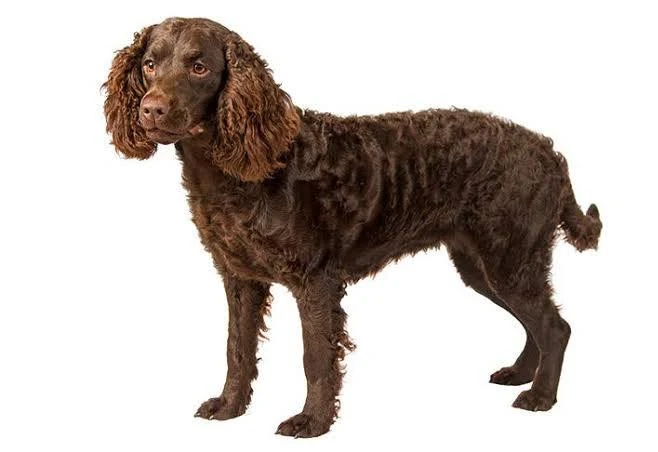
The American Water Spaniel (AWS) is one of the rarest yet most versatile sporting dog breeds in the United States. Known for its curly, water-resistant coat, exceptional retrieving skills, and affectionate personality, this medium-sized breed has earned a loyal following among hunters and active families alike.
Originally developed in the Midwest to retrieve waterfowl from boats and navigate marshy terrain, the American Water Spaniel combines intelligence, stamina, and adaptability. Today, it excels not only in the hunting field but also as a loving companion, agility competitor, and family pet.
Whether you’re considering bringing home an American Water Spaniel puppy or simply want to learn more about this fascinating breed, this comprehensive guide covers everything from temperament and training to grooming, health, nutrition, and daily care.
The American Water Spaniel is a hidden gem among sporting dogs. While breeds like the Labrador Retriever and Golden Retriever often dominate the spotlight, the AWS quietly stands out for its versatility, loyalty, and hardworking nature.
Despite being relatively uncommon outside North America, this breed has an impressive history. Bred specifically for hunting ducks and upland birds in Wisconsin’s lakes, rivers, and marshes, the American Water Spaniel remains an outstanding retriever with a natural love for water.
Today, these dogs are cherished by outdoor enthusiasts, active families, and anyone looking for an intelligent companion with a friendly personality.
In this guide, you’ll discover:
- Breed history
- Size and appearance
- Temperament
- Family compatibility
- Puppy care
- Exercise requirements
- Training techniques
- Grooming tips
- Common health concerns
- And much more
American Water Spaniel at a Glance
| Feature | Details |
|---|---|
| Breed Name | American Water Spaniel |
| Nicknames | AWS |
| Origin | Wisconsin, United States |
| Breed Group | Sporting Group |
| Height | 15–18 inches |
| Weight | 25–45 pounds |
| Life Expectancy | 10–14 years |
| Coat Type | Curly to wavy, water-resistant double coat |
| Coat Colors | Liver, Brown, Chocolate |
| Temperament | Friendly, Intelligent, Loyal, Energetic |
| Energy Level | High |
| Intelligence | High |
| Trainability | Excellent |
| Shedding | Moderate |
| Grooming Needs | Moderate |
| Good with Children | Yes |
| Good with Other Pets | Usually, with early socialization |
| Exercise Needs | 60–90 minutes daily |
| Barking Level | Moderate |
| AKC Recognition | Yes (Sporting Group) |
| Best For | Active families, hunters, outdoor enthusiasts |
History and Origin of the American Water Spaniel
The American Water Spaniel is one of the few dog breeds developed entirely in the United States. Its origins trace back to the Midwestern state of Wisconsin during the 1800s, where hunters needed a compact, versatile retriever capable of working both on land and in water.
Early Development in Wisconsin
Hunters along the Fox and Wolf Rivers required a dog that could:
- Retrieve ducks from icy lakes
- Flush upland game birds
- Fit comfortably inside small hunting boats
- Handle cold, wet conditions
The result was a hardworking sporting dog that became known as the American Water Spaniel.
Hunting Heritage
The breed quickly earned a reputation for its excellent hunting abilities.
American Water Spaniels excel at:
- Duck hunting
- Goose hunting
- Pheasant hunting
- Grouse hunting
- Quail hunting
- Rabbit retrieval
Their enthusiasm for water remains one of their defining characteristics.
Breeds Used in Development
Although the exact ancestry remains uncertain, historians believe the American Water Spaniel descended from several breeds, including:
- Irish Water Spaniel
- Curly-Coated Retriever
- English Water Spaniel (now extinct)
- Field Spaniel
- Possibly Chesapeake Bay Retriever
These influences produced a compact yet capable retriever with impressive stamina.
Role as an All-Purpose Gun Dog
Unlike specialized hunting breeds, the American Water Spaniel was bred to perform multiple tasks.
It could:
- Locate birds
- Flush game
- Retrieve from water
- Retrieve on land
- Work in dense vegetation
Its versatility made it especially valuable to Midwestern hunters.
Recognition by the American Kennel Club (AKC)
The breed gained official recognition from the American Kennel Club (AKC) in 1940.
Although still considered uncommon, dedicated breed enthusiasts continue to preserve its hunting instincts and companion qualities.
State Dog of Wisconsin
In 1985, Wisconsin officially designated the American Water Spaniel as the State Dog of Wisconsin, recognizing its important role in the state’s hunting heritage.
Modern Popularity
Although relatively rare compared to many sporting breeds, interest in the American Water Spaniel has grown among:
- Active families
- Hunters
- Dog sport competitors
- Outdoor adventurers
- Conservation-minded breeders
Its versatility continues to attract owners seeking an energetic and devoted companion.
Conservation of the Breed
Because the breed has a relatively small population, responsible breeding is essential to maintain genetic diversity and preserve its working abilities.
Potential owners should seek breeders who prioritize:
- Health testing
- Temperament
- Breed standards
- Ethical breeding practices
American Water Spaniel Breed Overview
The American Water Spaniel is an athletic, muscular dog built for endurance rather than appearance alone.
Everything about this breed reflects its working heritage.
General Appearance
The AWS is:
- Medium-sized
- Well-balanced
- Athletic
- Compact
- Agile
Its body allows it to move comfortably through dense brush and water.
Athletic Build
Despite its moderate size, this breed possesses impressive strength.
The muscular frame enables:
- Powerful swimming
- Efficient running
- Excellent jumping ability
- Long days in the field
Medium Size
One reason hunters valued the breed was its portability.
Unlike larger retrievers, the American Water Spaniel was compact enough to ride in small boats while remaining strong enough to retrieve large birds.
Curly and Wavy Coat
Perhaps the breed’s most recognizable feature is its distinctive coat.
The coat may be:
- Tight curls
- Loose curls
- Dense waves
Each helps protect the dog from harsh weather.
Waterproof Coat Characteristics
The dense outer coat naturally repels water while insulating the dog against cold temperatures.
This allows the American Water Spaniel to:
- Swim comfortably
- Retrieve in icy water
- Dry relatively quickly after hunting
Distinctive Facial Features
The breed has:
- Expressive eyes
- Medium-length muzzle
- Long feathered ears
- Friendly expression
- Alert posture
Its appearance reflects both intelligence and enthusiasm.
Breed Standard
According to the breed standard, ideal American Water Spaniels should demonstrate:
- Balanced proportions
- Strong movement
- Moderate bone structure
- Dense water-resistant coat
- Confident temperament
Dogs should appear athletic rather than overly heavy.
American Water Spaniel Size
The American Water Spaniel fits comfortably into the medium-sized dog category.
Its manageable size makes it suitable for many households while still providing the athleticism expected from a sporting breed.
Average Height
Adult American Water Spaniels generally stand:
- Males: 15–18 inches
- Females: 15–18 inches
Average Weight
Typical adult weight ranges from:
| Gender | Weight |
|---|---|
| Male | 30–45 lbs |
| Female | 25–40 lbs |
Individual dogs may fall outside these ranges while remaining healthy.
Male vs Female Size
Males are usually:
- Slightly taller
- More muscular
- Heavier
Females generally have a leaner appearance while maintaining the same athletic abilities.
Growth Stages
American Water Spaniels mature gradually.
Typical stages include:
- Newborn
- Early puppy
- Juvenile
- Adolescent
- Young adult
- Mature adult
Mental maturity often develops after physical growth slows.
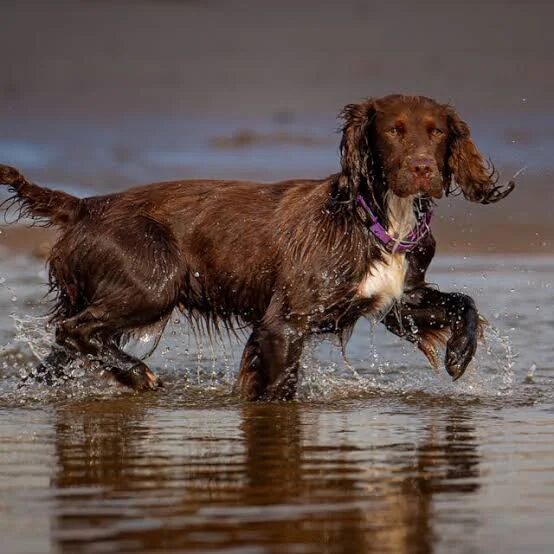
Puppy Growth Chart
| Age | Average Weight | Development |
|---|---|---|
| Birth | Less than 1 lb | Newborn stage |
| 8 Weeks | 8–12 lbs | Ready for new home |
| 3 Months | 12–18 lbs | Rapid growth |
| 6 Months | 18–28 lbs | Increased coordination |
| 9 Months | 22–35 lbs | Adolescence |
| 12 Months | 25–40 lbs | Near adult size |
| 18 Months | 25–45 lbs | Full maturity |
These values are approximate and individual puppies may grow at different rates.
When They Reach Full Size
Most American Water Spaniels reach their full height around 12 months of age, while their muscles and body condition continue to develop until 18–24 months.
American Water Spaniel Temperament
One of the breed’s greatest strengths is its balanced personality.
American Water Spaniels combine intelligence, affection, and enthusiasm, making them excellent companions for active households.
Friendly Personality
This breed typically enjoys spending time with people and thrives on companionship.
Most American Water Spaniels are:
- Outgoing
- Curious
- Playful
- Alert
- Eager to participate in family activities
Loyalty
The American Water Spaniel often forms deep bonds with its family.
Many owners describe the breed as:
- Devoted
- Faithful
- Affectionate
- Protective without being overly aggressive
These dogs generally prefer being involved in everyday life rather than spending long periods alone.
Intelligence
The breed’s intelligence makes training both enjoyable and rewarding.
American Water Spaniels quickly learn:
- Household routines
- Obedience commands
- Advanced tricks
- Sporting skills
- Problem-solving tasks
Without adequate mental stimulation, however, they may become bored and develop unwanted behaviors.
Confidence
A well-socialized American Water Spaniel is usually confident in new environments. Early exposure to different people, places, and experiences helps build a stable adult temperament.
Sensitivity
Despite their working background, these dogs can be emotionally sensitive. They generally respond best to calm, consistent handling and reward-based training rather than harsh corrections.
Playfulness
American Water Spaniels retain a playful attitude well into adulthood. Games of fetch, swimming, and interactive toys are excellent ways to channel their energy while strengthening the bond with their owners.
Affection Toward Family
These dogs enjoy being close to their people. Many are happiest when included in daily activities, whether that’s hiking, relaxing at home, or joining family outings.
American Water Spaniel Temperament (Continued)
Protective Nature
Although not considered a guard dog, the American Water Spaniel is naturally alert and attentive to its surroundings.
Most American Water Spaniels will:
- Notify owners of unfamiliar visitors
- Watch over their family
- Remain confident rather than fearful
- Rarely display unnecessary aggression
Early socialization helps them distinguish between normal situations and genuine concerns.
Stranger Friendliness
This breed may initially appear reserved around unfamiliar people, but it usually warms up quickly after a proper introduction.
Encourage positive interactions by:
- Allowing the dog to approach at its own pace
- Rewarding calm behavior
- Avoiding forced greetings
- Introducing visitors gradually
Adaptability
American Water Spaniels adapt well to different lifestyles provided their exercise and mental stimulation needs are met.
They can thrive in:
- Active family homes
- Rural properties
- Homes with fenced yards
- Apartments (with sufficient daily exercise)
Are American Water Spaniels Good Family Dogs?
Yes. The American Water Spaniel is known for being a loyal and affectionate companion, making it an excellent choice for many families.
Its playful personality and eagerness to participate in family activities help it build strong bonds with both adults and children.
Living with Children
Most American Water Spaniels enjoy spending time with respectful children.
They are generally:
- Gentle
- Patient
- Energetic
- Playful
- Affectionate
As with any breed, interactions between young children and dogs should always be supervised.
Interaction with Toddlers
Because this breed is energetic, puppies and young adults may accidentally knock over small children during play.
Teach children to:
- Respect the dog’s space
- Avoid pulling ears or tail
- Let sleeping dogs rest
- Use calm voices
- Offer treats safely
Families with Teenagers
Teenagers often make excellent companions for an American Water Spaniel.
Activities they can enjoy together include:
- Hiking
- Jogging
- Swimming
- Fetch
- Dog sports
- Obedience training
Supervision Tips
Always supervise interactions between dogs and children.
Good practices include:
- Never leaving toddlers alone with any dog
- Teaching children proper handling
- Providing the dog with a quiet retreat
- Rewarding calm interactions
Teaching Children Respectful Dog Behavior
Children should learn to:
- Approach calmly
- Pet gently
- Avoid disturbing the dog while eating
- Respect resting areas
- Recognize signs that the dog wants space
American Water Spaniel with Other Pets
The American Water Spaniel usually lives peacefully with other pets when introduced properly.
Living with Other Dogs
Early socialization helps this breed become comfortable around other dogs.
Positive experiences during puppyhood encourage:
- Better communication
- Appropriate play
- Reduced fear
- Improved confidence
Living with Cats
Many American Water Spaniels can live successfully with cats if raised together or introduced carefully.
Gradual introductions and supervision are important during the adjustment period.
Small Pets and Hunting Instinct
Because the breed was developed for hunting, it may have a prey drive toward:
- Rabbits
- Birds
- Rodents
- Other small animals
Secure housing and careful supervision are essential.
Importance of Early Socialization
Expose puppies to:
- Different people
- Friendly dogs
- Various environments
- Household noises
- Veterinary clinics
- Grooming experiences
Positive early experiences help shape a confident adult dog.
Multi-Pet Household Tips
To encourage harmony:
- Feed pets separately
- Supervise introductions
- Provide individual resting areas
- Avoid competition over toys
- Reward calm behavior
American Water Spaniel Puppy Guide
American Water Spaniel puppies are curious, energetic, and eager to explore.
The habits developed during puppyhood often influence lifelong behavior.
What to Expect from a Puppy
Expect plenty of:
- Energy
- Curiosity
- Chewing
- Learning
- Playfulness
- Short attention spans
Consistency is essential during this stage.
Puppy Temperament
Most puppies are:
- Friendly
- Intelligent
- Curious
- Confident
- Affectionate
They enjoy spending time with people and learning through positive experiences.
Growth and Development
American Water Spaniels mature gradually.
Development includes:
- Physical growth
- Social development
- Emotional maturity
- Learning household routines
Most continue filling out until approximately 18–24 months.
Socialization Timeline
The early months are especially important.
Expose your puppy safely to:
- New people
- Friendly vaccinated dogs
- Different sounds
- Various surfaces
- Vehicles
- Public places
- Grooming equipment
Vaccination Schedule
Your veterinarian will recommend a vaccination schedule appropriate for your puppy based on its age, health, and local disease risks.
Routine vaccinations protect against several serious canine diseases.
House Training
Successful house training depends on consistency.
Take your puppy outside:
- After waking
- After eating
- After playing
- Before bedtime
- Every few hours during the day
Reward successful potty trips immediately.
Crate Training
A properly introduced crate provides:
- Safety
- Security
- Better house training
- Easier travel
- A comfortable resting space
Never use the crate as punishment.
Bite Inhibition
Young puppies naturally bite during play.
Teach gentle mouthing by:
- Redirecting to chew toys
- Ending play briefly if bites become too hard
- Rewarding gentle behavior
Physical Appearance
The American Water Spaniel is compact, athletic, and built for endurance in both water and dense cover.
Head
The head is:
- Moderately broad
- Well-proportioned
- Balanced with the body
Eyes
Eyes are usually:
- Medium-sized
- Expressive
- Brown to hazel
- Alert
They give the breed its intelligent expression.
Ears
The ears are:
- Long
- Pendant
- Covered with curly hair
- Set slightly above eye level
Regular ear care is important because moisture can become trapped after swimming.
Nose
The nose is generally dark brown or black, complementing the coat color.
Tail
The tail is:
- Moderately long
- Carried naturally
- Well feathered
- Used for balance while swimming
Coat Texture
The coat may range from:
- Loose curls
- Tight curls
- Dense waves
The exact texture varies among individuals.
Coat Colors
Recognized colors include:
- Liver
- Brown
- Chocolate
Small amounts of white on the toes or chest may occur.
Coat Patterns
Most dogs have solid-colored coats, although minor white markings may appear.
Waterproof Double Coat
One of the breed’s defining characteristics is its water-resistant double coat.
The coat helps protect against:
- Cold water
- Rain
- Mud
- Thick vegetation
American Water Spaniel Colors
The breed is admired for its rich earth-tone colors.
Liver
A deep reddish-brown shade that highlights the breed’s curls beautifully.
Brown
A classic and common color among American Water Spaniels.
Chocolate
Chocolate coats range from medium to dark shades and are especially striking in sunlight.
Dark Brown Shades
Many dogs display rich, dark brown coats that give them a distinctive appearance.
Coat Markings
Some American Water Spaniels have:
- Small white chest markings
- White toes
- Slight white patches
These markings are generally minimal.
Eye Colors
Eye colors usually range from:
- Brown
- Dark hazel
- Medium hazel
Exercise Requirements
The American Water Spaniel is a high-energy sporting breed that requires regular physical activity.
Without enough exercise, boredom may lead to unwanted behaviors.
Daily Exercise Needs
Aim for 60–90 minutes of combined physical activity and mental enrichment each day.
Walking
Daily walks provide:
- Physical exercise
- Mental stimulation
- Opportunities for socialization
Hiking
This breed loves exploring trails and wooded areas with its family.
Always keep your dog under control and follow local leash regulations where required.
Swimming
Swimming is one of the American Water Spaniel’s favorite activities.
Benefits include:
- Low-impact exercise
- Muscle development
- Mental stimulation
- Cooling off during warm weather
Retrieving Games
Retrieving taps into the breed’s natural instincts.
Try:
- Tennis balls
- Retrieving bumpers
- Floating toys
- Frisbees designed for dogs
Fetch
Short, energetic games of fetch provide excellent cardiovascular exercise and strengthen your bond.
Running
Healthy adult dogs can accompany owners on runs after they are fully developed and conditioned. Consult your veterinarian before starting a vigorous exercise routine.
Hunting Activities
For hunting families, the breed continues to excel in:
- Waterfowl retrieval
- Upland bird hunting
- Tracking
- Field work
Dog Sports
American Water Spaniels often perform well in:
- Agility
- Rally obedience
- Dock diving
- Scent work
- Tracking
- Retrieving competitions
Mental Stimulation
Challenge your dog’s mind with:
- Puzzle toys
- Scent games
- Obedience training
- Hide-and-seek
- Food-dispensing toys
Mental exercise helps reduce boredom just as much as physical activity.
Training an American Water Spaniel
This intelligent breed generally enjoys learning and responds best to patient, reward-based methods.
Why Early Training Matters
Early training helps establish:
- Good manners
- Confidence
- Reliable obedience
- Healthy social skills
Positive Reinforcement
Reward desired behaviors using:
- Praise
- Treats
- Toys
- Play
- Affection
Positive reinforcement strengthens learning while building trust.
Basic Obedience
Every American Water Spaniel should learn:
- Sit
- Stay
- Come
- Down
- Leave it
- Heel
These commands improve both safety and everyday life.
Recall Training
Reliable recall is especially important for sporting breeds.
Practice in secure areas and reward your dog generously for returning promptly.
Leash Training
Teach loose-leash walking early to prevent pulling as your dog matures.
Reward calm walking and frequent check-ins.
Socialization
Continue introducing your dog to:
- New environments
- Friendly people
- Other dogs
- Different sounds
- Various situations
Regular exposure helps maintain confidence.
Hunting Training
Dogs from hunting lines may naturally enjoy retrieving and scent work.
Introduce hunting skills gradually and use structured training if you plan to work your dog in the field.
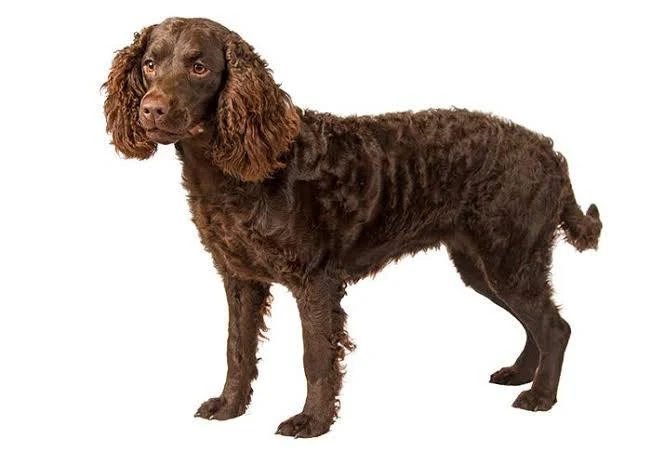
Water Retrieve Training
Encourage confidence in water by:
- Starting in shallow areas
- Using floating toys
- Keeping sessions fun
- Never forcing the dog into the water
Most American Water Spaniels quickly develop a love of swimming.
Preventing Behavioral Problems
Provide:
- Daily exercise
- Mental enrichment
- Consistent routines
- Clear expectations
- Positive socialization
These habits help prevent many common behavior issues.
Common Training Mistakes
Avoid:
- Inconsistent rules
- Harsh corrections
- Skipping socialization
- Long, repetitive sessions
- Insufficient exercise
Consistency and patience produce the best long-term results.
Grooming Guide
The American Water Spaniel has a dense, water-resistant double coat that requires regular maintenance to stay healthy and free of tangles.
Although grooming needs are moderate, a consistent routine helps reduce shedding and keeps the coat in excellent condition.
Brushing
Brush your American Water Spaniel 2–3 times per week using:
- A slicker brush
- A pin brush
- A wide-tooth comb for curls
Regular brushing helps:
- Remove loose hair
- Prevent mats
- Distribute natural oils
- Keep the coat clean
Bathing
Bathe only when necessary using a gentle dog shampoo.
Too-frequent bathing can strip the coat of the natural oils that help maintain its water resistance.
Ear Cleaning
Because the breed has floppy ears and enjoys swimming, moisture can become trapped inside the ear canal.
Check the ears weekly for:
- Redness
- Odor
- Excess wax
- Discharge
Dry the ears thoroughly after swimming and clean them with a veterinarian-approved ear cleaner when needed.
Nail Trimming
Trim nails every 3–4 weeks or whenever they begin touching the ground while walking.
Long nails may cause:
- Discomfort
- Altered gait
- Joint strain
Dental Care
Brush your dog’s teeth several times a week, ideally daily, using toothpaste formulated for dogs.
Dental care helps prevent:
- Plaque
- Tartar
- Gum disease
- Bad breath
Coat Maintenance
Trim hair around the feet and ears as needed, but avoid excessive clipping that could affect the coat’s natural protective qualities.
Seasonal Grooming
During seasonal coat changes, increase brushing frequency to help remove loose hair and reduce shedding around the home.
Managing Shedding
Although the American Water Spaniel is not a heavy shedder, regular grooming helps keep loose hair under control throughout the year.
Feeding and Nutrition
A balanced diet supports healthy muscles, joints, skin, and coat while providing the energy this active breed needs.
Nutritional Requirements
Choose a complete and balanced dog food that contains:
- High-quality animal protein
- Healthy fats
- Complex carbohydrates
- Vitamins and minerals
- Omega-3 fatty acids
Puppy Feeding Guide
Growing puppies usually benefit from three to four meals per day until they are several months old, after which meal frequency can gradually be reduced.
Always follow your veterinarian’s recommendations and the feeding guidelines for your chosen food.
Adult Feeding Guide
Most healthy adults do well with two meals per day.
Adjust portions according to:
- Activity level
- Age
- Body condition
- Metabolism
Senior Feeding Guide
Older dogs may benefit from diets formulated to support:
- Joint health
- Healthy weight
- Digestive function
- Muscle maintenance
Feeding Schedule
Maintaining consistent meal times can help support digestion and establish a predictable routine.
Portion Sizes
Portion sizes vary depending on:
- Weight
- Age
- Exercise level
- Food type
Monitor body condition rather than feeding by guesswork.
Protein Needs
Because American Water Spaniels are athletic dogs, adequate, high-quality protein is important for maintaining lean muscle.
Healthy Treats
Healthy treats include:
- Small training treats
- Carrot slices
- Blueberries
- Plain cooked chicken
- Green beans
Treats should account for no more than 10% of your dog’s daily calorie intake.
Foods to Avoid
Never feed:
- Chocolate
- Grapes
- Raisins
- Onions
- Garlic
- Xylitol
- Alcohol
- Cooked bones
- Macadamia nuts
If your dog ingests a potentially toxic food, contact your veterinarian promptly.
Weight Management
Maintain a healthy weight by:
- Measuring meals
- Avoiding overfeeding
- Providing daily exercise
- Scheduling routine veterinary checkups
Health Issues in American Water Spaniels
The breed is generally healthy but may be predisposed to certain inherited and acquired conditions.
Hip Dysplasia
A developmental joint disorder that may lead to:
- Limping
- Pain
- Arthritis
- Reduced mobility
Responsible breeding and maintaining a healthy weight can help reduce risk.
Progressive Retinal Atrophy (PRA)
PRA is an inherited eye disease that causes gradual vision loss over time.
Regular eye examinations help monitor ocular health.
Cataracts
Some American Water Spaniels may develop cataracts, which can impair vision and, in some cases, require surgical treatment.
Retinal Dysplasia
This developmental condition affects the retina and may reduce vision to varying degrees.
Hypothyroidism
An underactive thyroid gland can lead to:
- Weight gain
- Lethargy
- Skin problems
- Hair loss
Treatment typically involves lifelong medication prescribed by a veterinarian.
Epilepsy
Some dogs may experience inherited seizure disorders. Any seizure activity should be evaluated by a veterinarian promptly.
Heart Conditions
Routine veterinary examinations help identify heart problems early, allowing appropriate management if needed.
Ear Infections
Because of the breed’s floppy ears and love of water, ear infections may occur more frequently if moisture is not managed.
Watch for:
- Head shaking
- Scratching
- Odor
- Redness
Skin Allergies
Environmental or food allergies may cause:
- Itching
- Redness
- Ear infections
- Excessive licking
Your veterinarian can help determine the underlying cause.
Exercise-Induced Injuries
Highly active dogs may occasionally experience:
- Muscle strains
- Paw injuries
- Minor sprains
Condition your dog gradually for strenuous activities.
Preventive Healthcare
Preventive care plays a major role in keeping your American Water Spaniel healthy.
Routine Veterinary Checkups
Schedule wellness examinations at least annually, or more frequently for puppies and senior dogs.
Vaccinations
Keep vaccinations current according to your veterinarian’s recommendations.
Parasite Prevention
Protect against:
- Fleas
- Ticks
- Heartworms
- Intestinal parasites
Year-round prevention is recommended in many regions.
Dental Health
Regular brushing and professional dental cleanings help maintain healthy teeth and gums.
Weight Management
Keeping your dog lean helps reduce stress on joints and lowers the risk of chronic disease.
Health Screening
Responsible breeders often perform health screening for inherited conditions before breeding.
American Water Spaniel Lifespan
Average Life Expectancy
Most American Water Spaniels live 10–14 years with proper care.
Factors Affecting Longevity
Life expectancy is influenced by:
- Genetics
- Nutrition
- Exercise
- Veterinary care
- Weight management
- Preventive healthcare
Tips to Help Your Dog Live Longer
- Feed a balanced diet
- Maintain a healthy weight
- Exercise daily
- Provide mental stimulation
- Keep vaccinations current
- Schedule routine veterinary visits
Coat and Shedding
Coat Characteristics
The coat is dense, curly to wavy, and naturally water resistant.
Shedding Level
Shedding is generally moderate year-round.
Seasonal Shedding
Some increased shedding may occur during seasonal coat changes.
Waterproof Coat Care
Avoid overbathing, as it may reduce the coat’s natural protective oils.
Allergy Considerations
Although the breed sheds moderately, it is not considered hypoallergenic.
Living with an American Water Spaniel
Apartment Living
The breed can adapt to apartment life if provided with plenty of daily exercise and mental enrichment.
House with Yard
A fenced yard offers additional opportunities for supervised play but should not replace walks and family interaction.
Rural Living
American Water Spaniels thrive in rural environments where they have room to explore and engage in outdoor activities.
Indoor vs Outdoor Lifestyle
These dogs prefer living indoors with their families and should not be left outdoors for extended periods.
Climate Tolerance
Their water-resistant coat provides some protection from cool, wet weather, but they still require appropriate shelter and care.
Hot Weather Care
During warm weather:
- Exercise during cooler hours
- Provide fresh water
- Offer shade
- Watch for signs of overheating
Cold Weather Care
Limit prolonged exposure to extreme cold and dry your dog thoroughly after winter swims.
Traveling with Your Dog
Travel safely by using a secured crate or canine seat restraint and taking regular breaks for water and exercise.
Hunting Ability
The American Water Spaniel remains an outstanding sporting dog.
Waterfowl Hunting
Bred to retrieve ducks and other waterfowl from lakes, rivers, and marshes.
Upland Bird Hunting
Also excels at flushing and retrieving upland game birds.
Retrieving Skills
Natural retrieving instincts make the breed an eager and dependable partner in the field.
Scenting Ability
A keen sense of smell helps locate game efficiently.
Natural Instincts
The breed’s enthusiasm for water and retrieving often appears even without formal hunting training.
Modern Hunting Roles
Today, many owners also enjoy field trials, hunt tests, and recreational retrieving games.
Common Behavior Problems
Without sufficient exercise and enrichment, the breed may develop undesirable behaviors.
Separation Anxiety
Because they form strong bonds with their families, some American Water Spaniels may struggle when left alone for long periods.
Excessive Barking
Boredom or insufficient stimulation can lead to increased barking.
Digging
Provide outlets for energy to reduce digging behavior.
Chewing
Offer durable chew toys, especially during puppyhood.
High Energy
Daily exercise is essential for preventing restlessness.
Chasing Small Animals
A hunting background means some dogs may chase wildlife or small pets if not trained.
Resource Guarding
Teach polite trading games and consult a qualified trainer if guarding behaviors develop.
American Water Spaniel Pros and Cons
| Pros | Cons |
|---|---|
| Loyal and affectionate | Requires daily exercise |
| Intelligent and trainable | Can become bored easily |
| Excellent swimmer | Needs regular grooming |
| Versatile sporting dog | May have a prey drive |
| Good family companion | Rare breed with limited availability |
American Water Spaniel vs Boykin Spaniel
| Feature | American Water Spaniel | Boykin Spaniel |
|---|---|---|
| Size | Slightly smaller | Slightly larger |
| Coat | Curly to wavy | Wavy |
| Temperament | Loyal and alert | Outgoing and friendly |
| Exercise | High | High |
| Hunting | Waterfowl and upland game | Waterfowl and turkey |
American Water Spaniel vs English Springer Spaniel
| Feature | American Water Spaniel | English Springer Spaniel |
|---|---|---|
| Size | Medium | Medium to large |
| Energy | High | High |
| Coat | Curly | Feathered |
| Trainability | Excellent | Excellent |
| Hunting | Retriever and flusher | Primarily flusher |
American Water Spaniel vs Irish Water Spaniel
| Feature | American Water Spaniel | Irish Water Spaniel |
|---|---|---|
| Size | Medium | Large |
| Coat | Curly or wavy | Tight curls |
| Exercise | High | Very high |
| Grooming | Moderate | Higher |
| Temperament | Loyal | Independent |
Common Myths About American Water Spaniels
Myth: They Are Difficult to Train
Fact: Their intelligence and eagerness to please make them highly trainable with positive reinforcement.
Myth: They Need to Hunt to Be Happy
Fact: While they enjoy hunting-related activities, many thrive as active family companions.
Myth: They Cannot Live in Families
Fact: Properly socialized American Water Spaniels are affectionate and family-oriented.
Myth: They Are Hyperactive All the Time
Fact: They are energetic outdoors but often relax calmly indoors after adequate exercise.
Cost of Owning an American Water Spaniel
Typical expenses include:
- Purchase or adoption fee
- Initial supplies
- High-quality food
- Routine veterinary care
- Grooming supplies
- Pet insurance (optional)
- Training classes
- Toys and enrichment items
Prospective owners should budget for both routine and unexpected veterinary expenses throughout the dog’s life.
How to Choose a Healthy American Water Spaniel Puppy
Choose a breeder who:
- Performs health testing
- Raises puppies in clean conditions
- Prioritizes temperament
- Provides veterinary records
- Encourages questions
Questions to Ask
- Have the parents been health tested?
- What vaccinations has the puppy received?
- Has the puppy been dewormed?
- Can I meet the parents?
Red Flags
Avoid breeders who:
- Sell puppies too young
- Refuse health documentation
- Keep dogs in poor conditions
- Offer multiple breeds without proper specialization
American Water Spaniel Rescue and Adoption
Adopting can be a rewarding way to welcome an American Water Spaniel into your home.
Benefits include:
- Giving a dog a second chance
- Lower initial costs in many cases
- Behavioral assessments through rescue organizations
- Ongoing support from breed-specific rescues
Prepare your home before your new companion arrives by setting up a quiet sleeping area and gathering essential supplies.
Essential Supplies for New Owners
- ✅ Food and water bowls
- ✅ High-quality dog food
- ✅ Crate
- ✅ Dog bed
- ✅ Collar and ID tag
- ✅ Harness and leash
- ✅ Grooming tools
- ✅ Ear-cleaning supplies
- ✅ Interactive toys
- ✅ Puzzle feeders
- ✅ First aid kit
- ✅ Waste bags
Frequently Asked Questions (FAQ)
Is an American Water Spaniel a good family dog?
Yes. With proper training and socialization, they are affectionate, loyal, and enjoy participating in family activities.
How big does an American Water Spaniel get?
Adults typically stand 15–18 inches tall and weigh 25–45 pounds.
How much exercise does an American Water Spaniel need?
Most require 60–90 minutes of physical activity and mental stimulation each day.
Are American Water Spaniels easy to train?
Yes. They are intelligent, eager to please, and respond well to reward-based training.
Do they bark a lot?
They may bark to alert their owners, but excessive barking is usually linked to boredom or insufficient exercise.
Are they good with children?
Generally, yes—especially when raised with children and supervised appropriately.
Do they get along with cats?
Many can coexist peacefully with cats if introduced properly and socialized early.
How much do they shed?
They shed moderately throughout the year.
Can they live in apartments?
Yes, provided they receive enough daily exercise and mental enrichment.
Are they good hunting dogs?
Absolutely. They were developed specifically for retrieving waterfowl and upland game.
How long do American Water Spaniels live?
Most live 10–14 years with appropriate care.
Are they suitable for first-time owners?
They can be, provided the owner is committed to training, exercise, and consistent routines.
How often should they visit the veterinarian?
Puppies require more frequent visits for vaccinations and wellness checks, while healthy adults should receive routine preventive examinations as recommended by their veterinarian.
Expert Tips for Raising a Happy American Water Spaniel
- Start socialization early.
- Provide daily physical exercise.
- Include mental enrichment every day.
- Use positive reinforcement consistently.
- Practice recall regularly.
- Encourage safe water activities.
- Maintain a routine grooming schedule.
- Keep up with preventive veterinary care.
Common Mistakes New Owners Should Avoid
- Skipping early socialization
- Underestimating exercise needs
- Neglecting ear care after swimming
- Using harsh training methods
- Ignoring mental stimulation
- Overfeeding
- Allowing boredom to develop
- Delaying preventive veterinary care
Avoiding these common mistakes helps your American Water Spaniel grow into a healthy, confident, and well-mannered companion.
Final Verdict: Is the American Water Spaniel Right for You?
The American Water Spaniel is an excellent choice for people who enjoy an active lifestyle and want a devoted, intelligent companion.
Best for Active Families
This breed thrives with families who enjoy outdoor adventures and can provide daily exercise.
Best for Hunters and Outdoor Enthusiasts
Its natural retrieving instincts, love of water, and versatility make it an exceptional sporting dog.
Best for Owners Who Enjoy Training
American Water Spaniels excel when given opportunities to learn new skills, participate in dog sports, or engage in advanced obedience.
Best for Homes That Can Meet Daily Exercise Needs
If you can provide regular physical activity, mental stimulation, and close companionship, this breed is likely to flourish.
Who Should Consider Another Breed?
Individuals seeking a very low-energy or highly independent dog may be better matched with another breed.
Conclusion
The American Water Spaniel is a rare but remarkable sporting breed that combines intelligence, athleticism, and unwavering loyalty. Its medium size, water-resistant coat, and natural retrieving ability make it equally at home in the field, on hiking trails, or relaxing with the family after an active day.
Success with this breed depends on consistent training, daily exercise, early socialization, and preventive veterinary care. With proper nutrition, regular grooming, and plenty of mental enrichment, an American Water Spaniel can remain healthy, happy, and eager to share in every adventure.
Whether you choose to adopt through a rescue organization or purchase from a responsible breeder, always prioritize health, temperament, and ethical breeding practices. In return, you’ll gain a versatile, affectionate companion capable of enriching your life for many years.