The Anatolian Shepherd Dog is one of the world’s oldest and most respected livestock guardian breeds. Known for its remarkable intelligence, unwavering loyalty, and fearless nature, this giant working dog has protected flocks across the rugged landscapes of Turkey for thousands of years. Today, the breed continues to excel as both a dependable guardian and a devoted family companion for experienced owners.
Whether you’re considering bringing an Anatolian Shepherd into your home or simply want to learn more about this impressive breed, this comprehensive guide covers everything from its history and temperament to training, health, nutrition, and daily care.
The Anatolian Shepherd Dog is an ancient guardian breed developed to protect livestock from predators such as wolves, bears, and jackals. Unlike herding dogs that move livestock, Anatolian Shepherds independently watch over animals, making decisions without constant human direction.
Over the years, this breed has gained recognition not only among farmers and ranchers but also among active families seeking a loyal, protective, and intelligent companion.
In this guide, you’ll learn about:
- The breed’s fascinating history
- Appearance and size
- Temperament and personality
- Training and exercise
- Health and grooming
- Puppy care
- Living requirements
- Frequently asked questions
- Expert ownership tips
Anatolian Shepherd Dog at a Glance
| Feature | Details |
|---|---|
| Breed Name | Anatolian Shepherd Dog |
| Other Names | Anatolian Karabash, Coban Kopegi |
| Origin | Turkey |
| Breed Group | Working Group |
| Height | 27–29 inches (female), 29–32 inches (male) |
| Weight | 80–150 pounds |
| Life Expectancy | 11–13 years |
| Coat Type | Short to medium-length double coat |
| Coat Colors | Fawn, White, Brindle, Pinto, Biscuit, Gray |
| Temperament | Loyal, Independent, Calm, Protective |
| Energy Level | Moderate to High |
| Intelligence | Very High |
| Trainability | Moderate (Independent Thinker) |
| Shedding | Moderate to Heavy (Seasonal) |
| Grooming Needs | Moderate |
| Good with Children | Yes, with supervision |
| Good with Other Pets | Yes, if socialized early |
| Exercise Needs | 60–90 minutes daily |
| Barking Level | Moderate to High |
| Protective Instinct | Extremely Strong |
| AKC Recognition | Yes |
| Best For | Farms, Ranches, Large Properties, Experienced Owners |
History and Origin of the Anatolian Shepherd Dog
The Anatolian Shepherd Dog has a rich history that stretches back thousands of years. Its heritage is deeply connected to the rugged plateaus of modern-day Turkey, where survival depended on reliable livestock guardians.
Ancient Origins in Turkey
The breed traces its roots to the Anatolian Peninsula, one of the oldest continuously inhabited regions in the world.
Ancient shepherds selectively bred large, powerful dogs capable of:
- Protecting sheep
- Guarding goats
- Defending livestock from predators
- Working independently for long periods
Rather than focusing on appearance, breeders prioritized intelligence, endurance, and protective instincts.
Development as a Livestock Guardian
Unlike many working breeds, the Anatolian Shepherd was never intended to herd animals.
Instead, it specialized in:
- Patrolling grazing areas
- Watching for danger
- Scaring predators away
- Fighting only when necessary
Its calm confidence allowed it to remain vigilant without wasting energy.
Role in Protecting Sheep and Goats
For centuries, Turkish shepherds relied on Anatolian Shepherds to guard:
- Sheep
- Goats
- Cattle
- Camels
The dogs often worked alone or in small groups, protecting livestock over vast open landscapes.
Traditional Working Duties
An Anatolian Shepherd’s daily responsibilities included:
- Patrolling property boundaries
- Monitoring livestock
- Detecting predators
- Escorting flocks
- Sleeping near livestock at night
- Remaining alert in all weather conditions
These duties shaped the breed’s independent personality.
Arrival in the United States
Interest in the breed grew during the mid-20th century when livestock producers in the United States began searching for effective predator-control dogs.
The Anatolian Shepherd quickly proved capable of protecting livestock against:
- Coyotes
- Wolves
- Mountain lions
- Bears
Today, they continue to work on farms across North America.
Recognition by the American Kennel Club (AKC)
The American Kennel Club (AKC) officially recognized the Anatolian Shepherd Dog in 1996, placing it in the Working Group.
Recognition increased awareness of the breed while preserving its traditional working abilities.
Modern Roles Around the World
Although still valued as livestock guardians, today’s Anatolian Shepherds also serve as:
- Family companions
- Ranch guardians
- Property protectors
- Wildlife conservation partners
Some conservation programs even use them to reduce conflicts between farmers and large predators.
Conservation and Working Heritage
Responsible breeders continue emphasizing the characteristics that made the breed successful for thousands of years:
- Intelligence
- Independence
- Strength
- Endurance
- Stable temperament
Anatolian Shepherd Dog Breed Overview
The Anatolian Shepherd is a giant, athletic dog built for endurance rather than speed.
Its overall appearance reflects power, agility, and confidence.
General Appearance
The breed presents a balanced profile featuring:
- Strong muscles
- Long legs
- Deep chest
- Broad head
- Dense double coat
Despite its size, it moves with surprising grace.
Large and Powerful Build
Adult Anatolian Shepherds possess remarkable strength.
They were bred to confront dangerous predators, so their bodies are naturally:
- Well-muscled
- Athletic
- Durable
- Balanced
Muscular Frame
Strong shoulders and powerful hindquarters enable the breed to:
- Patrol long distances
- Run efficiently
- Defend livestock
- Navigate rough terrain
Head Shape
The head is:
- Broad
- Slightly rounded
- Proportional to the body
The muzzle is moderately long with strong jaws.
Eyes
The eyes are:
- Medium-sized
- Almond-shaped
- Brown to amber
- Intelligent and alert
Their calm expression reflects the breed’s confidence.
Ears
The ears are:
- Medium-sized
- Triangular
- Drooping
- Rounded at the tips
In working regions, ear cropping has historically been practiced, but it is prohibited or discouraged in many countries.
Nose
The nose is usually:
- Black
- Liver-colored in lighter-coated dogs
Large nostrils assist in scent detection.
Tail
The tail is:
- Long
- Thick at the base
- Curved when alert
- Carried low while relaxed
Coat Texture
The double coat protects against:
- Cold winters
- Hot summers
- Rain
- Wind
- Rough vegetation
Coat length varies from short to moderately long.
Double Coat Characteristics
The coat consists of:
- Dense undercoat
- Coarse outer coat
This combination provides excellent insulation.
Breed Standard
Breed standards emphasize:
- Functional structure
- Balance
- Endurance
- Sound movement
- Protective instincts
Rather than exaggerated features, functionality remains the breed’s defining characteristic.
Anatolian Shepherd Dog Size
The Anatolian Shepherd ranks among the largest livestock guardian breeds.
Average Height
| Sex | Height |
|---|---|
| Male | 29–32 inches |
| Female | 27–29 inches |
Average Weight
| Sex | Weight |
|---|---|
| Male | 110–150 pounds |
| Female | 80–120 pounds |
Healthy weight depends on body condition rather than numbers alone.
Male vs Female Size Comparison
Male Anatolian Shepherds generally have:
- Broader heads
- Heavier bone structure
- Greater muscle mass
Females are often:
- Slightly lighter
- More agile
- Equally capable guardians
Puppy Growth Stages
Growth occurs gradually.
Typical stages include:
- Birth
- Early puppyhood
- Rapid juvenile growth
- Adolescence
- Physical maturity
Large breeds require controlled growth to reduce stress on developing joints.
Growth Chart by Age
| Age | Average Weight | Development |
|---|---|---|
| Birth | 1–2 lbs | Newborn |
| 8 Weeks | 15–25 lbs | Ready for new home |
| 3 Months | 30–45 lbs | Rapid growth |
| 6 Months | 55–80 lbs | Adolescence |
| 9 Months | 75–105 lbs | Continued muscle development |
| 12 Months | 90–120 lbs | Near adult height |
| 18 Months | 100–140 lbs | Filling out |
| 24 Months | Adult weight | Full maturity |
When They Reach Full Size
Although they reach much of their height by 12–18 months, Anatolian Shepherds often continue developing muscle and body mass until around 2 years of age.
Anatolian Shepherd Dog Temperament
One of the breed’s defining characteristics is its calm confidence.
Unlike breeds that constantly seek human direction, Anatolian Shepherds were bred to make independent decisions.
Independent Personality
This breed is highly self-reliant.
Instead of waiting for commands, it naturally evaluates situations and responds accordingly.
Loyalty
Once bonded, an Anatolian Shepherd becomes deeply devoted to its family and livestock.
Their loyalty is steady rather than overly demonstrative.
Intelligence
The breed possesses exceptional problem-solving abilities.
Rather than blindly obeying commands, Anatolian Shepherds think independently.
This intelligence makes consistent training essential.
Confidence
Confident dogs remain:
- Calm
- Observant
- Patient
- Fearless when necessary
Proper socialization helps build balanced confidence.
Calm Nature
At home, healthy Anatolian Shepherds are generally quiet and composed.
They conserve energy until they perceive a genuine need to act.
Protective Instincts
Protective behavior is deeply ingrained in the breed.
They naturally guard:
- Family members
- Livestock
- Property
- Other household animals
Without appropriate training and socialization, these instincts can become overly cautious around strangers.
Territorial Behavior
Anatolian Shepherds take boundary protection seriously.
They instinctively monitor:
- Fences
- Driveways
- Gates
- Livestock pastures
Secure fencing is essential.
Alertness
The breed constantly observes its surroundings.
Even while resting, it remains aware of unusual sounds or movement.
Affection Toward Family
Although independent, Anatolian Shepherds form strong emotional bonds with their owners.
Many enjoy:
- Quiet companionship
- Gentle affection
- Spending time with family
- Supervising household activities
Stranger Behavior
Unlike highly social breeds, Anatolian Shepherds often remain reserved around unfamiliar people.
They should never display unnecessary aggression, but they are naturally cautious until they determine there is no threat.
Adaptability
The breed adapts well to:
- Farms
- Ranches
- Large rural homes
- Active households with secure space
They are generally less suited to urban apartments due to their size, guardian instincts, and need for room to patrol.
Are Anatolian Shepherd Dogs Aggressive?
One of the most common misconceptions about the breed is that its protective nature equals aggression.
In reality, a well-bred and well-socialized Anatolian Shepherd is typically calm, confident, and discerning. Its instinct is to assess situations before reacting, and it usually prefers to deter perceived threats rather than engage in conflict.
Are Anatolian Shepherd Dogs Aggressive? (Continued)
The Anatolian Shepherd was bred to protect, not to seek confrontation. While it may appear intimidating due to its size and confidence, aggression is not a desirable breed trait. Proper breeding, early socialization, and consistent training play a major role in shaping a stable temperament.
Understanding Guardian Instincts
Unlike many companion breeds, Anatolian Shepherds naturally assess their surroundings and respond independently. They were developed to make decisions without waiting for human commands.
Their instincts include:
- Watching over family members
- Monitoring property boundaries
- Protecting livestock
- Alerting owners to unusual activity
- Standing between perceived threats and those they protect
These behaviors are normal for the breed and should not be mistaken for aggression.
Protective Behavior vs. Aggression
A well-socialized Anatolian Shepherd typically:
- Remains calm around familiar visitors
- Observes strangers before interacting
- Uses body language and barking to discourage intruders
- Avoids unnecessary conflict
Aggressive behavior can result from poor breeding, inadequate socialization, fear, pain, or improper handling rather than the breed itself.
Importance of Early Socialization
Expose puppies to a variety of positive experiences during their first months of life.
Introduce them to:
- Friendly adults
- Respectful children
- Other vaccinated dogs
- Household noises
- Different environments
- Veterinary clinics
- Grooming sessions
Positive experiences help build confidence and reduce fear-based behaviors.
Training and Responsible Ownership
Owners should:
- Set consistent rules
- Reward desired behaviors
- Avoid harsh punishment
- Supervise interactions with unfamiliar people and animals
- Continue socialization throughout adulthood
Professional training may benefit first-time owners of guardian breeds.
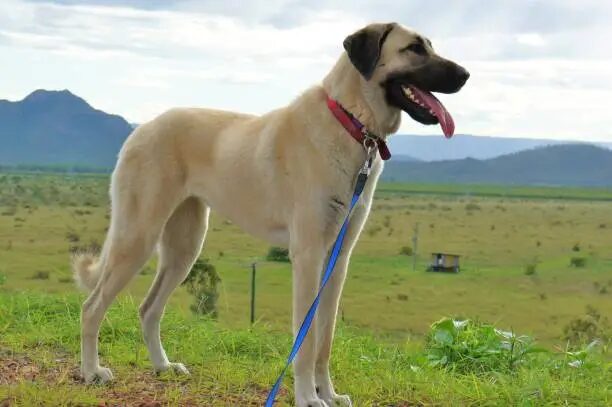
Anatolian Shepherd Dog Around Children
The Anatolian Shepherd can become an affectionate and dependable family companion when raised with children and properly supervised.
Are They Good Family Dogs?
Yes, for the right household.
They are best suited to families who understand their guardian instincts and can provide consistent leadership and training.
Living with Young Children
Most Anatolian Shepherds are patient with children they know.
However, because of their large size:
- Young children should never be left unsupervised with any dog.
- Rough play should be discouraged.
- Children should learn how to interact respectfully.
Families with Teenagers
Teenagers often enjoy participating in:
- Walking
- Hiking
- Training
- Outdoor activities
- Farm chores
These shared experiences strengthen the bond between dog and family.
Supervision Guidelines
Always supervise interactions by:
- Teaching calm behavior
- Preventing roughhousing
- Respecting the dog’s resting space
- Never disturbing a dog while eating
Teaching Children Respectful Dog Behavior
Teach children to:
- Approach calmly
- Avoid hugging tightly
- Never pull ears or tail
- Respect food and toys
- Recognize when the dog wants space
Anatolian Shepherd Dog with Other Pets
With proper introductions, many Anatolian Shepherds coexist peacefully with other animals.
Living with Other Dogs
Early socialization is essential.
Dogs raised with canine companions usually develop appropriate social skills.
Because of their guardian instincts, some adults may be reserved toward unfamiliar dogs.
Living with Cats
Many Anatolian Shepherds live successfully with household cats, especially when raised together.
Careful introductions and supervision help establish positive relationships.
Livestock Compatibility
This breed excels at protecting:
- Sheep
- Goats
- Cattle
- Alpacas
- Llamas
- Poultry
Unlike herding breeds, Anatolian Shepherds remain with livestock to deter predators.
Small Animals and Prey Drive
Some individuals may chase unfamiliar small animals.
Proper introductions and supervision are important when living with:
- Rabbits
- Chickens
- Ducks
- Cats
- Small pets
Multi-Pet Household Tips
Successful multi-pet homes often:
- Introduce animals gradually
- Feed pets separately
- Supervise early interactions
- Reward calm behavior
- Provide separate resting spaces
Importance of Early Introductions
The earlier positive introductions occur, the easier it is for the dog to accept other household animals.
Anatolian Shepherd Dog Puppy Guide
Anatolian Shepherd puppies are curious, intelligent, and surprisingly independent from an early age.
What to Expect from a Puppy
Expect plenty of:
- Exploration
- Chewing
- Learning
- Rapid growth
- Confidence
- Curiosity
Consistency is key throughout puppyhood.
Puppy Personality
Most puppies are:
- Curious
- Calm
- Observant
- Intelligent
- Independent
- Playful
Growth and Development
Large breeds develop slowly.
While height increases rapidly during the first year, mental and physical maturity usually continue until approximately 24 months.
Socialization Timeline
The most important socialization period occurs during the first few months of life.
Expose puppies to:
- Friendly people
- Different environments
- New sounds
- Various surfaces
- Car rides
- Grooming
- Veterinary visits
Vaccination Schedule
Follow the vaccination schedule recommended by your veterinarian to protect against common infectious diseases.
Routine wellness visits also allow your veterinarian to monitor healthy growth.
House Training
House training succeeds with:
- Frequent potty breaks
- Consistent schedules
- Immediate rewards
- Patience
Large breeds often learn quickly with positive reinforcement.
Crate Training
A properly introduced crate provides:
- Security
- Easier house training
- Safe travel
- A comfortable resting area
Never use the crate for punishment.
Bite Inhibition
Young puppies naturally explore with their mouths.
Teach gentle play by:
- Redirecting to chew toys
- Ending rough play briefly
- Rewarding calm interactions
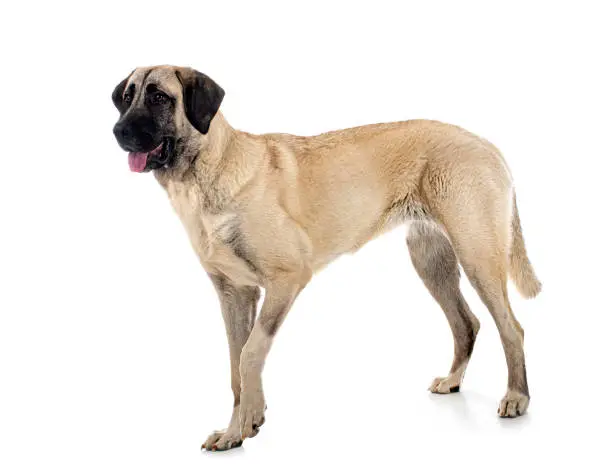
Physical Appearance
The Anatolian Shepherd combines strength, balance, and endurance in a functional working body.
Head
The head is:
- Broad
- Strong
- Well-proportioned
Eyes
Eyes are:
- Almond-shaped
- Medium-sized
- Brown to amber
- Calm and alert
Ears
The ears are:
- Medium-sized
- Triangular
- Hanging close to the head
Nose
Most Anatolian Shepherds have a black nose, although lighter-colored dogs may have a liver-colored nose.
Tail
The tail is:
- Long
- Thick
- Slightly curled when alert
- Relaxed while resting
Coat Texture
The coat ranges from:
- Short
- Dense
- Medium-length
- Coarse
The undercoat provides insulation during both hot and cold weather.
Coat Colors
Common colors include:
- Fawn
- White
- Biscuit
- Gray
- Brindle
- Pinto
- Red fawn
Coat Patterns
Many Anatolian Shepherds display:
- Solid coats
- Black facial masks
- White markings
- Pinto patterns
Seasonal Coat Changes
Heavy seasonal shedding usually occurs during spring and fall.
More frequent brushing helps remove loose hair.
Anatolian Shepherd Dog Colors
The breed displays several attractive natural coat colors.
Fawn
The most common coat color, often paired with a black facial mask.
White
Some dogs have predominantly white coats, especially among working lines.
Pinto
Pinto Anatolian Shepherds feature large white areas combined with darker patches.
Brindle
Brindle coats contain darker striping over a lighter base.
Biscuit
Biscuit is a pale cream-to-tan shade seen in some individuals.
Gray
Gray coats range from light silver to darker charcoal shades.
Red Fawn
A warmer reddish variation of the traditional fawn coat.
Mask Variations
Many Anatolian Shepherds have distinctive:
- Black masks
- Dark ears
- Dark muzzle markings
Eye Color
Most dogs have:
- Brown eyes
- Dark amber eyes
Lighter eye colors are uncommon.
Exercise Requirements
Although not hyperactive, Anatolian Shepherds require regular physical activity and mental engagement to stay healthy.
Daily Exercise Needs
Aim for approximately 60–90 minutes of daily activity.
Exercise can include:
- Walks
- Patrols
- Hiking
- Play
- Obedience sessions
Walking
Daily walks provide:
- Physical conditioning
- Mental stimulation
- Bonding opportunities
Hiking
The breed excels on hiking trails thanks to its endurance and athleticism.
Running
Healthy adults can accompany owners on moderate runs after they reach full skeletal maturity.
Consult your veterinarian before beginning strenuous exercise programs.
Farm Work
Working on farms naturally fulfills many of the breed’s physical and mental needs.
Patrol Exercise
Many Anatolian Shepherds enjoy walking fence lines or large properties as part of their natural guarding behavior.
Mental Stimulation
Challenge the mind through:
- Puzzle feeders
- Scent games
- Obedience practice
- Interactive toys
- Problem-solving activities
Mental exercise helps prevent boredom.
Puzzle Toys
Food puzzles encourage independent thinking and occupy the dog’s mind during quiet periods.
Obedience Activities
Regular training reinforces:
- Manners
- Focus
- Recall
- Self-control
Safe Off-Leash Exercise
Because of their guardian instincts and independent nature, off-leash exercise should only occur in securely fenced areas.
Training an Anatolian Shepherd Dog
Training requires patience, consistency, and respect for the breed’s independent personality.
Why Early Training Matters
Good habits formed during puppyhood often last a lifetime.
Early training encourages:
- Confidence
- Manners
- Social skills
- Reliable obedience
Positive Reinforcement
Reward desired behaviors using:
- Praise
- Treats
- Toys
- Affection
Reward-based methods build trust and motivation.
Establishing Leadership
Owners should provide calm, consistent leadership rather than dominance-based methods.
Clear expectations help this intelligent breed understand household rules.
Basic Obedience
Every Anatolian Shepherd should learn:
- Sit
- Stay
- Come
- Down
- Leave it
- Heel
These commands improve safety and communication.
Recall Training
Reliable recall takes patience because the breed naturally thinks independently.
Practice frequently in secure, fenced environments.
Leash Training
Begin leash training early to prevent pulling as the dog grows into its full size.
Socialization
Continue positive exposure throughout adulthood by introducing your dog to:
- New places
- Friendly people
- Calm dogs
- Different situations
Preventing Guarding Problems
Teach your dog to:
- Accept visitors calmly
- Respond to cues
- Relax on command
- Ignore harmless distractions
Professional guidance may be helpful if guarding behaviors become excessive.
Managing Independence
Instead of repeating commands, make training sessions:
- Short
- Consistent
- Rewarding
- Interesting
This approach helps maintain the dog’s attention.
Common Training Mistakes
Avoid:
- Harsh punishment
- Inconsistent rules
- Delayed socialization
- Insufficient exercise
- Unrealistic expectations
Patience and consistency produce the best long-term results.
Grooming Guide
Despite their thick double coat, Anatolian Shepherd Dogs are relatively low-maintenance compared to many other large breeds. Regular grooming keeps their coat healthy and helps reduce seasonal shedding.
Brushing
Brush your Anatolian Shepherd 1–2 times per week using a slicker brush or undercoat rake.
Benefits of regular brushing:
- Removes loose hair
- Prevents mats
- Distributes natural oils
- Reduces shedding around the home
During spring and fall shedding seasons, brush 3–4 times per week.
Bathing
These dogs do not require frequent baths.
- Bathe every 2–3 months, or when they become particularly dirty.
- Use a dog-specific shampoo to protect the skin and coat.
Avoid overbathing, as it can strip natural oils.
Ear Cleaning
Check ears weekly for:
- Dirt
- Wax buildup
- Redness
- Unpleasant odor
Clean gently using a veterinarian-approved ear cleaner, especially after swimming or working in dusty environments.
Nail Trimming
Trim nails every 3–4 weeks, or whenever you hear them clicking on hard floors.
Overgrown nails can affect posture and movement.
Dental Care
Brush your dog’s teeth 2–3 times per week, ideally daily.
Good dental care helps prevent:
- Bad breath
- Gum disease
- Tooth loss
- Painful infections
Coat Maintenance
Routine coat care includes:
- Weekly brushing
- Removing burrs and debris
- Checking for ticks after outdoor adventures
- Inspecting the skin for irritation
Seasonal Shedding
Anatolian Shepherds “blow” their undercoat once or twice each year.
During this period:
- Brush more frequently.
- Increase vacuuming indoors.
- Ensure your dog stays hydrated.
Managing Heavy Shedding
Helpful tools include:
- Undercoat rake
- Slicker brush
- Deshedding comb
- Grooming gloves
Never shave the double coat, as it helps regulate body temperature.
Feeding and Nutrition
A balanced diet is essential for maintaining your Anatolian Shepherd’s health, muscle mass, and joint function.
Nutritional Requirements
Choose a high-quality dog food formulated for large breeds that contains:
- High-quality protein
- Healthy fats
- Vitamins and minerals
- Omega-3 fatty acids
- Controlled calcium and phosphorus for growing puppies
Puppy Feeding Guide
Puppies need frequent meals to support steady growth.
| Age | Meals Per Day |
|---|---|
| 8–12 weeks | 4 |
| 3–6 months | 3 |
| 6–12 months | 2–3 |
| Adults | 2 |
Large-breed puppies should grow steadily rather than rapidly to support healthy joint development.
Adult Feeding Guide
Adult Anatolian Shepherds generally require 2 balanced meals per day.
Daily calorie needs vary based on:
- Age
- Activity level
- Body condition
- Metabolism
Your veterinarian can recommend appropriate portion sizes.
Senior Feeding Guide
Senior dogs may benefit from diets that:
- Support joint health
- Maintain lean muscle
- Are lower in calories if activity decreases
Regular weight monitoring is important.
Healthy Treats
Nutritious treats include:
- Carrot sticks
- Blueberries
- Apple slices (without seeds)
- Green beans
- Commercial training treats in moderation
Foods to Avoid
Never feed:
- Chocolate
- Grapes or raisins
- Onions
- Garlic
- Xylitol
- Alcohol
- Cooked bones
- Macadamia nuts
Preventing Obesity
Maintain a healthy weight by:
- Measuring meals
- Limiting treats
- Providing daily exercise
- Scheduling regular veterinary checkups
Obesity increases the risk of joint disease and other health problems.
Health Issues in Anatolian Shepherd Dogs
Although generally robust, the breed can be predisposed to certain inherited and acquired conditions.
Common Health Problems
Hip Dysplasia
A developmental condition affecting the hip joints that can lead to pain and arthritis.
Elbow Dysplasia
Abnormal elbow development that may cause lameness.
Gastric Dilatation-Volvulus (Bloat)
A life-threatening emergency in deep-chested breeds.
Warning signs include:
- Distended abdomen
- Unproductive retching
- Restlessness
- Excessive drooling
- Collapse
Seek emergency veterinary care immediately.
Entropion
An eyelid disorder where the eyelid rolls inward, irritating the eye.
Hypothyroidism
Low thyroid hormone levels may cause:
- Weight gain
- Hair loss
- Lethargy
- Skin problems
Osteoarthritis
Older dogs may develop arthritis, especially in the hips and elbows.
Ear Infections
Moisture and debris can increase the risk of ear infections.
Obesity
Extra weight places additional stress on joints and the cardiovascular system.
Cancer
Like many large breeds, some Anatolian Shepherds may develop cancer later in life.
Heart Conditions
Although uncommon, some dogs may experience heart disease that requires veterinary monitoring.
Preventive Healthcare
Preventive care includes:
- Annual wellness exams (or more frequent for seniors)
- Vaccinations
- Parasite prevention
- Dental care
- Routine bloodwork when recommended
- Weight management
Health Screening
Responsible breeders often screen breeding dogs for:
- Hip dysplasia
- Elbow dysplasia
- Eye conditions
- Thyroid disease
Ask breeders about available health clearances.
Anatolian Shepherd Dog Lifespan
Most healthy Anatolian Shepherds live 11–13 years.
Factors Affecting Longevity
- Genetics
- Nutrition
- Exercise
- Preventive healthcare
- Body weight
- Living environment
Tips to Help Your Dog Live Longer
- Feed a balanced diet.
- Maintain a healthy weight.
- Exercise consistently.
- Schedule routine veterinary visits.
- Brush teeth regularly.
- Provide mental stimulation.
- Use parasite prevention year-round.
Coat and Shedding
Coat Characteristics
The weather-resistant double coat protects against both hot and cold climates.
Shedding Level
Shedding is moderate year-round and heavy during seasonal coat changes.
Allergy Considerations
No dog is truly hypoallergenic. People with allergies may still react to dander, saliva, or shed hair.
Living with an Anatolian Shepherd Dog
Apartment Living
Apartment living is generally not ideal due to the breed’s size, territorial instincts, and need for space.
House with a Large Yard
A securely fenced yard provides room to move and patrol while remaining safely contained.
Farm and Ranch Living
This environment best suits the breed’s natural instincts, allowing it to perform the work it was developed to do.
Indoor vs. Outdoor Lifestyle
Although capable of working outdoors, Anatolian Shepherds thrive when they are included as part of the family and have regular human interaction.
Climate Tolerance
Their double coat helps them adapt to a wide range of climates.
Always provide:
- Fresh water
- Shade
- Shelter from extreme weather
Working Ability
The Anatolian Shepherd remains one of the world’s premier livestock guardian breeds.
They are commonly used to protect:
- Sheep
- Goats
- Cattle
- Poultry
- Alpacas
- Llamas
Their calm vigilance and independent decision-making make them highly effective deterrents against predators.
Common Behavior Problems
Potential issues include:
- Excessive barking
- Digging
- Roaming
- Territorial behavior
- Resource guarding
- Separation-related distress if isolated for long periods
- Stubbornness
Most of these behaviors can be minimized through early training, socialization, sufficient exercise, and mental enrichment.
Anatolian Shepherd Dog Pros and Cons
| Pros | Cons |
|---|---|
| Loyal and devoted | Independent thinker |
| Outstanding livestock guardian | Requires experienced handling |
| Intelligent | Can be stubborn |
| Excellent endurance | Needs space and secure fencing |
| Generally healthy | Heavy seasonal shedding |
| Protective without being overly reactive when well-socialized | Not ideal for apartment living |
Breed Comparisons
Anatolian Shepherd Dog vs. Great Pyrenees
| Feature | Anatolian Shepherd | Great Pyrenees |
|---|---|---|
| Build | Leaner and athletic | Larger and heavier-coated |
| Temperament | Independent | Gentle and patient |
| Grooming | Moderate | High |
| Guardian Style | Patrols actively | Often stays close to livestock |
Anatolian Shepherd Dog vs. Kangal Dog
Both breeds originated in Turkey and share livestock guardian roots.
The Kangal is often recognized for its uniform fawn coat with a black mask, while the Anatolian Shepherd encompasses a broader range of regional lines and coat colors in many kennel club standards.
Anatolian Shepherd Dog vs. Akbash
Compared with the Akbash, the Anatolian Shepherd generally displays greater coat color variation, while the Akbash is predominantly white.
Both are capable livestock guardians when responsibly bred and trained.
Common Myths About Anatolian Shepherd Dogs
Myth: They Are Naturally Aggressive
Fact: Properly bred and socialized Anatolian Shepherds are confident guardians rather than indiscriminately aggressive dogs.
Myth: They Cannot Be Family Dogs
Fact: Many become affectionate family companions in homes that understand their needs.
Myth: They Are Impossible to Train
Fact: They are intelligent but independent. Consistent, reward-based training works best.
Myth: Bigger Means Better Guard Dog
Fact: Temperament, training, health, and sound structure matter far more than size alone.
Cost of Owning an Anatolian Shepherd Dog
| Expense | Estimated Cost (USD) |
|---|---|
| Puppy Purchase | $800–$2,500+ |
| Adoption | $100–$500 |
| Initial Supplies | $300–$700 |
| Food (Annual) | $800–$1,500 |
| Routine Veterinary Care | $300–$800 |
| Pet Insurance | Varies by provider |
| Training Classes | $150–$600 |
Costs vary by location, breeder, and the dog’s individual needs.
How to Choose a Healthy Anatolian Shepherd Puppy
Look for breeders who:
- Perform recommended health testing
- Raise puppies in clean environments
- Socialize puppies early
- Answer questions openly
- Provide veterinary records
Avoid breeders who:
- Cannot provide health information
- Sell puppies unusually young
- Offer multiple litters without transparency
- Refuse to let you meet the puppies or parents when appropriate
Adoption through reputable rescue organizations is also an excellent option.
Essential Supplies for New Owners
Before bringing your dog home, have:
- Large food and water bowls
- High-quality large-breed dog food
- Large crate
- Orthopedic dog bed
- Durable leash and harness
- Collar with ID tags
- Grooming brushes
- Nail clippers
- Interactive toys
- Puzzle feeders
- First aid kit
- Waste bags
Frequently Asked Questions (FAQ)
Is an Anatolian Shepherd Dog a good family pet?
Yes, for experienced owners who can provide early socialization, consistent training, and adequate space.
How big does an Anatolian Shepherd Dog get?
Adults typically stand 27–32 inches tall and weigh 80–150 pounds, depending on sex and individual build.
Are Anatolian Shepherd Dogs aggressive?
No. They are naturally protective, but a well-socialized Anatolian Shepherd should be calm, confident, and discerning rather than unnecessarily aggressive.
How much exercise do they need?
Most adults benefit from 60–90 minutes of daily exercise along with mental stimulation.
Are they easy to train?
They are intelligent but independent, so patient, reward-based training is essential.
Do they bark a lot?
They can bark when alerting to unfamiliar activity, which is part of their guardian role.
Are they good with children?
Many are gentle with children in their own family when interactions are supervised and respectful.
Do they get along with other dogs?
With early socialization, many do well with familiar dogs, though individual personalities vary.
Can they live with cats?
Yes, especially if introduced carefully from a young age.
Do they shed a lot?
They shed moderately year-round and heavily during seasonal coat changes.
Can they live in apartments?
They are generally better suited to homes with ample outdoor space rather than apartments.
How long do Anatolian Shepherd Dogs live?
Their average lifespan is 11–13 years.
Are they suitable for first-time owners?
Because of their size, independence, and guardian instincts, they are usually a better fit for experienced dog owners.
How often should they visit the veterinarian?
At least once a year for healthy adults, with more frequent visits for puppies, seniors, or dogs with medical conditions.
Expert Tips for Raising a Happy Anatolian Shepherd Dog
- Start socialization early.
- Use consistent, positive reinforcement.
- Provide daily physical exercise.
- Challenge their minds with enrichment activities.
- Maintain secure fencing.
- Respect their guardian instincts without encouraging unnecessary territorial behavior.
- Feed a balanced, large-breed diet.
- Schedule regular veterinary checkups.
Common Mistakes New Owners Should Avoid
- Skipping early socialization
- Using harsh training methods
- Underestimating their protective instincts
- Allowing roaming outside secure areas
- Providing too little exercise or mental stimulation
- Overfeeding
- Delaying preventive veterinary care
Final Verdict: Is the Anatolian Shepherd Dog Right for You?
The Anatolian Shepherd Dog is a remarkable breed best suited to owners who appreciate its intelligence, independence, and protective nature.
Best For
- Farmers and ranchers
- Experienced dog owners
- Active rural families
- Livestock protection
- Homes with ample outdoor space
May Not Be Ideal For
- Apartment dwellers
- Owners seeking an eager-to-please breed
- Families unable to provide consistent training and socialization
- Those with limited time for exercise and enrichment
For the right home, the Anatolian Shepherd is a steadfast companion and an exceptional guardian.
Conclusion
The Anatolian Shepherd Dog is an ancient, intelligent, and devoted livestock guardian with a long history of protecting animals and property. Its impressive size, calm confidence, and independent nature make it one of the most capable guardian breeds in the world.
Successfully raising an Anatolian Shepherd requires early socialization, patient training, regular exercise, proper nutrition, routine veterinary care, and responsible ownership. These dogs thrive when given meaningful work, clear guidance, and a strong bond with their family.
Whether you’re looking for a dependable working partner on a farm or a loyal companion for an active rural lifestyle, the Anatolian Shepherd can be an outstanding choice when matched with an owner who understands and respects the breed’s unique instincts and needs. By adopting from a reputable rescue or choosing an ethical breeder committed to health and temperament, you’ll be well-positioned to enjoy many rewarding years with this extraordinary guardian.