Bringing home an American Staffordshire Terrier puppy is an exciting experience. Known for their intelligence, loyalty, and playful nature, Am Staff puppies quickly become cherished members of the family. However, raising one successfully requires dedication, patience, and a solid understanding of the breed’s unique needs.
Whether you’re preparing for your first puppy or adding another canine companion to your household, this comprehensive guide will walk you through everything you need to know—from choosing a healthy puppy to training, feeding, socialization, and everyday care.
The American Staffordshire Terrier puppy is full of energy, curiosity, and affection. With proper training and early socialization, these puppies grow into confident, loyal, and well-mannered adult dogs.
Although the breed is sometimes misunderstood because of its muscular appearance, responsible breeding, positive training, and consistent care help shape a friendly and dependable companion.
This guide is designed for:
- First-time AmStaff owners
- Families looking for an active companion
- Experienced dog owners
- Anyone researching the breed before adoption or purchase
By the end of this article, you’ll understand how to raise a healthy, happy American Staffordshire Terrier puppy from the day you bring it home through adulthood.
American Staffordshire Terrier Puppy at a Glance
| Feature | Details |
|---|---|
| Breed Name | American Staffordshire Terrier |
| Nicknames | AmStaff |
| Origin | England and the United States |
| Breed Group | Terrier Group |
| Adult Height | 17–19 inches (43–48 cm) |
| Adult Weight | 40–70 pounds (18–32 kg) |
| Puppy Size at 8 Weeks | Approximately 8–15 pounds |
| Life Expectancy | 12–16 years |
| Coat Type | Short, smooth coat |
| Coat Colors | Brindle, blue, black, white, fawn, red, brown, and combinations |
| Temperament | Loyal, affectionate, intelligent, confident |
| Energy Level | High |
| Intelligence | High |
| Trainability | Excellent |
| Shedding | Low to moderate |
| Grooming Needs | Low |
| Exercise Needs | Moderate to high |
| Good with Children | Yes, with supervision and training |
| Good with Other Pets | Yes, with early socialization |
| AKC Recognition | Yes |
| Best For | Active families, experienced or committed first-time owners |
History of the American Staffordshire Terrier
Understanding the breed’s history helps explain why today’s American Staffordshire Terrier is such a versatile, intelligent, and devoted companion.
Breed Origins
The American Staffordshire Terrier traces its roots to the bulldog-and-terrier crosses developed in England during the 18th and 19th centuries.
Breeders sought to combine:
- The Bulldog’s strength
- The Terrier’s agility
- Courage
- Intelligence
- Athletic ability
The result was a strong yet agile working dog capable of performing a variety of farm and household tasks.
Bulldog and Terrier Ancestors
Early ancestors contributed many of the qualities still seen in modern AmStaffs:
- Muscular build
- High energy
- Determination
- Strong work ethic
- Loyalty toward people
These characteristics continue to define the breed today.
Development in England
Originally, these dogs served as:
- Farm workers
- Livestock handlers
- Property guardians
- General-purpose companions
Over time, breeders increasingly focused on developing dogs with stable temperaments and sound physical structure.
Arrival in America
Immigrants brought these dogs to the United States during the 1800s.
American breeders refined the breed further, emphasizing:
- Family-friendly temperament
- Athletic build
- Intelligence
- Confidence
The breed quickly gained popularity on farms and in households across the country.
Recognition by the American Kennel Club (AKC)
The American Kennel Club officially recognized the breed in 1936.
Later, in 1972, the breed’s official name became American Staffordshire Terrier to distinguish it from the smaller Staffordshire Bull Terrier.
Evolution into a Family Companion
Today’s American Staffordshire Terrier is widely appreciated as a:
- Family companion
- Therapy dog
- Obedience competitor
- Agility athlete
- Search-and-rescue participant
- Loyal household pet
Responsible breeding has helped produce dogs known for their confidence, intelligence, and affectionate nature.
What to Expect from an American Staffordshire Terrier Puppy
AmStaff puppies grow quickly, both physically and mentally.
During the first year, you’ll experience:
- Rapid learning
- Teething
- House training
- Social development
- Increasing confidence
- Growing independence
Early guidance plays a major role in shaping adult behavior.
Typical Puppy Personality
Most American Staffordshire Terrier puppies are:
- Friendly
- Curious
- Energetic
- Confident
- Affectionate
- Playful
They generally enjoy being around people and thrive on interaction with their families.
Energy Levels
AmStaff puppies have abundant energy.
Expect frequent bursts of activity followed by long naps throughout the day.
Daily play and structured exercise appropriate for their age help channel this energy positively.
Intelligence
American Staffordshire Terrier puppies learn quickly.
Their intelligence makes them excellent candidates for:
- Obedience training
- Puzzle toys
- Trick training
- Interactive games
- Canine sports later in life
Because they’re smart, they also benefit from mental stimulation to prevent boredom.
Curiosity
Young AmStaffs love exploring their surroundings.
Puppies investigate with:
- Their noses
- Their mouths
- Their paws
Puppy-proofing your home before bringing one home is essential.
Affection Toward Family
One of the breed’s greatest strengths is its devotion to its family.
Most puppies enjoy:
- Cuddling
- Following owners around the house
- Playing with children
- Spending time close to their people
Confidence
With proper socialization, American Staffordshire Terrier puppies typically develop into confident adult dogs.
Confidence grows through positive experiences with:
- New people
- New environments
- Friendly dogs
- Different sounds
- Routine handling
Playfulness
Play is a major part of healthy development.
Favorite activities often include:
- Tug toys
- Fetch
- Puzzle games
- Hide-and-seek
- Soft chew toys
Regular play also strengthens the bond between puppy and owner.
Social Development
The first several months are critical for learning appropriate social behavior.
Positive experiences help puppies become:
- Calm
- Adaptable
- Friendly
- Well-adjusted
Poor or limited socialization may contribute to fear or behavioral challenges later in life.
American Staffordshire Terrier Puppy Appearance
Even as puppies, AmStaffs display the athletic features that make the breed so recognizable.
Head Shape
The head is:
- Broad
- Well-proportioned
- Slightly rounded
- Balanced with the body
Eyes
Healthy puppies have:
- Bright eyes
- Round shape
- Alert expression
- Dark coloring (preferred by the breed standard)
Ears
Ears may be:
- Rose-shaped
- Semi-prick
- Naturally folded
Many owners now prefer natural ears where permitted.
Nose
The nose is usually black and well-developed.
Tail
The tail should be:
- Medium length
- Thick at the base
- Tapering toward the end
- Carried naturally
Coat Texture
The coat is:
- Short
- Smooth
- Dense
- Glossy
Its low-maintenance coat makes grooming straightforward.
Coat Colors
American Staffordshire Terrier puppies are born in many beautiful colors, including:
- Brindle
- Blue
- Black
- White
- Red
- Fawn
- Brown
- Liver
- Mixed color combinations
Each puppy’s markings are unique.
Muscle Development
Although puppies appear compact, they gradually develop the breed’s signature muscular physique over the first 18–24 months.
Balanced nutrition and age-appropriate exercise support healthy growth.
American Staffordshire Terrier Puppy Size
Growth varies depending on genetics, nutrition, and overall health.
Birth Weight
Most newborn puppies weigh approximately:
10–18 ounces (280–510 grams)
Weight at 8 Weeks
Most puppies weigh between:
8–15 pounds (3.5–7 kg)
This is the age when many puppies go to their new homes.
Growth Rate
Growth is especially rapid during the first six months.
During this time, puppies experience:
- Rapid bone growth
- Muscle development
- Teething
- Increased coordination
They continue to mature physically until about 18–24 months.
Monthly Growth Chart
| Age | Average Weight | Development Stage |
|---|---|---|
| Birth | 10–18 oz | Newborn |
| 2 Weeks | 2–3 lbs | Eyes opening |
| 4 Weeks | 4–6 lbs | Beginning to explore |
| 8 Weeks | 8–15 lbs | Ready for new home |
| 3 Months | 15–25 lbs | Rapid growth |
| 4 Months | 20–35 lbs | Increased activity |
| 6 Months | 30–45 lbs | Adolescence begins |
| 9 Months | 40–60 lbs | Continued muscle development |
| 12 Months | 45–65 lbs | Near adult height |
| 18 Months | 50–70 lbs | Physical maturity |
| 24 Months | Adult weight | Full maturity |
Male vs Female Growth
Generally:
| Male | Female |
|---|---|
| Slightly taller | Slightly shorter |
| Heavier | Lighter |
| Broader chest | More refined build |
| More muscle mass | Leaner appearance |
Individual growth rates vary considerably.
When They Stop Growing
Most American Staffordshire Terriers reach:
- Adult height by 12–15 months
- Full muscle development between 18–24 months
Mental maturity often continues beyond physical maturity.
Preparing for Your American Staffordshire Terrier Puppy
Preparing your home before your puppy arrives helps create a safe and welcoming environment.
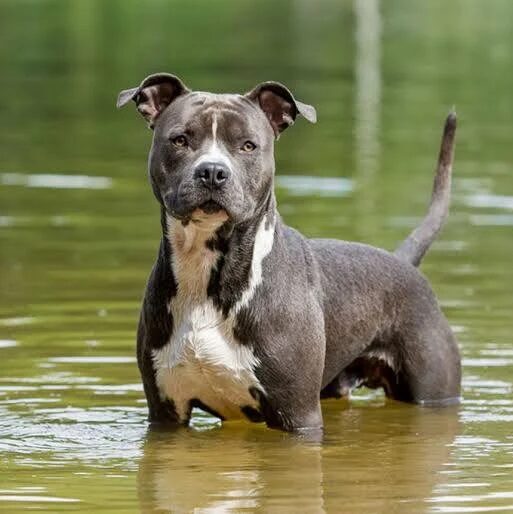
Puppy-Proofing Your Home
Remove or secure:
- Electrical cords
- Toxic plants
- Household chemicals
- Small objects that could be swallowed
- Human medications
- Trash bins
Think like a curious puppy—if it’s within reach, it may be investigated!
Choosing the Right Crate
Select a crate that’s large enough for your puppy to:
- Stand comfortably
- Turn around
- Lie down
Many owners use adjustable dividers so the crate can grow with the puppy.
Bedding
Choose a bed that is:
- Comfortable
- Washable
- Durable
- Appropriately sized
Avoid bedding with loose stuffing if your puppy is a heavy chewer.
Food and Water Bowls
Stainless steel bowls are a practical choice because they are:
- Durable
- Easy to clean
- Resistant to bacteria
- Less likely to retain odors
Collar and ID Tag
Every puppy should wear a properly fitted collar with an ID tag containing current contact information. Microchipping provides an additional layer of identification.
Harness and Leash
A well-fitted harness and lightweight leash help make early walks and training sessions more comfortable and manageable.
Puppy Toys
Provide a variety of toys, such as:
- Durable chew toys
- Soft plush toys (under supervision)
- Rubber toys
- Treat-dispensing puzzles
- Rope toys
Rotate toys regularly to keep your puppy engaged.
Grooming Supplies
Basic grooming essentials include:
- Soft-bristle brush or grooming mitt
- Puppy shampoo
- Nail clippers or grinder
- Dog toothbrush and toothpaste
- Ear-cleaning solution recommended by your veterinarian
First Aid Kit
A basic canine first-aid kit should include:
- Gauze pads
- Adhesive bandage tape
- Antiseptic solution suitable for pets
- Tweezers
- Blunt-tip scissors
- Digital thermometer (for pets)
- Emergency contact numbers for your veterinarian and the nearest emergency clinic
Being prepared can help you respond quickly to minor injuries until veterinary care is available.
Bringing Your Puppy Home
Bringing your American Staffordshire Terrier puppy home is an exciting milestone. The first few days are important because your puppy is adjusting to a completely new environment, away from its littermates and familiar surroundings.
Keeping the experience calm and predictable helps your puppy settle in more quickly.
First Day Expectations
Don’t expect your puppy to feel comfortable immediately. It’s normal for a new puppy to be:
- Curious
- Nervous
- Quiet
- Tired
- Excited
Allow your puppy to explore at its own pace while supervising closely.
Reducing Stress
You can help your puppy feel secure by:
- Keeping the environment calm
- Limiting visitors during the first few days
- Following a consistent feeding schedule
- Providing fresh water
- Offering a comfortable sleeping area
- Maintaining a regular potty routine
Patience is key during this adjustment period.
Introducing Family Members
Introduce each family member calmly.
Allow the puppy to:
- Approach people voluntarily
- Sniff new individuals
- Receive gentle praise
- Associate people with positive experiences
Avoid overwhelming your puppy with too much excitement.
Introducing Other Pets
If you already have pets:
- Introduce them gradually.
- Keep initial meetings short.
- Supervise all interactions.
- Reward calm behavior.
- Feed pets separately at first.
Never force interactions.
Creating a Safe Space
Every puppy benefits from having a quiet place to relax.
A safe space should include:
- A crate or puppy pen
- Comfortable bedding
- Fresh water
- Safe chew toys
Your puppy should always be able to retreat there when feeling overwhelmed.
First Night Tips
The first night may involve some whining as your puppy adjusts.
Helpful strategies include:
- Keeping the crate near your bed
- Following the bedtime routine
- Taking your puppy outside before sleeping
- Avoiding late-night play sessions
- Remaining calm and reassuring
Most puppies settle into their routine within a few nights.
American Staffordshire Terrier Puppy Temperament
One of the biggest reasons families choose an American Staffordshire Terrier is its affectionate, people-oriented personality.
When responsibly bred and properly socialized, these puppies are typically friendly, confident, and eager to learn.
Loyal Nature
AmStaff puppies often develop strong bonds with their families.
They enjoy:
- Being close to people
- Participating in family activities
- Learning new skills
- Spending time with children
Their loyalty often grows stronger as they mature.
Intelligence
The breed is highly intelligent and enjoys learning.
This makes training:
- Easier
- More enjoyable
- Highly rewarding
Mental challenges are just as important as physical exercise.
Confidence
Well-socialized puppies usually grow into confident adults.
Confidence develops through:
- Positive experiences
- Gentle exposure to new situations
- Consistent routines
- Reward-based training
Curiosity
Everything is interesting to an AmStaff puppy.
Expect your puppy to investigate:
- New toys
- Furniture
- Outdoor environments
- Household sounds
- Visitors
Supervision prevents accidents while satisfying curiosity safely.
Affection
Despite their muscular appearance, American Staffordshire Terriers are often extremely affectionate.
Many puppies love:
- Belly rubs
- Cuddles
- Sitting near their owners
- Following family members around the home
Protective Instincts
Young puppies are naturally observant but should not be encouraged to become guard dogs.
Instead, focus on developing:
- Confidence
- Stability
- Good manners
- Appropriate social behavior
Are American Staffordshire Terrier Puppies Aggressive?
No.
Healthy, well-socialized American Staffordshire Terrier puppies are not naturally aggressive toward people.
Behavior develops through:
- Genetics
- Responsible breeding
- Early experiences
- Training
- Environment
- Health
Positive socialization during puppyhood greatly influences adult behavior.
Importance of Early Socialization
The first few months of life are critical.
Proper socialization helps puppies become:
- Friendly
- Confident
- Adaptable
- Calm
- Well-adjusted
Missing this window may increase the likelihood of fear-based behaviors later in life.
Socialization Guide
Socialization means exposing your puppy to new experiences in a safe and positive way.
Best Socialization Window
The most important period occurs during the first few months of life. Work with your veterinarian to socialize your puppy safely while following vaccination guidance.
Meeting New People
Allow your puppy to meet:
- Adults
- Children
- People wearing hats
- People using mobility aids
- People of different appearances
Keep every interaction positive.
Meeting Friendly Dogs
Choose:
- Healthy
- Vaccinated
- Calm
- Well-mannered dogs
Avoid overwhelming dog parks until your veterinarian says it’s appropriate.
Exposure to New Environments
Gradually introduce your puppy to:
- Parks
- Sidewalks
- Busy streets
- Outdoor cafés
- Pet-friendly stores
- Different flooring surfaces
Confidence grows through repeated positive experiences.
Household Sounds
Help your puppy become comfortable with everyday noises like:
- Vacuum cleaners
- Washing machines
- Doorbells
- Television
- Kitchen appliances
Pair new sounds with treats or play to create positive associations.
Car Rides
Begin with short trips.
Reward calm behavior and gradually increase travel time.
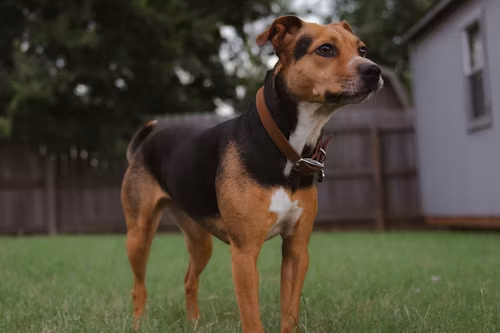
Vet Visits
Practice relaxed visits whenever possible.
Bring treats and reward calm handling so veterinary care becomes less stressful.
Grooming Experiences
Introduce grooming gradually:
- Brushing
- Nail handling
- Ear touching
- Teeth brushing
- Bathing
Early positive experiences make lifelong grooming much easier.
American Staffordshire Terrier Puppy Training
Training should begin immediately after your puppy comes home.
Young puppies are constantly learning—even when you aren’t actively teaching them.
When to Start Training
Simple training can begin as soon as your puppy arrives.
Focus on:
- Short sessions
- Positive experiences
- Consistency
- Patience
Positive Reinforcement
Reward behaviors you want to see again.
Use:
- Praise
- Small treats
- Toys
- Play
- Affection
Avoid punishment-based methods, which can undermine trust and confidence.
Name Recognition
Teach your puppy to respond to its name.
- Say the name.
- Reward eye contact.
- Repeat frequently.
Soon your puppy will happily look toward you whenever called.
Sit
“Sit” is one of the easiest first commands.
Reward immediately when your puppy sits naturally.
Stay
Teach stay gradually:
- One second
- Three seconds
- Five seconds
- Increase slowly
Always reward success.
Come
A reliable recall may one day save your dog’s life.
Practice frequently using:
- Happy voices
- High-value treats
- Games
- Praise
Never punish a puppy for coming to you.
Down
This command encourages calm behavior and helps puppies settle.
Leave It
“Leave it” prevents puppies from picking up unsafe objects.
Practice using treats and toys before applying the command in real-life situations.
Recall
Continue improving recall by practicing in:
- Fenced yards
- Quiet parks (where permitted)
- Training classes
Increase distractions gradually.
Leash Training
Teach loose-leash walking from an early age.
Reward:
- Walking beside you
- Checking in
- Calm behavior
Avoid pulling contests.
Preventing Jumping
Ignore unwanted jumping.
Reward:
- Four paws on the floor
- Calm greetings
- Sitting politely
Consistency from every family member is essential.
Preventing Resource Guarding
Teach your puppy that people approaching food or toys predict something good.
Practice trading low-value items for higher-value treats and avoid forcibly taking items from your puppy.
House Training
House training requires consistency more than anything else.
Potty Training Schedule
Take your puppy outside:
- After waking
- After eating
- After drinking
- After play
- Before bedtime
- Every few hours, depending on age
Reward successful outdoor elimination immediately.
Crate Training
When introduced correctly, a crate helps:
- House training
- Safe travel
- Rest
- Prevent destructive chewing
Keep crate experiences positive.
Nighttime Routine
A predictable evening routine helps puppies sleep better.
Include:
- Potty break
- Calm play
- Water management if recommended by your veterinarian
- Bedtime at the same hour
Accident Prevention
Prevent accidents by:
- Supervising closely
- Using baby gates
- Watching for sniffing or circling
- Taking puppies outside promptly
Common Housebreaking Mistakes
Avoid:
- Punishing accidents
- Inconsistent schedules
- Waiting too long between potty breaks
- Giving too much freedom too soon
Bite Inhibition
Puppies naturally explore the world with their mouths.
Learning bite inhibition is an important part of early development.
Why Puppies Bite
Common reasons include:
- Teething
- Play
- Curiosity
- Excitement
- Exploration
Teaching Gentle Play
If biting becomes too hard:
- Stop the game briefly.
- Redirect to a toy.
- Resume play when your puppy is calm.
Consistency teaches puppies to moderate bite pressure.
Redirecting Chewing
Offer appropriate alternatives like:
- Rubber chew toys
- Puppy-safe bones
- Food-stuffed toys
- Teething rings made for dogs
Praise your puppy for choosing approved items.
Best Puppy Chew Toys
Look for toys that are:
- Durable
- Puppy-safe
- Properly sized
- Easy to clean
Avoid toys that can splinter or be swallowed.
Exercise Requirements
Although energetic, puppies should avoid excessive exercise while their bones and joints are developing.
Daily Exercise by Age
Exercise should be appropriate for your puppy’s age and physical development. Your veterinarian can help you determine a suitable routine.
Safe Puppy Exercise
Good activities include:
- Short walks
- Gentle play
- Training sessions
- Puzzle games
- Supervised exploration
Walking
Begin with short neighborhood walks once your veterinarian advises it is safe based on your puppy’s vaccination status.
Play Sessions
Several short play sessions each day are generally better than one long session.
Mental Enrichment
Challenge your puppy with:
- Puzzle feeders
- Scent games
- Training
- Interactive toys
Mental stimulation helps reduce boredom.
Puzzle Toys
Puzzle toys encourage problem-solving while slowing down fast eaters and providing enrichment.
Fetch
Short games of fetch are a fun way to build coordination and reinforce recall.
Swimming
Some puppies enjoy water, but introduce it gradually, supervise closely, and use a canine life jacket when appropriate.
Activities to Avoid
Until your puppy is fully grown, avoid:
- Long-distance running
- Repetitive jumping
- High-impact agility
- Forced exercise on hard surfaces
These activities may place unnecessary stress on developing joints.
Feeding an American Staffordshire Terrier Puppy
A nutritious, balanced diet lays the foundation for your puppy’s growth, immune system, muscle development, and overall health. Because American Staffordshire Terriers are active, muscular dogs, they benefit from high-quality puppy food formulated for medium-sized breeds.
Nutritional Requirements
A healthy diet should include:
- High-quality animal protein for muscle growth
- Healthy fats for brain and skin health
- Calcium and phosphorus for strong bones
- DHA for brain and eye development
- Essential vitamins and minerals
- Omega-3 and Omega-6 fatty acids
Always choose food labeled as complete and balanced for growing puppies.
Choosing Puppy Food
Look for foods that list a quality protein source as the first ingredient, such as:
- Chicken
- Turkey
- Beef
- Lamb
- Salmon
Avoid foods that contain excessive fillers, artificial colors, or unnecessary preservatives.
Feeding Schedule
| Age | Meals Per Day |
|---|---|
| 8–12 Weeks | 4 meals |
| 3–6 Months | 3 meals |
| 6–12 Months | 2–3 meals |
| Over 12 Months | 2 meals |
Feed meals at the same times each day to establish a routine.
Portion Sizes
Portion sizes depend on:
- Age
- Body weight
- Activity level
- Metabolism
- Type of food
Follow the feeding guide on the food packaging and adjust under your veterinarian’s guidance.
Protein Requirements
Growing AmStaff puppies generally benefit from diets with adequate, high-quality protein to support muscle development. Choose reputable commercial puppy foods designed for growth rather than adding protein supplements unless recommended by your veterinarian.
Healthy Treats
Healthy treats include:
- Small training treats
- Carrot slices
- Blueberries
- Apple slices (without seeds)
- Plain cooked chicken
Treats should make up no more than 10% of your puppy’s daily calories.
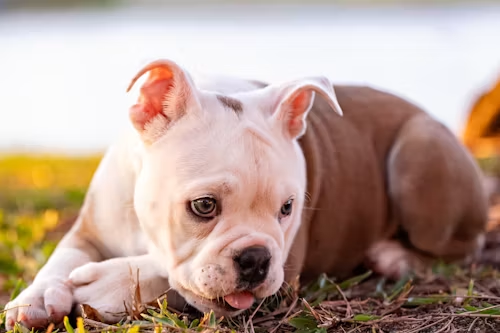
Foods to Avoid
Never feed your puppy:
- Chocolate
- Grapes
- Raisins
- Onions
- Garlic
- Xylitol
- Alcohol
- Macadamia nuts
- Cooked bones
- Excessively fatty foods
These foods can be dangerous or even life-threatening.
Preventing Obesity
Maintain a healthy weight by:
- Measuring meals
- Limiting treats
- Providing daily exercise
- Monitoring body condition
- Scheduling regular veterinary checkups
Vaccination Schedule
Vaccinations protect your puppy from several serious infectious diseases.
Core Vaccines
Core vaccines generally protect against:
- Canine distemper
- Parvovirus
- Adenovirus
- Rabies (as required by local law)
Your veterinarian will recommend the appropriate schedule based on your location and your puppy’s health.
Booster Schedule
Puppies typically receive a series of booster vaccinations during their first few months, followed by booster intervals recommended by their veterinarian.
Rabies Vaccination
Rabies vaccination is legally required in many areas. Your veterinarian will advise when your puppy should receive it.
Deworming
Most puppies require routine deworming because intestinal parasites are common in young dogs.
Parasite Prevention
Protect your puppy from:
- Fleas
- Ticks
- Heartworms
- Intestinal parasites
Use veterinarian-recommended preventive products.
Veterinary Wellness Visits
Regular veterinary visits help monitor:
- Growth
- Weight
- Development
- Nutrition
- Behavior
- Vaccination status
Early detection often makes health issues easier to manage.
Grooming Your Puppy
American Staffordshire Terriers are relatively low-maintenance, but routine grooming keeps them healthy and comfortable.
Brushing
Brush your puppy once or twice a week to:
- Remove loose hair
- Distribute natural oils
- Keep the coat shiny
- Reduce shedding
Bathing
Bathe only when necessary using a gentle puppy shampoo.
Frequent bathing may dry out the skin.
Nail Trimming
Trim nails every few weeks or as needed. Long nails can affect posture and make walking uncomfortable.
Ear Cleaning
Check your puppy’s ears weekly for:
- Wax buildup
- Redness
- Unpleasant odor
- Debris
Clean only with veterinarian-approved products.
Dental Care
Brush your puppy’s teeth several times a week using toothpaste made specifically for dogs. Early dental care helps reduce plaque and supports lifelong oral health.
Shedding
AmStaff puppies shed lightly to moderately throughout the year.
Regular brushing keeps shedding under control.
Skin Care
Healthy skin depends on:
- Proper nutrition
- Flea prevention
- Routine grooming
- Prompt treatment of allergies or infections
Consult your veterinarian if you notice persistent itching, redness, or hair loss.
Health Issues in American Staffordshire Terrier Puppies
Although generally healthy, American Staffordshire Terriers may be predisposed to certain inherited or acquired conditions.
Hip Dysplasia
Hip dysplasia is a developmental joint disorder that may cause:
- Limping
- Stiffness
- Pain
- Reduced mobility
Maintaining a healthy weight and purchasing from health-tested breeders can help reduce risk.
Elbow Dysplasia
This orthopedic condition affects the elbow joint and may lead to lameness or arthritis.
Skin Allergies
Some AmStaffs are prone to:
- Environmental allergies
- Food sensitivities
- Contact allergies
Signs include itching, ear infections, and skin irritation.
Heart Conditions
Routine veterinary examinations help detect heart issues early, improving management if a problem is found.
Cerebellar Ataxia
Cerebellar ataxia is an inherited neurological disorder that affects coordination. Responsible breeders screen breeding dogs to reduce the likelihood of passing on the condition.
Parasites
Watch for signs such as:
- Diarrhea
- Weight loss
- Poor coat quality
- Scooting
Routine fecal testing and parasite prevention are important.
Digestive Upset
Puppies can develop stomach upset from:
- Dietary changes
- Eating inappropriate objects
- Parasites
- Stress
Introduce new foods gradually over several days.
Ear Infections
Monitor for:
- Head shaking
- Scratching
- Redness
- Odor
- Discharge
Seek veterinary care if symptoms appear.
Recognizing Signs of Illness
Contact your veterinarian if your puppy experiences:
- Persistent vomiting
- Severe diarrhea
- Difficulty breathing
- Loss of appetite
- Lethargy
- Fever
- Collapse
- Seizures
Prompt treatment can make a significant difference.
Preventive Healthcare
Preventive care helps your puppy stay healthy throughout life.
Routine Vet Checkups
Schedule wellness exams as recommended to monitor growth, behavior, and overall health.
Vaccinations
Keep vaccinations up to date based on your veterinarian’s recommendations.
Flea and Tick Prevention
Use preventive products year-round if recommended for your area.
Heartworm Prevention
Heartworm disease is serious but preventable. Discuss the best prevention plan with your veterinarian.
Dental Health
Routine brushing and professional cleanings when needed support long-term oral health.
Maintaining a Healthy Weight
A healthy weight reduces stress on joints and lowers the risk of many chronic diseases.
American Staffordshire Terrier Puppy Sleep Requirements
Puppies need significantly more sleep than adult dogs to support healthy growth and brain development.
How Much Sleep Puppies Need
Many young puppies sleep 16–20 hours per day.
Creating a Sleep Routine
Maintain consistent:
- Bedtime
- Wake-up time
- Potty breaks
- Meal schedule
Safe Sleeping Arrangements
Provide a quiet sleeping area away from excessive noise or activity.
Crate Sleeping Tips
Make the crate inviting with comfortable bedding and positive reinforcement. Never use it as punishment.
American Staffordshire Terrier Puppy Colors
The breed comes in many attractive coat colors.
Common Colors
- Brindle
- Blue
- Black
- White
- Red
- Fawn
- Brown
Coat Pattern Variations
Many puppies also display:
- White markings
- Bi-color coats
- Tri-color combinations
- Brindle patterns
Coat color does not determine temperament or intelligence.
Living with an American Staffordshire Terrier Puppy
Apartment Living
An AmStaff can adapt well to apartment living if it receives:
- Daily exercise
- Mental stimulation
- Regular walks
- Training
House with Yard
A securely fenced yard provides extra space for supervised play but does not replace daily interaction or walks.
Indoor Lifestyle
American Staffordshire Terriers thrive as indoor family companions and enjoy spending time with their people.
Weather Considerations
Because of their short coat, they may be sensitive to extreme cold and should not be left outdoors for prolonged periods.
Traveling with a Puppy
Travel safely by:
- Using a secured crate or dog seat restraint
- Taking frequent breaks
- Bringing water
- Packing familiar toys and bedding
Common Behavior Problems
Most puppy behaviors improve with training and consistency.
Chewing
Provide appropriate chew toys and supervise your puppy.
Jumping
Reward calm greetings and ignore jumping behavior.
Digging
Increase exercise and provide enrichment to reduce boredom.
Barking
Identify the cause of barking and address it with training rather than punishment.
Separation Anxiety
Gradually teach your puppy to be comfortable spending short periods alone.
Fear Periods
Some puppies go through temporary fear stages. Respond calmly and avoid forcing stressful interactions.
Resource Guarding
Use positive training techniques and consult a qualified trainer or veterinary behavior professional if guarding behaviors develop.
Cost of Raising an American Staffordshire Terrier Puppy
Costs vary by location and individual needs.
| Expense | Typical Cost |
|---|---|
| Puppy Purchase | Varies by breeder |
| Adoption Fee | Varies by rescue |
| Food | Ongoing monthly expense |
| Veterinary Care | Routine and emergency costs |
| Vaccinations | Initial puppy series |
| Pet Insurance | Optional monthly cost |
| Training Classes | Optional but recommended |
| Toys & Supplies | Ongoing replacement |
Budget for both expected and unexpected expenses throughout your dog’s life.
Choosing a Healthy American Staffordshire Terrier Puppy
Finding a Responsible Breeder
Choose breeders who:
- Perform health testing
- Raise puppies in clean environments
- Socialize puppies early
- Answer questions openly
- Provide veterinary records
Health Testing
Ask about screening for inherited conditions such as hip dysplasia and cerebellar ataxia where appropriate.
Questions to Ask the Breeder
- Can I meet the parents?
- What health tests have been performed?
- What food is the puppy eating?
- Has the puppy been vaccinated?
- Has it been dewormed?
Puppy Temperament Testing
Observe whether the puppy is:
- Curious
- Friendly
- Alert
- Comfortable being handled
Red Flags to Avoid
Avoid breeders who:
- Refuse health records
- Sell puppies too young
- Keep puppies in poor conditions
- Discourage questions
Adoption vs Buying
Both options can be excellent. Adoption offers a home to a dog in need, while responsible breeders can provide detailed health and pedigree information.
American Staffordshire Terrier Puppy Rescue and Adoption
Many wonderful AmStaff puppies and young dogs are available through rescue organizations.
Benefits include:
- Giving a dog a second chance
- Veterinary care often completed before adoption
- Behavioral assessments
- Ongoing rescue support
Prepare your home before bringing your new companion home.
Essential Puppy Supplies Checklist
- ✅ Crate
- ✅ Dog bed
- ✅ Puppy food
- ✅ Food and water bowls
- ✅ Collar
- ✅ Harness
- ✅ Leash
- ✅ ID tag
- ✅ Grooming kit
- ✅ Nail clippers
- ✅ Toothbrush
- ✅ Interactive toys
- ✅ Puzzle feeders
- ✅ First aid kit
- ✅ Waste bags
American Staffordshire Terrier Puppy Milestones
| Age | Development |
|---|---|
| 8 Weeks | Moves to new home, begins socialization |
| 12 Weeks | Learns basic commands |
| 4 Months | Teething begins |
| 6 Months | Adolescence starts |
| 9 Months | Increased confidence and strength |
| 12 Months | Near adult height |
| 18 Months | Physical maturity continues |
| 24 Months | Reaches full adult development |
Frequently Asked Questions (FAQ)
Is an American Staffordshire Terrier puppy expensive?
Purchase prices and adoption fees vary depending on the breeder, rescue organization, pedigree, and location.
How big will my puppy get?
Most adults reach 17–19 inches in height and weigh 40–70 pounds.
Are AmStaff puppies easy to train?
Yes. They are intelligent, eager to learn, and typically respond well to positive reinforcement.
Are they good with children?
They can make excellent family dogs when properly socialized, trained, and supervised around children.
Do they get along with other dogs?
Many do, especially when socialized from a young age. Individual temperament varies.
How much exercise do they need?
Puppies need regular, age-appropriate exercise combined with mental enrichment and training.
When do they stop growing?
Most reach adult height around 12–15 months, with full physical maturity by 18–24 months.
How often should I feed my puppy?
Young puppies generally eat three to four meals daily, gradually transitioning to two meals as they mature.
How much do they sleep?
Young puppies often sleep 16–20 hours per day.
Are they aggressive?
No breed is inherently aggressive. Behavior is influenced by genetics, socialization, training, health, and environment.
Can they live in apartments?
Yes, provided they receive sufficient daily exercise and mental stimulation.
How often should they visit the veterinarian?
Follow your veterinarian’s recommended schedule for puppy vaccinations and wellness visits, then continue with regular checkups throughout adulthood.
Expert Tips for Raising a Happy American Staffordshire Terrier Puppy
- Start socialization early.
- Keep training sessions short and fun.
- Use positive reinforcement consistently.
- Provide daily physical exercise.
- Challenge your puppy with mental enrichment.
- Feed a complete, high-quality puppy diet.
- Maintain a consistent daily routine.
- Schedule regular veterinary checkups.
Common Mistakes New Owners Should Avoid
- Delaying socialization
- Using punishment-based training
- Skipping crate training
- Overfeeding
- Underestimating exercise needs
- Ignoring mental stimulation
- Allowing inconsistent household rules
- Missing routine veterinary appointments
Avoiding these mistakes helps your puppy develop into a confident, well-mannered adult dog.
Final Verdict: Is an American Staffordshire Terrier Puppy Right for You?
An American Staffordshire Terrier puppy can be a wonderful choice for owners who are prepared to invest time in training, socialization, and daily exercise.
Best for Active Families
Families who enjoy outdoor activities, walks, and interactive play often find the AmStaff to be an enthusiastic companion.
Best for Experienced and Dedicated Owners
While first-time owners can succeed with this breed, commitment to training and consistency is essential.
Best for Homes That Can Provide Daily Training and Exercise
These intelligent dogs thrive when they receive regular physical activity, mental stimulation, and close interaction with their families.
Who Should Consider Another Breed?
If you’re unable to provide consistent exercise, ongoing training, or sufficient time for companionship, a lower-energy breed may be a better fit.
Conclusion
The American Staffordshire Terrier puppy is an affectionate, intelligent, and energetic companion with the potential to become an exceptional family dog. Success starts with early socialization, positive reinforcement training, and consistent daily routines that help build confidence and good manners.
A balanced diet, preventive veterinary care, regular exercise, and mental enrichment all contribute to healthy physical and emotional development. By meeting these needs throughout puppyhood, you’ll be setting the stage for a loyal and well-adjusted adult dog.
Whether you choose to adopt through a rescue organization or purchase from a responsible breeder, always prioritize health, temperament, and ethical breeding practices. With patience, commitment, and plenty of love, your American Staffordshire Terrier puppy can become a devoted companion for many happy years.