Choosing the right food for an American Bulldog is one of the most important decisions you’ll make as a dog owner. This powerful and athletic breed requires balanced nutrition to support muscle development, healthy joints, a strong immune system, and long-term wellness. Feeding your American Bulldog a high-quality diet can help prevent obesity, reduce the risk of certain health conditions, and keep your dog active throughout every stage of life.
Whether you’ve recently welcomed an American Bulldog puppy into your home or you’re caring for a senior companion, understanding their nutritional needs is essential. In this comprehensive guide, you’ll learn what makes a healthy diet, how much to feed, which foods are best, and how to avoid common feeding mistakes.
Helpful guides: If you’re also researching the breed itself, check out our guides on American Bulldog dog care, American Bulldog puppies, and American Bulldog health problems to better understand how nutrition supports overall health.
Why Proper Nutrition Is Essential for an American Bulldog
American Bulldogs are muscular, energetic dogs that burn more calories than many other breeds of similar size. Their diet directly affects nearly every aspect of their health, including:
- Muscle growth
- Bone strength
- Joint health
- Energy levels
- Skin and coat condition
- Immune function
- Digestive health
- Healthy body weight
- Lifespan
A poor-quality diet can contribute to obesity, nutritional deficiencies, digestive upset, allergies, and reduced mobility. On the other hand, a balanced diet helps your Bulldog stay lean, active, and healthy.
Understanding the Breed’s Unique Dietary Needs
Unlike toy breeds or low-energy companion dogs, American Bulldogs need a diet designed to support their strong physique and active lifestyle.
Their nutritional needs include:
- High-quality animal protein to maintain muscle mass
- Healthy fats for sustained energy and healthy skin
- Digestible carbohydrates for daily activity
- Essential vitamins and minerals for bone and immune health
- Joint-supporting nutrients for long-term mobility
- Adequate hydration throughout the day
Because American Bulldogs are prone to joint issues and weight gain, portion control and ingredient quality are just as important as the type of food you choose.
How Diet Affects Growth, Muscle Development, Energy, and Lifespan
Nutrition influences every stage of an American Bulldog’s life.
Growth
Puppies require balanced levels of protein, calcium, phosphorus, and calories to support healthy development without growing too quickly, which can stress developing joints.
Muscle Development
As a naturally muscular breed, American Bulldogs benefit from diets rich in high-quality protein sourced from:
- Chicken
- Turkey
- Beef
- Lamb
- Fish
These protein sources help build and maintain lean muscle.
Energy
Healthy fats provide concentrated energy for active Bulldogs, while complex carbohydrates fuel everyday activities and exercise.
Lifespan
Consistently feeding a complete and balanced diet helps reduce the risk of obesity and chronic disease, contributing to a healthier and potentially longer life.
Common Feeding Mistakes Owners Make
Even well-meaning owners sometimes make nutritional mistakes.
Common errors include:
- Overfeeding
- Offering too many treats
- Feeding table scraps
- Switching foods too frequently
- Choosing foods with poor-quality ingredients
- Ignoring portion recommendations
- Providing too little exercise
- Feeding inappropriate human foods
Avoiding these mistakes can significantly improve your dog’s overall health.
What You’ll Learn in This Complete Feeding Guide
In this article, we’ll cover:
- Nutritional requirements
- Best foods for American Bulldogs
- Homemade diets
- Raw feeding
- Puppy nutrition
- Adult and senior feeding
- Portion sizes
- Safe human foods
- Foods to avoid
- Food allergies
- Supplements
- Weight management
- Feeding schedules
- Frequently asked questions
Let’s begin by understanding exactly what an American Bulldog needs nutritionally.
American Bulldog Nutritional Requirements
Providing complete and balanced nutrition is the foundation of a healthy American Bulldog.
A high-quality diet should contain the right balance of:
- Protein
- Fat
- Carbohydrates
- Fiber
- Vitamins
- Minerals
- Fresh water
The exact proportions vary depending on age, activity level, and overall health.
Why American Bulldogs Need a High-Quality Diet
American Bulldogs are powerful working dogs with significant nutritional demands.
Premium dog food provides:
- Better-quality protein
- Improved digestibility
- Balanced nutrients
- Healthier skin and coat
- Stronger immune system
- Consistent energy
- Better stool quality
Lower-quality foods often contain excessive fillers, artificial additives, and lower-grade protein sources that offer less nutritional value.
Daily Calorie Requirements
Calorie needs vary based on several factors.
These include:
- Age
- Weight
- Activity level
- Metabolism
- Health status
- Whether the dog is neutered or spayed
Approximate Daily Calorie Needs
| Dog Type | Calories Per Day |
|---|---|
| Puppy | 1,200–2,000 |
| Adult (Moderately Active) | 1,400–2,200 |
| Highly Active Adult | 2,200–3,000+ |
| Senior | 1,100–1,800 |
These are general estimates. Always adjust feeding amounts based on your veterinarian’s advice and your dog’s body condition.
Protein Requirements
Protein is the most important nutrient for an American Bulldog.
It supports:
- Muscle maintenance
- Tissue repair
- Healthy skin
- Immune system
- Hormone production
Look for foods where real meat is listed as the first ingredient.
Excellent protein sources include:
- Chicken
- Turkey
- Beef
- Lamb
- Salmon
- Whitefish
- Duck
Recommended Protein Levels
| Life Stage | Protein Level |
|---|---|
| Puppies | 26–30% |
| Adults | 22–28% |
| Highly Active Dogs | 28–32% |
Healthy Fat Requirements
Healthy fats provide concentrated energy while supporting healthy skin and brain function.
Benefits include:
- Shiny coat
- Healthy skin
- Brain development
- Energy
- Vitamin absorption
Excellent fat sources include:
- Chicken fat
- Fish oil
- Salmon oil
- Flaxseed
- Sunflower oil
Most healthy American Bulldogs thrive on diets containing 12–18% fat, depending on activity level.
Carbohydrates and Fiber
Carbohydrates often get a bad reputation, but they serve important functions when included in appropriate amounts.
Healthy carbohydrate sources include:
- Brown rice
- Oats
- Sweet potatoes
- Barley
- Pumpkin
- Peas
Benefits include:
- Sustained energy
- Improved digestion
- Healthy gut bacteria
- Better stool quality
Fiber helps regulate digestion and promotes satiety, reducing the risk of overeating.
Essential Vitamins and Minerals
A complete dog food should include all the essential micronutrients your Bulldog needs.
Key nutrients include:
| Nutrient | Benefits |
|---|---|
| Calcium | Bone development |
| Phosphorus | Strong teeth and bones |
| Vitamin A | Eye health |
| Vitamin D | Calcium absorption |
| Vitamin E | Immune support |
| Vitamin C | Antioxidant protection |
| Zinc | Skin health |
| Iron | Healthy blood cells |
| Selenium | Immune function |
| Magnesium | Muscle function |
Dogs eating balanced commercial diets typically do not require additional vitamin supplements unless recommended by a veterinarian.
Importance of Fresh Water
Nutrition isn’t just about food—hydration is equally important.
Fresh water helps:
- Regulate body temperature
- Aid digestion
- Transport nutrients
- Lubricate joints
- Remove waste products
- Support kidney function
Always provide clean, fresh water throughout the day, especially after exercise or during hot weather.
Nutrition Based on Activity Level
Not all American Bulldogs have the same energy requirements.
Highly Active Dogs
Dogs that participate in:
- Running
- Hiking
- Farm work
- Agility
- Sporting events
…generally require:
- More calories
- Higher protein
- Increased healthy fats
Moderately Active Dogs
Family pets with daily walks and play sessions usually thrive on a balanced maintenance diet.
Less Active or Senior Dogs
Older or less active Bulldogs often need:
- Reduced calorie intake
- Moderate protein
- Controlled fat levels
- Joint-support ingredients
Adjusting food based on activity helps maintain a healthy body condition.
Best Food for American Bulldogs
Choosing the right food can feel overwhelming because there are countless options on the market. Understanding what to look for makes the process much easier.
What Makes Dog Food High Quality?
High-quality dog food focuses on nutrient-rich ingredients rather than inexpensive fillers.
Look for foods that include:
- Real meat as the first ingredient
- Named animal protein sources
- Healthy fats
- Digestible carbohydrates
- Natural preservatives
- Added vitamins and minerals
- Omega-3 and Omega-6 fatty acids
Avoid foods that rely heavily on:
- Artificial colors
- Artificial flavors
- Excessive fillers
- Large amounts of by-products
- Unnecessary added sugars
Best Dry Dog Food (Kibble)
Dry kibble remains the most popular choice because it is convenient, affordable, and easy to store.
Benefits include:
- Long shelf life
- Supports dental health through chewing
- Easy portion measurement
- Suitable for most healthy Bulldogs
Look for kibble specifically formulated for medium to large breeds with balanced protein and fat levels.
Best Wet Dog Food
Wet food contains significantly more moisture than dry food.
Advantages include:
- Excellent hydration
- Highly palatable
- Easier to chew
- Beneficial for picky eaters
- Helpful for some senior dogs
Many owners combine wet and dry food to provide variety while maintaining balanced nutrition.
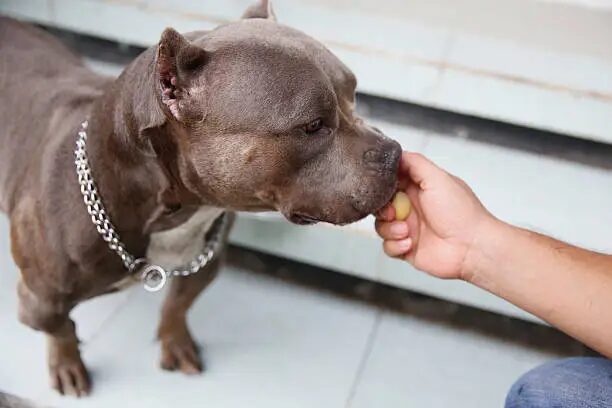
Best Fresh Dog Food
Fresh dog food is prepared with minimally processed ingredients and often resembles home-cooked meals.
Potential benefits include:
- High-quality protein
- Fresh vegetables
- Better ingredient transparency
- Excellent digestibility
- Appealing taste and aroma
Fresh diets can be a good choice for Bulldogs with sensitive stomachs or selective appetites, provided they are nutritionally complete.
Best Freeze-Dried Dog Food
Freeze-dried diets preserve nutrients while remaining shelf-stable.
Benefits include:
- Minimal processing
- Lightweight storage
- Rich flavor
- Convenient feeding
- Can be served dry or rehydrated
Best Air-Dried Dog Food
Air-dried foods combine the convenience of dry food with gentle processing that helps retain nutrients.
Advantages include:
- High protein content
- Dense nutrition
- Smaller serving sizes
- Excellent digestibility
Many owners use air-dried food as complete meals or nutritious toppers for kibble.
Best Limited Ingredient Diets
Limited ingredient diets are designed for dogs with food sensitivities or suspected allergies.
These formulas usually contain:
- One primary animal protein
- Fewer ingredients overall
- Easily digestible carbohydrates
- Minimal additives
They can simplify elimination diets and help identify potential food triggers.
Best Grain-Free Foods (Pros and Cons)
Grain-free diets have become popular, but they are not necessary for every American Bulldog.
Potential Benefits
- Suitable for dogs with confirmed grain sensitivities
- May use alternative carbohydrate sources such as sweet potatoes or peas
Potential Drawbacks
- Not inherently healthier than grain-inclusive diets
- May not be appropriate for every dog
- Should only be chosen based on your veterinarian’s advice, especially if your dog has specific health concerns.
Best Grain-Inclusive Foods
Grain-inclusive dog foods remain an excellent choice for many healthy American Bulldogs. Whole grains provide digestible carbohydrates, fiber, vitamins, and minerals that contribute to overall health.
Common nutritious grains include:
- Brown rice
- Oats
- Barley
- Sorghum
- Quinoa
Benefits of Grain-Inclusive Diets
- Steady energy throughout the day
- Healthy digestion
- Natural source of fiber
- Supports heart health
- Often more affordable than specialty diets
Unless your dog has a confirmed grain allergy, there is usually no reason to avoid quality grain-inclusive foods.
Best High-Protein Foods
American Bulldogs naturally develop and maintain significant muscle mass, making protein one of the most important nutrients in their diet.
High-quality protein supports:
- Muscle growth
- Tissue repair
- Healthy skin
- Strong immune function
- Recovery after exercise
Excellent protein sources include:
- Chicken
- Turkey
- Beef
- Lamb
- Salmon
- Duck
- Whitefish
Look for foods where animal protein is the first ingredient rather than plant-based protein concentrates.
Best Foods for Muscle Development
Growing puppies and active adults require enough protein and calories to maintain lean muscle.
Choose foods containing:
- High-quality meat protein
- Omega-3 fatty acids
- Healthy fats
- Glucosamine
- Chondroitin
- Balanced calcium and phosphorus
Combined with regular exercise, proper nutrition helps develop a strong, athletic body.
Best Foods for Sensitive Stomachs
Some American Bulldogs experience digestive sensitivities.
Signs include:
- Loose stools
- Gas
- Vomiting
- Poor appetite
Helpful ingredients include:
- Easily digestible proteins
- Pumpkin
- Rice
- Oats
- Probiotics
- Prebiotic fiber
Avoid frequent food changes, which may worsen digestive issues.
Best Foods for Skin Allergies
American Bulldogs are known for being prone to skin allergies.
Foods that support healthy skin often contain:
- Salmon
- Fish oil
- Omega-3 fatty acids
- Limited ingredients
- Vitamin E
- Zinc
Reducing unnecessary fillers and artificial additives may also help some dogs.
Best Foods for Joint Support
As a large and muscular breed, American Bulldogs place significant stress on their joints.
Joint-supporting ingredients include:
- Glucosamine
- Chondroitin
- MSM
- Omega-3 fatty acids
- Green-lipped mussel extract
Maintaining a healthy weight is equally important for protecting hips, elbows, and knees.
Best Budget-Friendly Dog Foods
Good nutrition doesn’t always require the most expensive food.
When shopping on a budget, look for foods that still offer:
- Named meat ingredients
- Balanced nutrition
- AAFCO nutritional adequacy
- No excessive fillers
Reading ingredient labels is often more important than focusing solely on price.
Premium Dog Food Options
Premium foods often provide:
- Higher-quality protein
- Better digestibility
- Superior ingredient sourcing
- Added joint support
- Skin-support nutrients
- Better overall ingredient transparency
Although they usually cost more, many owners appreciate the quality and nutritional consistency.
Homemade Food for American Bulldogs
Many owners enjoy preparing homemade meals for their dogs. When properly balanced, homemade diets can provide fresh, wholesome nutrition.
Is Homemade Food Safe?
Yes—if it is nutritionally complete.
Homemade meals should be developed with guidance from a veterinarian or board-certified veterinary nutritionist to ensure they meet all nutritional requirements.
Feeding unbalanced homemade meals over time may lead to nutrient deficiencies.

Benefits of Homemade Diets
Homemade food offers several advantages.
Benefits include:
- Ingredient control
- Fresh preparation
- No artificial preservatives
- Flexible recipes
- Good option for dogs with food sensitivities
Many owners also appreciate knowing exactly what goes into each meal.
Risks of Homemade Feeding
Potential drawbacks include:
- Nutritional imbalance
- Time-consuming preparation
- Higher grocery costs
- Need for careful meal planning
- Increased food safety responsibilities
Without proper formulation, deficiencies in calcium, vitamins, or trace minerals can develop.
Vet-Approved Homemade Meal Ideas
A balanced homemade meal may include:
| Food Group | Examples |
|---|---|
| Lean Protein | Chicken, turkey, beef, fish |
| Vegetables | Carrots, spinach, green beans |
| Healthy Carbohydrates | Brown rice, sweet potatoes, oats |
| Healthy Fats | Fish oil, flaxseed oil |
Remember that recipes should be tailored to your dog’s age, weight, and health.
Protein Sources
Healthy proteins include:
- Chicken breast
- Turkey
- Lean beef
- Lamb
- Salmon
- Whitefish
- Eggs
Cook meats thoroughly unless following a veterinarian-approved raw feeding plan.
Vegetables
Safe vegetables include:
- Pumpkin
- Green beans
- Carrots
- Broccoli
- Spinach
- Zucchini
- Peas
Vegetables provide valuable vitamins, minerals, and fiber.
Healthy Carbohydrates
Nutritious carbohydrate choices include:
- Brown rice
- Sweet potatoes
- Oats
- Quinoa
- Barley
These ingredients provide slow-release energy.
Healthy Fats
Healthy fats support:
- Brain health
- Skin
- Coat
- Immune function
Good sources include:
- Salmon oil
- Fish oil
- Flaxseed oil
Portion Control
Homemade food is still food—overfeeding can lead to obesity.
Measure meals carefully and monitor your dog’s body condition regularly.
Supplements for Homemade Diets
Depending on the recipe, your veterinarian may recommend:
- Calcium
- Fish oil
- Multivitamins
- Joint supplements
- Trace minerals
Never add supplements without professional guidance.
Raw Diet for American Bulldogs
Raw feeding remains a popular but debated option among dog owners.
What Is a Raw Diet?
A raw diet typically consists of:
- Raw meat
- Raw organs
- Raw edible bones
- Vegetables
- Fruits
- Nutritional supplements
Some owners follow commercial raw diets, while others prepare meals at home.
Benefits of Raw Feeding
Supporters report benefits such as:
- Improved coat quality
- Better dental health
- Increased energy
- Smaller stools
- High palatability
However, scientific evidence for some claimed benefits is still limited.
Risks of Raw Diets
Potential concerns include:
- Bacterial contamination
- Nutritional imbalance
- Choking hazards
- Bone injuries
- Food safety risks for humans
Discuss raw feeding with your veterinarian before making the switch.
BARF Diet Explained
BARF stands for:
Biologically Appropriate Raw Food or Bones and Raw Food.
This approach aims to mimic what ancestral dogs might have eaten.
Typical components include:
- Muscle meat
- Raw edible bones
- Organ meat
- Vegetables
- Fruits
- Supplements
Raw Meat Options
Common protein choices include:
- Chicken
- Turkey
- Beef
- Lamb
- Duck
- Rabbit
- Fish
Use fresh, properly handled ingredients to minimize contamination risks.

Raw Bones Safety
Only appropriately sized raw edible bones should be considered.
Cooked bones should never be fed because they can splinter and cause serious injuries.
Always supervise your dog when chewing bones.
Transitioning to Raw Food
A gradual transition helps reduce digestive upset.
Typical schedule:
| Days | New Food | Old Food |
|---|---|---|
| 1–2 | 25% | 75% |
| 3–4 | 50% | 50% |
| 5–6 | 75% | 25% |
| 7–10 | 100% | 0% |
Monitor stool quality, appetite, and energy during the transition.
Is Raw Feeding Right for Every Dog?
Not necessarily.
Raw diets may not be appropriate for:
- Puppies without balanced formulations
- Dogs with weakened immune systems
- Households with vulnerable family members
- Owners unable to maintain strict food safety
Consult your veterinarian before making major dietary changes.
American Bulldog Puppy Feeding Guide
Proper nutrition during puppyhood lays the foundation for lifelong health.
Nutritional Needs of Puppies
Growing puppies require:
- Higher protein
- Increased calories
- Balanced calcium
- Phosphorus
- DHA for brain development
- Essential vitamins and minerals
Choose food formulated specifically for large-breed puppies to support steady, controlled growth.
Best Puppy Foods
Look for puppy formulas containing:
- Real meat first
- DHA
- Omega fatty acids
- Balanced calcium
- Digestible carbohydrates
- High-quality protein
Feeding Schedule by Age
| Puppy Age | Meals Per Day |
|---|---|
| 8–12 weeks | 4 |
| 3–6 months | 3 |
| 6–12 months | 2–3 |
| Over 12 months | 2 |
Consistent meal times help establish healthy eating habits.
Portion Sizes
Portions depend on:
- Age
- Weight
- Growth rate
- Activity level
- Food calorie density
Follow feeding guidelines on the food packaging and adjust based on your puppy’s body condition.
Weaning Process
Most puppies begin transitioning from their mother’s milk around 3–4 weeks of age.
By approximately 8 weeks, they are usually ready for complete puppy food.
Foods to Avoid
Avoid feeding puppies:
- Chocolate
- Grapes
- Raisins
- Onions
- Garlic
- Xylitol
- Alcohol
- Cooked bones
Their developing digestive systems are especially sensitive.
Healthy Growth Tips
To encourage healthy development:
- Feed consistent meals.
- Avoid excessive treats.
- Prevent rapid weight gain.
- Exercise appropriately.
- Schedule regular veterinary checkups.
Adult American Bulldog Feeding Guide
Once fully grown, nutritional goals shift toward maintaining muscle, energy, and ideal body weight.
Daily Feeding Schedule
Most healthy adults thrive on two meals per day.
Morning and evening meals help maintain stable energy and support digestion.
Portion Recommendations
Daily food intake depends on:
- Weight
- Activity level
- Age
- Calorie density of the food
Always measure portions rather than estimating.
Maintaining Lean Muscle
Support muscle maintenance with:
- High-quality protein
- Regular exercise
- Controlled calorie intake
- Appropriate body weight
Weight Management
Monitor your Bulldog’s body condition regularly.
You should be able to:
- Feel the ribs easily without excessive fat covering.
- See a slight waist when viewed from above.
- Observe an abdominal tuck from the side.
Feeding Active Dogs
Highly active Bulldogs may require:
- Additional calories
- Higher protein
- Increased healthy fats
Divide larger daily portions into multiple meals if needed.
Feeding Less Active Dogs
Older or less active dogs usually need:
- Fewer calories
- Moderate protein
- Controlled fat intake
Reducing calories while maintaining balanced nutrition helps prevent obesity.
Senior American Bulldog Nutrition
As Bulldogs age, their nutritional priorities change.
Nutritional Changes With Age
Senior dogs often benefit from:
- Slightly fewer calories
- Easily digestible protein
- Joint-support ingredients
- Added antioxidants
- Increased fiber
Best Senior Foods
Look for senior formulas that include:
- Glucosamine
- Chondroitin
- Omega-3 fatty acids
- Moderate calorie levels
- High-quality protein
Joint Health Support
Healthy joints become increasingly important as dogs age.
Helpful nutrients include:
- Fish oil
- Glucosamine
- Chondroitin
- MSM
Maintaining a healthy weight also reduces stress on aging joints.
Maintaining Healthy Weight
Older Bulldogs often become less active.
Prevent unnecessary weight gain by:
- Measuring meals
- Limiting treats
- Encouraging gentle daily exercise
Digestive Health
Senior dogs may digest food less efficiently.
Diets containing:
- Probiotics
- Fiber
- Easily digestible proteins
can help support digestive comfort.
Appetite Changes
Some seniors eat less due to reduced smell, dental disease, or illness.
Persistent appetite loss should always be evaluated by a veterinarian.
Feeding Schedule for American Bulldogs
A consistent feeding routine helps support healthy digestion, stable energy levels, and ideal body weight. While exact meal times may vary, feeding your American Bulldog at the same times each day is beneficial.
Puppies
Young puppies have small stomachs and high energy needs.
Recommended schedule:
- 8–12 weeks: 4 meals per day
- 3–6 months: 3 meals per day
- 6–12 months: 2–3 meals per day
Frequent meals provide a steady supply of nutrients for healthy growth.
Adolescents
As your Bulldog enters adolescence (around 6–18 months), you can gradually transition to two meals per day while monitoring body condition and activity level.
Adults
Most healthy adult American Bulldogs thrive on:
- Breakfast
- Dinner
Dividing daily food into two meals may also reduce the risk of digestive discomfort compared with feeding one large meal.
Seniors
Senior Bulldogs generally continue to do well with two smaller meals daily. If your veterinarian recommends a specialized diet or more frequent meals due to health conditions, follow their guidance.
Meal Timing
Try to feed meals at the same time every day.
A simple routine might be:
| Time | Meal |
|---|---|
| 7:00–8:00 AM | Breakfast |
| 6:00–7:00 PM | Dinner |
Consistency supports healthy digestion and helps establish predictable bathroom habits.
Before and After Exercise
Avoid intense exercise immediately before or after large meals.
A good rule is to:
- Feed at least 1 hour before vigorous activity.
- Wait 1–2 hours after strenuous exercise before offering a full meal.
This can help reduce the risk of digestive upset and may lower the risk of gastric dilatation-volvulus (bloat), a serious condition that can affect large, deep-chested dogs.
Portion Size Guide
The correct portion depends on more than just your dog’s size. Consider age, body condition, activity level, and the calorie density of the food.
By Age
| Life Stage | Feeding Amount |
|---|---|
| Puppy | Follow puppy food guidelines based on age and weight |
| Adult | Based on ideal body weight and activity level |
| Senior | Often slightly fewer calories while maintaining adequate protein |
By Weight
General examples (actual amounts vary by food):
| Weight | Approximate Daily Food |
|---|---|
| 60 lbs | 3–4 cups |
| 80 lbs | 4–5 cups |
| 100 lbs | 5–6 cups |
Always use the feeding guide on your chosen dog food as a starting point.
By Activity Level
Highly Active Dogs
Need:
- More calories
- Additional protein
- Slightly higher fat intake
Moderately Active Dogs
Require balanced maintenance portions.
Less Active Dogs
Benefit from:
- Reduced calories
- Careful portion control
- Regular weight monitoring
Using Feeding Charts
Dog food manufacturers provide feeding charts based on weight and calorie content.
Remember that these are starting recommendations, not strict rules. Adjust portions if your dog is gaining or losing weight unexpectedly.
Avoiding Overfeeding
Overfeeding is one of the leading causes of obesity in American Bulldogs.
Helpful strategies include:
- Measuring every meal
- Limiting treats
- Avoiding free feeding
- Monitoring body condition monthly
Human Foods American Bulldogs Can Eat
Many healthy human foods can be offered in moderation as treats or meal additions.
| Food | Benefits |
|---|---|
| Lean chicken | High-quality protein |
| Turkey | Lean protein |
| Beef | Iron and protein |
| Salmon | Omega-3 fatty acids |
| Eggs | Protein and vitamins |
| Pumpkin | Digestive support |
| Sweet potatoes | Fiber and vitamins |
| Brown rice | Easily digestible carbohydrates |
| Oatmeal | Fiber |
| Green beans | Low-calorie snack |
| Carrots | Crunchy, vitamin-rich treat |
| Apples (no seeds) | Fiber and vitamin C |
| Blueberries | Antioxidants |
| Watermelon (seedless) | Hydration |
| Unsweetened peanut butter | Healthy treat in moderation |
Introduce new foods gradually and keep treats to a small portion of your dog’s daily calorie intake.
Foods American Bulldogs Should Never Eat
Certain foods are toxic or dangerous for dogs and should always be avoided.
| Food | Risk |
|---|---|
| Chocolate | Toxic to the nervous system and heart |
| Grapes | Can cause kidney failure |
| Raisins | Kidney toxicity |
| Onions | Damage to red blood cells |
| Garlic | Can cause anemia in large amounts |
| Macadamia nuts | Weakness and neurological signs |
| Alcohol | Severe poisoning |
| Caffeine | Heart and nervous system effects |
| Xylitol | Dangerous drop in blood sugar and liver damage |
| Cooked bones | Splintering and internal injury |
| Excess salt | Dehydration and electrolyte imbalance |
| Fatty table scraps | Digestive upset and pancreatitis |
If you suspect your dog has eaten a toxic food, contact your veterinarian immediately.
Common Food Allergies in American Bulldogs
American Bulldogs are among the breeds that may develop food sensitivities or allergies.
Signs of Food Allergies
Common symptoms include:
- Itchy skin
- Ear infections
- Excessive licking
- Hair loss
- Red skin
- Digestive upset
- Chronic diarrhea
Common Allergy Triggers
Possible dietary triggers include:
- Beef
- Chicken
- Dairy
- Wheat
- Soy
- Eggs (in some dogs)
Keep in mind that environmental allergies are also common and can cause similar symptoms.
Elimination Diet
A veterinarian may recommend an elimination diet to identify food allergies.
This involves:
- Feeding a limited-ingredient or prescription diet.
- Avoiding all treats and flavored medications.
- Monitoring symptoms for several weeks.
- Reintroducing ingredients one at a time under veterinary guidance.
Best Hypoallergenic Foods
Dogs with confirmed food allergies often do well on:
- Hydrolyzed protein diets
- Novel-protein diets (such as duck or venison)
- Limited-ingredient formulas
Always follow your veterinarian’s recommendations when selecting these diets.
When to Visit a Veterinarian
Schedule a veterinary visit if your Bulldog has:
- Persistent itching
- Recurrent ear infections
- Chronic vomiting
- Ongoing diarrhea
- Unexplained weight loss
- Poor appetite
Early diagnosis can improve comfort and quality of life.
Supplements for American Bulldogs
Not every dog requires supplements, especially if eating a complete and balanced commercial diet. However, some supplements may be appropriate based on age, activity, or medical conditions.
Are Supplements Necessary?
Healthy dogs eating nutritionally complete food often do not need additional supplements unless recommended by a veterinarian.
Fish Oil
Fish oil provides omega-3 fatty acids that may support:
- Skin health
- Coat quality
- Joint comfort
- Heart health
Glucosamine
Glucosamine may help maintain healthy cartilage and support joint function, particularly in large breeds.
Chondroitin
Often paired with glucosamine, chondroitin supports cartilage health and joint mobility.
Probiotics
Probiotics can help maintain a healthy balance of beneficial intestinal bacteria and may support digestion.
Multivitamins
Routine multivitamin use is generally unnecessary for dogs eating balanced diets unless advised by a veterinarian.
Joint Supplements
Older or highly active Bulldogs may benefit from supplements that combine:
- Glucosamine
- Chondroitin
- MSM
- Omega-3 fatty acids
Skin and Coat Supplements
Products containing fish oil, omega fatty acids, or vitamin E may help support healthy skin and a glossy coat.
Weight Management
Maintaining a healthy weight is one of the best ways to improve your American Bulldog’s quality of life.
Ideal Body Condition
A healthy Bulldog should have:
- A visible waist when viewed from above
- An abdominal tuck from the side
- Easily felt ribs without excess fat covering
Preventing Obesity
To help prevent weight gain:
- Measure every meal.
- Limit treats.
- Exercise daily.
- Avoid frequent table scraps.
Healthy Weight Loss
If your Bulldog is overweight:
- Reduce calories gradually.
- Increase daily activity as appropriate.
- Use low-calorie treats.
- Work with your veterinarian on a weight-loss plan.
Healthy Weight Gain
Dogs recovering from illness or those that are underweight may need:
- Increased calorie intake
- Higher-quality protein
- Smaller, more frequent meals
Consult your veterinarian before making major dietary changes.
Monitoring Body Condition Score
Regularly evaluate your dog’s body condition rather than relying on weight alone. A body condition score helps determine whether your dog is underweight, ideal, or overweight.
Transitioning to a New Dog Food
Changing food too quickly can lead to digestive upset.
Why Gradual Changes Matter
A slow transition allows your dog’s digestive system to adjust to the new ingredients.
7–10 Day Transition Plan
| Day | New Food | Old Food |
|---|---|---|
| 1–2 | 25% | 75% |
| 3–4 | 50% | 50% |
| 5–6 | 75% | 25% |
| 7–10 | 100% | 0% |
Signs of Digestive Upset
Watch for:
- Vomiting
- Diarrhea
- Gas
- Loss of appetite
- Lethargy
If symptoms are severe or persist, contact your veterinarian.
When to Change Foods
You may need to change foods due to:
- Life stage changes
- Medical conditions
- Food allergies
- Weight management needs
- Veterinary recommendations
Feeding Tips for American Bulldogs
Simple habits can make a big difference.
- Avoid free feeding.
- Use measuring cups for accuracy.
- Consider slow-feeder bowls for dogs that eat too quickly.
- Always provide fresh, clean water.
- Feed meals consistently each day.
- Keep treats to a moderate amount.
- Allow time between meals and vigorous exercise.
Cost of Feeding an American Bulldog
The monthly cost depends on the type of diet you choose.
| Diet Type | Estimated Monthly Cost (USD) |
|---|---|
| Budget kibble | $40–$70 |
| Premium kibble | $70–$120 |
| Fresh food | $150–$300+ |
| Homemade diet | $100–$250 |
| Raw diet | $120–$300+ |
Prices vary by location, food brand, and your dog’s size and activity level.
Common Feeding Mistakes
Avoid these common errors:
- Overfeeding
- Too many treats
- Feeding table scraps regularly
- Switching foods too often
- Choosing poor-quality ingredients
- Ignoring feeding guidelines
- Not monitoring body condition
Consistency and portion control are key to long-term health.
Pros and Cons of Different Diet Types
| Diet Type | Pros | Cons |
|---|---|---|
| Dry Food | Affordable, convenient, long shelf life | Lower moisture content |
| Wet Food | High moisture, very palatable | More expensive |
| Fresh Food | Minimally processed, appealing | Higher cost, refrigeration required |
| Homemade Food | Full ingredient control | Time-consuming, must be nutritionally balanced |
| Raw Diet | Appeals to some owners, highly palatable | Food safety concerns and requires careful balancing |
| Mixed Feeding | Variety and flexibility | Requires careful calorie management |
Frequently Asked Questions (FAQs)
What is the best food for an American Bulldog?
A complete and balanced diet with high-quality animal protein, healthy fats, and appropriate vitamins and minerals is generally the best choice.
How much should an American Bulldog eat each day?
The amount varies based on age, size, activity level, and calorie density of the food. Follow your food’s feeding guide and adjust based on your dog’s body condition.
Can American Bulldogs eat raw meat?
Some owners feed raw diets, but they should be carefully balanced and discussed with a veterinarian because of nutritional and food safety considerations.
Is grain-free food good for American Bulldogs?
Only if medically appropriate. Most healthy Bulldogs can thrive on quality grain-inclusive diets unless advised otherwise by a veterinarian.
What human food is safe for American Bulldogs?
Cooked lean meats, pumpkin, carrots, green beans, apples (without seeds), blueberries, and plain cooked sweet potatoes are examples of foods that can be offered in moderation.
How often should I feed my American Bulldog?
Most adult dogs do well with two meals per day, while puppies require more frequent meals.
What foods cause allergies in American Bulldogs?
Common triggers may include beef, chicken, dairy, wheat, and soy, although environmental allergies are also common.
Can American Bulldogs eat chicken every day?
Yes, if they tolerate chicken well and it is part of a balanced diet.
What is the best puppy food for American Bulldogs?
Choose a high-quality food formulated for large-breed puppies to support controlled growth and healthy development.
Do American Bulldogs need supplements?
Not usually if they eat a complete commercial diet, unless a veterinarian recommends supplements for a specific reason.
How can I help my American Bulldog gain weight safely?
Increase calories gradually with nutrient-dense food while working with your veterinarian to rule out underlying health issues.
How do I know if my dog is overweight?
An overweight dog may have no visible waist, difficulty feeling the ribs, and reduced mobility. Your veterinarian can also assess body condition.
What foods should American Bulldogs never eat?
Avoid chocolate, grapes, raisins, onions, garlic, xylitol, alcohol, cooked bones, and other toxic foods.
Can American Bulldogs eat eggs?
Yes. Plain, cooked eggs can be a nutritious source of protein when fed in moderation.
How much does it cost to feed an American Bulldog?
Depending on the diet, expect to spend anywhere from $40 to over $300 per month.
Conclusion
Providing the right food for your American Bulldog is one of the most effective ways to support a long, active, and healthy life. These strong, athletic dogs thrive on balanced nutrition that includes high-quality protein, healthy fats, digestible carbohydrates, essential vitamins, and fresh water.
Whether you’re feeding a growing puppy, an energetic adult, or a senior Bulldog, tailor your feeding plan to your dog’s age, activity level, and overall health. Monitor body condition regularly, avoid overfeeding, introduce dietary changes gradually, and choose complete, nutritionally balanced foods.