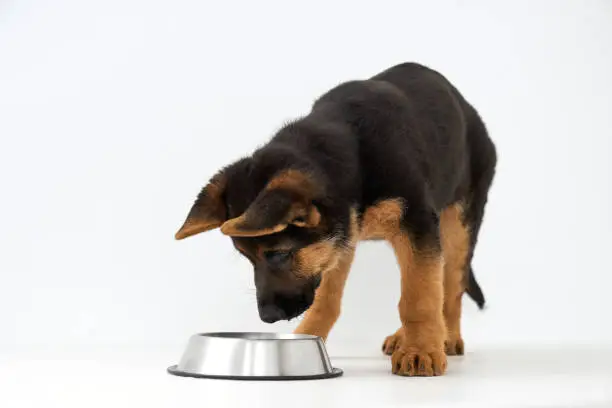
Welcoming a German Shepherd puppy into your life is an exciting and joyful experience. These intelligent, loyal dogs grow quickly — and that means they have unique nutritional needs right from the start. Giving your puppy the right diet early on sets the foundation for a long, healthy life full of energy, strong bones, and a playful spirit.
German Shepherd puppies are not just small dogs — they are large‑breed puppies with rapid growth rates, demanding nutrient requirements, and sensitive digestive systems. Choosing the best food matters more than choosing just any puppy food.
In this comprehensive guide, we’ll cover:
- Why German Shepherd puppies need specialized nutrition
- The essential nutrients every healthy puppy diet should include
- How to choose the right food
- Top puppy food recommendations for 2026
- Transition tips, common mistakes, and FAQs
By the end, you’ll feel confident in selecting the best dog food for your German Shepherd puppy, helping them grow strong, happy, and healthy.
2. Why German Shepherd Puppies Need Specialized Nutrition
German Shepherd puppies grow at a fast pace. Their bodies are busy building bones, muscles, organs, and an immune system — all while they’re exploring the world with curious eyes and boundless energy.
But rapid growth also brings nutritional challenges. Feed them the wrong type of food, and they can develop digestive problems, joint issues, or imbalanced growth that may last a lifetime.
Here’s why tailored nutrition is so important:
Fast Growth and Development Demands
German Shepherd puppies can gain significant weight in a matter of weeks. During this period:
- Their skeletal system needs proper support
- Muscles require high‑quality protein
- Energy demands are high
If you underfeed or overfeed key nutrients like protein and minerals, your pup may either fail to reach proper growth milestones or grow too quickly — both bad outcomes.
Bone & Joint Development is Critical
As a large‑breed dog, German Shepherds are especially prone to bone and joint conditions like hip and elbow dysplasia. These can be influenced by diet.
The right balance of:
- Calcium
- Phosphorus
- Avoiding excessive calories
helps your puppy develop strong bones at the correct pace.
Feeding too much calcium can actually be harmful and contribute to joint issues — which is why large‑breed specific puppy foods are so important.
Risks of Improper Diets
Choosing the wrong puppy food can lead to:
- Digestive issues (diarrhea, gas, vomiting)
- Unbalanced growth
- Poor immunity
- Allergies or sensitivities
Your pup’s first year lays the foundation for life. Food should help prevent problems, not contribute to them.
Nutrition Impacts Energy, Immunity & Longevity
A balanced diet does more than sustain energy — it:
- Supports immune health
- Improves coat quality
- Strengthens bones and joints
- Enhances brain and vision development
- Promotes healthy digestion
Feeding your German Shepherd puppy a properly formulated food now can help them enjoy a long, vibrant life.
3. Essential Nutritional Requirements for German Shepherd Puppies
Now that we understand why specialized nutrition matters, let’s break down the critical nutrients your German Shepherd puppy needs — and why.
3.1. High‑Quality Protein for Muscle & Growth
Protein is a top priority for every growing puppy — especially a large‑breed like the German Shepherd.
Why protein matters:
- Builds and repairs muscle tissue
- Supports immune function
- Promotes healthy organs and metabolism
Most quality puppy diets provide at least 25–30 % protein from named meat sources — like chicken, lamb, turkey, or salmon.
Recommended Protein Sources
Avoid foods with vague listings like “meat meal” or “animal by‑products” — the source quality is unclear and often less digestible.
For even deeper insight into quality ingredients and what vets recommend, check out this in‑depth German Shepherd puppy nutrition guide.
3.2. Controlled Calcium & Phosphorus for Strong Bones
Large‑breed puppies need balanced minerals. Too little calcium leads to weak bones; too much can disrupt normal development and cause lifelong joint problems.
Here’s a simple safe range guideline:
| Nutrient | Ideal % for GSD Puppies |
|---|---|
| Calcium | ~0.8 % – 1.2 % |
| Phosphorus | ~0.6 % – 1.0 % |
| Ratio (Ca:P) | ~1.2 : 1 – 1.4 : 1 |
These are approximate targets — always check the product label or consult your vet to ensure the balance fits large‑breed puppy needs.
3.3. Healthy Fats & DHA for Brain and Vision Development
Fats are more than energy — they’re building blocks for:
- Brain development
- Healthy skin and coat
- Cell structure
One type of fat — DHA (docosahexaenoic acid) — is especially crucial in puppies because it aids brain and vision development.
Look for sources like:
- Fish oil
- Salmon
- Chicken fat
These provide omega‑3 fatty acids that support cognitive growth and overall health.
3.4. Carbohydrates & Fiber
Though protein and fats get most attention, carbohydrates also matter — especially for energy.
Good, digestible sources include:
- Rice
- Sweet potatoes
- Oats
- Barley
These complex carbs provide steady energy and help keep digestion regular.
Fiber also plays a role in:
- Supporting healthy stools
- Maintaining gut balance
- Reducing gas and loose stools
A diet too high in fillers like corn or wheat may lead to digestive sensitivity, especially in pups with sensitive tummies.
3.5. Probiotics & Digestive Support
German Shepherd puppies are known for having sensitive stomachs — which means digestibility and gut support are key.
What helps digestion:
- Probiotics — good bacteria that balance the gut flora
- Prebiotics — fiber that feeds beneficial microbes
- Easily digestible ingredients
Quality puppy foods include these naturally or as added supplements.
These help reduce common issues like:
- Loose stools
- Gas
- Upset stomach during growth phases
4. How to Choose the Best Puppy Food
Choosing the right puppy food can be overwhelming — especially with so many options on the market. But when you break it down into practical steps, it becomes far easier to identify what will actually benefit your German Shepherd pup.
Below are the most important factors to consider:
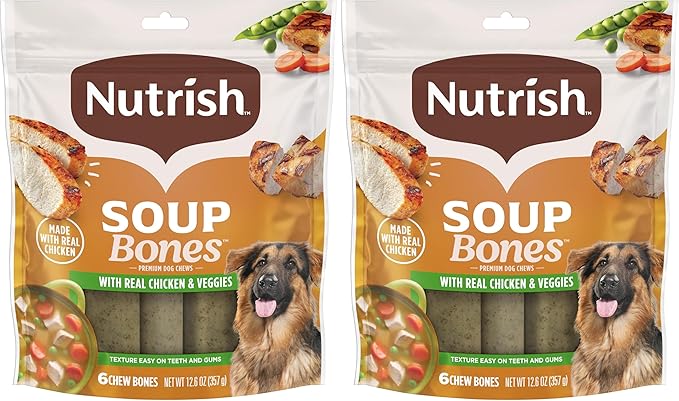
Dog Chews with Real Chicken and Veggies
Nutrish Soup Bones Premium Dog Chews with Real Chicken and Veggies,6 Chews (Rachael Ray),(Pack of 2)
4.1. Large‑Breed Puppy Formula vs Regular Puppy Food
German Shepherds are large‑breed dogs, and their puppies grow faster and larger than average pups. That makes their nutritional needs different from those of small breeds.
Here’s why large‑breed specific formulas matter:
✔️ Balanced calcium & phosphorus — prevents abnormal bone growth
✔️ Controlled calories — reduces rapid weight gain and joint stress
✔️ Joint support nutrients — glucosamine & chondroitin included
✔️ Appropriate energy levels — for steady, healthy growth
In contrast, standard puppy foods may have too much calcium, calories, or nutrient ratios not suited to large pups — which can accidentally lead to skeletal issues later in life.
4.2. Wet, Dry, and Fresh Puppy Food — Pros & Cons
Each food type has unique benefits — and understanding them helps you make the best choice for your pup’s digestion, lifestyle, and preferences.
| Food Type | Pros | Cons |
|---|---|---|
| Dry Kibble | Convenient, long shelf life, good for teeth | Less moisture, may need hydration |
| Wet/Canned | Highly palatable, extra hydration | More expensive, shorter freshness |
| Fresh/Refrigerated | Nutritious, minimally processed | Costly, needs storage space |
| Freeze‑Dried/Dehydrated | Nutrient‑dense, easy to serve | Must be rehydrated, pricier |
Many owners opt for a mix of formats — kibble for everyday meals and wet or fresh food for training, treats, or picky eaters.
4.3. Grain‑Free vs Grain‑Inclusive Puppy Diets
Not all puppies need grain‑free food — but some benefit from it depending on sensitivity.
Grain‑Inclusive Diets:
✔️ Whole grains provide fiber and energy
✔️ Less expensive for quality ingredients
✔️ Many large‑breed formulas include digestible grains like rice and oats
Grain‑Free Diets:
✔️ Useful for confirmed grain allergies or intolerances
✔️ Avoid fillers like corn, wheat, or soy
Note: The FDA has investigated links between certain grain‑free diets and heart issues (DCM) in dogs. That doesn’t mean grain‑free food is inherently bad, but don’t choose it just because it sounds trendy. Only use it if your vet recommends it.
4.4. Reading Dog Food Labels and Ingredients
Here’s how to evaluate ingredients like a pro:
Start with the first ingredient:
This should be a named animal protein — e.g., chicken, lamb, salmon, turkey.
Avoid vague terms like:
- “Meat meal”
- “Animal by‑products”
- “Meat flavor”
These don’t tell you the source or quality of the protein.
Tips for Reading Labels:
- Look for DHA (important for brain & vision development)
- Healthy fats should be near the top (like chicken fat or fish oil)
- Avoid fillers and artificial additives
- Spot joint supplements like glucosamine and chondroitin in large‑breed formulas
If you want help decoding dog food labels, check out this thorough guide to reading puppy food ingredients.
4.5. Feeding Schedule & How Much to Feed
German Shepherd puppies grow quickly — and that means frequent meals and careful portioning.
Typical Meal Frequency:
- 8–12 weeks: 3–4 meals/day
- 3–6 months: 3 meals/day
- 6–12 months: 2–3 meals/day
Puppies have smaller stomachs and higher energy needs, so dividing meals helps with digestion and steady growth.
Example Feeding Chart (Dry Food):
| Age | Portion (per day) |
|---|---|
| 8–12 weeks | 3–4 cups (divided) |
| 3–6 months | 4–6 cups |
| 6–12 months | 5–7 cups |
These are starting points. Always adjust based on:
- Puppy activity level
- Body condition
- Appetite
- Vet recommendations
5. Top Recommended Puppy Dog Food Options for German Shepherds (2026)
Below are some of the best German Shepherd puppy foods vets and owners consistently recommend. They excel in nutrition, digestibility, and growth support.
Always consult your veterinarian before choosing a new diet. Every puppy is unique.
5.1. Best Overall Puppy Food
Orijen Puppy Large
Why it’s great:
- High animal protein from real meats
- No unnecessary fillers
- Includes DHA and EPA for brain development
This formula supports muscle growth, bone support, and healthy weight — ideal for active German Shepherd pups.
📌 More on balanced large‑breed puppy diets: Orijen’s principles align with what many vets recommend.
5.2. Best Fresh Puppy Food
Vet‑Formulated Fresh Diets
Fresh diets are minimally processed and often made with human‑grade ingredients, making them gentle on digestion and rich in nutrients.
Benefits:
- Pre‑cooked or gently prepared meals
- No artificial preservatives
- Easier on sensitive stomachs
These foods make it simple for picky pups to get balanced nutrition with real ingredients.
5.3. Best for Sensitive Stomachs
Limited‑Ingredient & Probiotic Formulas
Puppies with sensitive digestion may benefit from foods that:
- Include probiotics
- Avoid common allergens
- Use single protein sources
Look for products with gentle carbohydrate sources like rice or sweet potatoes, and added probiotics to support gut health.
5.4. Best Budget‑Friendly Large Breed Puppy Foods
Quality doesn’t always mean expensive. Some well‑balanced formulas provide excellent nutrition without breaking the bank.
Look for foods that:
- Meet AAFCO nutritional standards
- Use named meat proteins
- Balance calories for large‑breed growth
These options make sure your puppy gets great nutrition even on a budget.
5.5. Specialized Picks (Grain‑Free, High‑Fat, etc.)
Some puppies have special needs — like grain sensitivities or higher energy demands.
Grain‑Free Large Breed Puppy Foods
Useful if your pup has confirmed intolerances.
High‑Energy Formulas
Great for active, working, or rapidly growing puppies.
Just remember: specialized diets should be chosen based on need — not trend.
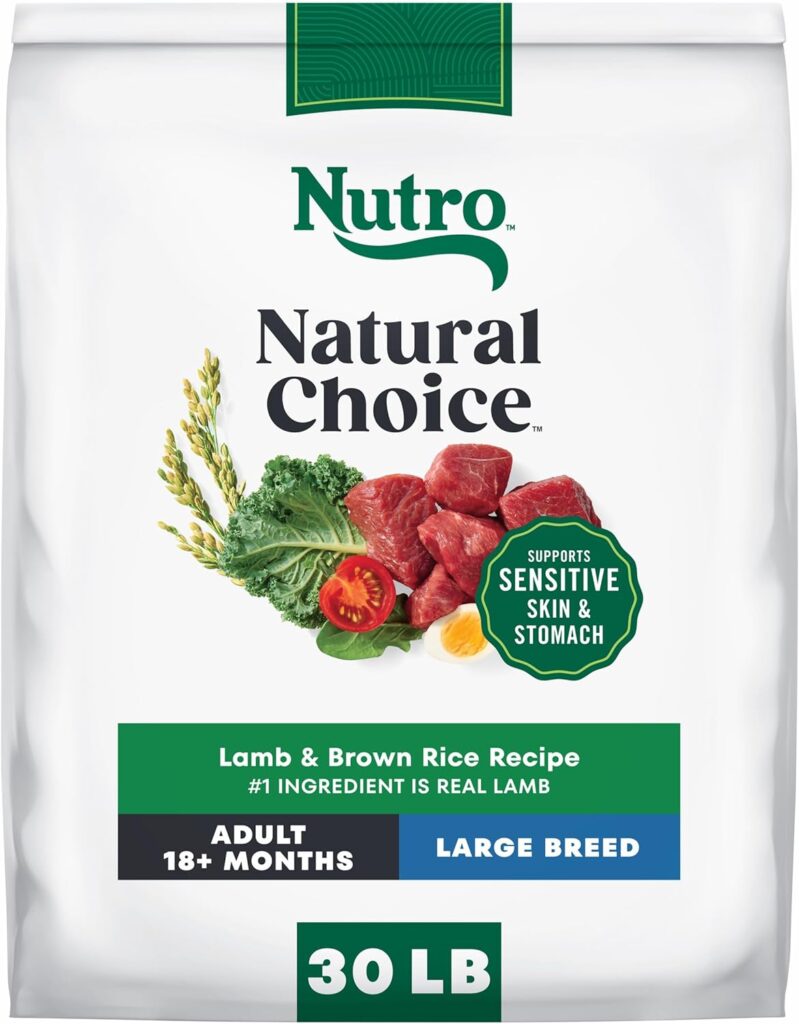
Dry Dog Food
Nutro Natural Choice Large Breed Dry Dog Food, Adult Dog Food Lamb & Brown Rice Recipe, 30 lbs
6. How to Transition Your Puppy to New Food
Transitioning foods too quickly is one of the biggest causes of upset stomachs in puppies. Use this gradual approach to ease digestion:
7–10 Day Transition Plan
| Days | New Food | Old Food |
|---|---|---|
| 1–2 | 25% | 75% |
| 3–4 | 50% | 50% |
| 5–6 | 75% | 25% |
| 7–10 | 100% | 0% |
Tips:
- Mix foods thoroughly so the puppy doesn’t pick out preferred pieces
- Stop and slow down if you notice diarrhea or vomiting
- Consult your vet if symptoms persist
Transitioning steadily reduces stress on your pup’s delicate digestive system and helps avoid common issues like gas or soft stools.
7. Common Feeding Mistakes to Avoid
Even with the best puppy food, mistakes in feeding can harm your German Shepherd’s growth and health. Watch out for these:
- Overfeeding or Rapid Growth
- Too many calories can lead to joint stress, obesity, and skeletal issues.
- Stick to recommended portion guidelines and adjust gradually.
- Feeding Adult Food Too Early
- Adult formulas have higher calorie content and lower calcium control, which can harm growing bones.
- Not Adjusting Portions as Puppy Grows
- Puppies grow rapidly — meal amounts should increase with weight and activity.
- Monitor your puppy’s body condition and adjust accordingly.
- Ignoring Digestive Symptoms
- Loose stools, diarrhea, or vomiting can indicate a sensitivity to certain ingredients.
- Don’t ignore these signs — switch formulas slowly or consult your vet.
- Frequent Food Switching
- Constantly rotating foods can upset digestion.
- Stick to a consistent, high-quality formula until growth stages change.
8. Frequently Asked Questions (FAQs)
1. When should I switch my German Shepherd puppy to adult food?
Typically around 12–15 months, but large-breed dogs like German Shepherds may benefit from staying on large-breed puppy formulas up to 15–18 months to protect joint development. Always consult your vet for your pup’s specific needs.
2. Can German Shepherd puppies have grain‑free diets?
Only if your vet recommends it due to allergies or sensitivities. Most puppies thrive on formulas with whole grains like rice or oats. Grain-free diets are not automatically healthier.
3. How often should I feed my puppy?
- 8–12 weeks: 3–4 meals/day
- 3–6 months: 3 meals/day
- 6–12 months: 2–3 meals/day
Dividing meals helps digestion, steady energy levels, and prevents bloating.
4. What if my puppy has diarrhea after food changes?
- Stop or slow down the transition
- Mix the old food back in at a higher ratio
- Monitor for more than 2–3 days, then consult your vet
Digestive upset is common with rapid transitions or sensitive stomachs.
5. Is raw feeding safe for German Shepherd puppies?
Raw diets can be nutritious but carry pathogen risks. Only feed raw if you use commercially prepared raw diets and maintain strict hygiene. Consult your veterinarian before attempting raw feeding.
9. Conclusion
Feeding your German Shepherd puppy the right diet is critical for lifelong health. Let’s recap the essentials:
- Large-breed puppy formulas are important for balanced calcium and energy
- High-quality protein, controlled minerals, healthy fats, and probiotics support muscle, joint, brain, and digestive development
- Consistent feeding schedules and careful monitoring prevent obesity and digestive issues
- Always adjust feeding amounts as your puppy grows and consult your veterinarian for guidance
By prioritizing nutrition now, you’re giving your puppy the strongest foundation for a happy, healthy, and active life.
10. Call to Action
We’d love to hear from fellow German Shepherd puppy parents:
- Share your experiences with feeding, digestion, and growth in the comments below
- Ask questions about formulas, special needs, or puppy care
- Share this guide with other owners to help more puppies thrive
- Subscribe to get updates on German Shepherd care, puppy nutrition, and vet advice