The Australian Cattle Dog (ACD) is one of the world’s most intelligent, energetic, and hardworking dog breeds. Originally developed to herd cattle across Australia’s rugged landscapes, this remarkable breed is admired for its unwavering loyalty, athleticism, and problem-solving abilities.
Whether you know them as the Australian Cattle Dog, Blue Heeler, or Red Heeler, these dogs have earned a reputation as exceptional working companions and devoted family pets for active households.
However, they are not the ideal dog for everyone. Their boundless energy, sharp intelligence, and natural herding instincts require consistent training, plenty of exercise, and daily mental stimulation. Owners willing to invest time and effort are rewarded with an affectionate, protective, and highly capable companion.
In this comprehensive guide, you’ll learn everything you need to know about the Australian Cattle Dog, including its history, appearance, temperament, size, care requirements, and whether it’s the right breed for your lifestyle.
Quick Facts About the Australian Cattle Dog
| Feature | Details |
|---|---|
| Origin | Australia |
| Breed Group | Herding Group |
| Height | 17–20 inches |
| Weight | 35–50 pounds |
| Lifespan | 12–16 years |
| Temperament | Intelligent, Loyal, Energetic, Protective |
| Coat Type | Short Double Coat |
| Coat Colors | Blue, Blue Mottled, Blue Speckled, Red Speckled |
| Energy Level | Very High |
| Exercise Needs | 1–2+ hours daily |
| Grooming Needs | Low to Moderate |
| Good with Children | Yes, with proper training and supervision |
| Good with Other Pets | Usually, if socialized early |
| Shedding | Moderate |
| Trainability | Excellent |
| AKC Recognition | Yes |
History and Origin of the Australian Cattle Dog
The Australian Cattle Dog has a fascinating history rooted in the demanding conditions of Australia’s cattle industry. Every trait of the breed—from its endurance to its intelligence—was carefully developed to meet the needs of ranchers working across vast, rugged landscapes.
Development in Australia
During the 1800s, Australian cattle farmers needed a dog capable of driving livestock over long distances in extreme heat and rough terrain. Existing herding breeds struggled with these conditions, prompting breeders to develop a stronger, tougher working dog.
The result was the Australian Cattle Dog—a breed designed for stamina, intelligence, and resilience.
Influence of Dingoes and Collies
One of the most unique aspects of the breed’s history is the influence of the Australian Dingo. Early breeders crossed imported blue merle Collies with Dingoes to create a dog that combined intelligence with exceptional endurance and adaptability.
Additional breeds, including the Dalmatian and Black and Tan Kelpie, also contributed to refining the Australian Cattle Dog’s temperament and working abilities.
Why the Breed Was Created
The primary goal was to produce a dog capable of:
- Herding cattle over long distances
- Working independently
- Handling difficult terrain
- Remaining alert throughout long workdays
- Nipping at cattle without causing serious injury
These characteristics remain evident in today’s Australian Cattle Dogs, even those living as companion animals.
Recognition by Kennel Clubs
As the breed gained popularity, kennel clubs around the world officially recognized it.
Today, the Australian Cattle Dog is recognized by organizations including:
- American Kennel Club (AKC)
- Fédération Cynologique Internationale (FCI)
- The Kennel Club (UK)
- Australian National Kennel Council (ANKC)
Recognition helped standardize the breed while preserving its exceptional working qualities.
Evolution into a Family Companion
Although originally bred for herding, Australian Cattle Dogs have become valued companions for active families, hikers, runners, and dog sport enthusiasts.
Their intelligence and eagerness to work make them excellent participants in:
- Agility
- Obedience
- Flyball
- Search and rescue
- Trick training
- Canine sports
Their strong work ethic remains one of their defining characteristics.
Australian Cattle Dog Appearance
The Australian Cattle Dog is a compact, muscular, and athletic breed built for endurance rather than speed alone. Every aspect of its body reflects generations of selective breeding for demanding outdoor work.
Overall Build
The breed has a balanced, sturdy appearance with:
- Strong muscles
- Deep chest
- Well-developed shoulders
- Level back
- Compact frame
Despite being medium-sized, Australian Cattle Dogs appear powerful and agile.
Height and Weight
Average size:
| Gender | Height | Weight |
|---|---|---|
| Male | 18–20 inches | 35–50 pounds |
| Female | 17–19 inches | 35–45 pounds |
Healthy weight depends on age, activity level, and diet.
Body Structure
Australian Cattle Dogs possess:
- Strong neck
- Broad chest
- Muscular hindquarters
- Straight legs
- Tight feet
These physical characteristics allow them to work for hours without tiring.
Head and Facial Features
Their head is broad but proportional to the body.
Notable features include:
- Moderate stop
- Strong muzzle
- Powerful jaws
- Black nose
The expression is always alert and intelligent.
Eyes
The breed has:
- Medium-sized eyes
- Dark brown color
- Oval shape
- Bright, attentive expression
Their eyes often reflect their curiosity and intelligence.
Ears
Australian Cattle Dogs have:
- Upright ears
- Wide placement
- Pointed tips
- Thick leather
Their ears help them detect sounds quickly while working.
Tail
The tail is moderately long, set low, and carried naturally. It often has a slight curve when relaxed and may rise during activity.
Feet
Strong, rounded feet with short toes provide excellent traction on uneven terrain. Tough paw pads help protect the breed during long hours of work.
Coat Texture
The Australian Cattle Dog has a weather-resistant double coat consisting of:
- Dense undercoat
- Short outer coat
- Straight, smooth guard hairs
This coat protects against rain, wind, and heat.
Seasonal Coat Changes
The breed typically “blows” its undercoat once or twice each year, leading to heavier seasonal shedding. Regular brushing during these periods helps remove loose hair and keeps the coat healthy.
Australian Cattle Dog Colors
The Australian Cattle Dog is known for its striking coat patterns. Puppies are born mostly white and gradually develop their characteristic colors over the first few weeks of life.
Blue Heeler
The Blue Heeler is the most recognizable color variety. The coat appears blue because black and white hairs are evenly mixed, creating a distinctive blue appearance.
Red Heeler
Red Heelers have a beautiful red-speckled coat created by an even mixture of white and red hairs. Like Blue Heelers, they are the same breed—the color is simply different.
Blue Mottled
A blue mottled coat features irregular patches of darker color mixed with lighter blue areas, giving the dog a unique appearance.
Blue Speckled
Blue speckled dogs display fine black hairs distributed evenly throughout the white coat, producing a lightly speckled blue effect.
Red Speckled
This variation features small red flecks spread across a predominantly white coat, resulting in an attractive, evenly distributed pattern.
Black Markings
Some Australian Cattle Dogs have black markings around the eyes, ears, or body. These markings are acceptable within the breed standard when properly balanced.
Tan Points
Tan markings commonly appear:
- On the legs
- Under the jaw
- Inside the ears
- Around the chest
These points add contrast to the blue coat.
Coat Color Changes with Age
Australian Cattle Dog puppies undergo significant color changes during their first few months. As they mature, the speckled or mottled pattern becomes more pronounced, and the final adult coat develops.
Australian Cattle Dog Size
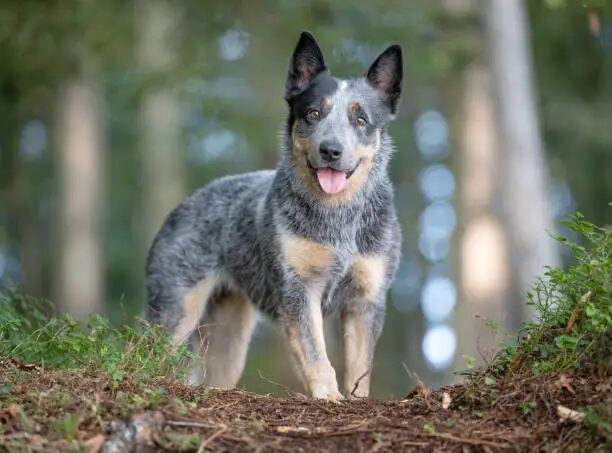
The Australian Cattle Dog is a medium-sized breed with a sturdy build and excellent athletic ability. Although compact, these dogs are remarkably strong and agile.
Male Size
Adult males typically stand between 18 and 20 inches at the shoulder and weigh 35 to 50 pounds. They tend to have a slightly broader head and more muscular frame than females.
Female Size
Females are slightly smaller, measuring 17 to 19 inches in height and weighing 35 to 45 pounds. Despite their smaller stature, they are equally energetic and capable.
Growth Chart
| Age | Expected Development |
|---|---|
| 8 weeks | Beginning socialization and rapid growth |
| 3 months | Increased coordination and curiosity |
| 6 months | Noticeable muscle development |
| 9 months | Near adult height |
| 12 months | Most reach full height |
| 18–24 months | Full physical maturity |
Puppy Growth Stages
During the first year, Australian Cattle Dog puppies grow quickly. Balanced nutrition, regular veterinary care, and appropriate exercise are essential to support healthy bone and joint development.
When They Reach Full Size
Most Australian Cattle Dogs reach their full height by around 12 months, while muscle development and overall maturity continue until 18 to 24 months.
Australian Cattle Dog Temperament
The Australian Cattle Dog is celebrated for its sharp mind, unwavering loyalty, and exceptional work ethic. These traits make the breed a rewarding companion for experienced and active owners.
Intelligence
Often ranked among the most intelligent dog breeds, Australian Cattle Dogs learn quickly and enjoy tasks that challenge both their body and mind.
Loyalty
They form strong bonds with their families and are known for staying close to their favorite people. This devotion makes them excellent companions but can also lead to separation-related issues if left alone for long periods.
Protective Nature
While not typically aggressive, Australian Cattle Dogs are naturally watchful and protective. Early socialization helps them distinguish between normal situations and genuine threats.
Herding Instinct
Their instinct to herd remains strong. Without proper guidance, they may attempt to herd children, other pets, or even moving objects by circling or gently nipping at heels.
Independence
Bred to work without constant direction, Australian Cattle Dogs can think independently. Consistent training and clear leadership help channel this trait in positive ways.
Affection Level
Although they are not always overly demonstrative, they show affection through loyalty, companionship, and a desire to be involved in daily activities.
Energy Level
This breed has very high energy and thrives on vigorous exercise, interactive games, and mentally stimulating activities.
Stranger Friendliness
Australian Cattle Dogs are generally reserved with unfamiliar people. Proper introductions and early socialization encourage polite, confident behavior.
Barking Tendencies
They are not excessive barkers, but they will vocalize to alert their owners to unusual activity or express excitement during play.
Personality Traits
The Australian Cattle Dog is famous for its remarkable personality. Bred to make decisions independently while herding livestock, this breed combines intelligence, courage, and unwavering loyalty. While these qualities make them exceptional companions for experienced owners, they also require consistent leadership and plenty of engagement.
Around Family
Australian Cattle Dogs are deeply devoted to their families. They enjoy being involved in everyday activities and often follow their favorite person from room to room.
What to expect:
- Extremely loyal
- Protective without being overly aggressive
- Enjoy spending time with their family
- Thrive when included in daily routines
Unlike some companion breeds, they may not constantly seek cuddles, but they express affection through loyalty and companionship.
Around Children
Australian Cattle Dogs can be wonderful family pets when raised with respectful children.
However, because they were bred to herd cattle, they may instinctively try to herd children by gently nipping at their heels.
To encourage safe interactions:
- Teach children how to handle dogs respectfully.
- Supervise playtime with younger kids.
- Socialize the puppy from an early age.
- Redirect herding behaviors through training.
Older children who enjoy outdoor activities are often an excellent match for this energetic breed.
Around Strangers
Australian Cattle Dogs are naturally cautious around unfamiliar people.
Rather than immediately greeting strangers, they usually prefer to observe first. Early socialization helps them become confident and well-mannered in new situations.
Around Other Dogs
With proper introductions, Australian Cattle Dogs generally get along well with other dogs.
Success depends on:
- Early socialization
- Proper introductions
- Training
- Adequate exercise
A bored Australian Cattle Dog may become bossy or territorial.
Around Cats
If raised with cats from puppyhood, many Australian Cattle Dogs learn to coexist peacefully.
Cats introduced later in life may require gradual introductions because the dog’s herding instinct can trigger chasing behavior.
Living with Small Pets
Small animals such as rabbits, guinea pigs, or birds may trigger the breed’s natural prey drive.
Always supervise interactions and provide secure enclosures for smaller pets.
Is the Australian Cattle Dog a Good Family Dog?
The answer depends largely on your lifestyle.
For active households willing to provide exercise, training, and mental stimulation, the Australian Cattle Dog can be an exceptional family companion.
Families with Children
This breed does best with:
- Older children
- Active families
- Families that enjoy outdoor adventures
- Homes where the dog receives daily interaction
Singles
Australian Cattle Dogs often form an especially close bond with a single owner.
They make excellent companions for people who enjoy:
- Hiking
- Running
- Camping
- Agility sports
- Dog training
Seniors
While affectionate, the breed’s high energy level may be challenging for many seniors.
Exceptionally active older adults who enjoy outdoor activities may still find the breed rewarding.
Active Owners
This is where Australian Cattle Dogs truly shine.
Ideal owners include:
- Farmers
- Ranchers
- Runners
- Cyclists
- Hikers
- Dog sport enthusiasts
Apartment Living
Apartment living is possible but not ideal.
Without sufficient exercise, Australian Cattle Dogs can become:
- Restless
- Destructive
- Excessively vocal
- Frustrated
If living in an apartment, owners should provide multiple daily walks, vigorous exercise, and mental enrichment.
Farm Life
Farm environments suit this breed perfectly.
They enjoy:
- Herding livestock
- Patrolling property
- Outdoor work
- Large open spaces
Their intelligence and endurance make them outstanding working dogs.
Australian Cattle Dog Puppies
Bringing home an Australian Cattle Dog puppy is exciting, but it also comes with responsibilities.
These puppies are energetic learners who require early guidance to grow into well-behaved adults.
What to Expect
Australian Cattle Dog puppies are:
- Curious
- Fearless
- Intelligent
- Highly energetic
- Quick learners
Expect them to explore everything in your home.
Choosing a Healthy Puppy
Select a breeder who performs health screenings on breeding dogs.
Look for puppies that are:
- Bright-eyed
- Curious
- Friendly
- Active
- Clean
- Well-socialized
Avoid puppies showing signs of lethargy, poor coat condition, or persistent coughing.
Puppy Development Stages
8–12 Weeks
- Learning basic routines
- Socialization begins
- First veterinary visits
3–6 Months
- Rapid growth
- Teething
- Learning commands
6–12 Months
- Increased independence
- More exercise
- Advanced training
12–24 Months
- Physical maturity
- Emotional maturity
- Stronger focus during training
Socialization
Proper socialization is one of the most important parts of raising this breed.
Expose your puppy to:
- Different people
- Other vaccinated dogs
- Various environments
- Car rides
- Grooming sessions
- Household noises
Positive experiences build confidence and reduce fear later in life.
First-Year Care Checklist
✔ Veterinary examinations
✔ Vaccinations
✔ Deworming
✔ Microchipping
✔ Crate training
✔ House training
✔ Socialization
✔ Obedience training
✔ High-quality puppy food
✔ Monthly parasite prevention
Vaccination Schedule
A typical schedule includes:
| Age | Common Vaccinations |
|---|---|
| 6–8 weeks | DHPP |
| 10–12 weeks | DHPP Booster |
| 14–16 weeks | DHPP + Rabies |
| Annual | Booster vaccinations |
Your veterinarian may recommend additional vaccines based on your region and lifestyle.
Deworming
Puppies generally require deworming every few weeks during early development, followed by routine parasite prevention as recommended by your veterinarian.
Puppy Supplies
Before bringing your puppy home, gather:
- Food and water bowls
- Puppy food
- Crate
- Comfortable bed
- Collar
- Harness
- Leash
- Identification tags
- Interactive toys
- Grooming brush
- Nail clippers
Australian Cattle Dog Training
Training is one of the greatest joys of owning an Australian Cattle Dog.
Their intelligence allows them to learn commands quickly, but they also appreciate consistency and purpose.
Why They’re Easy to Train
Australian Cattle Dogs were bred to solve problems independently.
They:
- Learn rapidly
- Remember commands well
- Enjoy challenges
- Excel in advanced training
Positive Reinforcement
Reward-based training works best.
Use:
- Treats
- Praise
- Toys
- Playtime
Avoid harsh punishment, which can damage trust and reduce motivation.
House Training
Consistency is key.
Take your puppy outside:
- After waking
- After meals
- After play sessions
- Before bedtime
Reward successful potty breaks immediately.
Crate Training
A crate provides:
- Security
- Better house training
- Safe travel
- A quiet resting place
Introduce the crate gradually using treats and positive experiences.
Obedience Training
Essential commands include:
- Sit
- Stay
- Down
- Come
- Leave it
- Heel
- Place
Mastering these commands creates a well-mannered companion.
Leash Training
Because Australian Cattle Dogs are energetic, early leash training prevents pulling.
Practice:
- Loose-leash walking
- Direction changes
- Focus exercises
- Rewarding calm walking
Recall Training
Reliable recall is essential.
Practice in:
- Quiet environments
- Fenced yards
- Long training lines
Always reward your dog generously for returning.
Herding Behavior Management
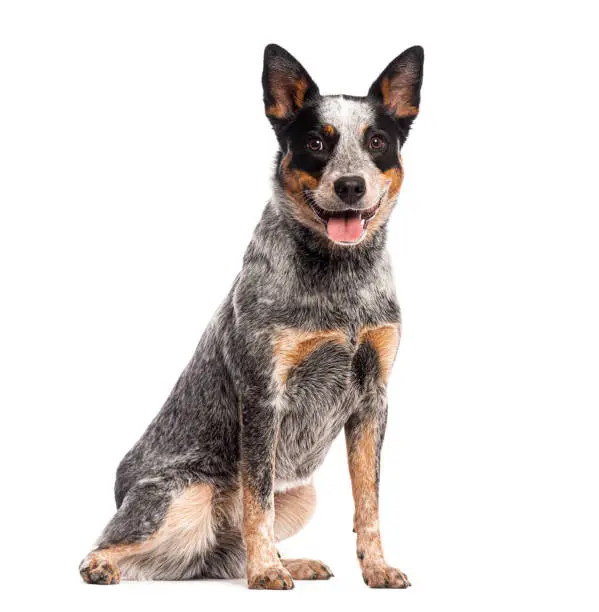
Instead of suppressing natural instincts, redirect them into appropriate activities.
Good outlets include:
- Herding trials
- Agility
- Fetch
- Frisbee
- Advanced obedience
Mental Stimulation Games
Mental exercise is just as important as physical activity.
Great activities include:
- Puzzle feeders
- Scent games
- Hide-and-seek
- Trick training
- Interactive toys
A mentally engaged dog is less likely to develop destructive habits.
Common Training Mistakes
Avoid:
- Inconsistent rules
- Skipping socialization
- Insufficient exercise
- Repetitive training sessions
- Using punishment instead of rewards
Short, enjoyable sessions are more effective than long, repetitive ones.
Exercise Requirements
The Australian Cattle Dog is among the most energetic breeds in the world.
Without enough activity, boredom can quickly lead to unwanted behaviors.
Daily Exercise Needs
Plan for at least:
- 60–120 minutes of exercise every day
This should include both physical activity and mental enrichment.
Running
Healthy adult Australian Cattle Dogs make excellent running partners once their joints have fully developed.
Hiking
Their endurance makes them ideal companions for hiking trails and outdoor adventures.
Remember to carry:
- Water
- Portable bowl
- First-aid supplies
- Paw protection if needed
Fetch
Fetch provides:
- Cardio exercise
- Mental engagement
- Bonding time
Vary toys to keep sessions interesting.
Agility
Australian Cattle Dogs excel at agility thanks to their:
- Speed
- Coordination
- Intelligence
- Athleticism
Agility also strengthens the bond between dog and owner.
Herding Sports
Competitive herding allows these dogs to use the instincts they were bred for in a controlled environment.
Puzzle Toys
Puzzle toys encourage problem-solving and help prevent boredom, especially when outdoor exercise is limited.
Preventing Boredom
Signs of boredom include:
- Digging
- Chewing furniture
- Excessive barking
- Escaping
- Chasing moving objects
Rotate toys, teach new skills, and vary activities to keep your dog mentally satisfied.
Diet and Nutrition
Proper nutrition supports your Australian Cattle Dog’s energy levels, muscle development, and long-term health.
Nutritional Needs
A balanced diet should provide:
- High-quality animal protein
- Healthy fats
- Digestible carbohydrates
- Vitamins and minerals
- Fresh water at all times
Choose a complete and balanced food appropriate for your dog’s life stage.
Feeding Puppies
Growing puppies require diets formulated specifically for puppies to support healthy growth and development.
Feed smaller, measured meals several times a day, adjusting the schedule as your puppy matures.
Feeding Adults
Most healthy adult Australian Cattle Dogs do well with two measured meals per day. Portion sizes vary based on age, activity level, body condition, and the calorie content of the food.
Feeding Seniors
Older dogs often benefit from diets that support joint health, maintain lean muscle, and help manage weight. Your veterinarian can recommend adjustments based on your dog’s individual needs.
Portion Guide
| Life Stage | Meals per Day |
|---|---|
| 8–12 weeks | 3–4 |
| 3–6 months | 3 |
| 6–12 months | 2–3 |
| Adults | 2 |
| Seniors | 2 (adjust as needed) |
Best Dog Food
Look for foods that list a quality animal protein as the first ingredient and meet recognized nutritional standards. Diets formulated for active breeds can be a good fit for many Australian Cattle Dogs.
Homemade Diet
Home-prepared meals should only be fed when formulated to be nutritionally complete, ideally with guidance from a veterinarian or a board-certified veterinary nutritionist. Balanced recipes are essential to avoid nutrient deficiencies.
Foods to Avoid
Never feed your dog:
- Chocolate
- Grapes and raisins
- Onions
- Garlic
- Xylitol (artificial sweetener)
- Alcohol
- Macadamia nuts
- Cooked bones
If your dog ingests a potentially toxic food, contact your veterinarian promptly.
Weight Management
Maintain a healthy body condition by:
- Measuring meals
- Limiting treats
- Providing daily exercise
- Scheduling regular veterinary checkups
- Monitoring body weight over time
Keeping your Australian Cattle Dog lean can reduce stress on the joints and support a longer, healthier life.
Grooming Guide
Although the Australian Cattle Dog has a short coat, regular grooming is still important for maintaining healthy skin and minimizing shedding. Fortunately, this breed is relatively low-maintenance compared to many other working dogs.
Brushing
Brush your Australian Cattle Dog once or twice a week using a slicker brush or rubber grooming mitt. During seasonal shedding periods, increase brushing to several times a week to remove loose undercoat.
Bathing
These dogs naturally have a weather-resistant coat that stays fairly clean. A bath every 6–8 weeks, or when they become particularly dirty, is usually sufficient. Avoid excessive bathing, as it can strip the coat of its natural oils.
Nail Trimming
Trim your dog’s nails every 3–4 weeks, or whenever you hear them clicking on hard floors. Overgrown nails can affect movement and cause discomfort.
Ear Cleaning
Inspect the ears weekly for dirt, redness, or unusual odor. Clean them with a veterinarian-approved ear cleaner when necessary, especially after swimming or outdoor adventures.
Dental Care
Dental hygiene is often overlooked but is essential for long-term health.
Aim to:
- Brush your dog’s teeth several times a week.
- Offer dental chews when appropriate.
- Schedule professional dental cleanings as recommended by your veterinarian.
Shedding Control
Regular brushing, a nutritious diet, and routine grooming help reduce loose hair around your home.
Seasonal Grooming
Australian Cattle Dogs usually shed more heavily during spring and fall. Daily brushing during these periods helps remove dead hair and keeps the coat healthy.
Australian Cattle Dog Shedding
Do They Shed?
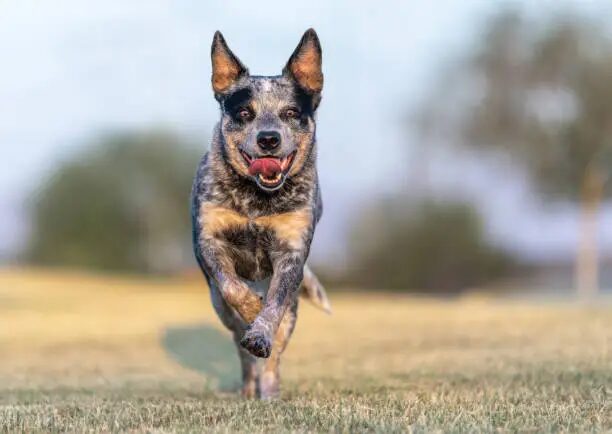
Yes. Australian Cattle Dogs are moderate shedders throughout the year and experience heavier seasonal shedding when they lose their undercoat.
Shedding Seasons
Most owners notice increased shedding:
- Spring
- Fall
These seasonal coat changes are completely normal.
How to Reduce Shedding
You can’t stop natural shedding, but you can reduce loose hair by:
- Brushing regularly
- Feeding a balanced diet
- Keeping your dog hydrated
- Maintaining routine grooming
Best Brushes
Recommended grooming tools include:
- Slicker brush
- Rubber grooming mitt
- Undercoat rake (during seasonal shedding)
- Bristle brush for finishing
Health Problems
Australian Cattle Dogs are generally healthy and long-lived, but like all breeds, they are predisposed to certain inherited and age-related conditions.
Hip Dysplasia
Hip dysplasia occurs when the hip joint develops improperly, leading to pain and arthritis over time.
Signs may include:
- Limping
- Difficulty standing
- Reduced activity
- Stiffness after exercise
Progressive Retinal Atrophy (PRA)
PRA is an inherited eye disease that gradually causes vision loss. Responsible breeders screen breeding dogs to reduce the risk of passing on this condition.
Deafness
Congenital deafness can occur in some Australian Cattle Dogs, particularly those with certain coat patterns. Hearing evaluations are often recommended for breeding animals.
Elbow Dysplasia
This developmental joint disorder may cause front-leg lameness and discomfort, especially in growing dogs.
Luxating Patella
A luxating patella occurs when the kneecap slips out of place. Mild cases may require only monitoring, while severe cases sometimes need surgery.
Osteochondritis Dissecans (OCD)
OCD affects developing joints in young, rapidly growing dogs and may lead to pain or lameness.
Arthritis
As Australian Cattle Dogs age, joint wear can contribute to arthritis. Maintaining a healthy weight and staying active can help support joint health.
Obesity
Despite their active nature, dogs that consume too many calories without adequate exercise can become overweight. Excess weight increases the risk of joint disease and other health issues.
Preventive Care
Promote lifelong health by:
- Scheduling regular veterinary checkups
- Keeping vaccinations current
- Using parasite prevention
- Feeding a balanced diet
- Providing daily exercise
- Monitoring weight
- Brushing teeth regularly
Australian Cattle Dog Lifespan
Average Life Expectancy
The Australian Cattle Dog is one of the longest-living medium-sized breeds, with an average lifespan of 12–16 years.
Factors Affecting Lifespan
Several factors influence longevity, including:
- Genetics
- Nutrition
- Exercise
- Preventive healthcare
- Dental care
- Body condition
How to Help Them Live Longer
You can support a longer, healthier life by:
- Feeding a high-quality diet
- Providing regular physical and mental exercise
- Scheduling routine veterinary visits
- Keeping your dog at a healthy weight
- Detecting health problems early
Senior Dog Care
As your dog ages:
- Reduce high-impact activities if needed.
- Schedule more frequent wellness exams.
- Consider senior-specific nutrition.
- Monitor hearing, vision, and mobility.
Common Behavioral Problems
Because Australian Cattle Dogs are intelligent and energetic, insufficient stimulation can lead to unwanted behaviors.
Nipping
Their herding instinct may cause them to nip at heels, particularly with children or moving objects. Early training and redirection are key.
Excessive Barking
Barking may result from boredom, frustration, or alertness. Adequate exercise and mental enrichment usually reduce excessive vocalization.
Separation Anxiety
Some Australian Cattle Dogs become anxious when left alone for long periods. Gradually teaching independence and providing enrichment can help.
Digging
Digging is often a sign of excess energy. Daily activity and designated digging areas may reduce the behavior.
Chasing
Their instinct to chase moving animals, bicycles, or vehicles should be managed with consistent training and secure fencing.
Destructive Behavior
Chewing furniture or household items often indicates boredom. Puzzle toys, training sessions, and exercise can help prevent destructive habits.
Herding Children
Redirect herding behavior into appropriate activities such as fetch, agility, or herding sports, and supervise interactions with young children.
How to Correct These Behaviors
Successful behavior management includes:
- Positive reinforcement
- Daily exercise
- Mental stimulation
- Consistent routines
- Early socialization
- Patience and repetition
Living Requirements
Best Home Environment
Australian Cattle Dogs thrive in homes where they have space to move, opportunities to work or play, and owners who enjoy an active lifestyle.
Fenced Yard
A securely fenced yard provides a safe area for exercise, but it should not replace daily walks and interactive play.
Apartment Living
Apartment living can work for dedicated owners, provided the dog receives substantial daily exercise and mental stimulation.
Rural Living
Rural settings are particularly well suited to this breed, allowing them to enjoy open spaces and outdoor activities.
Climate Tolerance
Their double coat offers protection in various weather conditions, but dogs should always have access to shade, fresh water, and shelter during extreme temperatures.
Travel Tips
When traveling:
- Use a secure crate or safety harness.
- Bring water and a portable bowl.
- Pack food, medications, and identification.
- Take regular breaks during long trips.
Australian Cattle Dog Price
| Expense | Estimated Cost (USD) |
|---|---|
| Puppy from a reputable breeder | $800–$2,500+ |
| Adoption fee | $100–$500 |
| Initial supplies | $200–$600 |
| Monthly care | $75–$200+ |
| Pet insurance | Varies by provider and plan |
Actual costs vary depending on your location, breeder, veterinary care, and lifestyle.
How to Choose a Reputable Breeder
A responsible breeder prioritizes the health and temperament of every puppy.
Questions to Ask
- Have the parents undergone recommended health testing?
- Can I meet the puppy’s parents?
- How are the puppies socialized?
- What health guarantee is provided?
- Will you accept the dog back if circumstances change?
Health Testing
Choose breeders who perform appropriate health screenings for inherited conditions common in the breed.
Red Flags
Avoid breeders who:
- Refuse to answer questions.
- Sell puppies too young.
- Cannot provide health records.
- Offer multiple litters with little information about the parents.
Adoption vs. Buying
Both options can be rewarding. Adoption gives a deserving dog a second chance, while purchasing from a responsible breeder may be appropriate if you’re looking for specific working or show characteristics.
Australian Cattle Dog Rescue and Adoption
Many wonderful Australian Cattle Dogs are available through rescue organizations and shelters.
Benefits of Adoption
- Gives a dog a second chance
- Often costs less than purchasing a puppy
- Adult dogs may already have basic training
- Rescue organizations can help match you with a suitable companion
Preparing Your Home
Before bringing your new dog home:
- Remove hazards
- Set up a quiet sleeping area
- Purchase essential supplies
- Plan a consistent daily routine
Adoption Checklist
- Veterinary appointment
- Identification tag
- Microchip registration
- Quality food
- Training plan
- Safe exercise area
Australian Cattle Dog vs. Blue Heeler
Many people assume these are different breeds, but they are not.
- Australian Cattle Dog is the official breed name.
- Blue Heeler refers to Australian Cattle Dogs with a blue-colored coat.
Similarly, dogs with red-speckled coats are commonly called Red Heelers.
Australian Cattle Dog vs. Australian Shepherd
| Feature | Australian Cattle Dog | Australian Shepherd |
|---|---|---|
| Size | Medium | Medium |
| Coat | Short double coat | Medium-length coat |
| Energy | Very high | Very high |
| Grooming | Lower | Higher |
| Herding Instinct | Very strong | Very strong |
| Trainability | Excellent | Excellent |
Both breeds excel in active homes, but the Australian Cattle Dog typically requires less coat maintenance.
Pros and Cons of Owning an Australian Cattle Dog
Advantages
- Extremely intelligent
- Loyal and devoted
- Excellent working dog
- Highly trainable
- Athletic and energetic
- Generally healthy and long-lived
Challenges
- Requires significant daily exercise
- Needs mental stimulation
- Strong herding instinct
- Can become destructive when bored
- Best suited to experienced or highly committed owners
Ideal Owner Profile
The ideal owner is active, enjoys outdoor activities, has time for training, and is committed to meeting the breed’s physical and mental needs.
Fun Facts About Australian Cattle Dogs
- They are commonly known as Blue Heelers and Red Heelers.
- They consistently rank among the most intelligent working breeds.
- The famous Australian Cattle Dog Bluey is recognized as one of the longest-lived dogs ever recorded, reaching 29 years of age.
- Their ancestors include dogs bred specifically to work in Australia’s harsh cattle country.
- They excel in dog sports such as agility, obedience, rally, scent work, and herding competitions.
Frequently Asked Questions (FAQs)
Are Australian Cattle Dogs good family pets?
Yes, they can make excellent family dogs for active households that provide training, exercise, and supervision around young children.
Do Australian Cattle Dogs bark a lot?
They are generally moderate barkers and often bark to alert their owners rather than continuously.
Are they aggressive?
No. They are naturally protective but are not typically aggressive when properly socialized and trained.
How much exercise do they need?
Most adult Australian Cattle Dogs need at least 1–2 hours of physical activity each day, along with mental stimulation.
Can they live in apartments?
Yes, but only if their exercise and enrichment needs are consistently met.
Are they easy to train?
Yes. Their intelligence and eagerness to work make them highly trainable with positive, consistent methods.
How much do they shed?
They shed moderately year-round and more heavily during seasonal coat changes.
Are Blue Heelers and Australian Cattle Dogs the same?
Yes. “Blue Heeler” is simply a common nickname for a blue-coated Australian Cattle Dog.
How long do Australian Cattle Dogs live?
They typically live 12–16 years, with some individuals living even longer with excellent care.
Are they good with cats?
Many Australian Cattle Dogs can live peacefully with cats if introduced early and properly supervised.
Can first-time dog owners handle this breed?
First-time owners may find the breed challenging due to its energy and intelligence. Dedicated beginners who are willing to invest time in training and exercise can still succeed.
How much does an Australian Cattle Dog cost?
Purchase prices generally range from $800 to $2,500 or more, while adoption fees are usually much lower.
What health issues are common in the breed?
Potential concerns include hip dysplasia, progressive retinal atrophy, deafness, elbow dysplasia, and arthritis.
How often should they be groomed?
Weekly brushing is usually sufficient, with more frequent grooming during heavy shedding seasons.
Do Australian Cattle Dogs need a fenced yard?
A securely fenced yard is recommended, but it should complement—not replace—daily exercise and interaction.
Conclusion
The Australian Cattle Dog is an extraordinary breed that combines intelligence, loyalty, endurance, and determination. Originally developed to herd cattle across Australia’s demanding landscapes, these dogs continue to excel as working partners, canine athletes, and devoted family companions.
While they are not the right fit for every household, owners who can provide consistent training, daily exercise, mental stimulation, and preventive healthcare will be rewarded with a dependable and affectionate companion for many years.
Before bringing one home, carefully consider your lifestyle, activity level, and long-term commitment. Whether you choose to adopt from a rescue organization or purchase from a responsible breeder, investing time, patience, and proper care will help your Australian Cattle Dog thrive and become a loyal member of your family.