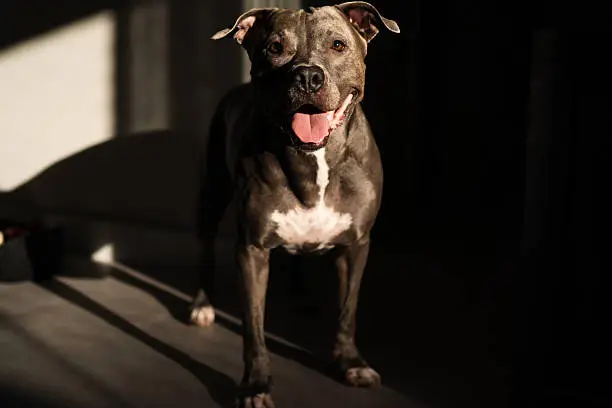
The American Pit Bull Terrier (APBT) is one of the world’s most recognizable—and often misunderstood—dog breeds. Known for its muscular build, intelligence, loyalty, and affectionate personality, this breed has earned a devoted following among responsible dog owners. Despite its reputation, the American Pit Bull Terrier can be a loving family companion when raised with proper training, early socialization, and responsible ownership.
Whether you’re considering bringing home an American Pit Bull Terrier puppy or simply want to learn more about this remarkable breed, this comprehensive guide covers everything you need to know—from its history and temperament to care requirements, exercise, and health.
The American Pit Bull Terrier has a long and fascinating history. Originally developed as a working dog, the breed later became known for its versatility, athleticism, and unwavering loyalty to people.
Unfortunately, misinformation and irresponsible ownership have contributed to many myths surrounding the breed. In reality, well-bred and properly socialized American Pit Bull Terriers are often affectionate, eager to please, and highly trainable.
In this guide, you’ll learn about:
- The history and origin of the American Pit Bull Terrier
- Breed characteristics and physical appearance
- Temperament and personality
- Size and growth stages
- Living with children and other pets
- Puppy care and early development
- Exercise, training, and grooming basics
- Health, nutrition, and lifespan
By the end of this article, you’ll have a balanced understanding of whether the American Pit Bull Terrier is the right companion for your lifestyle.
American Pit Bull Terrier at a Glance
| Feature | Details |
|---|---|
| Breed Name | American Pit Bull Terrier |
| Other Names | APBT, Pit Bull Terrier, Pit Bull* |
| Origin | England, Ireland, and Scotland; further developed in the United States |
| Breed Type | Medium-sized working and companion dog |
| Height | Approximately 17–21 inches (43–53 cm) |
| Weight | Approximately 30–65 pounds (14–29 kg) |
| Life Expectancy | 12–16 years |
| Coat Type | Short, smooth, single coat |
| Coat Colors | Nearly all colors and patterns except merle in most breed standards |
| Temperament | Loyal, affectionate, intelligent, confident |
| Energy Level | High |
| Intelligence | High |
| Trainability | Excellent with positive reinforcement |
| Shedding | Low to moderate |
| Grooming Needs | Low |
| Good with Children | Often yes, when properly socialized and supervised |
| Good with Other Pets | Varies by the individual dog and socialization |
| Exercise Needs | High (1–2 hours daily) |
| AKC Recognition | Not recognized as a distinct breed by the American Kennel Club |
| Suitable for First-Time Owners | Possible with commitment to training and responsible ownership |
*The term “Pit Bull” is often used broadly to describe several breeds and mixed breeds. The American Pit Bull Terrier is one specific breed within that broader category.
History and Origin of the American Pit Bull Terrier
The story of the American Pit Bull Terrier stretches back several centuries. Understanding the breed’s origins helps explain its remarkable athletic ability, intelligence, and devotion to people.
Early Ancestors
The American Pit Bull Terrier traces its ancestry to crosses between:
- Old English Bulldogs
- Various Terrier breeds
Breeders sought to combine:
- The Bulldog’s strength
- The Terrier’s agility
- Courage
- Intelligence
- Determination
These qualities created a versatile working dog capable of performing a variety of tasks.
Development in England
During the 18th and 19th centuries, bulldog-terrier crosses became increasingly popular in England.
These dogs were valued for:
- Farm work
- Livestock management
- Vermin control
- General utility work
While some were unfortunately used in now-illegal blood sports of the era, many also served as dependable working dogs on farms and homesteads.
As society changed and animal welfare laws evolved, these practices were outlawed, and the breed’s role shifted toward companionship and legitimate working activities.
Arrival in the United States
Immigrants brought these versatile dogs to America during the 1800s.
In the United States, they quickly became valued as:
- Farm dogs
- Livestock guardians
- Hunting companions
- Family protectors
- General-purpose working dogs
American breeders continued refining the breed, selecting dogs for athleticism, intelligence, and strong bonds with people.
Over time, the American Pit Bull Terrier developed into the breed recognized today by organizations such as the United Kennel Club (UKC) and the American Dog Breeders Association (ADBA).
Working Roles Throughout History
The American Pit Bull Terrier has performed numerous jobs throughout history.
These include:
- Herding livestock
- Catching feral hogs
- Farm protection
- Hunting assistance
- Search and rescue work
- Weight pulling
- Canine sports
- Therapy work
- Service dog roles
Their versatility demonstrates that they are much more than their physical appearance.
Evolution into a Family Companion
Today’s American Pit Bull Terrier is often kept primarily as a companion animal.
Owners appreciate the breed for its:
- Loyalty
- Affection
- Playfulness
- Athletic ability
- Intelligence
- Desire to be involved in family activities
When raised responsibly, many American Pit Bull Terriers thrive in active households where they receive consistent training, exercise, and positive interaction.
Historical Misconceptions About the Breed
The American Pit Bull Terrier has been the subject of many misconceptions.
Common reasons include:
- Media focus on dog attack stories
- Irresponsible breeding
- Lack of training by some owners
- Confusion with other muscular breeds
- Breed-specific legislation in certain regions
Scientific research and animal behavior experts generally agree that behavior is influenced by multiple factors, including genetics, upbringing, socialization, health, and responsible ownership. Breed alone does not determine whether an individual dog will behave aggressively.
American Pit Bull Terrier Breed Overview
The American Pit Bull Terrier is admired for its combination of strength, agility, and elegance.
Despite its muscular appearance, this breed is surprisingly athletic and agile rather than bulky.
Physical Appearance
The American Pit Bull Terrier has a balanced, athletic body designed for endurance and movement.
Key physical characteristics include:
- Medium-sized frame
- Well-developed muscles
- Deep chest
- Strong legs
- Smooth coat
- Confident posture
The overall appearance should reflect power without sacrificing agility.
Build and Muscular Structure
One of the breed’s defining features is its muscular physique.
Healthy American Pit Bull Terriers display:
- Lean muscle
- Broad shoulders
- Powerful hindquarters
- Strong neck
- Excellent overall balance
Proper conditioning through exercise and nutrition is essential for maintaining this athletic build.
Head Shape
The breed has a distinctive head that is:
- Broad
- Proportional to the body
- Well-defined
- Moderately wide between the ears
The muzzle is typically medium in length with strong jaws.
Eyes
American Pit Bull Terriers typically have:
- Medium-sized eyes
- Round to slightly oval shape
- Alert expression
Eye color varies and may complement the dog’s coat color.
Ears
Natural ears are common and may appear:
- Rose-shaped
- Semi-prick
- Half-pricked
Some owners choose ear cropping where legal, but this is a personal decision and is restricted or prohibited in some countries.
Nose Colors
Nose pigmentation often corresponds with coat color.
Common nose colors include:
- Black
- Blue-gray
- Liver
- Red
Nose color has little impact on the dog’s health or temperament.
Tail
The American Pit Bull Terrier has a tail that is:
- Medium in length
- Thick at the base
- Tapering toward the tip
- Carried naturally
The tail should never appear tightly curled over the back.
Coat Texture
The coat is one of the easiest among dog breeds to maintain.
Characteristics include:
- Short
- Smooth
- Glossy
- Close-fitting
- Easy to clean
Minimal grooming makes the breed attractive for owners seeking a relatively low-maintenance coat.
Coat Colors and Patterns
American Pit Bull Terriers come in a wide variety of colors.
Common coat colors include:
- Black
- White
- Blue
- Red
- Brown
- Fawn
- Brindle
- Buckskin
- Chocolate
- Gray
Many dogs also display combinations of these colors with white markings.
Breed Standards
Although the American Kennel Club does not recognize the American Pit Bull Terrier as a separate breed, organizations such as the UKC and ADBA maintain breed standards.
An ideal American Pit Bull Terrier should display:
- Athletic balance
- Functional movement
- Confidence
- Stable temperament
- Good physical condition
- Proportional structure
Extreme features that compromise health or mobility are discouraged.
American Pit Bull Terrier Size
Although considered a medium-sized breed, American Pit Bull Terriers vary considerably depending on genetics and bloodline.
Height
Typical adult height is:
| Gender | Height |
|---|---|
| Male | 18–21 inches (46–53 cm) |
| Female | 17–20 inches (43–51 cm) |
Some individuals may fall slightly outside these ranges while still being healthy.
Weight
Healthy adults typically weigh:
| Gender | Weight |
|---|---|
| Male | 35–65 pounds (16–29 kg) |
| Female | 30–55 pounds (14–25 kg) |
Rather than focusing solely on weight, veterinarians assess overall body condition and muscle development.
Male vs Female Size Comparison
| Feature | Male | Female |
|---|---|---|
| Height | Slightly taller | Slightly shorter |
| Weight | Heavier | Lighter |
| Muscle Mass | More pronounced | Leaner |
| Build | Broader | More refined |
Both sexes share the same energetic and affectionate personality traits.
Growth Stages
American Pit Bull Terriers grow rapidly during their first year.
Birth to 8 Weeks
- Dependent on the mother
- Rapid neurological development
- Beginning social interaction
2–4 Months
- Curious and energetic
- Learning household rules
- Beginning basic obedience
4–6 Months
- Increased confidence
- Adult teeth developing
- Higher exercise needs
6–12 Months
- Adolescence
- Growing independence
- Continued muscle development
12–24 Months
- Physical maturity
- Mental maturity continues to develop
- Full athletic potential emerges
Weight Chart by Age
| Age | Approximate Weight |
|---|---|
| 8 Weeks | 8–15 lbs |
| 3 Months | 15–25 lbs |
| 6 Months | 25–40 lbs |
| 9 Months | 35–55 lbs |
| 12 Months | 40–60 lbs |
| Adult | 30–65 lbs depending on sex and genetics |
These figures are general estimates. Individual growth varies depending on genetics, nutrition, and overall health.
American Pit Bull Terrier Temperament
The American Pit Bull Terrier is often praised for its people-oriented personality. When responsibly bred, socialized, and trained, the breed is typically confident, affectionate, and eager to participate in family life.
Personality Traits
Common temperament characteristics include:
- Loyal
- Affectionate
- Intelligent
- Energetic
- Playful
- Confident
- Courageous
- People-focused
These dogs thrive on companionship and generally enjoy being included in everyday activities.
Loyalty
The American Pit Bull Terrier is known for forming strong bonds with its family. Many owners describe the breed as devoted and eager to stay close to the people it trusts.
This loyalty often makes the breed highly responsive to consistent, positive training.
Affection Toward Family
Despite their tough appearance, many American Pit Bull Terriers are affectionate and enjoy spending time with their families. They often seek attention, play, and physical closeness with the people they know.
Intelligence
The American Pit Bull Terrier is an intelligent breed that learns quickly when training is consistent and rewarding. Their eagerness to please, combined with their problem-solving abilities, makes them excellent candidates for obedience, agility, scent work, and other canine sports.
Many American Pit Bull Terriers excel at:
- Basic obedience
- Advanced tricks
- Agility courses
- Weight pulling
- Dock diving
- Search and rescue
- Therapy dog work
Because they are intelligent, they also need regular mental stimulation. Without it, boredom can lead to unwanted behaviors like excessive chewing or digging.
Confidence
A well-socialized American Pit Bull Terrier is typically:
- Self-confident
- Curious
- Alert
- Outgoing
Confidence should never be confused with aggression. A confident dog remains calm in new situations rather than reacting fearfully.
Playfulness
This breed retains its playful nature well into adulthood.
Favorite activities include:
- Playing fetch
- Tug games
- Hiking
- Running
- Swimming
- Interactive puzzle toys
Daily play helps strengthen the bond between dog and owner while providing essential physical exercise.
Protective Instincts
American Pit Bull Terriers naturally want to protect their families, but they are not typically bred to be guard dogs in the same way as some protection breeds.
Most are:
- Alert to unusual activity
- Loyal to family members
- Friendly toward properly introduced guests
Early socialization helps ensure these instincts remain balanced.
Are American Pit Bull Terriers Aggressive?
One of the most common questions about this breed is whether they are naturally aggressive.
The answer is no.
No dog breed is born inherently aggressive toward people. Behavior results from a combination of:
- Genetics
- Early socialization
- Training
- Environment
- Health
- Responsible ownership
While some American Pit Bull Terriers may show varying levels of dog-directed reactivity, especially as they mature, this does not mean they are aggressive toward humans. Proper management, training, and responsible introductions are important.
Understanding Breed Behavior vs. Individual Training
Every dog is an individual.
A well-raised American Pit Bull Terrier often demonstrates:
- Excellent obedience
- Confidence
- Affection toward family
- Good manners
- Reliable recall
- Calm behavior in public
Responsible ownership plays a far greater role than breed stereotypes.
American Pit Bull Terrier Personality Around Children
American Pit Bull Terriers are often affectionate with children in their own families. However, all interactions between dogs and young children should be actively supervised, regardless of breed.
Are They Good Family Dogs?
Many families successfully keep American Pit Bull Terriers because they are:
- Loyal
- Playful
- Affectionate
- Energetic
- People-oriented
Active families who enjoy outdoor activities often find this breed to be an enthusiastic companion.
Interaction with Kids
Many American Pit Bull Terriers enjoy:
- Playing fetch
- Running in the yard
- Going on family walks
- Participating in outdoor adventures
Because they are muscular and energetic, they may accidentally knock over small children during play. Teaching calm greetings and supervising playtime helps keep everyone safe.
Supervision Tips
Always:
- Supervise interactions between children and dogs.
- Teach children to respect the dog’s space.
- Never disturb a dog while eating or sleeping.
- Stop rough play before it escalates.
- Provide the dog with a quiet retreat area.
Teaching Children Proper Dog Etiquette
Children should learn to:
- Pet gently.
- Avoid pulling ears or tails.
- Respect the dog’s toys and food.
- Recognize signs that a dog wants space.
- Ask permission before approaching unfamiliar dogs.
These habits promote safe and positive relationships with any breed.
American Pit Bull Terrier with Other Pets
Compatibility with other animals depends largely on early socialization, training, individual temperament, and careful introductions.
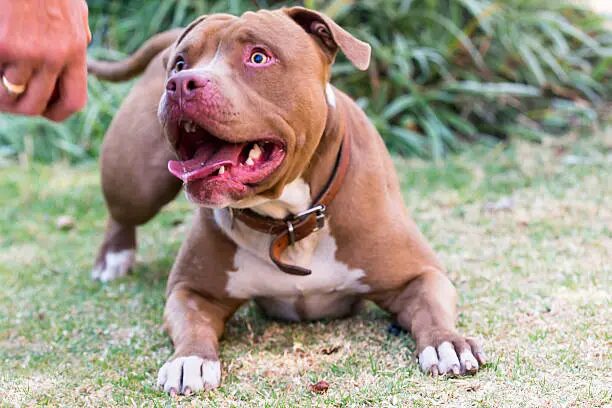
Living with Other Dogs
Some American Pit Bull Terriers enjoy living with other dogs, while others may prefer being the only dog in the household.
Success depends on:
- Early socialization
- Responsible introductions
- Matching personalities
- Ongoing supervision
Group play should always be monitored, particularly with unfamiliar dogs.
Living with Cats
Many American Pit Bull Terriers can live peacefully with cats when raised together from a young age or introduced carefully.
Helpful tips include:
- Slow introductions
- Separate feeding areas
- Safe escape routes for cats
- Positive reinforcement
- Never forcing interactions
Because some dogs have a higher prey drive, each situation should be evaluated individually.
Early Socialization
Socialization is one of the most important parts of raising a confident American Pit Bull Terrier.
Expose puppies gradually to:
- Different people
- Friendly vaccinated dogs
- Various environments
- Different sounds
- Different surfaces
- Car rides
- Veterinary visits
Positive experiences during puppyhood help build confidence later in life.
Multi-Pet Household Tips
If you own multiple pets:
- Introduce them slowly.
- Supervise all early interactions.
- Feed pets separately.
- Avoid competition over toys.
- Reward calm behavior.
- Give each pet individual attention.
American Pit Bull Terrier Puppy Guide
Bringing home an American Pit Bull Terrier puppy is exciting, but the first year is crucial for shaping future behavior.
What to Expect from a Puppy
Expect your puppy to be:
- Curious
- Energetic
- Playful
- Intelligent
- Sometimes mischievous
Consistency and patience are key during this stage.
Growth and Development
Puppies grow rapidly during the first year.
Development includes:
- Teething
- Learning household rules
- Social skill development
- Muscle growth
- Increased coordination
Providing balanced nutrition and regular veterinary care supports healthy development.
Puppy Temperament
Most puppies are naturally:
- Friendly
- Curious
- Social
- Playful
- Eager to learn
Early experiences have a lasting influence on adult behavior.
Socialization Timeline
| Age | Development Goal |
|---|---|
| 8–12 weeks | Meet new people and experience different environments safely |
| 12–16 weeks | Puppy classes, gentle exposure to everyday situations |
| 4–6 months | Reinforce obedience and confidence |
| 6–12 months | Continue training and positive social experiences |
Vaccination Schedule
Your veterinarian will recommend a vaccination schedule based on your location and your puppy’s needs. Core vaccines are typically given in a series during puppyhood, followed by booster vaccinations as recommended.
Never take an incompletely vaccinated puppy to areas with unknown disease risk without veterinary guidance.
House Training
Successful house training depends on consistency.
Helpful tips:
- Take your puppy outside frequently.
- Reward elimination outdoors.
- Maintain a regular feeding schedule.
- Clean accidents thoroughly.
- Avoid punishment for accidents.
Most puppies learn faster when rewarded immediately after eliminating in the correct place.
Crate Training
A properly introduced crate can provide:
- Security
- Better house training
- Safer travel
- A quiet resting place
The crate should never be used as punishment.
Bite Inhibition
Puppies naturally explore with their mouths.
Teach bite inhibition by:
- Redirecting to chew toys.
- Ending play briefly if biting becomes too hard.
- Rewarding gentle play.
- Remaining consistent.
American Pit Bull Terrier Exercise Requirements
This is an energetic breed that requires daily physical activity and mental enrichment.
Without sufficient exercise, boredom may contribute to undesirable behaviors.
Daily Exercise Needs
Most healthy adult American Pit Bull Terriers benefit from approximately 1–2 hours of daily activity, which may include walks, play sessions, training, and other forms of exercise. Individual needs vary with age, health, and fitness.
Activities may include:
- Brisk walks
- Running (once fully grown and cleared by a veterinarian)
- Hiking
- Fetch
- Tug games
- Structured play
Mental Stimulation
Mental exercise is just as important as physical activity.
Good options include:
- Food puzzles
- Obedience practice
- Nose work
- Hide-and-seek
- Trick training
- Interactive feeders
Walking Routine
Aim for:
- Morning walk
- Evening walk
- Opportunities to sniff and explore
- Training during walks
Loose-leash walking improves both manners and enjoyment.
Running
Healthy adult dogs often enjoy running with their owners, but puppies should avoid prolonged, high-impact exercise while their joints are still developing.
Always increase activity gradually and consult your veterinarian if you have concerns.
Fetch
Fetch is excellent for:
- Burning energy
- Reinforcing recall
- Improving obedience
- Strengthening the owner-dog bond
Agility
Many American Pit Bull Terriers excel in agility due to their:
- Speed
- Balance
- Athleticism
- Intelligence
Agility also provides valuable mental stimulation.
Interactive Toys
Useful enrichment toys include:
- Puzzle feeders
- Treat-dispensing balls
- Durable chew toys
- Tug ropes
- Snuffle mats
Rotate toys regularly to keep your dog interested.
Swimming
Some American Pit Bull Terriers enjoy swimming, while others do not.
If introducing your dog to water:
- Start gradually.
- Use positive reinforcement.
- Consider a canine life jacket.
- Never force a reluctant dog into the water.
- Supervise all swimming sessions.
Training an American Pit Bull Terrier
Training should begin as soon as your puppy comes home.
Because this breed is intelligent and energetic, consistent, reward-based training helps channel those qualities into desirable behaviors.
Why Early Training Matters
Early training helps:
- Build confidence
- Prevent unwanted habits
- Improve communication
- Strengthen the human-dog bond
- Encourage good manners
Basic Obedience
Teach essential commands such as:
- Sit
- Stay
- Down
- Come
- Leave it
- Drop it
- Wait
Keep training sessions short, positive, and engaging.
Positive Reinforcement
The American Pit Bull Terrier responds best to:
- Praise
- Healthy treats
- Toys
- Play rewards
- Consistency
Rewarding desired behaviors encourages your dog to repeat them.
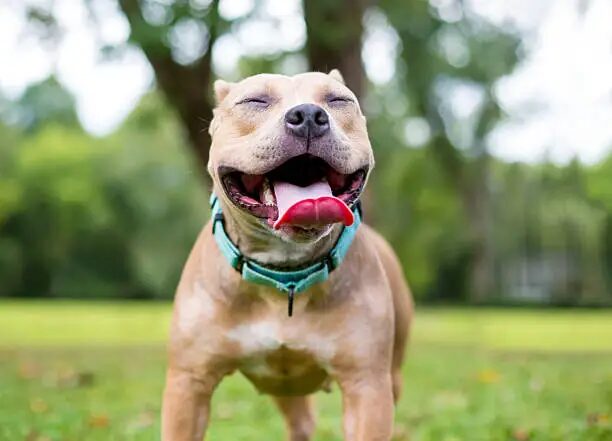
Leash Training
Start leash training early by:
- Using a properly fitted harness or collar.
- Rewarding loose-leash walking.
- Avoiding leash jerking.
- Practicing in low-distraction environments before progressing to busier areas.
Recall Training
A reliable recall is one of the most valuable skills your dog can learn.
Practice:
- In secure, fenced areas.
- Using a cheerful voice.
- Rewarding every successful return.
- Gradually increasing distractions.
Socialization
Continue socialization throughout adolescence and adulthood.
Introduce your dog to:
- New people
- Friendly dogs
- Different environments
- Everyday sounds
- Various experiences
Positive exposure helps maintain confidence.
Preventing Behavioral Problems
Many unwanted behaviors can be prevented by:
- Providing enough exercise.
- Offering mental enrichment.
- Maintaining a routine.
- Using positive reinforcement.
- Addressing issues early.
Common Training Mistakes
Avoid these common errors:
- Inconsistent rules
- Punishment-based methods
- Skipping socialization
- Insufficient exercise
- Expecting instant results
- Ignoring mental stimulation
Patience, consistency, and positive guidance are the foundation of a well-behaved American Pit Bull Terrier.
American Pit Bull Terrier Grooming Guide
Despite their athletic appearance, American Pit Bull Terriers are relatively low-maintenance when it comes to grooming. Their short, smooth coat requires minimal upkeep, but regular grooming still helps keep their skin healthy and reduces shedding.
Brushing
Brushing once or twice a week helps:
- Remove loose hair
- Distribute natural skin oils
- Keep the coat shiny
- Reduce shedding around the home
A rubber grooming mitt or soft-bristle brush works well for this breed.
Bathing
American Pit Bull Terriers generally only need a bath every 6–8 weeks, or when they become dirty.
Use:
- A dog-specific shampoo
- Lukewarm water
- A thorough rinse to prevent skin irritation
Avoid over-bathing, as it can strip the coat of its natural oils.
Nail Trimming
Trim nails every 3–4 weeks, or as needed.
Overgrown nails may:
- Cause discomfort
- Affect walking
- Increase the risk of injury
If you hear your dog’s nails clicking on hard floors, it’s probably time for a trim.
Ear Cleaning
Check your dog’s ears weekly for:
- Dirt
- Wax buildup
- Redness
- Unpleasant odor
Clean only with a veterinarian-approved ear cleaner, and never insert cotton swabs deep into the ear canal.
Dental Care
Dental hygiene is an important part of overall health.
Aim to:
- Brush your dog’s teeth several times a week (daily is ideal)
- Provide veterinarian-approved dental chews when appropriate
- Schedule regular dental examinations
Good oral care can help reduce the risk of periodontal disease.
Shedding Management
Although they have short coats, American Pit Bull Terriers do shed.
To minimize shedding:
- Brush regularly
- Feed a balanced diet
- Keep your dog hydrated
- Control fleas and skin allergies
Seasonal shedding may increase during spring and autumn.
Seasonal Grooming
Throughout the year:
- Increase brushing during shedding seasons.
- Check paws after walks on hot pavement or icy surfaces.
- Monitor the skin for dryness, irritation, or parasites.
Feeding and Nutrition
Proper nutrition supports your American Pit Bull Terrier’s growth, muscle development, immune system, and overall health.
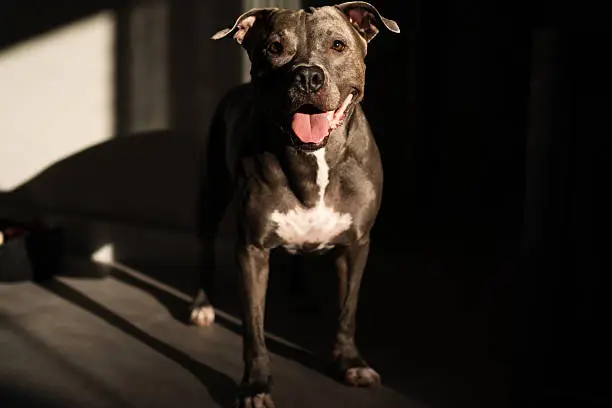
Nutritional Requirements
Choose a complete and balanced dog food appropriate for your dog’s life stage.
A quality diet should provide:
- High-quality protein
- Healthy fats
- Vitamins and minerals
- Appropriate fiber
- Fresh drinking water at all times
Puppy Feeding Guide
Growing puppies need nutrient-dense food formulated for puppies.
General recommendations:
- Feed 3–4 meals daily until advised otherwise by your veterinarian.
- Monitor growth to maintain a healthy body condition.
- Avoid overfeeding, which can contribute to excessive weight gain.
Adult Feeding Guide
Healthy adults are commonly fed:
- Two meals per day
- Measured portions based on body condition, activity level, and veterinary advice
Avoid free-feeding if your dog is prone to overeating.
Senior Feeding Guide
Older dogs may benefit from diets that support:
- Joint health
- Weight management
- Muscle maintenance
- Digestive health
Discuss dietary changes with your veterinarian as your dog ages.
Portion Sizes
Portion sizes vary depending on:
- Age
- Weight
- Activity level
- Metabolism
- Type of food
Use feeding guidelines as a starting point and adjust based on your veterinarian’s recommendations and your dog’s body condition.
Feeding Schedule
A consistent routine helps support healthy digestion.
Example:
| Age | Meals Per Day |
|---|---|
| 8–12 weeks | 3–4 |
| 3–6 months | 3 |
| Over 6 months | 2 |
Protein Requirements
As an active, muscular breed, the American Pit Bull Terrier benefits from adequate dietary protein to support lean muscle and overall health.
Choose foods with high-quality animal protein sources appropriate for your dog’s age and health status.
Healthy Treats
Healthy treats include:
- Small pieces of cooked lean meat (without seasoning)
- Carrots
- Green beans
- Commercial training treats in moderation
Treats should make up only a small portion of your dog’s daily calorie intake.
Foods to Avoid
Never feed your dog:
- Chocolate
- Grapes and raisins
- Onions
- Garlic
- Xylitol (a sweetener)
- Alcohol
- Macadamia nuts
- Cooked bones
If your dog consumes a potentially toxic food, contact your veterinarian immediately.
Weight Management
Maintaining a healthy weight helps reduce the risk of joint problems and other health conditions.
To prevent obesity:
- Measure meals
- Limit treats
- Provide daily exercise
- Schedule routine veterinary checkups
Health Issues in American Pit Bull Terriers
The American Pit Bull Terrier is generally a healthy breed, but like all dogs, it may be predisposed to certain inherited or acquired conditions.
Common Health Problems
Hip Dysplasia
Hip dysplasia is a developmental condition affecting the hip joints.
Signs may include:
- Difficulty standing
- Limping
- Reduced activity
- Stiffness
Maintaining a healthy weight and following veterinary recommendations can help manage affected dogs.
Allergies
Skin allergies are relatively common.
Possible signs include:
- Itching
- Ear infections
- Paw licking
- Skin redness
Your veterinarian can help identify and manage underlying causes.
Skin Conditions
Some dogs may experience:
- Hot spots
- Dry skin
- Yeast infections
- Bacterial skin infections
Prompt treatment helps prevent complications.
Heart Disease
Certain heart conditions may occur in the breed.
Regular veterinary examinations can help detect heart problems early.
Hypothyroidism
Low thyroid hormone levels may cause:
- Weight gain
- Lethargy
- Hair thinning
- Skin changes
Hypothyroidism is often manageable with lifelong medication prescribed by a veterinarian.
Knee Problems
Some American Pit Bull Terriers may develop orthopedic issues affecting the knees, including ligament injuries or patellar problems.
Maintaining a healthy weight and appropriate exercise routine may reduce stress on the joints.
Cerebellar Ataxia
Cerebellar ataxia is an inherited neurological disorder that affects coordination.
Responsible breeders screen breeding dogs to reduce the risk of passing on this condition.
Eye Disorders
Although not extremely common, some American Pit Bull Terriers may develop:
- Cataracts
- Progressive retinal conditions
- Other inherited eye disorders
Routine eye examinations can help detect problems early.
Preventive Healthcare
Prevention is always better than treatment.
Vaccinations
Follow your veterinarian’s recommended vaccination schedule to help protect against common infectious diseases.
Parasite Prevention
Year-round prevention helps protect against:
- Fleas
- Ticks
- Heartworms (where applicable)
- Intestinal parasites
Your veterinarian can recommend an appropriate parasite prevention plan.
Routine Veterinary Checkups
Healthy adult dogs should have regular wellness examinations, while puppies, seniors, or dogs with medical conditions may require more frequent visits.
Routine checkups help detect health concerns before they become serious.
Dental Health
Healthy teeth contribute to overall health.
Schedule professional dental cleanings when recommended by your veterinarian and maintain a home dental care routine.
Maintaining a Healthy Weight
Keeping your dog lean reduces stress on:
- Joints
- Heart
- Bones
- Internal organs
A healthy weight is one of the best ways to support long-term well-being.
American Pit Bull Terrier Lifespan
Average Life Expectancy
With proper care, American Pit Bull Terriers typically live 12–16 years.
Factors Affecting Longevity
Several factors influence lifespan:
- Genetics
- Nutrition
- Exercise
- Veterinary care
- Weight management
- Preventive healthcare
- Living environment
Tips to Help Your Dog Live Longer
- Feed a balanced diet.
- Maintain a healthy weight.
- Exercise daily.
- Schedule regular veterinary visits.
- Brush teeth regularly.
- Keep vaccinations current.
- Provide mental stimulation.
- Give plenty of love and companionship.
American Pit Bull Terrier Colors
The breed comes in an impressive variety of coat colors.
Standard Colors
Common colors include:
- Black
- White
- Brown
- Red
- Fawn
- Brindle
- Blue
- Chocolate
- Gray
Many dogs also have white markings.
Rare Colors
Less common colors may include:
- Blue
- Lilac (in some bloodlines)
- Tricolor patterns
Color should never take priority over health or temperament when selecting a puppy.
Blue Pit Bull
Blue-coated dogs have a diluted black pigment that gives the coat a steel-gray appearance.
Red Nose Pit Bull
“Red Nose” refers to dogs with:
- Reddish nose pigment
- Amber or lighter-colored eyes
- Red or copper-toned coats in many cases
It is a color variation rather than a separate breed.
Blue Nose Pit Bull
Blue Nose Pit Bulls have blue-gray nose pigmentation and are another color variation within the breed.
Brindle Pit Bull
Brindle coats feature dark stripes over a lighter background and are among the breed’s most recognizable patterns.
White Pit Bull
White-coated dogs may have solid white coats or white with colored patches.
Extra care should be taken to protect light-colored skin from excessive sun exposure.
Fawn Pit Bull
Fawn ranges from pale tan to deep reddish-gold and is a common coat color.
Black Pit Bull
Solid black dogs have glossy, striking coats and remain one of the breed’s most popular color variations.
Merle Controversy
The merle coat pattern is not accepted in most American Pit Bull Terrier breed standards. Because the merle gene has been associated with an increased risk of certain health issues when improperly bred, responsible breeders generally avoid breeding merle-to-merle dogs and prioritize health over uncommon colors.
American Pit Bull Terrier Coat and Shedding
Coat Characteristics
The breed’s coat is:
- Short
- Smooth
- Glossy
- Close-fitting
Shedding Level
Shedding is generally low to moderate, making grooming relatively easy.
Seasonal Shedding
Most dogs shed a little more during seasonal coat changes in spring and autumn.
Allergy Considerations
No dog breed is truly hypoallergenic. People with allergies may still react to dander, saliva, or skin proteins produced by American Pit Bull Terriers.
Living with an American Pit Bull Terrier
Apartment Living
American Pit Bull Terriers can adapt to apartment living if they receive enough daily exercise, mental stimulation, and opportunities to relieve themselves outdoors.
House with Yard
A securely fenced yard provides additional space for supervised play but should not replace daily walks, training, and interaction.
Climate Tolerance
Their short coat offers limited insulation.
- In cold weather, some dogs may benefit from a dog coat during outdoor activities.
- In hot weather, provide shade, fresh water, and avoid strenuous exercise during the hottest parts of the day.
Indoor vs Outdoor Living
American Pit Bull Terriers thrive as indoor family companions. They enjoy spending time with their people and should not be left outdoors for extended periods without appropriate shelter and supervision.
Traveling with Your Dog
Many American Pit Bull Terriers enjoy traveling.
Travel tips:
- Use a crash-tested crate or canine seat belt.
- Bring water and familiar items.
- Schedule rest breaks on long trips.
- Ensure identification tags and microchip information are current.
Is the American Pit Bull Terrier Right for You?
This breed can be an excellent companion for the right owner.
Ideal Owner
The ideal owner is:
- Active
- Patient
- Consistent
- Committed to training
- Able to provide daily exercise and companionship
Busy Families
Busy families can successfully own an American Pit Bull Terrier if they have enough time for training, exercise, and social interaction.
Active Individuals
This breed is especially well suited to people who enjoy:
- Hiking
- Running
- Outdoor adventures
- Dog sports
- Regular exercise
Experienced vs First-Time Owners
While first-time owners can succeed with this breed, they should be prepared to invest time in training, socialization, and responsible management.
Time Commitment
Expect to dedicate time each day to:
- Exercise
- Training
- Play
- Grooming
- Quality family interaction
American Pit Bull Terrier Pros and Cons
| Pros | Cons |
|---|---|
| Loyal and affectionate | High exercise requirements |
| Intelligent and trainable | Needs early socialization |
| Low grooming needs | Can become bored without enrichment |
| Athletic and versatile | May not get along with every dog |
| Strong family bond | Housing or legal restrictions may apply in some areas |
Common Mistakes New Owners Should Avoid
Avoid these common pitfalls:
- Skipping early socialization
- Using harsh or punishment-based training methods
- Underestimating exercise needs
- Overfeeding
- Ignoring mental stimulation
- Being inconsistent with rules and routines
- Delaying routine veterinary care
Conclusion
The American Pit Bull Terrier is an intelligent, athletic, and affectionate breed that thrives with responsible ownership. Despite common misconceptions, a well-bred, properly socialized, and positively trained American Pit Bull Terrier can be a loyal family companion, enthusiastic exercise partner, and devoted friend.
Owning this breed requires commitment. Daily exercise, consistent training, early socialization, preventive healthcare, and a balanced diet all contribute to raising a confident and well-adjusted dog. Prospective owners should also be aware of local laws, housing policies, and insurance requirements that may affect ownership in their area.
If you’re prepared to meet this breed’s physical and mental needs, the American Pit Bull Terrier can reward you with years of companionship, loyalty, and affection. By choosing a responsible breeder or adopting from a reputable rescue, and by investing in lifelong training and care, you’ll help your dog reach its full potential as a happy, healthy, and well-mannered member of the family.