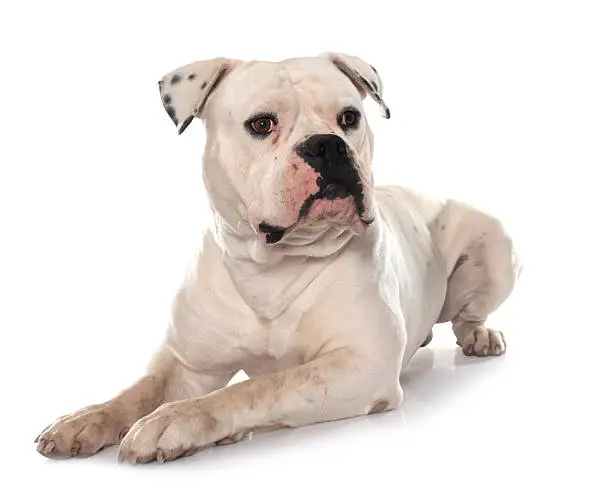
Bringing home an American Bulldog puppy is an exciting experience. Known for their muscular build, loyal nature, and playful personalities, these puppies grow into devoted family companions when raised with proper care, training, and socialization. While they are strong and confident dogs, they are also affectionate and eager to spend time with the people they love.
Whether you’re considering buying an American Bulldog puppy or have recently welcomed one into your home, understanding the breed’s needs from an early age is essential. From choosing the right food to creating a training routine, every decision you make during puppyhood helps shape your dog’s future.
Helpful guides: You may also enjoy our articles on American Bulldog dog care, best food for American Bulldogs, American Bulldog training tips, and common American Bulldog health problems for more in-depth information.
What Is an American Bulldog Puppy?
An American Bulldog puppy is the young stage of the American Bulldog breed, a powerful working dog originally developed in the United States. Descended from the Old English Bulldog, today’s American Bulldog combines athleticism, intelligence, and loyalty into a versatile family and farm companion.
Unlike the English Bulldog, the American Bulldog is taller, leaner, and much more energetic. Puppies are curious, playful, and full of confidence, making early guidance and socialization especially important.
Why American Bulldog Puppies Are Becoming Increasingly Popular
Over the past several years, American Bulldog puppies have gained popularity because they offer an excellent combination of strength, affection, and intelligence.
Reasons owners love them include:
- Loyal family companions
- Excellent watchdog instincts
- Highly trainable
- Athletic and energetic
- Good with children when properly socialized
- Adaptable to active households
Their protective yet affectionate nature makes them appealing to families looking for both a loving pet and a dependable companion.
Key Characteristics That Make Them Unique
American Bulldog puppies stand out for several reasons:
- Muscular even at a young age
- Confident personalities
- Strong bond with family
- High intelligence
- Playful temperament
- Excellent work ethic
- Protective instincts
- Athletic build
- Short, easy-to-maintain coat
These characteristics require owners who are willing to invest time in training and regular exercise.
What to Expect When Bringing a Puppy Home
Your new puppy will likely experience excitement mixed with uncertainty during the first few days.
Expect:
- Frequent naps
- Curiosity about the new environment
- Occasional whining
- Potty-training accidents
- Lots of chewing
- High energy bursts
- Rapid learning
Patience and consistency are key during this adjustment period.
What You’ll Learn in This Guide
This comprehensive guide covers everything you need to know, including:
- Breed overview
- History
- Appearance
- Growth stages
- Feeding
- Training
- Socialization
- Grooming
- Exercise
- Health care
- Costs
- Finding a breeder
- Adoption
- FAQs
Let’s begin with a quick overview of the breed.
American Bulldog Puppy Breed Overview
American Bulldog puppies grow into medium-to-large working dogs that are energetic, intelligent, and deeply devoted to their families.
Quick Breed Facts
| Characteristic | Details |
|---|---|
| Origin | United States |
| Breed Group | Working / Utility (varies by registry) |
| Adult Height | 20–28 inches |
| Adult Weight | 60–120 pounds |
| Average Lifespan | 10–15 years |
| Coat Type | Short, smooth |
| Coat Colors | White, brindle, fawn, red, brown, black combinations |
| Temperament | Loyal, confident, affectionate |
| Energy Level | High |
| Intelligence | High |
| Trainability | Good with consistent training |
| Shedding | Moderate |
| Exercise Needs | High |
| Good with Children | Yes, with supervision and socialization |
| Good with Other Pets | Often yes, if introduced early |
American Bulldog Puppy at a Glance
| Feature | Rating |
|---|---|
| Family Friendly | ⭐⭐⭐⭐⭐ |
| Trainability | ⭐⭐⭐⭐☆ |
| Intelligence | ⭐⭐⭐⭐☆ |
| Energy Level | ⭐⭐⭐⭐⭐ |
| Grooming Needs | ⭐⭐☆☆☆ |
| Shedding | ⭐⭐⭐☆☆ |
| Protective Nature | ⭐⭐⭐⭐⭐ |
| Playfulness | ⭐⭐⭐⭐⭐ |
History and Origin of the American Bulldog
Understanding the breed’s history provides insight into its personality, physical abilities, and working instincts.
Origins from the Old English Bulldog
The American Bulldog traces its ancestry to the Old English Bulldog, a breed historically used for farm work, livestock handling, and guarding property.
When immigrants brought these dogs to America, they became valuable helpers on farms throughout the southern United States.
Development in the United States
Over generations, farmers selectively bred Bulldogs for:
- Strength
- Agility
- Endurance
- Intelligence
- Working ability
Unlike some modern bulldog breeds developed mainly for appearance, American Bulldogs retained much of their athleticism.
Role as a Farm and Working Dog
Historically, American Bulldogs assisted farmers by:
- Guarding livestock
- Protecting homes
- Catching wild hogs
- Controlling vermin
- Helping with general farm work
Their versatility made them indispensable on many rural properties.
Near Extinction and Breed Revival
Following World War II, the breed’s numbers declined dramatically.
Dedicated breeders worked to preserve the American Bulldog by carefully selecting healthy, capable dogs for breeding. Their efforts helped restore the breed and ensure its survival.
Modern Popularity
Today, American Bulldogs are appreciated as:
- Family companions
- Working dogs
- Protection dogs
- Therapy dogs
- Canine sports participants
Their affectionate nature and athletic abilities continue to attract new owners around the world.
Recognition by Kennel Clubs
The American Bulldog is recognized by several canine organizations, including the United Kennel Club (UKC). Recognition varies among kennel clubs, so registration requirements may differ depending on the organization.
American Bulldog Puppy Appearance
American Bulldog puppies are sturdy, compact, and noticeably muscular even at a young age. As they mature, their athletic build becomes more pronounced.
Puppy Size
At 8 weeks, most American Bulldog puppies are:
- Strongly built
- Compact
- Broad-chested
- Large-boned for their age
Although small compared with adults, they grow rapidly during the first year.
Weight by Age
Growth varies depending on genetics, nutrition, and sex.
| Age | Average Weight |
|---|---|
| 8 weeks | 10–20 lbs |
| 3 months | 20–35 lbs |
| 4 months | 30–45 lbs |
| 6 months | 45–70 lbs |
| 9 months | 60–90 lbs |
| 12 months | 70–100 lbs |
| Adult | 60–120 lbs |
These are approximate ranges, and individual puppies may develop at different rates.
Height Growth Chart
| Age | Approximate Height |
|---|---|
| 2 months | 8–10 inches |
| 4 months | 14–18 inches |
| 6 months | 17–22 inches |
| 12 months | 20–26 inches |
| Adult | 20–28 inches |
American Bulldogs generally continue filling out in muscle until they are around 18–24 months old.
Head Shape
One of the breed’s defining features is its broad, powerful head.
Characteristics include:
- Wide skull
- Strong jaw
- Defined cheeks
- Muscular neck
This distinctive appearance contributes to the breed’s confident expression.
Eyes
American Bulldog puppies typically have:
- Round to oval eyes
- Alert expression
- Colors ranging from brown to hazel
Eye color can vary between individuals.
Ears
Natural ears are usually:
- Medium-sized
- Folded
- Rose-shaped or semi-pricked
Most puppies have soft, expressive ears that enhance their friendly appearance.
Nose
The nose is generally:
- Black
- Broad
- Well-developed
Some coat color variations may be associated with lighter pigmentation.
Tail
The tail is:
- Thick at the base
- Medium length
- Naturally tapered
- Carried low when relaxed
It helps with balance during movement.
Coat Type
American Bulldog puppies have a:
- Short coat
- Smooth texture
- Dense hair
- Low-maintenance grooming needs
Their coat is easy to care for with regular brushing.
Coat Colors
Common colors include:
- White
- White and brindle
- White and red
- White and fawn
- White and black
- Brown variations
Most puppies display white as the dominant color with patches of another shade.
Coat Patterns
Typical patterns include:
- Brindle
- Piebald
- Solid white
- White with colored patches
- Mixed markings
Each puppy has a unique appearance.
Muscular Build
Even as puppies, American Bulldogs often show:
- Thick legs
- Broad shoulders
- Strong chest
- Heavy bone structure
These features become more pronounced as they mature.
Growth Stages (8 Weeks to 24 Months)
American Bulldogs mature more slowly than many smaller breeds.
8–12 Weeks
- Learning household routines
- Socialization begins
- Rapid growth
3–6 Months
- Increased confidence
- Teething
- Basic obedience training
6–12 Months
- Adolescence
- More strength
- Higher energy
- Continued muscle development
12–24 Months
- Physical maturity
- Mental maturity develops gradually
- Muscle mass continues increasing
- Adult personality becomes more consistent
American Bulldog Puppy Temperament
American Bulldog puppies are naturally curious, affectionate, and eager to explore the world. With proper guidance, they develop into loyal and dependable companions.
Loyal Personality
Perhaps their greatest quality is loyalty.
American Bulldogs form deep bonds with their families and often enjoy being involved in daily activities. They thrive when included in family life rather than left alone for long periods.
Protective Instincts
Although puppies are playful, they often display early signs of protective behavior.
With appropriate training and socialization, these instincts can develop into calm, confident watchfulness rather than fearfulness or unnecessary aggression.
Confidence
American Bulldogs are generally self-assured dogs. Early positive experiences help build confidence and reduce the likelihood of anxiety in unfamiliar situations.
Intelligence
This breed learns quickly and responds well to reward-based training. Mental enrichment, puzzle toys, and short training sessions help keep intelligent puppies engaged.
Playfulness
Expect plenty of playful energy during puppyhood.
Favorite activities often include:
- Fetch
- Tug games
- Interactive toys
- Short walks
- Exploring new environments
Play is also an excellent opportunity to reinforce good manners.

Affection with Family
American Bulldog puppies are typically loving and enjoy spending time close to their owners. They often seek attention, praise, and companionship, making them wonderful family pets when their physical and mental needs are met.
Behavior Around Strangers
American Bulldog puppies are naturally curious, but they can also be cautious around unfamiliar people.
With proper socialization, most puppies learn to:
- Remain calm around visitors
- Accept friendly strangers
- Distinguish between normal situations and genuine threats
- Become confident in new environments
Avoid encouraging overly protective behavior during puppyhood. Instead, reward calm and confident responses.
Prey Drive
Because of their working heritage, many American Bulldogs have a moderate to high prey drive.
They may instinctively chase:
- Squirrels
- Rabbits
- Birds
- Small animals
Early recall training and supervised introductions to smaller pets can help manage these instincts.
Sensitivity
Although they appear tough, American Bulldogs are surprisingly sensitive to their owner’s tone and emotions.
They respond best to:
- Praise
- Rewards
- Consistency
- Gentle corrections
Harsh punishment can damage trust and slow the learning process.
Independence
American Bulldogs enjoy spending time with their families but also possess an independent streak.
This means they sometimes:
- Test boundaries
- Make their own decisions
- Need consistent leadership
Early obedience training helps establish good manners while maintaining their confidence.
Types of American Bulldog Puppies
There are three commonly recognized types of American Bulldogs.
Johnson (Bully) Type
The Johnson, or Bully Type, is known for its:
- Large head
- Broad chest
- Heavy bone structure
- Stocky appearance
- Calm personality
These dogs are often chosen by families looking for a powerful yet affectionate companion.
Scott (Standard) Type
The Scott, or Standard Type, is generally:
- Leaner
- More athletic
- Faster
- Agile
- Energetic
Originally developed for working and hunting tasks, Scott-type Bulldogs often excel in canine sports.
Hybrid Type
Many American Bulldogs today are hybrids, combining characteristics of both Johnson and Scott lines.
Hybrid puppies often inherit:
- Balanced structure
- Moderate athletic ability
- Friendly temperament
- Excellent versatility
Physical Differences
| Feature | Johnson Type | Scott Type | Hybrid |
|---|---|---|---|
| Build | Heavy | Athletic | Balanced |
| Head | Very broad | Narrower | Moderate |
| Chest | Wide | Lean | Medium |
| Speed | Moderate | Fast | Moderate |
| Muscle | Heavy | Lean | Well-balanced |
Personality Differences
Although every puppy is unique, general tendencies include:
Johnson Type
- Calm
- Protective
- Family-oriented
Scott Type
- Energetic
- Highly active
- Driven to work
Hybrid
- Balanced
- Adaptable
- Friendly
- Intelligent
Which Type Is Best for Families?
For many households, hybrid American Bulldogs offer a great balance of athleticism, trainability, and companionship.
However, the “best” type depends on your lifestyle:
- Active families may enjoy Scott-type dogs.
- Families wanting a calmer companion may prefer Johnson-type dogs.
- Many owners appreciate the versatility of hybrids.
Bringing Home an American Bulldog Puppy
Preparing before your puppy arrives makes the transition smoother for both of you.
Preparing Your Home
Before bringing your puppy home:
- Designate a sleeping area.
- Choose a feeding location.
- Remove hazardous items.
- Set up a crate.
- Purchase essential supplies.
Creating a predictable routine helps puppies settle in more quickly.
Puppy-Proofing Checklist
Just as you would child-proof a home, puppy-proofing helps prevent accidents.
Remove or secure:
- Electrical cords
- Toxic plants
- Cleaning supplies
- Medications
- Small objects
- Shoes
- Trash cans
Block access to unsafe rooms if necessary.
Essential Puppy Supplies
Prepare these items in advance:
| Item | Purpose |
|---|---|
| Crate | Safe sleeping and training |
| Food and water bowls | Daily feeding |
| Puppy food | Proper nutrition |
| Collar | Identification |
| Leash | Walks and training |
| ID tag | Safety |
| Bed | Comfortable sleeping |
| Toys | Mental stimulation |
| Chew toys | Teething relief |
| Grooming brush | Coat care |
| Nail clippers | Nail maintenance |
| Enzyme cleaner | Potty-training accidents |
First Day at Home
The first day should be calm and low-stress.
Allow your puppy to:
- Explore slowly
- Meet family members one at a time
- Locate food and water
- Find their sleeping area
Avoid overwhelming them with visitors or too many new experiences.
First Week Expectations
During the first week, expect:
- Learning household routines
- Potty-training accidents
- Interrupted sleep
- Curious exploration
- Rapid bonding
Patience during this adjustment period helps build confidence.
Building Trust
Trust develops through:
- Gentle handling
- Consistent routines
- Positive reinforcement
- Daily interaction
- Play
- Training
A puppy that trusts its owner is generally easier to train and more confident in new situations.
American Bulldog Puppy Growth Chart
American Bulldogs grow quickly but mature gradually.
Weight by Month
| Age | Male | Female |
|---|---|---|
| 2 months | 10–20 lbs | 10–18 lbs |
| 3 months | 20–35 lbs | 18–30 lbs |
| 4 months | 30–45 lbs | 25–40 lbs |
| 6 months | 45–70 lbs | 40–60 lbs |
| 9 months | 60–90 lbs | 55–80 lbs |
| 12 months | 70–100 lbs | 60–90 lbs |
These ranges are approximate and individual puppies may vary.
Height by Month
| Age | Approximate Height |
|---|---|
| 2 months | 8–10 inches |
| 4 months | 14–18 inches |
| 6 months | 17–22 inches |
| 9 months | 19–24 inches |
| Adult | 20–28 inches |
Growth Milestones
8 Weeks
- Social learning
- Teething begins
- Basic training starts
3 Months
- Increased confidence
- Improved coordination
- Higher energy
6 Months
- Adolescent stage
- Rapid muscle development
- Stronger personality
12 Months
- Nearly adult height
- Continued muscle growth
- Emotional maturity still developing
Male vs Female Growth
Generally:
Males
- Taller
- Heavier
- More muscular
Females
- Slightly smaller
- Mature a little earlier
- Often lighter in build
When Do They Stop Growing?
Most American Bulldogs reach:
- Adult height by 12–18 months
- Full muscle development by 18–24 months
Large breeds continue maturing after reaching their adult height.

Healthy Weight Monitoring
A healthy puppy should:
- Gain weight steadily
- Have visible muscle development
- Remain active
- Maintain a lean body condition
Your veterinarian can help monitor healthy growth during routine visits.
Feeding an American Bulldog Puppy
Proper nutrition is essential during the first year of life.
Nutritional Requirements
Growing puppies require:
- High-quality protein
- Healthy fats
- Calcium
- Phosphorus
- DHA
- Vitamins
- Minerals
Choose food formulated specifically for large-breed puppies.
Best Puppy Food
Look for foods containing:
- Real meat as the first ingredient
- Balanced calcium and phosphorus
- DHA for brain development
- Omega-3 fatty acids
- No unnecessary fillers
Large-breed puppy formulas help support controlled growth and healthy joints.
Dry vs Wet Food
Dry Food
Benefits include:
- Easy storage
- Affordable
- Supports dental health
- Convenient portioning
Wet Food
Benefits include:
- High moisture content
- Strong aroma
- Easy chewing
- Helpful for picky eaters
Many owners combine both for variety and hydration.
Homemade Diet
Homemade meals should only be fed if they are nutritionally balanced.
Include:
- Lean protein
- Vegetables
- Healthy carbohydrates
- Appropriate vitamin and mineral supplementation
Consult a veterinarian or veterinary nutritionist before feeding homemade diets long-term.
Raw Diet
Some owners choose raw feeding.
Potential benefits include:
- High protein
- Minimal processing
- Good palatability
However, raw diets also carry food safety and nutritional risks. Seek veterinary guidance before making this choice.
Feeding Schedule by Age
| Age | Meals Per Day |
|---|---|
| 8–12 weeks | 4 |
| 3–6 months | 3 |
| 6–12 months | 2–3 |
| Over 12 months | 2 |
Regular meal times help establish healthy routines.
Portion Sizes
Portions depend on:
- Age
- Weight
- Activity level
- Food calorie density
Monitor body condition and adjust portions gradually as your puppy grows.
Healthy Treats
Healthy training treats include:
- Small pieces of cooked chicken
- Carrots
- Blueberries
- Commercial puppy treats (fed in moderation)
Treats should make up only a small percentage of your puppy’s daily calories.
Foods to Avoid
Never feed:
- Chocolate
- Grapes
- Raisins
- Onions
- Garlic
- Xylitol
- Alcohol
- Cooked bones
These foods can be harmful or toxic.
Water Requirements
Always provide:
- Fresh water
- Clean bowls
- Easy access throughout the day
Hydration is especially important after play and during warm weather.
American Bulldog Puppy Training Guide
Early training lays the foundation for a well-mannered adult dog.
When to Start Training
Training should begin as soon as your puppy comes home, usually around 8 weeks of age.
Keep sessions:
- Short
- Fun
- Positive
Five to ten minutes is often enough for young puppies.
Positive Reinforcement
Reward desired behaviors with:
- Treats
- Praise
- Toys
- Play
Positive reinforcement encourages learning while strengthening your relationship.
Basic Commands
Begin with simple commands such as:
- Sit
- Stay
- Come
- Down
- Leave it
- Watch me
Practice daily in short sessions.
Potty Training
Successful house training depends on consistency.
Take your puppy outside:
- After waking up
- After meals
- After naps
- Before bedtime
- After play sessions
Reward successful potty breaks immediately.
Crate Training
A properly introduced crate provides:
- Safety
- Security
- Easier house training
- Better travel preparation
Never use the crate as punishment.
Leash Training
Start with:
- Short indoor sessions
- Positive rewards
- Comfortable equipment
Gradually introduce outdoor walks as vaccinations allow.
Bite Inhibition
Puppies naturally explore with their mouths.
Teach gentle play by:
- Redirecting to chew toys
- Ending play if biting becomes too hard
- Rewarding calm interactions
Recall Training
Teaching “Come” early improves safety.
Always make coming to you a positive experience using praise and rewards.
Preventing Bad Habits
Address unwanted behaviors early, including:
- Jumping
- Excessive chewing
- Pulling on the leash
- Counter surfing
- Excessive barking
Consistency is the key to success.
Common Training Mistakes
Avoid:
- Inconsistent rules
- Harsh punishment
- Skipping socialization
- Long training sessions
- Unrealistic expectations
Training should remain enjoyable for both puppy and owner.
Socialization Guide
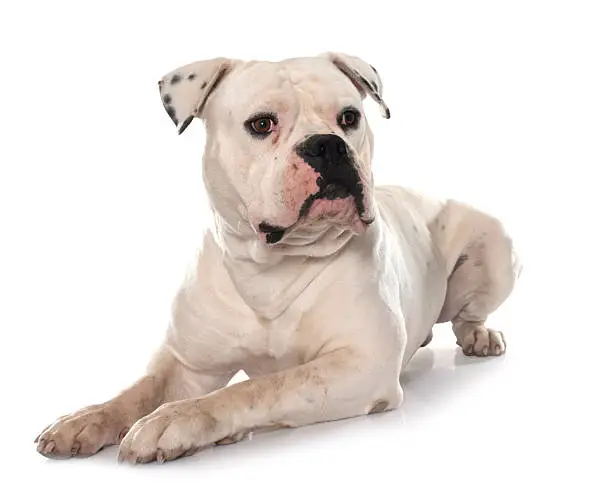
Proper socialization is one of the most important aspects of raising a confident and well-behaved American Bulldog puppy.
Why Socialization Matters
Early socialization helps your puppy:
- Build confidence
- Reduce fear of unfamiliar situations
- Improve behavior around people and animals
- Prevent anxiety-based reactions
- Develop into a calm adult dog
The ideal socialization window is between 8 and 16 weeks of age, though positive experiences should continue throughout life.
Meeting New People
Introduce your puppy to a variety of people, including:
- Adults
- Children
- Seniors
- People wearing hats or uniforms
- Individuals using wheelchairs or walkers
Reward calm and friendly behavior with praise and treats.
Meeting Other Dogs
Once your puppy has received the appropriate vaccinations, arrange supervised interactions with:
- Friendly vaccinated dogs
- Well-managed puppy classes
- Calm adult dogs
Positive experiences help develop good canine manners.
Introducing Cats
If you have cats:
- Keep initial meetings short.
- Use a leash when necessary.
- Allow the cat to retreat if desired.
- Reward calm behavior from both pets.
Early introductions increase the likelihood of peaceful coexistence.
Children and Puppies
Teach children to:
- Handle the puppy gently
- Avoid disturbing the puppy while eating or sleeping
- Respect the puppy’s space
Always supervise interactions between young children and dogs.
New Environments
Expose your puppy to different places, such as:
- Parks
- Quiet streets
- Pet-friendly stores
- Friends’ homes
Gradual exposure helps reduce fear of unfamiliar surroundings.
Car Rides
Begin with short trips to create positive associations.
Bring:
- Water
- A secure travel crate or harness
- Favorite toys
Avoid making every car ride end at the veterinarian.
Veterinary Visits
Regular veterinary visits should become positive experiences.
Bring treats and offer praise to help your puppy associate the clinic with rewards rather than fear.
Exercise Requirements
American Bulldog puppies are energetic but still growing, so exercise should be balanced to protect developing joints.
Daily Exercise Needs
Most puppies benefit from:
- Several short walks
- Supervised play
- Interactive games
- Training sessions
- Mental enrichment
Avoid excessive forced exercise in young puppies.
Age-Appropriate Exercise
| Age | Recommended Activity |
|---|---|
| 8–12 weeks | Short play sessions, gentle exploration |
| 3–6 months | Multiple short walks, light games |
| 6–12 months | Longer walks, basic agility foundations |
| 12+ months | More vigorous exercise as advised by your veterinarian |
Indoor Games
Great indoor activities include:
- Hide-and-seek
- Puzzle feeders
- Tug (with rules)
- Basic obedience games
- Scent games
These activities help prevent boredom.
Outdoor Activities
Suitable outdoor activities include:
- Walking
- Hiking (for older puppies)
- Fetch
- Swimming (if introduced safely)
- Exploring secure yards
Always monitor for signs of fatigue.
Mental Stimulation
Mental exercise is just as important as physical activity.
Try:
- Food puzzles
- Training sessions
- Nose work
- Interactive toys
- Learning new tricks
Puzzle Toys
Puzzle toys encourage problem-solving while slowing down fast eaters and reducing boredom.
Avoiding Overexertion
Growing puppies should avoid:
- Long-distance running
- Repetitive jumping
- Excessive stair climbing
- High-impact exercise
Their bones and joints are still developing.
Grooming and Hygiene
Fortunately, American Bulldogs have relatively low-maintenance coats.
Brushing
Brush once or twice weekly using:
- Rubber grooming mitt
- Soft-bristle brush
This removes loose hair and distributes natural oils.
Bathing
Bathe every 6–8 weeks or when necessary.
Use a gentle dog shampoo to protect sensitive skin.
Nail Trimming
Trim nails every 3–4 weeks.
Overgrown nails can affect posture and movement.
Ear Cleaning
Inspect ears weekly for:
- Dirt
- Wax buildup
- Odor
- Redness
Clean only with veterinarian-approved ear cleaners.
Dental Care
Brush teeth several times each week using dog-safe toothpaste.
Dental chews may also support oral hygiene.
Eye Care
Check eyes regularly for:
- Excessive tearing
- Redness
- Swelling
- Discharge
Persistent problems should be evaluated by a veterinarian.
Shedding Control
Although short-haired, American Bulldogs shed moderately throughout the year.
Regular brushing helps reduce loose hair around the home.
Skin Care
Because the breed may be prone to skin sensitivities:
- Keep the coat clean.
- Dry thoroughly after bathing.
- Monitor for itching or redness.
- Feed a balanced diet that supports skin health.
Common Health Problems in American Bulldog Puppies
Like all breeds, American Bulldogs can be predisposed to certain inherited and acquired conditions.
Hip Dysplasia
A developmental joint disorder that may lead to pain and arthritis later in life.
Maintaining a healthy weight and avoiding excessive exercise during growth may help reduce stress on the joints.
Elbow Dysplasia
Another orthopedic condition affecting the elbow joints.
Symptoms include:
- Limping
- Stiffness
- Reduced activity
Cherry Eye
Cherry eye occurs when the gland of the third eyelid protrudes.
Signs include:
- Red swelling in the corner of the eye
- Irritation
- Tearing
Veterinary treatment is recommended.
Entropion
Entropion causes the eyelid to roll inward, allowing eyelashes to rub against the eye.
Early diagnosis helps prevent long-term eye damage.
Skin Allergies
Common symptoms include:
- Itching
- Ear infections
- Hair loss
- Red skin
Allergies may be caused by environmental triggers, parasites, or food sensitivities.
Parasites
Puppies may be affected by:
- Fleas
- Ticks
- Roundworms
- Hookworms
- Heartworms (depending on location)
Routine parasite prevention is essential.
Ear Infections
Watch for:
- Scratching
- Head shaking
- Odor
- Discharge
Prompt treatment helps prevent chronic problems.
Obesity
Rapid weight gain increases the risk of joint disease and other health issues.
Measure meals and avoid excessive treats.
Heart Conditions
Some Bulldogs may develop congenital or acquired heart diseases.
Regular veterinary examinations can help detect abnormalities early.
Vaccination Schedule
A typical vaccination schedule includes:
| Age | Common Vaccinations |
|---|---|
| 6–8 weeks | DHPP |
| 10–12 weeks | Booster vaccines |
| 14–16 weeks | Final puppy boosters, Rabies (where required) |
| 1 year | Annual boosters as recommended |
Always follow your veterinarian’s schedule.
Deworming Schedule
Puppies typically require multiple deworming treatments during the first few months of life.
Your veterinarian will recommend the appropriate schedule.
Preventive Veterinary Care
Routine veterinary care should include:
- Annual examinations
- Vaccinations
- Parasite prevention
- Dental assessments
- Weight monitoring
- Nutritional guidance
American Bulldog Puppy Cost
Owning an American Bulldog involves both initial and ongoing expenses.
Puppy Purchase Price
A well-bred American Bulldog puppy often costs between:
$1,000–$3,000+
Prices vary depending on pedigree, breeder reputation, and location.
Adoption Cost
Rescue organizations generally charge:
$100–$600
Adoption fees often include vaccinations, microchipping, and spaying or neutering.
Initial Supplies Cost
Expect to spend approximately:
$300–$800
For:
- Crate
- Bed
- Bowls
- Toys
- Collar
- Leash
- Grooming tools
Monthly Expenses
Typical monthly costs include:
| Expense | Estimated Cost |
|---|---|
| Food | $60–$150 |
| Treats | $15–$30 |
| Insurance | $30–$80 |
| Preventive medications | $20–$50 |
| Miscellaneous | $20–$50 |
Veterinary Costs
Routine care may include:
- Wellness exams
- Vaccinations
- Parasite prevention
- Emergency care when needed
Food Costs
Large-breed puppies consume more food as they grow, making nutrition one of the biggest ongoing expenses.
Grooming Costs
Most owners groom American Bulldogs at home, resulting in relatively low grooming expenses.
First-Year Ownership Cost
Including purchase price and supplies, many owners spend:
$2,000–$5,000+
during the first year.
Lifetime Cost Estimate
Over a lifespan of 10–15 years, total ownership costs can exceed:
$20,000–$35,000+
depending on healthcare needs and lifestyle.
Finding a Reputable American Bulldog Breeder
Choosing a responsible breeder greatly improves your chances of bringing home a healthy puppy.
How to Choose a Responsible Breeder
Look for breeders who:
- Prioritize health
- Raise puppies in clean environments
- Encourage questions
- Allow you to meet the puppies and, when possible, the parents
Health Testing
Responsible breeders should perform appropriate health screenings on breeding dogs for conditions common in the breed.
Questions to Ask
Ask about:
- Health history
- Vaccinations
- Deworming
- Socialization
- Feeding routine
- Registration papers
Red Flags
Avoid breeders who:
- Sell multiple litters constantly
- Refuse to answer questions
- Will not show living conditions
- Offer unusually low prices
- Cannot provide health information
Puppy Contracts
A quality breeder usually provides a written contract outlining responsibilities, health guarantees, and return policies.
Health Guarantees
Many reputable breeders offer limited health guarantees covering certain inherited conditions.
Adoption and Rescue
Why Consider Adoption?
Adoption offers:
- Lower costs
- A second chance for a deserving dog
- Support from rescue organizations
Puppy vs Adult Dog
Puppy
Pros:
- Early bonding
- Training from the beginning
Cons:
- More time and supervision required
Adult Dog
Pros:
- Personality already established
- Often house-trained
Cons:
- Unknown history in some cases
Rescue Organizations
Breed-specific rescues and local shelters occasionally have American Bulldogs and mixes available for adoption.
Preparing for Adoption
Before bringing home a rescue dog:
- Puppy-proof your home
- Purchase supplies
- Schedule a veterinary appointment
- Plan a gradual introduction to family members
Living With an American Bulldog Puppy
Daily Routine
A healthy daily routine includes:
- Morning walk
- Meals
- Training
- Playtime
- Rest
- Evening exercise
Sleep Requirements
Young puppies often sleep 16–20 hours daily, supporting healthy growth and development.
House Training
Consistency, patience, and positive reinforcement are the foundations of successful house training.
Apartment Living
American Bulldogs can adapt to apartment living if their exercise and mental stimulation needs are consistently met, though a home with more space is often preferable.
Large Yard Benefits
A secure yard provides opportunities for supervised play and exercise but should not replace daily interaction and walks.
Cold Weather Care
Short coats provide limited insulation, so puppies may need extra protection in cold weather.
Hot Weather Safety
Avoid strenuous exercise during the hottest parts of the day and ensure constant access to shade and fresh water.
Traveling With Your Puppy
Use:
- A crash-tested harness or travel crate
- Regular rest breaks
- Fresh water
- Familiar toys
American Bulldog Puppy vs Other Popular Breeds
| Breed | Main Difference |
|---|---|
| American Bulldog vs English Bulldog | American Bulldogs are taller, more athletic, and require more exercise. |
| American Bulldog vs French Bulldog | French Bulldogs are smaller and lower energy. |
| American Bulldog vs American Bully | American Bullies are generally stockier with a stronger emphasis on companion traits. |
| American Bulldog vs Pit Bull | American Bulldogs are usually larger and heavier. |
| American Bulldog vs Boxer | Boxers tend to be leaner and more energetic, while American Bulldogs are more heavily built. |
Which Breed Is Best for You?
The right breed depends on your lifestyle, activity level, and experience with dogs. American Bulldogs are best suited for owners who can provide consistent training, regular exercise, and plenty of family interaction.
Pros and Cons of Owning an American Bulldog Puppy
Advantages
- Loyal and affectionate
- Intelligent and trainable
- Excellent family companion
- Athletic and active
- Protective without unnecessary aggression when properly socialized
Challenges
- Requires early training and socialization
- High exercise needs
- Strong and powerful as adults
- Can be stubborn at times
- May develop joint or skin issues
Is This the Right Puppy for You?
An American Bulldog puppy is an excellent choice if you want an active, loyal, and confident companion and are prepared to invest time in training, exercise, and responsible care.
Fun Facts About American Bulldog Puppies
Interesting Breed History
American Bulldogs helped preserve livestock and farms in the southern United States for generations.
Farm Working Heritage
They were valued for their versatility, strength, and courage.
Athletic Abilities
Many excel in:
- Obedience
- Weight pull
- Agility
- Protection sports
- Farm work
Famous American Bulldogs
American Bulldogs have appeared in films, television, and advertisements, helping increase the breed’s popularity.
Lesser-Known Facts
- They mature more slowly than many medium-sized breeds.
- Their short coat is relatively easy to maintain.
- They form exceptionally strong bonds with their families.
Frequently Asked Questions (FAQs)
Are American Bulldog puppies good family pets?
Yes. With proper training and socialization, they are affectionate, loyal, and protective companions.
How much does an American Bulldog puppy cost?
Typically $1,000–$3,000+ from reputable breeders, while adoption generally costs less.
How big do American Bulldog puppies get?
Adults usually weigh 60–120 pounds and stand 20–28 inches tall.
When do American Bulldogs stop growing?
Most reach adult height by 12–18 months and continue filling out until about 24 months.
Are American Bulldog puppies aggressive?
No. Well-socialized puppies are typically confident and friendly. Poor socialization or training can contribute to behavioral issues in any breed.
Are they easy to train?
Yes. They are intelligent and respond well to consistent, reward-based training.
How much should an American Bulldog puppy eat?
The amount depends on age, weight, activity level, and the food’s calorie content. Follow the feeding guide for your chosen large-breed puppy food and adjust based on your veterinarian’s advice.
How often should I feed my puppy?
- 8–12 weeks: 4 meals daily
- 3–6 months: 3 meals daily
- Over 6 months: 2–3 meals daily
Do American Bulldog puppies shed?
Yes, they shed moderately throughout the year.
Are they good with children?
Generally yes, especially when raised with children and supervised appropriately.
Can they live in apartments?
They can adapt if provided with sufficient exercise, training, and mental stimulation, though homes with more space are often a better fit.
How much exercise do they need?
Young puppies need several short periods of play and walks each day. Exercise should increase gradually as they mature.
What are the most common health problems?
Common concerns include hip dysplasia, elbow dysplasia, cherry eye, skin allergies, obesity, and certain eye conditions.
Should I buy or adopt an American Bulldog puppy?
Both are excellent options. Purchase from a responsible breeder or adopt from a reputable rescue based on your preferences and circumstances.
How do I find a reputable breeder?
Choose breeders who perform health testing, provide veterinary records, raise puppies in clean environments, and willingly answer your questions.
Conclusion
American Bulldog puppies are intelligent, loyal, energetic, and affectionate dogs that thrive with consistent care and positive training. Their strong working heritage makes them confident companions that enjoy both physical activity and close family interaction.
Essential Care Tips for New Owners
Provide a nutritious large-breed puppy diet, establish a daily routine, begin training early, prioritize socialization, and schedule regular veterinary checkups to support healthy growth.
Feeding, Training, and Socialization Reminders
Balanced nutrition, reward-based training, and early exposure to people, pets, and new environments create the foundation for a well-adjusted adult dog.
Choosing a Responsible Breeder or Rescue
Whether you purchase from a reputable breeder or adopt through a rescue organization, prioritize health, temperament, and ethical practices to give your puppy the best possible start.