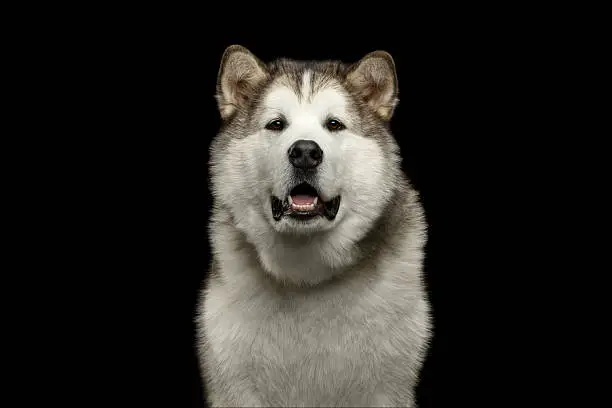
The Alaskan Malamute dog breed is one of the oldest, strongest, and most recognizable Arctic working dogs in the world. Known for its powerful build, thick double coat, and wolf-like appearance, this remarkable breed has captured the hearts of dog lovers for generations. Originally developed to haul heavy sleds across frozen landscapes, the Alaskan Malamute is admired for its endurance, intelligence, and unwavering loyalty.
Unlike many modern dog breeds that were developed primarily as companions, the Alaskan Malamute was bred to work alongside humans in some of the harshest environments on Earth. Even today, these dogs retain the strength, determination, and resilience that made them invaluable to the indigenous people of Alaska.
One reason the Alaskan Malamute remains one of the world’s most popular Arctic dog breeds is its unique combination of beauty and personality. They are affectionate with their families, highly intelligent, and thrive on outdoor adventures. However, they also require regular exercise, consistent training, and plenty of attention, making them better suited to active owners than those with a sedentary lifestyle.
Many people compare the Alaskan Malamute to the Siberian Husky because both breeds share similar Arctic origins and striking appearances. However, the two were developed for different purposes. While Huskies are built for speed, Malamutes are bred for power and endurance, making them significantly larger and stronger.
Whether you’re considering adopting an Alaskan Malamute puppy or simply want to learn more about this fascinating breed, this comprehensive guide covers everything you need to know—from history and physical characteristics to grooming, nutrition, health, and training.
Alaskan Malamute Dog Breed Overview
The Alaskan Malamute is a large, hardworking dog that excels in physically demanding activities. Despite its imposing appearance, it is generally friendly, affectionate, and devoted to its family.
Quick Breed Facts
| Category | Details |
|---|---|
| Breed Group | Working Group |
| Origin | Alaska, United States |
| Height | 23–25 inches (58–64 cm) |
| Weight | 75–100+ pounds (34–45+ kg) |
| Lifespan | 10–14 years |
| Coat Type | Thick, dense double coat |
| Coat Colors | Gray, black, red, sable, silver, seal, white |
| Temperament | Loyal, affectionate, confident, friendly |
| Intelligence | High |
| Energy Level | Very High |
| Shedding Level | Heavy |
| Exercise Requirements | 90–120 minutes daily |
| Trainability | Moderate |
| Good with Children | Yes, with supervision |
| Good with Other Dogs | Usually, with early socialization |
| Good with Cats | Sometimes; depends on training and socialization |
| Apartment Friendly | No |
| Barking Level | Low (more likely to howl) |
Alaskan Malamute Breed at a Glance
| Trait | Rating |
|---|---|
| Family Friendliness | ⭐⭐⭐⭐⭐ |
| Intelligence | ⭐⭐⭐⭐☆ |
| Affection | ⭐⭐⭐⭐⭐ |
| Exercise Needs | ⭐⭐⭐⭐⭐ |
| Grooming Needs | ⭐⭐⭐⭐⭐ |
| Trainability | ⭐⭐⭐☆☆ |
| Good for First-Time Owners | ⭐⭐☆☆☆ |
| Cold Weather Tolerance | ⭐⭐⭐⭐⭐ |
| Heat Tolerance | ⭐⭐☆☆☆ |
| Adaptability | ⭐⭐⭐☆☆ |
History and Origin of the Alaskan Malamute Dog Breed
The Alaskan Malamute has a rich history dating back thousands of years. It is considered one of the oldest domesticated Arctic dog breeds and has played an essential role in human survival in northern climates.
Ancient Arctic Origins
The ancestors of today’s Alaskan Malamute lived alongside Arctic peoples for thousands of years.
These dogs evolved naturally in one of the harshest environments on Earth, where only the strongest and healthiest animals survived. Over generations, they developed exceptional endurance, thick insulating coats, and incredible strength.
Unlike many modern breeds created through selective breeding for appearance, the Alaskan Malamute was developed primarily for performance.
The Mahlemut Inuit Tribe
The breed takes its name from the Mahlemut, an Inuit tribe that lived along Alaska’s Norton Sound.
For these people, Malamutes were indispensable companions that helped with daily survival.
They were responsible for:
- Pulling heavy sleds
- Transporting supplies
- Assisting with hunting
- Protecting camps
- Carrying equipment over snow and ice
The close relationship between the Mahlemut people and their dogs helped shape the breed’s loyal and cooperative temperament.
Purpose as a Working Sled Dog
Unlike racing sled dogs, the Alaskan Malamute was bred specifically to haul heavy freight over long distances.
Their responsibilities often included:
- Moving food supplies
- Carrying firewood
- Pulling hunting equipment
- Transporting building materials
- Supporting remote Arctic communities
Their muscular bodies and impressive endurance made them perfectly suited for these demanding tasks.
Role in Arctic Exploration
During the late 1800s and early 1900s, explorers relied heavily on Alaskan Malamutes during expeditions across frozen wilderness.
The breed became famous for its ability to:
- Travel through deep snow
- Pull heavily loaded sleds
- Work in sub-zero temperatures
- Cover long distances with remarkable stamina
Many successful Arctic expeditions depended on the strength and reliability of these dogs.
During the Klondike Gold Rush
The Klondike Gold Rush greatly increased demand for powerful sled dogs.
Thousands of prospectors traveling into Alaska and Canada needed dependable dogs capable of transporting:
- Mining tools
- Food
- Fuel
- Building supplies
As a result, Malamutes became highly valued, although indiscriminate crossbreeding temporarily threatened the purity of the breed.
Breed Preservation Efforts
Concerned enthusiasts worked to preserve the original characteristics of the Alaskan Malamute.
Selective breeding programs focused on maintaining:
- Physical strength
- Stable temperament
- Working ability
- Excellent health
- Traditional appearance
These efforts ensured the breed survived despite increasing popularity.
Recognition by the American Kennel Club (AKC)
The American Kennel Club (AKC) officially recognized the Alaskan Malamute in 1935.
Since then, responsible breeders have continued to protect breed standards while promoting healthy bloodlines and ethical breeding practices.
Modern-Day Alaskan Malamute
Today, Alaskan Malamutes continue to excel in a variety of roles beyond sled pulling.
Many participate in:
- Hiking
- Backpacking
- Weight pulling competitions
- Therapy work
- Search and rescue
- Dog sports
- Family companionship
Although modern lifestyles have changed, the breed still possesses the same hardworking spirit that made it famous centuries ago.
Physical Characteristics
The Alaskan Malamute’s powerful physique reflects its history as a heavy-duty working dog.
Every feature contributes to strength, endurance, and survival in harsh Arctic conditions.
Overall Appearance
The Alaskan Malamute has a majestic, wolf-like appearance without having wolf ancestry.
It combines:
- Broad shoulders
- Strong legs
- Thick fur
- Deep chest
- Bushy tail
- Alert facial expression
Despite its intimidating size, the breed is known for its warm and friendly demeanor.
Size
The Alaskan Malamute is classified as a large working dog.
Adult males are typically larger than females and possess heavier bone structure.
Height
Average height:
| Gender | Height |
|---|---|
| Male | 24–25 inches |
| Female | 22–24 inches |
Weight
Typical weight ranges include:
- Male: 85–100 pounds
- Female: 75–85 pounds
Some working-line dogs may exceed these weights while remaining healthy and well-conditioned.
Growth Chart (Puppy to Adult)
| Age | Average Weight |
|---|---|
| 8 Weeks | 15–20 lbs |
| 3 Months | 25–35 lbs |
| 6 Months | 45–65 lbs |
| 9 Months | 60–80 lbs |
| 12 Months | 70–90 lbs |
| Adult | 75–100+ lbs |
Growth rates vary depending on genetics, nutrition, and overall health.
Body Structure
The breed is built for power rather than speed.
Key characteristics include:
- Broad chest
- Strong shoulders
- Muscular hindquarters
- Thick bones
- Straight back
- Deep rib cage
This solid frame allows the Malamute to pull heavy loads efficiently.
Head Shape
The Alaskan Malamute has a broad, well-proportioned head that reflects intelligence and confidence.
Its strong muzzle is neither too long nor too short, providing excellent balance and functionality.
Eyes
The breed standard calls for:
- Brown eyes
- Almond shape
- Alert expression
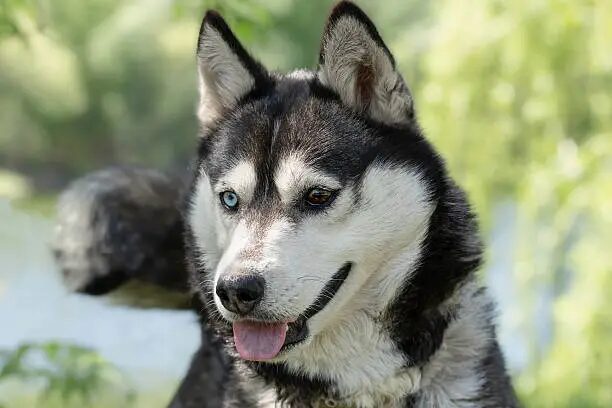
Unlike the Siberian Husky, blue eyes are not considered desirable in purebred Alaskan Malamutes.
Ears
The ears are:
- Small
- Triangular
- Thick
- Rounded at the tips
- Positioned wide apart
Their compact size helps reduce heat loss in freezing climates.
Tail
One of the breed’s most recognizable features is its large, fluffy tail.
When relaxed or alert, the tail curls gracefully over the back, forming a plume-like shape.
During cold weather, Malamutes often wrap their tails around their faces while resting to help conserve body heat.
Paws Built for Snow
The Alaskan Malamute has large, compact feet specially designed for Arctic travel.
Features include:
- Thick paw pads
- Fur between the toes
- Strong nails
- Wide stance for improved stability
These adaptations allow the breed to walk comfortably across snow and icy terrain.
Thick Double Coat
The Malamute’s luxurious double coat protects it from freezing temperatures.
Outer Coat
- Coarse
- Weather-resistant
- Medium length
- Protects against snow, wind, and moisture
Undercoat
- Soft
- Dense
- Wool-like
- Excellent insulation
Twice each year, the breed experiences a heavy seasonal shed known as coat blow, during which large amounts of undercoat are released.
Alaskan Malamute Coat Colors and Markings
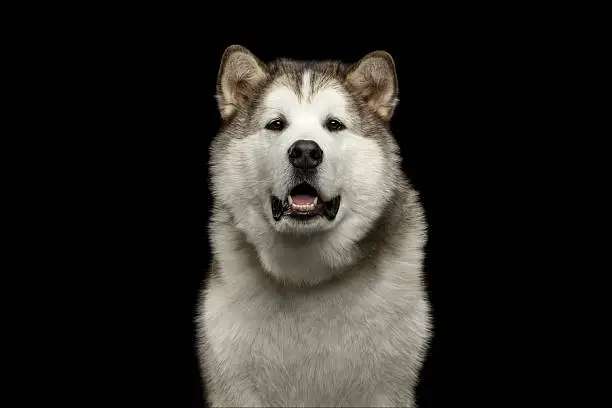
One of the breed’s most attractive features is its wide variety of coat colors and striking facial markings.
Gray and White
The classic gray-and-white coat is the most common and widely recognized. Shades range from light silver-gray to deep charcoal, with white markings on the chest, legs, and face.
Black and White
Black-and-white Malamutes display bold contrast and often have a black saddle with white underparts. This dramatic coloration enhances the breed’s powerful, wolf-like appearance.
Red and White
Red-and-white dogs range from light copper to rich mahogany. They typically have liver-colored noses and eye rims rather than black pigmentation.
Silver and White
Silver-and-white Malamutes have cool-toned coats that appear elegant and especially striking against snowy landscapes.
Sable and White
Sable coats feature hairs with dark tips over lighter bases, creating a beautifully shaded effect that adds depth and texture.
Alaskan Malamute Coat Colors and Markings (Continued)
Seal and White
Seal-and-white Alaskan Malamutes have coats that may appear almost black at first glance. Under natural sunlight, however, shades of gray or brown become visible, creating a rich, layered appearance.
Pure White
A pure white Alaskan Malamute is uncommon but recognized by major kennel clubs. These dogs have solid white coats without colored markings, giving them an elegant and distinctive look.
Common Facial Masks and Markings
One of the breed’s most recognizable features is its expressive face.
Common markings include:
- Full facial mask
- Open face
- White blaze
- White muzzle
- White eyebrows
- Symmetrical facial patterns
Each Malamute has unique markings, making every dog look slightly different.
Rare Colors
Occasionally, breeders advertise unusual coat colors.
Remember:
- Coat color does not determine temperament.
- Health and temperament are far more important than appearance.
- Responsible breeders prioritize genetic health over rare colors.
Alaskan Malamute Temperament and Personality
The Alaskan Malamute is widely admired for its gentle, confident, and affectionate personality. Despite its impressive size and strength, it is generally a friendly breed that enjoys spending time with its family.
Friendly Nature
Malamutes naturally enjoy human companionship.
They are usually:
- Friendly
- Outgoing
- Gentle
- Curious
- Social
Unlike many guard breeds, they often greet visitors warmly instead of showing aggression.
Loyalty
The breed forms deep bonds with its family and enjoys participating in everyday activities.
A Malamute prefers being included rather than left alone for long periods.
Intelligence
Alaskan Malamutes are highly intelligent.
However, intelligence doesn’t always mean easy obedience.
They often think independently and may decide whether a command is worth following.
Independence
This independent streak comes from centuries of working in remote Arctic environments.
Owners should expect:
- Occasional stubbornness
- Problem-solving behavior
- Confidence
- Self-reliance
Confidence
A well-socialized Malamute is calm and self-assured.
They rarely appear nervous when properly introduced to new environments.
Playfulness
Although large, Malamutes remain playful well into adulthood.
They enjoy:
- Tug games
- Hiking
- Running
- Snow play
- Puzzle toys
- Interactive activities
Affection Toward Family
Many owners describe Malamutes as “gentle giants.”
They enjoy:
- Cuddling
- Leaning against family members
- Following owners around
- Spending time indoors after exercise
Social Behavior
Early socialization helps Malamutes develop into polite, confident adults.
Expose puppies to:
- Different people
- New places
- Friendly dogs
- Household sounds
- Veterinary visits
Pack Mentality
Malamutes naturally understand pack structure.
They respond best when owners provide:
- Clear rules
- Consistency
- Calm leadership
- Positive reinforcement
Stranger Friendliness
Most Alaskan Malamutes welcome visitors.
They may alert owners through howling but are generally not suspicious of strangers.
Protective Instinct
Although protective of their families, Malamutes are not traditional guard dogs.
Their size alone often discourages unwanted visitors.
Prey Drive
The breed has retained a strong prey drive.
Small animals may trigger chasing instincts, including:
- Rabbits
- Birds
- Cats
- Squirrels
Early training can improve control but may not eliminate these instincts.
Alaskan Malamute vs Siberian Husky
Although these Arctic breeds look similar, they were developed for different jobs.
| Feature | Alaskan Malamute | Siberian Husky |
|---|---|---|
| Purpose | Heavy freight hauling | Speed sledding |
| Height | 23–25 inches | 20–24 inches |
| Weight | 75–100+ lbs | 35–60 lbs |
| Build | Powerful | Athletic |
| Coat | Thick double coat | Thick double coat |
| Eye Color | Brown | Brown or Blue |
| Lifespan | 10–14 years | 12–15 years |
| Energy | Very High | Extremely High |
| Cost | Higher | Moderate |
Appearance
Malamutes are broader, heavier, and more muscular.
Huskies have lighter bodies designed for speed.
Size Comparison
The average Malamute outweighs a Husky by 30–50 pounds.
Personality
Alaskan Malamute
- Calm indoors
- Independent
- Loyal
- Family-oriented
Siberian Husky
- Mischievous
- Extremely energetic
- Very vocal
- Highly playful
Exercise Needs
Both breeds require daily exercise.
Malamutes particularly enjoy:
- Hiking
- Backpacking
- Weight pulling
Huskies excel at:
- Running
- Fast-paced activities
- Endurance sports
Intelligence
Both breeds are intelligent but independent thinkers.
Positive reinforcement works best.
Coat
Both require:
- Regular brushing
- Seasonal grooming
- Coat maintenance during heavy shedding
Lifespan
- Malamute: 10–14 years
- Husky: 12–15 years
Cost
Malamutes generally cost more due to:
- Larger size
- Higher food consumption
- Lower availability
Which Breed Is Better?
Choose an Alaskan Malamute if you want:
- A larger dog
- Strength
- Calm confidence
- Outdoor adventure companion
Choose a Siberian Husky if you prefer:
- Smaller size
- Fast running partner
- Higher energy
- Blue eyes (possible)
Alaskan Malamute Puppies
Bringing home a puppy requires planning, patience, and commitment.
What to Expect
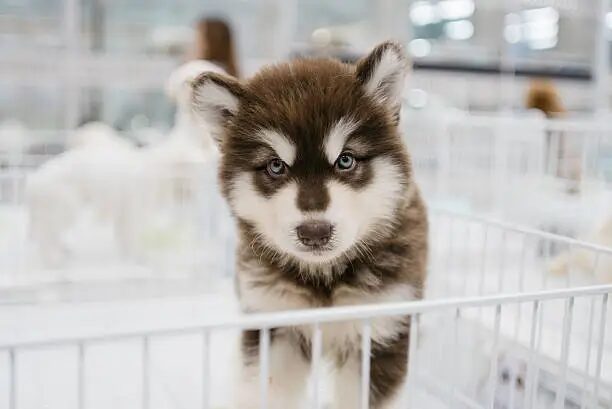
Young Malamutes are:
- Curious
- Energetic
- Intelligent
- Playful
- Fast-growing
Expect plenty of chewing, exploration, and learning during the first year.
Growth Stages
8–12 Weeks
- Learning household routines
- Beginning socialization
- Starting potty training
3–6 Months
- Teething
- Increased curiosity
- Learning basic obedience
6–12 Months
- Rapid growth
- More confidence
- Testing boundaries
12–24 Months
- Physical maturity
- Continued mental development
- Improved self-control
Development Milestones
| Age | Milestone |
|---|---|
| 8 Weeks | New home |
| 12 Weeks | Vaccinations continue |
| 4 Months | Permanent teeth begin |
| 6 Months | Strong physical growth |
| 12 Months | Near adult size |
| 18–24 Months | Full maturity |
Socialization
Early socialization should include:
- Meeting friendly people
- Visiting safe public places
- Positive dog interactions
- Grooming practice
- Vehicle rides
- Household sounds
Vaccination Schedule
Work with your veterinarian to establish an appropriate vaccination schedule. Puppies typically receive a series of vaccines beginning around 6–8 weeks of age, followed by boosters at recommended intervals.
First-Year Care
Focus on:
- Quality nutrition
- Veterinary care
- Basic obedience
- Exercise
- Grooming
- Socialization
- Positive experiences
How to Choose an Alaskan Malamute Puppy
Selecting a healthy puppy begins with choosing the right breeder.
Selecting a Responsible Breeder
A responsible breeder will:
- Perform health testing
- Raise puppies indoors
- Socialize puppies early
- Answer questions openly
- Provide veterinary records
Questions to Ask
Ask about:
- Parent health
- Temperament
- Feeding schedule
- Vaccinations
- Registration
- Genetic testing
Health Testing
Responsible breeders should screen breeding dogs for inherited conditions such as hip disorders and certain eye diseases when appropriate.
Puppy Temperament
Healthy puppies are generally:
- Curious
- Alert
- Friendly
- Confident
- Playful
Avoid puppies showing persistent fear or signs of illness.
Warning Signs of Puppy Mills
Avoid sellers who:
- Refuse visits
- Sell multiple breeds at once
- Cannot provide health records
- Offer unusually cheap puppies
- Pressure buyers into quick decisions
Alaskan Malamute Price
Owning an Alaskan Malamute involves both upfront and ongoing expenses.
Puppy Price
A well-bred Alaskan Malamute puppy generally costs between $1,000 and $3,000, though puppies from champion bloodlines may cost more.
Adoption Costs
Adoption fees typically range from $200 to $600, often including vaccinations, microchipping, and spay/neuter services.
Monthly Expenses
Owners should budget for:
- Food
- Veterinary care
- Grooming supplies
- Flea and tick prevention
- Toys
- Insurance (optional)
Lifetime Ownership Cost
Over a lifetime, an Alaskan Malamute may cost $20,000–$35,000 or more, depending on healthcare needs, diet, and lifestyle.
Factors Affecting Price
Price varies depending on:
- Breeder reputation
- Bloodline
- Location
- Health testing
- Demand
- Coat quality
- Registration status
Estimated Ownership Costs
| Expense | Estimated Cost (USD) |
|---|---|
| Puppy Purchase | $1,000–$3,000+ |
| Adoption | $200–$600 |
| Food (Annual) | $700–$1,200 |
| Veterinary Care (Annual) | $300–$800 |
| Grooming Supplies | $150–$400 |
| Training | $150–$600 |
| Toys & Accessories | $200–$500 |
| Estimated Lifetime Cost | $20,000–$35,000+ |
Alaskan Malamute Breeders
Choosing the right breeder is one of the most important decisions you’ll make when bringing an Alaskan Malamute into your home. Ethical breeders focus on producing healthy, well-socialized puppies with stable temperaments.
How to Find Ethical Breeders
A responsible breeder should:
- Perform genetic health testing on breeding dogs
- Raise puppies in a clean, family environment
- Encourage you to meet the puppy’s parents
- Provide vaccination and health records
- Offer lifetime support for puppy owners
- Ask questions to ensure you’re a suitable match
Avoid breeders who always have puppies available or refuse to answer questions about health and lineage.
AKC Marketplace
The American Kennel Club (AKC) Marketplace is a useful starting point for finding breeders who register their litters. Always research each breeder thoroughly, as registration alone does not guarantee quality.
Breed Clubs
National and regional Alaskan Malamute clubs often maintain breeder directories and provide educational resources for prospective owners.
Health Certifications
Responsible breeders commonly screen breeding dogs for:
- Hip dysplasia
- Eye diseases
- Polyneuropathy (where appropriate)
Always request copies of available health certifications.
Breeder Checklist
Before purchasing a puppy, confirm that the breeder:
- ✔ Provides health records
- ✔ Performs genetic testing
- ✔ Raises puppies indoors
- ✔ Offers a written contract
- ✔ Socializes puppies early
- ✔ Answers all your questions honestly
Alaskan Malamute Rescue and Adoption
Many wonderful Alaskan Malamutes are waiting for loving homes through rescue organizations.
Benefits of Adoption
Adoption offers several advantages:
- Saves a dog’s life
- Lower upfront cost
- Adult temperament is already established
- Many dogs are house-trained
- Vaccinations and sterilization are often included
Rescue Organizations
Breed-specific rescues understand the unique needs of Alaskan Malamutes and carefully match dogs with suitable families.
Adoption Process
Most rescues require:
- Adoption application
- Interview
- Home check
- Reference verification
- Meet-and-greet
- Adoption agreement
Adult vs Puppy Adoption
| Adult Dog | Puppy |
|---|---|
| Predictable personality | Can be trained from the beginning |
| Usually calmer | Requires extensive training |
| Often house-trained | Higher energy level |
| Lower adoption cost | Longer lifetime together |
Living Requirements
The Alaskan Malamute thrives in spacious environments where it can remain physically active.
Ideal Home Environment
The breed does best in:
- Large homes
- Active families
- Rural or suburban settings
- Cooler climates
Yard Requirements
A securely fenced yard provides room to explore and play but should not replace daily exercise.
Fencing
Because Malamutes are talented diggers and climbers:
- Use fences at least 6 feet tall.
- Reinforce weak areas.
- Consider burying fencing below ground to discourage digging.
Apartment Living
Apartment life is generally not ideal due to the breed’s size and exercise needs. However, dedicated owners who provide ample daily activity may be able to make it work.
Indoor vs Outdoor Living
Although they tolerate cold weather extremely well, Alaskan Malamutes should live indoors with their families. They crave companionship and can become bored or lonely if isolated outdoors.
Climate Suitability
The breed performs best in:
- Snowy regions
- Cold climates
- Mountain environments
Living in Hot Weather
Owners in warm climates should:
- Walk dogs early or late in the day.
- Provide constant access to fresh water.
- Offer shade and cooling areas.
- Avoid strenuous exercise during peak heat.
Exercise Requirements
This powerful working breed requires plenty of daily activity to remain healthy and happy.
Daily Exercise Needs
Most adult Malamutes need 90–120 minutes of exercise every day.
Walking
Long walks help burn energy while reinforcing good leash manners.
Running
Healthy adults enjoy running, though puppies should avoid excessive impact until their joints mature.
Hiking
Hiking is one of the breed’s favorite activities due to its endurance and love of exploring.
Backpacking
Many Malamutes enjoy carrying specially designed dog backpacks on longer adventures.
Pulling Sports
Excellent activities include:
- Weight pulling
- Sledding
- Cart pulling
- Skijoring
Mental Stimulation
Prevent boredom with:
- Puzzle feeders
- Obedience practice
- Nose work
- Interactive toys
Interactive Games
Popular games include:
- Tug-of-war
- Hide-and-seek
- Fetch
- Obstacle courses
Training an Alaskan Malamute
Training should begin as soon as your puppy comes home.
Are They Easy to Train?
The breed is intelligent but independent. Consistency, patience, and positive reinforcement are essential.
Puppy Training
Focus on:
- Name recognition
- House training
- Bite inhibition
- Socialization
- Basic commands
Obedience Training
Teach:
- Sit
- Stay
- Down
- Come
- Leave it
- Heel
Leash Training
Because adult Malamutes are incredibly strong, early leash training is vital.
Crate Training
A properly introduced crate provides:
- Safety
- House-training support
- Travel convenience
- A quiet resting place
Potty Training
Maintain a consistent schedule and reward success immediately.
Recall Training
A reliable recall takes time, especially because of the breed’s prey drive. Practice frequently in secure areas.
Positive Reinforcement
Reward desired behavior with:
- Treats
- Praise
- Toys
- Play
Avoid harsh punishment, which can damage trust and reduce motivation.
Common Training Mistakes
- Inconsistent rules
- Too little exercise
- Long training sessions
- Poor socialization
- Using punishment instead of rewards
Socialization Guide
Proper socialization helps create a confident adult dog.
Children
Teach children to respect the dog’s space and supervise interactions.
Other Dogs
Introduce puppies to friendly dogs early to encourage appropriate social skills.
Cats
Some Malamutes can live peacefully with cats they were raised with, but supervision is always recommended.
Small Pets
Due to their prey drive, rabbits, guinea pigs, birds, and similar pets should be kept safely separated.
Visitors
Invite guests regularly during puppyhood so your dog becomes comfortable meeting new people.
Public Places
Visit parks, pet-friendly stores, and outdoor cafés to expose your Malamute to different environments.
Grooming Guide
Brushing Routine
Brush your Malamute 2–4 times each week, increasing to daily brushing during heavy seasonal shedding.
Bathing
Bathing every 6–8 weeks is usually sufficient unless your dog becomes especially dirty.
Nail Care
Trim nails every 3–4 weeks.
Ear Cleaning
Inspect ears weekly and clean them when necessary.
Dental Care
Brush teeth several times each week using dog-safe toothpaste.
Seasonal Shedding
Malamutes shed moderately year-round and heavily during seasonal coat blows.
Coat Blow
Twice each year, large amounts of undercoat are shed over several weeks. Frequent brushing helps manage loose fur.
Grooming Tools
Recommended tools include:
- Slicker brush
- Undercoat rake
- Pin brush
- Nail grinder
- Dog shampoo
- High-velocity dryer (optional)
Feeding and Nutrition
Nutritional Requirements
Feed a complete, balanced diet formulated for your dog’s life stage and activity level.
Best Dog Food
Choose foods containing:
- High-quality animal protein
- Healthy fats
- Vitamins
- Minerals
- Omega-3 fatty acids
Puppy Feeding Schedule
| Age | Meals Per Day |
|---|---|
| 8–12 Weeks | 4 |
| 3–6 Months | 3 |
| 6–12 Months | 2–3 |
| Adult | 2 |
Adult Feeding Guide
Monitor body condition and adjust portions based on your dog’s weight, activity, and veterinary guidance.
Senior Nutrition
Older Malamutes often benefit from diets that support joint health and healthy weight management.
Raw Diet
Some owners choose a raw diet, but it should only be followed under professional guidance to ensure nutritional balance.
Wet Food vs Dry Food
Both options can be healthy when nutritionally complete. Many owners feed primarily dry food with occasional wet food for variety.
Healthy Treats
Good treat options include:
- Carrots
- Blueberries
- Apple slices (without seeds)
- Commercial training treats
Foods to Avoid
Never feed:
- Chocolate
- Grapes
- Raisins
- Onions
- Garlic
- Xylitol
- Alcohol
- Cooked bones
Common Health Problems
Although generally robust, Alaskan Malamutes may be prone to several inherited or age-related conditions.
These include:
- Hip dysplasia
- Elbow dysplasia
- Progressive Retinal Atrophy (PRA)
- Cataracts
- Polyneuropathy
- Hypothyroidism
- Gastric Dilatation-Volvulus (Bloat)
- Zinc-responsive dermatosis
- Arthritis
- Obesity
Preventive Healthcare
Support long-term health by:
- Scheduling routine veterinary checkups
- Keeping vaccinations current
- Maintaining a healthy weight
- Providing regular exercise
- Feeding a balanced diet
- Using parasite prevention year-round
Lifespan
Average Life Expectancy
Most Alaskan Malamutes live 10–14 years.
Factors Affecting Longevity
- Genetics
- Nutrition
- Exercise
- Preventive healthcare
- Weight management
- Dental care
How to Help Your Malamute Live Longer
- Feed high-quality food.
- Maintain a healthy weight.
- Exercise daily.
- Schedule regular veterinary visits.
- Brush teeth frequently.
- Provide mental enrichment and companionship.
Common Behavioral Problems
Without enough exercise or mental stimulation, Malamutes may develop unwanted behaviors.
Common issues include:
- Digging
- Chewing
- Pulling on the leash
- Escaping
- Separation anxiety
- Excessive howling
- Stubbornness
- Resource guarding
Most can be managed through consistent training, enrichment, and sufficient physical activity.
Traveling with an Alaskan Malamute
Car Travel Tips
- Use a crash-tested harness or travel crate.
- Stop regularly for water and exercise.
- Never leave your dog in a parked vehicle.
Air Travel
Review airline policies carefully, especially for large breeds and warm-weather restrictions.
Camping
Camping is an excellent way for Malamutes to enjoy the outdoors while bonding with their families.
Hiking Adventures
Carry:
- Water
- Portable bowl
- First-aid kit
- Waste bags
- Paw protection when needed
Traveling in Warm Weather
Plan activities during cooler parts of the day and watch closely for signs of overheating.
Best Accessories for Alaskan Malamutes
Useful equipment includes:
- Heavy-duty harness
- Strong leash
- Orthopedic dog bed
- Large crate
- Stainless steel food bowls
- Puzzle toys
- Undercoat rake
- Cooling mat
Best Activities for an Alaskan Malamute
This energetic breed enjoys:
- Sledding
- Weight pulling
- Canicross
- Bikejoring
- Backpacking
- Agility
- Swimming (if the individual dog enjoys it)
- Nose work
- Obedience competitions
Pros and Cons of Owning an Alaskan Malamute
| Advantages | Disadvantages |
|---|---|
| Loyal companion | Heavy shedding |
| Friendly personality | Needs extensive daily exercise |
| Excellent hiking partner | Can be stubborn |
| Beautiful appearance | Strong prey drive |
| Intelligent | Not ideal for apartments |
| Hardy working breed | Requires regular grooming |
Interesting Facts About the Alaskan Malamute Dog Breed
- One of the oldest Arctic dog breeds.
- Descended from ancient sled dogs.
- Bred to pull heavy freight rather than race.
- Played an important role in polar expeditions.
- The official state dog of Alaska.
- Thick double coat protects against freezing temperatures.
- More likely to howl than bark.
- Strong pack instincts remain today.
- Wolf-like appearance without wolf ancestry.
- Renowned for exceptional endurance and strength.
Frequently Asked Questions (FAQ)
What is an Alaskan Malamute dog breed?
A large Arctic working breed originally developed to pull heavy sleds over long distances.
Are Alaskan Malamutes good family dogs?
Yes. They are affectionate, loyal, and generally do well with respectful children when properly trained and supervised.
Are Alaskan Malamutes aggressive?
No. They are typically friendly, though early socialization and responsible ownership are important.
Do they bark a lot?
Not usually. They are more likely to communicate through howling.
Can they live in hot climates?
Yes, but they require careful heat management, shade, fresh water, and limited activity during hot weather.
Are they easy to train?
They are intelligent but independent, making consistent, reward-based training essential.
How much exercise do they need?
Most adults need 90–120 minutes of daily exercise.
Do they shed a lot?
Yes. They shed year-round and experience heavy seasonal coat blows.
Are they good with cats?
Some can live with cats they are raised with, but supervision is recommended because of their prey drive.
Can first-time owners handle them?
The breed is generally better suited to experienced owners due to its size, strength, and independent nature.
Are they hypoallergenic?
No. Their heavy shedding makes them unsuitable for people with dog allergies.
How much does an Alaskan Malamute puppy cost?
A responsibly bred puppy generally costs $1,000–$3,000 or more, while adoption is typically much less expensive.
How long do Alaskan Malamutes live?
Most live between 10 and 14 years.
Can they stay home alone?
They can tolerate short periods alone, but long-term isolation may lead to boredom and destructive behaviors.
What health problems are common in the breed?
Common concerns include hip dysplasia, elbow dysplasia, eye diseases, hypothyroidism, polyneuropathy, bloat, obesity, and arthritis.
Conclusion
The Alaskan Malamute dog breed is a magnificent combination of strength, intelligence, endurance, and loyalty. Developed over thousands of years to thrive in some of the harshest Arctic environments, these powerful dogs remain outstanding companions for active families and experienced owners.
Their impressive size, thick double coat, and friendly personality make them one of the most recognizable working breeds in the world. However, they also require significant daily exercise, regular grooming, consistent training, and plenty of mental stimulation to stay healthy and well-behaved.
An Alaskan Malamute is an excellent choice for people who enjoy hiking, camping, backpacking, and other outdoor adventures. On the other hand, individuals with limited time, very small living spaces, or sedentary lifestyles may find the breed’s needs challenging to meet.