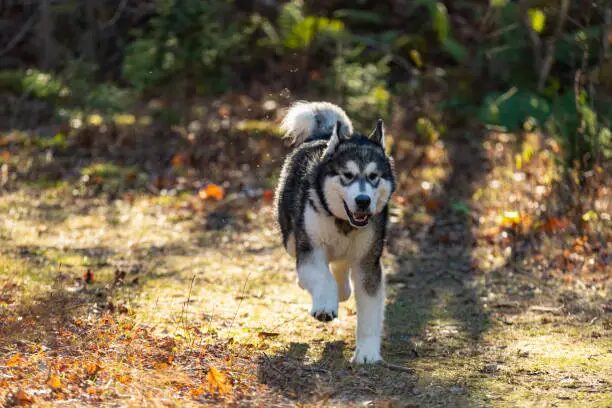
If you’ve ever mistaken an Alaskan Malamute for a Siberian Husky, you’re not alone. Both breeds have striking wolf-like appearances, thick double coats, erect ears, and a rich history as Arctic working dogs. At first glance, they seem almost identical. However, once you look beyond their appearance, you’ll discover that these two breeds differ significantly in size, personality, purpose, exercise needs, and overall lifestyle compatibility.
The Alaskan Malamute vs Husky debate is one of the most searched topics among prospective dog owners. While both breeds originated in cold climates and were developed to pull sleds, they were bred for very different jobs. The Alaskan Malamute was designed to haul heavy freight across long distances, whereas the Siberian Husky was bred to pull lighter loads at faster speeds.
Understanding these differences is essential before choosing either breed. A Malamute’s calm confidence and immense strength may suit one family perfectly, while another household may prefer the Husky’s athleticism, playful personality, and lighter build.
In this complete comparison guide, you’ll learn everything you need to know about these remarkable Arctic dog breeds, including their history, physical characteristics, temperament, training, grooming, health, cost, and which breed is best suited for your lifestyle.
Alaskan Malamute vs Husky Overview
Although these breeds share Arctic ancestry, they have developed unique characteristics over centuries of selective breeding.
Quick Breed Facts
Alaskan Malamute
| Feature | Details |
|---|---|
| Origin | Alaska, USA |
| Breed Group | Working Group |
| Height | 23–25 inches |
| Weight | 75–100+ lbs |
| Lifespan | 10–14 years |
| Coat Type | Thick double coat |
| Temperament | Loyal, confident, affectionate |
| Energy Level | Very High |
Siberian Husky
| Feature | Details |
|---|---|
| Origin | Siberia, Russia |
| Breed Group | Working Group |
| Height | 20–24 inches |
| Weight | 35–60 lbs |
| Lifespan | 12–15 years |
| Coat Type | Thick double coat |
| Temperament | Friendly, outgoing, energetic |
| Energy Level | Extremely High |
Side-by-Side Breed Comparison Table
| Category | Alaskan Malamute | Siberian Husky |
|---|---|---|
| Size | Very Large | Medium |
| Weight | 75–100+ lbs | 35–60 lbs |
| Purpose | Heavy hauling | Fast sled racing |
| Strength | Excellent | Very Good |
| Speed | Moderate | Excellent |
| Coat | Thick double coat | Thick double coat |
| Eye Color | Brown | Brown or Blue |
| Temperament | Calm, loyal | Playful, energetic |
| Exercise Needs | Very High | Extremely High |
| Shedding | Heavy | Heavy |
History and Origin
Although these two breeds are often grouped together, their histories began with different Arctic communities and different working roles.
History of the Alaskan Malamute
The Alaskan Malamute is one of the oldest known Arctic dog breeds. It was developed by the Mahlemut Inuit people of Alaska, who relied on these powerful dogs for transportation and survival.
For centuries, Malamutes helped their owners by:
- Pulling heavy sleds
- Transporting food
- Carrying hunting equipment
- Moving supplies across snow and ice
Their strength and endurance made them indispensable companions in harsh Arctic conditions.
History of the Siberian Husky
The Siberian Husky originated with the Chukchi people of northeastern Siberia.
Unlike the Malamute, Huskies were bred to:
- Pull lighter sleds
- Travel quickly over long distances
- Transport families and supplies efficiently
- Work as endurance sled dogs
Their smaller size and athletic build allowed them to maintain impressive speeds while conserving energy.
Original Purpose of Each Breed
Although both breeds are sled dogs, they excelled at different tasks.
Alaskan Malamute
- Heavy freight hauling
- Slow, steady pulling
- Long-distance endurance
- Strength over speed
Siberian Husky
- Fast sled racing
- Lighter loads
- Speed and agility
- Efficient endurance
This difference remains one of the biggest distinctions between the two breeds today.
Arctic Heritage
Both breeds evolved in extremely cold environments where survival depended on resilience, stamina, and close partnerships with humans.
Their thick double coats, compact feet, and remarkable endurance are direct results of adapting to life in Arctic climates.
Working Roles
Today, both breeds continue participating in activities such as:
- Sledding
- Hiking
- Backpacking
- Search and rescue
- Weight pulling
- Dog sports
- Family companionship
However, Malamutes are generally preferred for strength-based tasks, while Huskies excel in endurance sports.
Recognition by the American Kennel Club (AKC)
The American Kennel Club (AKC) officially recognized:
- Alaskan Malamute: 1935
- Siberian Husky: 1930
Since then, both breeds have remained among the most admired working dogs worldwide.
Appearance Comparison
Although many people struggle to tell these breeds apart, several physical differences make identification easier.
Overall Body Structure
The Alaskan Malamute has a broad, muscular body built for power.
The Siberian Husky has a leaner, more athletic body built for speed.
Size Difference
The Alaskan Malamute is noticeably larger.
Adult Malamutes often outweigh Huskies by 30 to 50 pounds.
Height Comparison
| Breed | Average Height |
|---|---|
| Alaskan Malamute | 23–25 inches |
| Siberian Husky | 20–24 inches |
Weight Comparison
| Breed | Average Weight |
|---|---|
| Alaskan Malamute | 75–100+ lbs |
| Siberian Husky | 35–60 lbs |
The difference in weight is often the easiest way to distinguish the breeds.
Coat Type
Both breeds have weather-resistant double coats consisting of:
- Dense undercoat
- Protective outer coat
This insulation allows them to thrive in freezing temperatures.
Coat Thickness
While both coats are thick, the Alaskan Malamute generally has a denser coat due to its role as a heavy freight dog in extremely cold climates.
Facial Features
Alaskan Malamute
- Broad head
- Wide muzzle
- Powerful jaw
- Strong facial expression
Siberian Husky
- Narrower face
- More refined muzzle
- Lighter expression
- Fox-like appearance
Ear Shape
Both breeds have erect triangular ears.
However:
- Malamute ears are slightly smaller and wider apart.
- Husky ears are larger relative to head size.
Tail
The Alaskan Malamute carries a thick, plume-like tail curled gently over its back.
The Siberian Husky also carries its tail high but often in a looser sickle shape.
Eye Color
One of the easiest differences involves eye color.
Alaskan Malamute
- Brown eyes only according to the breed standard
Siberian Husky
- Brown
- Blue
- One blue and one brown (heterochromia)
- Parti-colored eyes
Blue eyes are common in Huskies but are not considered standard for purebred Alaskan Malamutes.
Nose Color
Both breeds usually have black noses.
Red-coated dogs may display liver-colored noses, particularly in Huskies and red Malamutes.
Coat Colors
Alaskan Malamute
Common colors include:
- Gray and white
- Black and white
- Red and white
- Silver and white
- Sable and white
- Seal and white
- Pure white
Siberian Husky
Huskies appear in a broader range of colors, including:
- Black
- Gray
- White
- Red
- Agouti
- Copper
- Sable
- Piebald
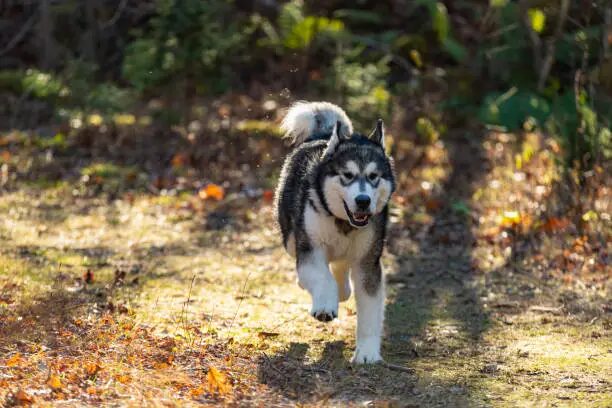
Wolf-Like Appearance
Both breeds resemble wolves due to their:
- Thick coats
- Upright ears
- Bushy tails
- Athletic bodies
- Facial masks
However, neither breed contains modern wolf ancestry.
Which Breed Looks More Like a Wolf?
This often comes down to personal opinion.
Many people feel the Alaskan Malamute appears more wolf-like because of its:
- Massive frame
- Broad head
- Thick neck
- Heavy coat
Others believe the Husky’s facial markings and blue eyes create a more dramatic wild appearance.
Size Comparison
The most obvious physical difference between these breeds is overall size.
| Feature | Alaskan Malamute | Siberian Husky |
|---|---|---|
| Height | 23–25 inches | 20–24 inches |
| Weight | 75–100+ lbs | 35–60 lbs |
| Body Mass | Heavy | Medium |
| Bone Structure | Thick | Moderate |
| Growth Rate | Slightly slower | Faster |
| Adult Size | Large | Medium |
Temperament Comparison
Although both breeds are friendly, their personalities differ in several important ways.
Friendliness
Both breeds are known for being sociable and affectionate.
Neither typically makes an excellent guard dog because they generally enjoy meeting people.
Family Compatibility
Both breeds thrive in active families.
Malamutes tend to be calmer indoors after sufficient exercise, while Huskies often remain energetic throughout the day.
Intelligence
Both are highly intelligent.
However, intelligence doesn’t always equal obedience.
These breeds often think independently and enjoy solving problems on their own.
Independence
Alaskan Malamute
- Calm
- Self-confident
- Independent
Siberian Husky
- Curious
- Mischievous
- Highly adventurous
Loyalty
The Malamute often forms exceptionally close bonds with its family.
Huskies are equally affectionate but may appear more independent because of their adventurous personalities.
Playfulness
Huskies generally remain more playful and energetic throughout adulthood.
Malamutes mature into calmer companions while still enjoying outdoor adventures.
Social Personality
Both breeds enjoy:
- Human interaction
- Other dogs
- Outdoor activities
- Family adventures
Proper early socialization helps develop confident adult dogs.
Protective Instinct
Neither breed was developed primarily for guarding.
Their friendliness often outweighs protective instincts.
Stranger Friendliness
Most Malamutes and Huskies greet strangers with curiosity rather than suspicion.
Pack Mentality
Both breeds naturally understand pack dynamics and respond well to consistent leadership and positive training.
Prey Drive
Both breeds retain a strong prey drive.
Owners should supervise interactions with:
- Cats
- Rabbits
- Birds
- Small pets
Early socialization helps but may not eliminate chasing instincts.
Energy Level and Exercise Needs
Both the Alaskan Malamute and the Siberian Husky were bred to work for hours in harsh Arctic conditions. Because of this heritage, they are among the most energetic dog breeds in the world. However, their exercise styles are slightly different.
Daily Exercise Requirements
Both breeds require at least 1.5 to 2 hours of daily exercise.
A healthy routine should include:
- Long walks
- Running or jogging
- Interactive play
- Obedience training
- Mental stimulation
- Off-leash play in secure areas
Without enough activity, either breed may become bored and develop destructive behaviors.
Running
The Siberian Husky is generally the better long-distance runner due to its lighter frame and greater speed.
The Alaskan Malamute can also run but excels more at steady, strength-based activities than fast-paced endurance.
Hiking
Both breeds are outstanding hiking companions.
Alaskan Malamutes enjoy carrying dog backpacks and navigating rugged trails, while Huskies thrive on covering long distances at a brisk pace.
Pulling Sports
Working activities are ideal for satisfying these breeds’ natural instincts.
Popular sports include:
- Sledding
- Weight pulling
- Skijoring
- Cart pulling
- Bikejoring
- Canicross
Malamutes typically perform better in heavy pulling sports, whereas Huskies are known for speed-based sledding events.
Mental Stimulation
Physical exercise alone isn’t enough.
Provide mental challenges through:
- Puzzle toys
- Scent games
- Obedience training
- Food-dispensing toys
- Hide-and-seek games
- Trick training
Mental enrichment helps prevent boredom and destructive habits.
Apartment Living
Neither breed is ideal for apartment living because of its high energy level.
If kept in an apartment, owners should commit to:
- Multiple daily walks
- Vigorous exercise
- Regular outdoor adventures
- Indoor enrichment activities
Which Breed Has More Energy?
Both are energetic, but the Siberian Husky is generally considered the more active and restless of the two. The Alaskan Malamute also requires substantial exercise but is more likely to relax indoors after its activity needs have been met.
Intelligence and Trainability
These Arctic dogs are highly intelligent, but they are also independent thinkers.
Which Breed Is Smarter?
Both breeds learn quickly.
However:
- Huskies often learn commands faster.
- Malamutes may show greater problem-solving ability.
Neither breed is naturally eager to please like some herding or sporting breeds.
Ease of Training
Training can be challenging for inexperienced owners because both breeds are strong-willed.
Success depends on:
- Patience
- Consistency
- Positive reinforcement
- Early socialization
- Short, engaging sessions
Obedience
Teach essential commands such as:
- Sit
- Stay
- Down
- Leave it
- Heel
- Come
Practice regularly to reinforce good manners.
Recall Training
Reliable recall can be difficult because both breeds have strong prey drives.
Always use secure fenced areas when practicing off-leash recall.
House Training
Puppies usually respond well to:
- Consistent routines
- Frequent bathroom breaks
- Positive rewards
- Supervision
Crate Training
Crates provide:
- A safe resting place
- Help with potty training
- Security during travel
- Management when unsupervised
Introduce the crate gradually using treats and praise.
Common Training Challenges
Owners often encounter:
- Stubbornness
- Pulling on the leash
- Ignoring recalls
- Digging
- Escaping
- Chasing wildlife
These behaviors are manageable with proper training and adequate exercise.
Best Training Methods
Reward-based training is the most effective approach.
Use:
- Healthy treats
- Verbal praise
- Toys
- Play sessions
Avoid harsh punishment, as it can damage trust and reduce motivation.
Grooming and Shedding
Both breeds have luxurious double coats that require regular care.
Double Coat Comparison
Each coat consists of:
- Dense insulating undercoat
- Weather-resistant outer coat
This combination protects the dogs from extreme cold.
Seasonal Coat Blow
Twice a year, both breeds “blow” their undercoats.
During these periods, expect:
- Heavy shedding
- Daily brushing
- Loose hair throughout the home
Brushing Requirements
Recommended brushing schedule:
- Normal shedding: 2–3 times per week
- Seasonal shedding: Daily
Regular brushing helps reduce mats and loose fur.
Bathing
These breeds have relatively clean coats and usually need bathing every 6–8 weeks, or when dirty.
Nail Care
Trim nails approximately every 3–4 weeks or as needed to prevent discomfort.
Ear Cleaning
Inspect ears weekly and clean them with a veterinarian-approved solution when necessary.
Dental Care
Brush teeth several times a week using toothpaste formulated for dogs.
Dental care supports overall health and helps prevent periodontal disease.
Which Breed Sheds More?
Both are heavy shedders, but the Alaskan Malamute often sheds slightly more because of its larger size and denser coat.
Health Comparison
Although generally healthy, both breeds are susceptible to certain inherited and age-related conditions.
Common Health Problems in Alaskan Malamutes
Potential concerns include:
- Hip dysplasia
- Elbow dysplasia
- Polyneuropathy
- Cataracts
- Progressive Retinal Atrophy (PRA)
- Hypothyroidism
- Zinc-responsive dermatosis
- Gastric Dilatation-Volvulus (bloat)
Common Health Problems in Siberian Huskies
Common issues include:
- Progressive Retinal Atrophy (PRA)
- Cataracts
- Corneal dystrophy
- Hip dysplasia (less common than in Malamutes)
- Glaucoma
Genetic Disorders
Responsible breeders reduce inherited disease risks through appropriate health testing of breeding dogs.
Joint Problems
Because Malamutes are heavier, they generally face a higher risk of joint disorders such as hip and elbow dysplasia.
Maintaining a healthy body weight can reduce stress on the joints.
Eye Diseases
Both breeds may develop inherited eye conditions.
Routine veterinary eye examinations can help detect problems early.
Hypothyroidism
Hypothyroidism occurs more frequently in Alaskan Malamutes than in Siberian Huskies.
Symptoms may include:
- Weight gain
- Hair loss
- Low energy
- Skin problems
Bloat Risk
Deep-chested breeds, including the Alaskan Malamute, have an increased risk of Gastric Dilatation-Volvulus (GDV), a life-threatening emergency requiring immediate veterinary care.
Preventive Healthcare
Support long-term health by:
- Scheduling regular veterinary checkups
- Keeping vaccinations current
- Feeding a balanced diet
- Maintaining a healthy weight
- Exercising appropriately
- Using year-round parasite prevention
Lifespan Comparison
Average Lifespan
| Breed | Average Lifespan |
|---|---|
| Alaskan Malamute | 10–14 years |
| Siberian Husky | 12–15 years |
Factors Affecting Longevity
Several factors influence lifespan:
- Genetics
- Nutrition
- Exercise
- Weight management
- Preventive healthcare
- Dental hygiene
- Living environment
Which Breed Lives Longer?
On average, the Siberian Husky tends to live slightly longer than the Alaskan Malamute, partly because of its smaller size.
Diet and Nutrition
Proper nutrition is essential for supporting the active lifestyles of both breeds.
Feeding Requirements
Feed a complete and balanced diet appropriate for your dog’s:
- Age
- Size
- Activity level
- Overall health
Fresh water should always be available.
Calorie Needs
Malamutes generally require more calories than Huskies because of their larger body size and greater muscle mass.
Adjust food portions according to your veterinarian’s recommendations.
Best Dog Food
Look for foods containing:
- High-quality animal protein
- Healthy fats
- Essential vitamins and minerals
- Omega-3 fatty acids
- Appropriate calcium and phosphorus levels
Puppy Feeding
Young puppies usually eat:
- 3–4 meals daily
Smaller, frequent meals support healthy growth.
Adult Feeding
Most healthy adults do well with:
- Two meals per day
Portion sizes should match the dog’s body condition and activity level.
Senior Nutrition
Older dogs often benefit from diets formulated for senior dogs that support joint health, muscle maintenance, and healthy weight.
Foods to Avoid
Never feed:
- Chocolate
- Grapes
- Raisins
- Onions
- Garlic
- Xylitol
- Alcohol
- Cooked bones
- Excessively fatty foods
Cost Comparison
Owning either breed involves more than the initial purchase price.
Puppy Price
- Alaskan Malamute: $1,000–$3,000+
- Siberian Husky: $800–$2,500+
Champion bloodlines or exceptional pedigrees may increase the cost.
Adoption Cost
Adoption fees generally range from $200 to $600, depending on the rescue organization and what services are included.
Grooming Costs
Most owners groom these breeds at home, but professional grooming during heavy shedding seasons may cost additional fees.
Veterinary Expenses
Routine veterinary costs include:
- Annual wellness exams
- Vaccinations
- Parasite prevention
- Dental care
- Emergency treatment (if needed)
Food Costs
Because Malamutes are larger, they generally consume more food and therefore have higher monthly feeding costs than Huskies.
Lifetime Ownership Cost
Over a lifetime, owners may spend $20,000–$40,000 or more, depending on healthcare, nutrition, grooming, training, and other lifestyle factors.
Estimated Cost Comparison
| Expense | Alaskan Malamute | Siberian Husky |
|---|---|---|
| Puppy Price | $1,000–$3,000+ | $800–$2,500+ |
| Adoption | $200–$600 | $200–$600 |
| Food (Annual) | Higher | Moderate |
| Grooming | Moderate | Moderate |
| Veterinary Care | Moderate | Moderate |
| Estimated Lifetime Cost | $20,000–$40,000+ | $18,000–$35,000+ |
Living Requirements
Although both breeds are adaptable, they thrive in homes where they have plenty of space and opportunities for daily exercise.
House vs Apartment
A house with a securely fenced yard is generally the best environment for both breeds.
Apartment living is possible only if owners can provide:
- 2 or more hours of daily exercise
- Mental enrichment
- Frequent outdoor activities
- Consistent training
Without enough activity, boredom can lead to destructive behavior.
Yard Requirements
A spacious yard gives these energetic dogs room to explore and play.
However, a yard should never replace daily walks and structured exercise.
Indoor vs Outdoor Living
Both breeds enjoy spending time outdoors, especially in cold weather, but they should live indoors with their families.
These dogs are highly social and may become lonely or develop behavioral problems if left outside for long periods.
Climate Suitability
Because of their thick double coats, both breeds are best suited for:
- Cold climates
- Snowy regions
- Mountain areas
- Cool temperatures
Hot Weather Tolerance
Neither breed handles extreme heat particularly well.
During hot weather:
- Walk early in the morning or after sunset.
- Provide unlimited fresh water.
- Offer shade and cooling mats.
- Avoid strenuous exercise during the hottest part of the day.
Cold Weather Performance
Both breeds excel in freezing temperatures.
Alaskan Malamute
- Exceptional cold tolerance
- Built for heavy work in snow
Siberian Husky
- Excellent cold tolerance
- Designed for speed across frozen terrain
Behavior Problems Comparison
These intelligent working dogs need regular mental and physical stimulation.
Without it, certain unwanted behaviors may appear.
Digging
Alaskan Malamute
Originally dug sleeping holes in the snow, so digging remains a natural instinct.
Siberian Husky
Also enjoys digging, especially when bored or trying to stay cool.
Escaping
Huskies are legendary escape artists.
Malamutes may also climb or dig under fences if left unattended.
Secure fencing is essential for both breeds.
Pulling on the Leash
Both breeds naturally pull because they were bred to pull sleds.
Early leash training and a well-fitted harness can help manage this behavior.
Separation Anxiety
Neither breed enjoys being left alone for extended periods.
Signs may include:
- Howling
- Chewing
- Digging
- Destructive behavior
Howling
Both breeds howl more often than they bark.
Huskies are generally the more vocal of the two.
Destructive Behavior
Without sufficient exercise, both breeds may:
- Chew furniture
- Destroy toys
- Dig holes
- Scratch doors
- Raid trash bins
Daily enrichment greatly reduces these behaviors.
Stubbornness
Both breeds can be independent thinkers.
Training succeeds best with:
- Positive reinforcement
- Patience
- Consistency
- Short, enjoyable sessions
Alaskan Malamute vs Husky as Family Dogs
Families with Children
Both breeds can make wonderful family pets when properly trained and supervised.
Alaskan Malamute
- Gentle
- Patient
- Calm around respectful children
Siberian Husky
- Energetic
- Playful
- Loves active families
Multi-Pet Homes
Both breeds may live peacefully with other dogs.
Small animals require careful introductions due to the breeds’ prey drive.
First-Time Owners
Neither breed is typically recommended for inexperienced owners.
If choosing between the two, the Husky’s smaller size may be easier to manage physically, but its extremely high energy can still present challenges.
Active Owners
Both breeds are excellent choices for people who enjoy:
- Hiking
- Running
- Camping
- Backpacking
- Outdoor adventures
Seniors
Very active seniors with dog-handling experience may enjoy these breeds, but their strength and exercise needs can be demanding.
Singles
Active singles often appreciate the companionship and adventurous spirit of either breed.
Alaskan Malamute vs Husky for Different Activities
Hiking
Winner: Alaskan Malamute
Its strength and endurance make it an exceptional trail companion.
Camping
Winner: Tie
Both breeds love outdoor adventures and cooler weather.
Running
Winner: Siberian Husky
Its lighter build and speed make it the better running partner.
Backpacking
Winner: Alaskan Malamute
Many Malamutes enjoy carrying properly fitted dog backpacks on long hikes.
Sledding
Winner: Depends on the Job
- Heavy freight: Alaskan Malamute
- Fast sled racing: Siberian Husky
Weight Pulling
Winner: Alaskan Malamute
Its muscular body was specifically developed for hauling heavy loads.
Agility
Winner: Siberian Husky
Its lighter frame allows quicker movement through agility courses.
Canicross
Winner: Siberian Husky
The breed’s speed and endurance make it especially well suited for this activity.
Pros and Cons of Each Breed
Alaskan Malamute
Pros
- Extremely strong and powerful
- Loyal companion
- Calm temperament
- Excellent cold-weather dog
- Outstanding hiking partner
Cons
- Heavy shedding
- Can be stubborn
- Larger food expenses
- Strong prey drive
- Better suited to experienced owners
Siberian Husky
Pros
- Athletic and agile
- Friendly personality
- Smaller, easier-to-manage size
- Excellent endurance
- Beautiful wolf-like appearance
Cons
- Skilled escape artist
- Extremely energetic
- Heavy shedding
- Strong prey drive
- Independent nature
Comparison Table
| Feature | Alaskan Malamute | Siberian Husky |
|---|---|---|
| Strength | ⭐⭐⭐⭐⭐ | ⭐⭐⭐⭐ |
| Speed | ⭐⭐⭐ | ⭐⭐⭐⭐⭐ |
| Endurance | ⭐⭐⭐⭐⭐ | ⭐⭐⭐⭐⭐ |
| Family Friendly | ⭐⭐⭐⭐⭐ | ⭐⭐⭐⭐⭐ |
| Grooming Needs | High | High |
| Trainability | Moderate | Moderate |
| Apartment Friendly | Low | Low |
| Cold Weather | Excellent | Excellent |
Which Breed Is Better?
The answer depends on your lifestyle and expectations.
Best for Families
Winner: Tie
Both breeds are affectionate family companions when properly trained and socialized.
Best for Active Owners
Winner: Tie
Both require owners who enjoy regular outdoor activities.
Best for Apartment Living
Winner: Siberian Husky
While neither breed is ideal for apartments, the Husky’s smaller size may make apartment living slightly more manageable for highly committed owners.
Best for Cold Climates
Winner: Tie
Both breeds are exceptionally well adapted to snowy, cold environments.
Best for Warm Climates
Winner: Siberian Husky
The Husky’s lighter body may tolerate warmth slightly better, but both breeds require careful heat management.
Best for First-Time Dog Owners
Winner: Neither
Both breeds benefit from experienced owners who understand their exercise, training, and grooming needs.
Best Guard Dog
Winner: Alaskan Malamute
Although neither breed is a traditional guard dog, the Malamute’s larger size can be a stronger visual deterrent.
Best Hiking Companion
Winner: Alaskan Malamute
Its strength, endurance, and love of carrying gear make it an outstanding hiking partner.
Best Running Partner
Winner: Siberian Husky
The Husky’s speed and stamina make it ideal for runners.
Overall Winner
There is no universal winner.
Choose the Alaskan Malamute if you want:
- A larger, stronger dog
- A calm and loyal companion
- A hiking or backpacking partner
- A powerful working breed
Choose the Siberian Husky if you want:
- A faster, more athletic dog
- A running companion
- A playful personality
- A slightly smaller Arctic breed
Interesting Facts
Alaskan Malamute Facts
- One of the oldest Arctic dog breeds.
- Official state dog of Alaska.
- Bred for strength rather than speed.
- Descended from ancient sled dogs.
Siberian Husky Facts
- Developed by the Chukchi people of Siberia.
- Famous for sled racing and endurance.
- Blue eyes are common.
- Smaller but generally faster than Alaskan Malamutes.
Frequently Asked Questions (FAQ)
What is the difference between an Alaskan Malamute and a Husky?
The Alaskan Malamute is larger, heavier, and bred for pulling heavy loads, while the Siberian Husky is smaller, faster, and bred for speed and endurance.
Which breed is bigger?
The Alaskan Malamute is significantly larger and heavier than the Siberian Husky.
Which breed is stronger?
The Alaskan Malamute is stronger because it was developed for hauling heavy freight.
Which breed sheds more?
Both shed heavily, but the Alaskan Malamute usually sheds more due to its larger body and denser coat.
Which breed is easier to train?
Both can be challenging because of their independent nature. Consistent, reward-based training works best.
Which breed is smarter?
Both are intelligent. Huskies often learn commands quickly, while Malamutes excel at problem-solving.
Which breed is more affectionate?
Both are affectionate with their families, though Malamutes are often described as calmer and more devoted companions.
Which breed is better for families?
Both can be excellent family dogs with proper training, exercise, and supervision.
Can Malamutes and Huskies live together?
Yes. Early socialization and careful introductions usually help them coexist successfully.
Which breed is more expensive?
Alaskan Malamutes generally cost more to purchase and maintain because of their larger size and higher food requirements.
Which breed howls more?
Siberian Huskies are generally more vocal and prone to howling.
Which breed lives longer?
Siberian Huskies typically have a slightly longer average lifespan.
Which breed is better for hot climates?
Neither breed is well suited to extreme heat, but Huskies may adapt slightly better when appropriate precautions are taken.
Are Malamutes more aggressive than Huskies?
No. Both breeds are generally friendly. Individual temperament depends on genetics, training, and socialization.
Which breed is better for first-time owners?
Neither breed is ideal for first-time owners because both require experienced handling, regular exercise, and consistent training.
Conclusion
Although the Alaskan Malamute and Siberian Husky share a striking Arctic appearance, they were developed for different purposes and have distinct personalities.
The Alaskan Malamute is larger, stronger, and built for pulling heavy loads over long distances. It is generally calmer indoors, deeply loyal, and thrives with owners who enjoy hiking, backpacking, and other outdoor adventures.
The Siberian Husky is lighter, faster, and more energetic. It excels in endurance activities such as running and sled racing and is known for its playful, outgoing nature.
Both breeds require:
- Daily exercise
- Consistent, positive training
- Regular grooming
- A balanced diet
- Routine veterinary care
- Plenty of companionship
Ultimately, the best choice depends on your lifestyle. If you want a powerful, steady hiking companion, the Alaskan Malamute may be the better fit. If you’re looking for a fast, energetic running partner with an adventurous spirit, the Siberian Husky could be the ideal choice.