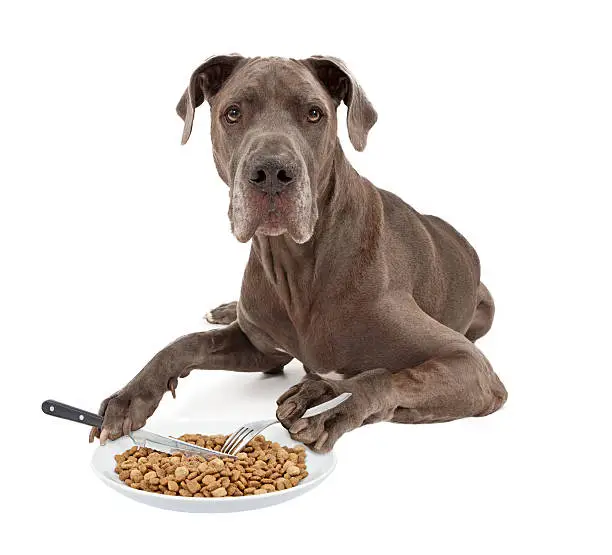
Large breed dogs such as Labrador Retrievers, German Shepherds, Golden Retrievers, Rottweilers, and Great Danes grow rapidly and carry significantly more weight than small breeds. Because of this, their bodies are under constant stress—especially on their bones and joints.
That’s why choosing the best large breed dog food is not just a preference—it’s a necessity.
Unlike regular dog food, large breed formulas are carefully designed to:
- Control growth speed in puppies
- Support joint and bone development
- Prevent obesity and related diseases
- Improve mobility and longevity
Why large breed nutrition matters
If a large breed dog grows too quickly or consumes unbalanced food, it can lead to serious health issues such as hip dysplasia or early arthritis. Nutrition is one of the most important tools to prevent these problems.
What Is Large Breed Dog Food?
Definition of Large Breed Dog Food
Large breed dog food is specially formulated nutrition designed for dogs that typically weigh 50–100+ pounds (22–45+ kg) as adults.
It focuses on:
- Controlled calorie levels
- Balanced calcium and phosphorus
- Joint-support nutrients
- High-quality but moderate protein
These formulas help large dogs grow at a safe, steady pace.
What Qualifies as a Large Breed Dog?
A dog is generally considered “large breed” if it meets the following:
Common large breeds include:
- Labrador Retriever
- German Shepherd
- Golden Retriever
- Rottweiler
- Boxer
- Doberman Pinscher
These dogs share one important trait: they grow fast and carry heavy body weight, which puts stress on their skeletal system.
Large Breed vs Giant Breed Dogs
There is a difference between large and giant breeds.
| Category | Weight Range | Examples |
|---|---|---|
| Large Breed | 50–100 lbs | Labrador, German Shepherd |
| Giant Breed | 100+ lbs | Great Dane, Mastiff, Saint Bernard |
Giant breeds often require even stricter calcium and calorie control to prevent developmental issues.
Why Regular Dog Food May Not Be Ideal for Large Dogs
Regular dog food is often not formulated with large breed growth in mind.
Problems include:
- Too many calories → rapid weight gain
- Excess calcium → bone development issues
- Unbalanced protein → muscle strain
- Lack of joint support nutrients
Over time, these imbalances can contribute to chronic conditions like arthritis and hip dysplasia.
Nutritional Differences Between Large and Small Breed Foods
Large breed dog food is not just “bigger kibble.” It is scientifically balanced.
| Nutrient Factor | Large Breed Food | Small Breed Food |
|---|---|---|
| Calories | Lower density | Higher density |
| Calcium | Controlled | Standard |
| Joint support | Added (glucosamine) | Minimal |
| Protein level | Moderate to high | Often higher |
| Kibble size | Larger pieces | Smaller pieces |
This balance helps prevent rapid growth and supports long-term mobility.
Nutritional Needs of Large Breed Dogs
Understanding nutrition is the foundation of choosing the best dog food for large breeds.
High-Quality Protein Requirements
Protein is essential for:
- Muscle development
- Tissue repair
- Immune system strength
However, large breed dogs need moderate but high-quality protein, not excessive amounts.
Best protein sources include:
- Chicken
- Beef
- Turkey
- Salmon
- Lamb
Healthy Fat Content
Fats provide energy and support brain and skin health.
Ideal sources:
- Fish oil
- Chicken fat
- Flaxseed
Too much fat can lead to obesity, while too little can reduce energy levels.
Controlled Calcium and Phosphorus Levels
One of the most important aspects of large breed nutrition is bone development.
Incorrect calcium levels can cause:
- Abnormal bone growth
- Joint deformities
- Long-term mobility issues
Balanced calcium-to-phosphorus ratios ensure steady skeletal development.

Importance of Joint-Support Nutrients
Large dogs carry significant weight, which stresses their joints.
Key nutrients include:
- Glucosamine
- Chondroitin
- Omega-3 fatty acids
These help reduce inflammation and support cartilage health.
Fiber for Digestive Health
Fiber helps maintain:
- Healthy digestion
- Regular bowel movements
- Gut balance
Common fiber sources:
- Sweet potatoes
- Brown rice
- Pumpkin
- Oatmeal
Essential Vitamins and Minerals
Large breed dogs require a balanced intake of:
- Vitamin A (vision and immunity)
- Vitamin E (antioxidant support)
- Calcium (bone strength)
- Zinc (skin health)
Omega-3 and Omega-6 Fatty Acids
These essential fats support:
- Skin health
- Coat shine
- Joint mobility
- Heart function
Fish oil is one of the best natural sources.
Why Large Breed Dogs Need Specialized Food
Large breed nutrition is not just marketing—it is science-based feeding designed to prevent serious health problems.
Bone and Joint Development
Large dogs grow quickly, and improper nutrition can lead to:
- Hip dysplasia
- Elbow dysplasia
- Bone deformities
Proper food helps guide healthy skeletal formation.
Managing Rapid Growth Rates
Puppies of large breeds must grow slowly and steadily.
Fast growth increases risk of:
- Joint stress
- Weak ligaments
- Structural issues
That’s why controlled calorie intake is essential.
Preventing Obesity
Obesity is one of the most common issues in large dogs.
It increases risk of:
- Heart disease
- Diabetes
- Joint degeneration
Balanced nutrition helps maintain a healthy weight.
Supporting Mobility and Longevity
The right diet helps large dogs stay active longer by:
- Supporting joint flexibility
- Reducing inflammation
- Maintaining muscle mass
Reducing Orthopedic Problems
Orthopedic issues are common in large breeds.
Proper nutrition helps reduce risk of:
- Arthritis
- Ligament injuries
- Mobility loss
How to Choose the Best Large Breed Dog Food
Choosing the right food can feel overwhelming, but focusing on key nutritional factors makes it easier.

Check AAFCO Nutritional Standards
This ensures the food supports all life stages or specific breed needs.
Review Ingredient Quality
Look for:
- Whole food ingredients
- Recognizable proteins
- Minimal fillers
Avoid vague terms like “meat meal” without specification.
Look for Named Protein Sources
Good labels include:
- “Chicken”
- “Beef”
- “Salmon”
Avoid generic “animal by-products.”
Consider Calorie Density
Large dogs need controlled calorie intake.
Too many calories = weight gain
Too few calories = nutrient deficiency
Evaluate Joint Health Ingredients
Look for:
- Glucosamine
- Chondroitin
- Omega-3s
These are essential for large breed dog food for joint health.
Avoid Artificial Fillers and Preservatives
Avoid ingredients like:
- Artificial colors
- BHA / BHT preservatives
- Excess corn or soy
Consider Your Dog’s Age and Activity Level
Nutrition varies depending on:
- Puppy (growth support)
- Adult (maintenance)
- Senior (joint + weight control)
Active dogs require more calories than sedentary pets.
Best Large Breed Dog Foods Overall
Choosing from hundreds of brands can be overwhelming, so this section highlights widely trusted options based on ingredient quality, nutritional balance, and suitability for large breeds.
Top Picks at a Glance
| Brand | Rating | Protein Source | Joint Support | Life Stage | Price Range |
|---|---|---|---|---|---|
| Hill’s Science Diet Large Breed | 4.8/5 | Chicken | Glucosamine + Chondroitin | Adult/Senior | $$ |
| Royal Canin Large Breed | 4.7/5 | Chicken by-product protein | EPA/DHA blend | All stages | $$$ |
| Blue Buffalo Life Protection Large Breed | 4.6/5 | Deboned chicken | Glucosamine | Adult | $$ |
| Purina Pro Plan Large Breed | 4.8/5 | Real chicken | Fish oil + glucosamine | All stages | $$ |
| Wellness CORE Large Breed | 4.7/5 | Turkey & chicken | Natural joint support | High protein adults | $$$ |
Best Overall Large Breed Dog Food
Purina Pro Plan Large Breed Formula
A widely recommended option by veterinarians due to its strong nutritional research backing.
Key benefits:
- High-quality real chicken protein
- Balanced fat for energy
- Added glucosamine for joint health
- Easily digestible formula
This is one of the most balanced choices for everyday feeding.
Best Premium Large Breed Dog Food
Wellness CORE Large Breed Formula
A high-protein, grain-free premium option for active dogs.
Highlights:
- Protein-rich formula
- No artificial preservatives
- Omega fatty acids for coat health
- Strong joint support blend
Ideal for energetic large breeds needing extra muscle support.
Best Budget Large Breed Dog Food
Blue Buffalo Life Protection Large Breed
A good balance between affordability and nutrition.
Benefits:
- Real deboned chicken
- Whole grain carbohydrates
- Antioxidant-rich ingredients
- Reasonable pricing
Great for long-term feeding without overspending.
Best Veterinarian-Recommended Large Breed Dog Food
Hill’s Science Diet Large Breed
Frequently recommended by vets for its controlled nutrient profile.
Why vets trust it:
- Science-backed formulation
- Controlled calcium levels
- Easy digestion support
- Consistent quality control
Learn more about veterinary nutrition standards at the
World Small Animal Veterinary Association (WSAVA) Guidelines
Best Natural Large Breed Dog Food
Royal Canin Large Breed Adult
While not marketed as “natural,” it focuses heavily on precise nutrition.
Key features:
- Highly digestible proteins
- Controlled calorie content
- Strong joint support system
- Breed-specific formulation
Best Dry Dog Food for Large Breeds
Dry food (kibble) remains the most common feeding option due to convenience and cost efficiency.

Benefits of Dry Food
- Long shelf life
- Easy portion control
- Affordable feeding option
- Helps reduce tartar buildup
Many owners prefer kibble as a daily staple for large dogs.
Top Large Breed Kibble Brands
- Hill’s Science Diet Large Breed
- Purina Pro Plan Large Breed
- Blue Buffalo Large Breed
- Wellness CORE Large Breed
- Nutro Ultra Large Breed
Best Dry Food for Active Large Dogs
Active dogs need higher energy formulas.
Recommended features:
- Higher protein (25–30%)
- Increased fat content
- Omega fatty acids
Best picks:
- Wellness CORE
- Purina Pro Plan Sport Large Breed
Best Dry Food for Moderate Activity Dogs
For less active dogs:
- Controlled calories
- Balanced protein
- Moderate fat levels
Best picks:
- Hill’s Science Diet
- Blue Buffalo Life Protection
Large Kibble vs Standard Kibble
| Feature | Large Kibble | Standard Kibble |
|---|---|---|
| Size | Bigger chunks | Smaller pieces |
| Chewing | Slower eating | Faster eating |
| Dental health | Better plaque control | Standard effect |
| Suitability | Large breeds | All breeds |
Large kibble helps reduce gulping and improves digestion.
Best Wet Dog Food for Large Breeds
Wet food offers a different nutritional experience and is often used alongside kibble.
Benefits of Wet Food
- High moisture content
- Easier chewing for seniors
- Stronger aroma (better appetite)
- Supports hydration
Wet Food vs Dry Food
| Factor | Wet Food | Dry Food |
|---|---|---|
| Moisture | High | Low |
| Cost | Higher | Lower |
| Storage | Short after opening | Long shelf life |
| Dental benefit | Low | High |
Best Large Breed Wet Dog Food Brands
- Hill’s Science Diet Wet Large Breed
- Royal Canin Wet Formula
- Blue Buffalo Homestyle Recipe
- Purina Pro Plan Wet Food
Mixing Wet and Dry Food
Many owners combine both for balanced nutrition:
Benefits:
- Better taste
- Improved hydration
- Balanced nutrients
- Reduced boredom
Best Large Breed Puppy Food
Puppies require extremely controlled nutrition to prevent long-term joint problems.
Why Large Breed Puppies Need Special Nutrition
Large breed puppies grow rapidly, but uncontrolled growth can cause:
- Hip dysplasia
- Joint misalignment
- Bone deformities
Controlled Growth and Development
Puppy food must:
- Limit calorie density
- Control calcium intake
- Support gradual bone growth
This is one of the most critical parts of large breed puppy nutrition.
Calcium-to-Phosphorus Ratio Importance
Ideal ratio:
1.2:1 to 1.4:1 (Calcium to Phosphorus)
Imbalance can lead to skeletal issues.
Best Large Breed Puppy Food Brands
- Royal Canin Large Breed Puppy
- Hill’s Science Diet Large Breed Puppy
- Purina Pro Plan Large Breed Puppy
- Blue Buffalo Large Breed Puppy
Feeding Schedule for Large Breed Puppies
| Age | Meals per Day |
|---|---|
| 8–12 weeks | 4 meals |
| 3–6 months | 3 meals |
| 6–12 months | 2–3 meals |
Always follow veterinary guidance for growth tracking.
Best Large Breed Adult Dog Food
Adult large dogs require maintenance nutrition rather than growth-focused formulas.
Nutritional Needs of Adult Large Dogs
Adults need:
- Balanced protein
- Moderate fat
- Joint support
- Controlled calories
Maintaining Lean Muscle Mass
Protein helps:
- Preserve muscle
- Support metabolism
- Maintain strength
Weight Management Strategies
Large dogs easily gain weight, so owners should:
- Measure meals
- Limit treats
- Encourage daily exercise
Recommended Adult Large Breed Foods
- Purina Pro Plan Large Breed Adult
- Hill’s Science Diet Adult Large Breed
- Blue Buffalo Large Breed Adult
- Wellness CORE Large Breed Adult
Best Large Breed Senior Dog Food
Senior dogs require gentler nutrition with joint support.
Nutritional Changes in Aging Dogs
Older dogs need:
- Lower calories
- Easier digestion
- Higher fiber
- Joint support nutrients
Joint and Mobility Support
Key ingredients:
- Glucosamine
- Chondroitin
- Fish oil
- MSM
Lower-Calorie Senior Formulas
Helps prevent:
- Obesity
- Heart strain
- Joint stress
Best Senior Large Breed Dog Foods
- Hill’s Science Diet Senior Large Breed
- Royal Canin Large Aging Formula
- Blue Buffalo Senior Large Breed
- Purina Pro Plan Senior
Best Dog Food for Giant Breeds
Giant breeds require even more precise nutrition control.
Giant Breed Nutritional Requirements
- Strict calorie control
- Lower calcium levels
- Strong joint support
- Slow growth management
Differences Between Large and Giant Breed Foods
Giant breeds need:
- Even slower growth diets
- More controlled mineral intake
- Higher joint support levels
Recommended Foods for Giant Breeds
- Royal Canin Giant Breed
- Hill’s Science Diet Giant Puppy
- Purina Pro Plan Large Robust Formulas
Feeding Tips for Giant Dogs
- Feed multiple small meals
- Avoid exercise immediately after eating
- Monitor weight closely
Best Grain-Free Large Breed Dog Food
Grain-free diets have become popular among dog owners, but they are not necessary for every dog.
What Is Grain-Free Dog Food?
Grain-free dog food excludes common grains like:
- Wheat
- Corn
- Rice
- Barley
- Oats
Instead, it uses alternatives such as:
- Sweet potatoes
- Lentils
- Peas
- Chickpeas
Pros and Cons of Grain-Free Diets
| Pros | Cons |
|---|---|
| May help dogs with grain sensitivities | Not necessary for most dogs |
| Often higher in protein | Can be more expensive |
| Uses alternative carbs | Some formulas may be calorie-dense |
| Fewer common allergens | Veterinary concerns in some cases |
Veterinary research continues to evaluate grain-free diets. The
FDA Animal & Veterinary Grain-Free Diet Investigation
has highlighted the importance of choosing balanced formulas carefully.
Best Grain-Free Large Breed Brands
- Wellness CORE Large Breed Grain-Free
- Blue Buffalo Wilderness Large Breed
- Taste of the Wild Large Breed Formula
- Merrick Grain-Free Large Breed
Veterinary Considerations
Always consult your vet before switching to grain-free, especially for:
- Puppies
- Giant breeds
- Dogs with heart conditions
Best Large Breed Dog Food for Joint Health
Joint health is one of the most important concerns for large dogs.
Common Joint Problems in Large Dogs
Large breeds are prone to:
- Hip dysplasia
- Elbow dysplasia
- Arthritis
- Ligament injuries
Glucosamine and Chondroitin Benefits
These ingredients help:
- Protect cartilage
- Reduce inflammation
- Improve mobility
- Support aging joints
Omega-3 Fatty Acids for Mobility
Omega-3s (from fish oil) help:
- Reduce joint stiffness
- Improve flexibility
- Support heart health
Best Joint Support Dog Foods
- Hill’s Science Diet Large Breed Joint Care
- Purina Pro Plan Joint Support Formula
- Royal Canin Mobility Support
- Blue Buffalo Joint Health Large Breed
Best Large Breed Dog Food for Sensitive Stomachs
Some large dogs have digestive sensitivities that require gentle nutrition.
Common Digestive Issues
Symptoms include:
- Loose stools
- Gas
- Vomiting
- Bloating
Easily Digestible Ingredients
Best ingredients include:
- Chicken
- Rice
- Pumpkin
- Oatmeal
- Sweet potatoes
Limited Ingredient Diets
These diets reduce triggers by:
- Using fewer protein sources
- Removing common allergens
- Simplifying digestion
Recommended Foods for Sensitive Stomachs
- Hill’s Science Diet Sensitive Stomach & Skin
- Purina Pro Plan Sensitive Skin & Stomach
- Royal Canin Gastrointestinal Large Breed
- Blue Buffalo Basics Limited Ingredient
Best Large Breed Dog Food for Allergies
Food allergies can significantly affect a dog’s comfort and health.
Common Food Allergens
Most common triggers include:
- Beef
- Dairy
- Chicken
- Wheat
- Soy
Signs of Food Allergies
Watch for:
- Constant itching
- Ear infections
- Skin rashes
- Diarrhea or vomiting
- Paw licking
Hypoallergenic Dog Food Options
These formulas often include:
- Novel proteins (duck, salmon, lamb)
- Hydrolyzed proteins
- Limited ingredients
Best Allergy-Friendly Large Breed Foods
- Royal Canin Hydrolyzed Protein
- Hill’s Prescription Diet z/d
- Blue Buffalo Basics Salmon Recipe
- Purina Pro Plan Veterinary Diets
Best Large Breed Dog Food for Weight Management
Weight control is critical for large breed longevity.
Causes of Weight Gain in Large Dogs
- Overfeeding
- Lack of exercise
- High-calorie treats
- Aging metabolism
Low-Calorie Large Breed Formulas
These foods help by:
- Reducing fat content
- Increasing fiber
- Maintaining protein levels
High-Fiber Ingredients
Fiber helps dogs feel full:
- Pumpkin
- Beet pulp
- Brown rice
- Oatmeal
Recommended Weight Control Foods
- Hill’s Science Diet Perfect Weight Large Breed
- Purina Pro Plan Weight Management
- Royal Canin Light Weight Care
- Blue Buffalo Healthy Weight
Best High-Protein Dog Food for Large Breeds
High-protein diets are ideal for active or working dogs.
Benefits of High-Protein Diets
- Builds lean muscle
- Supports energy levels
- Improves recovery
- Enhances performance
Protein Requirements by Activity Level
| Activity Level | Protein Needs |
|---|---|
| Low activity | 18–22% |
| Moderate activity | 22–28% |
| High activity | 28–32% |
Best High-Protein Large Breed Foods
- Wellness CORE Large Breed
- Blue Buffalo Wilderness
- Purina Pro Plan Sport
- Merrick Grain-Free Large Breed
When High Protein May Not Be Appropriate
Avoid excessive protein for:
- Sedentary dogs
- Kidney disease cases (vet-guided)
- Overweight dogs (without calorie control)
Best Dog Food for Active Large Breed Dogs
Active and working dogs need performance-focused nutrition.
Increased Energy Requirements
Active dogs burn more calories due to:
- Exercise
- Training
- Working roles
Working and Sporting Breeds
Examples:
- German Shepherds
- Border Collies
- Belgian Malinois
- Labrador Retrievers
Performance Nutrition Needs
They require:
- High protein
- Higher fat content
- Electrolyte balance
- Joint support
Recommended Active Dog Formulas
- Purina Pro Plan Sport
- Eukanuba Performance
- Blue Buffalo Wilderness Active
- Victor Hi-Pro Plus
Ingredients to Look for in Large Breed Dog Food
High-quality ingredients make a huge difference in long-term health.
Real Chicken
- Lean protein
- Highly digestible
- Supports muscle growth
Beef
- Rich in iron
- Strong protein source
Salmon
- High omega-3 content
- Supports skin and joints
Turkey
- Lean and gentle on digestion
Lamb
- Good for sensitive dogs
Sweet Potatoes
- Fiber-rich energy source
Brown Rice
- Gentle carbohydrate
- Easy digestion
Oatmeal
- Supports gut health
Fish Oil
- Joint + heart support
Glucosamine and Chondroitin
- Essential for joint protection
Ingredients to Avoid in Large Breed Dog Food
Avoiding poor-quality ingredients is just as important as choosing good ones.
Artificial Colors
No nutritional value—only cosmetic.
Artificial Flavors
Often unnecessary if food quality is high.
Chemical Preservatives
Avoid:
- BHA
- BHT
- Ethoxyquin
Excessive Fillers
Such as:
- Corn syrup
- Low-quality corn
- Excess soy
Generic Meat By-Products
Lack transparency and quality assurance.
Added Sugars
Can contribute to:
- Obesity
- Diabetes risk
- Dental problems
Large Breed Dog Food vs Regular Dog Food
Nutritional Differences
Large breed food focuses on:
- Controlled calories
- Joint support
- Balanced minerals
Calorie Density Comparison
| Type | Calories |
|---|---|
| Large Breed Food | Moderate |
| Regular Dog Food | Higher |
Joint Support Differences
Large breed formulas include:
- Glucosamine
- Chondroitin
- Omega-3s
Which Is Better for Large Dogs?
Large breed-specific food is almost always better for long-term health.
Large Breed Dog Food vs Homemade Diets
Advantages of Homemade Feeding
- Ingredient control
- Fresh meals
- Custom recipes
Nutritional Challenges
Risk of:
- Vitamin imbalance
- Calcium deficiency
- Protein inconsistency
Cost Comparison
| Diet Type | Cost |
|---|---|
| Commercial Large Breed Food | Moderate |
| Homemade Diet | High (balanced properly) |
Which Option Is Best?
For most owners, balanced commercial large breed food is safer and more reliable.
How Much Should You Feed a Large Breed Dog?
Feeding by Weight
Use manufacturer feeding charts based on:
- Body weight
- Activity level
Feeding by Age
- Puppies: higher calories
- Adults: maintenance
- Seniors: reduced calories
Activity-Level Adjustments
Active dogs need more calories; sedentary dogs need less.
Avoiding Overfeeding
Overfeeding leads to:
- Obesity
- Joint strain
- Heart stress
Feeding Schedule for Large Breed Dogs
Puppy Feeding Schedule
- 3–4 meals per day
Adult Feeding Schedule
- 2 meals per day
Senior Feeding Schedule
- 2 smaller meals per day
Meal Frequency Recommendations
Smaller, frequent meals help reduce bloat (GDV) risk.
Common Health Problems in Large Breed Dogs
Hip Dysplasia
Joint malformation causing pain and mobility issues.
Elbow Dysplasia
Common in fast-growing breeds.
Arthritis
Inflammation of joints in older dogs.
Obesity
One of the biggest threats to longevity.
Bloat (GDV)
A life-threatening stomach condition in large breeds.
Heart Disease
Some breeds are genetically predisposed.
Common Mistakes When Feeding Large Breed Dogs
Overfeeding Puppies
Leads to rapid, unsafe growth.
Excessive Calcium Supplementation
Can cause bone development issues.
Ignoring Weight Gain
Early intervention is critical.
Choosing Low-Quality Food
Cheap foods often lack proper nutrition.
Switching Foods Too Quickly
Can cause digestive upset.
Frequently Asked Questions About Large Breed Dog Food
What is the best large breed dog food?
A balanced formula with controlled calories, joint support, and high-quality protein.
Do large breed dogs need special food?
Yes, due to growth rate and joint health needs.
Is grain-free food good for large breed dogs?
Only if recommended by a veterinarian.
What protein level is best?
Moderate to high (around 22–30%).
How much should they eat daily?
Depends on weight, age, and activity.
When switch puppy to adult food?
Around 12–18 months for most large breeds.
What supports joint health?
Glucosamine, chondroitin, and omega-3 fatty acids.
Wet or dry food better?
Both can work; many owners combine them.
Can they eat regular dog food?
Not ideal long-term for large breeds.
Healthiest dog food?
One that is balanced, complete, and life-stage appropriate.
Expert Tips for Buying Large Breed Dog Food
Reading Dog Food Labels
Check:
- First ingredient
- Protein source
- Guaranteed analysis
Understanding Guaranteed Analysis
Shows:
- Protein %
- Fat %
- Fiber %
Comparing Ingredient Quality
Always prefer:
- Named meats
- Whole foods
- Natural preservatives
Evaluating Cost vs Nutrition
Cheapest is not always best—focus on nutritional density.
Consulting Your Veterinarian
Always important for:
- Puppies
- Seniors
- Dogs with medical conditions
Conclusion
Choosing the best large breed dog food is one of the most important decisions you can make for your dog’s long-term health.